Loading...

Diving at Zaton Bay (Croatia)
Published
Last updated
Set inside a sheltered coastal inlet northwest of Dubrovnik between the settlements of Zaton and Orašac, Zaton Bay combines two shallow limestone caverns with a sloped rocky wall and a 30 m / 98 ft sandy floor. Speedboats departing Dubrovnik's Lapad peninsula reach the northwestern cliff line in roughly 10 minutes past Daksa Island Lighthouse. Divers enter both cavern portals at 5 m / 16 ft before crossing the bay at 10 m / 33 ft toward a southeastern wall that drops past a massive boulder at 18 m / 59 ft down to 30 m / 98 ft. Calm surface waters and stepped depth zones allow Open Water divers to explore the sunlit caverns and upper reef while Advanced Open Water divers continue down to the deeper sand plain.
Current morning readings from Zaton Bay indicate an air temperature of 15°C. Surface wave heights are averaging around 1.8 m at this time. These local measurements provide a baseline for your daily dive planning.
Dive Site Location & Key Facts
Site Characteristics
Max Depth30m / 98ft
Entry Typeboat
Water Typesalt
Dive Types
CavernReefWall
Dive Site Overview
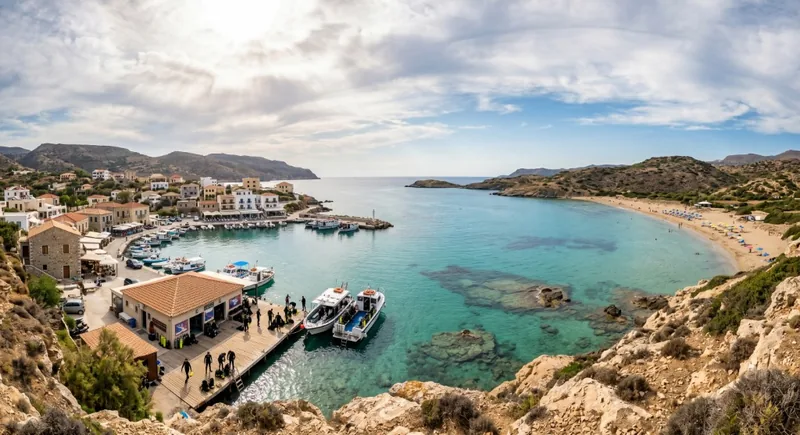
Carving deeply into the mainland carbonate coast of southern Dalmatia roughly 8 km / 5 mi northwest of Dubrovnik's historic port, Zaton Bay sits enclosed by steep pine-clad slopes between Zaton and Orašac. Surrounding limestone hills shield the inlet from open-sea swell, providing reliable morning and afternoon moorings along the northwestern cliff face. Hydrogeological studies of the Dubrovnik coastal karst spring system show how fractured Cretaceous limestone and subterranean freshwater conduits sculpted the submerged fissures, coastal springs, and sea caverns lining this shoreline.
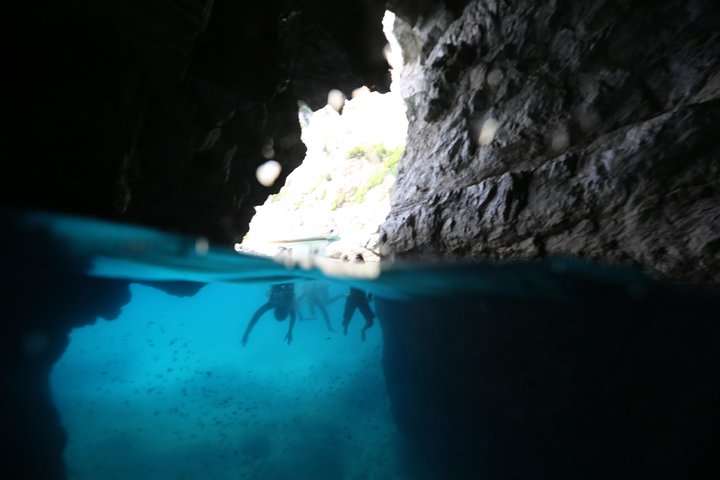
Along the northwestern cliff, two distinct cavern openings sit side by side at a depth of 5 m / 16 ft. Positioned closer to the open mouth of the bay, the first cavern admits divers in pairs along a 10 m / 33 ft corridor opening into a wide sandy-bottomed vault. During sunny afternoon dives, angled rays pierce a narrow overhead fissure in the rock roof and project bright beams across the interior water column.
A short fin along the same 5 m / 16 ft contour leads to the wider entrance of the second cavern, where the floor shifts gradually from rounded cobbles to gravel and fine sand. At 20 m / 66 ft inside the entrance and a depth of 2 m / 7 ft, divers can surface inside an initial air pocket large enough for six divers before guided teams slip through a low submerged passage into a broader inner chamber ringed by stalactites above a tiny sandy beach.
After exploring both shallow caverns, teams angle southeastward across the bay along an average depth of 10 m / 33 ft. That midwater crossing intercepts a steep limestone wall leading to a prominent detached boulder at 18 m / 59 ft, while deep-certified divers continue down onto the open 30 m / 98 ft sandy seabed in search of crustaceans before ascending gradually along the reef terrace.
Zaton Bay
Conditions are Poor
4/10
Confidence: 8/10
Indicates meteorological model agreement and data availability.
DIVE WARNING
High Wind Advisory (45km/h). Unsafe surface.
06:12
18:45
H: 10:45
L: 16:20
Air / Sea Temp
15° / 19°
Wave Height
1.8 m
Wind Speed
45 km/h N
Rain Chance
100%
Current conditions near Zaton Bay show 15° air, 19° sea temperature, 1.8 m waves, and 45 km/h wind. Forecast data is refreshed regularly to ensure accuracy.
Radius: ~12km
Updated: Nov 23, 2026, 01:20 local timeMARINE: OPEN-METEOWEATHER: YR.NO
Best Time to Dive
Main diving operations in Zaton Bay run from May through October, when settled Adriatic high pressure brings calm seas and long hours of overhead sunshine. Multi-decade records from the Croatian Meteorological and Hydrological Service station in Dubrovnik show mean monthly air temperatures climbing to 25°C / 77°F in July and August alongside more than 330 monthly sunshine hours and minimal July rainfall of 32 mm / 1.3 in. Official Croatian coastal sea temperature observations at Dubrovnik track seasonal warming from 13 to 14°C / 55 to 57°F in winter to 18 to 20°C / 64 to 68°F in May and June, peaking at 24 to 26°C / 75 to 79°F in July and August and holding near 18°C / 64°F in mid-November. Between June and September, summer thermal stratification in the southern Adriatic creates a distinct thermocline between 15 and 20 m / 49 and 66 ft that keeps the 30 m / 98 ft sandy floor noticeably cool. Dry northeasterly winds flatten nearshore chop beneath the northwestern cliffs, whereas autumn and early-winter southeasterly storms bring up to 143 mm / 5.6 in of monthly rain and heavier karst spring discharge. Afternoon boat departures from June through September align with the western sun angle needed to light up the ceiling crack inside the outer cavern.
PEAK SEASON SCORE
97/100
ExcellentScores combine air & water temps, waves, wind & rainfall for overall conditions.
BEST MONTHS TO DIVE
JUN
JUL
AUG
DIVE SCORE GUIDE (0–100)
Excellent (90–100)
Very Good (80–89)
Good (70–79)
Moderate (50–69)
Poor (30–49)
Not Recommended (0–29)
Monthly records compiled from satellite and marine observation nodes over the last 3 years. Data provided by Open-Meteo and MET Norway.
Dive Experience & Conditions
Dive boats departing from the Lapad peninsula reach the northwestern cliffs of Zaton Bay in roughly 10 minutes across sheltered channel water, making the site ideal for half-day outings. Because steep coastal ridges wrap around three sides of the inlet, underwater currents are virtually absent across all depth tiers. Horizontal visibility regularly spans 15 to 30 m / 49 to 98 ft thanks to clear oligotrophic southern Adriatic water driven northward by the Adriatic-Ionian bimodal oscillating circulation. Near the shallow cavern mouths, divers occasionally pass through a shimmering halocline after mainland rainfall when cool karst spring water mixes with warmer coastal seawater. Inside both caverns, horizontal trim and gentle frog kicks over the gravel-to-sand transition keep fine sediment settled so following buddies enjoy crisp visibility. Once out on the southeastward wall traverse between 10 and 18 m / 33 and 59 ft, bright ambient light illuminates encrusted rock ledges down to the massive boulder landmark. Divers continuing past 18 m / 59 ft to scan the 30 m / 98 ft sand plain cross a cool thermocline before returning upslope to complete an unhurried 5 m / 16 ft safety stop in calm shallows.
Dive Difficulty & Safety Guidelines
Natural depth tiers allow Open Water divers to explore the 5 m / 16 ft cavern entrances and upper southeastern wall down to 18 m / 59 ft, while Advanced Open Water divers extend their profile to the 30 m / 98 ft sandy seabed. Recreational cavern visits follow Croatian National Tourist Board cave and cavern standards, which keep non-cave-certified divers within natural daylight and inside a 40 m / 131 ft distance from open water. Entering the inner stalactite dome of the second cavern requires passing a low submerged constriction at 2 m / 7 ft and should only be done in small guided groups carrying primary and backup dive lights. All scuba diving in Croatia operates under Croatia's Ordinance on Performing Underwater Activities, which caps recreational compressed-air diving at 40 m / 131 ft and mandates marking the dive site with an orange or red surface buoy at least 30 cm / 12 in across or an Alpha dive flag to alert bay boat traffic.
Submerged and partially submerged sea caves along this cliff belong to the Natura 2000 ecological network and are managed locally by the Public Institution for Protected Natural Areas of Dubrovnik-Neretva County as habitat type 8330 sheltering roosting cave bats. Divers surfacing inside air chambers must keep voices low, avoid shining bright torch beams onto roosting bats or fragile stalactites, and never vent excess air beneath cave roofs. Round-the-clock emergency medical intake is available nearby on the mainland at the Emergency Hospital Admission Department of Dubrovnik General Hospital, while 24-hour public and military hyperbaric recompression operates at the Naval Medical Institute in Split listed in the University Hospital Center Split directory, supplemented by local private chamber support noted by the Dubrovnik-Neretva County Tourist Board.
Recommended Equipment
Overhead environment. Do not enter beyond training and gas planning limits.
- Dive Computer
- DSMB
- Primary & Backup Lights
- Reel / Spool
- Cutting Tool
This gear list is based on verified equipment signals for Zaton Bay, Croatia. Always confirm final gear choices with your dive operator, guide, or liveaboard.
Recommended Dive Suit
Individual comfort in the water can vary significantly from diver to diver, even under the same conditions.
For most recreational dives, 5mm wetsuit should provide comfortable protection. Strong winds are present; please take strong precautions against rapid cooling during surface intervals. A thermal robe or jacket is recommended between dives. Forecast conditions over the next few days suggest temperatures will remain relatively stable.
Divers heading to Zaton Bay today should expect water temperatures around 19°C (66°F). Surface air temperatures are resting at 15°C (59°F).
Zaton Bay conditions last reviewed: 01:20 local time (UTC+1), Nov 23, 2026
Emergency & Medical Support
Essential information to help you plan your dive trip to Zaton Bay.

Hyperbaric chambers are a critical part of dive safety infrastructure. Availability varies significantly by region, and not all dive areas have immediate access.
Before diving, it's recommended to:
- confirm nearest medical facilities
- check emergency procedures with local dive operators
- ensure dive insurance covers evacuation if required
24/7 Available
Divers Alert Network
Diving emergency assistance available through DAN Europe.
+39 0642115685- 24/7 emergency hotline
- Diving medical assistance
- Evacuation coordination
Emergency contacts are provided for reference. Always verify local emergency services before diving.
Closest Listed Hyperbaric Chambers (≤ 200 km)
Approximate straight-line distances from this dive site — emergency travel times may vary.
157 km157 kmZavod za pomorsku medicinu Split – Odjel za podvodnu i hiperbaričnu medicinu
Split, Croatia24/7ICU194Details157 kmZavod za pomorsku medicinu Split – Odjel za podvodnu i hiperbaričnu medicinu
24/7 ListedICU CapableSplit, Croatia · Multiplace
24/7 Emergency194CollapseHours: 24/7 EmergencyFacility: Zavod za pomorsku medicinu / KBC Split (Križine)ICU On-Site: YesSource: KBC Rijeka / Poliklinika OXY
157 km
Zavod za pomorsku medicinu Split – Odjel za podvodnu i hiperbaričnu medicinu
Split, Croatia24/7ICU194Details
157 km
Zavod za pomorsku medicinu Split – Odjel za podvodnu i hiperbaričnu medicinu
24/7 ListedICU CapableSplit, Croatia · Multiplace
24/7 Emergency194
CollapseHours: 24/7 Emergency
Facility: Zavod za pomorsku medicinu / KBC Split (Križine)
ICU On-Site: Yes
Source: KBC Rijeka / Poliklinika OXY
Chamber data is sourced from official Croatian hospital and baromedicine facility records and has not been independently verified by Dive Navigator. Always contact local emergency services, DAN, your dive operator, or the facility directly before travelling.
Reference onlyMarine Life at Zaton Bay
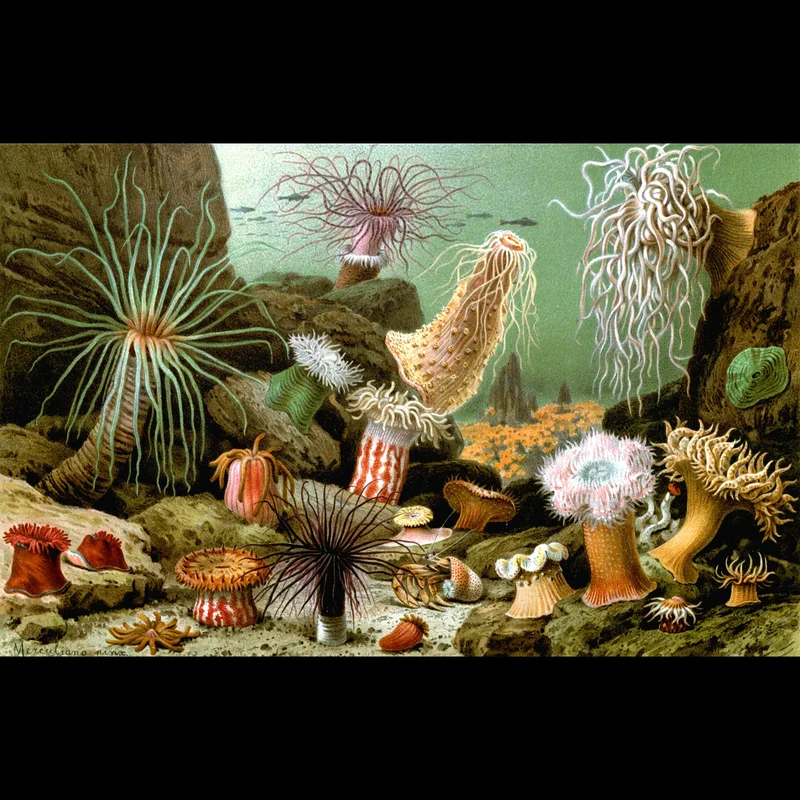
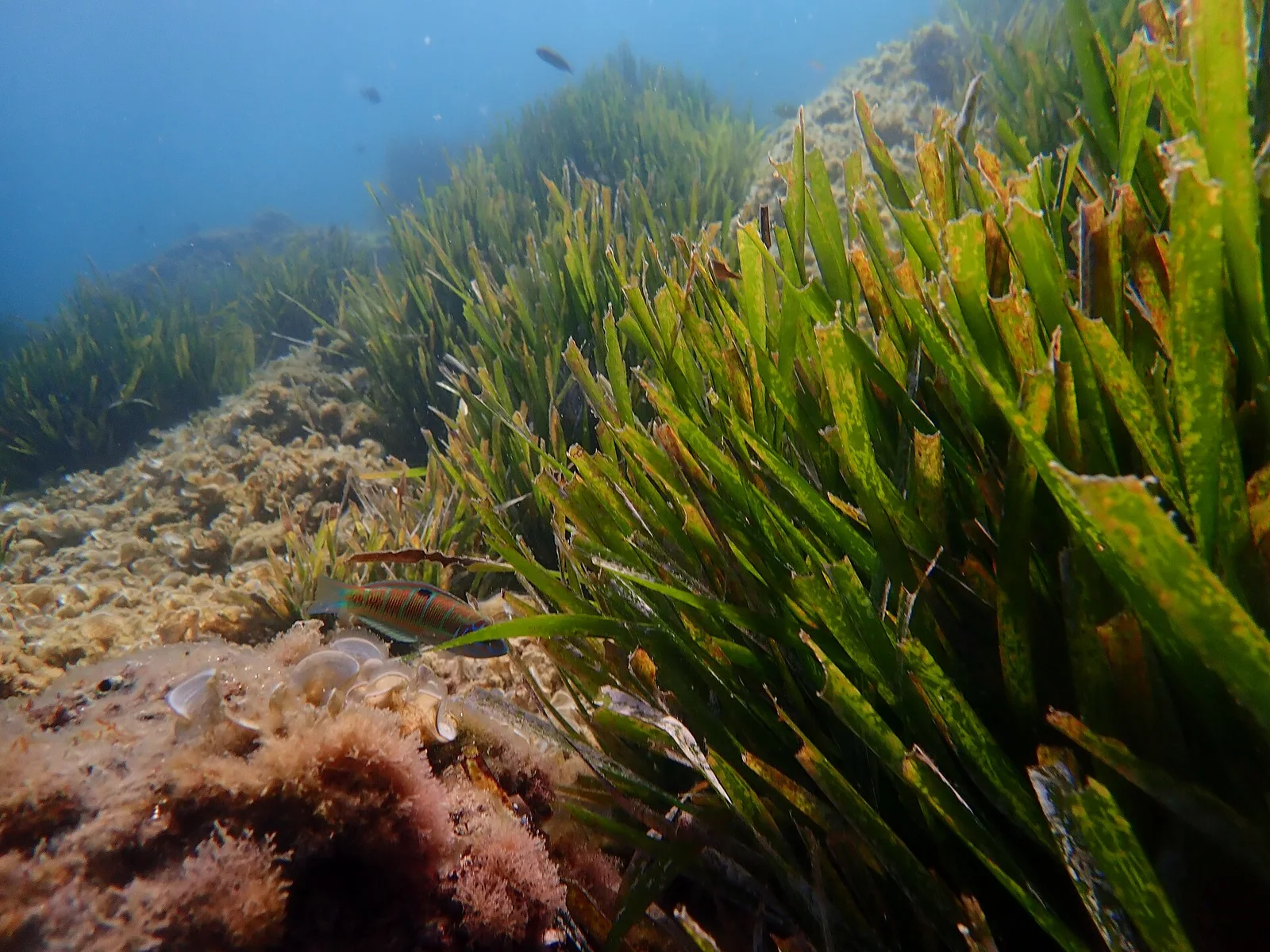
Sunlit limestone ledges outside both cavern portals down to 10 m / 33 ft support brown peacock's tail algae and patches of endemic Neptune grass monitored by the Institute of Oceanography and Fisheries benthic program in Dubrovnik. Inside the shaded cavern entrances and along overhangs on the 18 m / 59 ft southeastern wall, light-shy walls glow with colorful demosponges, southern Adriatic yellow cluster anemones and sunset cup corals, and red calcareous algae while cardinalfish, damselfish, painted combers, and two-banded seabream shelter in rock recesses.
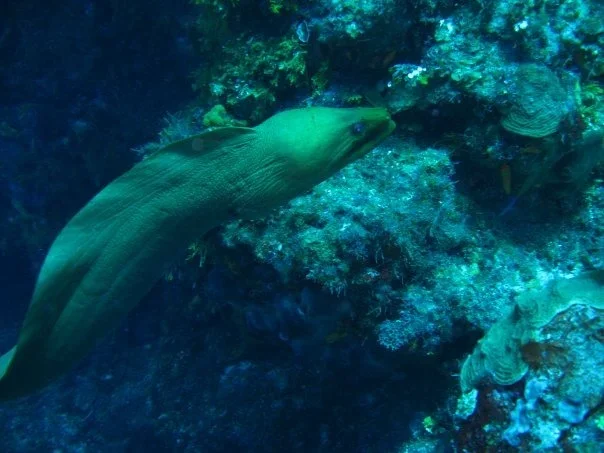
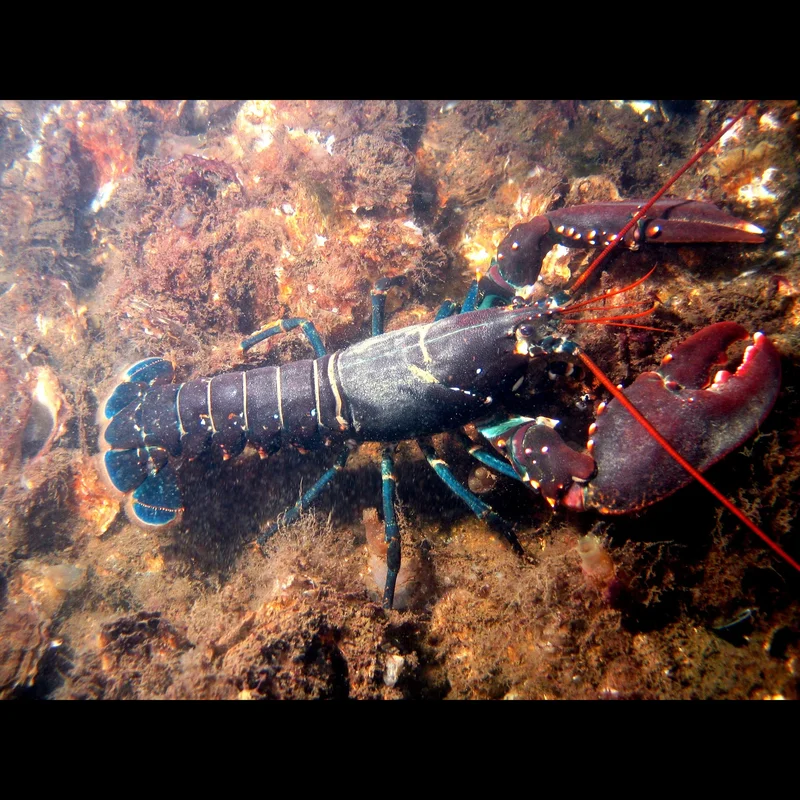
Deeper crevices around the 18 m / 59 ft boulder and ledges bordering the 30 m / 98 ft sandy plain host Adriatic benthic species including European lobsters, Mediterranean moray eels, and common octopuses. Divers crossing seagrass and sand margins must stay well clear of upright fan mussel shells in support of county recovery efforts for the critically endangered noble pen shell, while protected Mediterranean horseshoe and Geoffroy's bats roost quietly inside dry overhead cave domes above the water surface.

1 / 2
Image contributors:laszlo-photo, Giacomo Merculiano + 4 more
Want to contribute photos or local dive knowledge? Learn how to contributeDive Sites Near Zaton Bay
View all dive sites in CroatiaDiscover more underwater gems in this area.
Max 35 m
9.4 km
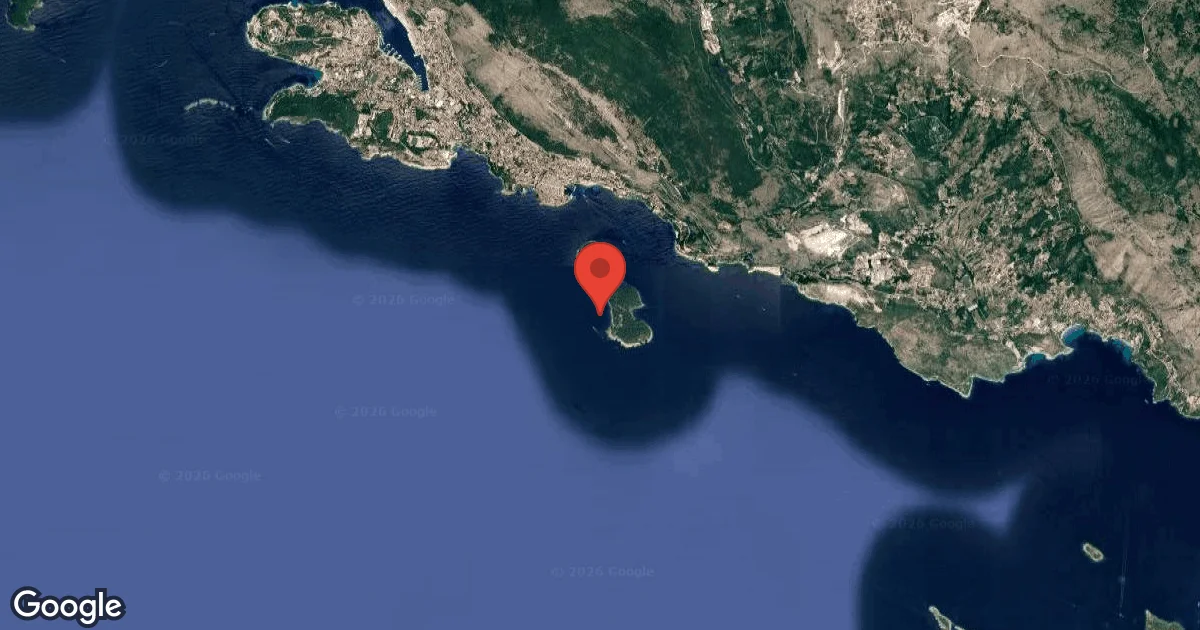
Tomislav Wreck
BoatOcean
Max 30 m
9.8 km
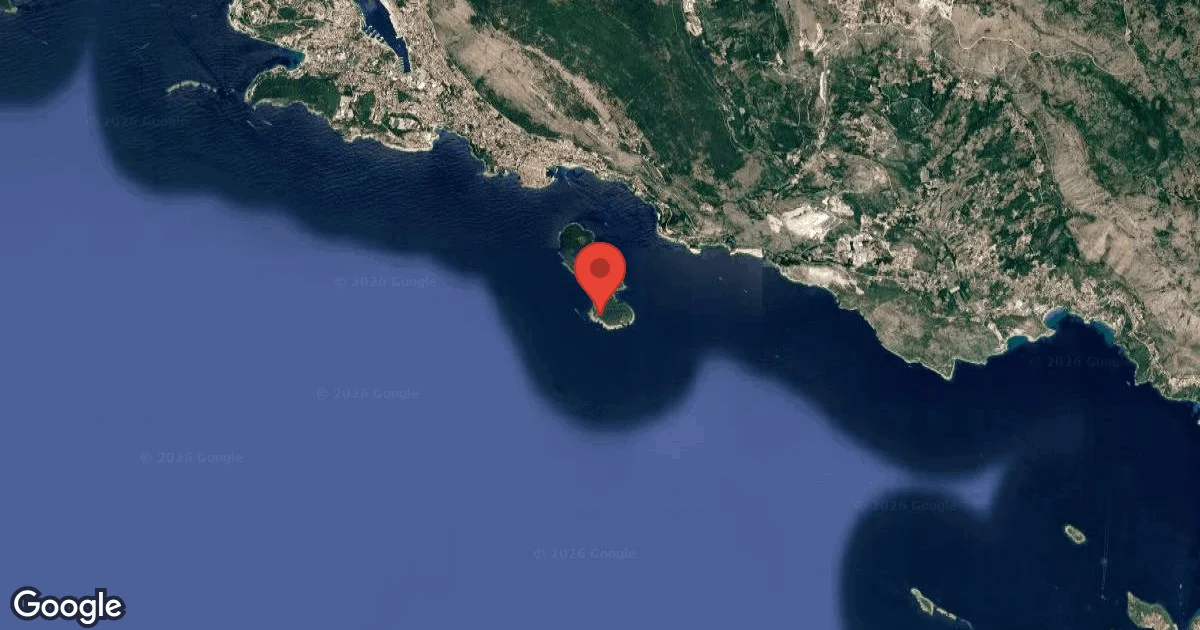
Lokrum Island and Dead Sea Lake
BoatCavern
Max 50 m
2.8 km
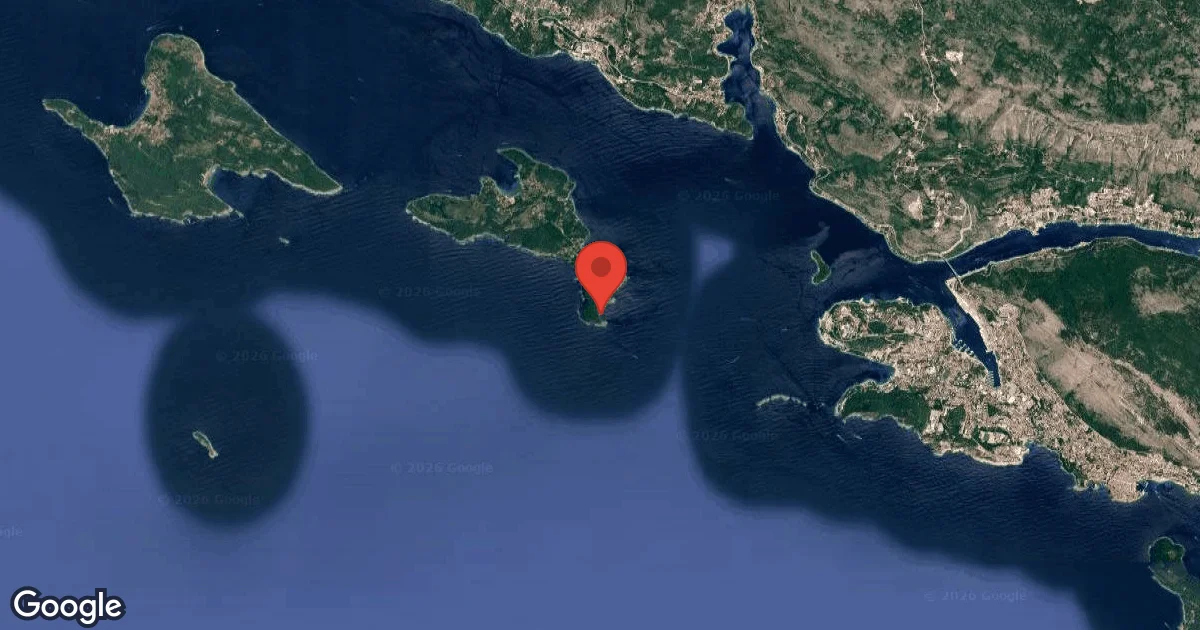
Jabuka Caves
BoatCave
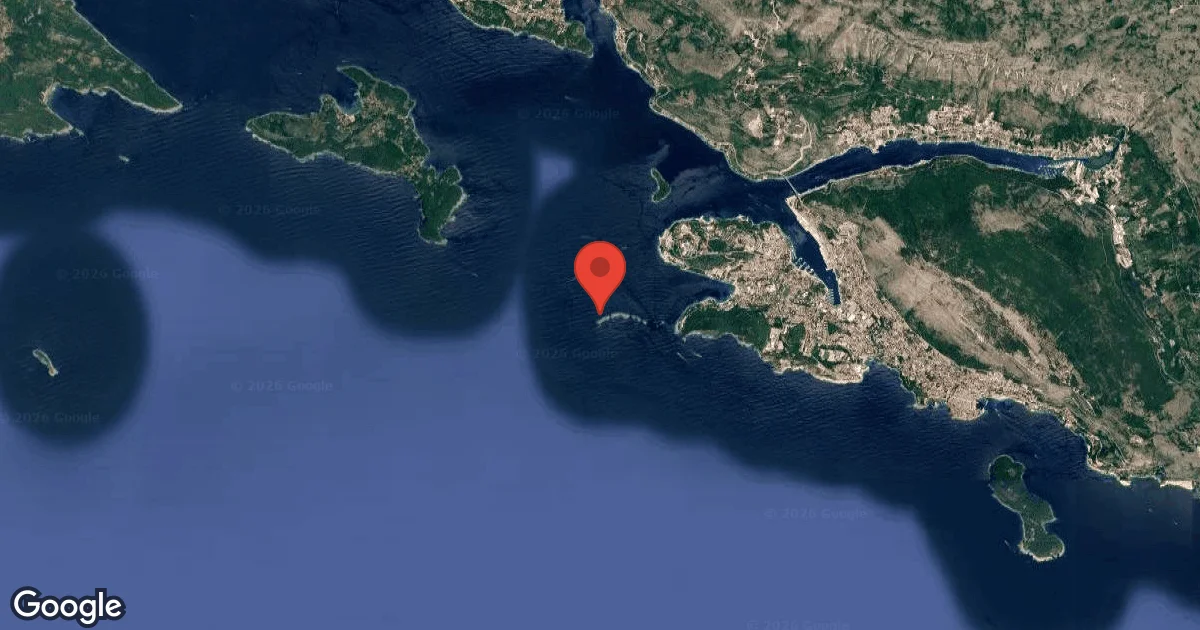
Max 52 m
3.8 km
SS Taranto
BoatOcean
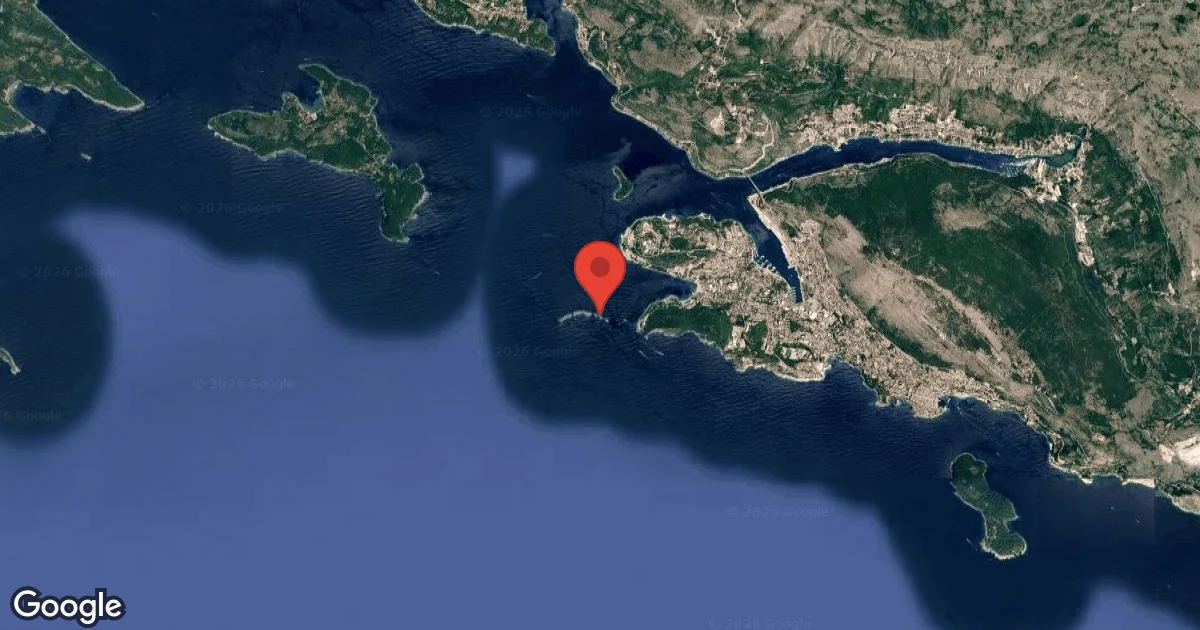
Max 40 m
3.9 km
Grebeni Islets
BoatCanyon
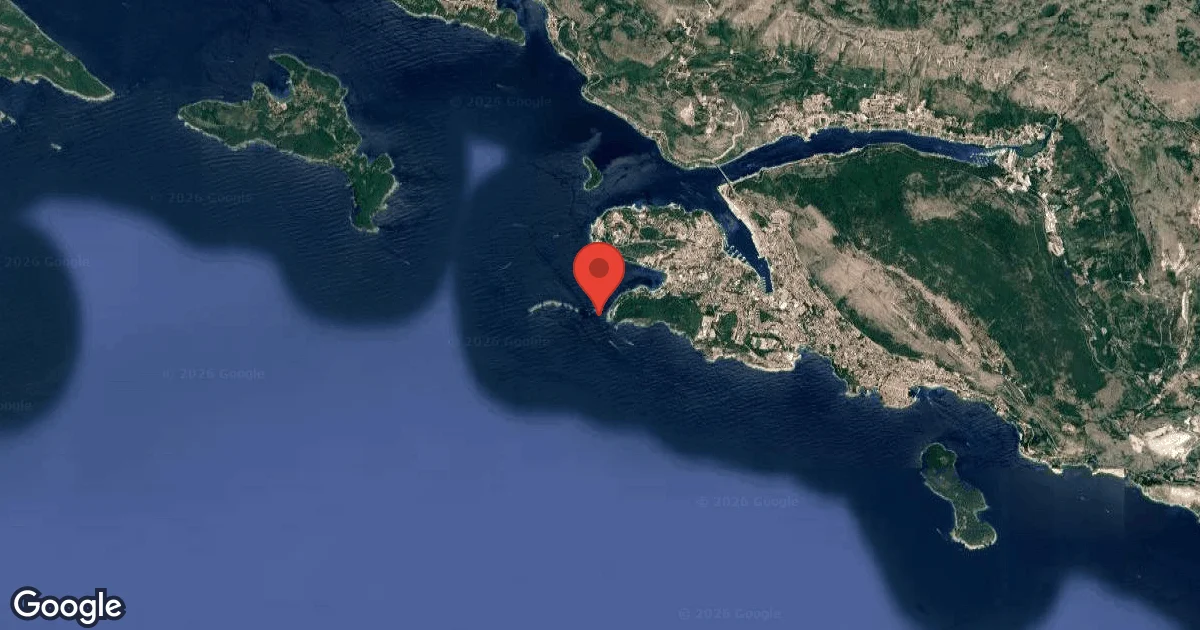
Max 47 m
4.3 km
Maro's Cave
CaveOcean
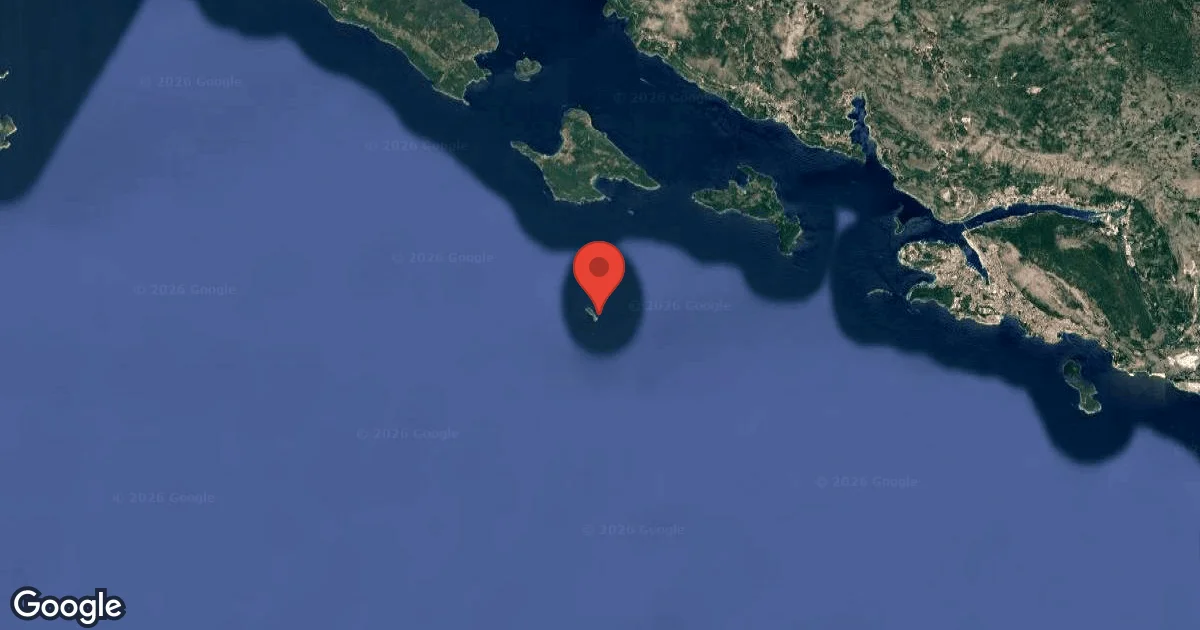
Max 80 m
8 km
St. Andrew Islet
BoatCavern
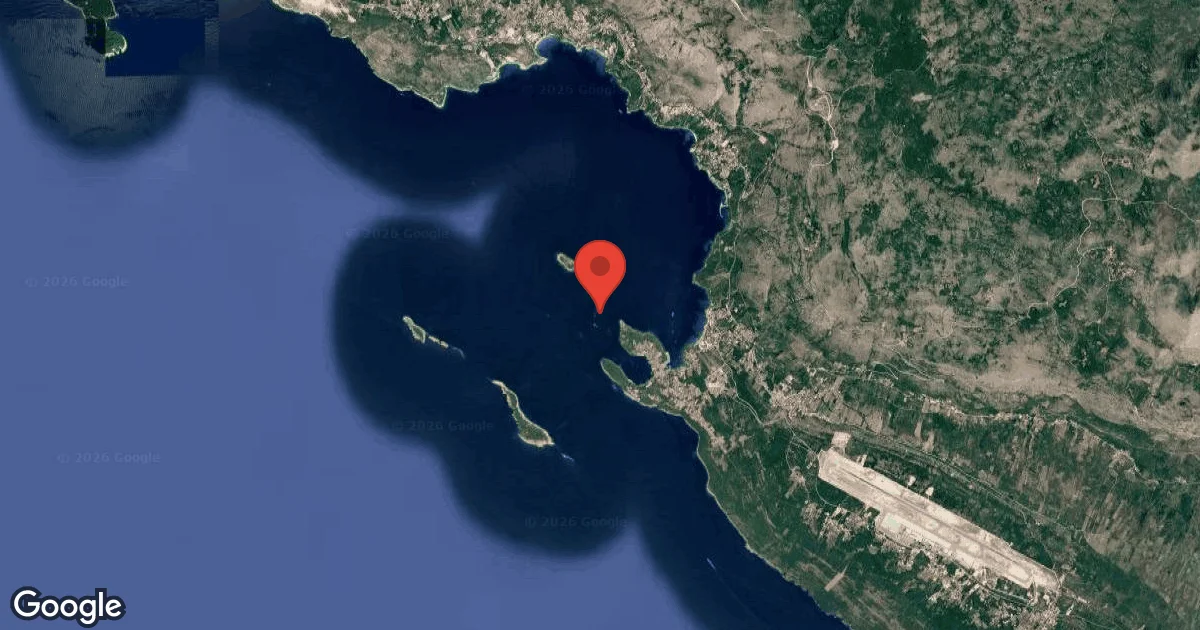
Max 30 m
17.7 km
intermediateSupetar Islet Roman Wreck
BoatDown Line
Max 35 m
9.4 km
Tomislav Wreck
BoatOcean
Max 30 m
9.8 km
Lokrum Island and Dead Sea Lake
BoatCavern
Max 50 m
2.8 km
Jabuka Caves
BoatCave
Max 52 m
3.8 km
SS Taranto
BoatOcean
Max 40 m
3.9 km
Grebeni Islets
BoatCanyon
Max 47 m
4.3 km
Maro's Cave
CaveOcean
Max 80 m
8 km
St. Andrew Islet
BoatCavern
Max 30 m
17.7 km
intermediateSupetar Islet Roman Wreck
BoatDown Line
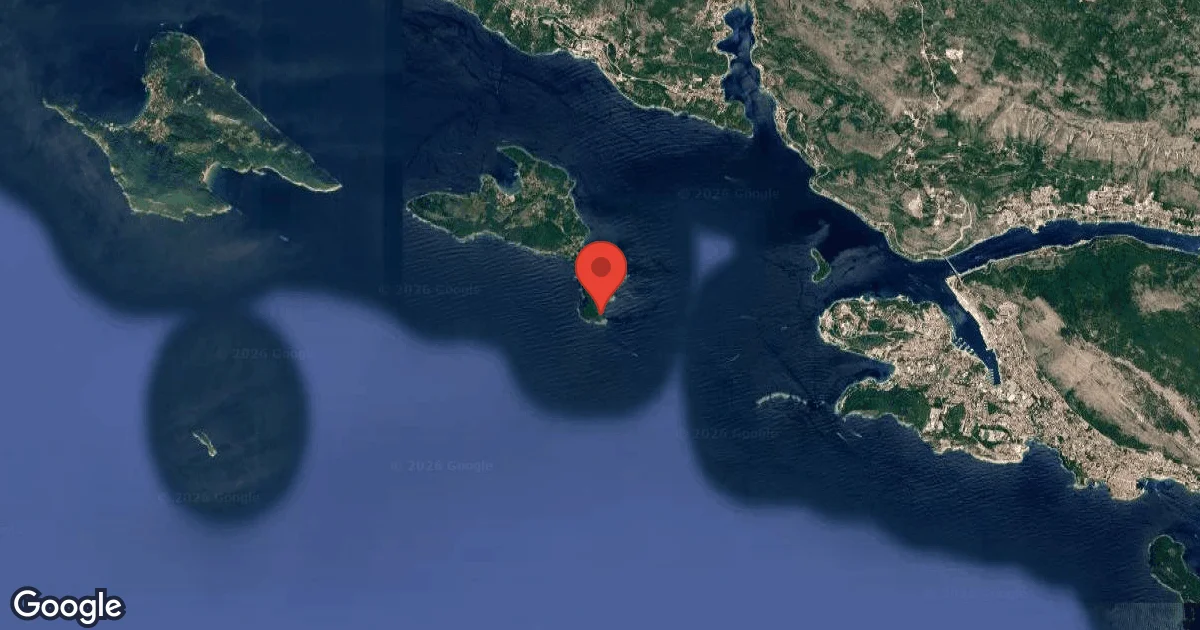
Max 40 m
2.9 km
Bezdan
CaveLake
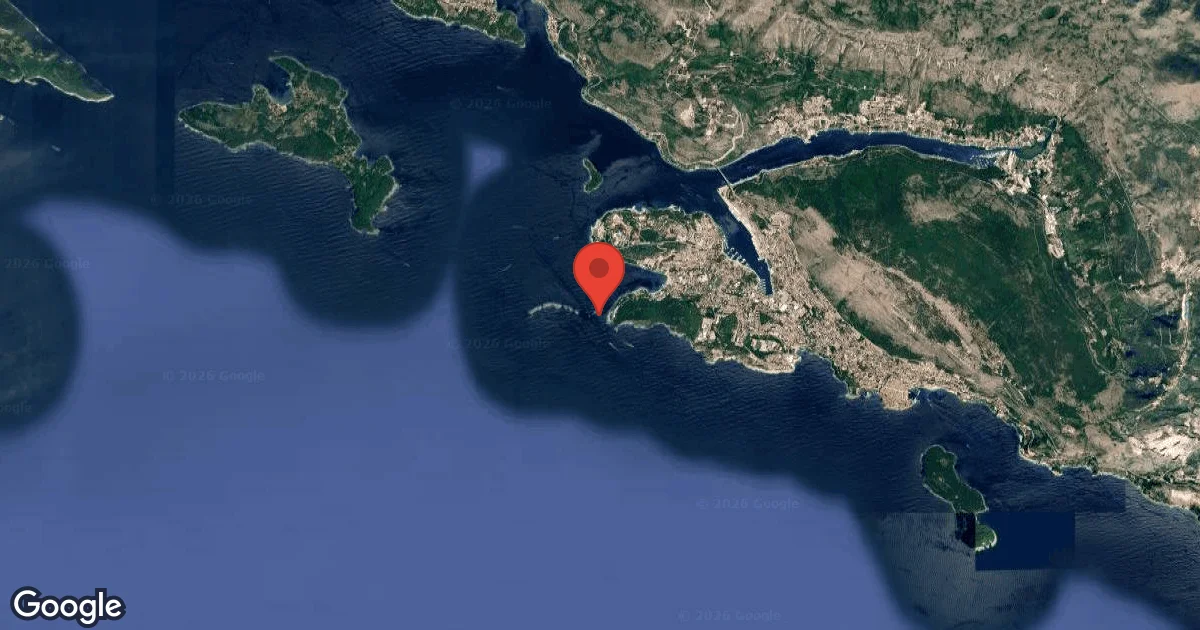
4.2 km
360°Mala Afrika
CaveReef
1 / 2
Dive Centers Near Zaton Bay
Working Hours
SunClosed
Mon09:00 - 17:00
Tue09:00 - 17:00
Wed09:00 - 17:00
Thu09:00 - 17:00
Fri09:00 - 17:00
Sat09:00 - 17:00
Today: 09:00 - 17:00
SunClosed
Mon09:00 - 17:00
Tue09:00 - 17:00
Wed09:00 - 17:00
Thu09:00 - 17:00
Fri09:00 - 17:00
Sat09:00 - 17:00
4.7| 113 reviews
48.3 kmNearest Airports
Nearest airports to help plan travel to this dive area.
Dubrovnik Ruđer Bošković Airport DBV
23 km
Tivat Airport TIV
65 km
Brač Airport BWK
129 km
💵 Currency: EUR
Search Flights
Check available flights and routes on Expedia, using the nearby airports listed in this section.
Search Flights on ExpediaAffiliate link · Dive Navigator may earn a commission at no extra cost to you.
Frequently Asked Questions
What certification level is required to dive Zaton Bay?
Open Water divers can comfortably explore both 5 m / 16 ft cavern entrances in the daylight zone and follow the southeastern reef wall down to 18 m / 59 ft. Reaching the deeper lobster-rich sandy floor at 30 m / 98 ft requires Advanced Open Water certification or equivalent deep-diving training.
Are the underwater caves in Zaton Bay safe for recreational scuba divers?
Yes, the outer cavern extends only 10 m / 33 ft from its wide 5 m / 16 ft portal, keeping natural daylight visible in line with Croatian cavern diving standards. Entering the second stalactite air chamber of the larger cavern involves a low submerged squeeze at 2 m / 7 ft and should only be conducted in small guided groups carrying backup lights.
When do the best sunbeams appear inside the first Zaton Bay cavern?
Afternoon dives on clear days between May and September align the western sun directly with the narrow fissure in the outer cavern roof. Summer skies in Dubrovnik average more than 10 to 11 hours of daily sunshine according to Dubrovnik climatological records, casting sharp shafts of light across the sandy cavern floor.
How long is the boat ride from Dubrovnik to Zaton Bay?
Fast dive boats departing from the Lapad peninsula reach the northwestern cliffs of Zaton Bay in approximately 10 minutes. The sheltered coastal crossing inside the Koločep Channel keeps surface rides smooth for morning and afternoon departures.
Can you dive the Zaton Bay caverns directly from the shore?
Although a coastal road serves Zaton and Orašac, the steep northwestern limestone cliff above both caverns lacks safe shore entry points for geared scuba divers. Crossing the bay underwater to reach the southeastern wall also passes beneath coastal boat lanes, making moored boat support with a statutory surface marker buoy essential.
What marine life can divers spot on the deeper 30 m / 98 ft sandy bottom?
Scanning the deep rock-and-sand margin at 30 m / 98 ft regularly turns up European lobsters tucked beneath low ledges alongside red scorpionfish and octopuses. Along the 18 m / 59 ft wall boulder on the ascent, crevices hold Mediterranean moray eels, cardinalfish, and bright yellow cluster anemones.
Trip Inquiry
Planning to dive Zaton Bay?
Tell us your dates and diving needs. We'll review your request and seek offers from relevant local dive centers.
Request Dive Offers Free request for offers • No booking obligation
Zaton Bay
Conditions are Poor
4/10
Confidence: 8/10
Indicates meteorological model agreement and data availability.
DIVE WARNING
High Wind Advisory (45km/h). Unsafe surface.
06:12
18:45
H: 10:45
L: 16:20
Air / Sea Temp
15° / 19°
Wave Height
1.8 m
Wind Speed
45 km/h N
Rain Chance
100%
Current conditions near Zaton Bay show 15° air, 19° sea temperature, 1.8 m waves, and 45 km/h wind. Forecast data is refreshed regularly to ensure accuracy.
Radius: ~12km
Updated: Nov 23, 2026, 01:20 local timeMARINE: OPEN-METEOWEATHER: YR.NO