Loading...

Diving at Submarine U-81 (Croatia)
Published
One of World War II's most storied U-boats—the Type VIIC hunter that sank HMS Ark Royal, resting in two dramatic salvaged sections on the 42-meter seabed off Cape Kamenjak.
Starting the day at Submarine U-81, the ambient air temperature is recorded at 13.5°C. Ongoing monitoring shows wave heights measuring 1.7 m. This data represents the current surface conditions for early activities.
Dive Site Location & Key Facts
Coordinates44.7230, 13.8610
Estimated Coordinates
Coordinates are estimated from the best available maritime charts and local dive references, as exact GPS pins are not publicly confirmed. Always verify the precise entry or mooring point with a local dive operator.
Site Characteristics
Max Depth42m / 138ft
Entry Typeboat
Water Typesalt
Dive Types
DeepTechnicalWreck
Dive Site Overview
Built by Bremer Vulkan at Bremen-Vegesack and commissioned into the German Kriegsmarine in April 1941, the 67.1-meter Type VIIC submarine U-81 earned an enduring place in naval history on November 13, 1941, when Kapitänleutnant Friedrich Guggenberger slipped past British Force H escorts off Gibraltar and struck the fleet aircraft carrier HMS Ark Royal with a single torpedo. Joining the 29th U-boat Flotilla in the Mediterranean, U-81 completed 17 combat patrols and sank 26 Allied vessels before berthing at the naval base of Pula.
During a heavy United States Fifteenth Air Force bombing raid on Pula harbor in January 1944, high-explosive bombs sank U-81 at her moorings with two crew fatalities, followed by initial German salvage in April 1944 to strip sensitive equipment. After the war, Yugoslav naval salvage teams refloated the damaged hull sections for towage, only for the tow cables to snap in rough seas off southern Istria, sending the main hull section and a smaller separated fragment some 500 meters away back to the seabed at 38 to 42 meters depth.
Today the main diveable section off Cape Kamenjak exposes the unmistakable cylindrical double-hull architecture of a Type VIIC U-boat resting on flat sand and silt. Outer saddle-tank plating has partly corroded away over eight decades, laying bare heavy internal pressure-hull frames, compressed-air flasks, diesel engine beds, valve manifolds, and free-flooding deck slots.
For maritime historians and wreck photographers alike, hovering beside the thickened steel pressure cylinder of the submarine that sank Ark Royal delivers one of the Adriatic's most resonant Second World War encounters.
Submarine U-81
Conditions are Poor
4/10
Confidence: 8/10
Indicates meteorological model agreement and data availability.
DIVE WARNING
High Wind Advisory (49km/h). Unsafe surface.
06:12
18:45
H: 10:45
L: 16:20
Air / Sea Temp
13° / 17°
Wave Height
1.7 m
Wind Speed
49 km/h NE
Rain Chance
50%
Current conditions near Submarine U-81 show 13° air, 17° sea temperature, 1.7 m waves, and 49 km/h wind. Forecast data is refreshed regularly to ensure accuracy.
Radius: ~12km
Updated: Nov 23, 2026, 00:45 local timeMARINE: OPEN-METEOWEATHER: YR.NO
Best Time to Dive
The prime window for diving Submarine U-81 spans May through October, when stable high-pressure weather calms the exposed waters off Istria's southernmost headland at Cape Kamenjak. Because the waters south of Kamenjak and Porer Lighthouse sit at the crossroads of western Istrian and Kvarner currents, charters target slack-water morning windows with minimal wind swell.
Offshore water exchange keeps average visibility around 15 meters, frequently opening beyond 20 meters in May, June, September, and October when cooler water suppresses surface plankton.
Even at the height of summer when surface temperatures climb to 24 or 25 degrees Celsius, bottom temperatures at 38 to 42 meters remain between 14 and 16 degrees Celsius beneath a crisp mid-water thermocline.
PEAK SEASON SCORE
92/100
ExcellentScores combine air & water temps, waves, wind & rainfall for overall conditions.
BEST MONTHS TO DIVE
JUN
JUL
AUG
DIVE SCORE GUIDE (0–100)
Excellent (90–100)
Very Good (80–89)
Good (70–79)
Moderate (50–69)
Poor (30–49)
Not Recommended (0–29)
Monthly records compiled from satellite and marine observation nodes over the last 3 years. Data provided by Open-Meteo and MET Norway.
Dive Experience & Conditions
Reaching the offshore sector south of Cape Kamenjak involves a scenic boat run past limestone cliffs and Porer islet before crews deploy a weighted shot line onto the main submarine section. Currents over the open shelf can vary from gentle to brisk, making a controlled hand-over-hand or close-proximity descent down the line essential.
As divers pass 30 meters, the low-slung, cigar-shaped silhouette of the Type VIIC hull resolves on the 42-meter sandy bottom, rising only about four meters off the seafloor to 38 meters. Because the two sunken fragments lie roughly 500 meters apart, dives remain focused entirely on the larger main pressure-hull section.
Illuminating the torn bulkhead ends and corroded outer casing reveals twin diesel machinery structures, bronze valves, hatch rings, and rows of characteristic German free-flooding vent holes along the upper casing. Clean buoyancy control keeps silt settled while leaving ample gas reserves for staged or deep-stop ascents in open water.
Dive Difficulty & Safety Guidelines
Submarine U-81 is protected under Croatian cultural heritage regulations, meaning dives may only be conducted through specially authorized local dive centers holding an official concession. Removing, prying, or disturbing any gauges, valves, or structural artifacts is strictly illegal.
Because the open-sea location south of Cape Kamenjak experiences variable currents and sits at 38 to 42 meters depth with no shallow superstructure for mid-dive ascent, divers must hold Deep Diver or technical decompression qualifications, carry redundant gas or conservative deep-gas reserves, and track decompression ceilings rigorously.
Never attempt to squeeze inside the narrow, pipe-choked pressure cylinder, watch carefully for snagged offshore fishing lines along the outer hull frames, and always carry a high-visibility delayed surface marker buoy in case currents require an off-line ascent.
Recommended Equipment
Technical depth range. Advanced planning, gas management, and appropriate certification required.
Overhead / entanglement risk. Wreck penetration requires proper training.
- Dive Computer
- DSMB
- Primary & Backup Lights
- Wreck Reel
- Cutting Tool
This gear list is based on verified equipment signals for Submarine U-81, Croatia. Always confirm final gear choices with your dive operator, guide, or liveaboard.
Recommended Dive Suit
Divers planning relaxed exploration may appreciate the warmth of 5-7mm wetsuit. Strong winds are present; please take strong precautions against rapid cooling during surface intervals. A thermal robe or jacket is recommended between dives. Divers often notice that perceived temperature can feel cooler during deeper or longer dives.
Conditions at Submarine U-81 currently place the water temperature near 17°C (62°F). Surface air temperatures are resting at 13°C (56°F).
Weather projections show fairly stable environmental conditions ahead.
Submarine U-81 conditions last reviewed: 00:45 local time (UTC+1), Nov 23, 2026
Emergency & Medical Support
Essential information to help you plan your dive trip to Submarine U-81.

Hyperbaric chambers are a critical part of dive safety infrastructure. Availability varies significantly by region, and not all dive areas have immediate access.
Before diving, it's recommended to:
- confirm nearest medical facilities
- check emergency procedures with local dive operators
- ensure dive insurance covers evacuation if required
24/7 Available
Divers Alert Network
Diving emergency assistance available through DAN Europe.
+39 0642115685- 24/7 emergency hotline
- Diving medical assistance
- Evacuation coordination
Emergency contacts are provided for reference. Always verify local emergency services before diving.
Closest Listed Hyperbaric Chambers (≤ 200 km)
Approximate straight-line distances from this dive site — emergency travel times may vary.
16 km16 kmPoliklinika za baromedicinu OXY – Podružnica Pula
Pula, Croatia+385 52 215 663Details16 kmPoliklinika za baromedicinu OXY – Podružnica Pula
Pula, Croatia · Multiplace
Hours: Mon–Fri 07:30–15:30Facility: Opća bolnica PulaICU On-Site: Not reportedSource: KBC Rijeka / Poliklinika OXYOfficial website
16 km
Poliklinika za baromedicinu OXY – Podružnica Pula
Pula, Croatia+385 52 215 663Details
16 km
Poliklinika za baromedicinu OXY – Podružnica Pula
Pula, Croatia · Multiplace
Hours: Mon–Fri 07:30–15:30
Facility: Opća bolnica Pula
ICU On-Site: Not reported
Source: KBC Rijeka / Poliklinika OXY
Official website82 km82 kmPoliklinika za baromedicinu OXY – Poslovna jedinica Crikvenica
Crikvenica, Croatia+385 51 785 229Details82 kmPoliklinika za baromedicinu OXY – Poslovna jedinica Crikvenica
Crikvenica, Croatia · Multiplace
Hours: Mon–Fri 07:30–15:30Facility: Thalassotherapia CrikvenicaICU On-Site: Not reportedSource: KBC Rijeka / Poliklinika OXYOfficial website
82 km
Poliklinika za baromedicinu OXY – Poslovna jedinica Crikvenica
Crikvenica, Croatia+385 51 785 229Details
82 km
Poliklinika za baromedicinu OXY – Poslovna jedinica Crikvenica
Crikvenica, Croatia · Multiplace
Hours: Mon–Fri 07:30–15:30
Facility: Thalassotherapia Crikvenica
ICU On-Site: Not reported
Source: KBC Rijeka / Poliklinika OXY
Official website82 km82 kmZavod za podvodnu i hiperbaričnu medicinu – KBC Rijeka
Rijeka, Croatia24/7ICU+385 51 407 435Details82 kmZavod za podvodnu i hiperbaričnu medicinu – KBC Rijeka
24/7 ListedICU CapableRijeka, Croatia · Multiplace (8 seated / 2 stretcher ICU)
Hours: 24/7 EmergencyFacility: Klinički bolnički centar Rijeka (Lokalitet Sušak)ICU On-Site: YesSource: KBC Rijeka / Poliklinika OXYOfficial website
82 km
Zavod za podvodnu i hiperbaričnu medicinu – KBC Rijeka
Rijeka, Croatia24/7ICU+385 51 407 435Details
82 km
Zavod za podvodnu i hiperbaričnu medicinu – KBC Rijeka
24/7 ListedICU CapableRijeka, Croatia · Multiplace (8 seated / 2 stretcher ICU)
Hours: 24/7 Emergency
Facility: Klinički bolnički centar Rijeka (Lokalitet Sušak)
ICU On-Site: Yes
Source: KBC Rijeka / Poliklinika OXY
Official websiteChamber data is sourced from official Croatian hospital and baromedicine facility records and has not been independently verified by Dive Navigator. Always contact local emergency services, DAN, your dive operator, or the facility directly before travelling.
Reference onlyMarine Life at Submarine U-81
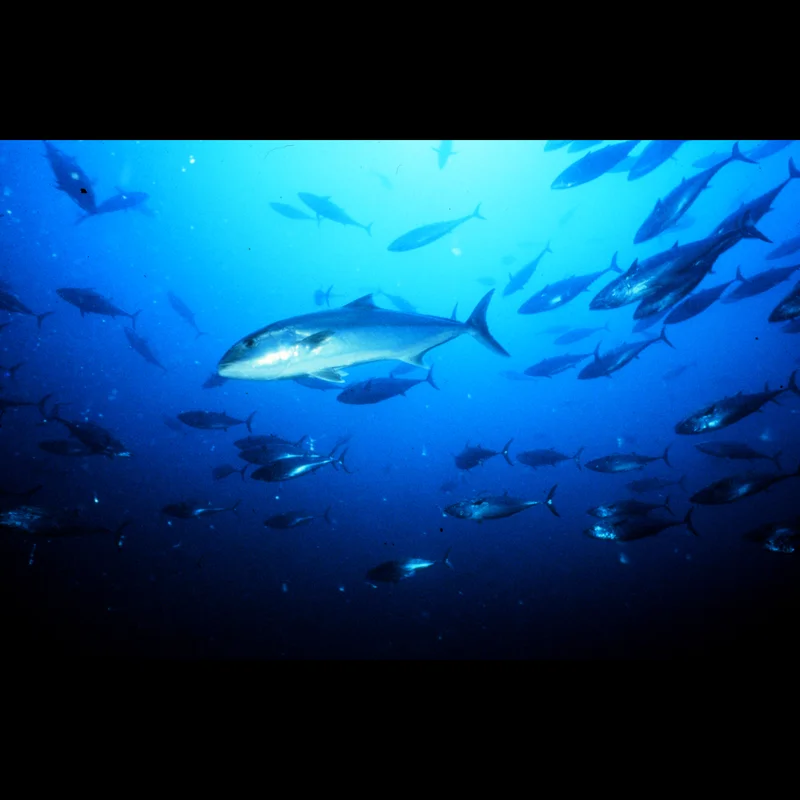
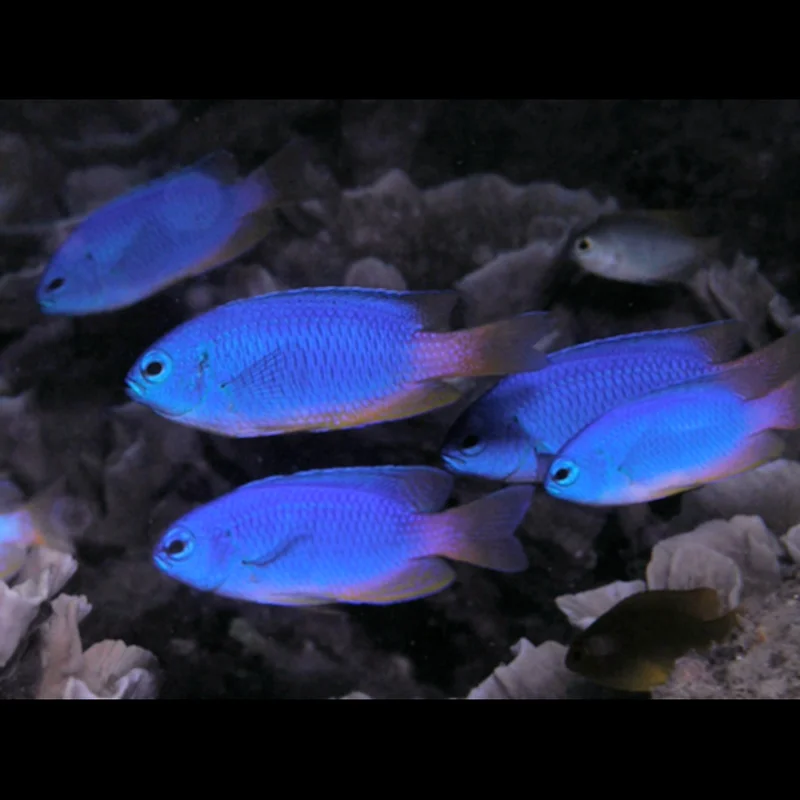
Set out on an exposed sandy shelf swept by nutrient-bearing Kamenjak currents, U-81 attracts an impressive blend of pelagic hunters and resident wreck dwellers. Schools of greater amberjack, bonito, and dentex frequently patrol the blue water above the hull, scattering dense clouds of damselfish, Bogue, and horse mackerel.
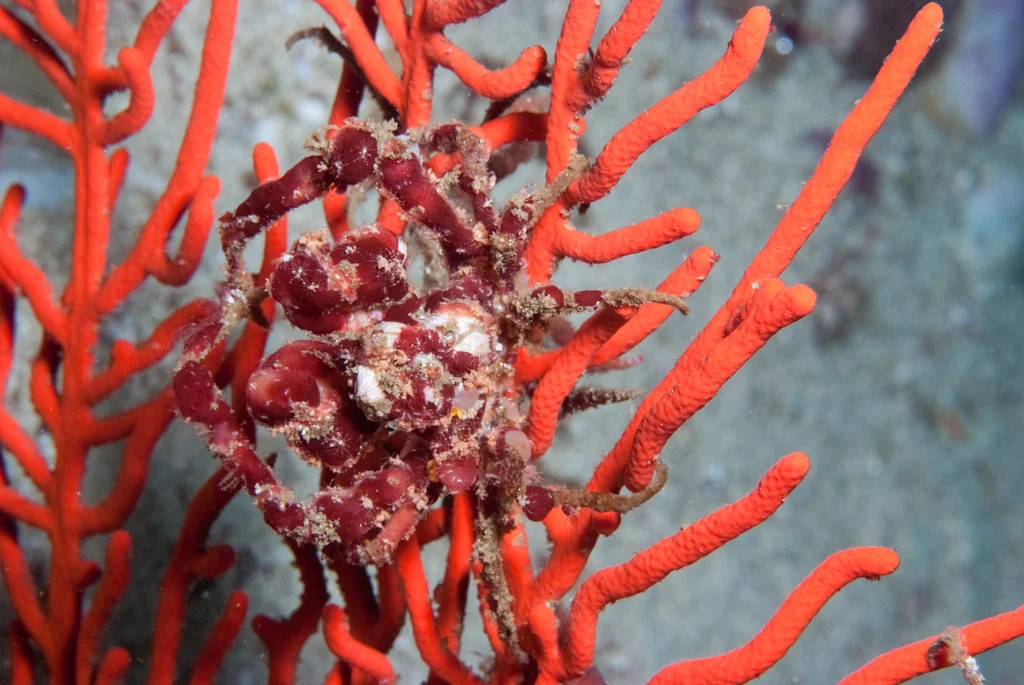
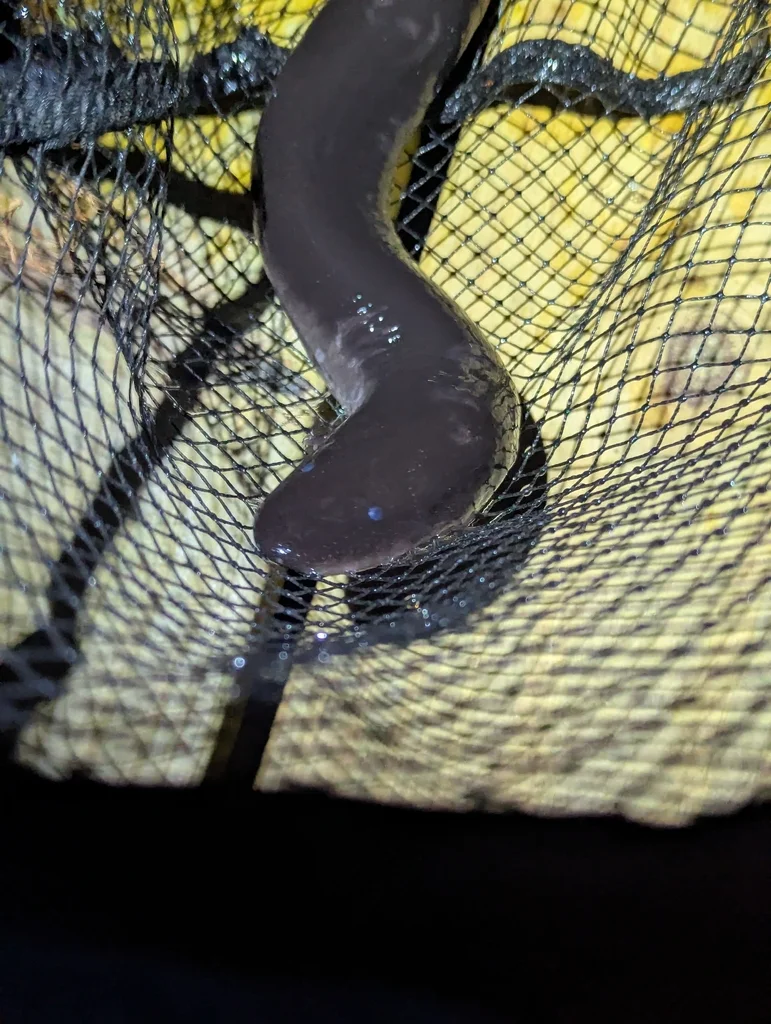
Tucked inside the exposed saddle tanks, diesel mounts, and pressure-hull ribs at 40 to 42 meters, hefty European conger eels and forkbeards peer out beside armored European lobsters and spiny spider crabs.
Orange and yellow encrusting sponges, bryozoan lace, and red scorpionfish cloak the weathered Kriegsmarine steel, while John Dory and tub gurnards cruise across the surrounding sand apron.

1 / 2
Image contributors:Diego Delso, Georgina Jones + 5 more
Want to contribute photos or local dive knowledge? Learn how to contributeDive Sites Near Submarine U-81
View all dive sites in CroatiaDiscover more underwater gems in this area.
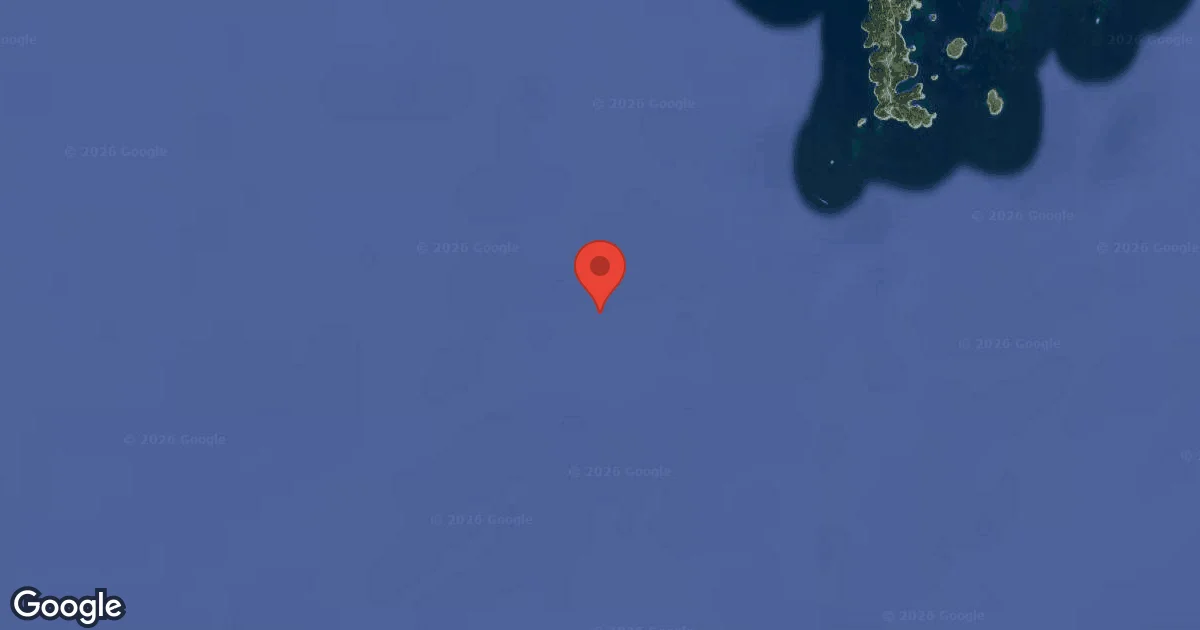
Max 45 m
4 km
advancedTB 26 Flamingo
ArchaeologicalBoat
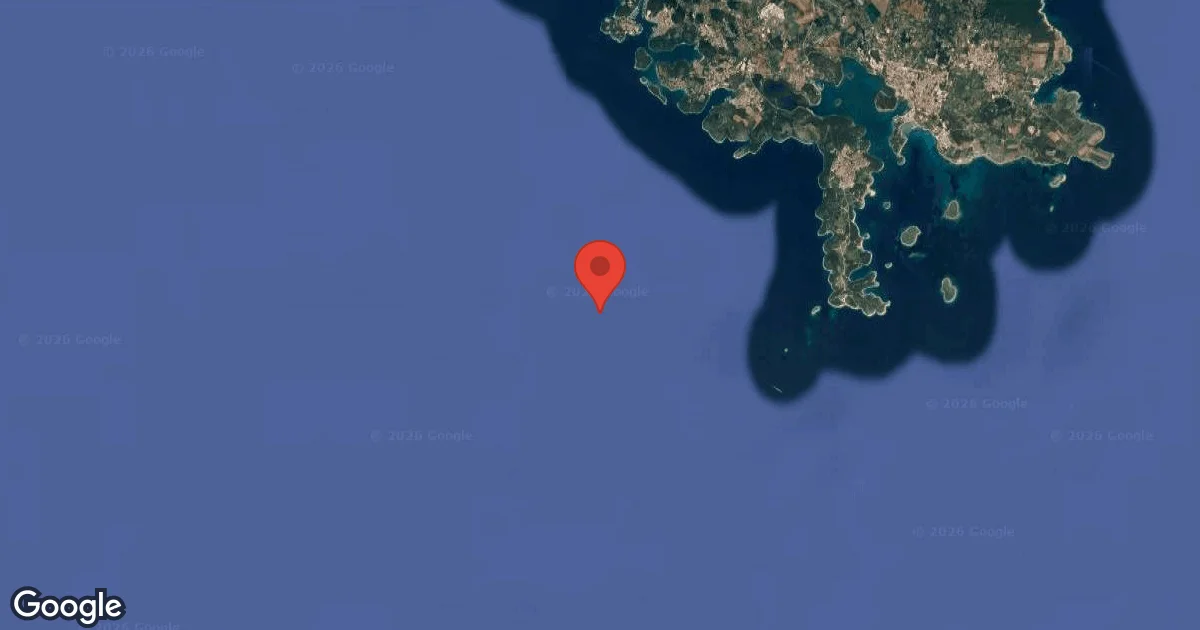
Max 40 m
5.5 km
intermediateWreck Draga
BoatDown Line
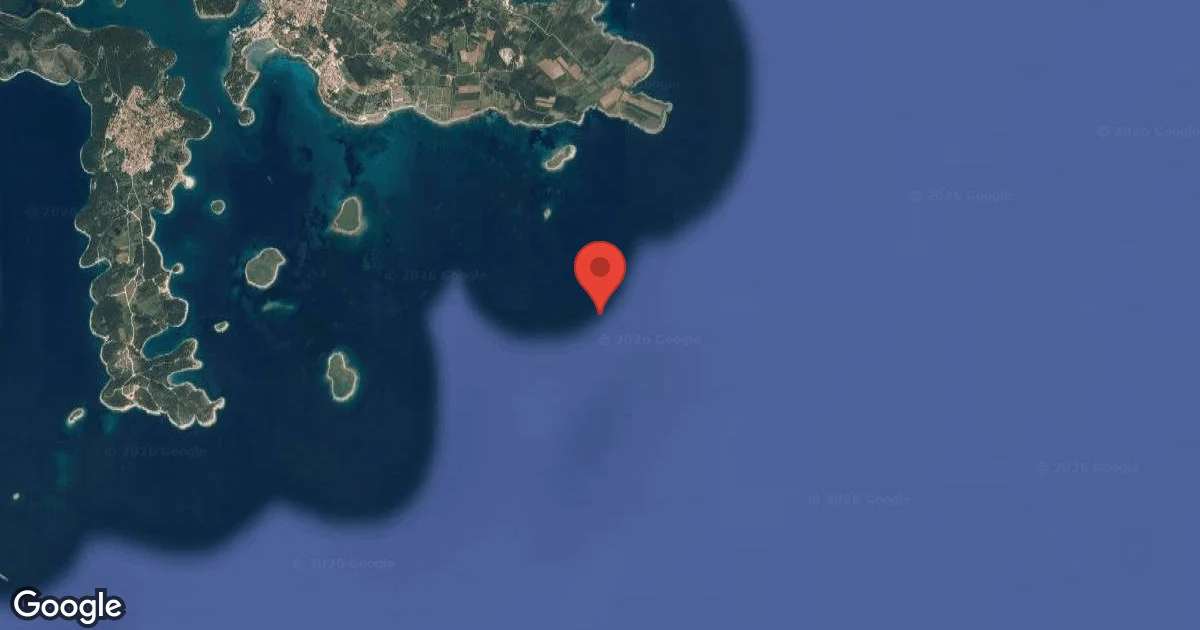
Max 38 m
12.1 km
advancedŠeka Levanić
BoatDown Line
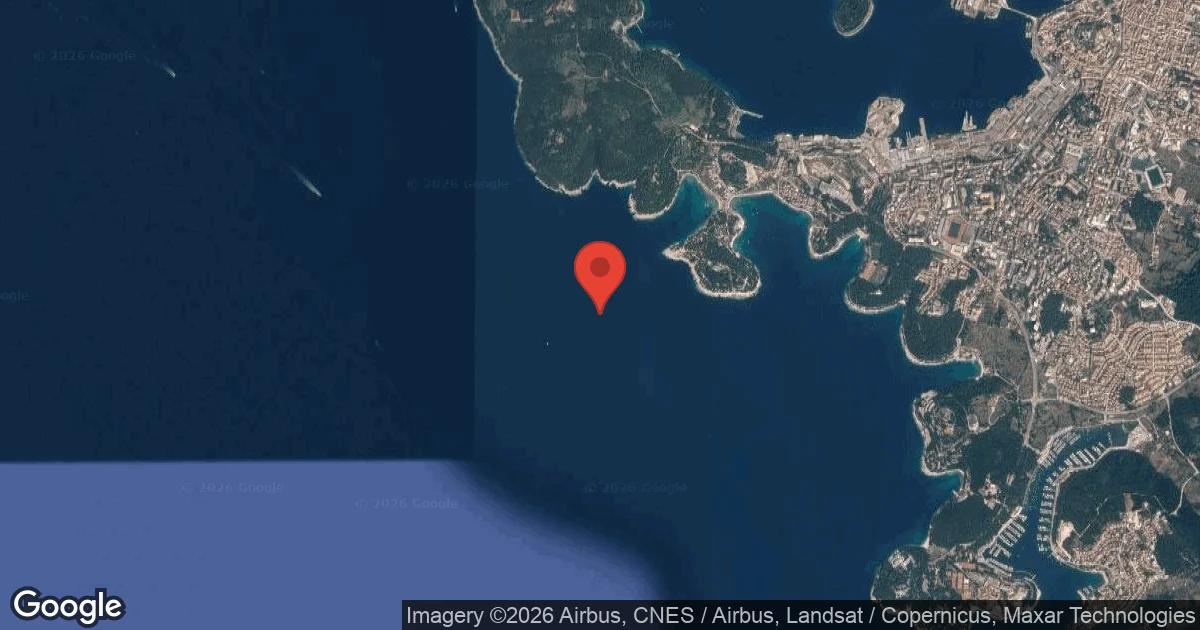
Max 42 m
15.2 km
advancedSubmarine Medusa
BoatDown Line
Max 30 m
6 km
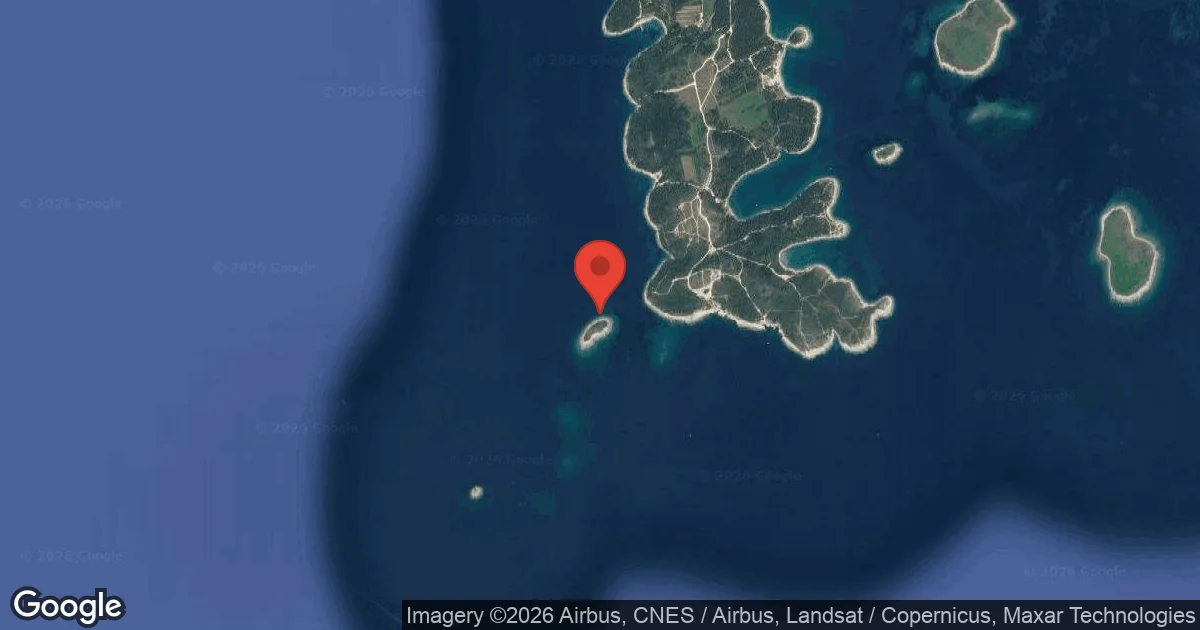
advancedFenoliga Island
ArchaeologicalBoat
Max 45 m
17.5 km
advancedWreck Josephine
ArchaeologicalBoat
Max 38 m
7.7 km
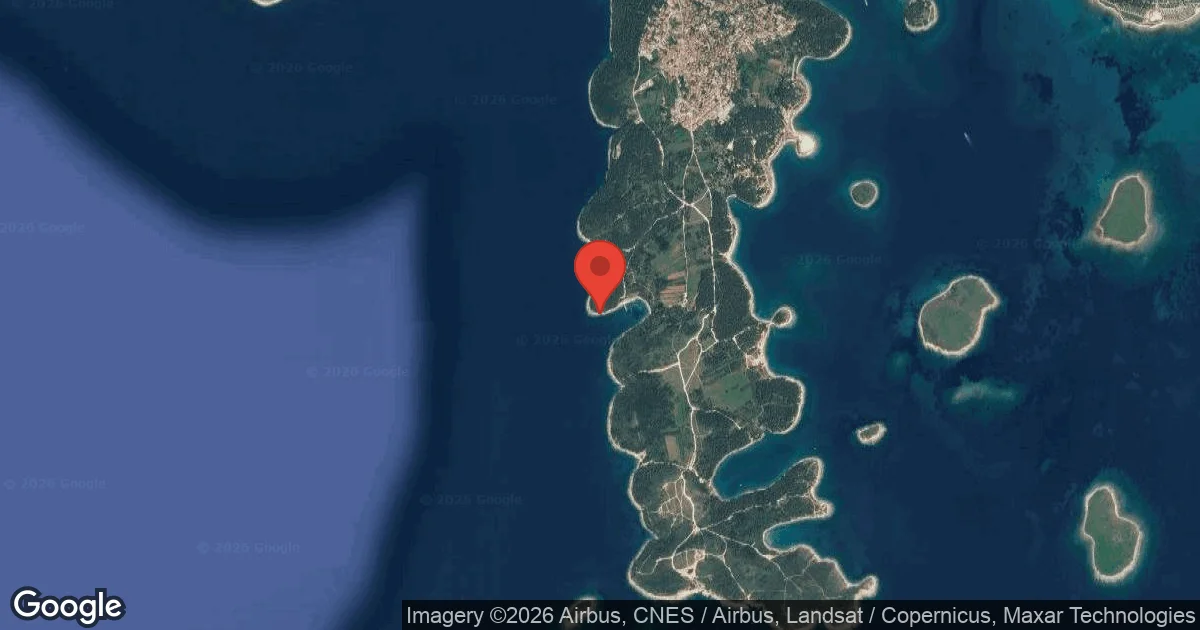
360°intermediatePolje Cove
BoatOcean
Max 42 m
18.5 km
advancedWreck Varese
ArchaeologicalBoat
Max 45 m
4 km
advancedTB 26 Flamingo
ArchaeologicalBoat
Max 40 m
5.5 km
intermediateWreck Draga
BoatDown Line
Max 38 m
12.1 km
advancedŠeka Levanić
BoatDown Line
Max 42 m
15.2 km
advancedSubmarine Medusa
BoatDown Line
Max 30 m
6 km
advancedFenoliga Island
ArchaeologicalBoat
Max 45 m
17.5 km
advancedWreck Josephine
ArchaeologicalBoat
Max 38 m
7.7 km
360°intermediatePolje Cove
BoatOcean
Max 42 m
18.5 km
advancedWreck Varese
ArchaeologicalBoat
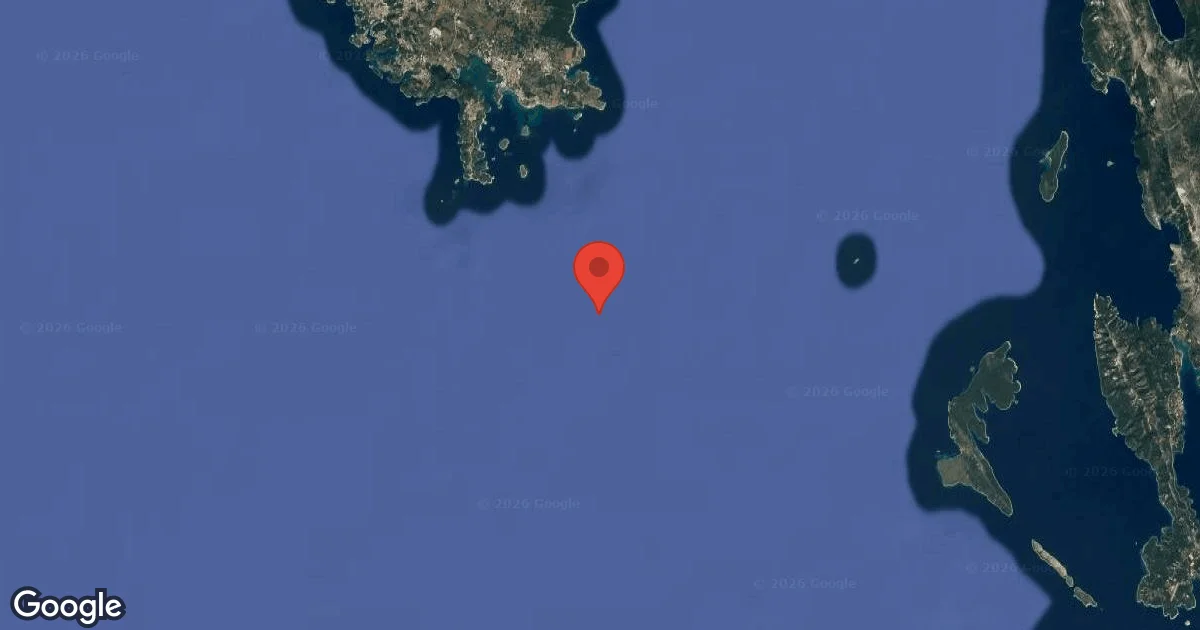
Max 48 m
11.2 km
advancedWreck Luana
BoatDown Line
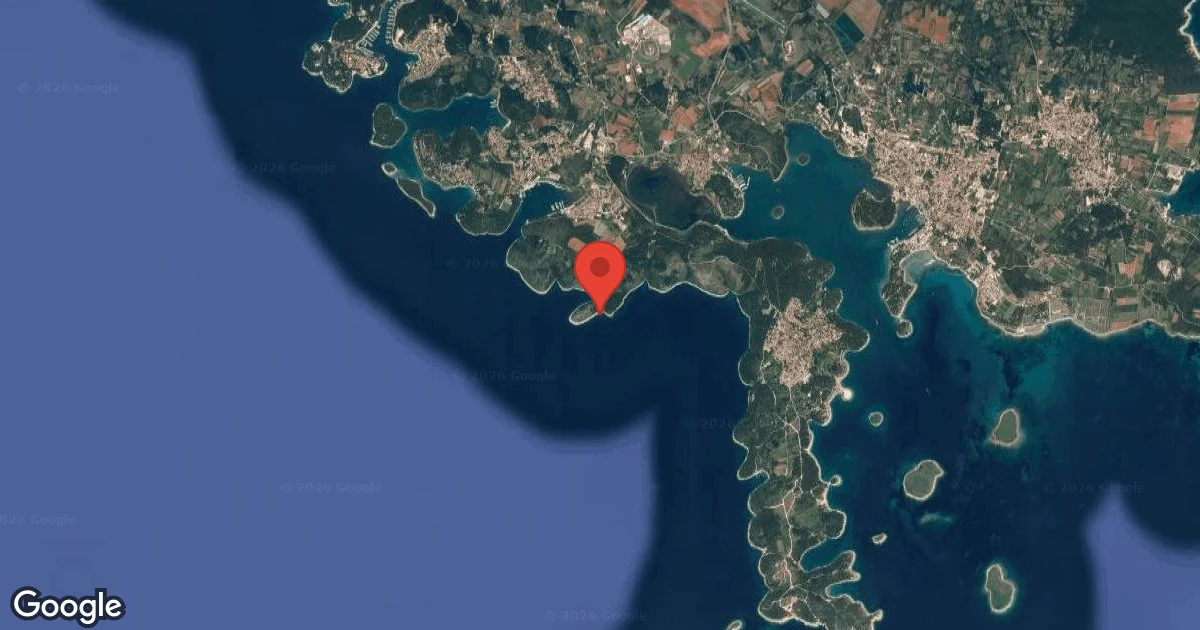
Max 38 m
9.3 km
360°intermediateRed Rocks Kamenjak
BoatCanyon
1 / 2
Dive Centers Near Submarine U-81
Working Hours
Sun09:30 - 19:00
Mon09:30 - 19:00
Tue09:30 - 19:00
Wed09:30 - 19:00
Thu09:30 - 19:00
Fri09:30 - 19:00
Sat09:30 - 19:00
Today: 09:30 - 19:00
Sun09:30 - 19:00
Mon09:30 - 19:00
Tue09:30 - 19:00
Wed09:30 - 19:00
Thu09:30 - 19:00
Fri09:30 - 19:00
Sat09:30 - 19:00
4.7| 211 reviews
11.6 km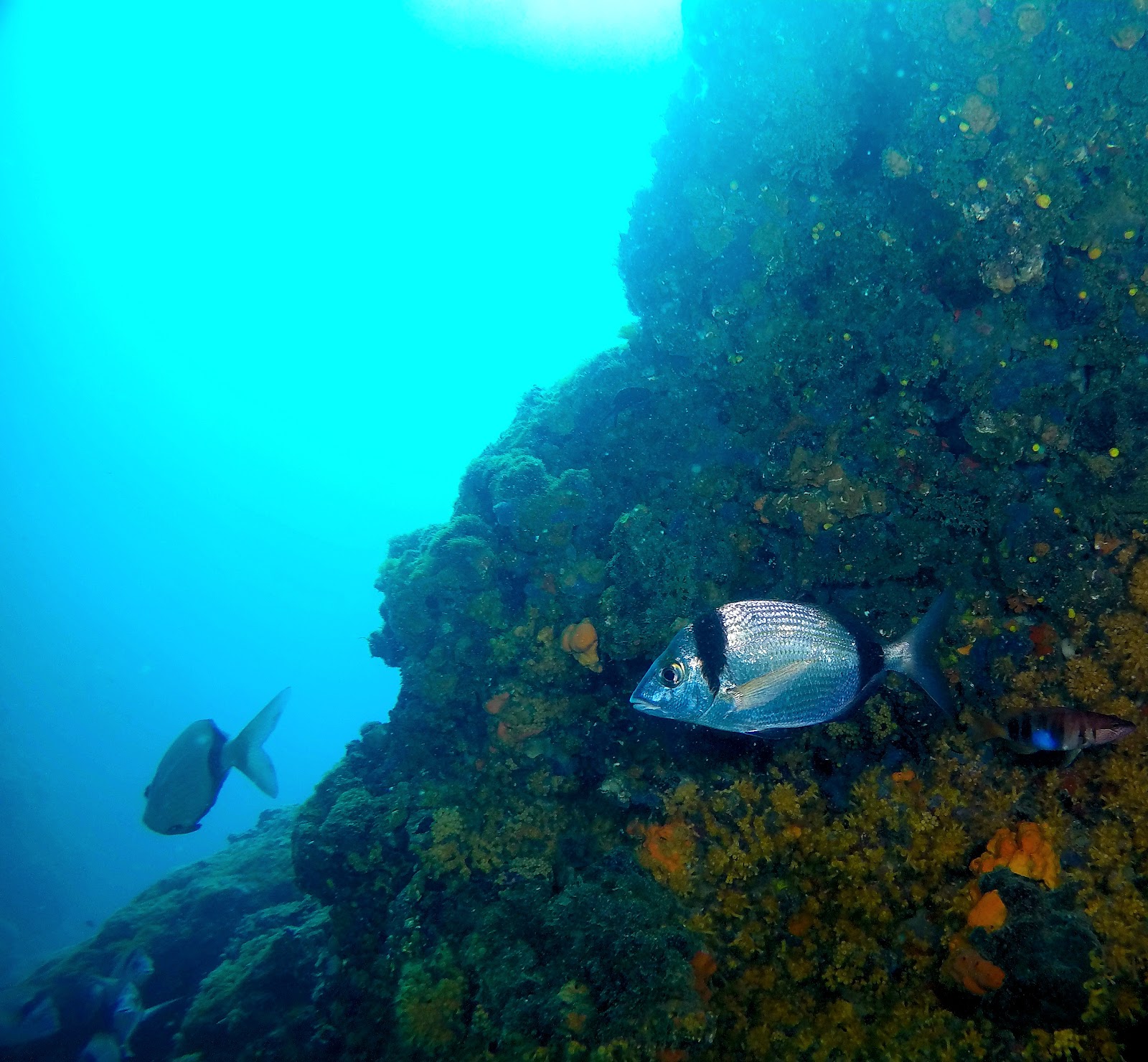
4.7| 129 reviews
12.9 km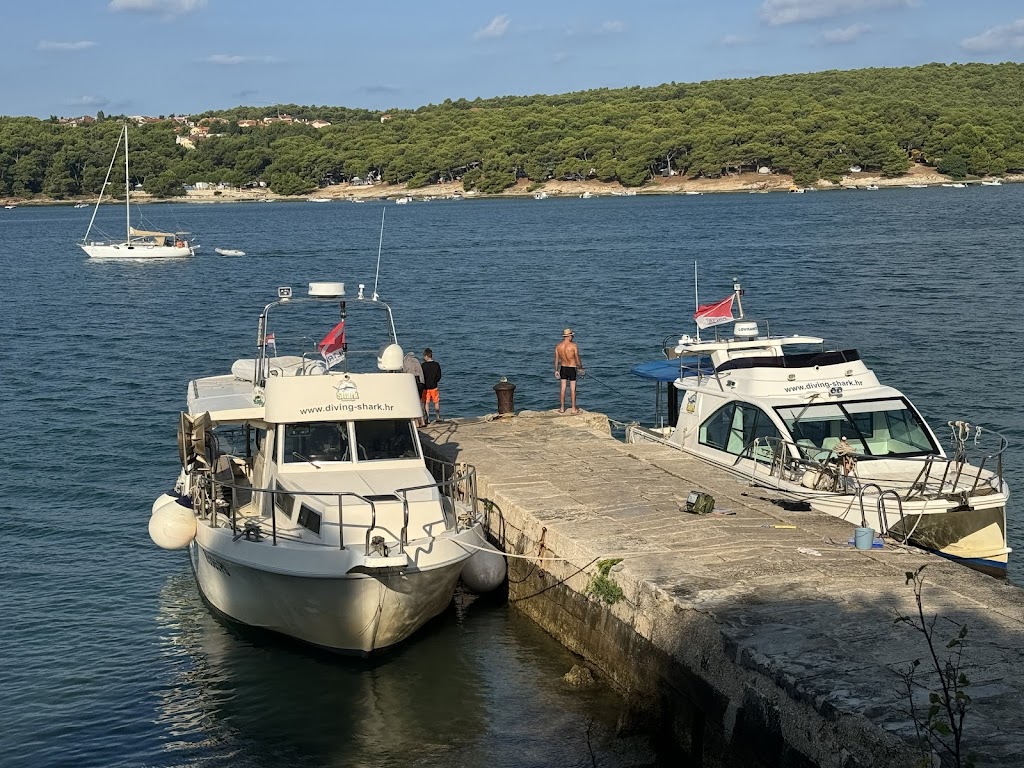
4.6| 244 reviews
10.8 km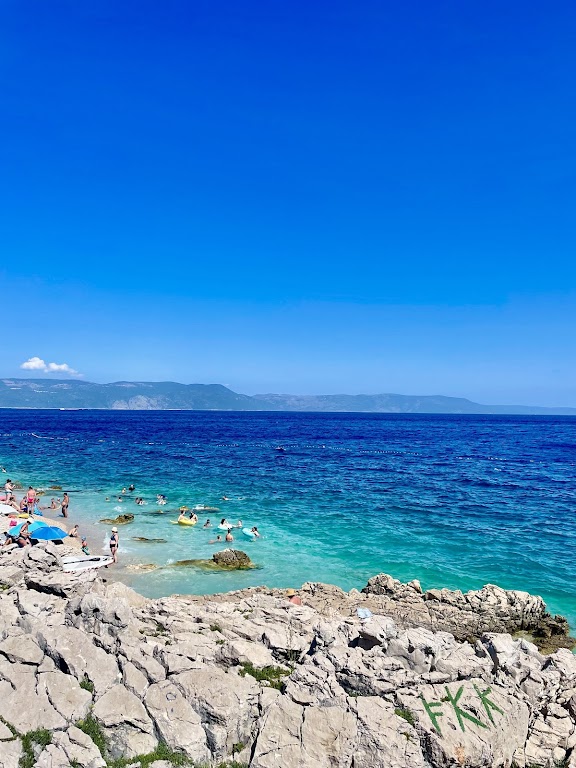
Girandella Diving Centre
4.8(231)• 46.7 km
Nearest Airports
Nearest airports to help plan travel to this dive area.
Pula Airport PUY
20 km
Rijeka Airport RJK
78 km
Federico Fellini International Airport RMI
127 km
💵 Currency: EUR
Search Flights
Check available flights and routes on Expedia, using the nearby airports listed in this section.
Search Flights on ExpediaAffiliate link · Dive Navigator may earn a commission at no extra cost to you.
Frequently Asked Questions
Why is Submarine U-81 famous in naval history?
In November 1941 off Gibraltar, U-81 torpedoed and sank the celebrated British Royal Navy aircraft carrier HMS Ark Royal before going on to sink 26 Allied ships across 17 wartime patrols.
How did U-81 end up on the seabed off Cape Kamenjak after being bombed in Pula?
After US bombers sank U-81 in Pula harbor in January 1944 and salvage crews later raised her damaged hull, towing cables snapped in rough seas during post-war transport, sending two sections back down to 38 to 42 meters.
Is a permit required to dive Submarine U-81?
Yes. U-81 is a protected historical naval wreck under the Croatian Ministry of Culture and may only be visited aboard vessels operated by authorized concessionaire dive centers.
Can divers see both separated sections of U-81 on one dive?
No. The smaller secondary fragment rests roughly 500 meters away across open seabed at 40 meters depth, so dives focus entirely on the larger main pressure-hull and engine section.
Is interior penetration possible on U-81?
Penetration is not permitted or safe due to the cramped 6.2-meter-beam pressure hull, internal piping obstructions, and cultural heritage protection, though open hull breaks reveal internal machinery clearly from outside.
What sea conditions should divers expect south of Cape Kamenjak?
The site sits in open water exposed to wind waves and variable shelf currents, so operators pick calm morning weather windows between May and October when visibility averages 15 meters or better.
Trip Inquiry
Planning to dive Submarine U-81?
Tell us your dates and diving needs. We'll review your request and seek offers from relevant local dive centers.
Request Dive Offers Free request for offers • No booking obligation
Submarine U-81
Conditions are Poor
4/10
Confidence: 8/10
Indicates meteorological model agreement and data availability.
DIVE WARNING
High Wind Advisory (49km/h). Unsafe surface.
06:12
18:45
H: 10:45
L: 16:20
Air / Sea Temp
13° / 17°
Wave Height
1.7 m
Wind Speed
49 km/h NE
Rain Chance
50%
Current conditions near Submarine U-81 show 13° air, 17° sea temperature, 1.7 m waves, and 49 km/h wind. Forecast data is refreshed regularly to ensure accuracy.
Radius: ~12km
Updated: Nov 23, 2026, 00:45 local timeMARINE: OPEN-METEOWEATHER: YR.NO


