Loading...

Diving at TB 26 Flamingo (Croatia)
Published
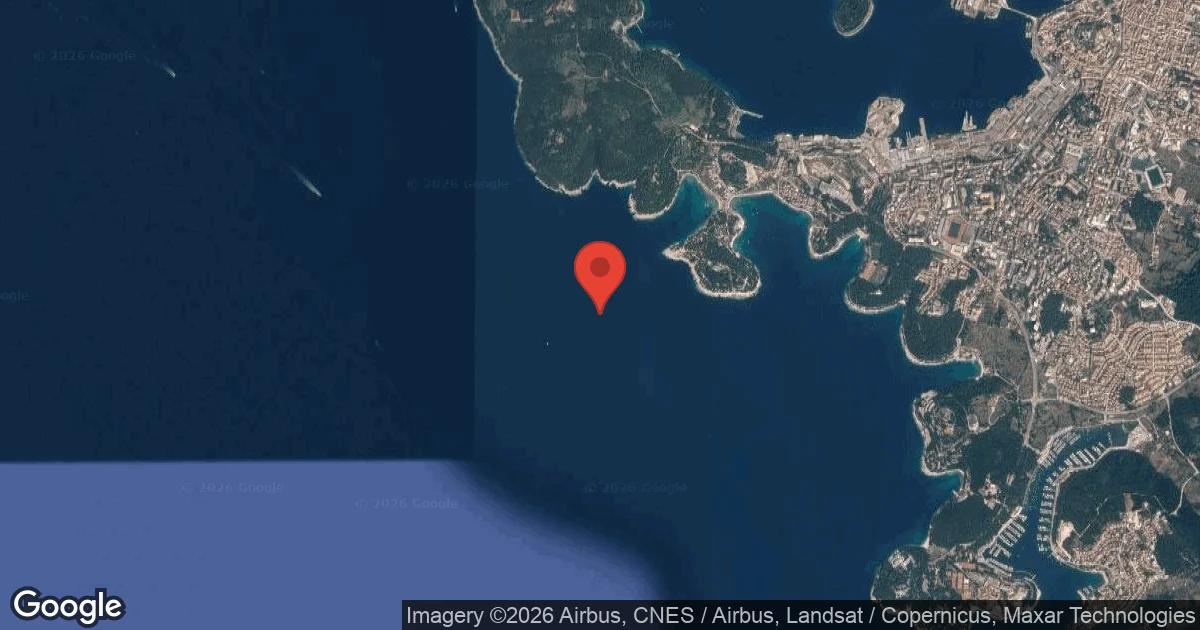
The sole diveable early Austro-Hungarian coastal torpedo boat in the Adriatic—a razor-slim 1914 warship entombed in 45-meter offshore silt along Pula's outer wartime mine barrage.
Current morning readings from TB 26 Flamingo indicate an air temperature of 14°C. Surface wave heights are averaging around 1.2 m at this time. These local measurements provide a baseline for your daily dive planning.
Dive Site Location & Key Facts
Site Characteristics
Max Depth45m / 148ft
Entry Typeboat
Water Typesalt
Dive Types
DeepWreck
Dive Site Overview
Built to a classic Schichau high-speed torpedo-boat design with a razor-narrow 4.5-meter beam and a 40-meter steel hull, SM Tb XXVI entered service with the Imperial and Royal Austro-Hungarian Navy under the name Flamingo before receiving her numerical wartime designation. Stationed at the empire's primary naval fortress of Pula at the outbreak of the First World War, she patrolled the outer defensive perimeter between the Brijuni archipelago and Cape Kamenjak.
On August 23, 1914—just ten days after the passenger steamer Baron Gautsch perished in the same defensive belt—Tb XXVI strayed into an Austro-Hungarian minefield west of the Porer-to-Peneda patrol line off Premantura. A contact mine detonated beneath her starboard quarter, shattering the stern and sending the slender warship rapidly to the seabed.
Settled deeply into soft offshore ooze between 40 and 45 meters depth, the compact, rounded-deck steel hull confused early salvage divers and fishermen for decades, earning a local reputation as a sunken submarine before archival and underwater surveys confirmed her identity as SM Tb XXVI.
Because the wreck is only 40 meters long, divers can circumnavigate her entire silhouette on a single well-planned deep dive. The knife-edged bow remains remarkably intact, housing an open forward torpedo tube and an unencrusted greenish copper torpedo warhead section forward, followed amidships by an 80-centimeter circular funnel opening leading toward the steam boiler pipes, a silt-filled aft conning tower, and a tangle of blast-folded stern plates.
TB 26 Flamingo
Conditions are Moderate
5/10
Confidence: 8/10
Indicates meteorological model agreement and data availability.
DIVE WARNING
High Wind Advisory (42km/h). Unsafe surface.
06:12
18:45
H: 10:45
L: 16:20
Air / Sea Temp
14° / 17°
Wave Height
1.7 m
Wind Speed
42 km/h ENE
Rain Chance
50%
Current conditions near TB 26 Flamingo show 14° air, 17° sea temperature, 1.7 m waves, and 42 km/h wind. Forecast data is refreshed regularly to ensure accuracy.
Radius: ~12km
Updated: Nov 22, 2026, 20:13 local timeMARINE: OPEN-METEOWEATHER: YR.NO
Best Time to Dive
May through October offers the most reliable offshore weather for the five-nautical-mile run west of Premantura and Porer Lighthouse, where open-sea fetch can build choppy surface swells whenever Jugo or Maestral winds freshen. Early morning departures during calm high-pressure spells give boats smooth anchoring and predictable slack currents.
Because the seabed consists of fine offshore ooze, bottom clarity fluctuates seasonally: summer thermoclines trap cooler, denser water below 30 meters, though suspended marine snow can soften visibility to 8 to 12 meters in mid-summer.
Spring (May to June), autumn (September to October), and crisp winter calm periods frequently deliver the sharpest visibility—often 15 to 20 meters—revealing the torpedo boat's entire submarine-like profile from bow to shattered stern.
PEAK SEASON SCORE
91/100
ExcellentScores combine air & water temps, waves, wind & rainfall for overall conditions.
BEST MONTHS TO DIVE
JUN
JUL
AUG
DIVE SCORE GUIDE (0–100)
Excellent (90–100)
Very Good (80–89)
Good (70–79)
Moderate (50–69)
Poor (30–49)
Not Recommended (0–29)
Monthly records compiled from satellite and marine observation nodes over the last 3 years. Data provided by Open-Meteo and MET Norway.
Dive Experience & Conditions
Accessible solely by boat using precise GPS positioning, the dive begins down a shot line through open water where currents along the outer Istrian shelf can shift from mild to brisk without warning. Reaching 40 meters, the unmistakable needle-like bow and rounded foredeck emerge out of the silty plain, immediately demonstrating why early explorers mistook the hull for an early submarine.
Peering carefully from outside into the breached forward compartment reveals the open breech of the bow torpedo tube alongside a detached copper-alloy torpedo head resting in the forward bilge. Gliding aft just above the deck at 40 to 42 meters, divers pass the forward conning position and the circular 80-centimeter funnel ring, where a torch beam illuminates internal steam piping leading down to the boiler.
Aft of the second small deck tower and mast stump, the violent signature of the August 1914 mine strike takes over: twisted steel bulkheads, folded steam pipes, and detached stern plates lie scattered across the 45-meter ooze. Elevated neutral buoyancy is essential, as a single downward fin stroke raises dense silt clouds that linger in weak bottom currents.
Dive Difficulty & Safety Guidelines
SM Tb XXVI is a protected First World War war grave under Croatian cultural heritage regulations, restricting access to authorized dive centers holding a valid Ministry of Culture concession. Divers must respect the memorial site by leaving all hull fittings untouched and refraining from squeezing into tight, corroded deck openings.
Ordnance safety is paramount forward: a detached torpedo warhead section rests inside the bow area, and divers must never touch, prod, or disturb any munitions or corroded brass components anywhere on the wreck.
With a 40-to-45-meter flat profile, no-decompression limits on air or nitrox expire within minutes, while progressive corrosion leaves razor-sharp iron edges along the shattered stern. Plan the dive with conservative deep-gas reserves, Nitrox decompression gases or normoxic trimix, cold-water thermal gear for 14-to-16-degree bottom temperatures, and a delayed surface marker buoy for drift ascents if open-sea currents strengthen.
Recommended Equipment
Technical depth range. Advanced planning, gas management, and appropriate certification required.
Overhead / entanglement risk. Wreck penetration requires proper training.
- Dive Computer
- DSMB
- Primary & Backup Lights
- Wreck Reel
- Cutting Tool
This gear list is based on verified equipment signals for TB 26 Flamingo, Croatia. Always confirm final gear choices with your dive operator, guide, or liveaboard.
Recommended Dive Suit
In these water temperatures, 5-7mm wetsuit is a common choice for recreational diving. Strong winds are present; please take strong precautions against rapid cooling during surface intervals. A thermal robe or jacket is recommended between dives. Longer dive profiles can make thermal protection more important than short exploratory dives.
The waters surrounding TB 26 Flamingo are currently maintaining temperatures close to 17°C (62°F). Surface air temperatures are resting at 14°C (57°F).
Environmental conditions appear stable for the near future.
TB 26 Flamingo conditions last reviewed: 20:13 local time (UTC+1), Nov 22, 2026
Emergency & Medical Support
Essential information to help you plan your dive trip to TB 26 Flamingo.

Hyperbaric chambers are a critical part of dive safety infrastructure. Availability varies significantly by region, and not all dive areas have immediate access.
Before diving, it's recommended to:
- confirm nearest medical facilities
- check emergency procedures with local dive operators
- ensure dive insurance covers evacuation if required
24/7 Available
Divers Alert Network
Diving emergency assistance available through DAN Europe.
+39 0642115685- 24/7 emergency hotline
- Diving medical assistance
- Evacuation coordination
Emergency contacts are provided for reference. Always verify local emergency services before diving.
Closest Listed Hyperbaric Chambers (≤ 200 km)
Approximate straight-line distances from this dive site — emergency travel times may vary.
17 km17 kmPoliklinika za baromedicinu OXY – Podružnica Pula
Pula, Croatia+385 52 215 663Details17 kmPoliklinika za baromedicinu OXY – Podružnica Pula
Pula, Croatia · Multiplace
Hours: Mon–Fri 07:30–15:30Facility: Opća bolnica PulaICU On-Site: Not reportedSource: KBC Rijeka / Poliklinika OXYOfficial website
17 km
Poliklinika za baromedicinu OXY – Podružnica Pula
Pula, Croatia+385 52 215 663Details
17 km
Poliklinika za baromedicinu OXY – Podružnica Pula
Pula, Croatia · Multiplace
Hours: Mon–Fri 07:30–15:30
Facility: Opća bolnica Pula
ICU On-Site: Not reported
Source: KBC Rijeka / Poliklinika OXY
Official website85 km85 kmZavod za podvodnu i hiperbaričnu medicinu – KBC Rijeka
Rijeka, Croatia24/7ICU+385 51 407 435Details85 kmZavod za podvodnu i hiperbaričnu medicinu – KBC Rijeka
24/7 ListedICU CapableRijeka, Croatia · Multiplace (8 seated / 2 stretcher ICU)
Hours: 24/7 EmergencyFacility: Klinički bolnički centar Rijeka (Lokalitet Sušak)ICU On-Site: YesSource: KBC Rijeka / Poliklinika OXYOfficial website
85 km
Zavod za podvodnu i hiperbaričnu medicinu – KBC Rijeka
Rijeka, Croatia24/7ICU+385 51 407 435Details
85 km
Zavod za podvodnu i hiperbaričnu medicinu – KBC Rijeka
24/7 ListedICU CapableRijeka, Croatia · Multiplace (8 seated / 2 stretcher ICU)
Hours: 24/7 Emergency
Facility: Klinički bolnički centar Rijeka (Lokalitet Sušak)
ICU On-Site: Yes
Source: KBC Rijeka / Poliklinika OXY
Official website86 km86 kmPoliklinika za baromedicinu OXY – Poslovna jedinica Crikvenica
Crikvenica, Croatia+385 51 785 229Details86 kmPoliklinika za baromedicinu OXY – Poslovna jedinica Crikvenica
Crikvenica, Croatia · Multiplace
Hours: Mon–Fri 07:30–15:30Facility: Thalassotherapia CrikvenicaICU On-Site: Not reportedSource: KBC Rijeka / Poliklinika OXYOfficial website
86 km
Poliklinika za baromedicinu OXY – Poslovna jedinica Crikvenica
Crikvenica, Croatia+385 51 785 229Details
86 km
Poliklinika za baromedicinu OXY – Poslovna jedinica Crikvenica
Crikvenica, Croatia · Multiplace
Hours: Mon–Fri 07:30–15:30
Facility: Thalassotherapia Crikvenica
ICU On-Site: Not reported
Source: KBC Rijeka / Poliklinika OXY
Official websiteChamber data is sourced from official Croatian hospital and baromedicine facility records and has not been independently verified by Dive Navigator. Always contact local emergency services, DAN, your dive operator, or the facility directly before travelling.
Reference onlyMarine Life at TB 26 Flamingo
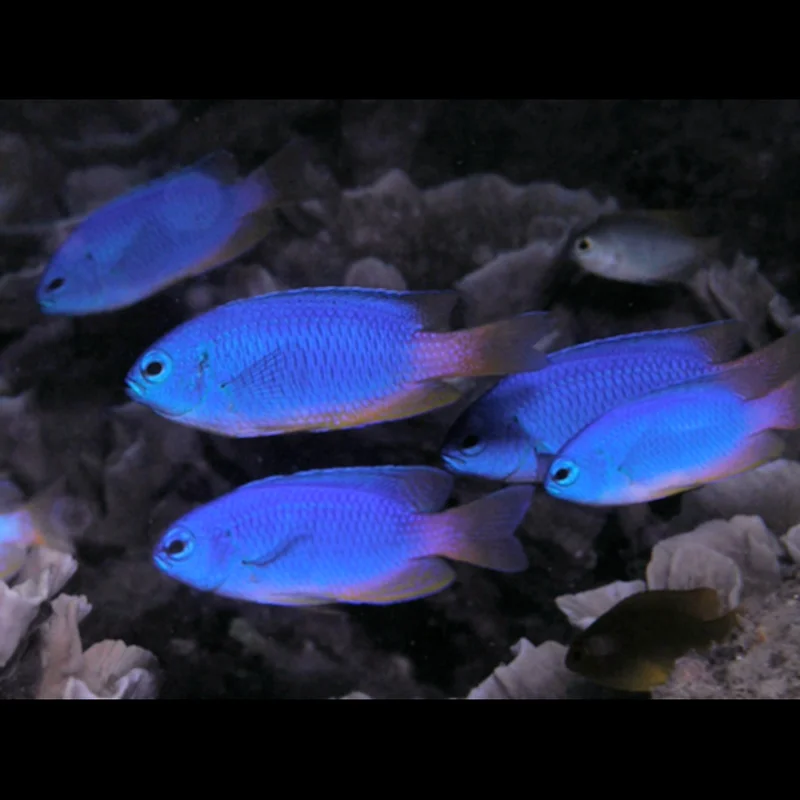
Despite its modest 40-meter footprint, Flamingo forms a bustling hard-bottom refuge across a vast plain of soft Adriatic ooze. Dense shoals of damselfish, poor cod, and Bogue hover constantly above the rounded foredeck and conning towers, parting as divers glide along the hull.
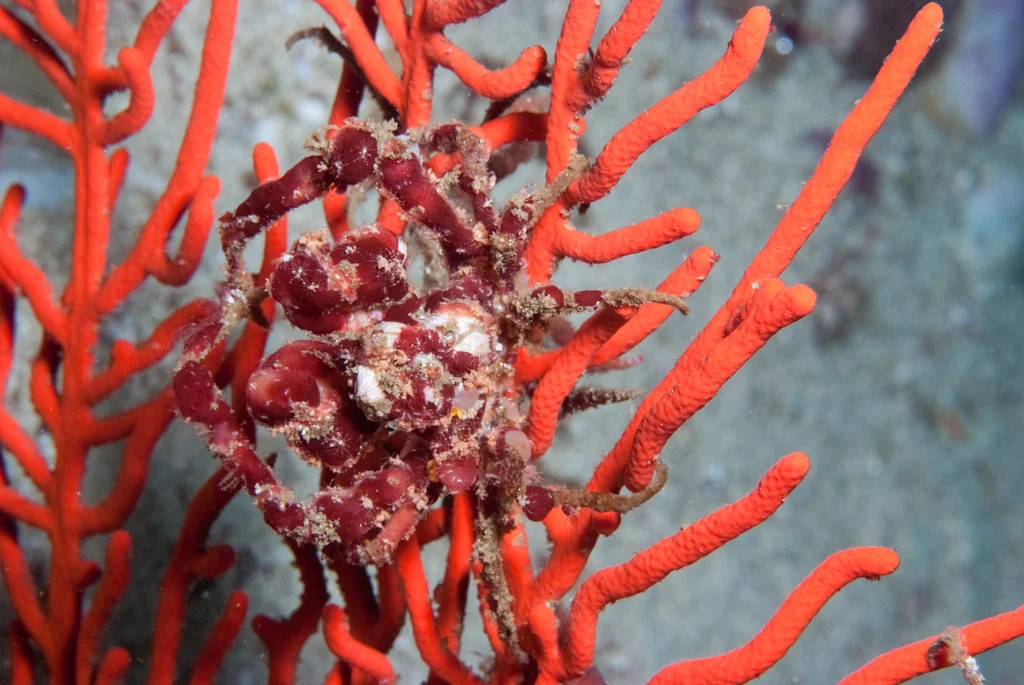
Inside the open funnel trunk, twisted stern pipes, and undercut hull plates at 44 to 45 meters, thick European conger eels and clawed European lobsters claim permanent territories alongside spiny spider crabs and squat lobsters.
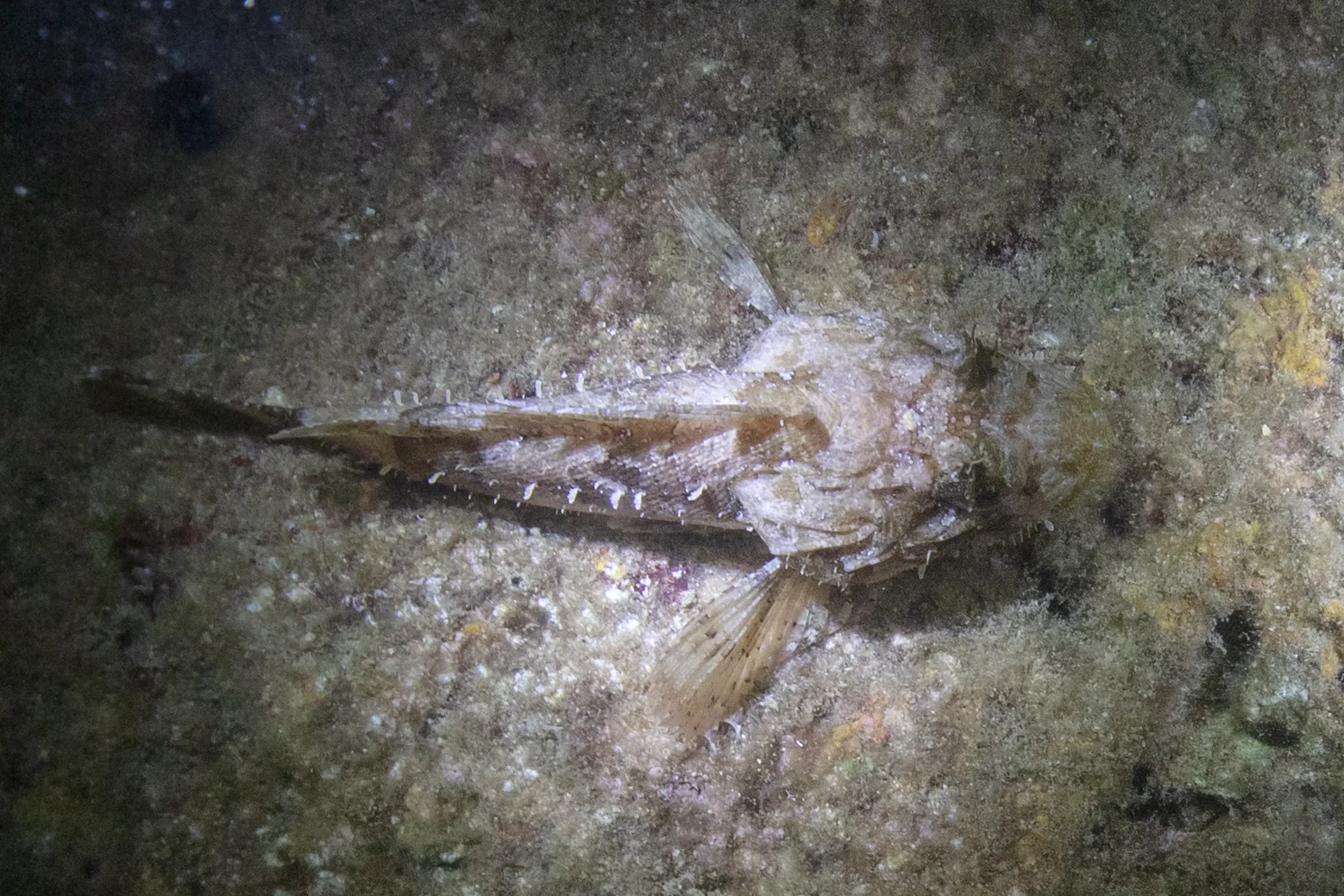
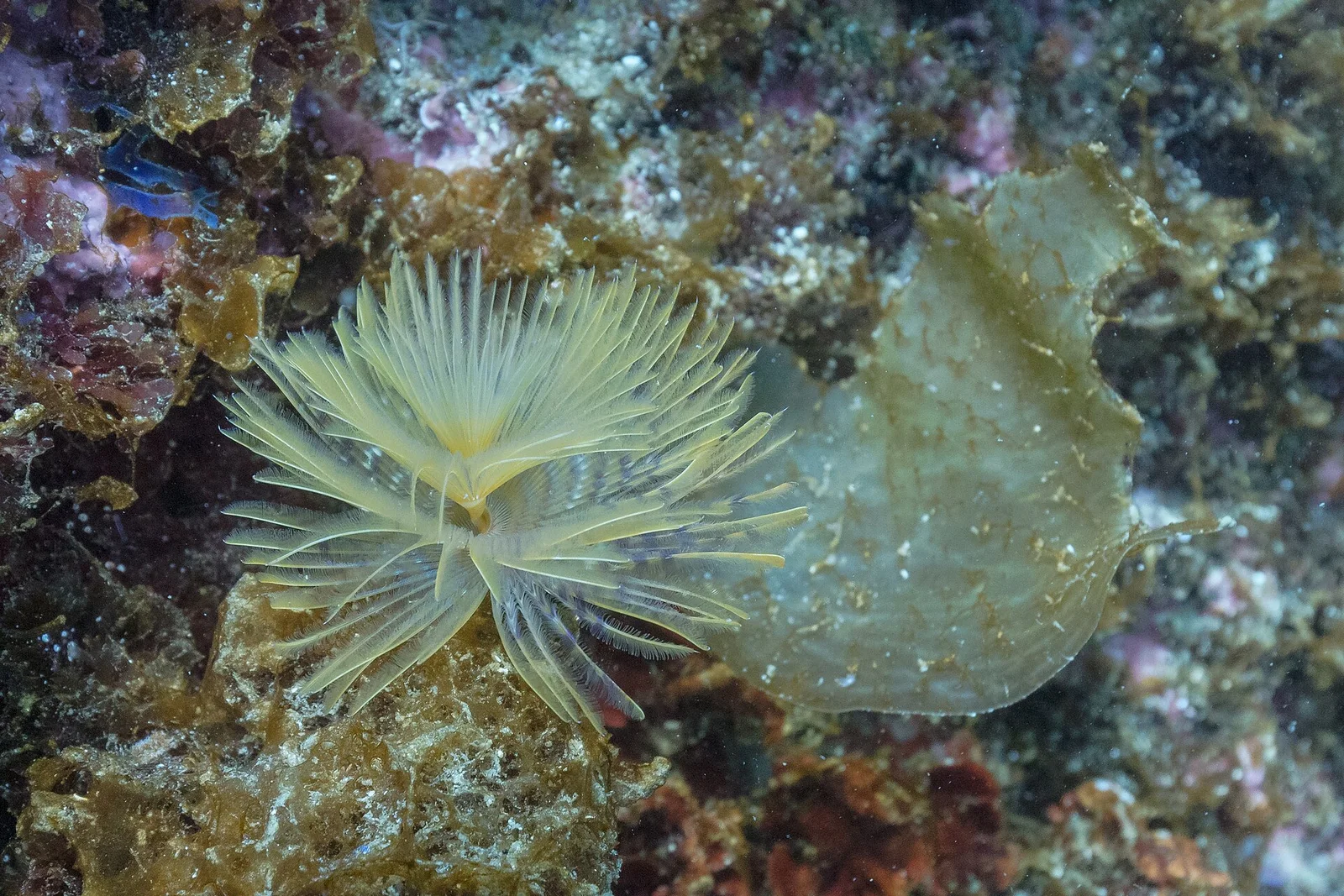
Brightly patterned cuckoo wrasse dart around hydroid-draped steel ribs, while red scorpionfish and delicate sabellid fanworms colonize the corroded deck plating and scattered stern debris, occasionally visited by hunting John Dory cruising in from the surrounding mud flats.
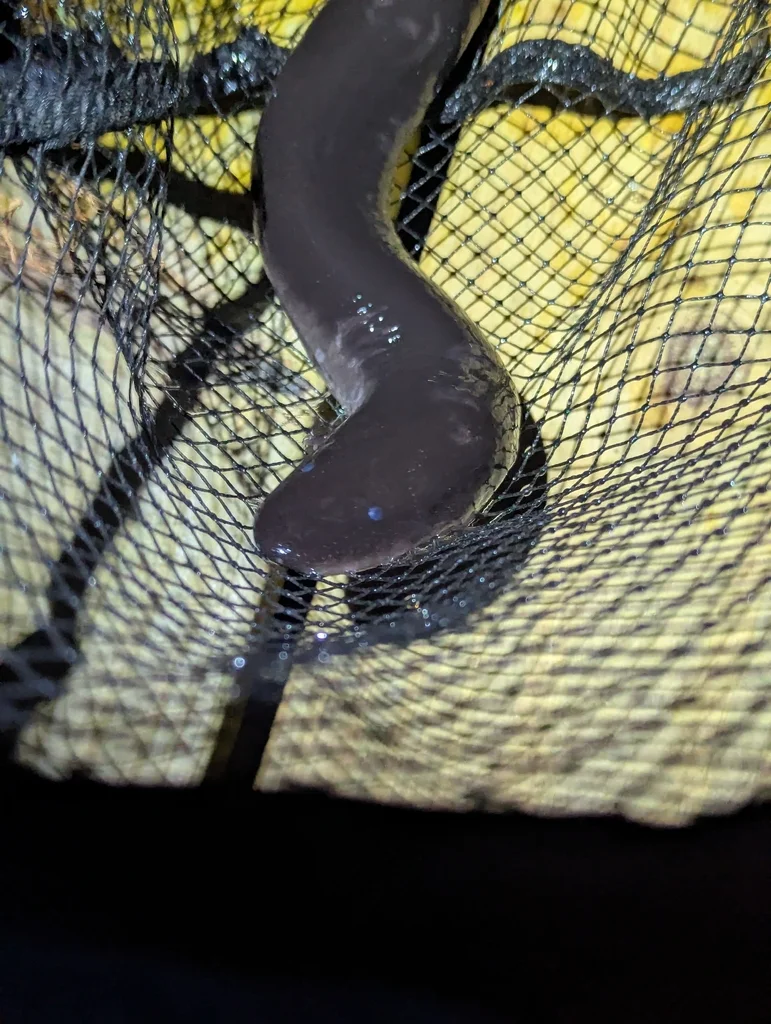
1 / 2
Image contributors:Diego Delso, Georgina Jones + 2 more
Want to contribute photos or local dive knowledge? Learn how to contributeDive Sites Near TB 26 Flamingo
View all dive sites in CroatiaDiscover more underwater gems in this area.
Max 42 m
4 km
advancedSubmarine U-81
ArchaeologicalBoat
Max 40 m
5.2 km
intermediateWreck Draga
BoatDown Line
Max 45 m
14.1 km
advancedWreck Josephine
ArchaeologicalBoat
Max 42 m
14.7 km
advancedSubmarine Medusa
BoatDown Line
Max 48 m
15 km
advancedWreck Luana
BoatDown Line
Max 42 m
15.9 km
advancedWreck Varese
ArchaeologicalBoat
Max 30 m
8.9 km
advancedFenoliga Island
ArchaeologicalBoat
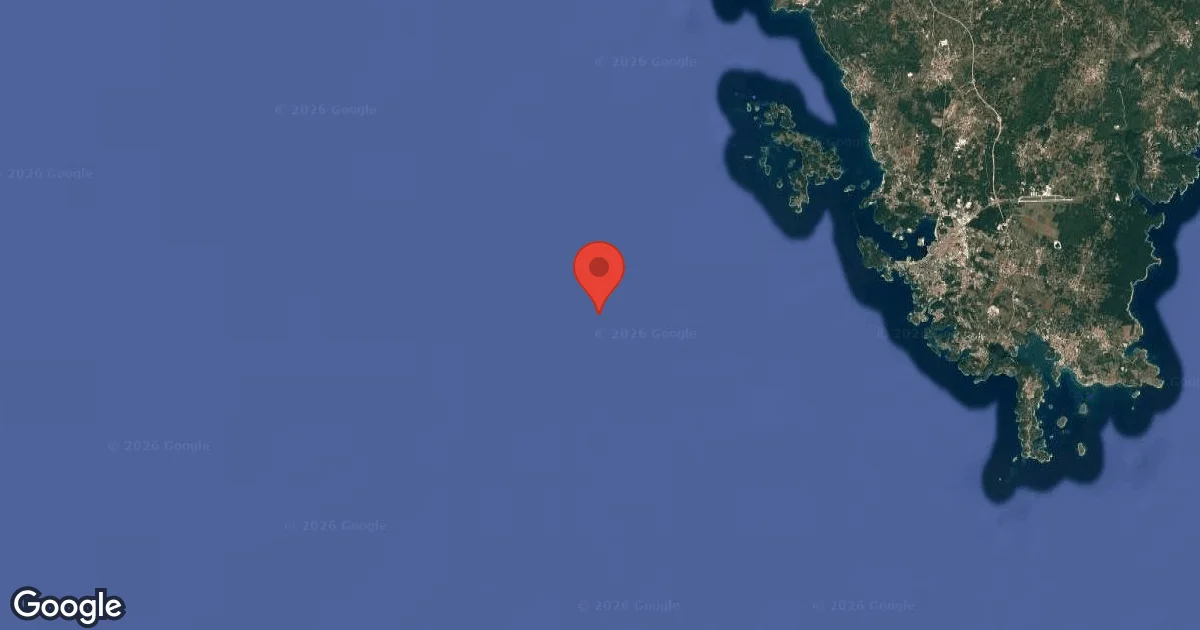
Max 44 m
20.2 km
advancedWreck John Gilmore
ArchaeologicalBoat
Max 42 m
4 km
advancedSubmarine U-81
ArchaeologicalBoat
Max 40 m
5.2 km
intermediateWreck Draga
BoatDown Line
Max 45 m
14.1 km
advancedWreck Josephine
ArchaeologicalBoat
Max 42 m
14.7 km
advancedSubmarine Medusa
BoatDown Line
Max 48 m
15 km
advancedWreck Luana
BoatDown Line
Max 42 m
15.9 km
advancedWreck Varese
ArchaeologicalBoat
Max 30 m
8.9 km
advancedFenoliga Island
ArchaeologicalBoat
Max 44 m
20.2 km
advancedWreck John Gilmore
ArchaeologicalBoat
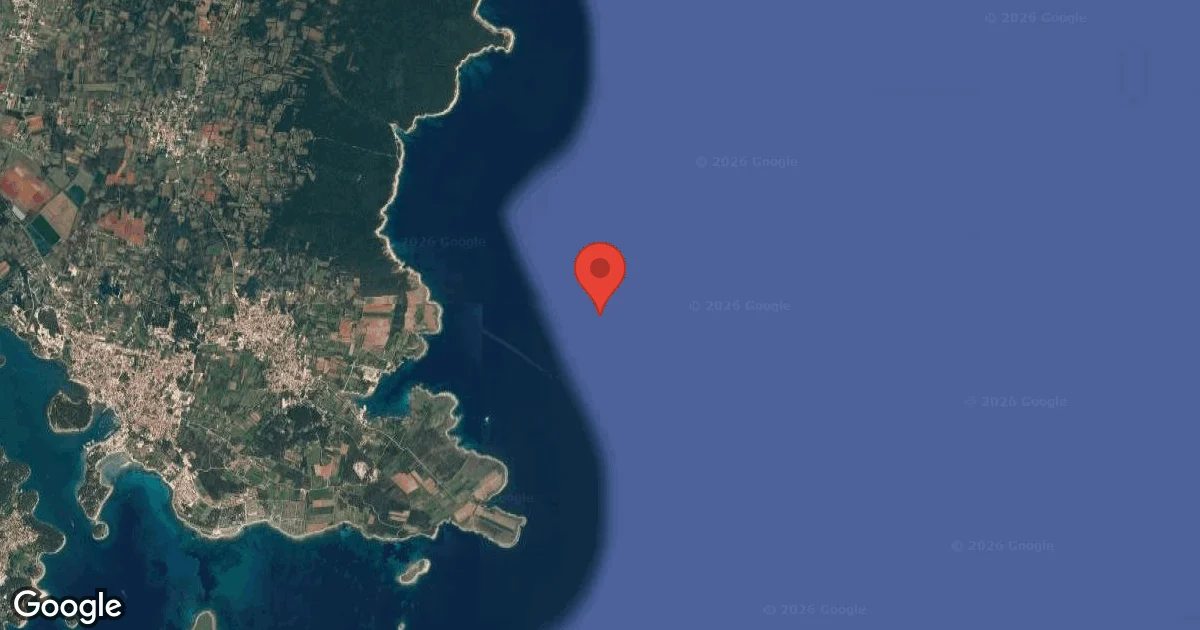
Max 50 m
20.3 km
advancedCesare Rossarol
ArchaeologicalBoat
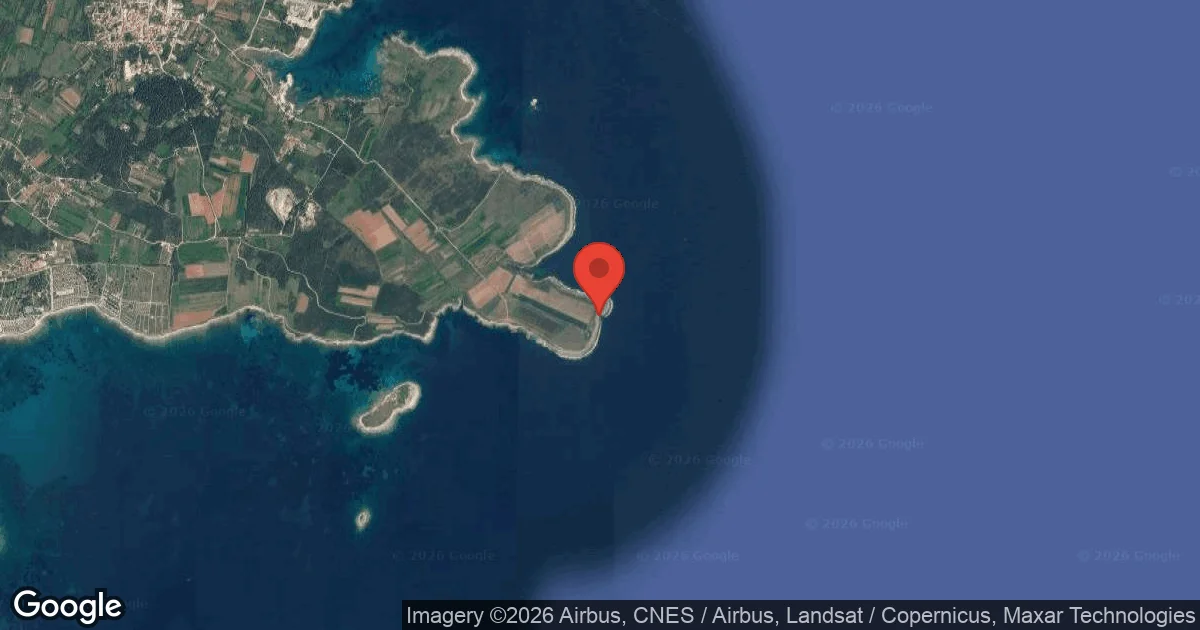
Max 40 m
17.8 km
360°intermediateCape Marlera
BoatOcean
1 / 2
Dive Centers Near TB 26 Flamingo
Working Hours
Sun09:30 - 19:00
Mon09:30 - 19:00
Tue09:30 - 19:00
Wed09:30 - 19:00
Thu09:30 - 19:00
Fri09:30 - 19:00
Sat09:30 - 19:00
Today: 09:30 - 19:00
Sun09:30 - 19:00
Mon09:30 - 19:00
Tue09:30 - 19:00
Wed09:30 - 19:00
Thu09:30 - 19:00
Fri09:30 - 19:00
Sat09:30 - 19:00
4.7| 211 reviews
12.2 km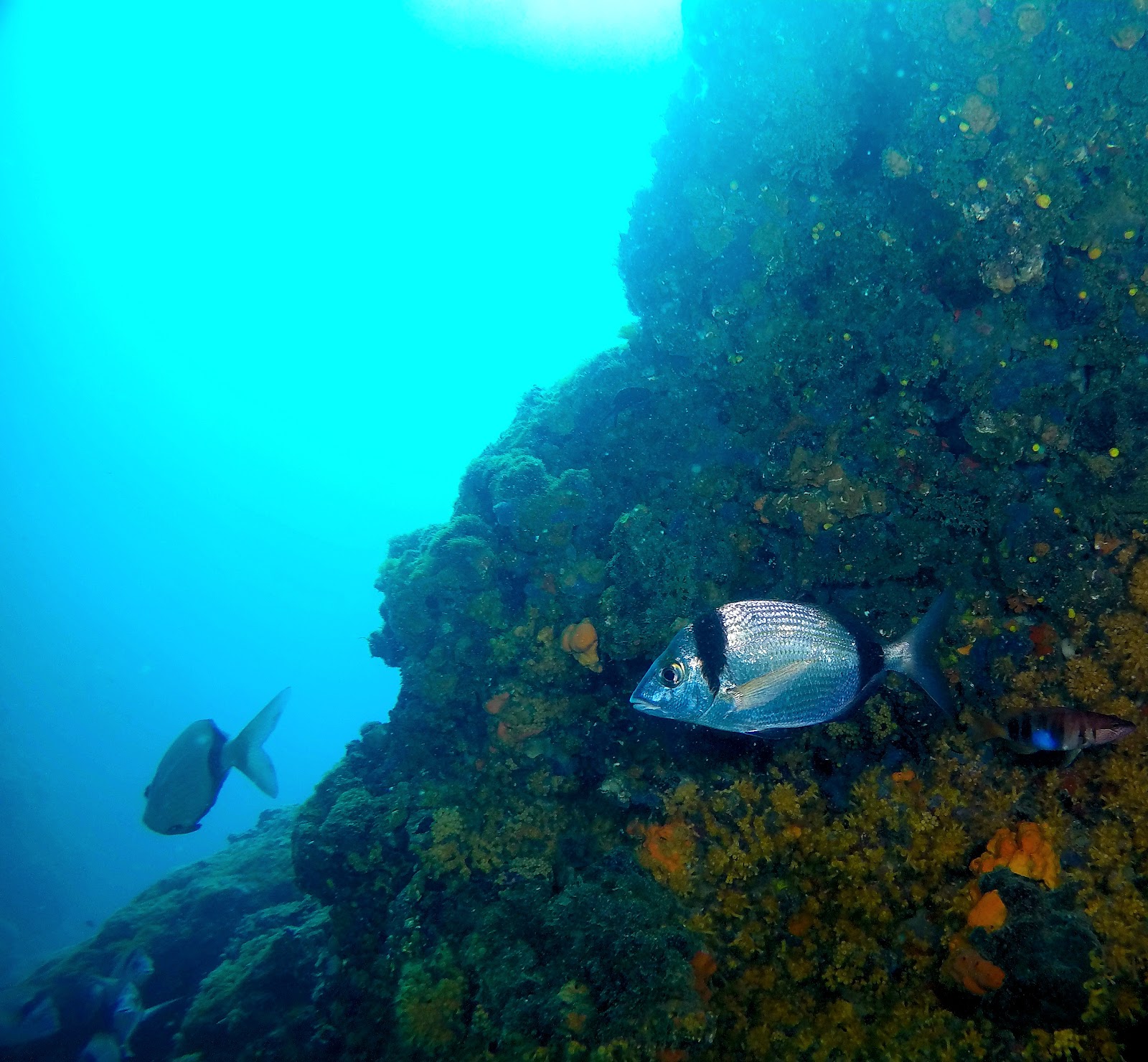
4.7| 129 reviews
13.3 km
4.6| 244 reviews
13.4 km
Girandella Diving Centre
4.8(231)• 49.1 km
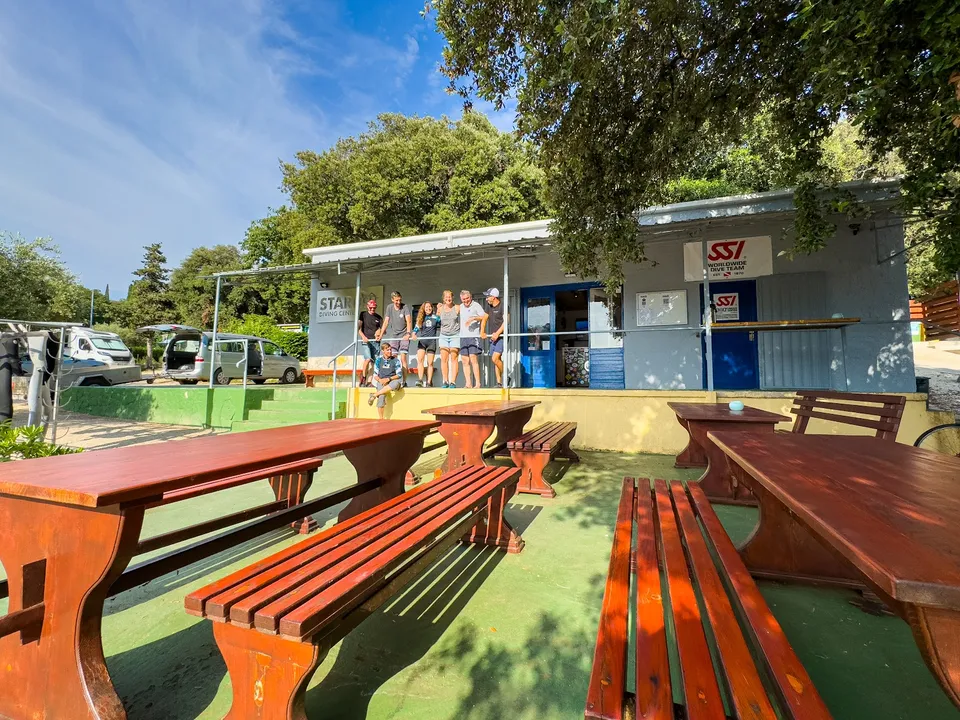
Starfish Diving Center
4.7(240)• 49.9 km
Nearest Airports
Nearest airports to help plan travel to this dive area.
Pula Airport PUY
21 km
Rijeka Airport RJK
81 km
Federico Fellini International Airport RMI
123 km
💵 Currency: EUR
Search Flights
Check available flights and routes on Expedia, using the nearby airports listed in this section.
Search Flights on ExpediaAffiliate link · Dive Navigator may earn a commission at no extra cost to you.
Frequently Asked Questions
Why was TB 26 Flamingo mistaken for a submarine for many years?
Settled deeply into soft seabed ooze with a rounded turtleback foredeck, compact conning towers, and a narrow 4.5-meter beam, the hull closely resembles an early coastal submarine.
How did SM Tb XXVI sink in August 1914?
While patrolling the outer naval defenses of Pula west of Premantura on August 23, 1914, the Austro-Hungarian torpedo boat strayed into its own defensive minefield and struck a contact mine on the starboard aft side.
Do divers need a permit to visit TB 26 Flamingo?
Yes. As a protected First World War naval war grave, the site can only be dived through licensed Croatian dive centers holding an official Ministry of Culture concession.
Can the entire wreck be explored on a single dive?
Yes. At 40 meters in length and 4.5 meters in beam, the compact hull allows divers to inspect the intact bow, funnel opening, conning tower, and shattered stern within a single 15-to-20-minute bottom phase.
Are there unexploded munitions on the Flamingo wreck?
Yes, a copper-sheathed torpedo head remains visible forward near the open bow torpedo tube; divers must observe strictly from a safe distance without touching any metal components.
What buoyancy precautions are important at this site?
The wreck sits embedded in ultrafine ooze at 45 meters that plumes instantly if disturbed, so divers should maintain frog-kick propulsion at least a meter above the seabed and corroded stern plates.
Trip Inquiry
Planning to dive TB 26 Flamingo?
Tell us your dates and diving needs. We'll review your request and seek offers from relevant local dive centers.
Request Dive Offers Free request for offers • No booking obligation
TB 26 Flamingo
Conditions are Moderate
5/10
Confidence: 8/10
Indicates meteorological model agreement and data availability.
DIVE WARNING
High Wind Advisory (42km/h). Unsafe surface.
06:12
18:45
H: 10:45
L: 16:20
Air / Sea Temp
14° / 17°
Wave Height
1.7 m
Wind Speed
42 km/h ENE
Rain Chance
50%
Current conditions near TB 26 Flamingo show 14° air, 17° sea temperature, 1.7 m waves, and 42 km/h wind. Forecast data is refreshed regularly to ensure accuracy.
Radius: ~12km
Updated: Nov 22, 2026, 20:13 local timeMARINE: OPEN-METEOWEATHER: YR.NO


