
Diving at Aphrodite Rock (Cyprus)
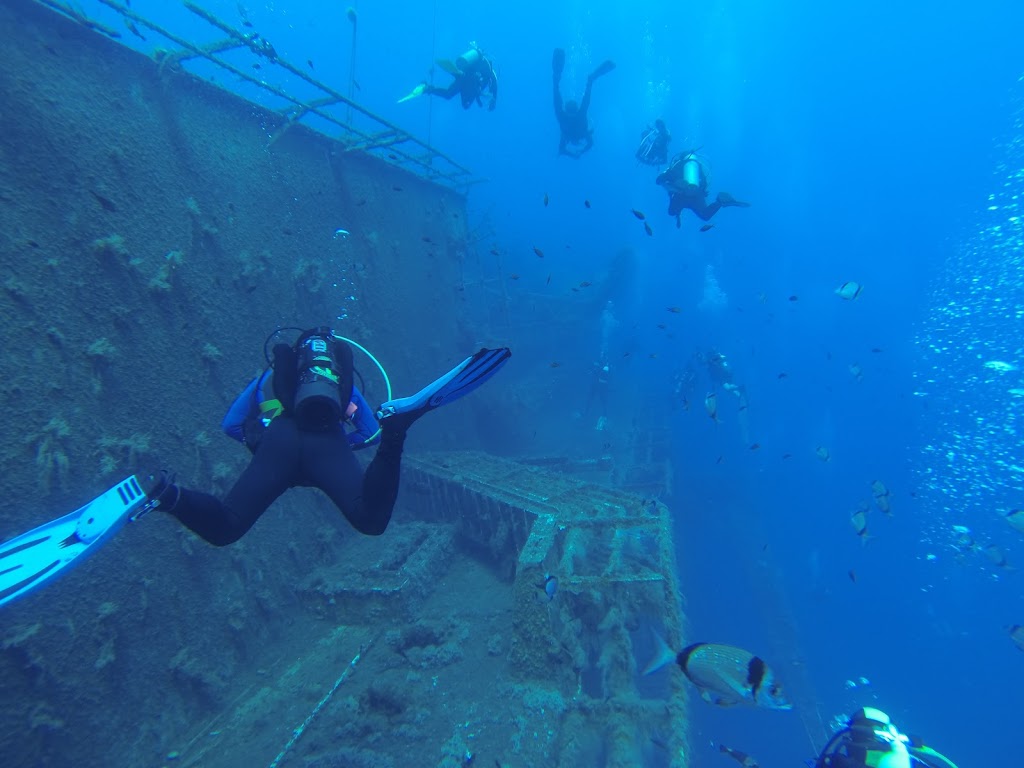
Aphrodite Rock presents itself as a shallow wall dive, dropping directly to a sandy bottom. This site features a large volcanic rock formation, primarily accessible by boat or shore entry. With a maximum depth of 10 m / 32 ft, it's considered suitable for less experienced divers. It functions well as a relaxed second dive, allowing for extended bottom time.
As evening covers Aphrodite Rock, the local air temperature is measured at 26°C. The current wave height at the surface is recorded at 1 m. These late-day readings characterize the surface conditions for the night.
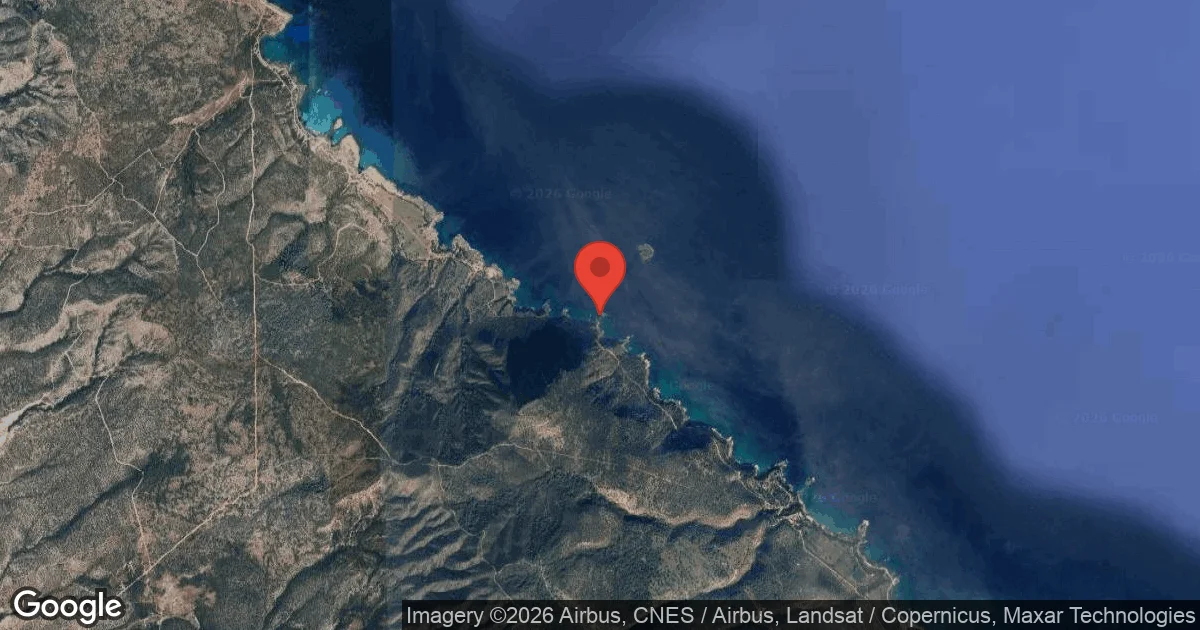
Dive Site Location & Key Facts
Dive Site Overview
The area around Aphrodite Rock, also known as Petra tou Romiou, is profoundly rooted in historical and mythological significance. Legend claims this iconic site is the birthplace of the goddess Aphrodite, where she famously emerged from the sea foam.
This mythical origin imbues every dive here with a palpable sense of ancient wonder, allowing explorers to connect with a powerful past beneath the surface. The rock’s status attracted considerable worship in pre-Roman times, a legacy still evident in nearby sanctuaries such as Kouklia. Folklore adds another layer of intrigue; tales suggest that swimming around the rock three times can bring forth true love or bestow eternal beauty.
For divers, this means navigating waters that are not just biologically rich, but also culturally resonant, offering a unique blend of natural beauty and historical narrative. Positioned along the main coastal route between Limassol and Paphos, Aphrodite Rock continues to draw visitors seeking both historical immersion and a tranquil underwater experience.
Conditions are Good
Optimal conditions expected
Current conditions near Aphrodite Rock show 26° air, 28° sea temperature, 1.0 m waves, and 19 km/h wind. Forecast data is refreshed regularly to ensure accuracy.
Best Time to Dive
Optimal diving conditions at Aphrodite Rock typically span from April through November, aligning with higher average dive scores (7-8). During these months, air temperatures are inviting, ranging from 18°C / 64°F in April to peaks around 29.5°C / 85°F in July. Rainfall is notably minimal, especially from June to October, with July and August experiencing almost no precipitation (0.008 to 0.023 mm). Wave heights are generally calmer, averaging below 1 meter, with the calmest seas often observed in June (0.7 meters). Wind speeds during this period tend to be moderate, typically between 14-17 km/h. While diving remains possible year-round, conditions outside this window might present cooler air temperatures (as low as 13.5°C / 56°F in February) and slightly increased rainfall and wave heights, potentially impacting surface comfort more than underwater visibility.
PEAK SEASON SCORE
Scores combine air & water temps, waves, wind & rainfall for overall conditions.
BEST MONTHS TO DIVE
Monthly records compiled from satellite and marine observation nodes over the last 3 years. Data provided by Open-Meteo and MET Norway.
Dive Experience & Conditions
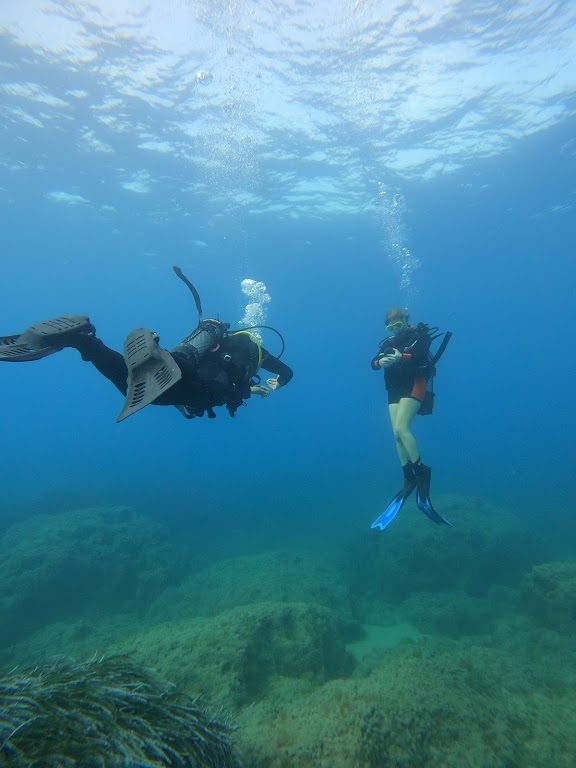
Entering the water at Aphrodite Rock is possible from both shore and by boat, though the beach presents as rock and shingle, which can make shore entry challenging without proper footwear like booties. Below the surface, divers consistently find clear waters, contributing to a pleasant and expansive view. The dive itself unfolds as a gentle wall, with the large volcanic rock descending into a sandy seabed. Depths here are consistently shallow, reaching a maximum of 10 m / 32 ft. This makes for a relaxed exploration, often recommended as a second, less demanding dive of the day, allowing for extended bottom time. While the sea near the immediate shore can be somewhat rough, underwater conditions tend to be calmer, particularly around the rock's protected sides.
Dive Difficulty & Safety Guidelines
The site at Aphrodite Rock is well-suited for beginners, with no prior diving experience required for introductory courses offered locally. Scuba Diver courses here typically certify individuals aged 10 and above to a maximum depth of 12 meters. Safety remains a priority for local dive centers, which operate with a focus on comprehensive training and a supportive learning environment.
While swimming around the rock is permitted, climbing the rock itself is prohibited for visitor safety and site preservation. Always follow instructor guidelines and local regulations to ensure a safe and enjoyable dive.
Recommended Equipment
- Dive Computer
This gear list is based on verified equipment signals for Aphrodite Rock, Cyprus. Always confirm final gear choices with your dive operator, guide, or liveaboard.
Recommended Dive Suit
Forecast models show minimal temperature variation in the coming days.
Thermal protection such as 2-3mm shorty or light wetsuit is commonly used in similar temperatures.
Recent environmental data from Aphrodite Rock indicates water temperatures near 28°C (82°F). Surface air temperatures are resting at 26°C (78°F).
Emergency & Medical Support
Essential information to help you plan your dive trip to Aphrodite Rock.

Hyperbaric chambers are a critical part of dive safety infrastructure. Availability varies significantly by region, and not all dive areas have immediate access.
Before diving, it's recommended to:
- confirm nearest medical facilities
- check emergency procedures with local dive operators
- ensure dive insurance covers evacuation if required
Divers Alert Network
Diving emergency assistance available through DAN Europe.
+39 0642115685- 24/7 emergency hotline
- Diving medical assistance
- Evacuation coordination
Emergency contacts are provided for reference. Always verify local emergency services before diving.
Closest Listed Hyperbaric Chambers
Showing listed hyperbaric chamber facilities within 200 km of this dive site.
Distances are approximate straight-line distances and may not reflect emergency travel time.
Hyperbaric Medical Centre
24/7 ListedNicosia, Cyprus•Approx. 93 km straight-line
Hyperbaric Medical Centre
24/7 ListedInformation is provided for reference and planning purposes only. Dive Navigator does not verify operational status, staffing, availability, or quality of care at listed facilities. In an emergency, contact local emergency services, DAN, your dive operator, or the chamber directly. Do not travel to a facility without calling ahead.
Poseidonia Medical Centre
24/7 ListedLarnaca, Cyprus•Approx. 114 km straight-line
Poseidonia Medical Centre
24/7 ListedInformation is provided for reference and planning purposes only. Dive Navigator does not verify operational status, staffing, availability, or quality of care at listed facilities. In an emergency, contact local emergency services, DAN, your dive operator, or the chamber directly. Do not travel to a facility without calling ahead.
Hyperbaric Oxygen Therapy Department, General Hospital of Ammochostos (Famagusta)
Paralimni, Cyprus•Approx. 148 km straight-line
Hyperbaric Oxygen Therapy Department, General Hospital of Ammochostos (Famagusta)
Information is provided for reference and planning purposes only. Dive Navigator does not verify operational status, staffing, availability, or quality of care at listed facilities. In an emergency, contact local emergency services, DAN, your dive operator, or the chamber directly. Do not travel to a facility without calling ahead.
Marine Life at Aphrodite Rock
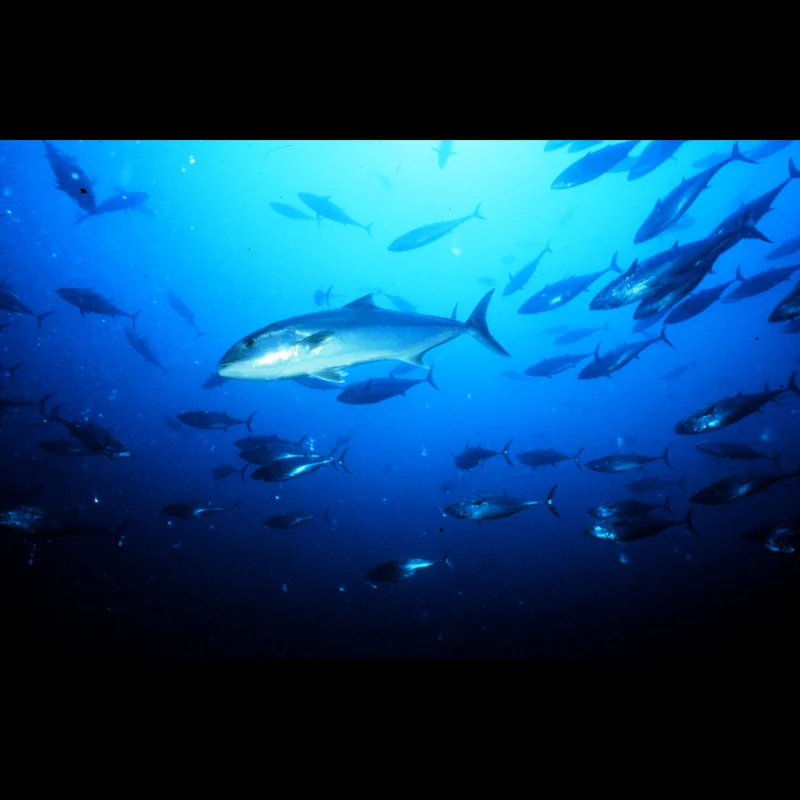
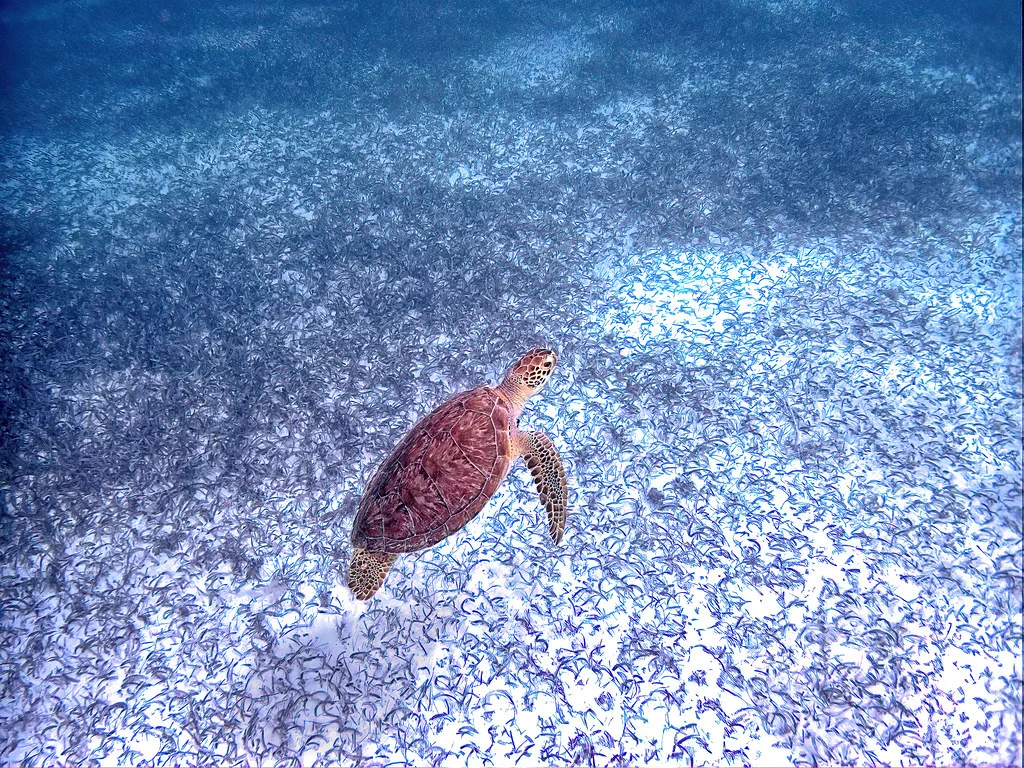
Upon descending, divers frequently encounter various marine life, with turtles often observed, particularly during their mating season. Schools of amberjacks might cruise past, adding movement to the underwater landscape.
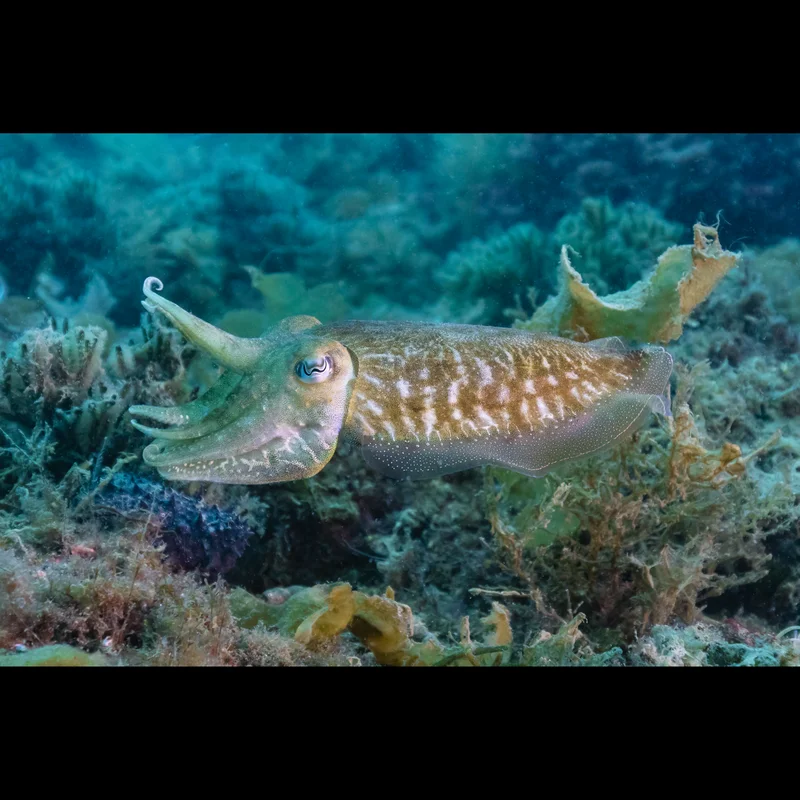
Keep an eye out for octopus and cuttlefish subtly camouflaged on the rocky formations. Though less common, rare species of ray have also been reported in these waters, alongside glimpses of larger green and loggerhead turtles.

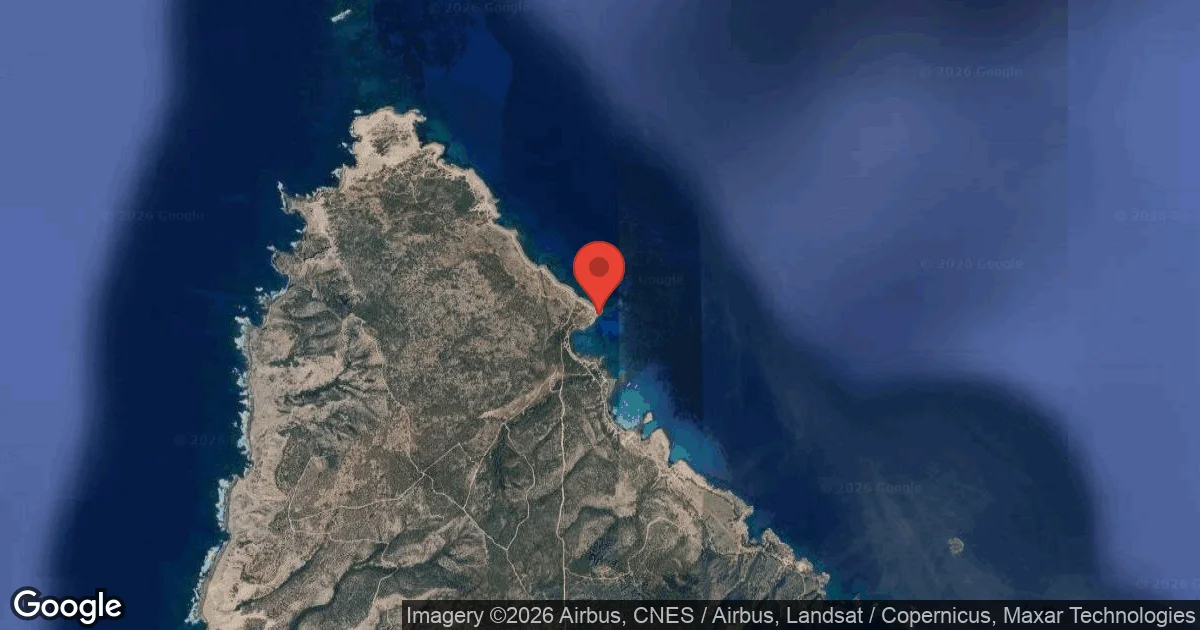
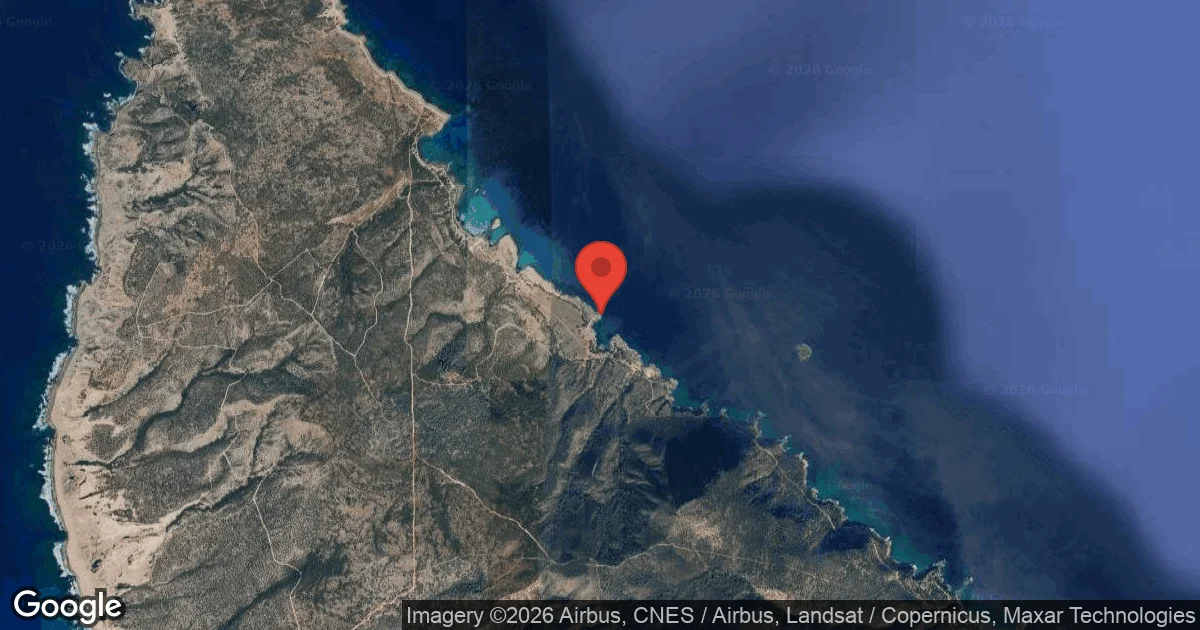
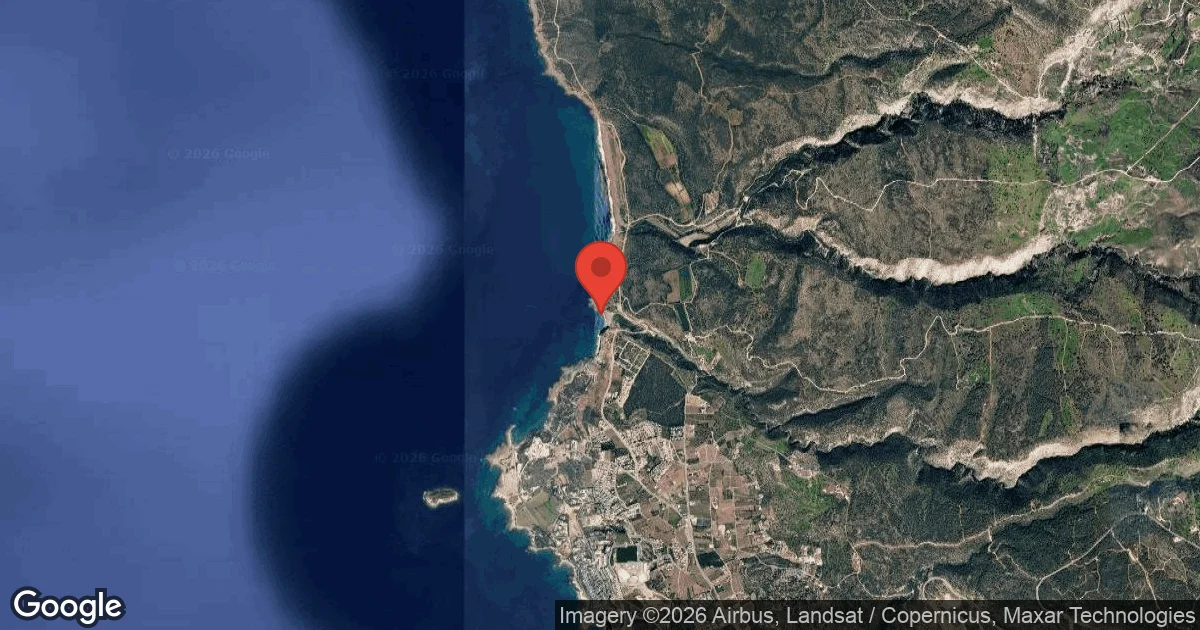
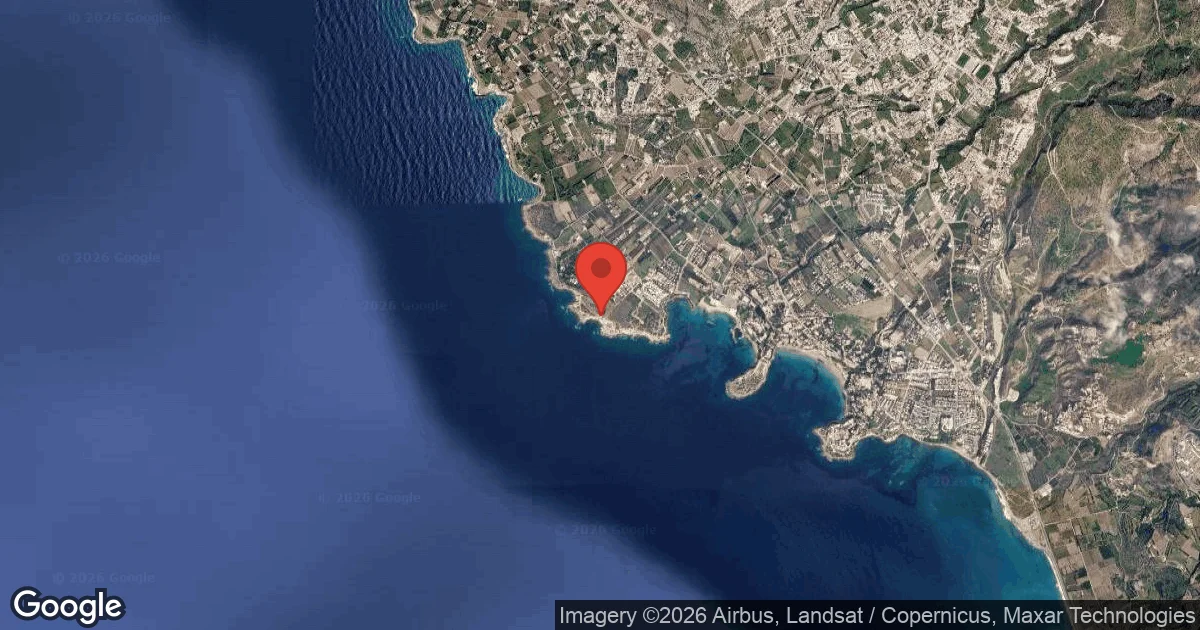
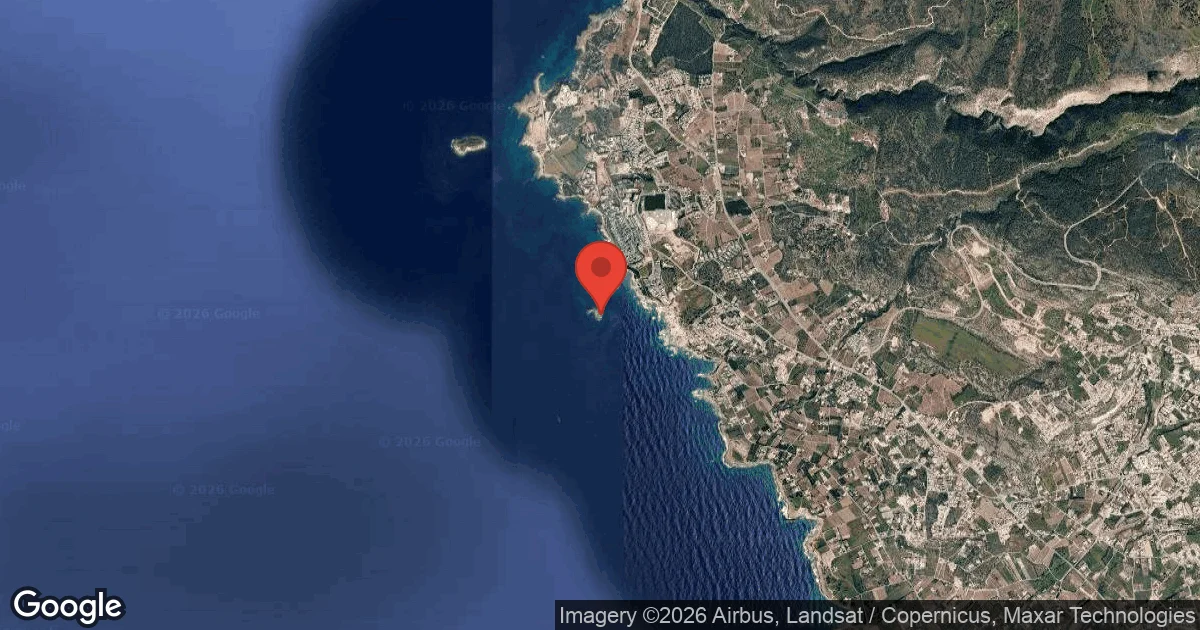
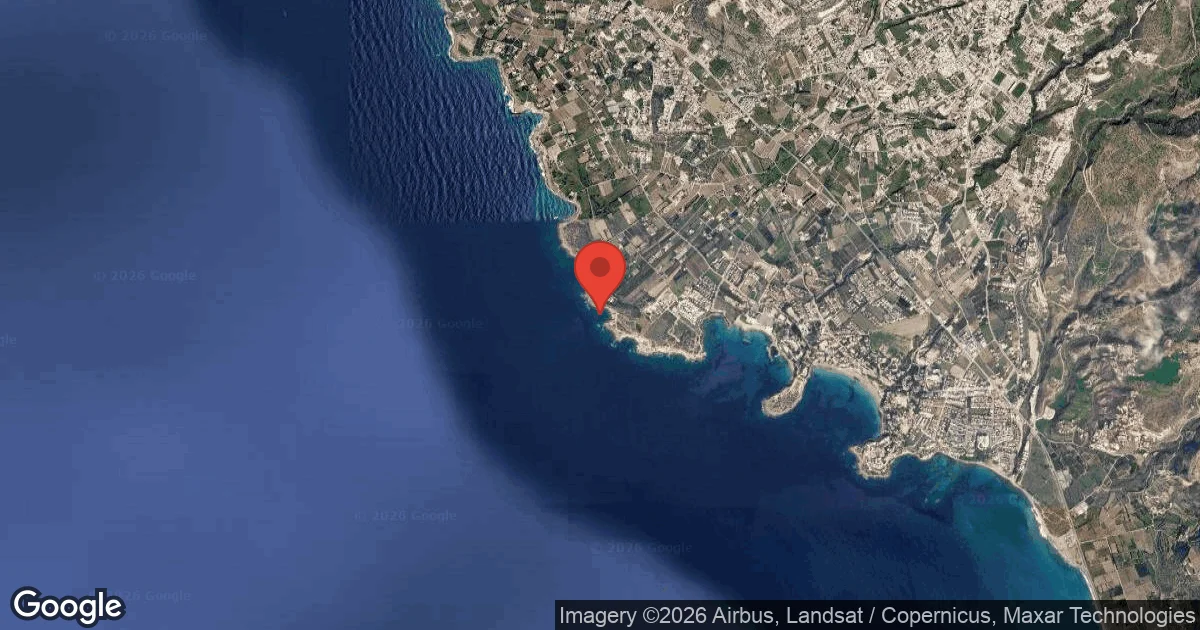
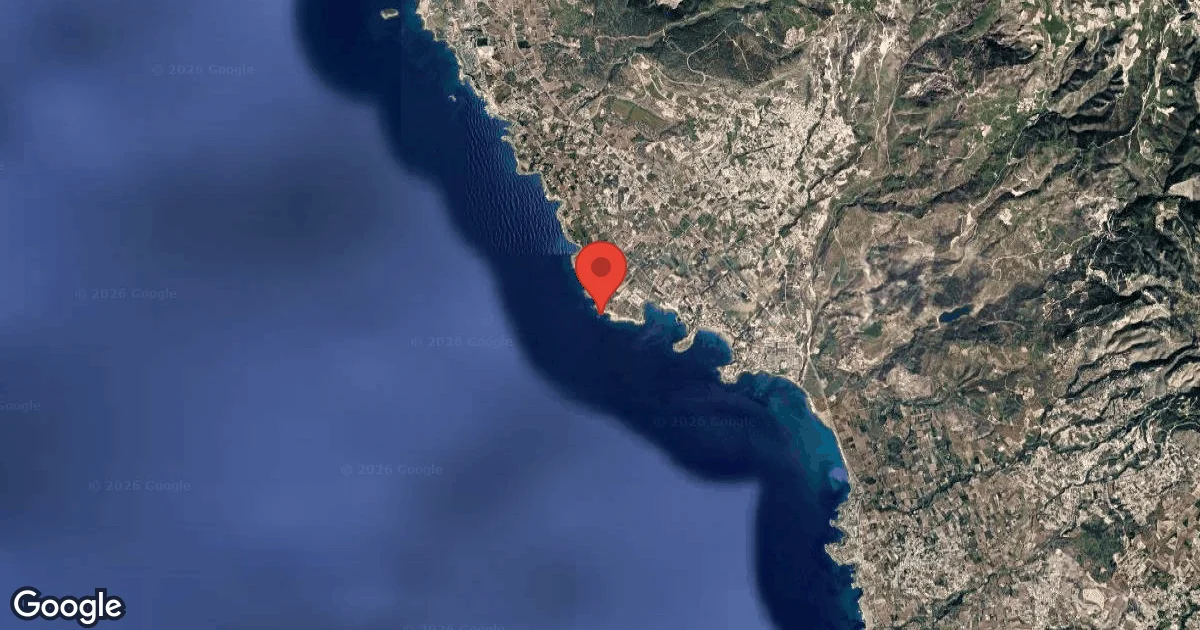
Dive Sites Near Aphrodite Rock
View all dive sites in CyprusDiscover more underwater gems in this area.
Dive Centers Near Aphrodite Rock
Today: 08:00 - 20:00
Nearest Airports
Nearest airports to help plan travel to this dive area.
Search Flights
Check available flights and routes on Expedia, using the nearby airports listed in this section.
Search Flights on ExpediaFrequently Asked Questions
What is the maximum diving depth at Aphrodite Rock?
The maximum diving depth at Aphrodite Rock is generally around 10 meters / 32 feet. For entry-level certifications like the Scuba Diver course, the training depth is limited to 12 meters.
Is Aphrodite Rock suitable for beginner divers?
Yes, Aphrodite Rock is considered suitable for beginners. Many dive centers offer introductory courses here, and the shallow depths make it a great site for those with limited experience.
Can I swim around Aphrodite Rock?
You are permitted to swim around Aphrodite Rock. However, climbing the rock itself is prohibited to ensure safety and protect the natural formation.
What kind of marine life can I expect to see?
Divers often spot turtles, especially during mating season. Other sightings include schools of amberjacks, octopus, cuttlefish, and occasionally rare ray species.
What are the entry options for diving at Aphrodite Rock?
You can enter the water from the shore or via a boat. Shore entry requires navigating a rock and shingle beach, so appropriate footwear like booties is recommended.
What are the best months to dive at Aphrodite Rock?
The best time to dive is typically from April to November. These months offer comfortable air temperatures, minimal rainfall, and generally calmer sea conditions.
Are there any local dive centers that operate at Aphrodite Rock?
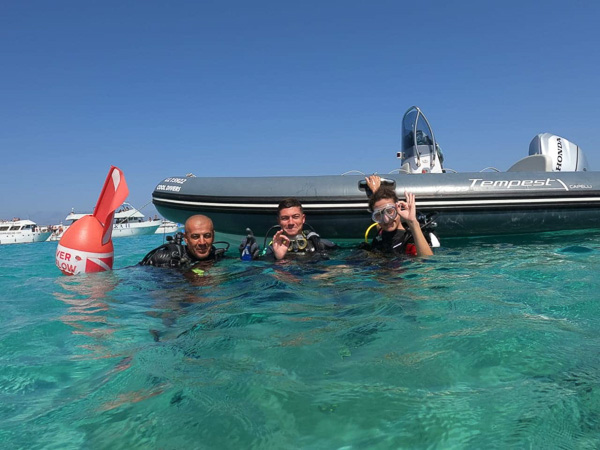
Yes, several local dive centers, such as Cool Divers Diving Center at Latchi Beach-Aphrodite's Rock and Pissouri Bay Divers, operate in the vicinity and offer courses and guided dives to the site.
Planning to dive Aphrodite Rock?
Send one inquiry and receive offers directly from the best verified local dive operators.
Conditions are Good
Optimal conditions expected
Current conditions near Aphrodite Rock show 26° air, 28° sea temperature, 1.0 m waves, and 19 km/h wind. Forecast data is refreshed regularly to ensure accuracy.