
Diving at St George Reef (Cyprus)
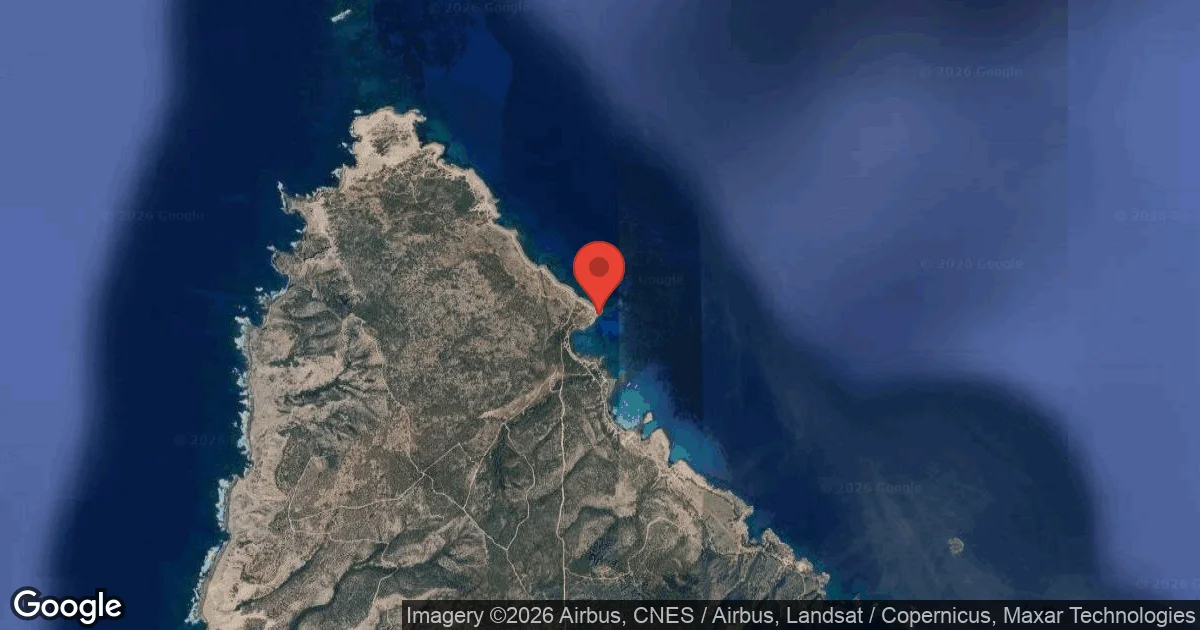
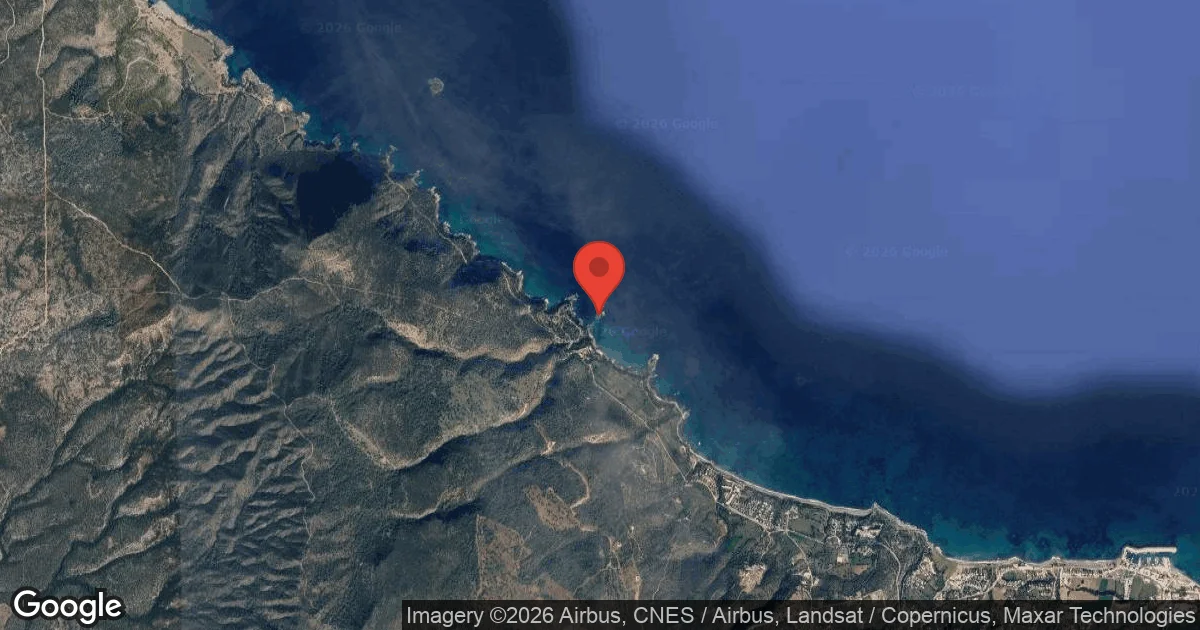
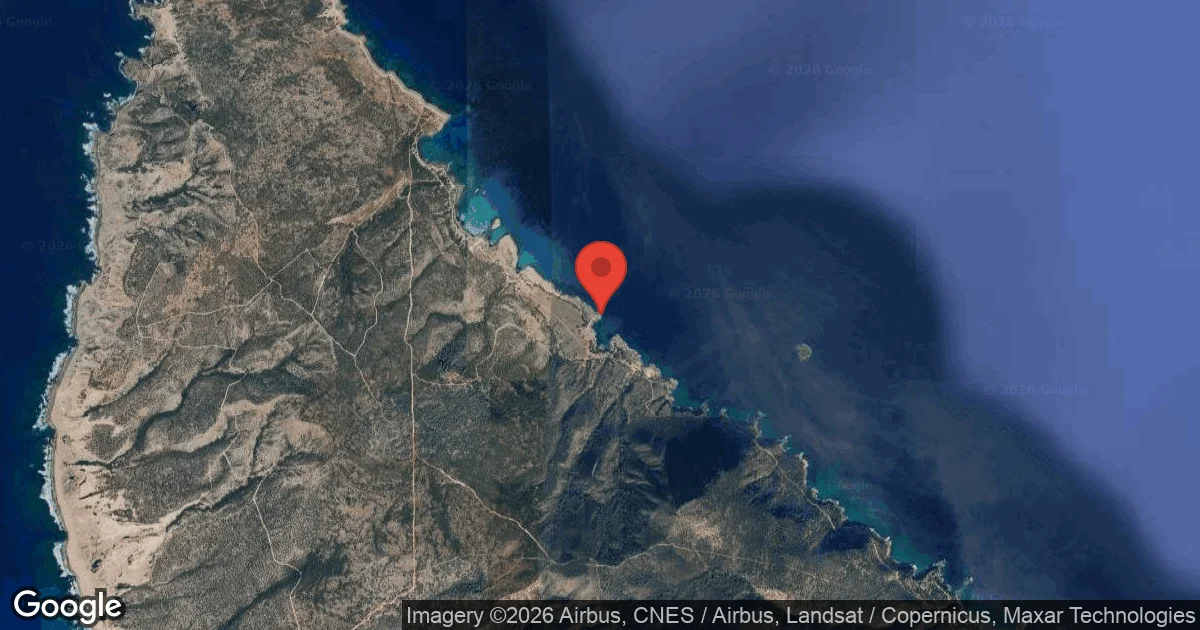
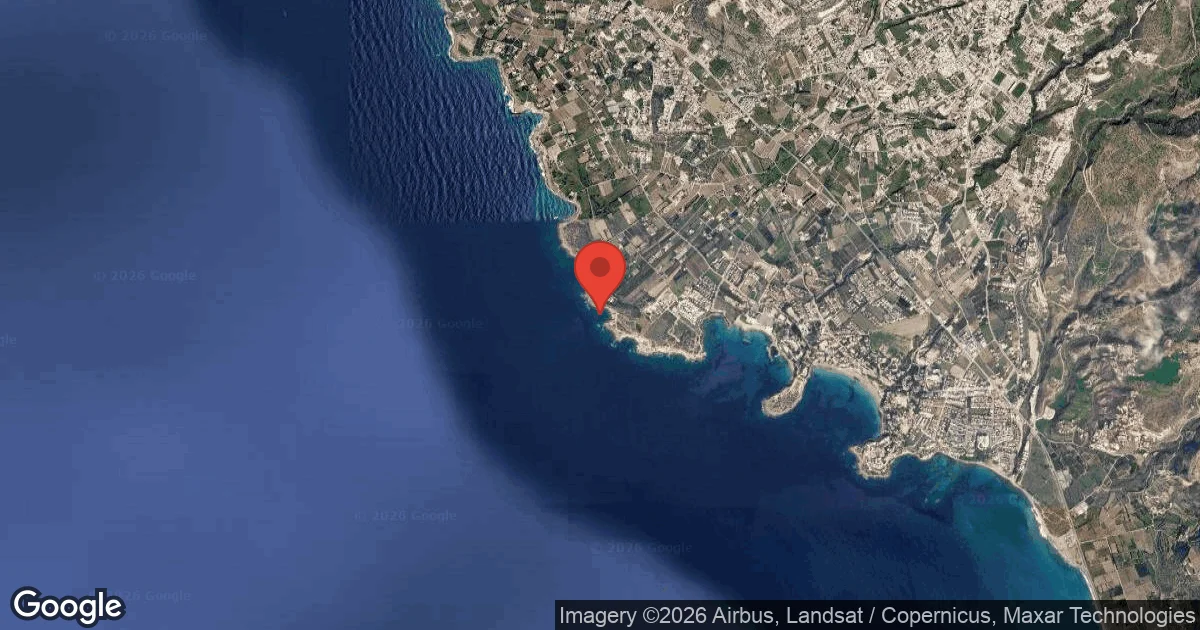
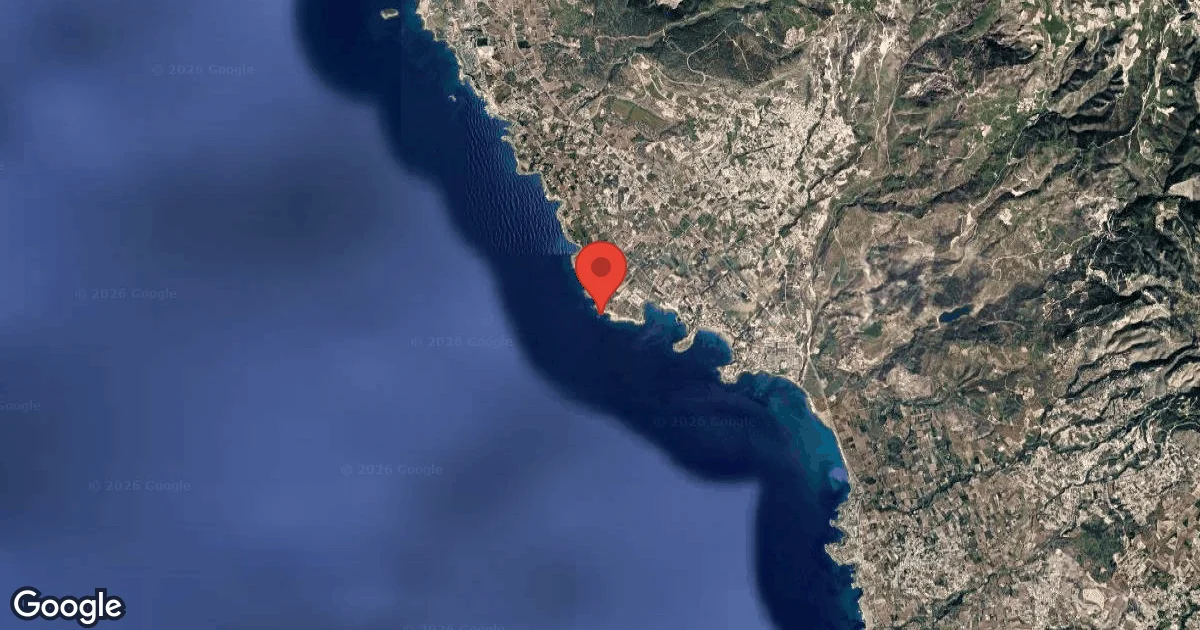
St George Reef, also known as Geronissos Island or Kakoskali, presents a multifaceted underwater topography off the west coast of Cyprus. This site features a dramatic wall extending from the seabed almost to the surface, alongside numerous ridges, craters, and swim-throughs. Its varied depths, ranging from shallow sections to a considerable drop-off, have earned it the local moniker meaning 'bad steps,' reflecting the diverse underwater levels.
As evening covers St George Reef, the local air temperature is measured at 22°C. The current wave height at the surface is recorded at 0.4 m. These late-day readings characterize the surface conditions for the night.
Dive Site Location & Key Facts
Dive Site Overview
Exploring St George Reef immerses divers in an engaging mix of natural formations and historical remnants, setting the stage for a truly exploratory dive. Upon descending, divers often encounter a captivating maze of shallow swim-throughs and short canyons, offering excellent opportunities to practice natural navigation.
A significant landmark at the site is the partially buried, upside-down hull of an old yacht, which has been a fixture on the sandy seabed for over a decade. This unexpected man-made structure provides a unique focal point and habitat for various marine species. Beyond this wreck, the underwater landscape transforms into impressive walls and dramatic ridges.
Some of these formations feature narrow, darker passageways, appealing to divers with advanced experience who seek more challenging exploration. This site is primarily accessed via boat, presenting a dynamic environment where divers can choose from multiple routes.
Common dive depths range considerably, from shallower sections around 12 meters to deeper zones reaching approximately 35 meters, ensuring varied profiles for different skill levels. An intriguing aspect of St George Reef is a largely unexplored area extending to the left of the typical boat drop-off point.
This sector promises further discoveries among its rocky canyons and the potential for uncovering additional archaeological fragments, inviting adventurous divers to push the boundaries of known exploration. The extensive topography ensures each visit can reveal new details and perspectives.
Conditions are Good
07:00 - 14:00
Optimal conditions expected
Current conditions near St George Reef show 22° air, 28° sea temperature, 1.0 m waves, and 22 km/h wind. Forecast data is refreshed regularly to ensure accuracy.
Best Time to Dive
The prime diving window for St George Reef generally extends from June through October, when conditions are most favorable for extended exploration. During these months, average air temperatures range comfortably between 26°C / 79°F and 29°C / 84°F, with minimal rainfall typically less than 0.25 mm. These dryer, warmer periods contribute to generally calmer seas, enhancing boat access and overall dive enjoyment. While diving is possible year-round, the cooler months from January to March see air temperatures between 13°C / 55°F and 15°C / 59°F and higher rainfall, which can affect surface conditions, making advanced planning important.
PEAK SEASON SCORE
Scores combine air & water temps, waves, wind & rainfall for overall conditions.
BEST MONTHS TO DIVE
Monthly records compiled from satellite and marine observation nodes over the last 3 years. Data provided by Open-Meteo and MET Norway.
Dive Experience & Conditions
Divers at St George Reef navigate a dynamic environment, with depths typically ranging from 5 meters / 16 feet to 40 meters / 131 feet. The site is characterized by significant geological features, including a prominent wall and a sloping seabed that provides varying depths for exploration. Visibility is generally quite good, often reported between 20 to 30 meters (65 to 100 feet), averaging around 25 meters (82 feet). While currents are sometimes strong, experienced divers find ample opportunity to explore. This boat-accessible site is best suited for experienced and advanced divers capable of managing potential currents and navigating intricate underwater structures.
Dive Difficulty & Safety Guidelines
Approaching St George Reef requires a mindful awareness of its challenging characteristics, particularly its suitability for experienced and advanced divers. While a minimum 'Scuba Diver' certification is noted, the presence of numerous walls, ridges, narrow passageways, and potential strong currents suggests comfort and proficiency beyond entry-level training.
Divers who haven't been in the water for over a year should consider a refresher course to ensure current skills. Surface conditions warrant attention due to occasional pleasure boats and the proximity of a harbor.
Always dive with a reliable buddy and monitor depth and air consumption closely, especially when exploring deeper sections or intricate swim-throughs.
Recommended Equipment
Overhead / entanglement risk. Wreck penetration requires proper training.
- Dive Computer
- DSMB
- Primary & Backup Lights
- Wreck Reel
- Cutting Tool
This gear list is based on verified equipment signals for St George Reef, Cyprus. Always confirm final gear choices with your dive operator, guide, or liveaboard.
Recommended Dive Suit
Thermal protection such as 2-3mm shorty or light wetsuit is commonly used for water temperatures in this range. A hood or vest is suggested for sensitive divers due to surface winds. Surface intervals may feel cooler.
Divers entering the water at St George Reef today can expect temperatures near 28°C (82°F) beneath the surface. Surface air temperatures are resting at 22°C (72°F).
Environmental models indicate a modest warming trend ahead. A warming trend is expected over the next few days.
Emergency & Medical Support
Essential information to help you plan your dive trip to St George Reef.

Hyperbaric chambers are a critical part of dive safety infrastructure. Availability varies significantly by region, and not all dive areas have immediate access.
Before diving, it's recommended to:
- confirm nearest medical facilities
- check emergency procedures with local dive operators
- ensure dive insurance covers evacuation if required
Divers Alert Network
Diving emergency assistance available through DAN Europe.
+39 0642115685- 24/7 emergency hotline
- Diving medical assistance
- Evacuation coordination
Emergency contacts are provided for reference. Always verify local emergency services before diving.
Closest Listed Hyperbaric Chambers
Showing listed hyperbaric chamber facilities within 200 km of this dive site.
Distances are approximate straight-line distances and may not reflect emergency travel time.
Hyperbaric Medical Centre
24/7 ListedNicosia, Cyprus•Approx. 94 km straight-line
Hyperbaric Medical Centre
24/7 ListedInformation is provided for reference and planning purposes only. Dive Navigator does not verify operational status, staffing, availability, or quality of care at listed facilities. In an emergency, contact local emergency services, DAN, your dive operator, or the chamber directly. Do not travel to a facility without calling ahead.
Poseidonia Medical Centre
24/7 ListedLarnaca, Cyprus•Approx. 116 km straight-line
Poseidonia Medical Centre
24/7 ListedInformation is provided for reference and planning purposes only. Dive Navigator does not verify operational status, staffing, availability, or quality of care at listed facilities. In an emergency, contact local emergency services, DAN, your dive operator, or the chamber directly. Do not travel to a facility without calling ahead.
Hyperbaric Oxygen Therapy Department, General Hospital of Ammochostos (Famagusta)
Paralimni, Cyprus•Approx. 150 km straight-line
Hyperbaric Oxygen Therapy Department, General Hospital of Ammochostos (Famagusta)
Information is provided for reference and planning purposes only. Dive Navigator does not verify operational status, staffing, availability, or quality of care at listed facilities. In an emergency, contact local emergency services, DAN, your dive operator, or the chamber directly. Do not travel to a facility without calling ahead.
Marine Life at St George Reef
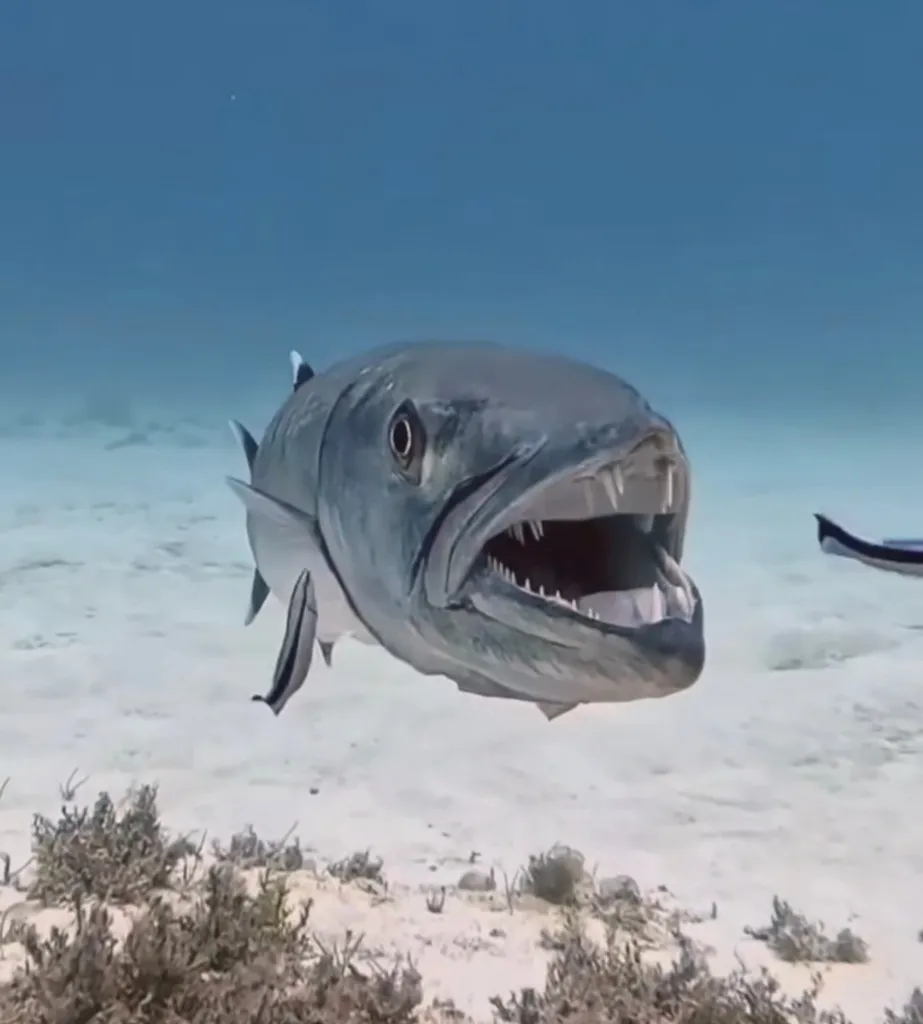
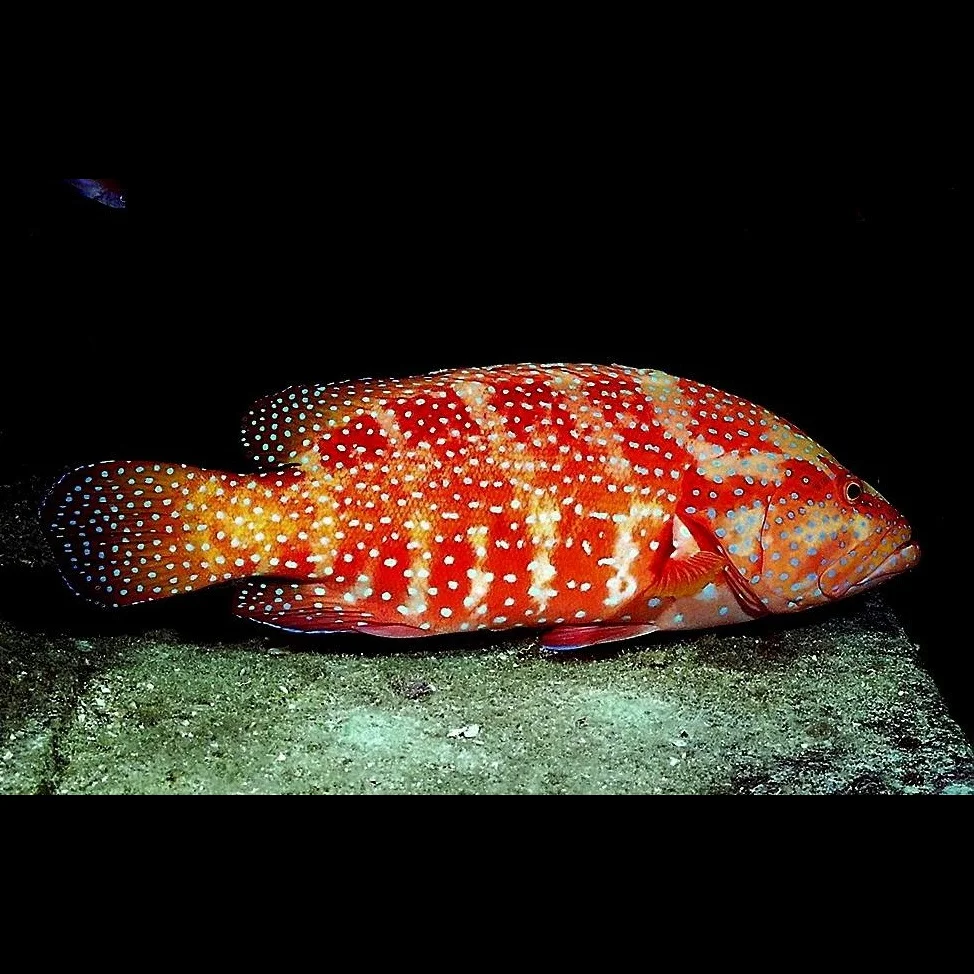
The waters surrounding St George Reef reveal a consistent population of Mediterranean species, with groupers often observed guarding the sunken yacht. Divers frequently encounter shoals of baby barracuda, adding a dynamic flash to the dive.
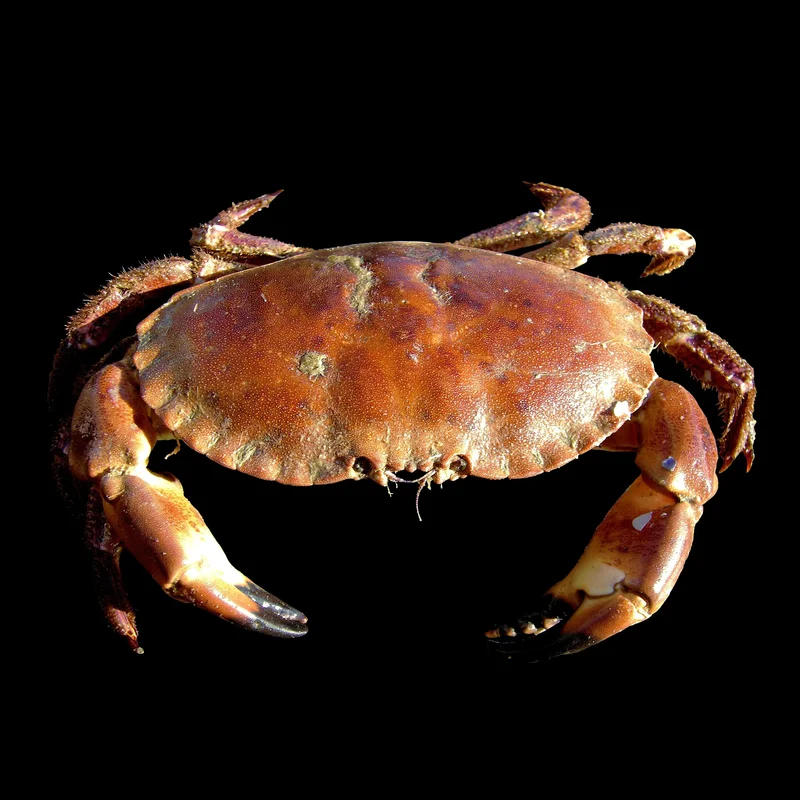
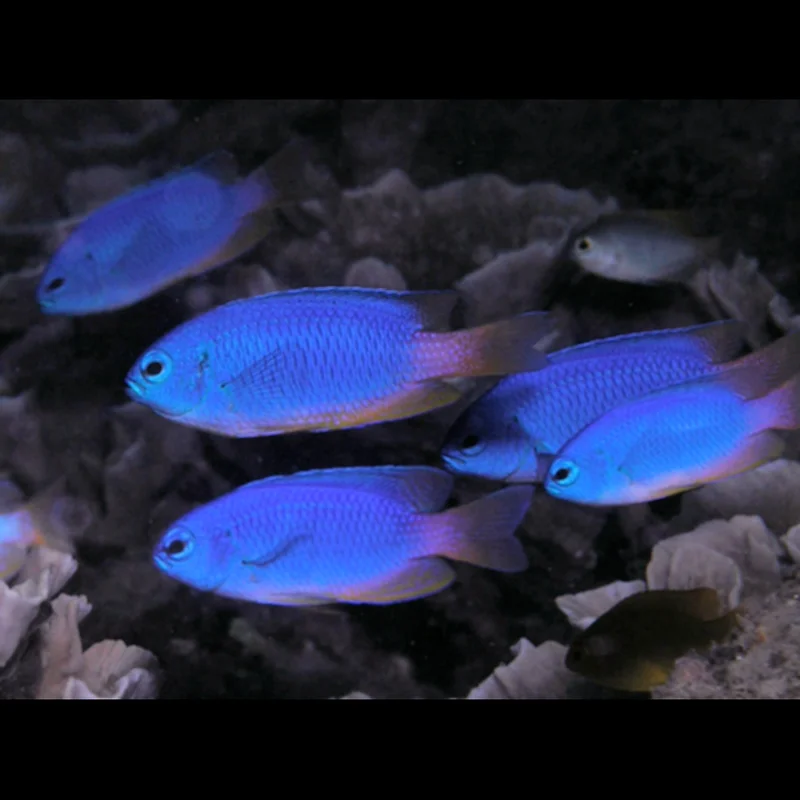
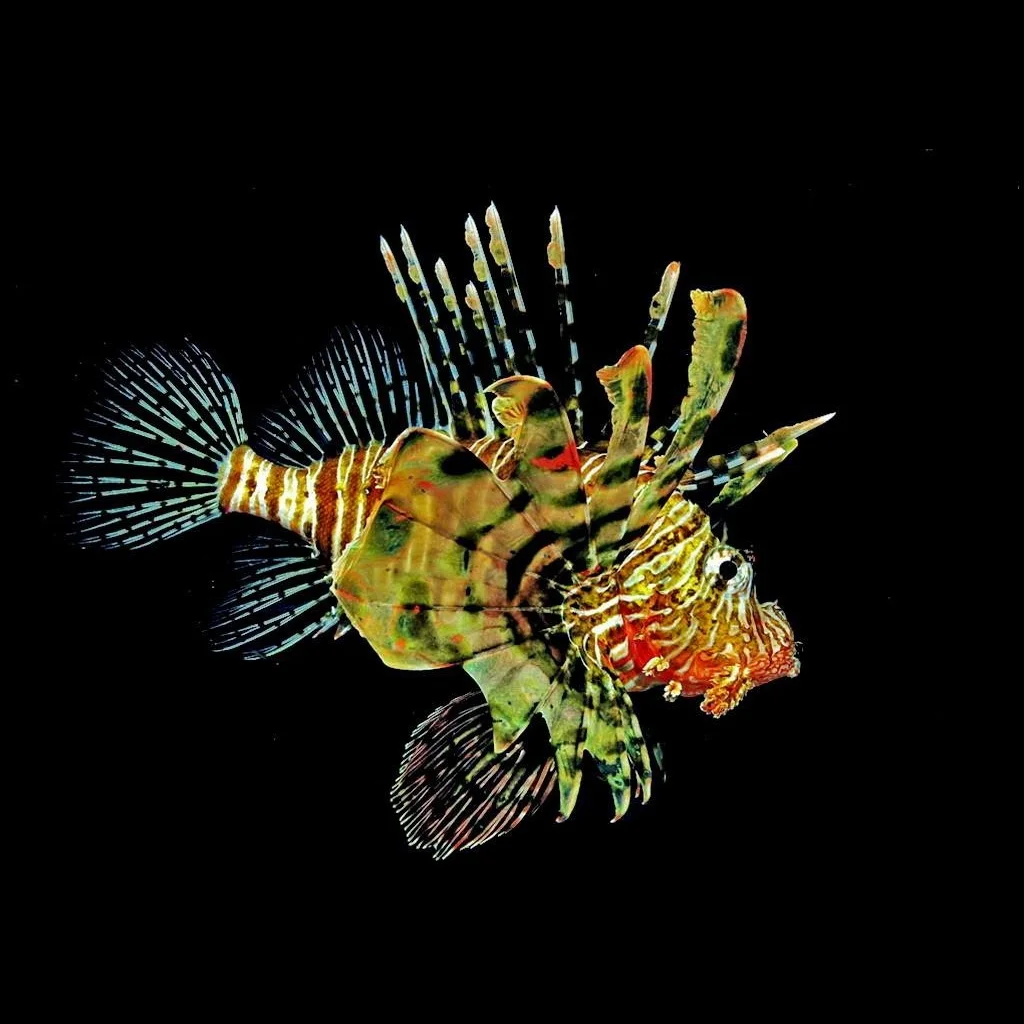
Common rays move across the sandy bottom sections, while breams, damselfish, and various wrasse species populate the reef. Keep an eye out for diverse soft- and hard-shelled crabs tucked into the rocky crevices, along with occasional squid and lionfish.
Ancient amphora pieces, fused into the rocks, offer a historical element to the natural marine displays.
Dive Sites Near St George Reef
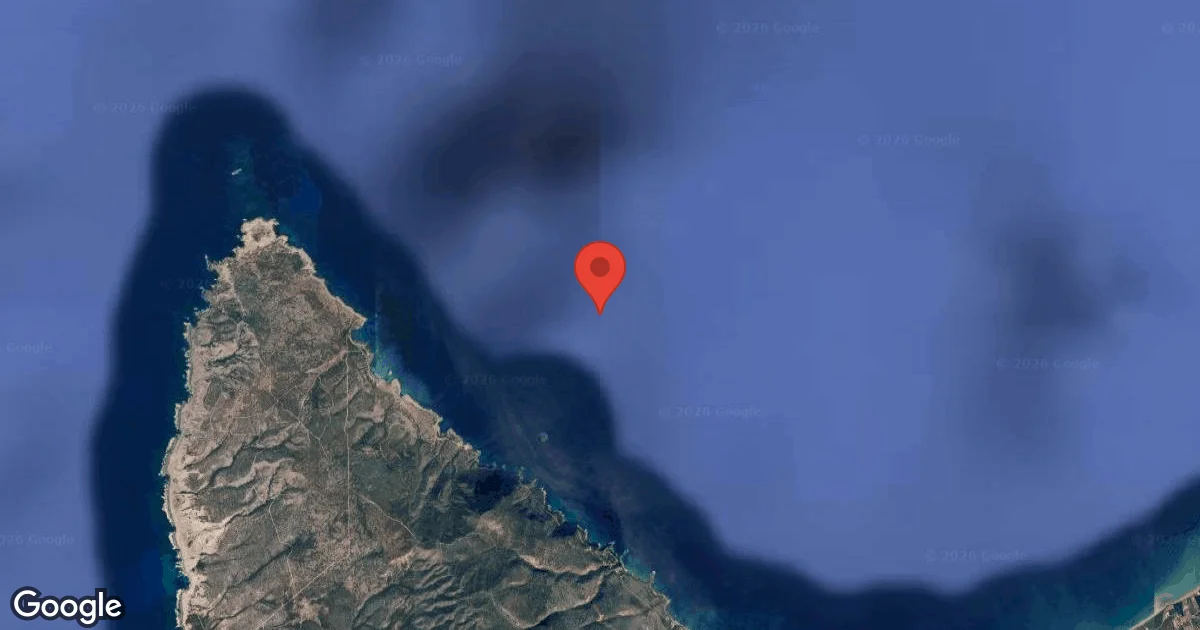
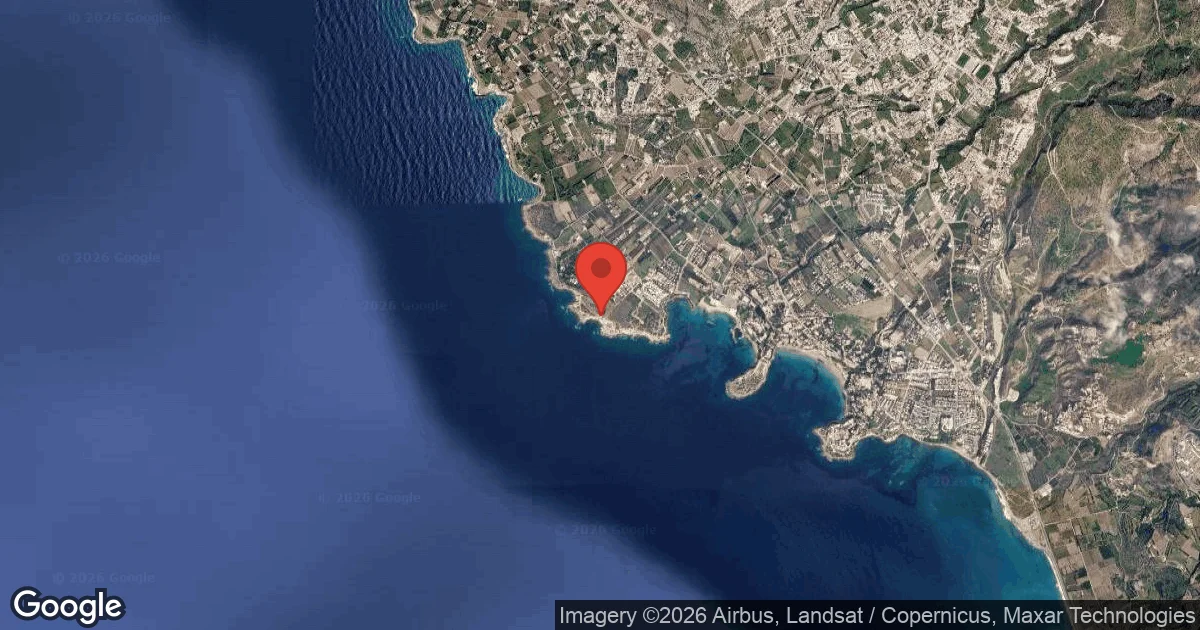
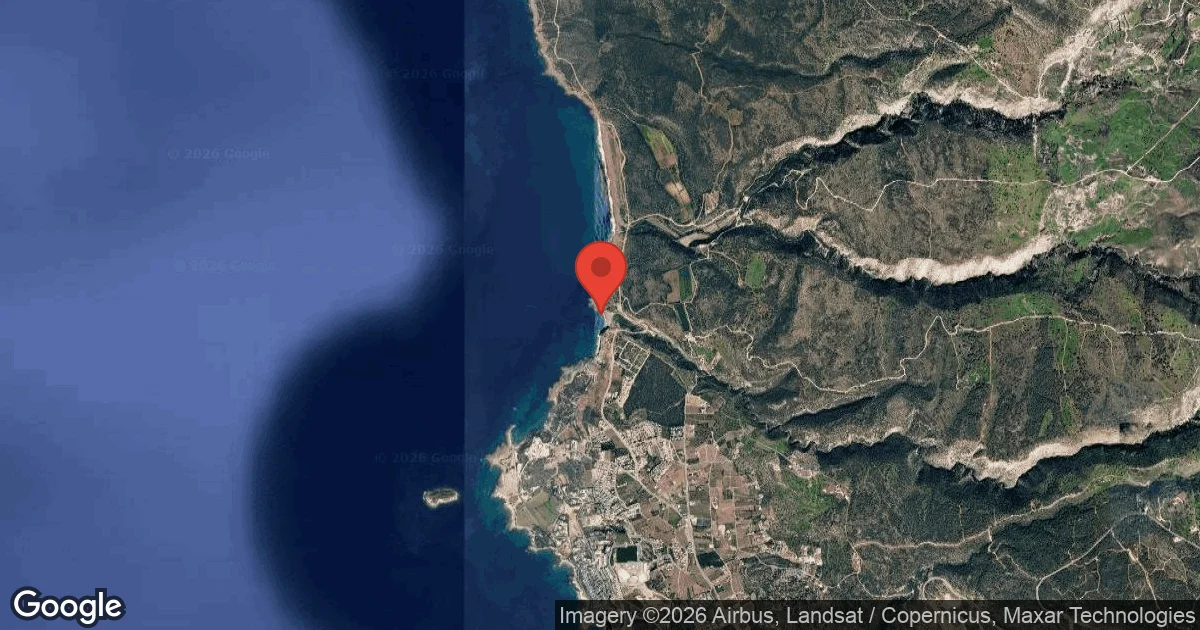
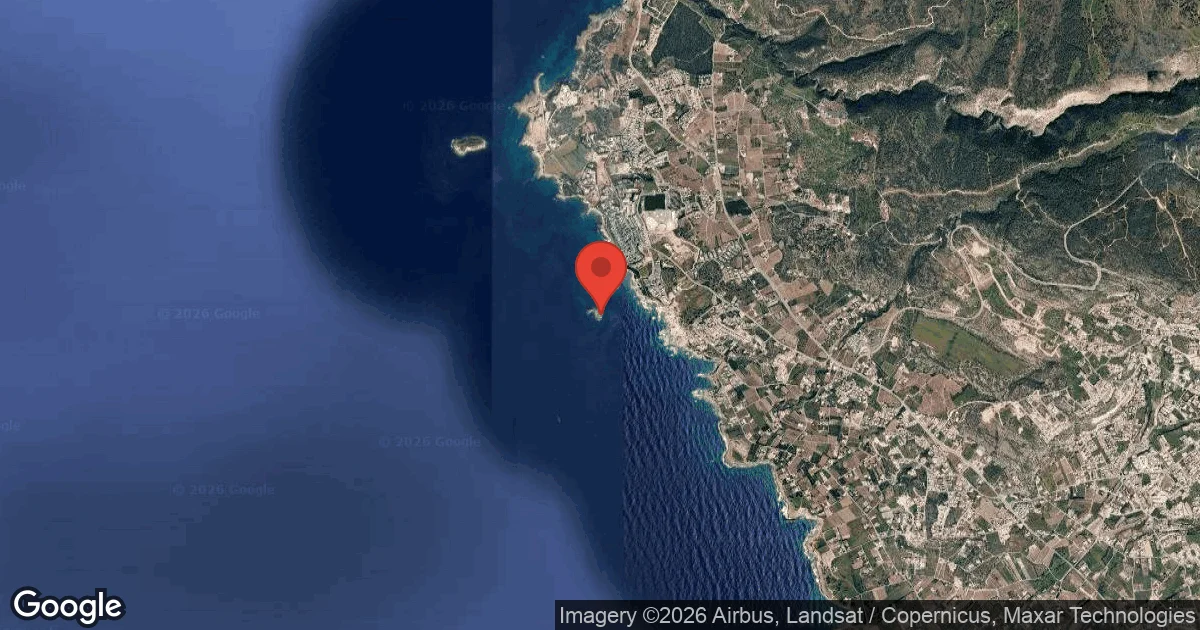
View all dive sites in CyprusDiscover more underwater gems in this area.
Dive Centers Near St George Reef
Today: 08:00 - 20:00
Nearest Airports
Nearest airports to help plan travel to this dive area.
Search Flights
Check available flights and routes on Expedia, using the nearby airports listed in this section.
Search Flights on ExpediaFrequently Asked Questions
What is the typical depth range at St George Reef?
The dive site offers a broad depth range, allowing for exploration from shallow sections to greater depths, potentially reaching 40 meters. Divers can choose routes that align with their certification and experience levels.
Is St George Reef suitable for beginner divers?
St George Reef is generally recommended for experienced and advanced divers due to its challenging characteristics, including potential currents and complex topography. While a Scuba Diver certification is a stated minimum, proficiency beyond entry-level is highly beneficial.
What kind of underwater structures can I expect to see?
You can expect a diverse underwater landscape featuring prominent walls, numerous ridges, and craters. The site also boasts shallow swim-throughs, narrow canyons, and even the partially submerged hull of an old yacht, adding to its exploratory appeal.
What marine life is commonly sighted at St George Reef?
Divers often encounter schools of baby barracuda and resident groupers, especially near the sunken yacht. Common rays, breams, damselfish, wrasse, squid, and lionfish are also frequently observed, alongside various crab species.
Are there any historical artifacts at the site?
Yes, St George Reef has archaeological elements. Divers can find ancient amphora pieces that are integrated into the rock formations, offering a unique glimpse into the site's historical past.
When is the best time to dive St George Reef?
The optimal time to dive is typically from June through October, when air temperatures are warmer and rainfall is minimal, generally resulting in calmer surface conditions. Diving is possible year-round, but conditions can be more challenging during the cooler, wetter winter months.
What are the general visibility and current conditions?
Visibility at St George Reef is usually excellent, often allowing sightlines of 20 to 30 meters. While currents can sometimes be strong, they are manageable for experienced divers.
Planning to dive St George Reef?
Send one inquiry and receive offers directly from the best verified local dive operators.
Conditions are Good
07:00 - 14:00
Optimal conditions expected
Current conditions near St George Reef show 22° air, 28° sea temperature, 1.0 m waves, and 22 km/h wind. Forecast data is refreshed regularly to ensure accuracy.