
Diving at St Georges Island (Cyprus)
St Georges Island, often recognized by locals as Kakoskali, challenges advanced and experienced divers with its complex underwater landscape. This site demands precision and good buoyancy control to navigate its distinctive topography of walls, ridges, craters, and narrow passages. While a minimum certification level of Scuba Diver is required, the site's intricacies and potential depths reward those with more developed skills. Accessible solely by boat off Cyprus's west coast, it promises a truly engaging dive for the well-prepared.
Tonight's objective overview for St Georges Island shows an air temperature of 26°C. The measured surface conditions include wave heights around 0.9 m. This environmental data is logged for the close of the day.
Dive Site Location & Key Facts
Dive Site Overview
The underwater topography surrounding St Georges Island presents a dynamic and multi-layered environment for divers, often prompting its local moniker, Kakoskali, or 'bad steps,' hinting at its varied depth levels. Also known as Geronissos Island, or 'holy island,' the site challenges divers with a multi-faceted experience, transitioning from gently sloping seabeds to dramatic drop-offs that reach maximum depths of up to 40 m (131 ft).
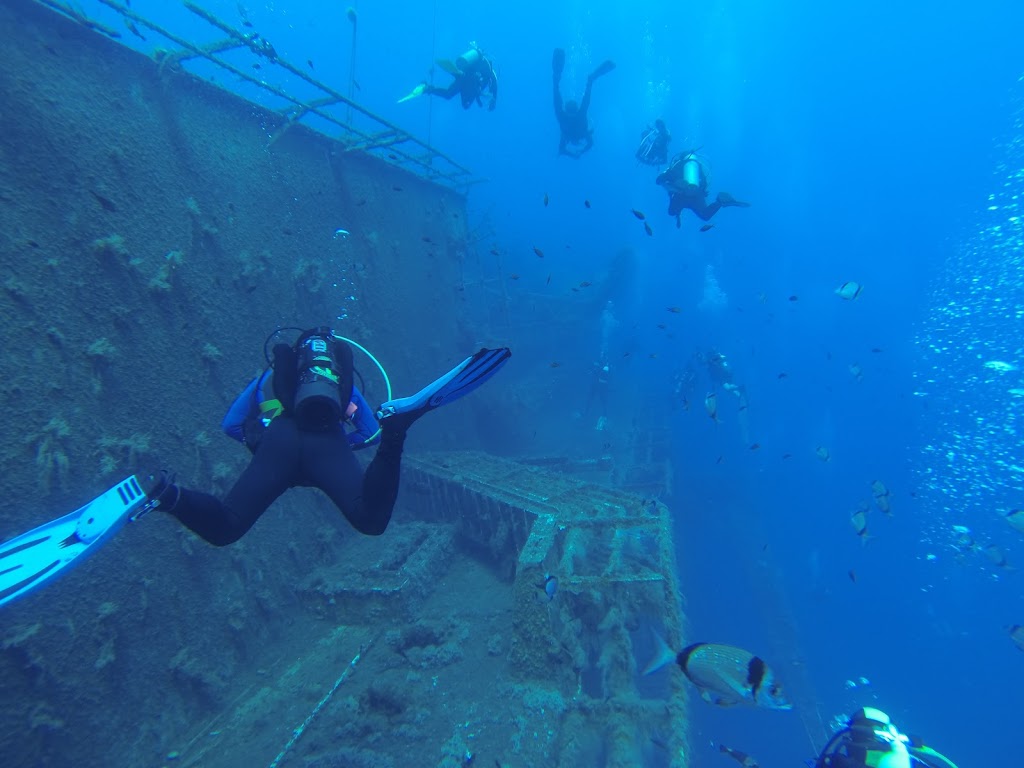
A primary draw is an impressive wall feature that ascends almost to the surface from the seabed, vividly adorned with colorful algae and corals. This wall not only serves as a visual spectacle but also as a natural navigational landmark. Beyond the main wall, divers discover an intricate network of additional walls, distinct ridges, and circular craters, inviting thorough exploration.
The adventurous can also navigate several dark, narrow passageways and numerous swim-throughs, which demand precise buoyancy and a keen sense of direction. Dives typically commence on the island's western side, a locale frequently offering shelter from prevailing winds and waves, thereby providing a more comfortable entry and initial descent.
Shallower areas in this vicinity are excellent for wide-angle photography or for divers to refine their skills before venturing deeper into the complex structures.
Conditions are Good
Optimal conditions expected
Current conditions near St Georges Island show 26° air, 28° sea temperature, 0.9 m waves, and 19 km/h wind. Forecast data is refreshed regularly to ensure accuracy.
Best Time to Dive
Planning a dive to St Georges Island often comes down to balancing air temperatures and precipitation levels to maximize comfort. The peak summer months, from June through September, see average air temperatures ranging from 26°C to 29°C (79-84°F), coupled with minimal rainfall, averaging less than 0.2 mm. This period consistently records high dive scores. Shoulder seasons, encompassing April, May, October, and November, offer pleasant conditions with air temperatures between 18°C and 22°C (64-72°F) and low rain activity, averaging under 1.8 mm. Although water temperature isn't consistently reported, it generally follows seasonal Mediterranean patterns. Winter months (December to March) bring cooler air at 13-15°C (55-59°F) and more rain, up to 2.8 mm, yet still maintain a good dive score.
PEAK SEASON SCORE
Scores combine air & water temps, waves, wind & rainfall for overall conditions.
BEST MONTHS TO DIVE
Monthly records compiled from satellite and marine observation nodes over the last 3 years. Data provided by Open-Meteo and MET Norway.
Dive Experience & Conditions
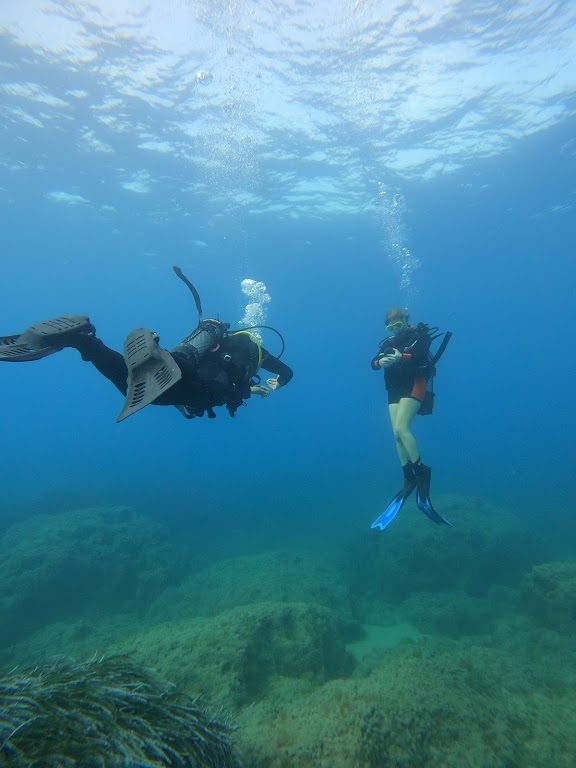
Accessing St Georges Island is exclusively by boat, typically a short 10-minute journey from a charter point. Divers usually enter the water on the island's western side, an area that frequently offers protection from stronger winds and waves, providing a more comfortable entry. The initial entry point typically sits at around 5 m (16 ft), which is excellent for conducting skills or engaging in wide-angle photography before descending. Divers then have the option to swim down the gradually sloping seabed or navigate a direct drop-off, which can take them from 12 m to 35 m (39-115 ft). Visibility here is consistently good, averaging 25 m (82 ft) and often extending up to 30 m (98 ft), though it can sometimes dip to 20 m (66 ft). Currents are sometimes strong, necessitating careful awareness.
Dive Difficulty & Safety Guidelines
Considering the site's intricate topography and depths, St Georges Island is best suited for advanced and experienced divers. The presence of narrow, dark passageways and the potential for dives to depths up to 40 m (131 ft) require precise buoyancy control and a solid understanding of dive planning. PADI Deep Diver training is highly recommended for those intending to fully explore the site's deeper sections.
Divers should remain vigilant for pleasure boat traffic around the island, especially during ascent and safety stops, due to a nearby harbor. If a year or more has passed since your last dive, completing a refresher course is a mandatory requirement before venturing into these waters.
Recommended Equipment
Deep dive hazard. Increased narcosis and gas consumption risk.
Overhead environment. Do not enter beyond training and gas planning limits.
- Dive Computer
- DSMB
- Primary & Backup Lights
- Reel / Spool
- Cutting Tool
This gear list is based on verified equipment signals for St Georges Island, Cyprus. Always confirm final gear choices with your dive operator, guide, or liveaboard.
Recommended Dive Suit
With water temperatures around 28°C (82°F), many divers find a 2-3mm shorty or light wetsuit provides comfortable protection.
Divers performing multiple dives may appreciate slightly warmer protection later in the day.
Environmental conditions appear stable for the near future.
Emergency & Medical Support
Essential information to help you plan your dive trip to St Georges Island.

Hyperbaric chambers are a critical part of dive safety infrastructure. Availability varies significantly by region, and not all dive areas have immediate access.
Before diving, it's recommended to:
- confirm nearest medical facilities
- check emergency procedures with local dive operators
- ensure dive insurance covers evacuation if required
Divers Alert Network
Diving emergency assistance available through DAN Europe.
+39 0642115685- 24/7 emergency hotline
- Diving medical assistance
- Evacuation coordination
Emergency contacts are provided for reference. Always verify local emergency services before diving.
Closest Listed Hyperbaric Chambers
Showing listed hyperbaric chamber facilities within 200 km of this dive site.
Distances are approximate straight-line distances and may not reflect emergency travel time.
Hyperbaric Medical Centre
24/7 ListedNicosia, Cyprus•Approx. 93 km straight-line
Hyperbaric Medical Centre
24/7 ListedInformation is provided for reference and planning purposes only. Dive Navigator does not verify operational status, staffing, availability, or quality of care at listed facilities. In an emergency, contact local emergency services, DAN, your dive operator, or the chamber directly. Do not travel to a facility without calling ahead.
Poseidonia Medical Centre
24/7 ListedLarnaca, Cyprus•Approx. 115 km straight-line
Poseidonia Medical Centre
24/7 ListedInformation is provided for reference and planning purposes only. Dive Navigator does not verify operational status, staffing, availability, or quality of care at listed facilities. In an emergency, contact local emergency services, DAN, your dive operator, or the chamber directly. Do not travel to a facility without calling ahead.
Hyperbaric Oxygen Therapy Department, General Hospital of Ammochostos (Famagusta)
Paralimni, Cyprus•Approx. 149 km straight-line
Hyperbaric Oxygen Therapy Department, General Hospital of Ammochostos (Famagusta)
Information is provided for reference and planning purposes only. Dive Navigator does not verify operational status, staffing, availability, or quality of care at listed facilities. In an emergency, contact local emergency services, DAN, your dive operator, or the chamber directly. Do not travel to a facility without calling ahead.
Marine Life at St Georges Island
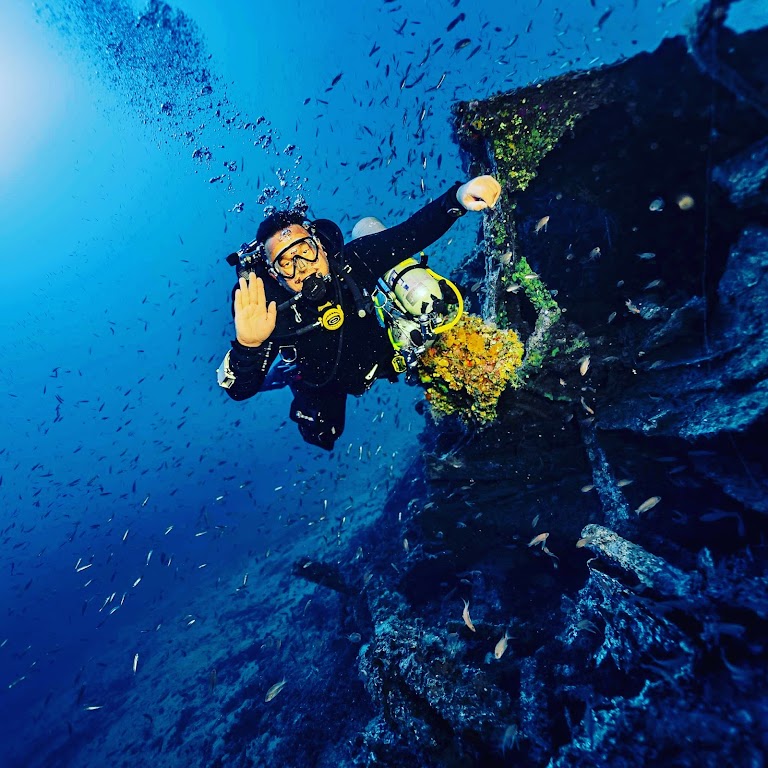
Upon entering a particular cave at St Georges Island, divers are often greeted by a dense population of Moluccan Sweeper fish. These gold-colored fish, characterized by their large black eyes, are typically found seeking refuge in darker areas.
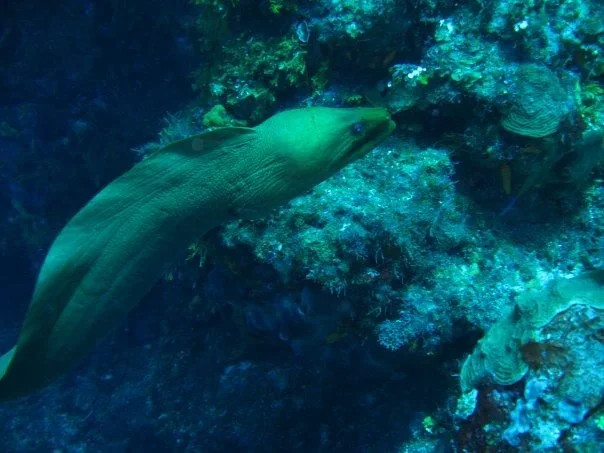
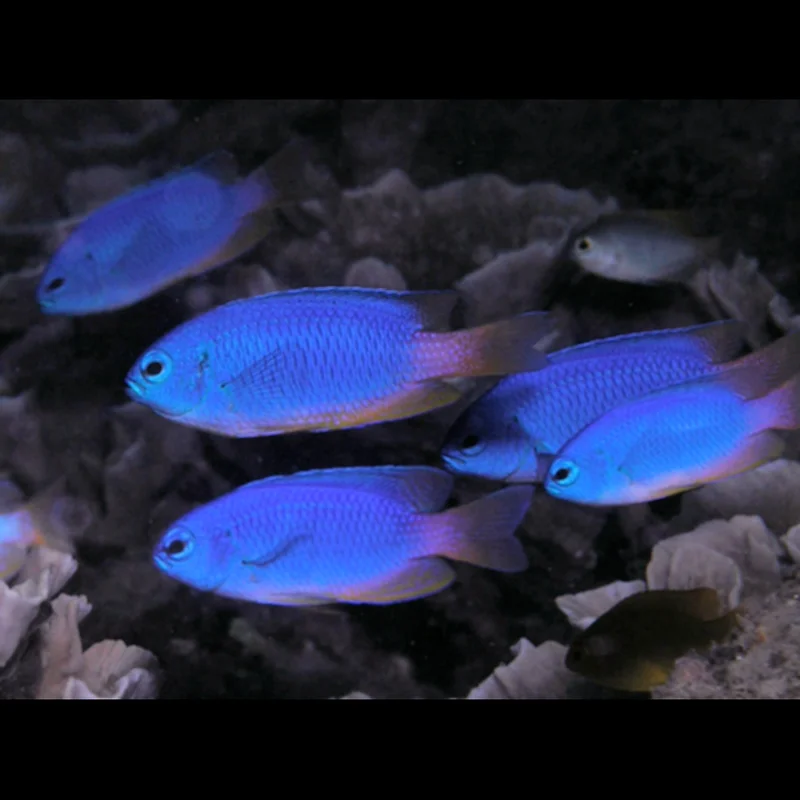
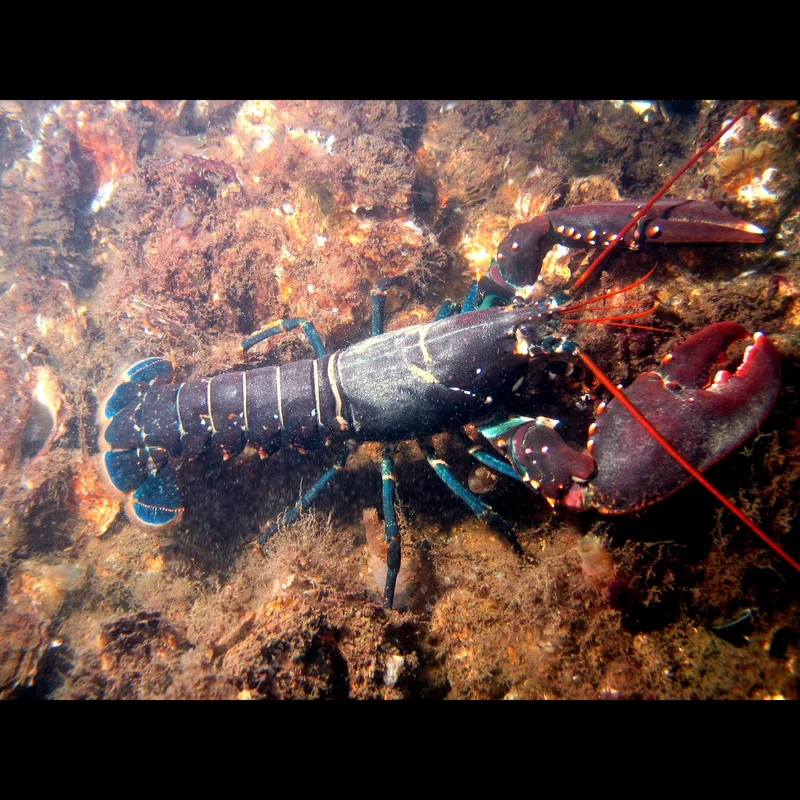
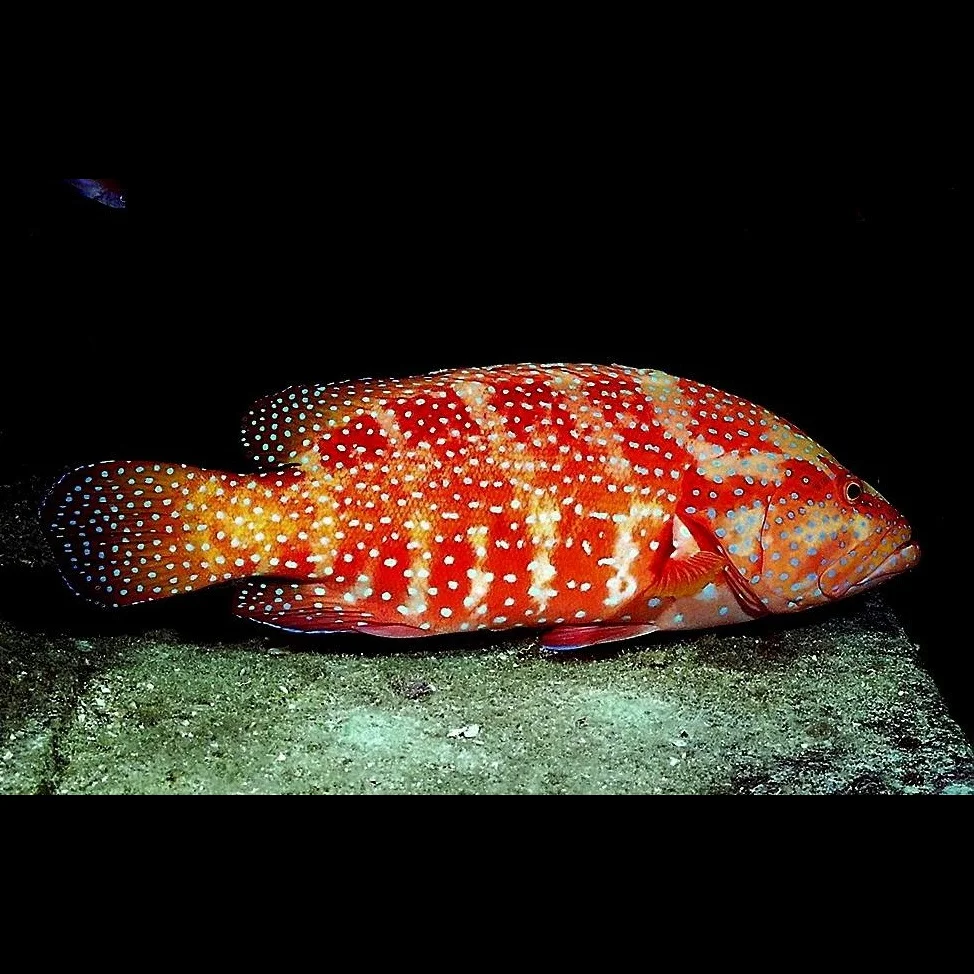
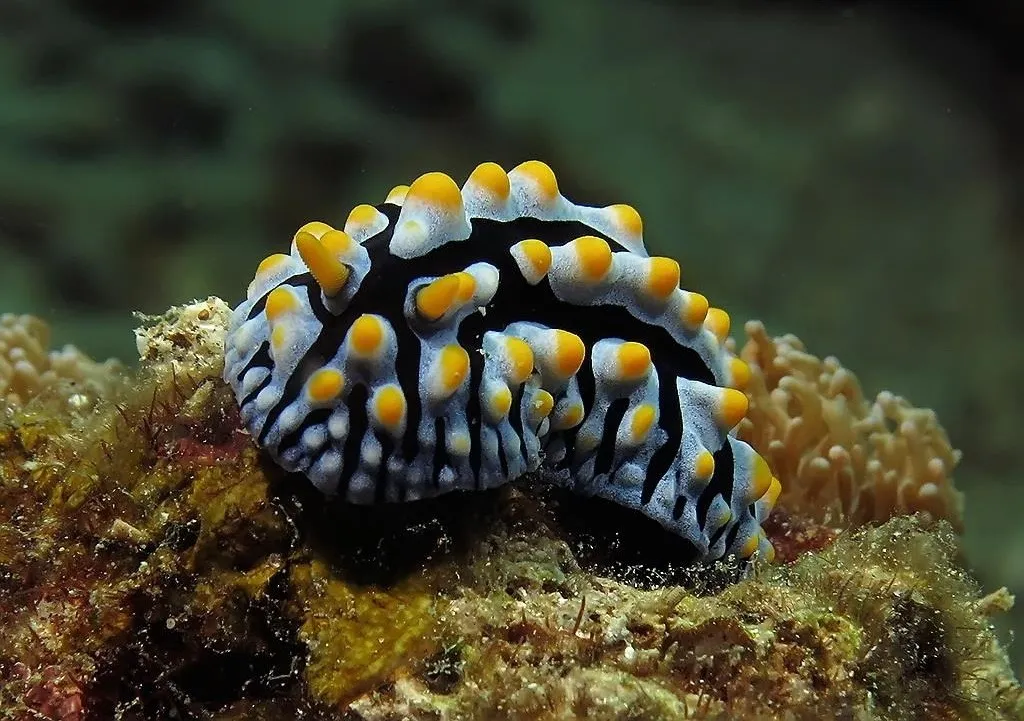
Along the intricate wall features and within the numerous crevices, divers commonly encounter groupers, various species of nudibranchs, slipper lobsters, and moray eels. Breams, damselfish, and wrasse are permanent residents of the site's reef sections, adding to the vibrant underwater tapestry. Lionfish are also reported, adding another point of interest.
Dive Sites Near St Georges Island
View all dive sites in CyprusDiscover more underwater gems in this area.
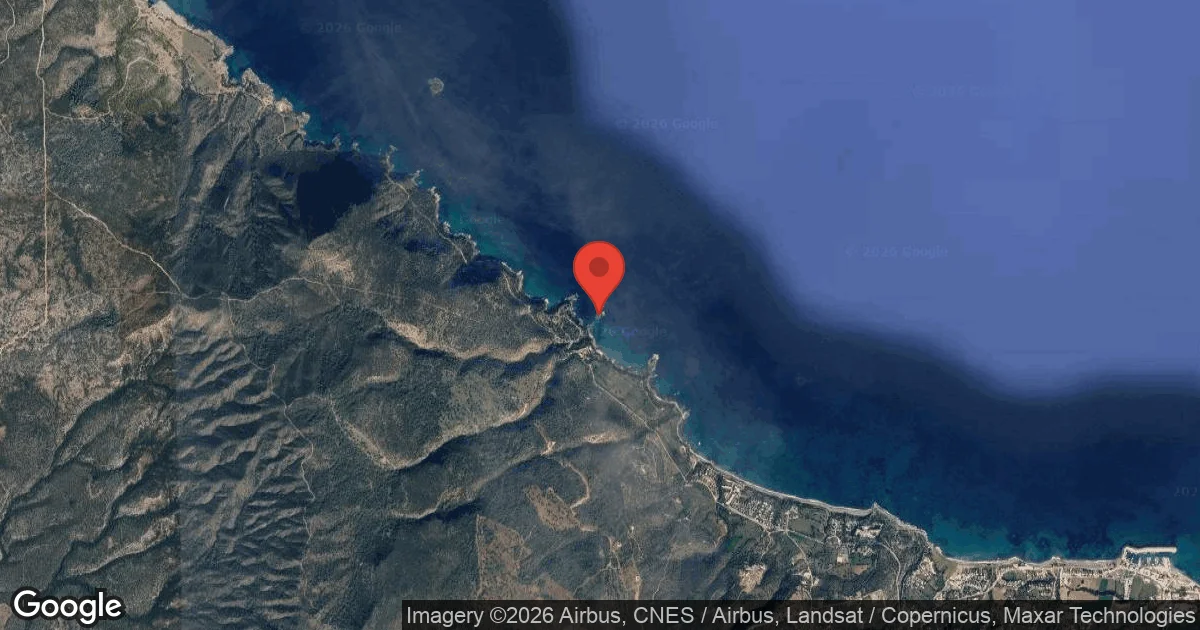
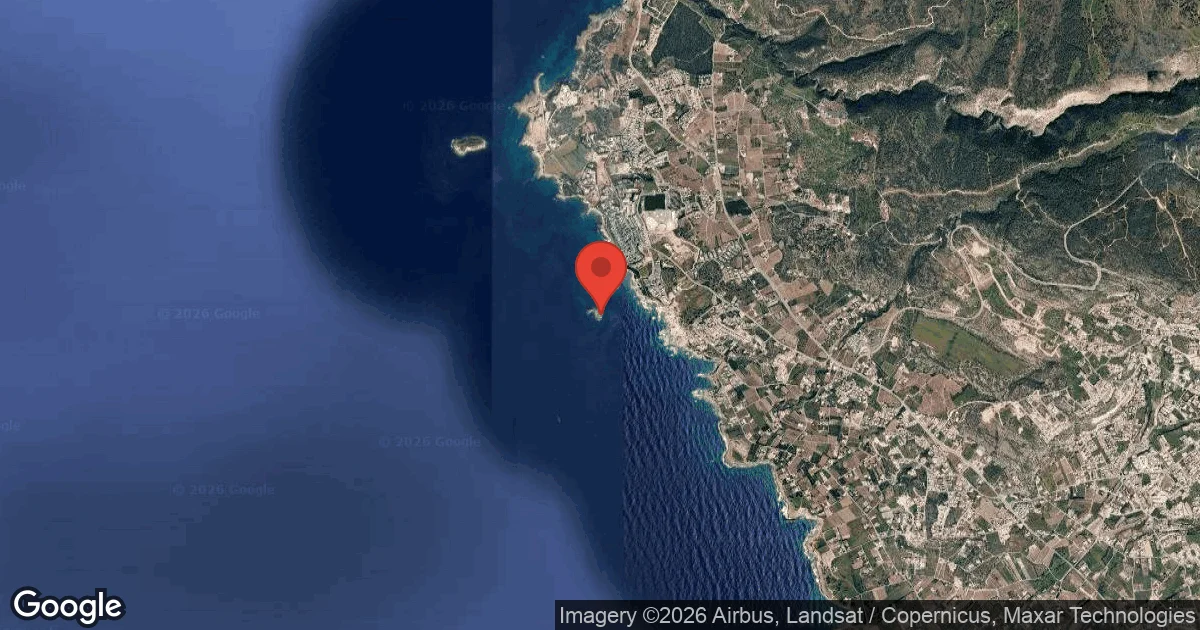
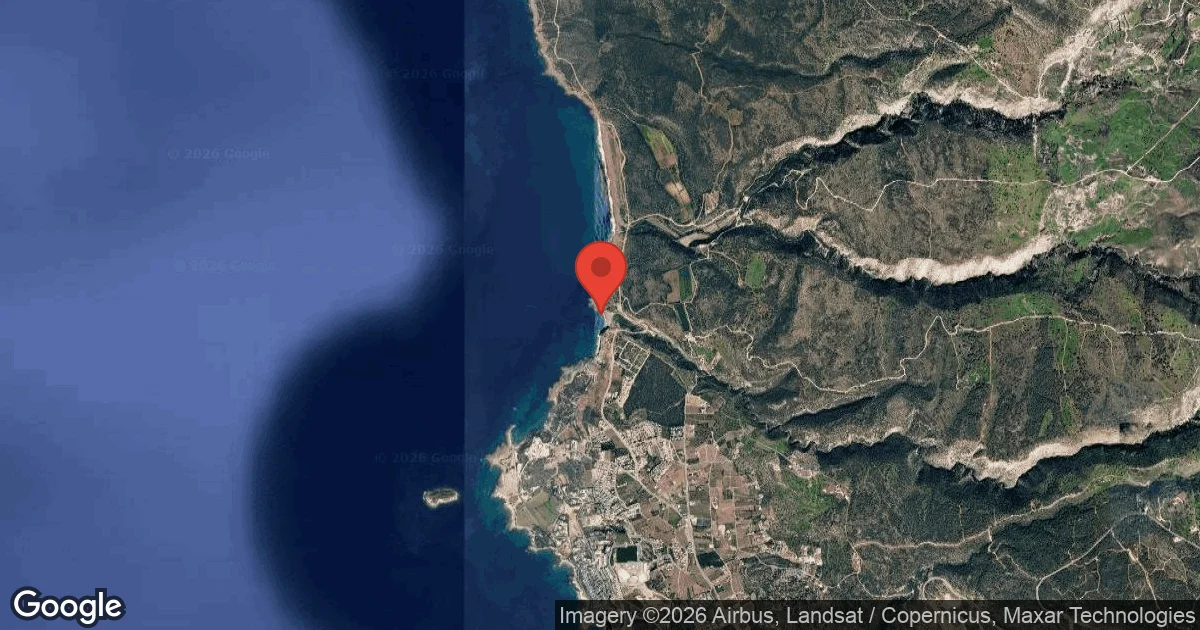
Dive Centers Near St Georges Island
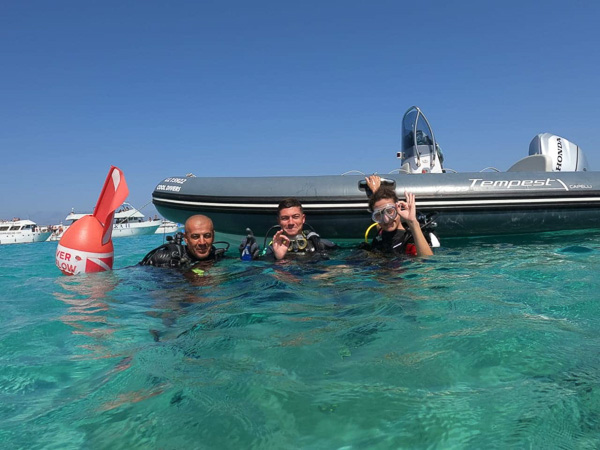
Today: 08:00 - 20:00
Nearest Airports
Nearest airports to help plan travel to this dive area.
Search Flights
Check available flights and routes on Expedia, using the nearby airports listed in this section.
Search Flights on ExpediaFrequently Asked Questions
What is the maximum depth at St. George Island?
The maximum depth for diving at St. George Island can reach up to 40 m (131 ft). Divers can explore gradually sloping seabeds or take direct drop-offs. The site caters to those comfortable with deeper profiles.
What kind of dive site is St. George Island?
It's primarily a reef and wall dive, featuring numerous walls, ridges, craters, swim-throughs, and narrow passageways. The diverse topography offers a dynamic experience for advanced divers. You'll find a mix of sandy and rocky bottoms.
What marine life can I expect to see?
Divers often spot Moluccan Sweeper fish in a specific cave, along with groupers, nudibranchs, slipper lobsters, and moray eels. Breams, damselfish, lionfish, and wrasse are also common residents. Squid have also been observed here.
Is St. George Island suitable for beginner divers?
No, St. George Island is designated for advanced and experienced divers. Its complex structures, depths up to 40 m (131 ft), and potential strong currents require a higher skill level. A minimum Scuba Diver certification is required, but more experience is highly recommended.
How do I access the dive site?
Access to St. George Island is exclusively by boat. It's typically a short 10-minute trip from local boat charters. The western side of the island often provides sheltered conditions for easier entry.
What are the typical visibility conditions?
Visibility at St. George Island is generally very good, averaging 25 m (82 ft). Depending on conditions, it can range from 20 m to 30 m (66-98 ft), offering clear views of the site's features.
Why is it called Kakoskali?
St. George Island is also known by locals as Kakoskali. This name roughly translates to 'bad steps,' a moniker given due to the different, sometimes challenging, depth levels encountered at the dive site.
Are there any specific hazards to be aware of?
Divers should be aware of potentially strong currents and the site's intricate, sometimes narrow, dark passageways. Recreational pleasure boats may also be present around the island due to a nearby harbor, requiring vigilance during ascents and safety stops.
Planning to dive St Georges Island?
Send one inquiry and receive offers directly from the best verified local dive operators.
Conditions are Good
Optimal conditions expected
Current conditions near St Georges Island show 26° air, 28° sea temperature, 0.9 m waves, and 19 km/h wind. Forecast data is refreshed regularly to ensure accuracy.