
Diving at Paradise (Cyprus)
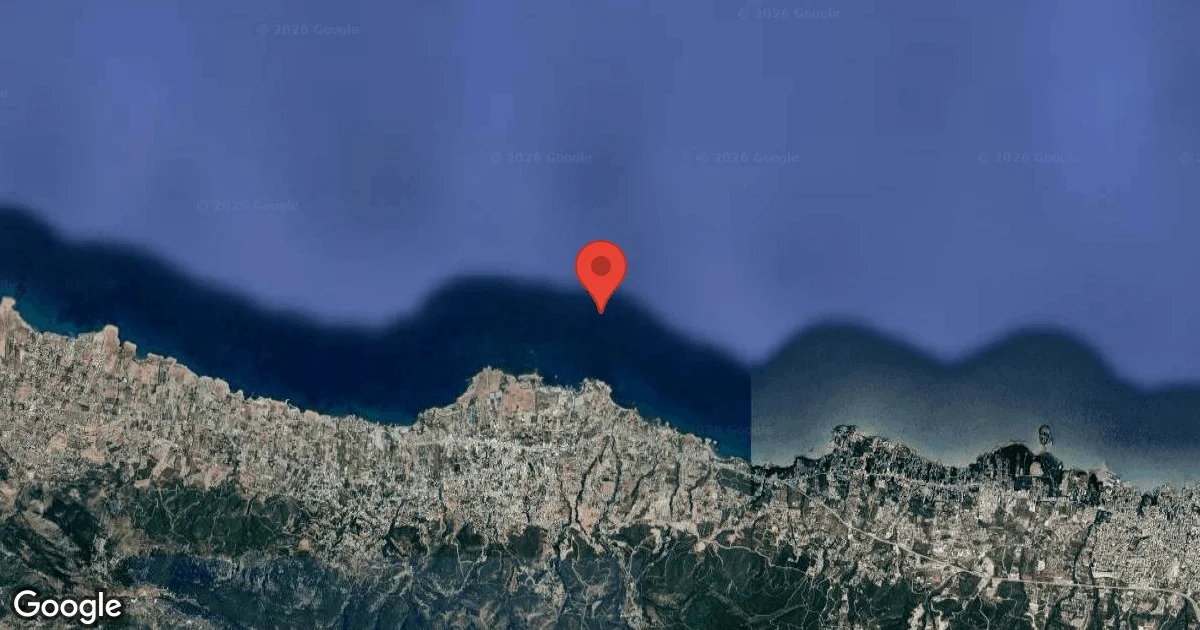
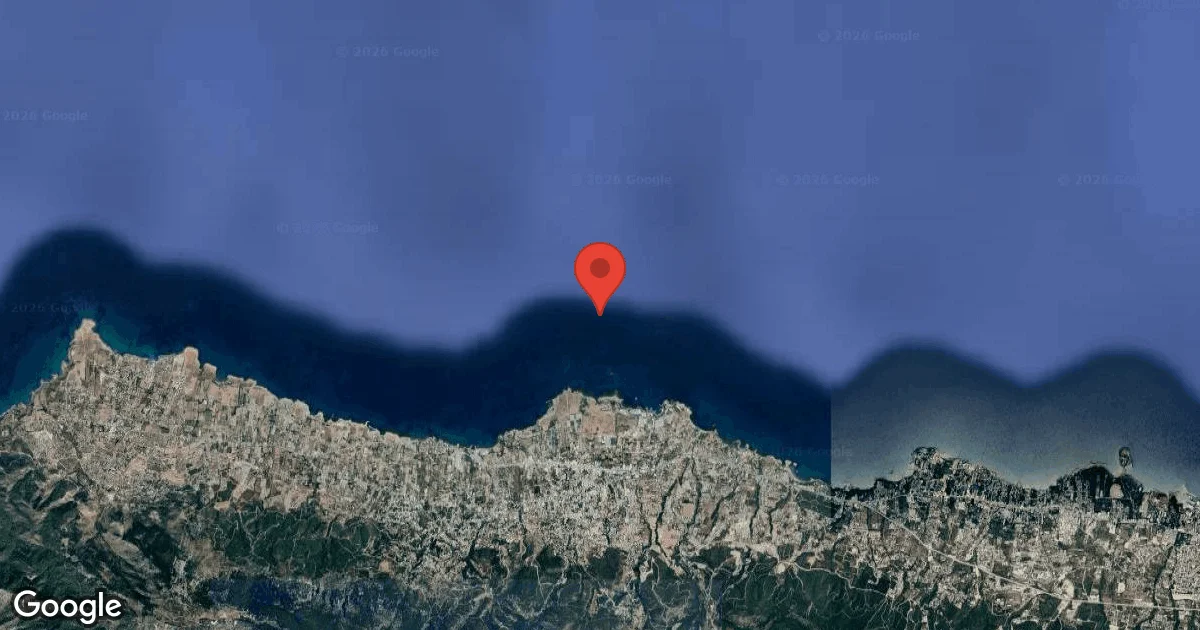
Distinctly positioned at the edge of a significant reef system on Cyprus's northern coast, Paradise offers a deeper, more exposed diving experience. It marks the final extension of the reef that includes Zephyros and The Wall dive sites. This location's openness to the sea accounts for increased currents and greater depths, fostering an environment where larger marine species thrive. It's a boat-accessible site best suited for experienced divers seeking more challenging conditions.
As evening covers Paradise, the local air temperature is measured at 27°C. The current wave height at the surface is recorded at 0.3 m. These late-day readings characterize the surface conditions for the night.
Dive Site Location & Key Facts
Dive Site Overview
Paradise is intimately linked to the broader reef structure that defines Zephyros and The Wall dive locations, representing the furthest seaward point of this formation. This positioning means dives here are generally deeper and more exposed to open-sea conditions.
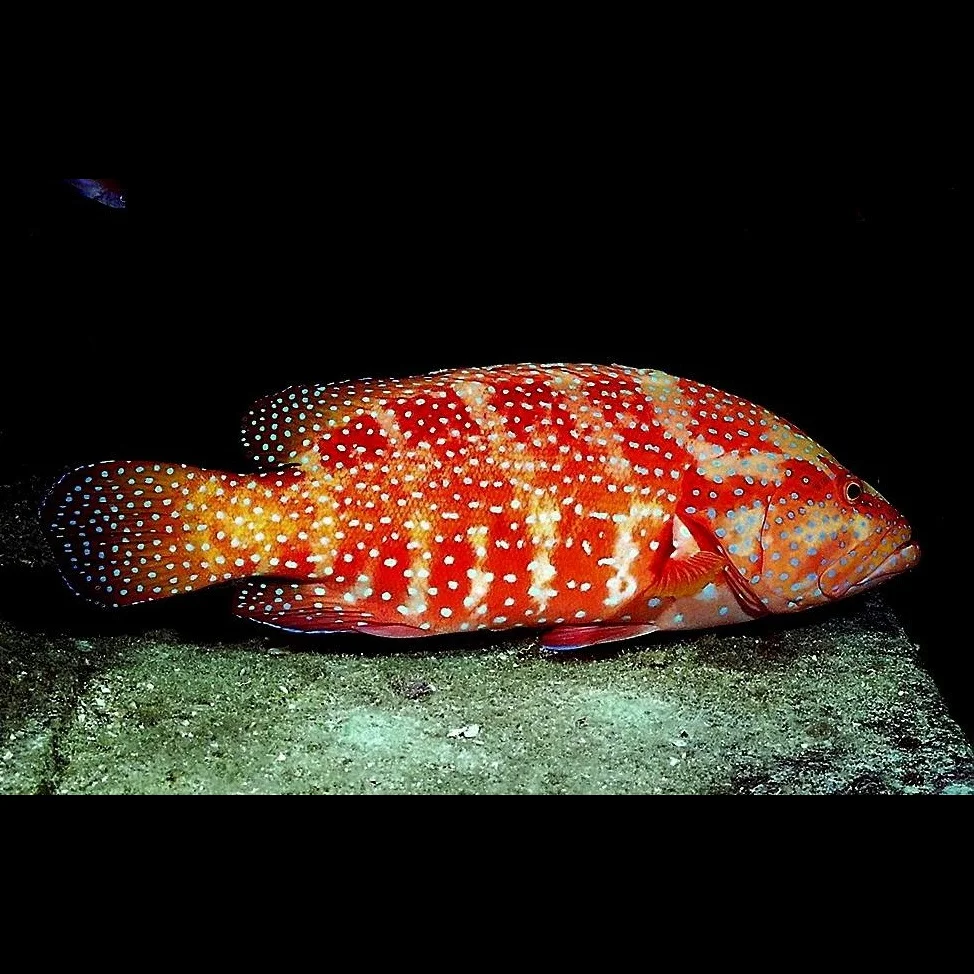
The reef begins at approximately 24 meters (79 ft) and gently slopes down to a sandy bottom that extends between 40 meters (131 ft) and 43 meters (141 ft). As divers approach the reef's crest, a vast field of Neptune grass unfolds, acting as a vital habitat for various species. Among these, large striped groupers, some reportedly up to 1.5 meters (5 ft) in length, are frequently observed.
These groupers are noted for their curiosity, often approaching divers closely, adding a unique interaction to the dive. Throughout the Neptune grass, black-spotted sponges are also present.
Due to its exposed nature and potential for strong currents, Paradise is specifically recommended for advanced divers, offering drift, reef, wall, and cavern diving opportunities. Visibility typically ranges from 20 to 30 meters (65-100 ft), averaging around 25 meters (82 ft).
Conditions are Good
07:00 - 14:00
Optimal conditions expected
Current conditions near Paradise show 27° air, 28° sea temperature, 0.6 m waves, and 22 km/h wind. Forecast data is refreshed regularly to ensure accuracy.
Best Time to Dive
Optimal diving conditions often hinge on minimizing surface chop and maximizing comfort, suggesting the period from June through October for Paradise. During these months, average air temperatures are considerably warmer, ranging from 23°C (73°F) in October to a peak of 30.5°C (87°F) in July, making surface intervals more pleasant. Rainfall is also at its lowest, particularly from June to September, ensuring clearer skies and generally calmer seas, with average wave heights around 0.5 to 0.7 meters (1.6-2.3 ft). While the dive score remains consistently 'Good' throughout the year, the summer and early autumn months present the most favorable combination of warm air and minimal precipitation. However, water temperatures below 25 meters (82 ft) can drop noticeably, regardless of the season, a factor to consider for thermal protection.
PEAK SEASON SCORE
Scores combine air & water temps, waves, wind & rainfall for overall conditions.
BEST MONTHS TO DIVE
Monthly records compiled from satellite and marine observation nodes over the last 3 years. Data provided by Open-Meteo and MET Norway.
Dive Experience & Conditions
Initiating a descent at Paradise brings divers to the reef's upper reaches, approximately 24 meters (79 ft) below the surface. Here, a sweeping expanse of Neptune grass greets the eye, dotted with numerous black-spotted sponges, creating a vibrant, undulating underwater meadow. Navigating over the reef top, divers are advised to orient northward before gradually descending the reef's wall. This careful descent reveals an intricate network of colorful crevasses and rock formations that serve as shelter for soldier fish and leer fish. As depth increases beyond 25 meters (82 ft), the water temperature tends to decrease considerably. These cooler, nutrient-rich waters are a key draw for a diverse array of marine life seeking refuge from warmer surface conditions. Strong currents can be encountered, particularly due to the site's exposed position, demanding proficient buoyancy control and advanced diving skills. Visibility is generally excellent, often between 20-30 meters (65-100 ft).
Dive Difficulty & Safety Guidelines
Diving at Paradise demands a high level of proficiency, with the site being specifically recommended for experienced and advanced certified divers. Its exposed location at the reef's end means strong currents are a regular feature, necessitating advanced training in drift diving techniques and robust dive planning. Divers must be mindful of potential pleasure boat traffic in the vicinity, always deploying a surface marker buoy during ascents and at the surface.
Proper navigation and gas management are crucial, especially given the maximum depth reaching 43 meters (141 ft). Adhering to no-decompression limits and conservative dive profiles is essential.
Furthermore, maintaining situational awareness regarding your dive buddy and local conditions is paramount for a safe experience.
Recommended Equipment
Overhead environment. Do not enter beyond training and gas planning limits.
Current and surface separation risk. Local briefing strongly recommended.
- Dive Computer
- DSMB
- Primary & Backup Lights
- Reel / Spool
- Cutting Tool
This gear list is based on verified equipment signals for Paradise, Cyprus. Always confirm final gear choices with your dive operator, guide, or liveaboard.
Recommended Dive Suit
Divers visiting Paradise today can expect water conditions around 28°C (83°F). Surface air temperatures are resting at 27°C (81°F).
Many divers choose 2-3mm shorty or light wetsuit when diving in similar conditions. A hood or vest is suggested for sensitive divers due to surface winds.
Surface conditions are expected to warm up slightly in the coming days. A warming trend is expected over the next few days.
Emergency & Medical Support
Essential information to help you plan your dive trip to Paradise.

Hyperbaric chambers are a critical part of dive safety infrastructure. Availability varies significantly by region, and not all dive areas have immediate access.
Before diving, it's recommended to:
- confirm nearest medical facilities
- check emergency procedures with local dive operators
- ensure dive insurance covers evacuation if required
Divers Alert Network
Diving emergency assistance available through DAN Europe.
+39 0642115685- 24/7 emergency hotline
- Diving medical assistance
- Evacuation coordination
Emergency contacts are provided for reference. Always verify local emergency services before diving.
Closest Listed Hyperbaric Chambers
Showing listed hyperbaric chamber facilities within 200 km of this dive site.
Distances are approximate straight-line distances and may not reflect emergency travel time.
Hyperbaric Medical Centre
24/7 ListedNicosia, Cyprus•Approx. 29 km straight-line
Hyperbaric Medical Centre
24/7 ListedInformation is provided for reference and planning purposes only. Dive Navigator does not verify operational status, staffing, availability, or quality of care at listed facilities. In an emergency, contact local emergency services, DAN, your dive operator, or the chamber directly. Do not travel to a facility without calling ahead.
Poseidonia Medical Centre
24/7 ListedLarnaca, Cyprus•Approx. 59 km straight-line
Poseidonia Medical Centre
24/7 ListedInformation is provided for reference and planning purposes only. Dive Navigator does not verify operational status, staffing, availability, or quality of care at listed facilities. In an emergency, contact local emergency services, DAN, your dive operator, or the chamber directly. Do not travel to a facility without calling ahead.
Hyperbaric Oxygen Therapy Department, General Hospital of Ammochostos (Famagusta)
Paralimni, Cyprus•Approx. 76 km straight-line
Hyperbaric Oxygen Therapy Department, General Hospital of Ammochostos (Famagusta)
Information is provided for reference and planning purposes only. Dive Navigator does not verify operational status, staffing, availability, or quality of care at listed facilities. In an emergency, contact local emergency services, DAN, your dive operator, or the chamber directly. Do not travel to a facility without calling ahead.
Marine Life at Paradise
The underwater landscape at Paradise is characterized by expansive Neptune grass fields that blanket the reef's surface, providing a rich feeding ground and sanctuary. It's here that divers frequently encounter large striped groupers, some reaching impressive sizes up to 1.5 meters (5 ft).
These charismatic fish are notably accustomed to divers, often approaching closely, which provides unique photographic opportunities. Scattered amongst the grass are black-spotted sponges, adding textural contrast.
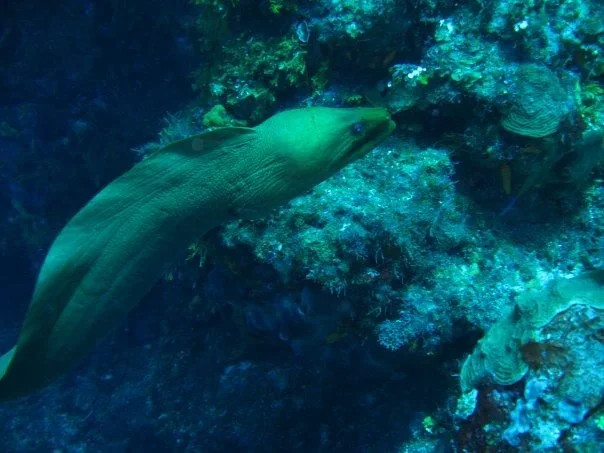
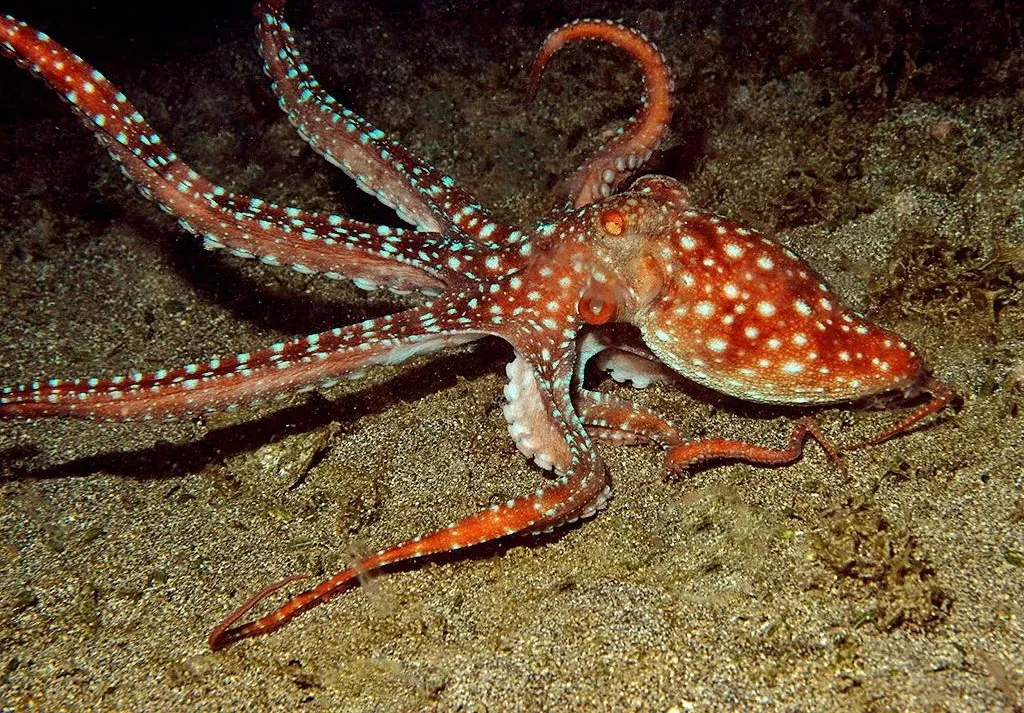
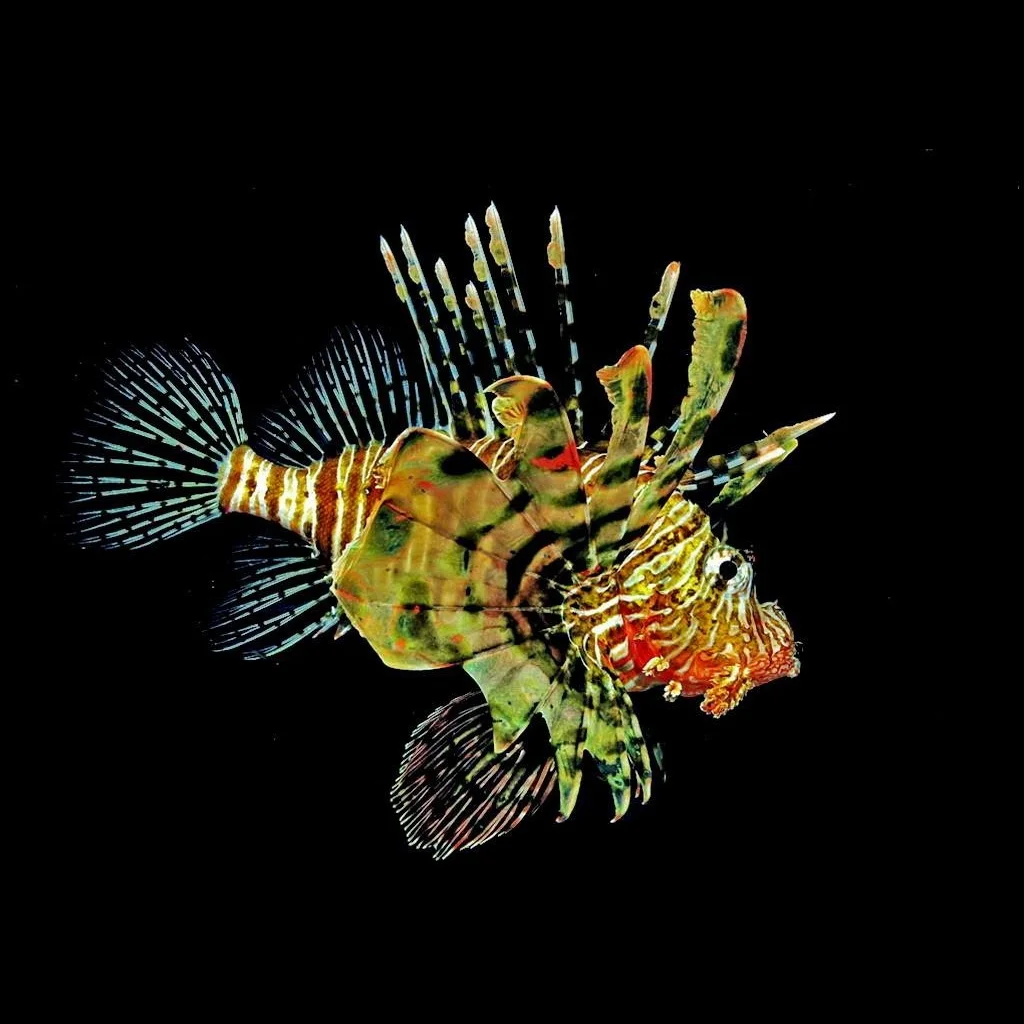
As you descend the reef wall, colorful rock crevasses serve as homes for various species, including soldier fish and leer fish. Beyond the groupers, the site also hosts octopuses, jackfish, lionfish, moray eels, and occasionally turtles, thriving in the cooler, deeper waters.
Dive Sites Near Paradise
View all dive sites in CyprusDiscover more underwater gems in this area.
Dive Centers Near Paradise

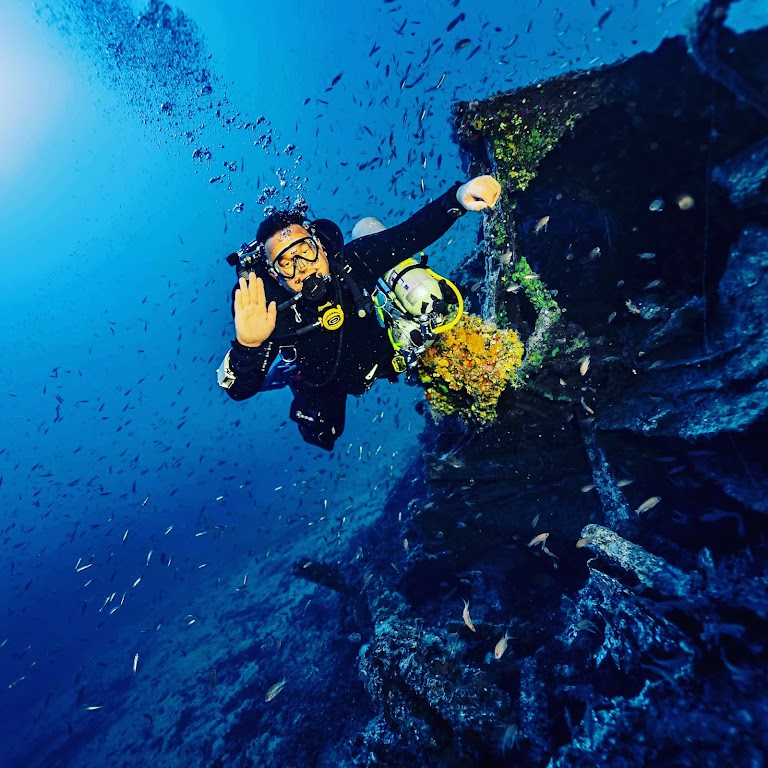
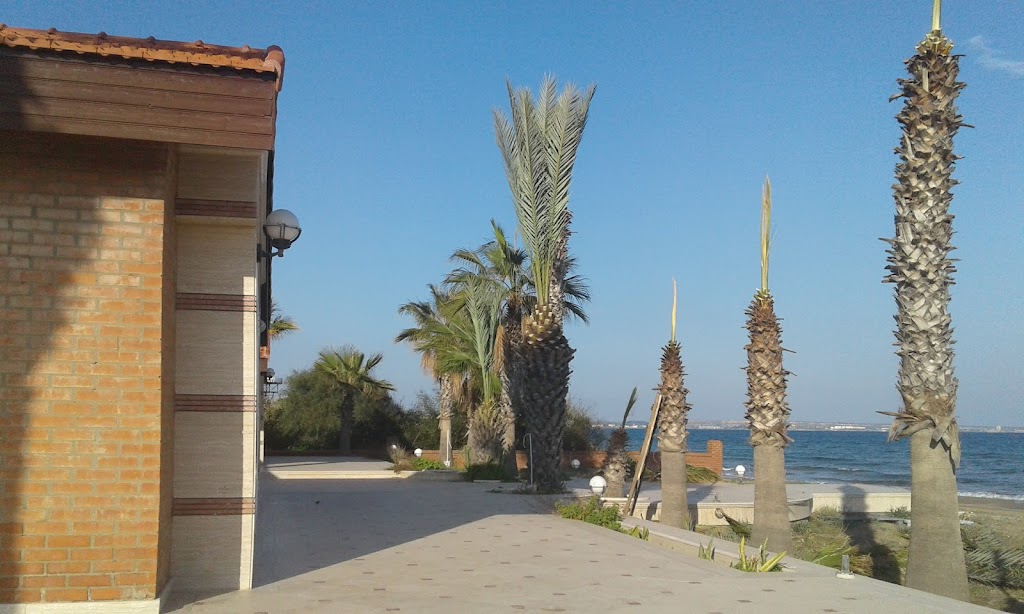
Nearest Airports
Nearest airports to help plan travel to this dive area.
Search Flights
Check available flights and routes on Expedia, using the nearby airports listed in this section.
Search Flights on ExpediaFrequently Asked Questions
What is the maximum depth at Paradise?
The reef at Paradise descends to a maximum depth of 43 meters (141 ft) at its sandy bottom. The reef itself begins at about 24 meters (79 ft), offering a significant depth range for exploration.
Is Paradise suitable for beginner divers?
No, Paradise is specifically recommended for experienced and advanced divers. Its exposed location, potential for strong currents, and greater depths require advanced skills and proficiency in dive planning and execution.
What kind of dive experiences can I expect?
Paradise offers a range of dive experiences including drift dives along its wall, reef explorations, and visits to small cavern formations. Its open-sea exposure ensures dynamic conditions that are engaging for skilled divers.
What marine life is commonly seen at Paradise?
Divers often encounter large, curious groupers, some reaching up to 1.5 meters (5 ft), along with octopuses, jackfish, lionfish, moray eels, and occasional turtles. The Neptune grass fields also host various smaller reef inhabitants.
How clear is the water at Paradise?
Visibility at Paradise is generally very good, typically ranging from 20 to 30 meters (65-100 ft). The average visibility is reported to be around 25 meters (82 ft), providing clear views of the expansive reef and marine life.
Are there strong currents at this dive site?
Yes, due to its location at the end of an exposed reef system, Paradise can experience strong currents. Divers should be prepared for drift diving conditions and possess the necessary experience to manage them safely.
Planning to dive Paradise?
Send one inquiry and receive offers directly from the best verified local dive operators.
Conditions are Good
07:00 - 14:00
Optimal conditions expected
Current conditions near Paradise show 27° air, 28° sea temperature, 0.6 m waves, and 22 km/h wind. Forecast data is refreshed regularly to ensure accuracy.