
Diving at Bajo Cope (Ecuador)
Bajo Cope in Ecuador is widely recognized for its spectacular encounters with giant manta rays. These magnificent creatures, often spanning 6-7 meters (20-23 ft), grace the waters, offering divers an unparalleled experience of their graceful movements. Beyond the mantas, this site near Ayangue provides a rich tapestry of underwater life, making it a key destination for wide-angle enthusiasts. It's a place where the magic of swimming alongside large marine animals becomes a reality, fostering a deep appreciation for ocean conservation.
Evening condition tracking at Bajo Cope features an air temperature of 25.5°C. We have recorded wave heights measuring 1.4 m during this period. These figures outline the environmental parameters currently present.
Dive Site Location & Key Facts
Dive Site Overview
Bajo Cope, situated approximately 20 nautical miles from Ayangue, presents a dynamic underwater landscape that significantly contrasts with typical coastal diving. This site aggregates a rich array of marine biodiversity, consistently drawing divers seeking substantial encounters.
Its varied topography, encompassing reef and wall diving opportunities, is spread across distinct locations such as Las Agujas, La caída del sol, Seco, Antonio, and Las Mantas. Navigating these submerged structures offers a truly immersive experience. While a maximum depth of around 16 meters (52 feet) is commonly explored, certain sections allow for dives extending into deeper ranges for appropriately certified individuals.
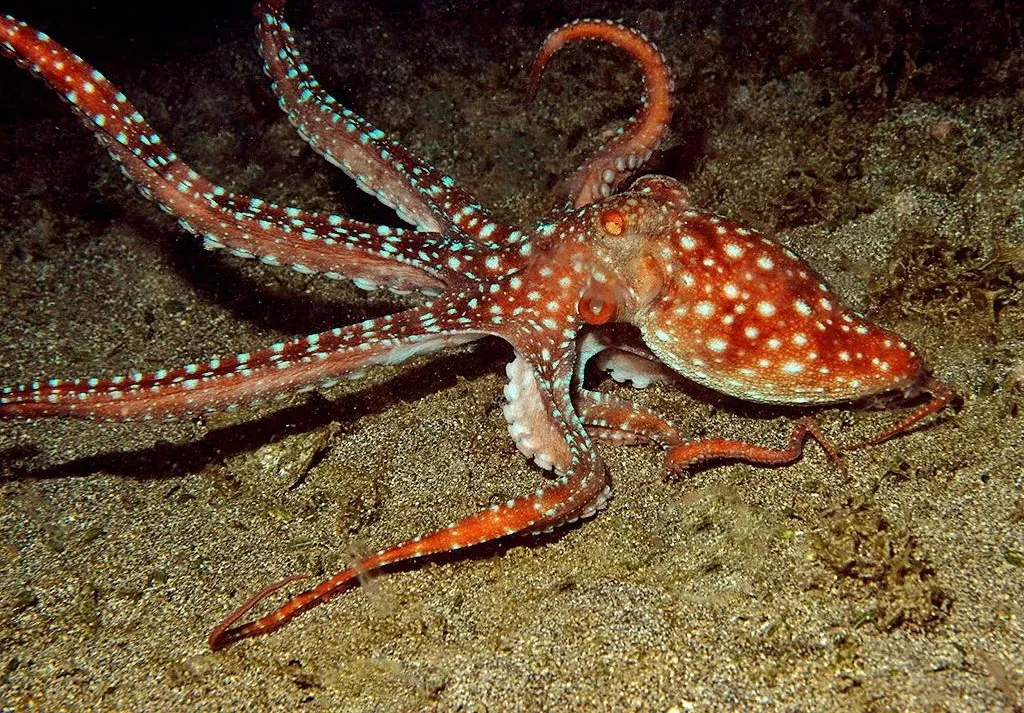
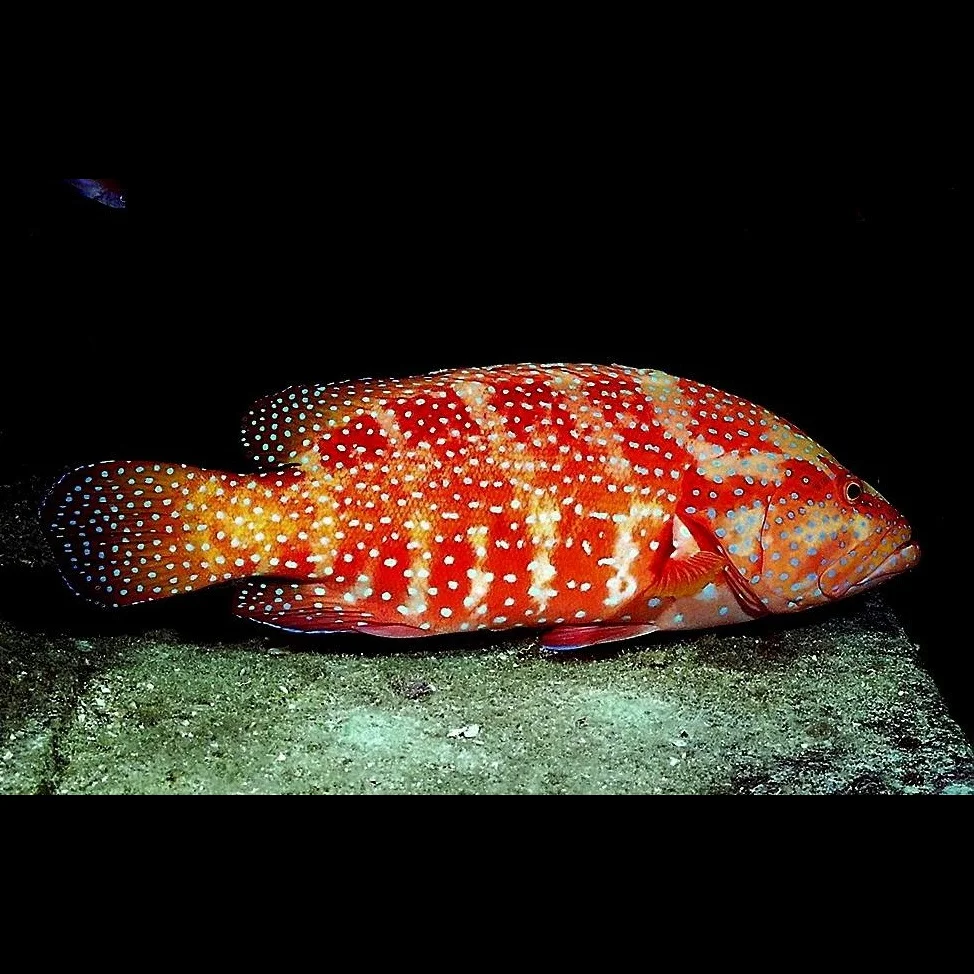
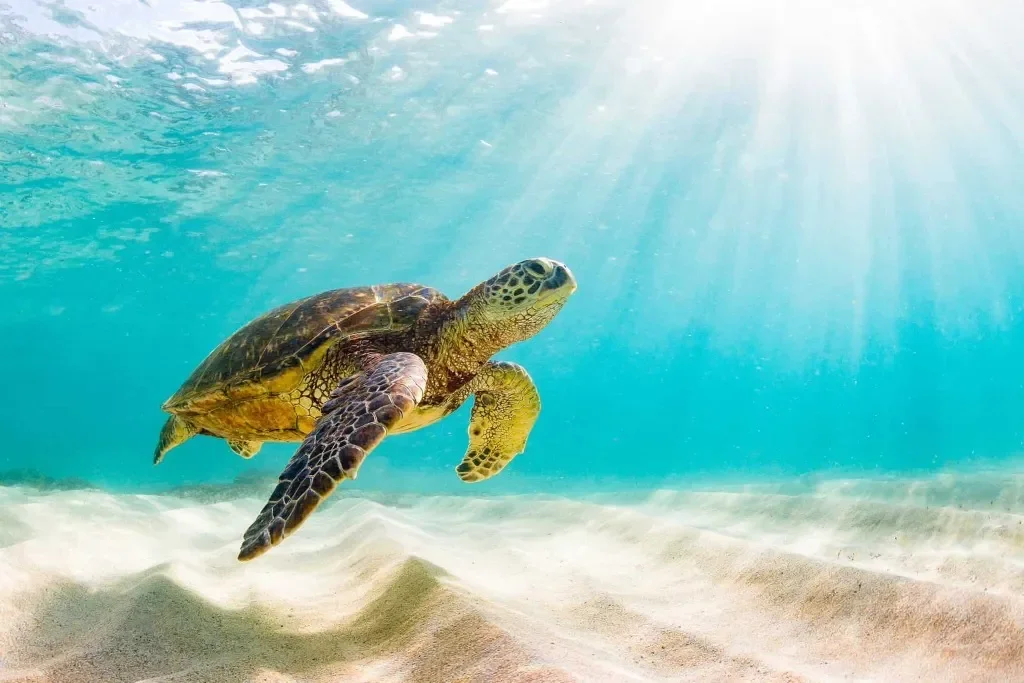
Exploring these areas, divers frequently observe green sea turtles, groupers, and octopuses alongside vibrant corals and numerous reef fish. Unique 'bubble reefs' emerging from the seabed add a distinct geological feature to the underwater experience, often serving as congregating points for smaller life.
During a typical dive, giant manta rays, sometimes numbering twenty or more, glide effortlessly overhead or across the diver's path, showcasing their immense size and grace. Such serene interactions underscore the importance of responsible diving practices to preserve this sensitive ecosystem for future generations.
The rich habitat here supports both pelagic giants and thriving reef communities, making each descent memorable.
Conditions are Good
Optimal conditions expected
Current conditions near Bajo Cope show 26° air, 27° sea temperature, 1.3 m waves, and 21 km/h wind. Forecast data is refreshed regularly to ensure accuracy.
Best Time to Dive
The optimal period for diving Bajo Cope distinctly centers around the presence of giant manta rays, which typically visit from June to October. During these months, the dive scores are consistently moderate, reflecting a balance of conditions that support these large visitors. While manta encounters are the main draw then, other times of the year still offer rewarding experiences. From January to April, and again in December, dive conditions are generally good, with air temperatures averaging between 25°C and 27°C (77°F and 81°F). Rainfall remains minimal throughout the year, typically less than 7 mm (0.3 inches) per month, ensuring mostly clear surface conditions. Water temperatures generally hover between 22°C and 26°C (72°F and 79°F) year-round, although slight variations depending on seasonal upwellings are possible. Wave heights average around 1.3 to 1.8 meters (4 to 6 feet), with wind speeds ranging from 16 to 26 km/h (10 to 16 mph), which may influence surface comfort or boat travel, particularly during the moderate dive score months from May to November.
PEAK SEASON SCORE
Scores combine air & water temps, waves, wind & rainfall for overall conditions.
BEST MONTHS TO DIVE
Monthly records compiled from satellite and marine observation nodes over the last 3 years. Data provided by Open-Meteo and MET Norway.
Dive Experience & Conditions
Navigating the waters of Bajo Cope, divers should anticipate conditions that can vary, often influenced by ocean currents. While conditions are generally favorable, occasional drift diving opportunities may arise, requiring good buoyancy control and group awareness. Water temperature typically remains comfortable, staying within the 22-26°C (72-79°F) range across different sites. Visibility, though described as crystal clear in optimal conditions, is subject to plankton blooms, especially during periods when manta rays are most abundant. These plankton aggregations, while reducing visibility somewhat, are precisely what attract the large filter feeders to the area. Maximum recreational dive depth often reaches 16 meters (52 feet) at many locations, but exploring deeper sections could be possible depending on specific dive plans and certification levels. The varied underwater terrain, comprising reef formations and pinnacles, provides dynamic environments for exploration.
Dive Difficulty & Safety Guidelines
Approaching Bajo Cope requires divers to be mindful of its open ocean characteristics and the unique opportunities for marine life encounters. As this is a popular site for interaction with large marine animals, maintaining a respectful distance from manta rays is crucial for both diver safety and animal welfare. Divers should possess good buoyancy control to avoid disturbing the fragile coral formations and stirring up sediment.
Given the potential for drift, staying close to your dive guide and buddy group is a fundamental guideline. No specific inherent hazards are consistently reported, but divers should always be prepared for dynamic ocean conditions, including varying currents.
It's advisable for divers to hold at least a PADI Open Water Diver certification, with Advanced Open Water Diver training beneficial for optimizing deeper site exploration. Familiarization with local dive protocols for interacting with manta rays will enhance the experience while minimizing impact.
Recommended Equipment
Current and surface separation risk. Local briefing strongly recommended.
- Dive Computer
- DSMB
- Reel / Spool
This gear list is based on verified equipment signals for Bajo Cope, Ecuador. Always confirm final gear choices with your dive operator, guide, or liveaboard.
Recommended Dive Suit
Individual comfort in the water can vary significantly from diver to diver, even under the same conditions.
For most recreational dives, 2-3mm shorty or light wetsuit should provide comfortable protection. A hood or vest is suggested for sensitive divers due to surface winds. Forecast trends indicate little change in overall diving conditions during the next few days.
Water temperatures across the dive area at Bajo Cope are presently estimated to be around 27°C (81°F). Surface air temperatures are resting at 26°C (78°F).
Emergency & Medical Support
Essential information to help you plan your dive trip to bajo cope.

Hyperbaric chambers are a critical part of dive safety infrastructure. Availability varies significantly by region, and not all dive areas have immediate access.
Before diving, it's recommended to:
- confirm nearest medical facilities
- check emergency procedures with local dive operators
- ensure dive insurance covers evacuation if required
Divers Alert Network
Diving emergency assistance available through DAN World.
+1-919-684-9111- 24/7 emergency hotline
- Diving medical assistance
- Evacuation coordination
Emergency contacts are provided for reference. Always verify local emergency services before diving.
Marine Life at Bajo Cope
The primary draw to Bajo Cope is undoubtedly its spectacular congregations of giant manta rays, often observed in groups exceeding twenty individuals. These impressive 6-7 meter (20-23 ft) animals glide gracefully, providing unforgettable close encounters for divers.
Beyond the mantas, divers consistently spot green sea turtles, various species of groupers, and octopuses navigating the reef structures. Colorful reef fish are abundant, adding vibrancy to the underwater scenery.
Healthy corals also contribute to a thriving ecosystem, creating essential habitats for a wide range of smaller species.

Dive Centers Near Bajo Cope
No Dive Centers Local To Bajo Cope
Are you a dive center visiting this location? Get listed to reach divers.
Nearest Airports
Nearest airports to help plan travel to this dive area.
Search Flights
Check available flights and routes on Expedia, using the nearby airports listed in this section.
Search Flights on ExpediaFrequently Asked Questions
What is the best time of year to see manta rays at Bajo Cope?
Giant manta rays typically visit Bajo Cope between June and October. This period offers the highest likelihood of encountering these magnificent creatures.
What are the typical water temperatures at Bajo Cope?
Water temperatures in Bajo Cope generally range from 22°C to 26°C (72°F to 79°F) throughout the year. Thermal protection like a wetsuit is recommended for comfort.
What is the maximum depth for diving at Bajo Cope?
Recreational dives at Bajo Cope typically stay within a maximum depth of around 16 meters. For divers seeking to explore deeper sections, specific areas extend to approximately 25 meters, requiring appropriate certifications.
Are there strong currents at Bajo Cope?
Conditions can vary, and divers may experience moderate currents at Bajo Cope. Drift diving is possible, so maintaining good buoyancy control and staying with your group are important.
What marine life can I expect to see besides manta rays?
Beyond the impressive manta rays, divers frequently encounter turtles, groupers, octopuses, and a vibrant assortment of colorful reef fish. The healthy coral structures also support diverse smaller marine species.
What certification level is recommended for diving Bajo Cope?
A PADI Open Water Diver certification is generally sufficient for many areas. However, an Advanced Open Water Diver certification is beneficial for exploring deeper sections and managing varied conditions.
How far is Bajo Cope from Ayangue?
Bajo Cope is located approximately 20 nautical miles from Ayangue. Dive tours typically depart from Ayangue to reach the site.
Planning to dive Bajo Cope?
Send one inquiry and receive offers directly from the best verified local dive operators.
Conditions are Good
Optimal conditions expected
Current conditions near Bajo Cope show 26° air, 27° sea temperature, 1.3 m waves, and 21 km/h wind. Forecast data is refreshed regularly to ensure accuracy.