
Diving at Réserve Marine Banyuls-Cerbère (France)
Réserve Marine Banyuls-Cerbère stands as a crucial protected area, safeguarding the rich biodiversity of the Mediterranean. This marine nature reserve is specifically designed to conserve original habitats and their diverse species. Its protective status ensures that the natural environment, encompassing both animal and plant life, can thrive undisturbed, offering divers a glimpse into a carefully preserved ecosystem. It's a testament to marine conservation efforts along the French coast.
As evening covers Réserve Marine Banyuls-Cerbère, the local air temperature is measured at 21°C. The current wave height at the surface is recorded at 0.6 m. These late-day readings characterize the surface conditions for the night.
Dive Site Location & Key Facts
Dive Site Overview
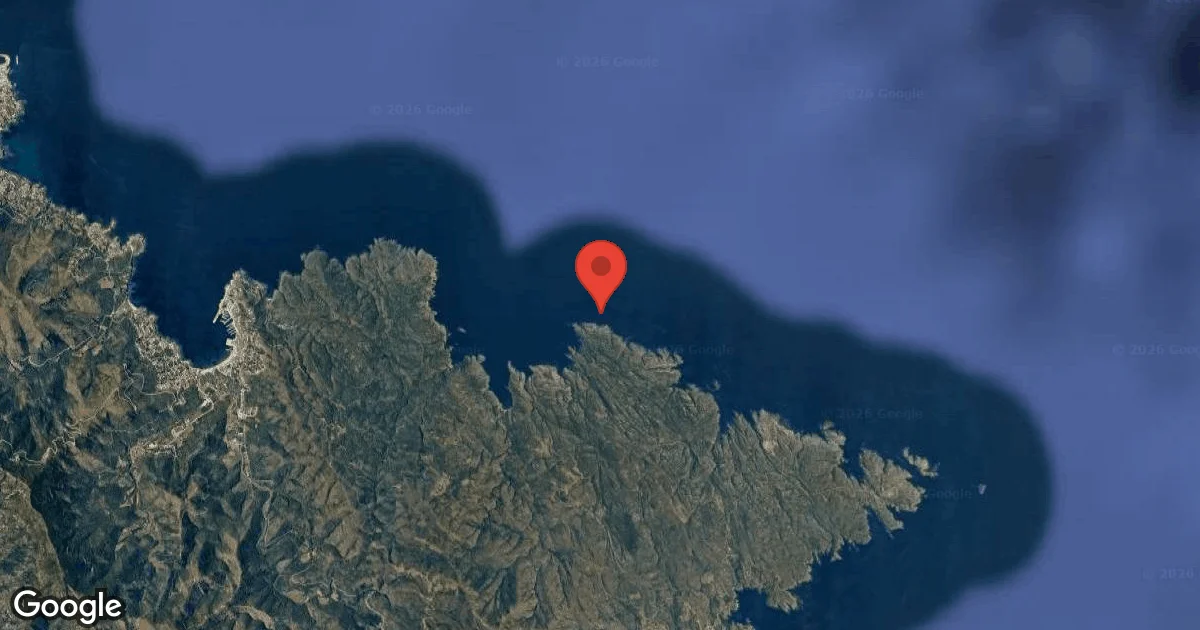
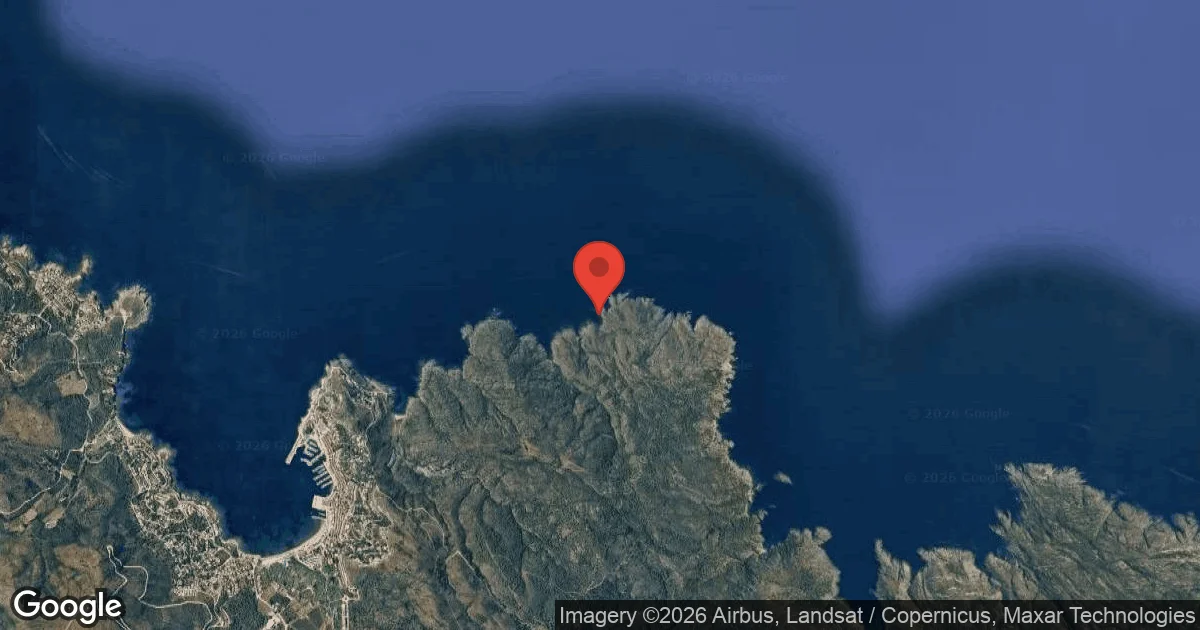
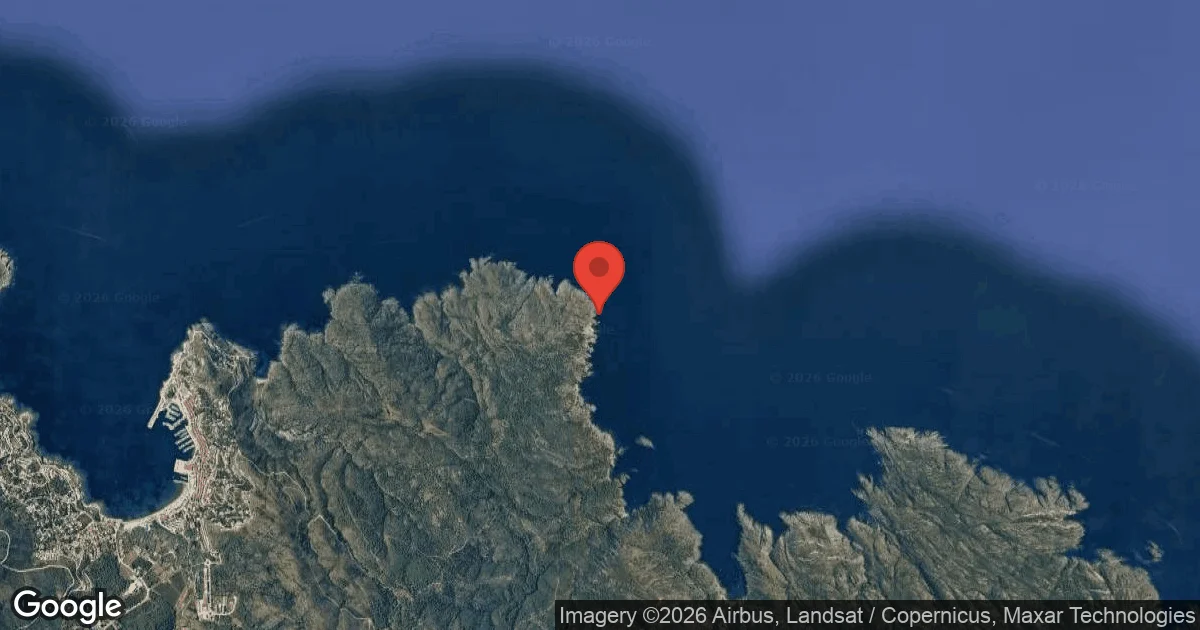
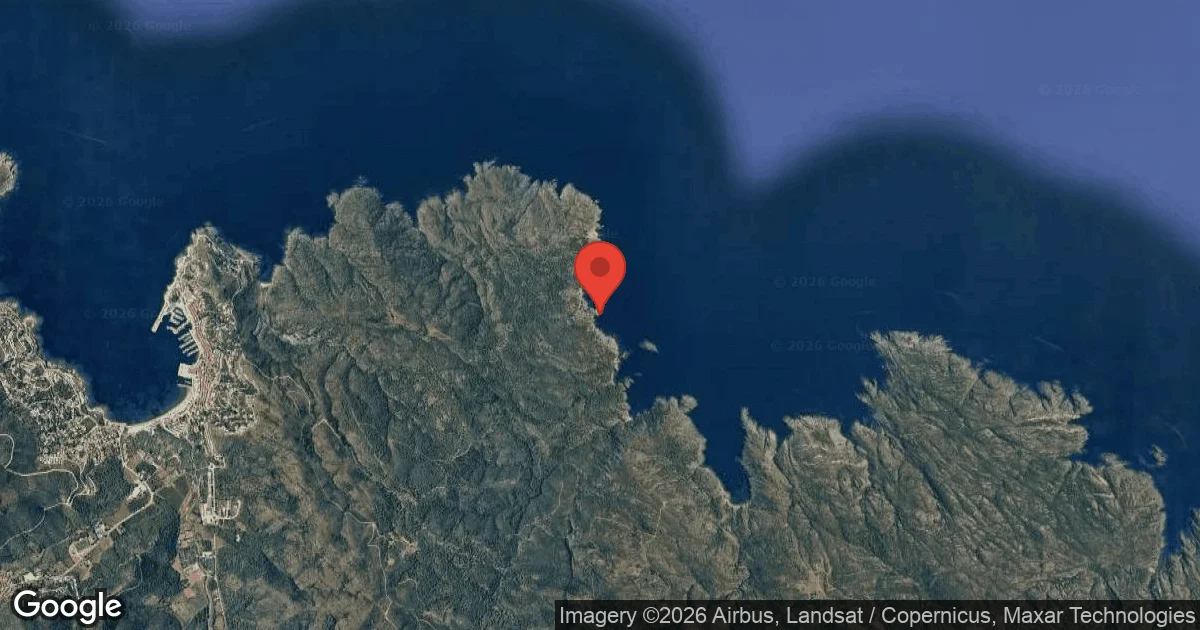
This marine reserve, positioned between Banyuls-sur-Mer and Cerbère, functions as a vital sanctuary for Mediterranean marine life. Established with the primary goal of preserving ecological diversity, it actively controls human activities to protect its aquatic heritage.
The site features various dive types, predominantly wall dives, providing diverse underwater topography to explore. These vertical formations often extend from shallow reef tops down to depths that can exceed 30 m (100 ft), presenting a dynamic environment for divers. Below the surface, divers can expect to encounter an impressive array of species, with over 1,200 animal and around 500 plant species documented within its boundaries.
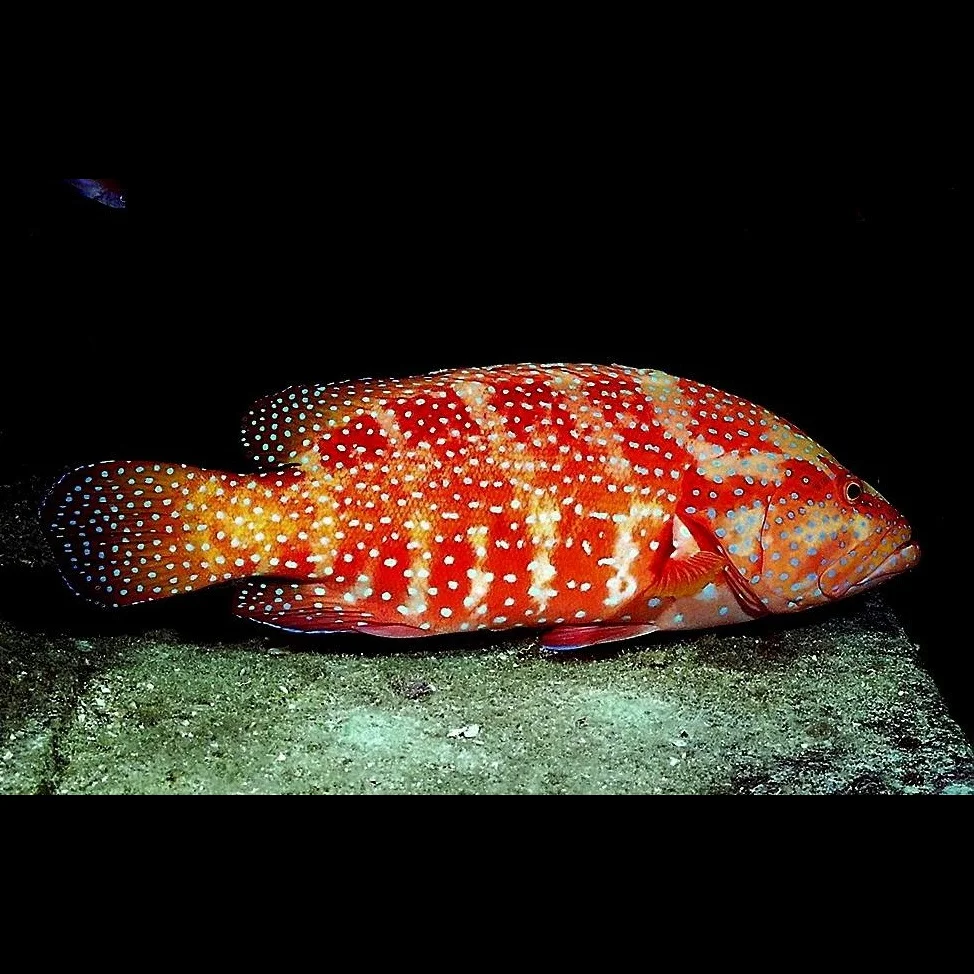
Its protected status directly contributes to the thriving populations observed here. These protected waters facilitate encounters with corbs, groupers, various sea bream, and vibrant red coral clinging to the rock faces.
The unique conservation status allows for observation of mature specimens and healthy benthic communities often missing in less protected areas. Visibility typically remains good, varying with local conditions, allowing clear views of the intricate ecosystems.
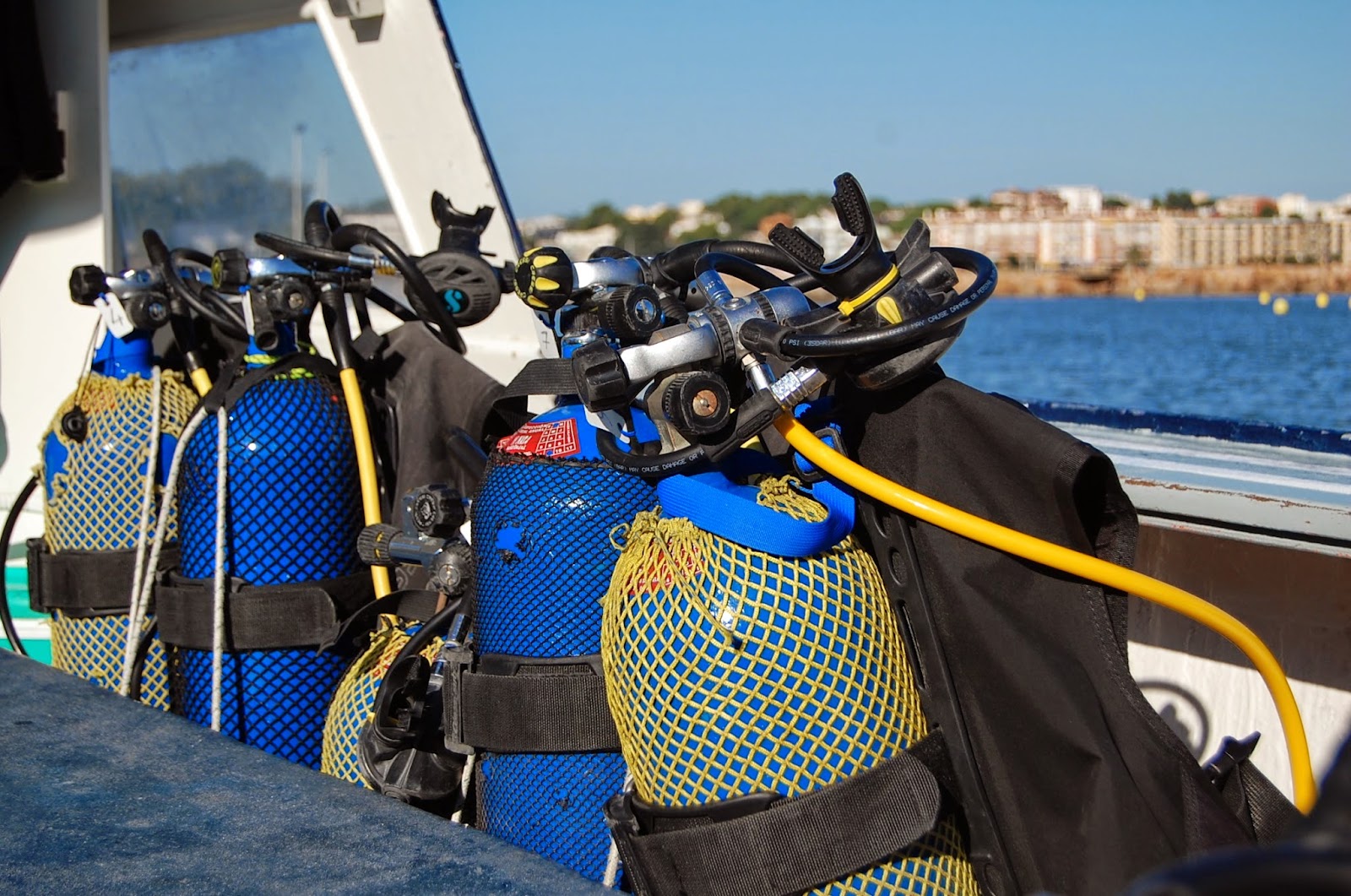
Boat entry is the standard method for reaching dive sites here, ensuring access to the most pristine areas of the reserve that are often inaccessible from shore. This approach minimizes disturbance and maximizes the exploration of remote, undisturbed habitats. Divers embarking on these excursions will discover a Mediterranean ecosystem truly preserved.
Conditions are Good
07:00 - 14:00
Optimal conditions expected
Current conditions near Réserve Marine Banyuls-Cerbère show 21° air, 22° sea temperature, 0.7 m waves, and 26 km/h wind. Forecast data is refreshed regularly to ensure accuracy.
Best Time to Dive
Optimal diving conditions at Réserve Marine Banyuls-Cerbère typically align with the warmer, drier months, indicated by 'Good' dive scores from May through October. During this period, average air temperatures range from 18.5°C (65°F) in May to a high of 26.5°C (80°F) in August, before mellowing to 19°C (66°F) in October. Rainfall is minimal during these months, usually less than 2 mm (0.08 inches), contributing to clearer skies. While specific water temperature data isn't consistently reported, conditions generally follow the Mediterranean seasonal pattern, warming significantly in late spring and remaining comfortable through early autumn. Wave heights are also typically lower, averaging around 0.7 to 0.9 m (2.3 to 3.0 ft), providing calmer seas for boat entries and more enjoyable dives. Winter months, conversely, exhibit moderate dive scores, with higher wave activity and cooler air temperatures.
PEAK SEASON SCORE
Scores combine air & water temps, waves, wind & rainfall for overall conditions.
BEST MONTHS TO DIVE
Monthly records compiled from satellite and marine observation nodes over the last 3 years. Data provided by Open-Meteo and MET Norway.
Dive Experience & Conditions
Accessing the dive sites within the Réserve Marine Banyuls-Cerbère is consistently done via boat, which transports divers to the protected areas. Once underwater, divers often explore extensive wall formations, a prominent dive type within the reserve. The underwater environment supports a wide array of marine life, thriving due to the reserve's protective status. Divers can expect conditions suitable for various certification levels, from Open Water to Advanced and even Deep Diver training, suggesting a range of depths are available for exploration. Navigation can vary, but the presence of clear wall structures often provides natural guidance. Visibility typically depends on local weather patterns and recent rainfall, but the absence of heavy industry locally generally contributes to good underwater clarity.
Dive Difficulty & Safety Guidelines
Diving at this marine reserve accommodates a spectrum of skill levels, with useful training extending from PADI Open Water Diver through PADI Deep Diver and Rescue Diver certifications. This indicates that while accessible, some sites may require advanced experience or specific training. Adhering to the reserve's guidelines is paramount, as its core objective is habitat conservation.
Divers must practice strict buoyancy control and maintain respectful interactions with marine life, ensuring no disturbance or damage to the delicate ecosystems, particularly when observing species like red coral or lobsters. Always dive with a reputable local center that understands and enforces the reserve's specific regulations, as there are no inherent hazards reported beyond typical diving risks.
Recommended Equipment
- Dive Computer
- DSMB
This gear list is based on verified equipment signals for Réserve Marine Banyuls-Cerbère, France. Always confirm final gear choices with your dive operator, guide, or liveaboard.
Recommended Dive Suit
3-5mm wetsuit is often considered an appropriate level of exposure protection for conditions like these. Consider warmer surface protection (like a boat coat) due to brisk winds. Surface intervals may feel cooler.
Divers entering the water at Réserve Marine Banyuls-Cerbère today can expect temperatures near 22°C (72°F) beneath the surface. Surface air temperatures are resting at 21°C (70°F).
Environmental models indicate a modest warming trend ahead. A warming trend is expected over the next few days.
Emergency & Medical Support
Essential information to help you plan your dive trip to Réserve Marine Banyuls-Cerbère.

Hyperbaric chambers are a critical part of dive safety infrastructure. Availability varies significantly by region, and not all dive areas have immediate access.
Before diving, it's recommended to:
- confirm nearest medical facilities
- check emergency procedures with local dive operators
- ensure dive insurance covers evacuation if required
Divers Alert Network
Diving emergency assistance available through DAN Europe.
+39 0642115685- 24/7 emergency hotline
- Diving medical assistance
- Evacuation coordination
Emergency contacts are provided for reference. Always verify local emergency services before diving.
Marine Life at Réserve Marine Banyuls-Cerbère
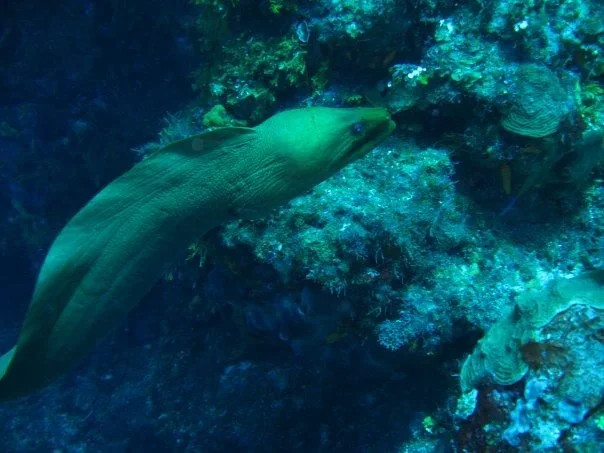
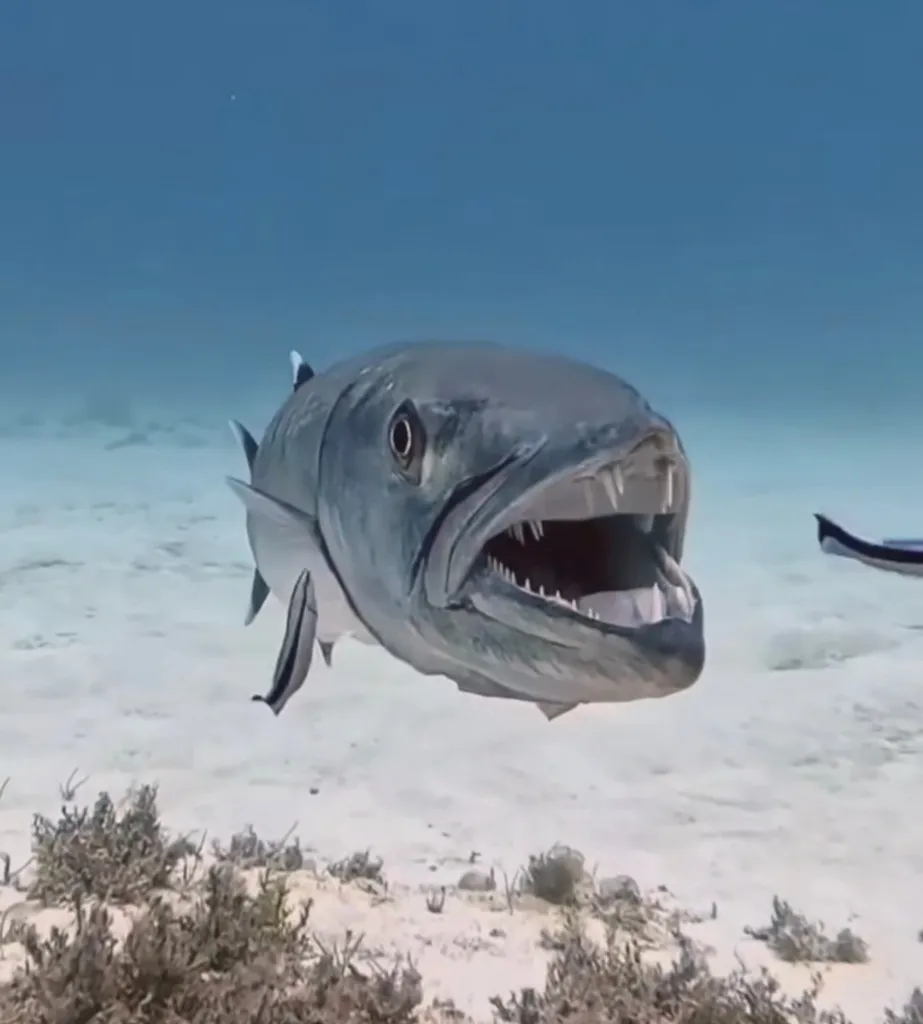
Descending into the reserve's waters, divers frequently notice the abundant presence of groupers and the occasional barracuda patrolling the walls. Moray eels are a common sight, often observed peeking from their rocky crevices, alongside various species of octopus.
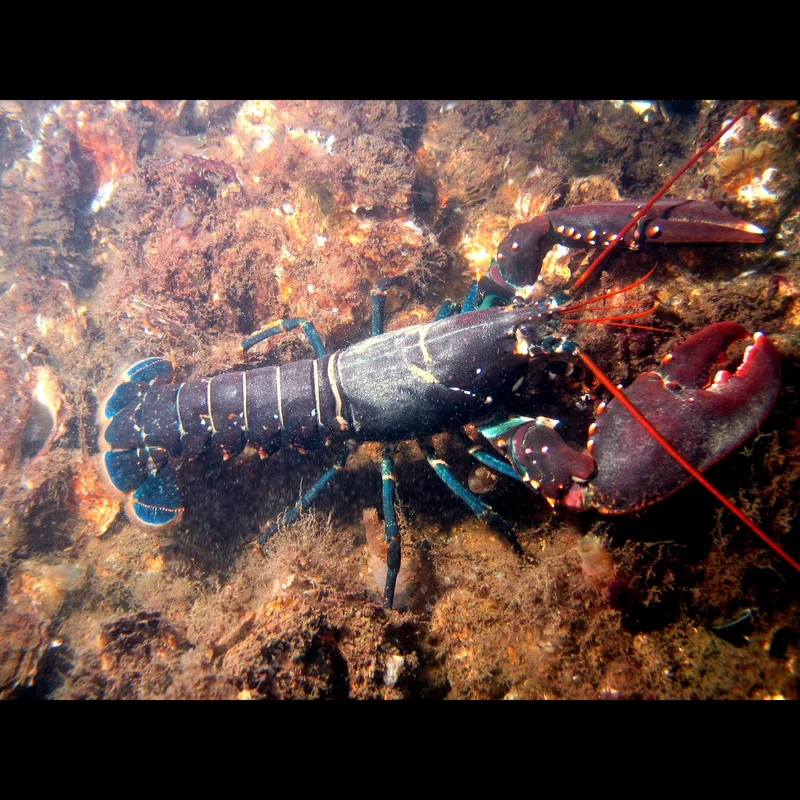
Look closely for smaller inhabitants such as gobies and triplefins darting among the rocks. Red coral formations add vibrant splashes of color to the underwater landscape, and attentive divers might spot lobsters nestled in their hideouts.
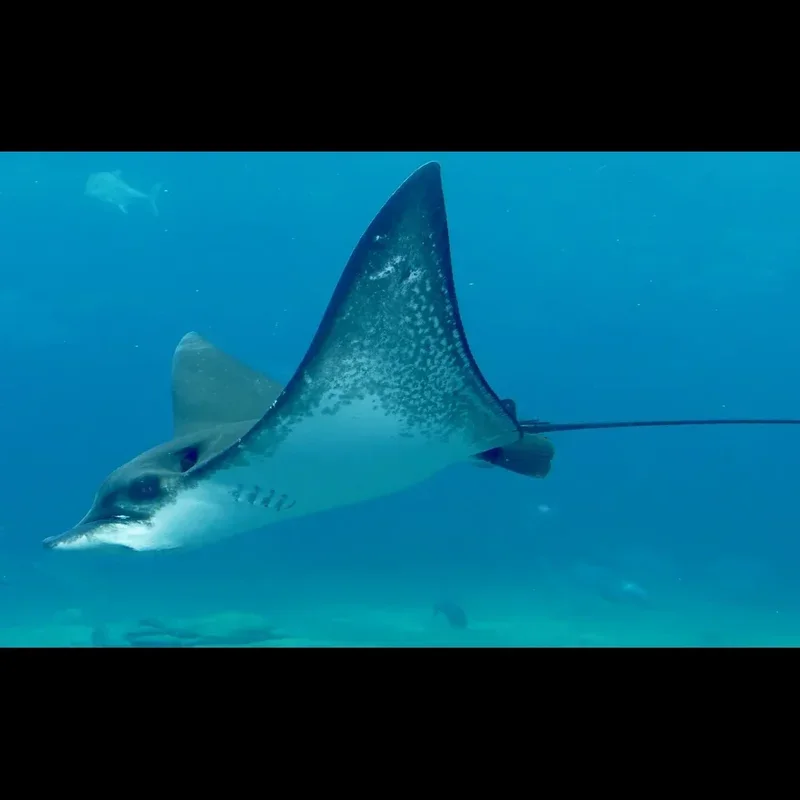
Keep an eye towards the blue; bottlenose dolphins or even eagle rays have been observed in these protected zones, though less frequently than the reef inhabitants.
Dive Sites Near Réserve Marine Banyuls-Cerbère
View all dive sites in FranceDiscover more underwater gems in this area.
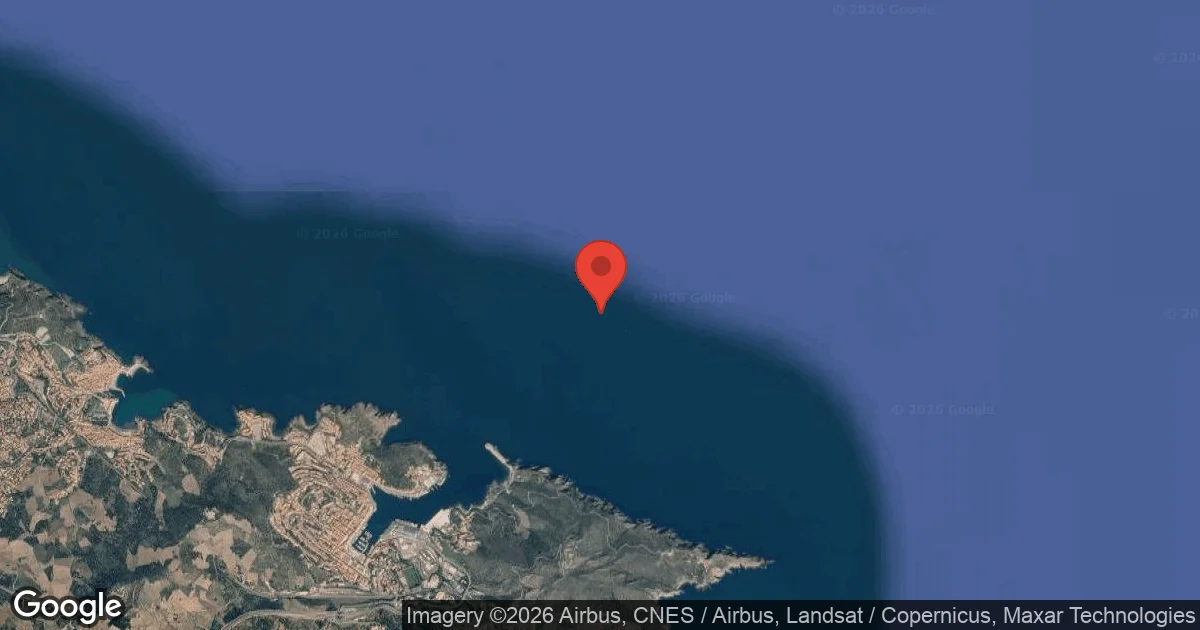
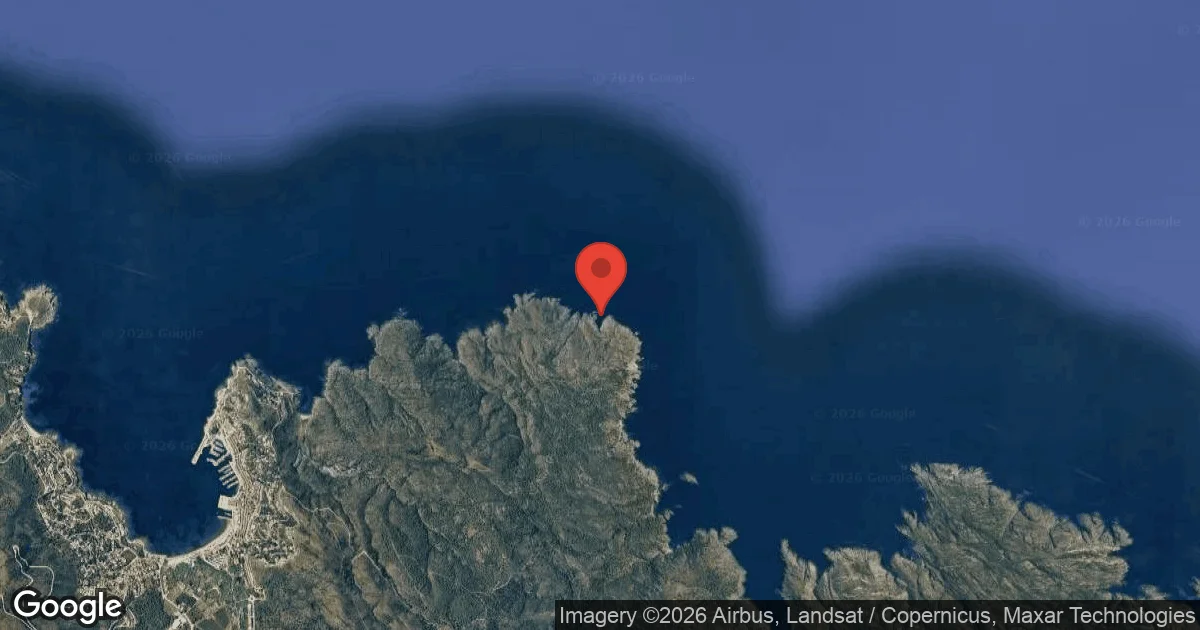
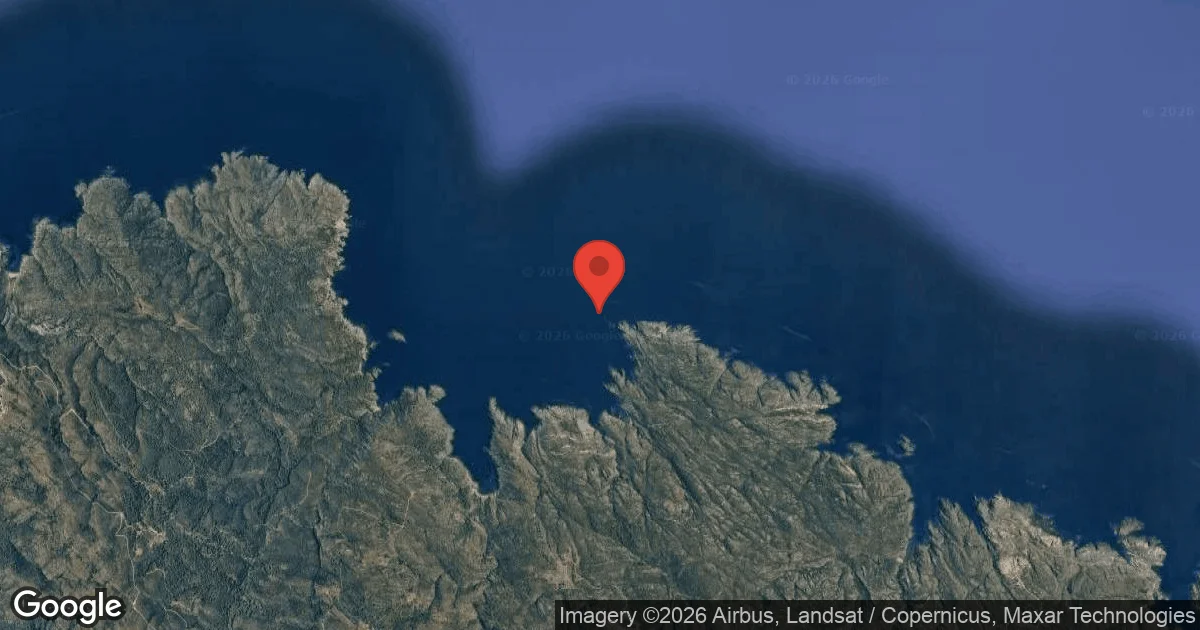
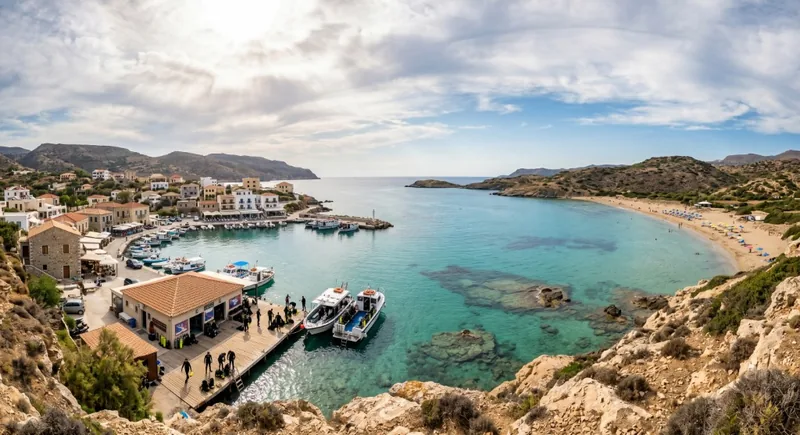
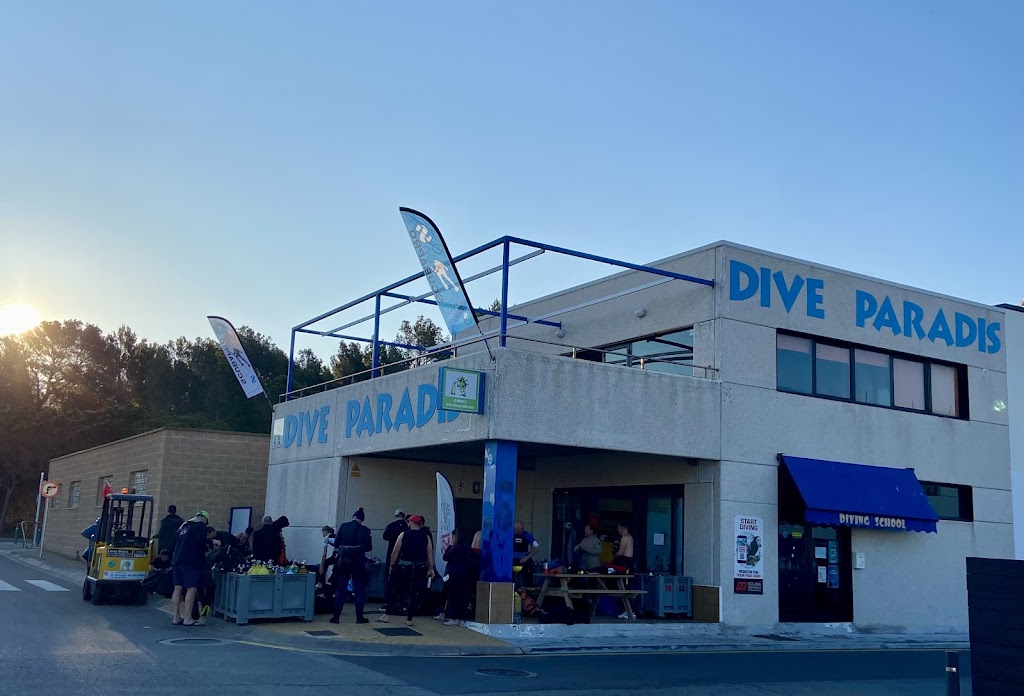
Dive Centers Near Réserve Marine Banyuls-Cerbère
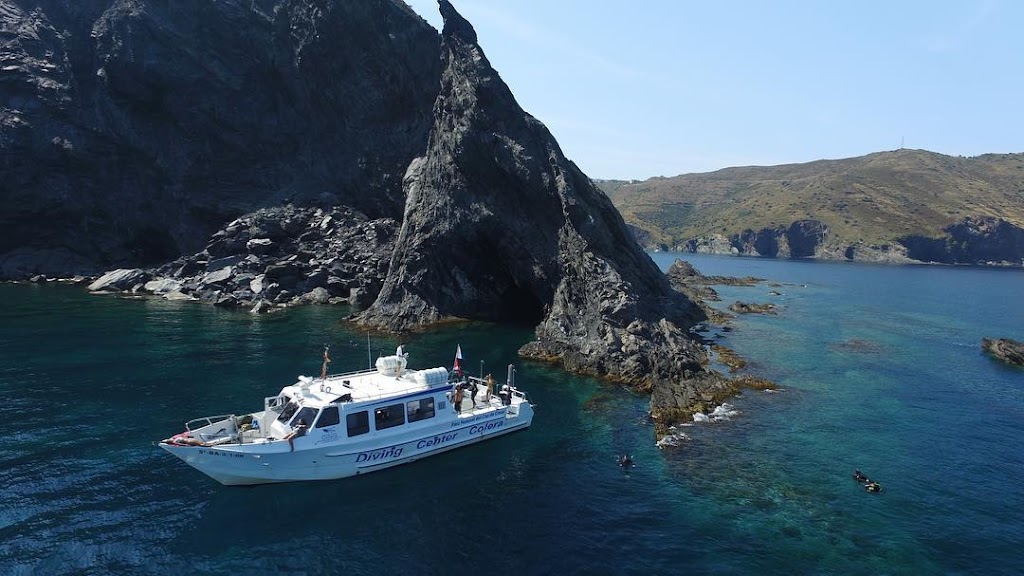
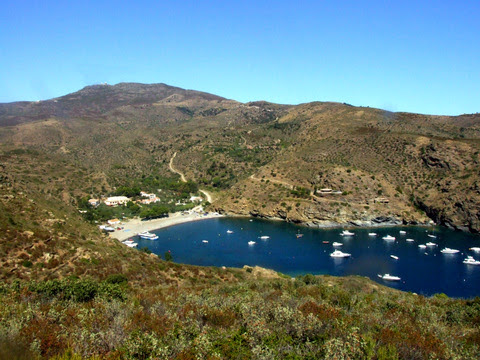
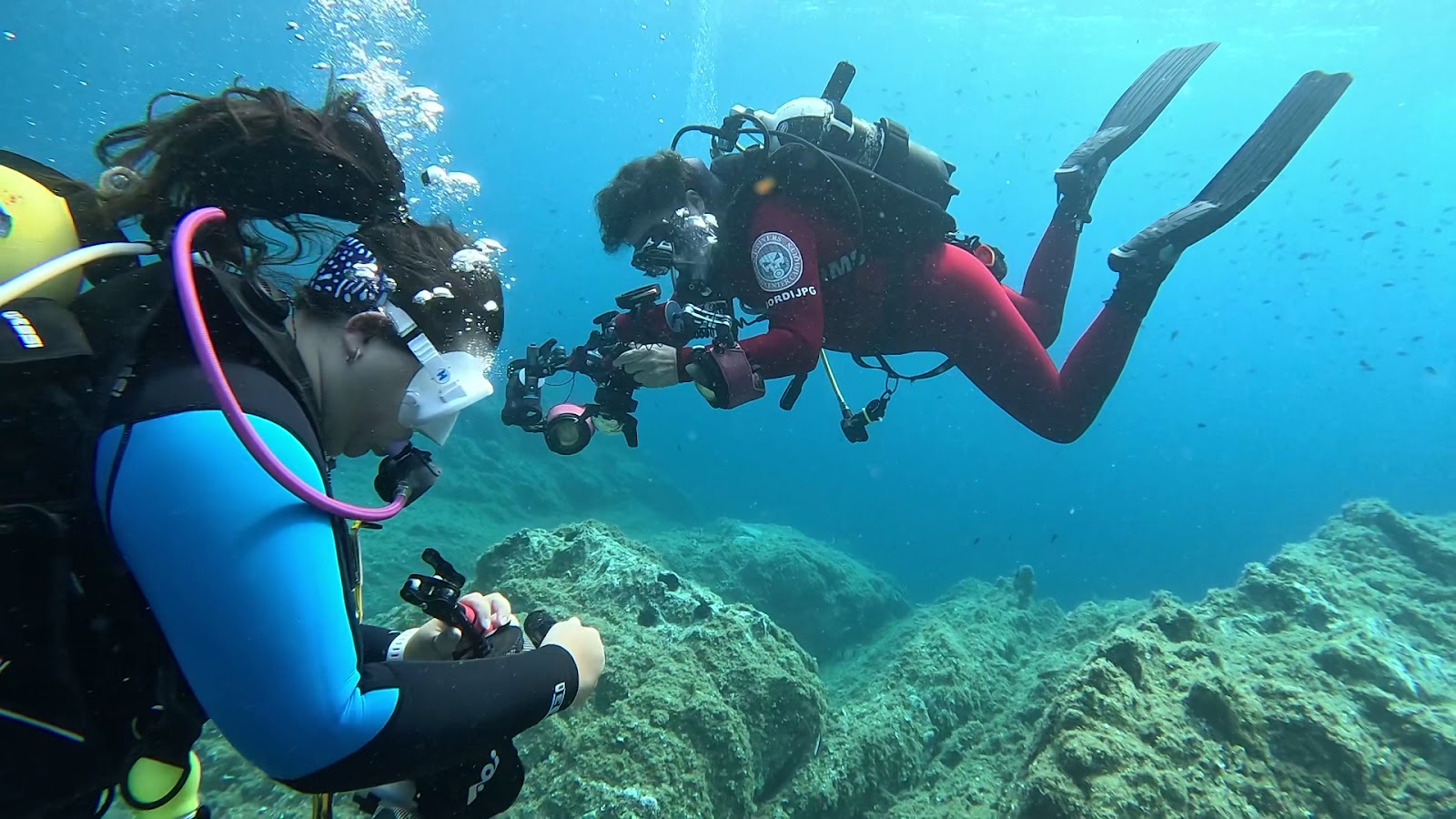
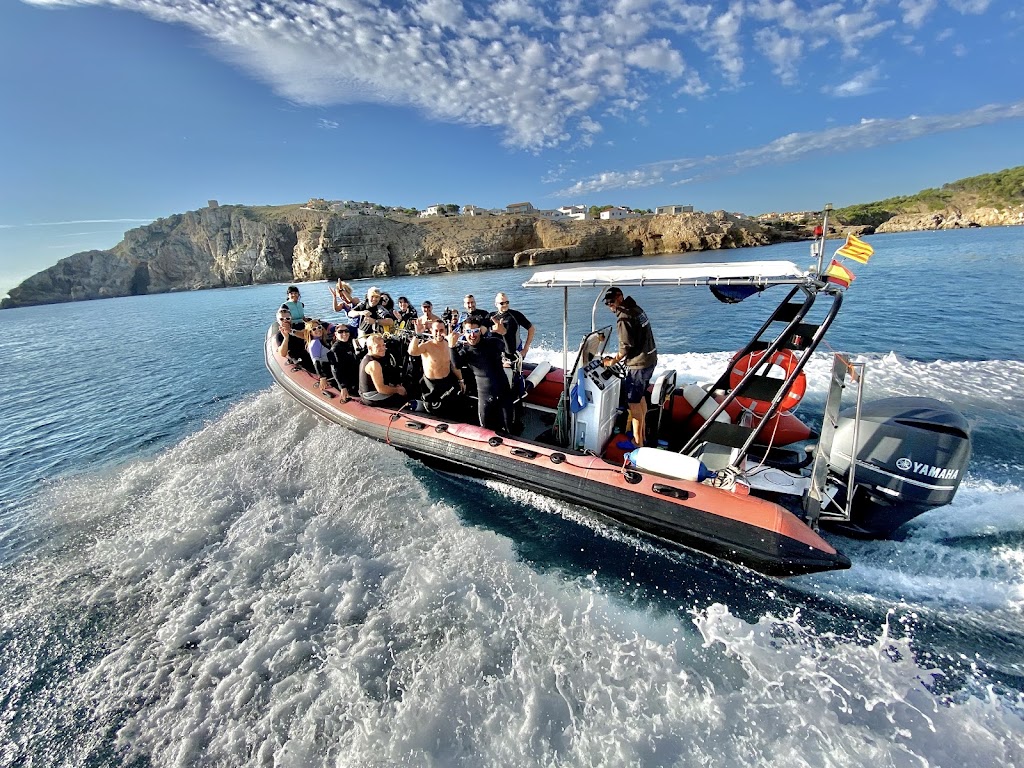

Nearest Airports
Nearest airports to help plan travel to this dive area.
Search Flights
Check available flights and routes on Expedia, using the nearby airports listed in this section.
Search Flights on ExpediaFrequently Asked Questions
What kind of dive sites are available in Réserve Marine Banyuls-Cerbère?
The reserve is primarily known for its wall dives. These sites offer vertical rock formations that are home to a diverse range of marine species and provide interesting topography for exploration.
Is Réserve Marine Banyuls-Cerbère suitable for beginner divers?
Yes, the reserve caters to a range of experience levels. While Advanced Open Water and Deep Diver certifications are useful, Open Water Divers can also find suitable sites, often under the guidance of local dive centers.
How do divers access the dive sites in the reserve?
Dive sites within the Réserve Marine Banyuls-Cerbère are typically accessed by boat. This ensures convenient transport to the various protected areas and specific wall dive locations.
What marine life can I expect to see here?
Common sightings include groupers, barracuda, moray eels, and octopus. You might also spot smaller species like gobies and triplefins, along with vibrant red coral formations and lobsters.
Are there any specific regulations for diving in the marine reserve?
As a marine nature reserve, strict conservation guidelines are in place to protect habitats and species. Divers are expected to practice excellent buoyancy control and refrain from disturbing marine life or collecting specimens.
When is the water warmest for diving?
While specific water temperature data isn't consistently reported, the Mediterranean generally experiences its warmest waters from late spring through early autumn, typically from May to October. This aligns with the best dive scores for the area.
Planning to dive Réserve Marine Banyuls-Cerbère?
Send one inquiry and receive offers directly from the best verified local dive operators.
Conditions are Good
07:00 - 14:00
Optimal conditions expected
Current conditions near Réserve Marine Banyuls-Cerbère show 21° air, 22° sea temperature, 0.7 m waves, and 26 km/h wind. Forecast data is refreshed regularly to ensure accuracy.