
Diving at L'Astée (France)
L'Astée provides a vibrant home for numerous Mediterranean species, transforming a historical wreck into a thriving artificial reef. Divers exploring its structure encounter a rich ecosystem, where diverse marine life thrives amidst a preserved piece of maritime history. It's a key destination for experiencing the unique blend of wreck diving and active marine habitats found in the Cerbère-Banyuls marine reserve.
As evening covers L'Astée, the local air temperature is measured at 20°C. The current wave height at the surface is recorded at 0.8 m. These late-day readings characterize the surface conditions for the night.
Dive Site Location & Key Facts
Dive Site Overview
Descending onto the L'Astée wreck is like entering a submerged chapter of maritime history off the coast of France. This substantial 87-meter (285 ft) long, 13-meter (43 ft) wide coal ship, originally named Bellbro and built in England in 1921, carries a compelling wartime narrative.
Initially transporting goods for the National Shipping Company, it was later requisitioned by the Germans in December 1942. The vessel then sailed under Italian flag as Elena, before being renamed L'Astrée. Its final journey concluded on May 1, 1944, when the submarine HMS Untiring torpedoed it near Port-Vendres.
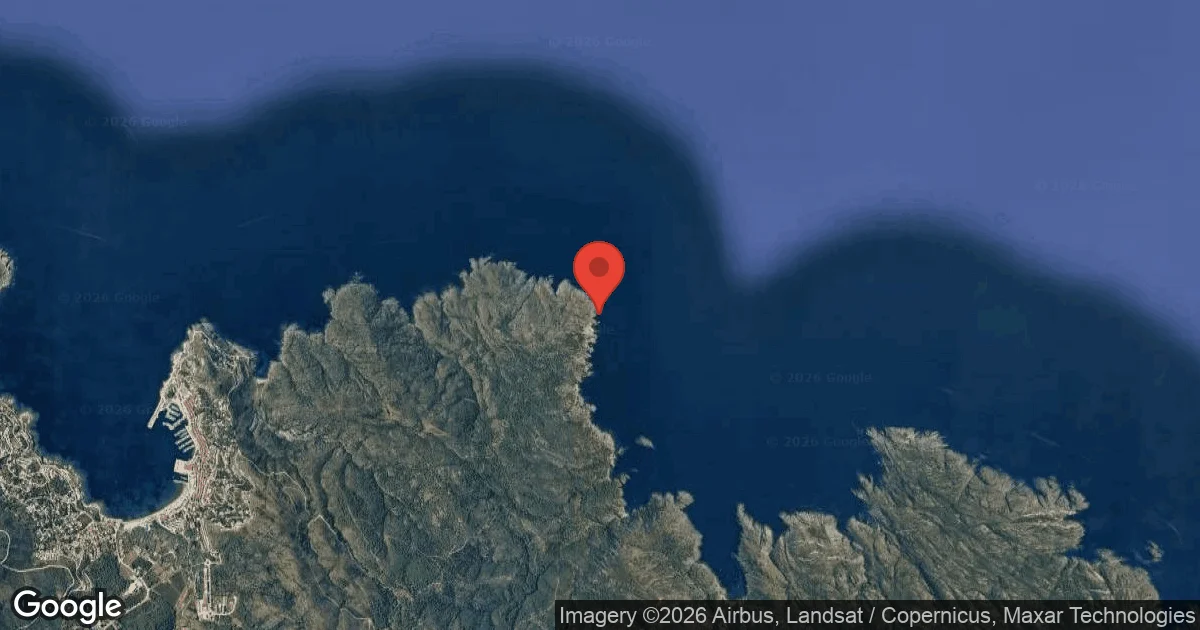
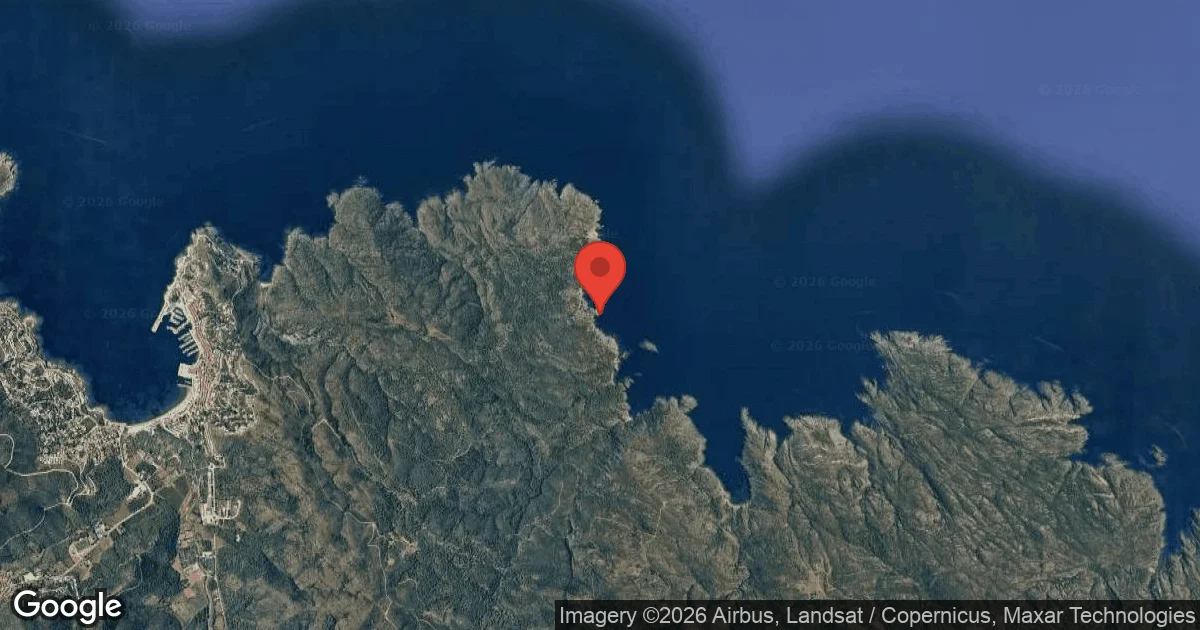
The wreck now rests in two distinct sections, offering a complex exploration between 40 and 46 m (131 and 151 ft) deep, north of Cape Béar. Exploring the remains, divers can identify the ship's castle and starboard gangway, the kitchen with its stove, and the captain's bathroom, still containing the bathtub and washbasin.
The stern remains cluttered with cables, providing intricate nooks for marine inhabitants. It truly is a remarkable site for those with the appropriate experience.
Conditions are Good
Optimal conditions expected
Current conditions near L'Astée show 20° air, 23° sea temperature, 0.8 m waves, and 33 km/h wind. Forecast data is refreshed regularly to ensure accuracy.
Best Time to Dive
Optimizing visibility for the L'Astée wreck means timing your dive with the calmest conditions, typically from May through October. During these months, the region experiences lower average wave heights, contributing to clearer underwater visibility. September and October particularly stand out with consistently good dive scores, offering air temperatures around 21.5°C (71°F) and 19°C (66°F) respectively, alongside minimal rainfall. June, July, and August also present excellent opportunities, with air temperatures ranging from 24°C (75°F) to 26.5°C (80°F) and very low precipitation, which generally correlates with favorable underwater conditions. March and April see good dive scores with air temperatures of 13°C (55°F) and 15.5°C (60°F), but with slightly higher chances of rain and waves compared to peak summer. Winter months, while still diveable, tend to have cooler air temperatures, higher wave activity, and increased rainfall, potentially impacting visibility.
PEAK SEASON SCORE
Scores combine air & water temps, waves, wind & rainfall for overall conditions.
BEST MONTHS TO DIVE
Monthly records compiled from satellite and marine observation nodes over the last 3 years. Data provided by Open-Meteo and MET Norway.
Dive Experience & Conditions
The dive profile for L'Astée quickly plunges into advanced territory, with the wreck resting at a maximum depth of 46 m (151 ft). This site is classified as a 'Difficult level' dive, requiring 'Confirmé' (advanced) certification. Conditions in the Mediterranean Sea can vary, but generally include moderate currents that should be anticipated and planned for. Divers may encounter thermoclines at depth, even during warmer months. Given the wreck's depth and the specific areas of interest, adequate bottom time and careful no-decompression limit planning are essential. The two distinct parts of the wreck offer extensive exploration, inviting divers to navigate through its historical remnants, but this requires precise buoyancy control and good awareness.
Dive Difficulty & Safety Guidelines
Approaching L'Astée demands a profound respect for its depth and the technical challenges it presents. This deep wreck dive is strictly for 'Confirmé' or equivalent advanced-level divers, often requiring specialized training for wreck penetration or technical diving. Proper gas management, including nitrox and potentially decompression gases, is critical, as evidenced by local dive centers catering to rebreather divers and offering O2 decompression ponys.
It's imperative to plan your dive meticulously, considering your experience, equipment, and current conditions. Always dive with a reputable local center like Cap Cerbère, Plongée Bleue Banyuls, or Rederis Plongée, as they possess the boats, experienced guides, and emergency support required for such demanding profiles. Adhere to safe diving practices and never exceed your training limits.
Recommended Equipment
Overhead / entanglement risk. Wreck penetration requires proper training.
- Dive Computer
- Primary & Backup Lights
- Wreck Reel
- Cutting Tool
This gear list is based on verified equipment signals for L'Astée, France. Always confirm final gear choices with your dive operator, guide, or liveaboard.
Recommended Dive Suit
A warming trend is expected over the next few days. A warming trend is expected over the next few days.
Factors such as dive duration, depth, and activity level can influence how warm a diver feels underwater. Stronger winds may also make surface intervals feel cooler than usual.
3-5mm wetsuit typically balances flexibility and thermal protection in these temperatures. Consider warmer surface protection (like a boat coat) due to brisk winds. Surface intervals may feel cooler. The surrounding waters at L'Astée are currently registering temperatures of roughly 23°C (73°F). Surface air temperatures are resting at 20°C (68°F).
Emergency & Medical Support
Essential information to help you plan your dive trip to L'Astée.

Hyperbaric chambers are a critical part of dive safety infrastructure. Availability varies significantly by region, and not all dive areas have immediate access.
Before diving, it's recommended to:
- confirm nearest medical facilities
- check emergency procedures with local dive operators
- ensure dive insurance covers evacuation if required
Divers Alert Network
Diving emergency assistance available through DAN Europe.
+39 0642115685- 24/7 emergency hotline
- Diving medical assistance
- Evacuation coordination
Emergency contacts are provided for reference. Always verify local emergency services before diving.
Marine Life at L'Astée
Upon approaching L'Astée, the sheer density of life around the wreckage immediately captures attention. Schools of sardines and anchovies often swirl through the open spaces, creating a dynamic backdrop to the sunken vessel.
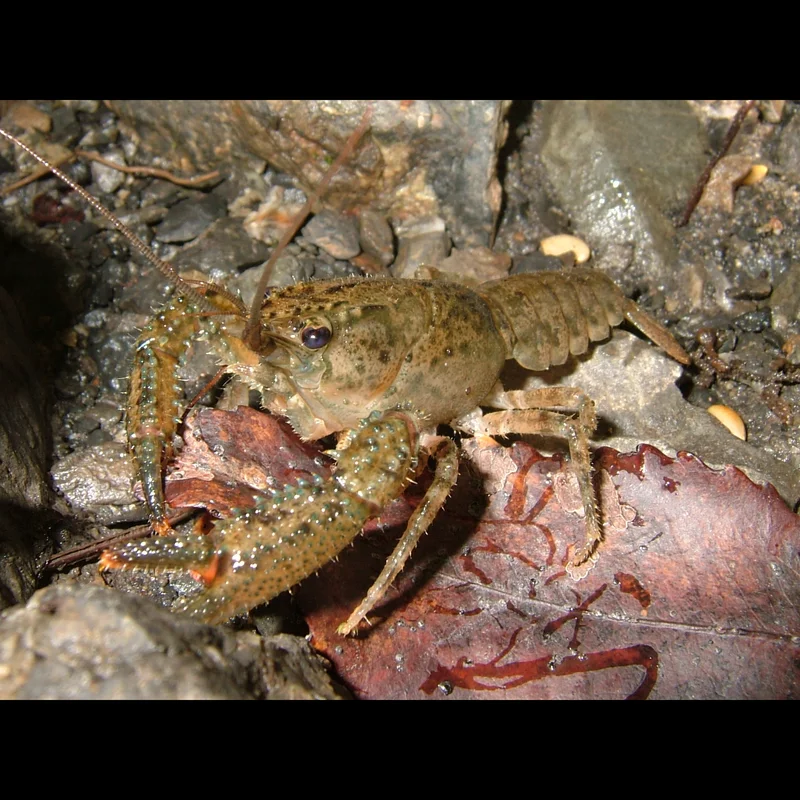
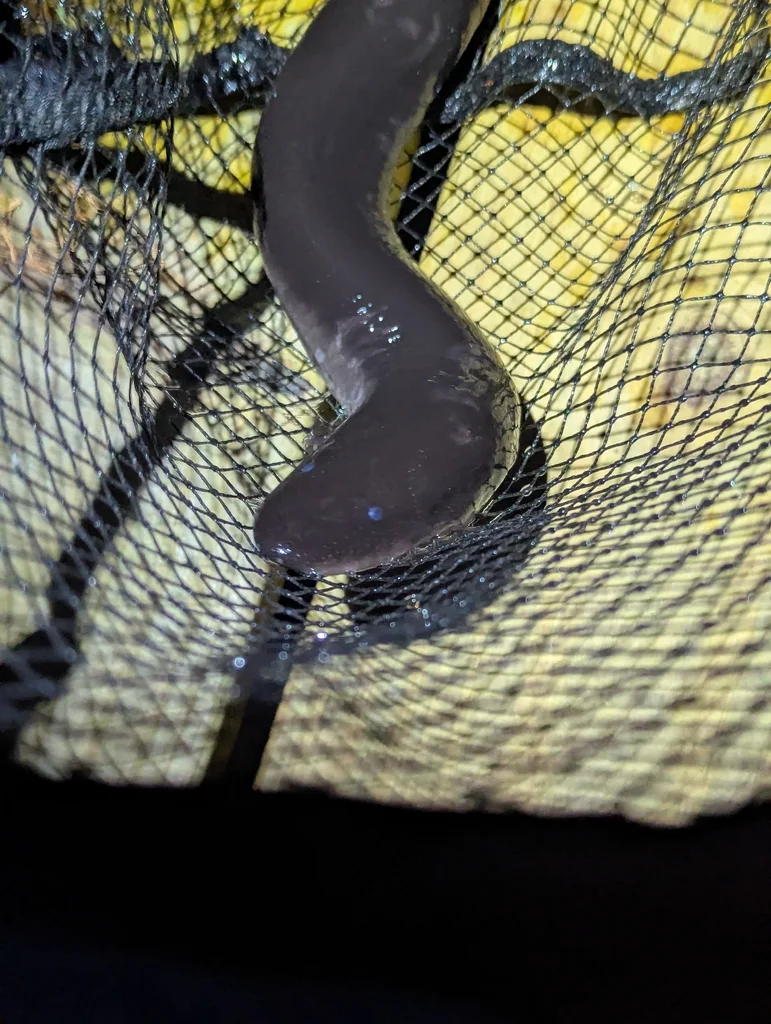
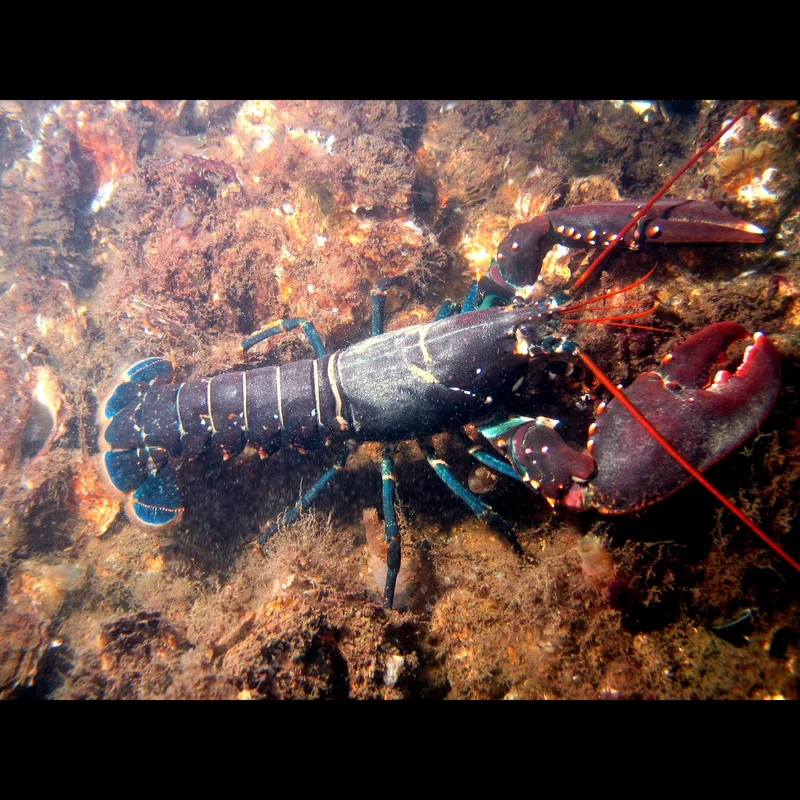
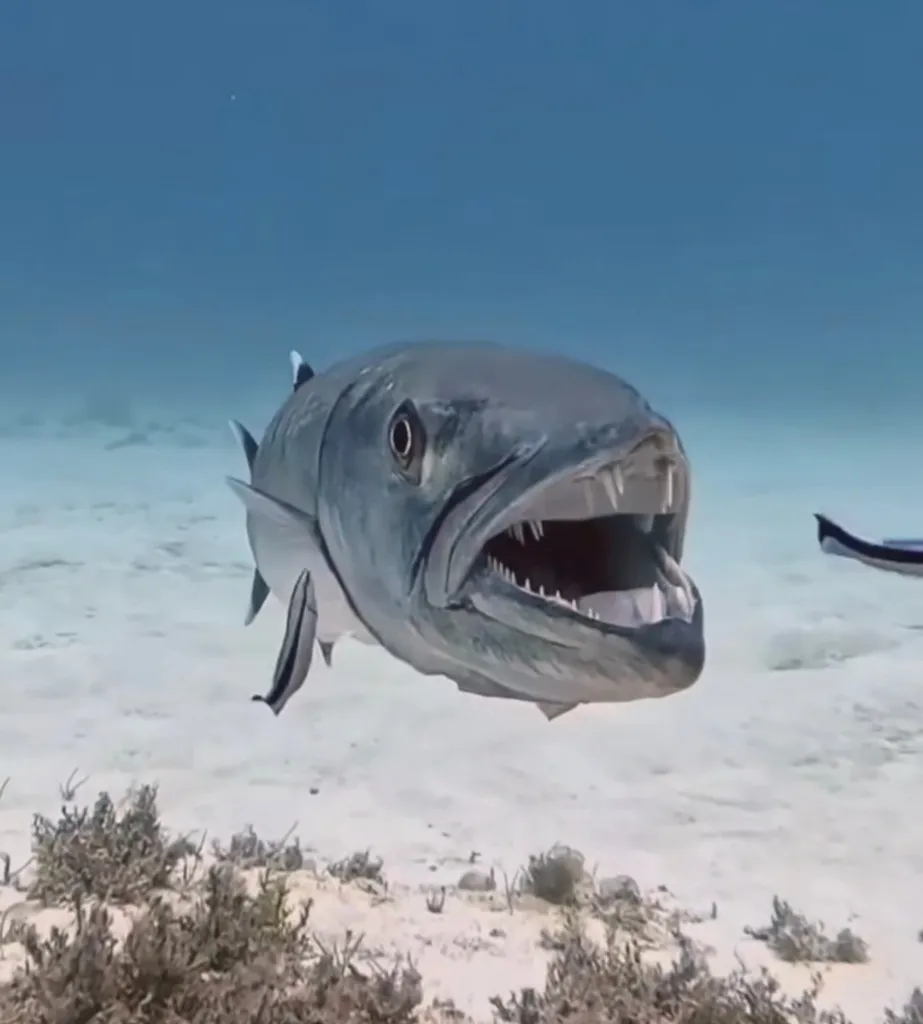
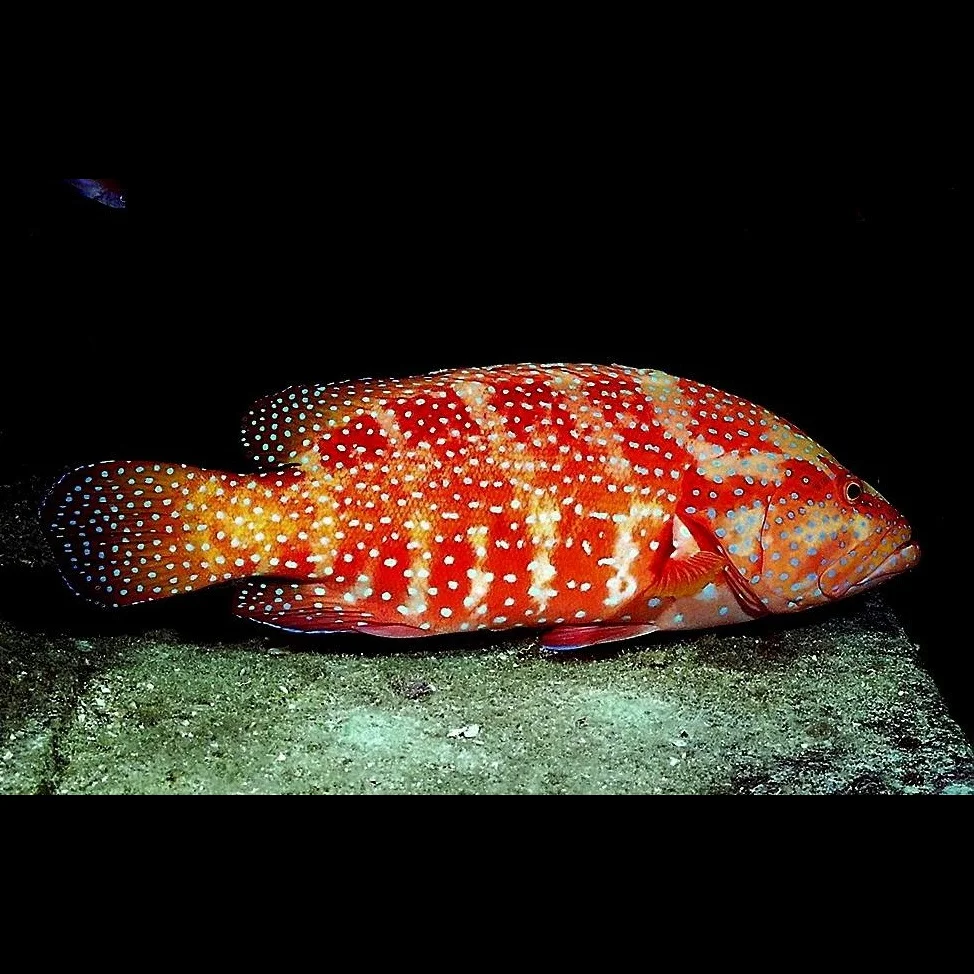
Inspecting the intricate nooks and crannies of the wreck, divers will discover numerous conger eels, lobsters, and crayfish. Larger predators like wolves, sea breams, and sars patrol the perimeters, while sightings of groupers, corbs, and even barracudas are not uncommon.
Occasionally, a sunfish might be observed gliding silently in the distance, adding a unique encounter to the dive.
Dive Sites Near L'Astée
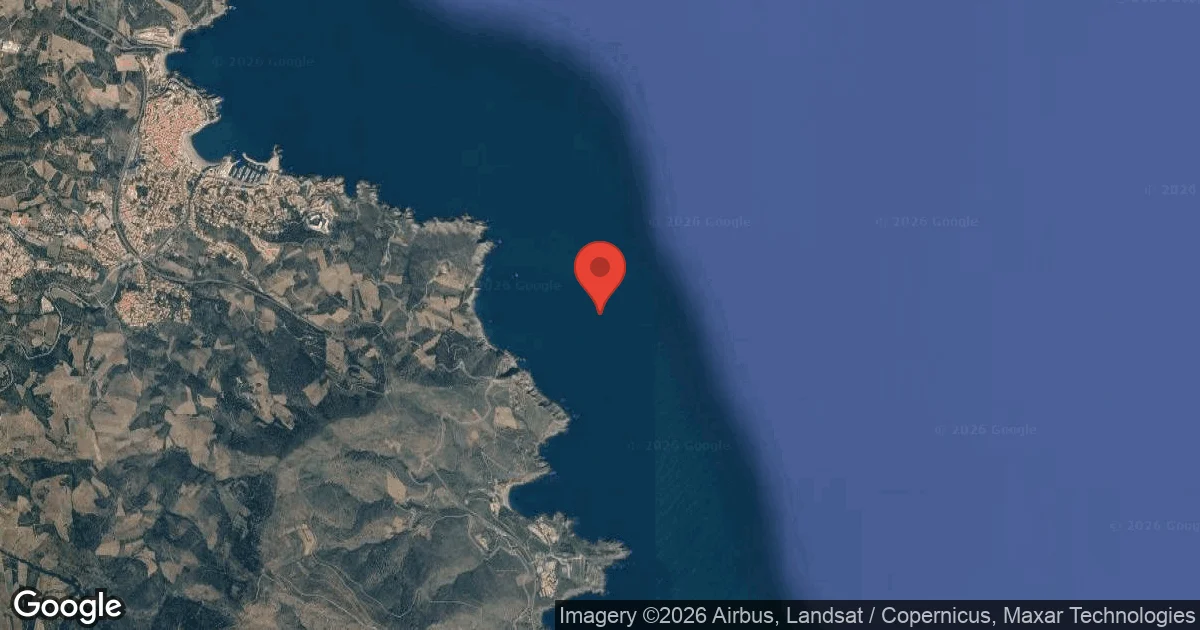
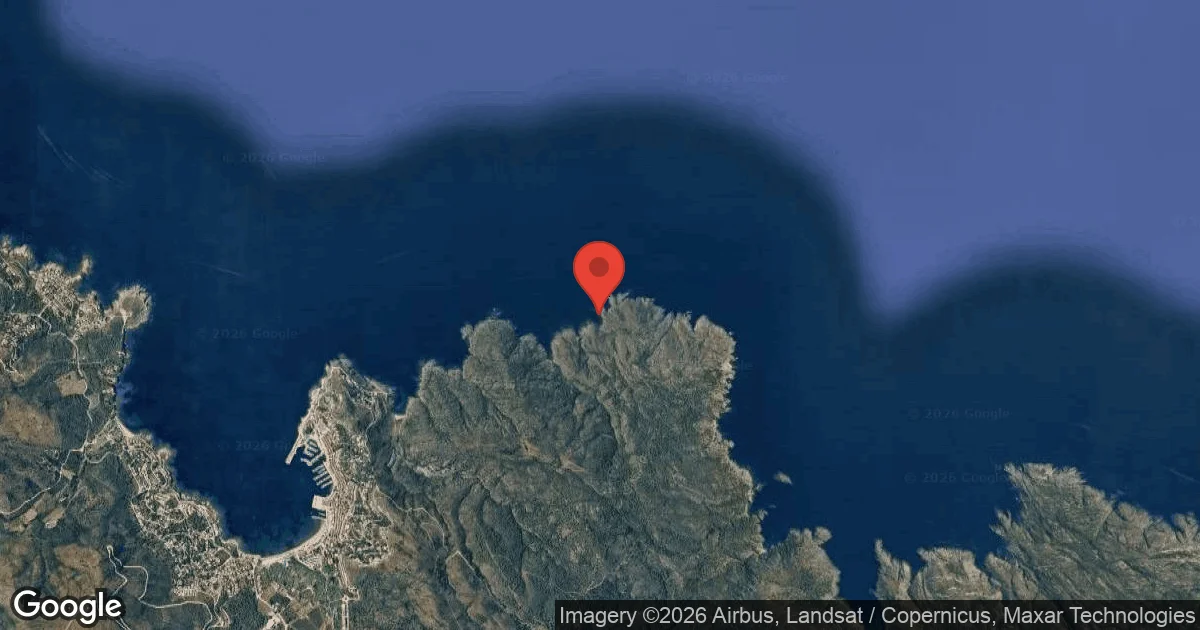
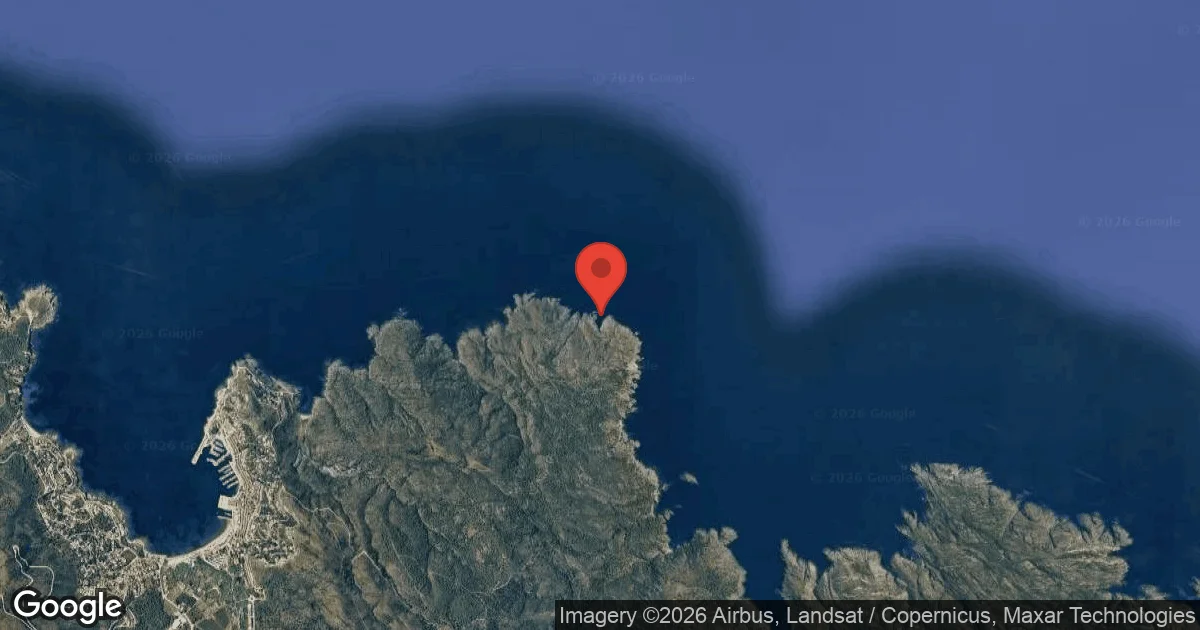
View all dive sites in FranceDiscover more underwater gems in this area.
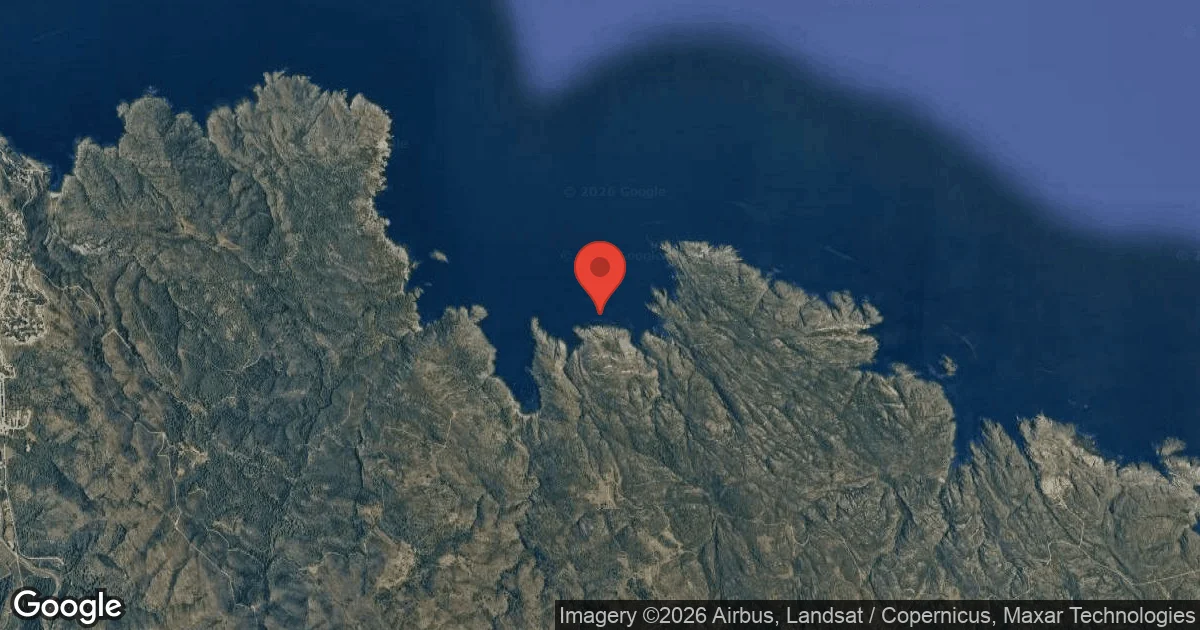
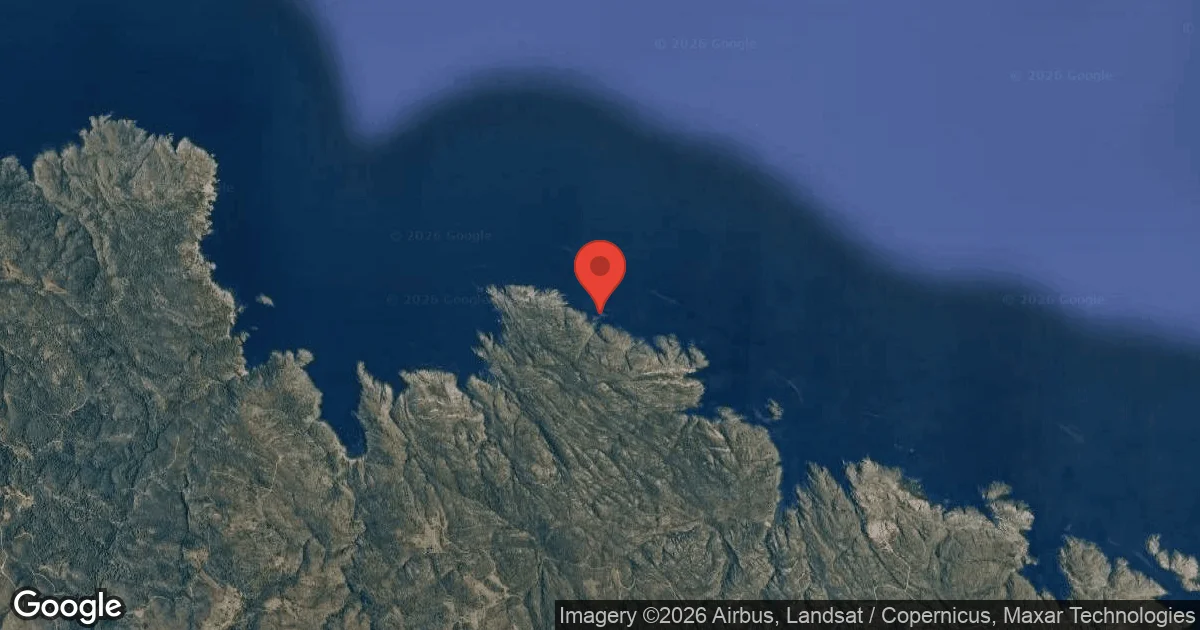
Dive Centers Near L'Astée
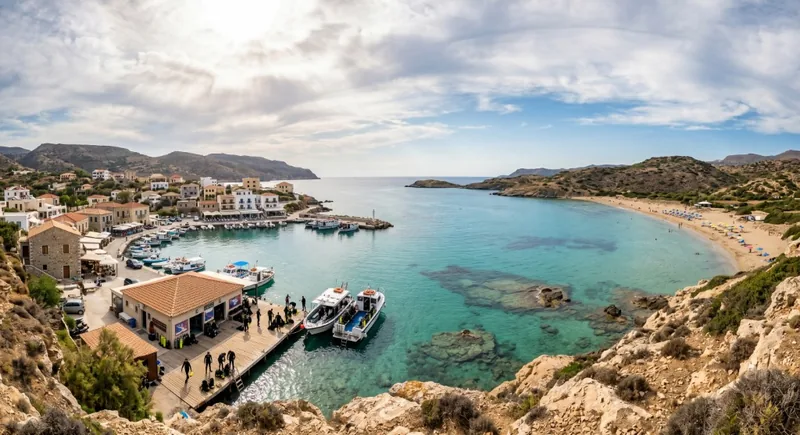
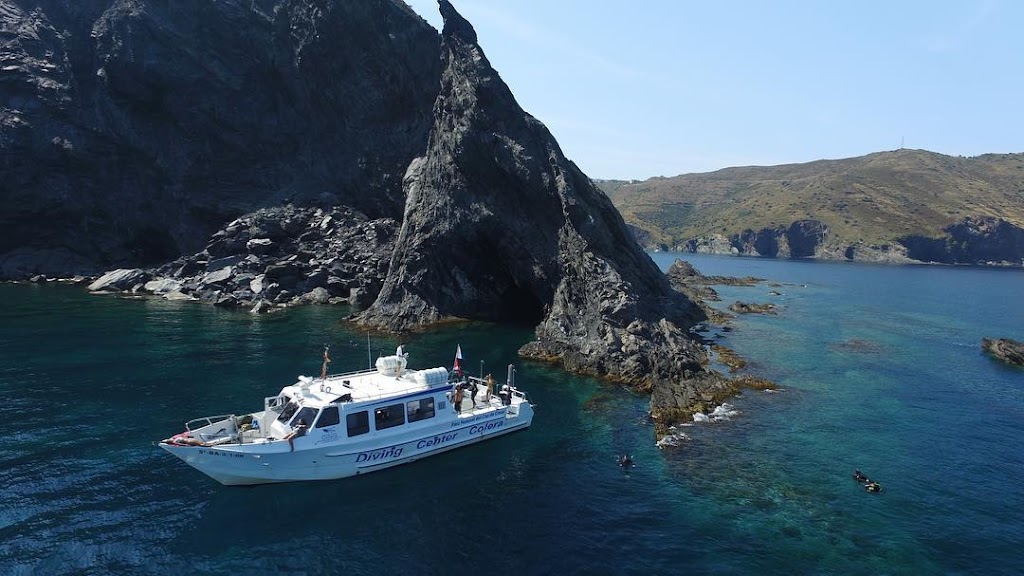
Nearest Airports
Nearest airports to help plan travel to this dive area.
Search Flights
Check available flights and routes on Expedia, using the nearby airports listed in this section.
Search Flights on ExpediaFrequently Asked Questions
What is the history of the L'Astée wreck?
L'Astée was originally a British coal ship named Bellbro, built in 1921. It was later requisitioned by the Germans during WWII, renamed Elena, and then L'Astée. It was torpedoed by a British submarine near Port-Vendres on May 1, 1944.
What is the maximum depth of the L'Astée wreck?
The wreck of L'Astée lies between 40 and 46 meters (131 and 151 ft) deep. Its depth classifies it as an advanced or 'Confirmé' level dive.
What kind of marine life can I expect to see at L'Astée?
Divers commonly encounter a variety of Mediterranean species including conger eels, lobsters, crayfish, wolves, sea breams, and schools of sardines and anchovies. Groupers, barracudas, and occasionally a sunfish can also be spotted around the wreck.
Which months are best for diving L'Astée for good visibility?
The period from May through October generally offers the best conditions for visibility due to lower wave heights and minimal rainfall. The air temperatures are also warmer during these months, making for a more comfortable experience.
Is this dive suitable for beginners?
No, L'Astée is classified as a 'Difficult level' dive, requiring 'Confirmé' or equivalent advanced certification. Its depth and the nature of wreck diving necessitate significant experience and specialized training.
Are there dive centers in the area that can facilitate dives to L'Astée?
Yes, several professional dive centers in Banyuls-sur-Mer, Cerbère, and Port-Vendres, such as Cap Cerbère, Plongée Bleue Banyuls, and Rederis Plongée, organize trips to L'Astée. They cater to advanced divers and can provide suitable equipment and guidance.
Planning to dive L'Astée?
Send one inquiry and receive offers directly from the best verified local dive operators.
Conditions are Good
Optimal conditions expected
Current conditions near L'Astée show 20° air, 23° sea temperature, 0.8 m waves, and 33 km/h wind. Forecast data is refreshed regularly to ensure accuracy.