
Diving at Rubis (France)
Resting at a significant depth, the Rubis submarine preserves a chapter of French naval history. This 66 m / 217 ft long vessel, originally launched in 1931, became a decorated veteran of WWII. Earning the nickname "Comrade of the Liberation" for its wartime service, the submarine's journey ended in 1958 when it was scuttled, now an extraordinary underwater monument for advanced divers.
As evening covers Rubis, the local air temperature is measured at 25.5°C. The current wave height at the surface is recorded at 0.6 m. These late-day readings characterize the surface conditions for the night.
Dive Site Location & Key Facts
Dive Site Overview
Exploring the Rubis presents a compelling deep wreck experience in the Mediterranean. The French Navy vessel, built in 1931, lies perfectly upright on a clear sandy bottom, its impressive length visible in good conditions.
Conning tower, periscopes, and deck gun remain largely in place, allowing divers to trace the vessel's storied past and appreciate its remarkable structural integrity. Intricate details of its military past are distinctly visible, a somber yet fascinating sight. Sheer scale and preservation create a captivating atmosphere.
Relative clarity of the surrounding sand contributes to excellent ambient light, enhancing the sense of discovery even at considerable depth. As an artificial reef, it now harbors a vibrant ecosystem.
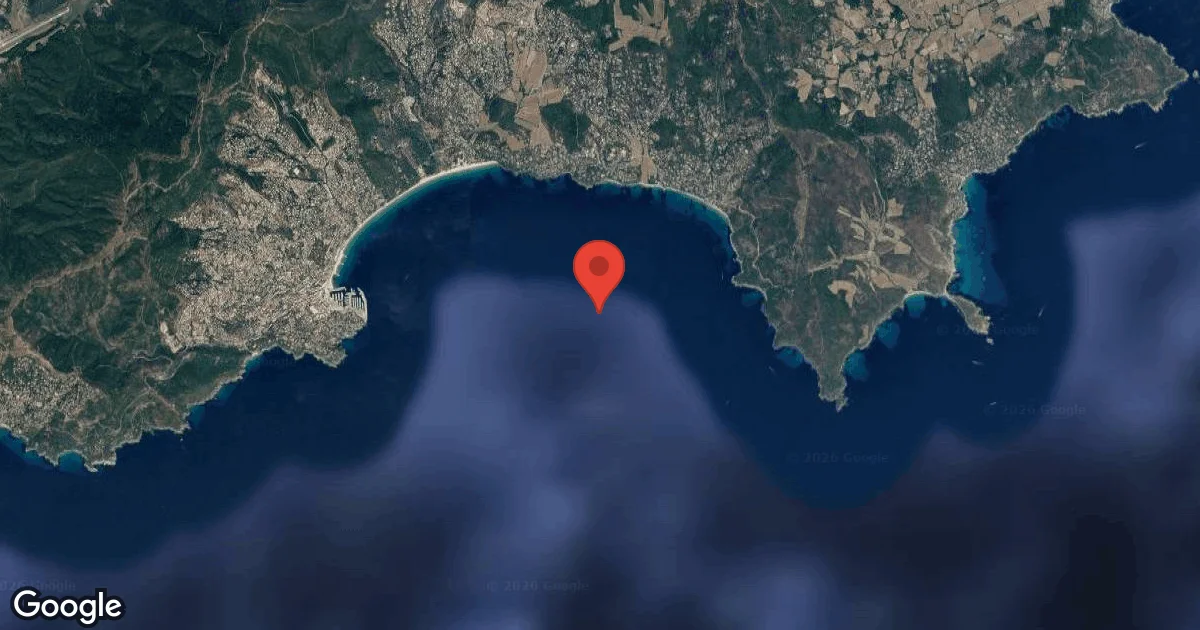
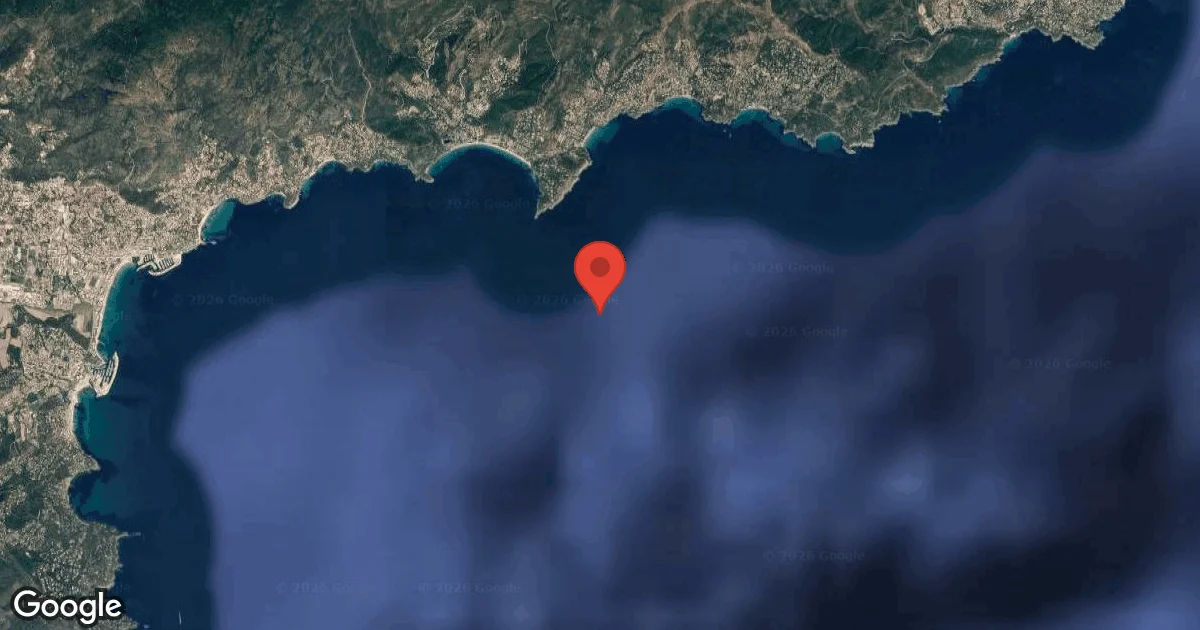
Access typically involves a boat trip from Cavalaire, Saint-Tropez, or Le Lavandou, setting the stage for a deep and rewarding exploration of a historical monument beneath the waves. A complete submarine, rather than broken sections, provides a distinct visual journey.
Conditions are Excellent
07:00 - 14:00
Optimal conditions expected
Current conditions near Rubis show 25° air, 26° sea temperature, 0.8 m waves, and 22 km/h wind. Forecast data is refreshed regularly to ensure accuracy.
Best Time to Dive
Planning your dive to the Rubis should align with the best conditions for a deep wreck exploration. Experience-wise, the period from May to October consistently provides good diving scores, with average air temperatures ranging comfortably from 18-26°C / 64-79°F. During these months, average wave heights are generally lower, typically below 0.8 meters, and rain is minimal, often less than 2 mm per month, which helps maintain visibility and comfort. Water temperatures during this prime season typically range from 16-24°C / 61-75°F, calling for appropriate exposure protection. Outside this window, particularly from November to March, conditions become more moderate, with higher average wave heights and increased rainfall. This makes diving more challenging and less predictable, impacting the overall experience.
PEAK SEASON SCORE
Scores combine air & water temps, waves, wind & rainfall for overall conditions.
BEST MONTHS TO DIVE
Monthly records compiled from satellite and marine observation nodes over the last 3 years. Data provided by Open-Meteo and MET Norway.
Dive Experience & Conditions
Diving the Rubis submarine requires advanced certification; the vessel rests at approximately 40 m / 130 ft, with many divers exploring around 35 m. Visibility is often exceptional, frequently extending 35-40 meters, allowing full appreciation of the submarine's imposing structure. A bright sandy seabed beneath the wreck further enhances light penetration even at depth. While usually clear, currents can sometimes be strong, necessitating careful dive planning and good buoyancy control to navigate around the vessel. Approaching the bow, then moving towards the conning tower, provides a comprehensive view of the entire vessel. The deep wreck presents a significant perspective on a preserved piece of history.
Dive Difficulty & Safety Guidelines
For a safe and enjoyable dive on the Rubis, advanced wreck diving experience and meticulous planning are crucial. Given the average depth and potential for strong currents, proper gas management, including contingency planning for decompression, is essential.
Always ensure your dive computer is set for appropriate deep diving limits. Staying updated on local weather forecasts and sea conditions prior to your trip is also important, as wave action and currents can dictate site accessibility.
Dive with a buddy or group, maintaining communication and awareness of each other throughout the dive. Respect the wreck's integrity; do not attempt penetrations unless specifically trained and equipped for such technical dives.
Recommended Equipment
Overhead / entanglement risk. Wreck penetration requires proper training.
- Dive Computer
- Primary & Backup Lights
- Wreck Reel
- Cutting Tool
This gear list is based on verified equipment signals for Rubis, France. Always confirm final gear choices with your dive operator, guide, or liveaboard.
Recommended Dive Suit
Divers visiting Rubis today can expect water conditions around 26°C (78°F). Surface air temperatures are resting at 25°C (78°F).
For the majority of recreational dives here, 3mm wetsuit should provide suitable protection. A hood or vest is suggested for sensitive divers due to surface winds.
Weather models currently point toward consistent diving conditions over the next several days.
Emergency & Medical Support
Essential information to help you plan your dive trip to Rubis.

Hyperbaric chambers are a critical part of dive safety infrastructure. Availability varies significantly by region, and not all dive areas have immediate access.
Before diving, it's recommended to:
- confirm nearest medical facilities
- check emergency procedures with local dive operators
- ensure dive insurance covers evacuation if required
Divers Alert Network
Diving emergency assistance available through DAN Europe.
+39 0642115685- 24/7 emergency hotline
- Diving medical assistance
- Evacuation coordination
Emergency contacts are provided for reference. Always verify local emergency services before diving.
Closest Listed Hyperbaric Chambers
Showing listed hyperbaric chamber facilities within 200 km of this dive site.
Distances are approximate straight-line distances and may not reflect emergency travel time.
Service de médecine Hyperbare et d'Expertise Plongée
24/7 ListedICU CapableToulon, France•Approx. 63 km straight-line
Service de médecine Hyperbare et d'Expertise Plongée
24/7 ListedICU CapableInformation is provided for reference and planning purposes only. Dive Navigator does not verify operational status, staffing, availability, or quality of care at listed facilities. In an emergency, contact local emergency services, DAN, your dive operator, or the chamber directly. Do not travel to a facility without calling ahead.
UTOH
24/7 ListedICU CapableNice, France•Approx. 77 km straight-line
UTOH
24/7 ListedICU CapableInformation is provided for reference and planning purposes only. Dive Navigator does not verify operational status, staffing, availability, or quality of care at listed facilities. In an emergency, contact local emergency services, DAN, your dive operator, or the chamber directly. Do not travel to a facility without calling ahead.
Service de médecine hyperbare (Clinique Clairval)
Marseille, France•Approx. 104 km straight-line
Service de médecine hyperbare (Clinique Clairval)
Information is provided for reference and planning purposes only. Dive Navigator does not verify operational status, staffing, availability, or quality of care at listed facilities. In an emergency, contact local emergency services, DAN, your dive operator, or the chamber directly. Do not travel to a facility without calling ahead.
Marine Life at Rubis
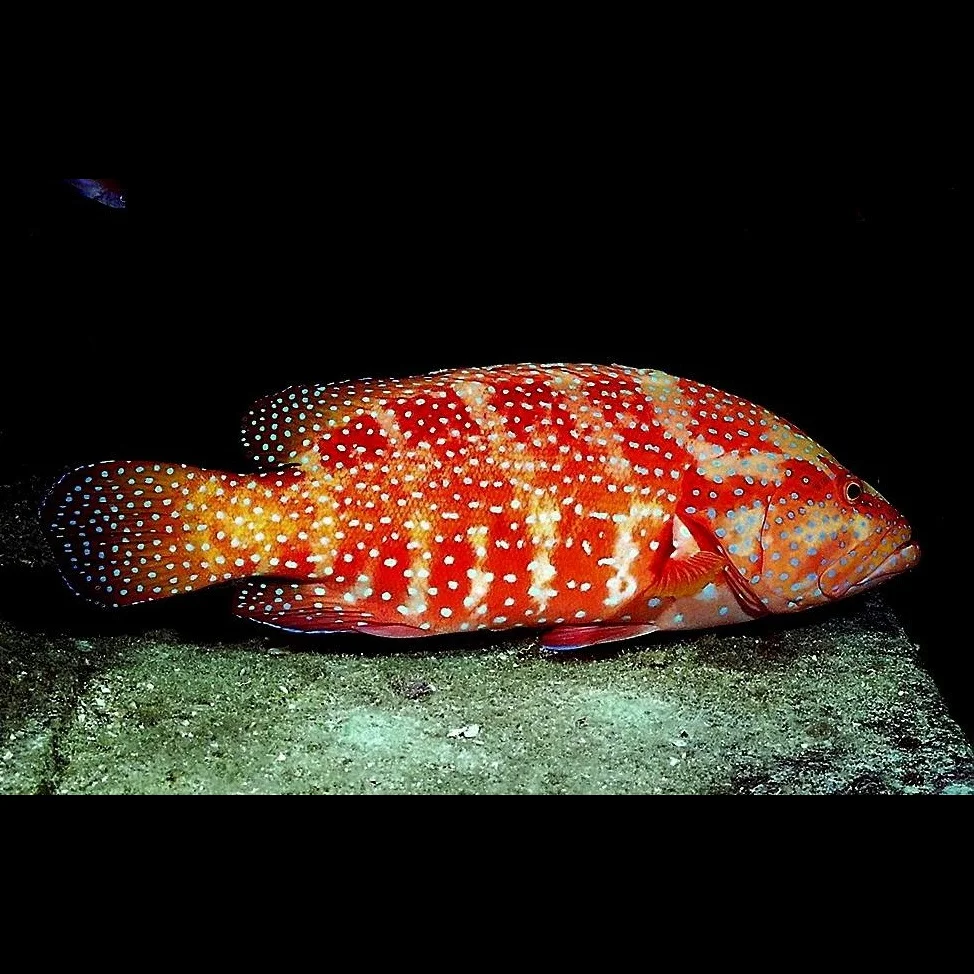
Rubis has transformed into a thriving artificial reef, attracting a diverse range of marine life. Around the wreck, you'll often encounter substantial groupers and dentex, which hunt in the structure.
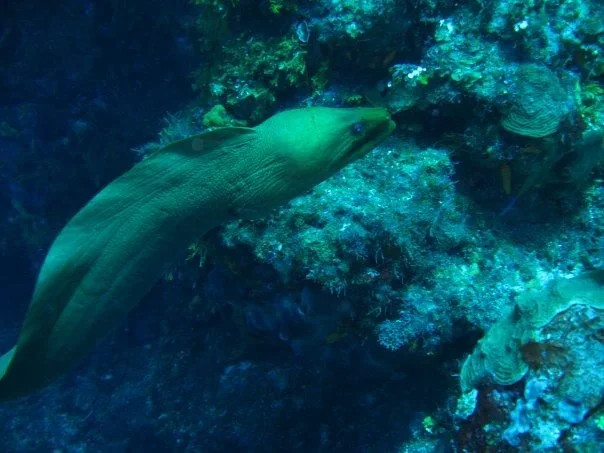
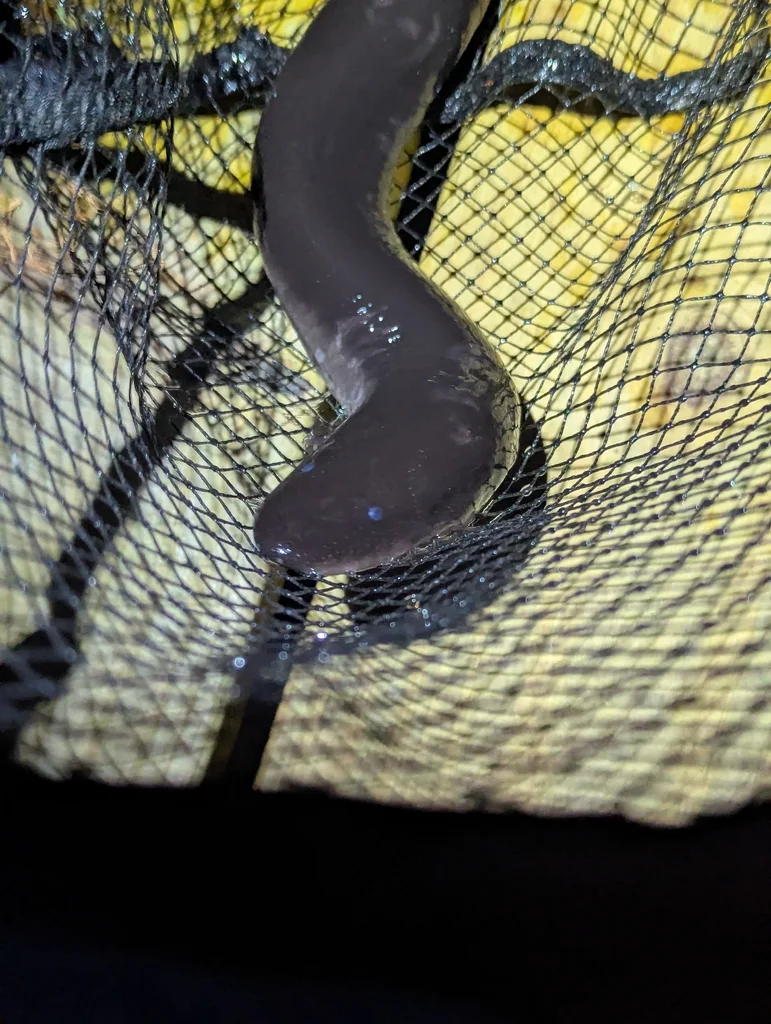
Inside the gaping hatches and crevices within the hull, large conger eels and moray eels have found refuge. Schools of vibrant anthias and wrasses flutter around the bow, especially near the chain cutter.
White sandy bottom surrounding the submarine also contributes to its ecosystem, making for an active dive.

Dive Sites Near Rubis
View all dive sites in FranceDiscover more underwater gems in this area.
Dive Centers Near Rubis
Today: 08:00 - 19:00
Nearest Airports
Nearest airports to help plan travel to this dive area.
Search Flights
Check available flights and routes on Expedia, using the nearby airports listed in this section.
Search Flights on ExpediaFrequently Asked Questions
What certification level is required for diving the Rubis?
Diving the Rubis demands an advanced open water certification or equivalent due to its maximum depth of 40 meters and potential for strong currents. Experience with deep diving and wreck environments is highly beneficial for this site.
What is the historical significance of the Rubis?
Rubis was a French Navy submarine launched in 1931, notable for its distinguished service in WWII where it earned the nickname "Comrade of the Liberation" for sinking 22 battleships. Scuttled in 1958, it now serves as an underwater historical monument.
How intact is the Rubis wreck?
The Rubis wreck is remarkably intact, lying perfectly upright on the seabed. Its conning tower, periscopes, and deck gun are still in place, making it an excellent example of a preserved submarine wreck.
What are the typical visibility and water temperatures?
Visibility at the site is generally excellent, often reaching 35-40 meters. Water temperatures during the best diving season (May-October) range from 16-24°C / 61-75°F.
What type of marine life inhabits the Rubis wreck?
The Rubis has become an active artificial reef, attracting diverse marine life. Divers frequently observe large groupers and dentex hunting around the structure. Conger eels and moray eels find shelter within the hull's openings, while schools of anthias and wrasses often gather near the bow.
Are currents a factor when diving the Rubis?
Currents can occasionally be strong at the Rubis, requiring careful dive planning and good buoyancy control. Monitoring local conditions before your dive helps manage this aspect, ensuring a smoother exploration of the wreck.
Planning to dive Rubis?
Send one inquiry and receive offers directly from the best verified local dive operators.
Conditions are Excellent
07:00 - 14:00
Optimal conditions expected
Current conditions near Rubis show 25° air, 26° sea temperature, 0.8 m waves, and 22 km/h wind. Forecast data is refreshed regularly to ensure accuracy.