
Diving at Avlaki (Greece)
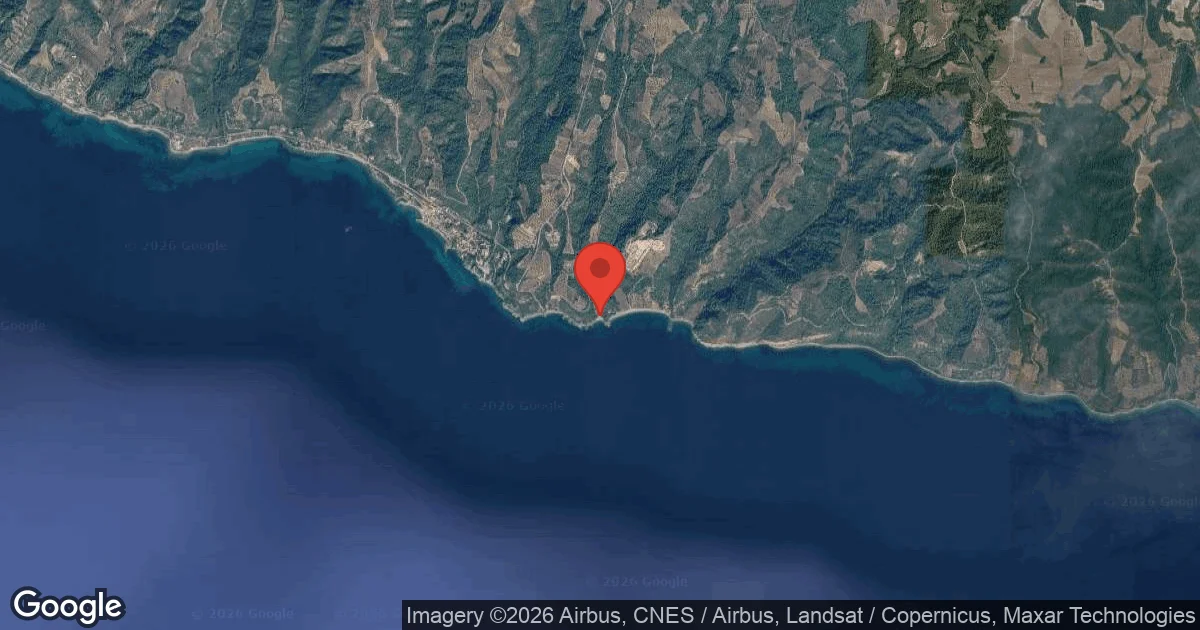
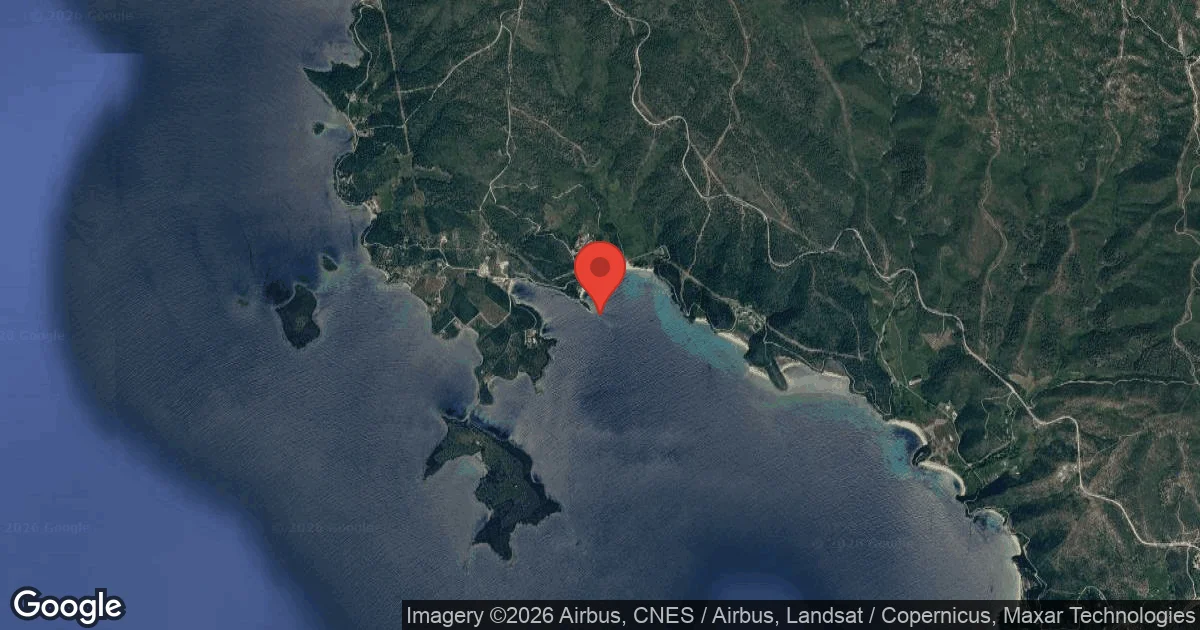
Descending into Avlaki, divers are greeted by a striking underwater landscape on the west side of the Kassandra peninsula. Its dramatic walls plunge gracefully to a sandy bottom, revealing numerous cracks and holes for exploration. Waters here are noted for excellent clarity, enhancing the visual journey through this ancient port's aquatic realm.
As evening covers Avlaki, the local air temperature is measured at 24.5°C. The current wave height at the surface is recorded at 0.1 m. These late-day readings characterize the surface conditions for the night.
Dive Site Location & Key Facts
Dive Site Overview
The Avlaki dive site distinguishes itself through a unique geological feature: a rock sloping massif that forms a natural 'furrow,' which is the meaning of 'Avlaki' in Greek. Divers can follow this formation as they descend, encountering stunning walls that gently slope to a sandy bottom at depths reaching 50 m (164 ft).
Along these expansive walls, divers will find numerous cracks and holes, providing excellent hiding spots and miniature ecosystems. Visibility at this site can extend to 30 m (100 ft), allowing for broad views of the underwater environment. This location supports a variety of marine life, including shoals of carangids, octopi, scorpionfish, and nudibranchs, with John Dories often concealed within seagrass beds. It's accessible via both boat and shore, catering to various dive preferences.
Conditions are Excellent
07:00 - 14:00
Optimal conditions expected
Current conditions near Avlaki show 25° air, 25° sea temperature, 0.1 m waves, and 14 km/h wind. Forecast data is refreshed regularly to ensure accuracy.
Best Time to Dive
Planning a dive at Avlaki involves considering the seasonal rhythms for optimal conditions. Diving is feasible year-round, with the high season typically running from April to October. During the warmer months of June and July, Avlaki experiences its 'Excellent' dive scores, benefiting from air temperatures averaging 25-29°C (77-84°F) and minimal rain, averaging only 0.27-0.84 mm. Water temperatures range from a low of 14°C (57°F) in winter to a comfortable high of 28°C (82°F) in summer. Wave heights are generally lower during these peak months, often around 0.3-0.4 m (1.0-1.3 ft), contributing to calmer surface conditions and a more enjoyable experience.
PEAK SEASON SCORE
Scores combine air & water temps, waves, wind & rainfall for overall conditions.
BEST MONTHS TO DIVE
Monthly records compiled from satellite and marine observation nodes over the last 3 years. Data provided by Open-Meteo and MET Norway.
Dive Experience & Conditions
Exploring Avlaki's underwater terrain reveals a dramatic series of impressive walls that slope gracefully towards a broad sandy expanse. While the maximum depth can reach 50 m (164 ft), many captivating features and diverse marine habitats are readily found within typical recreational dive limits. Along the extensive wall system, exploring the numerous cracks and holes offers a different tactile and visual dimension to the dive, often harboring smaller creatures. Visibility here consistently reaches 30 m, providing clear, unobstructed views of these expansive rock formations and their resident marine life. Divers should remain aware of a current typically approaching from the east; its intensity varies depending on local conditions and warrants careful navigation to conserve air and energy. This versatile site accommodates a wide range of skill levels, from novices enjoying shallower areas to advanced and technical divers exploring its deeper contours. Some dive operators suggest a minimum of 60 logged dives for Open Water certified individuals to fully appreciate the intricacies of the deeper sections.
Dive Difficulty & Safety Guidelines
Approaching Avlaki requires divers to honestly assess their skill level, as the site provides varied experiences suitable for both novice and more advanced or technical divers. Individuals exploring deeper sections, or aiming for the maximum depth of 50 m, might find the site presents additional challenges related to air consumption and decompression limits. All divers should remain mindful of the prevailing current, which typically flows from the east; maintaining strong situational awareness and precise buoyancy control will significantly help manage its effects and conserve energy throughout the dive.
Consulting with a local dive guide is always prudent, as they possess invaluable understanding of the site's specific characteristics, daily conditions, and potential points of interest or concern. Adhering to established responsible diving practices not only ensures personal safety but also contributes directly to the preservation of Avlaki's vibrant and delicate underwater environment for future exploration.
Recommended Equipment
Deep dive hazard. Increased narcosis and gas consumption risk.
- Dive Computer
- DSMB
- Primary & Backup Lights
- Hard-soled Dive Boots
This gear list is based on verified equipment signals for Avlaki, Greece. Always confirm final gear choices with your dive operator, guide, or liveaboard.
Recommended Dive Suit
Divers visiting Avlaki today can expect water conditions around 25°C (77°F). Surface air temperatures are resting at 25°C (76°F).
3mm wetsuit is generally considered suitable for water temperatures like this.
Conditions in the coming days are expected to stay within a similar temperature range.
Emergency & Medical Support
Essential information to help you plan your dive trip to Avlaki.

Hyperbaric chambers are a critical part of dive safety infrastructure. Availability varies significantly by region, and not all dive areas have immediate access.
Before diving, it's recommended to:
- confirm nearest medical facilities
- check emergency procedures with local dive operators
- ensure dive insurance covers evacuation if required
Divers Alert Network
Diving emergency assistance available through DAN Europe.
+39 0642115685- 24/7 emergency hotline
- Diving medical assistance
- Evacuation coordination
Emergency contacts are provided for reference. Always verify local emergency services before diving.
Closest Listed Hyperbaric Chambers
Showing listed hyperbaric chamber facilities within 200 km of this dive site.
Distances are approximate straight-line distances and may not reflect emergency travel time.
MYPI
24/7 ListedICU CapableThessaloniki, Greece•Approx. 94 km straight-line
MYPI
24/7 ListedICU CapableInformation is provided for reference and planning purposes only. Dive Navigator does not verify operational status, staffing, availability, or quality of care at listed facilities. In an emergency, contact local emergency services, DAN, your dive operator, or the chamber directly. Do not travel to a facility without calling ahead.
Marine Life at Avlaki
The underwater topography at Avlaki provides diverse habitats for a compelling array of marine life. Along the impressive walls and within their cracks, divers can spot octopi and scorpionfish camouflaged against the rock.
Groups of carangids are commonly observed schooling in the open water sections. Exploring the sandy bottom and its seagrass beds often reveals nudibranchs and the elusive John Dories.
While sightings are not guaranteed, there's a possibility of encountering larger pelagic species, with the passing of dolphins occasionally reported, adding a thrilling dimension to the dive experience.
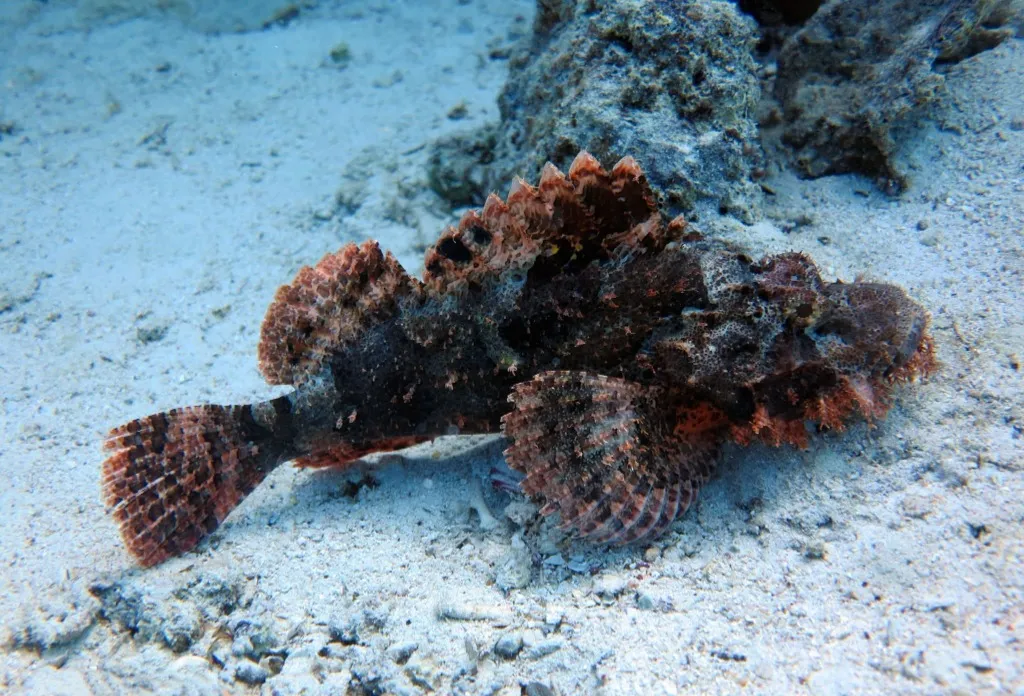
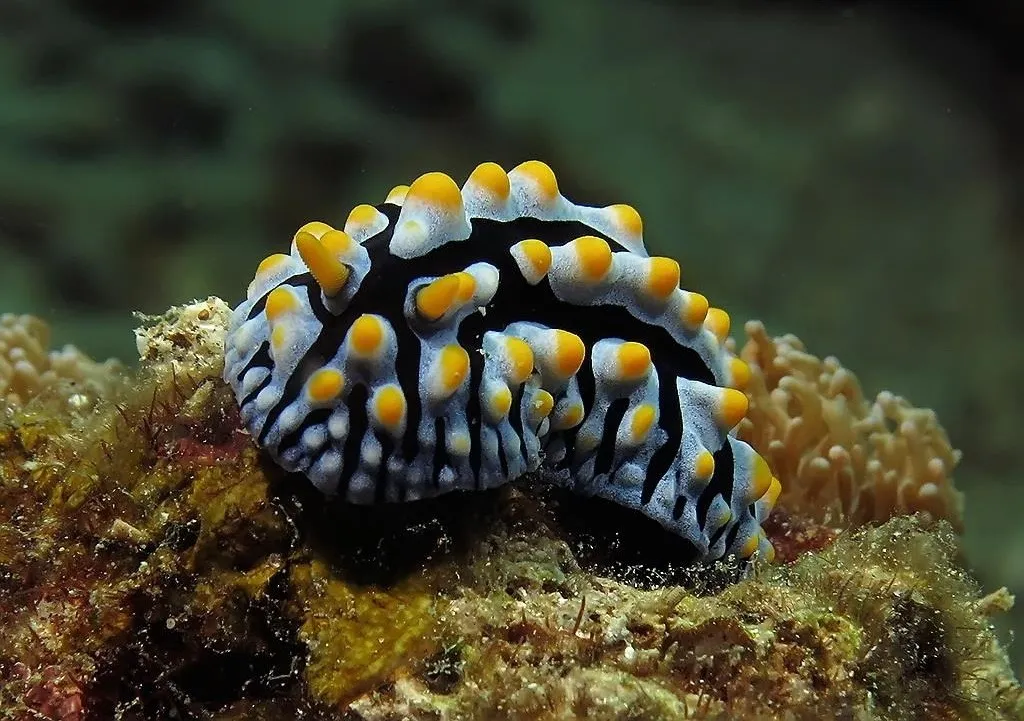
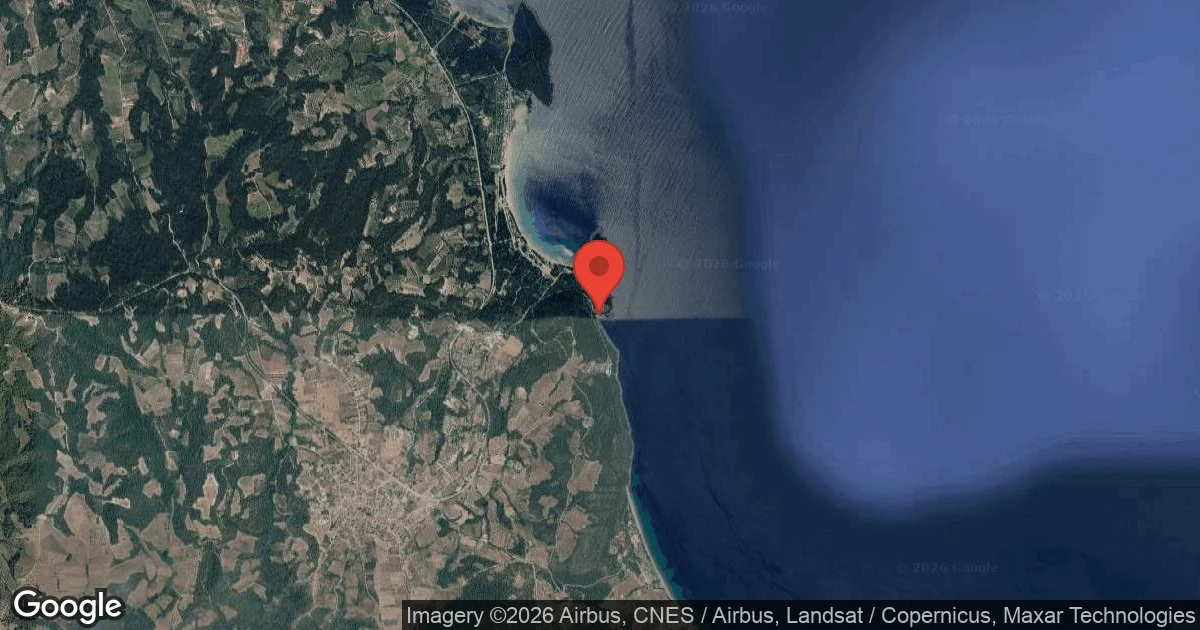
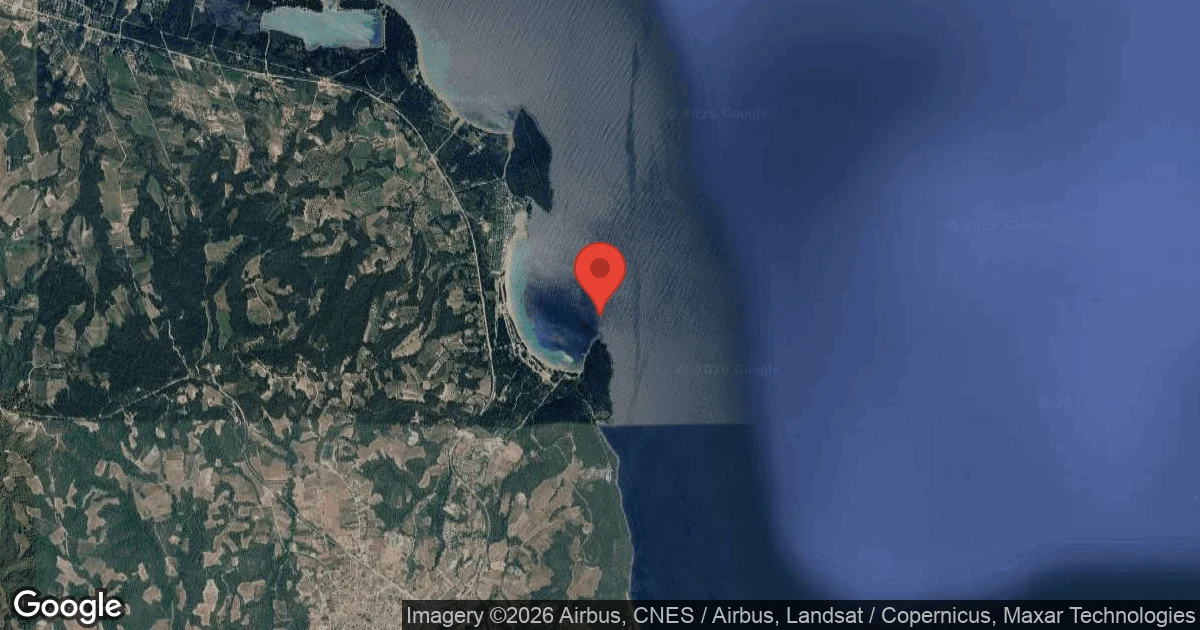
Dive Sites Near Avlaki
View all dive sites in GreeceDiscover more underwater gems in this area.
Dive Centers Near Avlaki
Today: 08:30 - 18:30
Nearest Airports
Nearest airports to help plan travel to this dive area.
Search Flights
Check available flights and routes on Expedia, using the nearby airports listed in this section.
Search Flights on ExpediaFrequently Asked Questions
What is the maximum diving depth at Avlaki?
The maximum diving depth at Avlaki can reach up to 50 m (164 ft), though significant features and marine life are present within shallower recreational limits. Divers should plan their descent according to their certification and experience.
What is the typical visibility like at Avlaki?
Visibility at Avlaki is generally excellent, often reaching up to 30 m. This clarity allows for expansive views of the underwater walls and sandy bottom, enhancing the overall dive experience.
Are there any currents at the Avlaki dive site?
Yes, divers should be aware of a current that typically comes from the east at Avlaki. Its strength can vary, so maintaining good buoyancy control and situational awareness is recommended during your dive.
What kind of marine life can I expect to see?
Avlaki supports a varied marine ecosystem. You can expect to see shoals of carangids, octopi, scorpionfish, and nudibranchs. John Dories are also often found hidden among the seagrass beds.
Is Avlaki suitable for beginner divers?
Avlaki can accommodate novice divers, especially in its shallower sections. However, some operators suggest a minimum of 60 dives for Open Water certified individuals to fully explore the site's deeper and more intricate areas.
When is the best time of year to dive at Avlaki?
The high diving season for Avlaki runs from April to October, with June and July offering 'Excellent' dive scores. During these months, water temperatures are warmer and conditions are generally calmer, making for a very pleasant dive.
Can I access the Avlaki dive site from shore?
Yes, Avlaki is accessible via both boat and shore entry. The specific entry point chosen may depend on the dive plan and the dive operator.
Planning to dive Avlaki?
Send one inquiry and receive offers directly from the best verified local dive operators.
Conditions are Excellent
07:00 - 14:00
Optimal conditions expected
Current conditions near Avlaki show 25° air, 25° sea temperature, 0.1 m waves, and 14 km/h wind. Forecast data is refreshed regularly to ensure accuracy.