
Diving at Car Wreck (Greece)
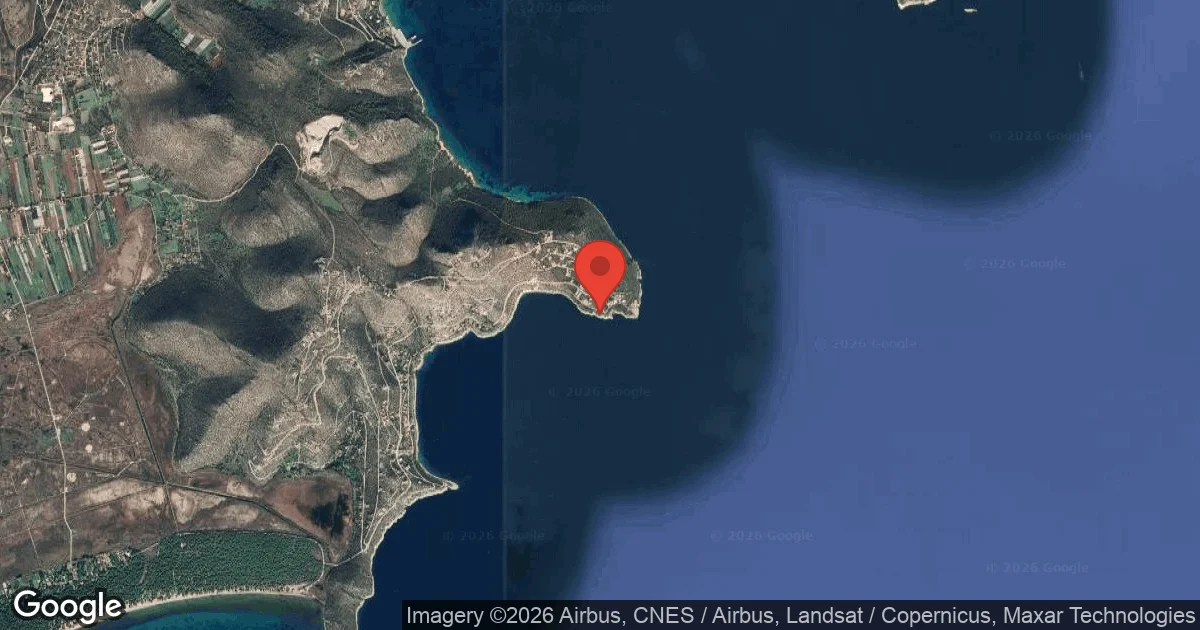
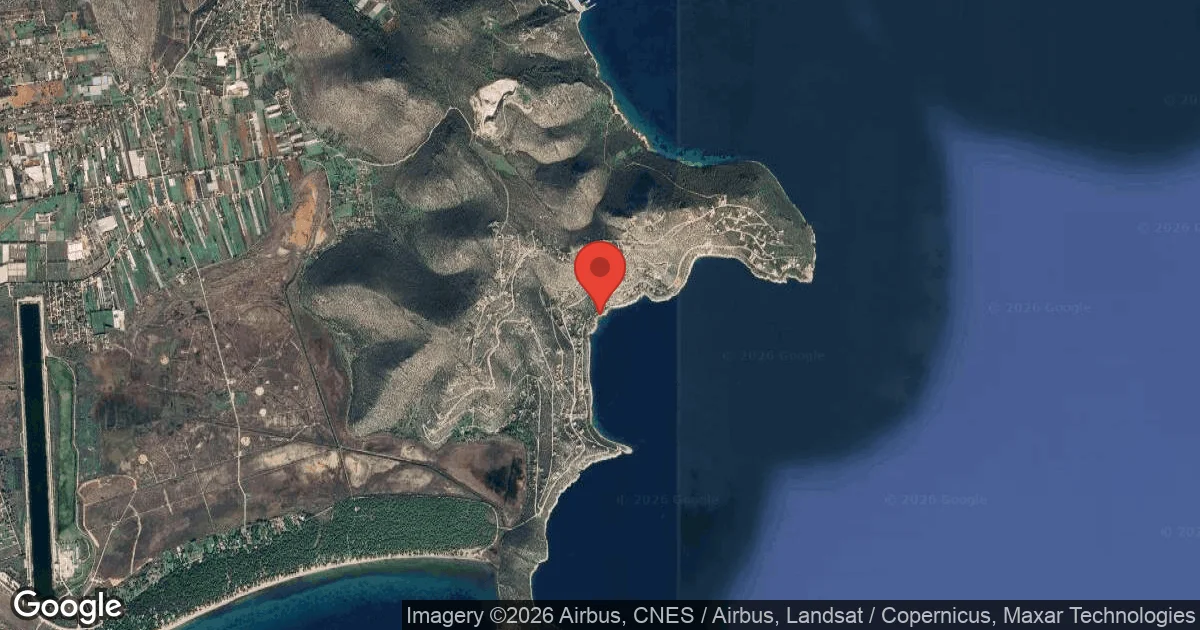
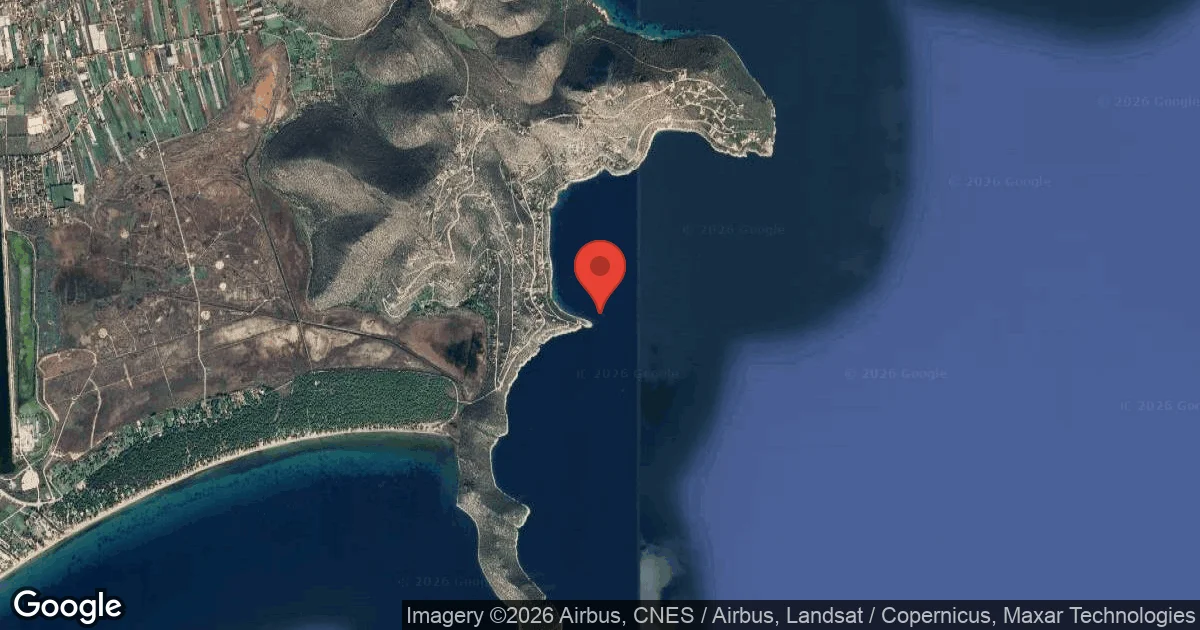
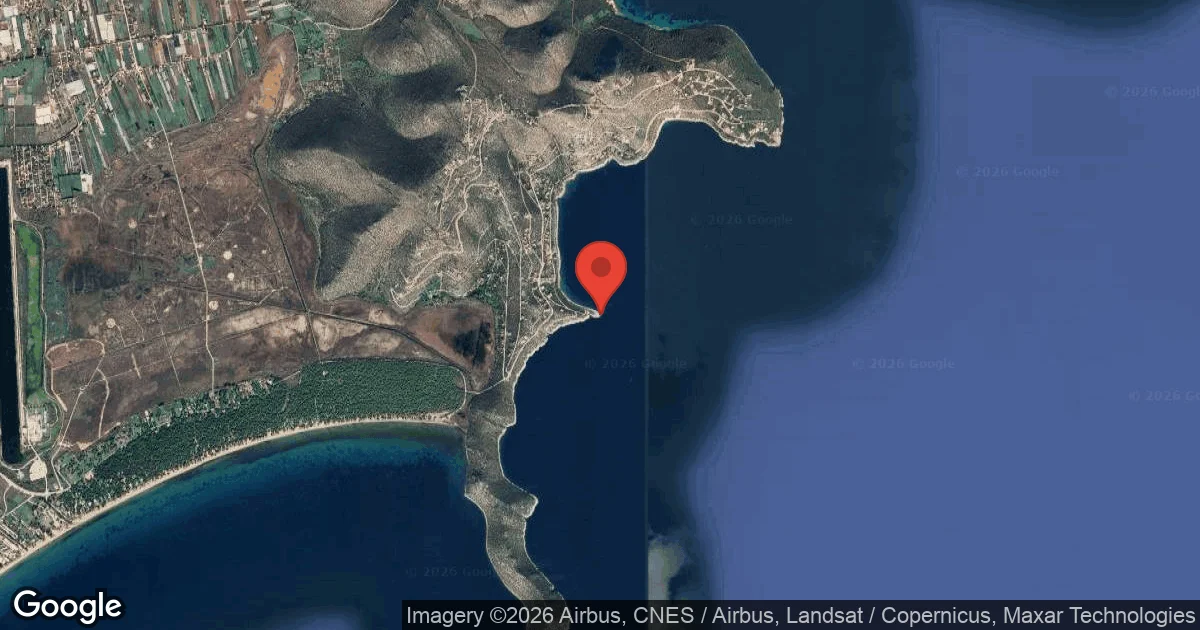
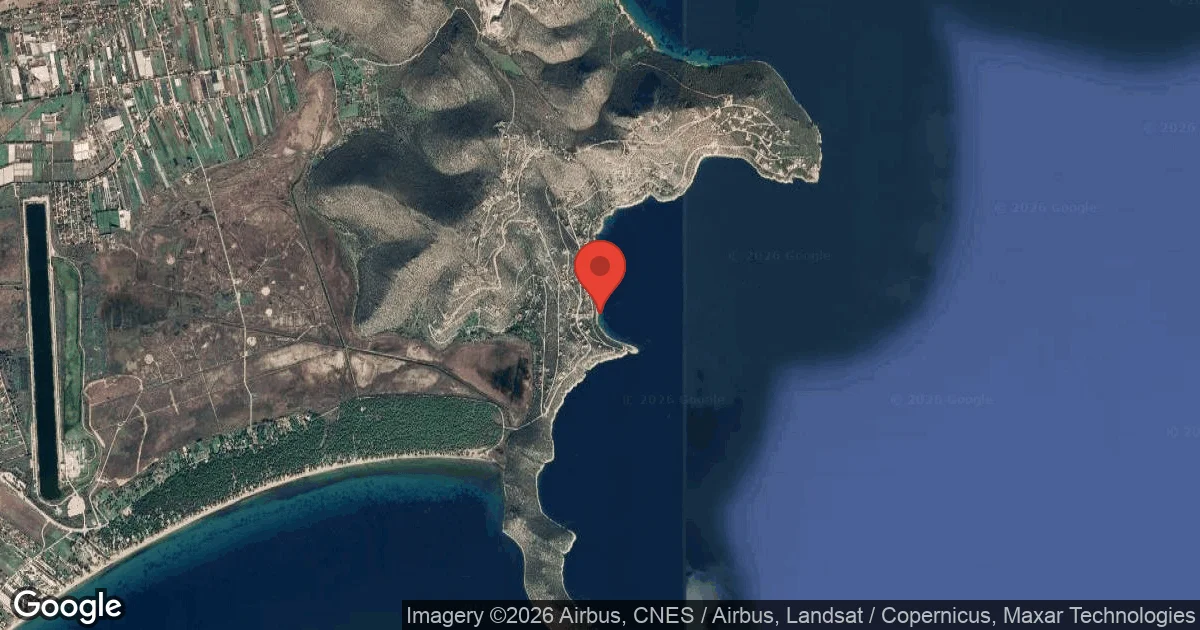
Found at the edge of Drakonera Cape, the Car Wreck dive site presents an accessible exploration of a submerged vehicle. Divers begin with a short rocky path before entering the sea, immediately encountering a rocky seabed. This site offers a distinct opportunity to observe the remains of a Jeep at recreational depths, providing an engaging experience different from natural reef dives.
Evening condition tracking at Car Wreck features an air temperature of 19.5°C. We have recorded wave heights measuring 0.5 m during this period. These figures outline the environmental parameters currently present.
Dive Site Location & Key Facts
Dive Site Overview
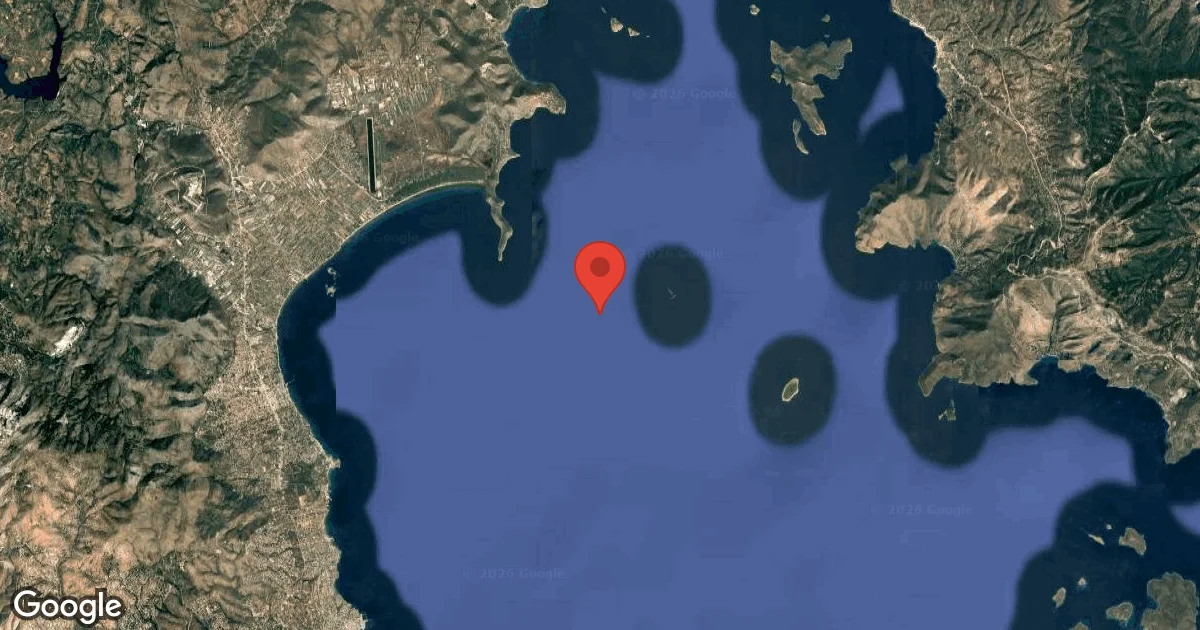
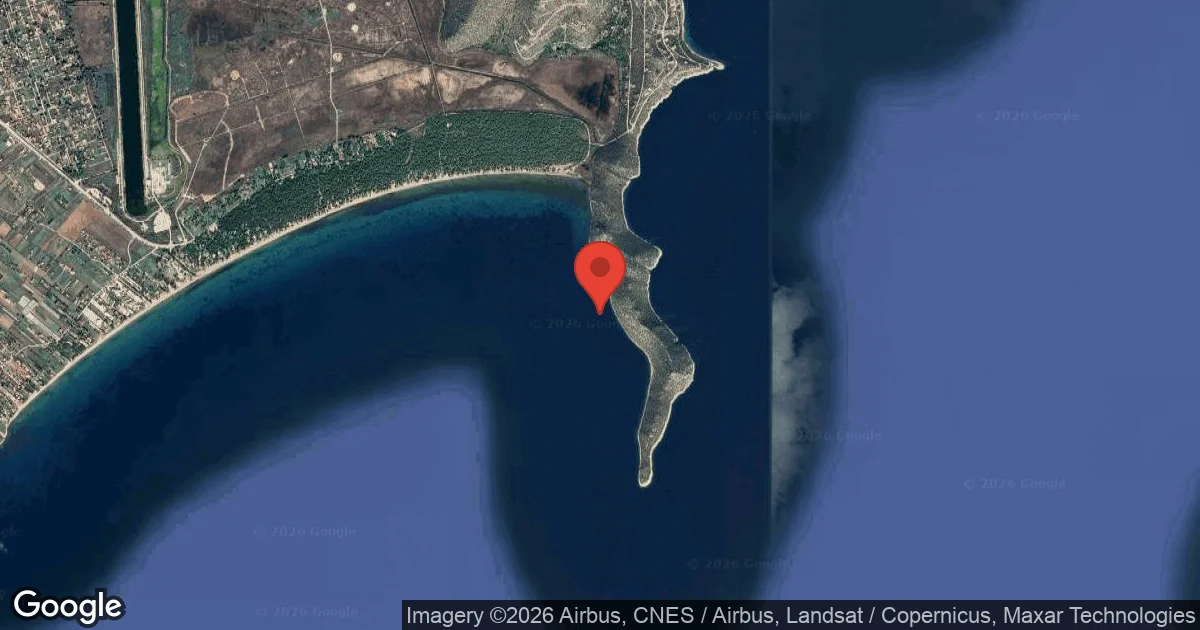
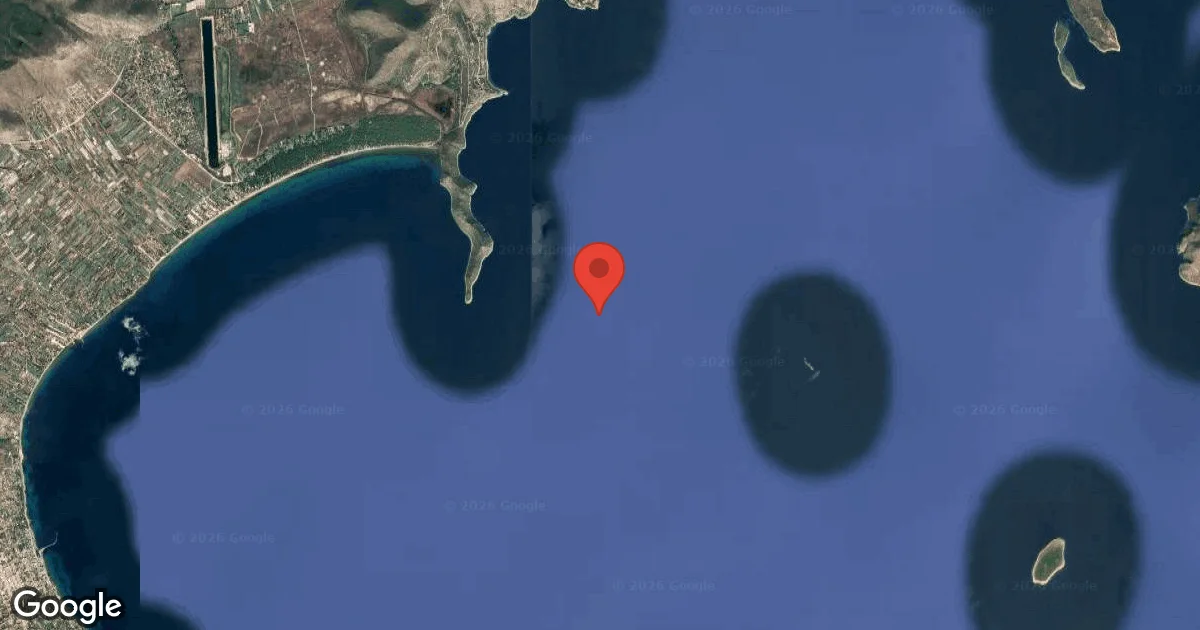
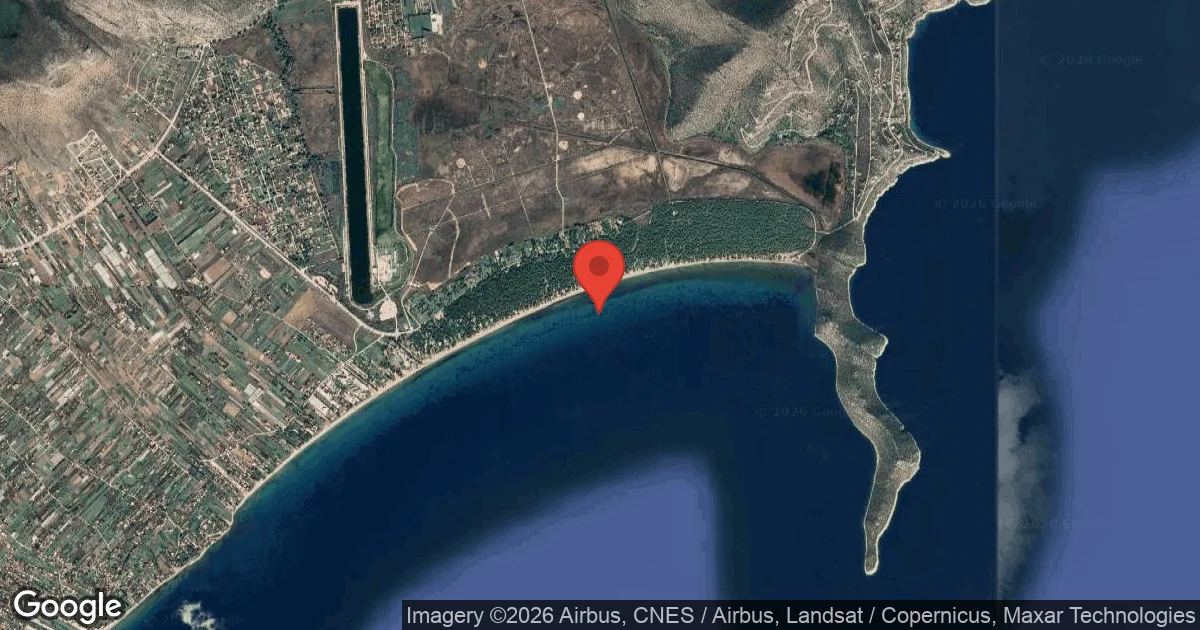
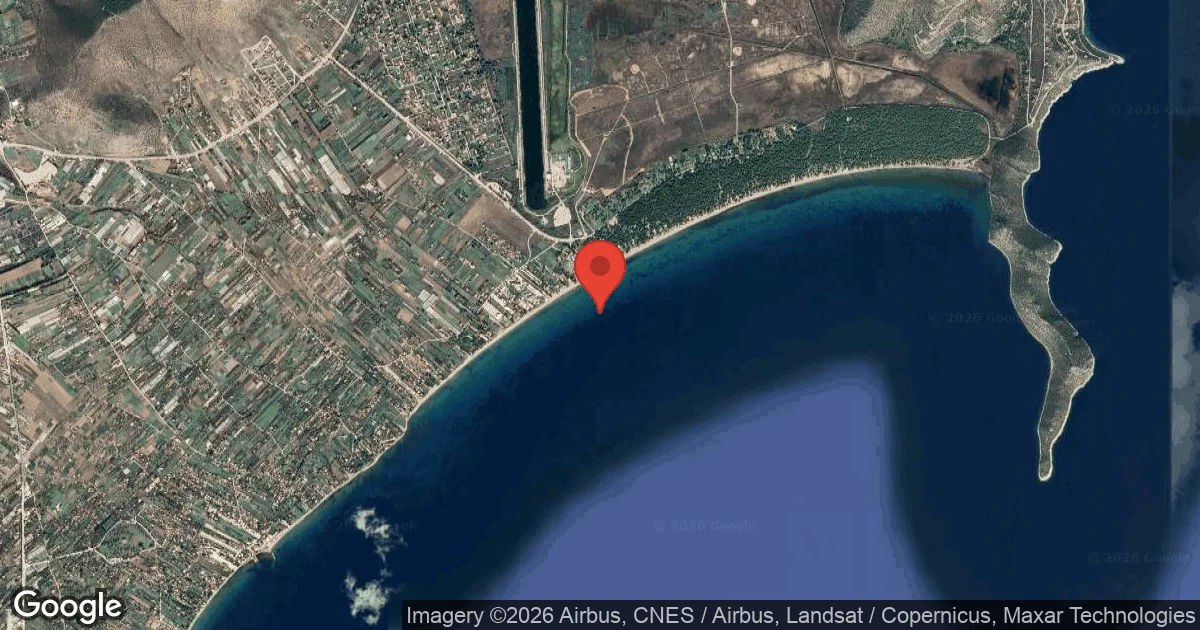
Exploring this particular Car Wreck near Nea Makri begins with understanding its setting at Drakonera Cape. Divers encounter the remnants of a Jeep, resting prominently on the ocean floor.
Descending into the blue, schools of fish often appear quickly, making the initial approach lively. A rocky seabed characterizes the site, gently sloping down and reaching a maximum depth of 30 m (100 ft). The wreck itself, a substantial focal point, is discovered at a shallower depth of 25 meters (82 ft), making it suitable for a range of certified divers.
While the precise historical context of the Jeep's sinking isn't consistently reported, its presence creates a compelling underwater landmark. This site provides an intriguing contrast to the natural rock formations and wall dives common in the Saronic Gulf area, offering a distinct underwater landscape for exploration.
Observing the artificial structure's integration into the marine environment adds another layer to the experience. Currents here are typically mild, which assists with navigating around the vehicle and appreciating its details, although conditions vary.
Conditions are Excellent
07:00 - 14:00
Optimal conditions expected
Current conditions near Car Wreck show 20° air, 25° sea temperature, 0.4 m waves, and 26 km/h wind. Forecast data is refreshed regularly to ensure accuracy.
Best Time to Dive
Planning your visit for the most comfortable and rewarding dive experience often aligns with the warmer months. From March through November, dive scores consistently rank as 'Excellent,' correlating with generally lower rainfall and reduced wave heights. Air temperatures during this period are quite pleasant, ranging from approximately 12.5°C (54°F) in March to a high of 29.5°C (85°F) in July. Outside of this prime window, January and February still rate as 'Good' for diving, though with cooler air temperatures averaging around 10.5°C (51°F) and slightly higher rain and wave activity. Choosing a time between late spring and early autumn typically offers the most favorable surface conditions for entry and exit, enhancing overall dive comfort.
PEAK SEASON SCORE
Scores combine air & water temps, waves, wind & rainfall for overall conditions.
BEST MONTHS TO DIVE
Monthly records compiled from satellite and marine observation nodes over the last 3 years. Data provided by Open-Meteo and MET Norway.
Dive Experience & Conditions
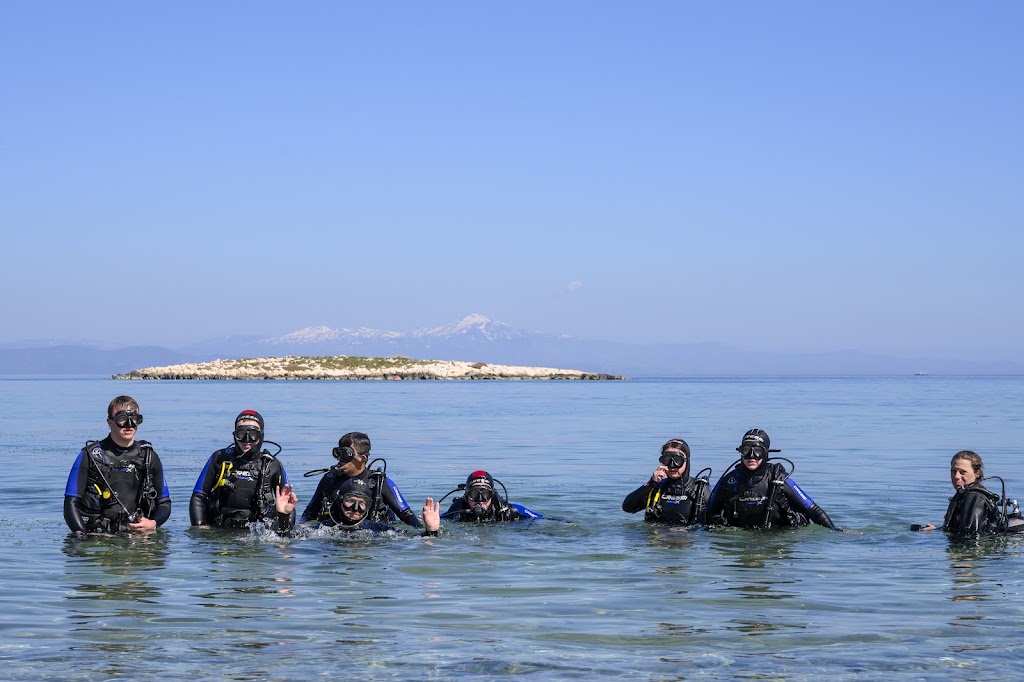
Beginning your exploration here, a brief walk along a rocky path precedes the shore entry. Upon entering the water, you'll immediately find yourself above a rocky seabed, which defines the initial underwater landscape. As you descend, visibility generally remains good, allowing for clear views of the surroundings. The seabed gradually stretches down to about 30 meters, with the main attraction, a Jeep wreck, found at a depth of 25 meters. This site is well-protected from northern winds, contributing to generally calm surface conditions. Currents are not consistently reported as strong, but like any coastal dive, conditions can vary depending on local weather patterns.
Dive Difficulty & Safety Guidelines
Approaching this shore dive requires careful attention to the rocky path leading to the entry point. Divers should prioritize stable footing and a controlled entry, especially when carrying gear. Once in the water, maintaining situational awareness of the rocky seabed is important to prevent accidental contact.
While the wreck itself is accessible, unnecessary penetration isn't advised without specialized training and equipment, focusing instead on external observation. Always dive within the limits of your certification and experience, and consider diving with a local guide who understands specific site nuances.
Regular monitoring of weather and sea conditions ensures a safe and enjoyable dive, as wind and wave patterns can influence comfort and visibility.
Recommended Equipment
Overhead / entanglement risk. Wreck penetration requires proper training.
- Dive Computer
- Primary & Backup Lights
- Wreck Reel
- Cutting Tool
This gear list is based on verified equipment signals for Car Wreck, Greece. Always confirm final gear choices with your dive operator, guide, or liveaboard.
Recommended Dive Suit
A warming trend is expected over the next few days. A warming trend is expected over the next few days.
Some divers prefer slightly warmer exposure protection simply for additional comfort. Stronger winds may also make surface intervals feel cooler than usual.
3mm wetsuit usually works well for maintaining comfort during standard dive profiles in these conditions. Consider warmer surface protection (like a boat coat) due to brisk winds. Surface intervals may feel cooler. The latest environmental readings for Car Wreck suggest water temperatures around 25°C (76°F). Surface air temperatures are resting at 20°C (67°F).
Due to technical issues with our weather providers, live updates are temporarily delayed. The data above reflects the conditions at the time of the last successful fetch.
Emergency & Medical Support
Essential information to help you plan your dive trip to Car wreck.

Hyperbaric chambers are a critical part of dive safety infrastructure. Availability varies significantly by region, and not all dive areas have immediate access.
Before diving, it's recommended to:
- confirm nearest medical facilities
- check emergency procedures with local dive operators
- ensure dive insurance covers evacuation if required
Divers Alert Network
Diving emergency assistance available through DAN Europe.
+39 0642115685- 24/7 emergency hotline
- Diving medical assistance
- Evacuation coordination
Emergency contacts are provided for reference. Always verify local emergency services before diving.
Closest Listed Hyperbaric Chambers
Showing listed hyperbaric chamber facilities within 200 km of this dive site.
Distances are approximate straight-line distances and may not reflect emergency travel time.
Information is provided for reference and planning purposes only. Dive Navigator does not verify operational status, staffing, availability, or quality of care at listed facilities. In an emergency, contact local emergency services, DAN, your dive operator, or the chamber directly. Do not travel to a facility without calling ahead.
MKYI/NNA (DHDM/ANH)
24/7 ListedICU CapableAthens, Greece•Approx. 35 km straight-line
MKYI/NNA (DHDM/ANH)
24/7 ListedICU CapableInformation is provided for reference and planning purposes only. Dive Navigator does not verify operational status, staffing, availability, or quality of care at listed facilities. In an emergency, contact local emergency services, DAN, your dive operator, or the chamber directly. Do not travel to a facility without calling ahead.
Information is provided for reference and planning purposes only. Dive Navigator does not verify operational status, staffing, availability, or quality of care at listed facilities. In an emergency, contact local emergency services, DAN, your dive operator, or the chamber directly. Do not travel to a facility without calling ahead.
Marine Life at Car Wreck
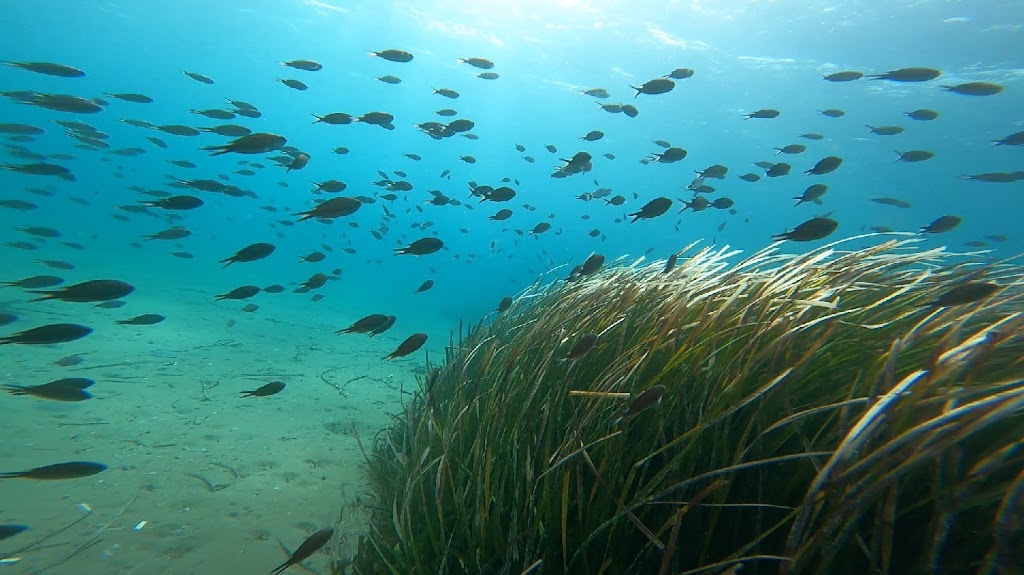
The Car Wreck provides a home for various marine inhabitants against a backdrop of rocky terrain. Descending to the wreck, divers are often greeted by active schools of fish moving around the submerged Jeep.
These fish utilize the wreck's structure for shelter and foraging, adding dynamic movement to the scene. The surrounding rocky seabed, which slopes towards deeper sections, also hosts a variety of smaller invertebrates and reef fish.
Observing how marine life adapts to and colonizes artificial structures like this Jeep can be a fascinating aspect of the dive, providing different photo opportunities than pure natural reef environments.
Dive Sites Near Car Wreck
View all dive sites in GreeceDiscover more underwater gems in this area.
Dive Centers Near Car Wreck
Today: 09:30 - 21:30
Nearest Airports
Nearest airports to help plan travel to this dive area.
Search Flights
Check available flights and routes on Expedia, using the nearby airports listed in this section.
Search Flights on ExpediaFrequently Asked Questions
What is the maximum depth at the Car Wreck site?
At this site, the rocky seabed extends down to 30 m (100 ft). Divers will find the Jeep wreck at a shallower depth of 25 meters (82 ft).
Is this dive site suitable for beginner divers?
With the wreck at 25 meters and a gradual rocky slope, certified Open Water divers with some experience in shore entries may find it manageable. However, it's always recommended to dive with a local guide, especially for less experienced divers.
What kind of entry does the dive site have?
The Car Wreck is a shore entry dive. Access involves following a short, rocky path down to the water's edge before entering the sea.
What marine life can I expect to see?
Divers often encounter schools of fish around the wreck. The surrounding rocky seabed also supports a variety of smaller marine species, typical of the Mediterranean environment.
Are there strong currents at this dive site?
This site is generally protected from northern winds, which can lead to calmer surface conditions. Strong currents are not consistently reported, but divers should always be prepared for varying local conditions.
Can the wreck be penetrated?
While parts of the wreck are accessible, penetration is generally not recommended without specialized training, equipment, and a thorough understanding of wreck diving safety protocols. The focus here is on external observation.
Planning to dive Car Wreck?
Send one inquiry and receive offers directly from the best verified local dive operators.
Conditions are Excellent
07:00 - 14:00
Optimal conditions expected
Current conditions near Car Wreck show 20° air, 25° sea temperature, 0.4 m waves, and 26 km/h wind. Forecast data is refreshed regularly to ensure accuracy.