
Diving at Small Reef (Greece)
Greece's Alonissos region features a compelling array of small reefs, presenting a varied underwater landscape for divers. These sites boast diverse geological formations, from dramatic walls adorned with vibrant gorgonians to shallower plateaus and intricate swim-throughs. The interplay of rock formations and marine growth creates visually engaging environments. Exploring these varied terrains offers a different perspective on the Mediterranean's unique underwater character.
Evening condition tracking at Small Reef features an air temperature of 26.5°C. We have recorded wave heights measuring 0.2 m during this period. These figures outline the environmental parameters currently present.
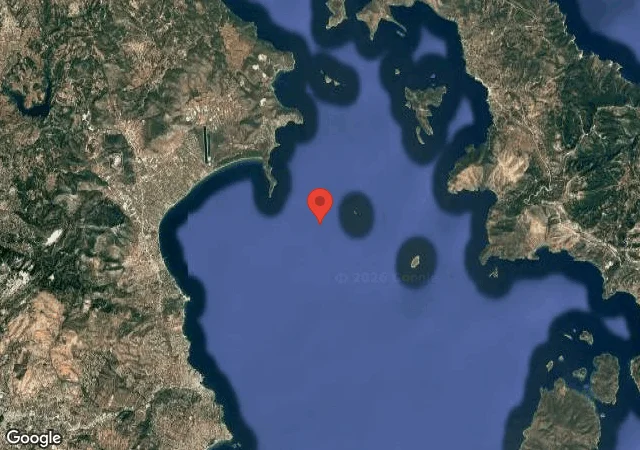
Dive Site Location & Key Facts
Dive Site Overview
Venturing into the waters surrounding Alonissos reveals a series of captivating dive experiences, each site offering distinct underwater character. The Gorgonian Garden, for instance, showcases extensive red and yellow gorgonian colonies carpeting deeper sections, creating a rich visual tapestry.
For divers seeking a dynamic experience, Agios Georgios South Reef provides challenging currents and intricate swim-throughs, demanding precise buoyancy control and efficient fin kicking. Recreational depths are common, such as the Mourtias Reef plateau at 10-15 m (33-49 ft), allowing for encounters with cuttlefish amidst Posidonia seagrass. Meanwhile, advanced divers can explore deeper profiles, with sites like Agios Georgios South Reef reaching a maximum depth of 41.4 m (135 ft 10 in), with reported bottom times of around 44 minutes.
The region's commitment to marine preservation contributes to the overall health and visual appeal of these diverse sites, from ancient amphorae remnants to the natural beauty of the Blue Cave.
Conditions are Good
Optimal conditions expected
Current conditions near Small Reef show 27° air, 25° sea temperature, 0.6 m waves, and 35 km/h wind. Forecast data is refreshed regularly to ensure accuracy.
Best Time to Dive
Optimal diving conditions in Greece for excellent visibility and pleasant weather generally span from March through November, aligning with the highest dive scores reported. During this period, air temperatures are comfortably warm, ranging from 13°C (55°F) in March to a peak of 30°C (86°F) in July, before gradually cooling to 16.5°C (62°F) by November. Wave heights are typically lower, averaging between 0.3 m (1.0 ft) and 0.5 m (1.6 ft), which helps maintain clearer water conditions. Rainfall is minimal during the summer months, with July and August experiencing as little as 0.15-0.24 mm. While specific monthly water temperature averages aren't consistently reported in our system data, external dive logs indicate surface temperatures can reach 26°C (79°F) in August, ensuring comfortable diving during peak season.
PEAK SEASON SCORE
Scores combine air & water temps, waves, wind & rainfall for overall conditions.
BEST MONTHS TO DIVE
Monthly records compiled from satellite and marine observation nodes over the last 3 years. Data provided by Open-Meteo and MET Norway.
Dive Experience & Conditions
Submerging into these Grecian waters offers a direct sensory immersion, characterized by varying thermal layers and underwater topography. Surface water temperatures are frequently recorded around 26°C (79°F) during warmer months. However, divers exploring deeper areas will encounter distinct thermoclines; temperatures can drop to 20°C (68°F) at 30 m (100 ft) and further to 18°C (64°F) at depths around 40 meters at sites like Agios Georgios South Reef. Current presence varies across sites, with some areas featuring noticeable flows that necessitate precise buoyancy and fin control, particularly around natural swim-throughs. The underwater landscape transitions from sunlit plateaus in the 10-15 meter range to more dramatic walls descending to the 20-30 meter band, as exemplified at Mourtias Reef. These deeper sections can extend beyond 40 meters, offering advanced divers extended bottom times of 40-50 minutes, depending on the specific site and dive plan.
Dive Difficulty & Safety Guidelines
Approaching the diverse dive sites in Greece, particularly those with dynamic features, requires diligent adherence to established safety protocols. Divers exploring sites with currents and swim-throughs, such as Agios Georgios South Reef, must possess proficient buoyancy control and efficient fin kicking techniques. These conditions can present a challenge, demanding attention to personal skill levels and conservative dive planning.
While no specific inherent hazards like dangerous marine life are consistently reported for the general area, depth variations and cooler temperatures in deeper sections necessitate appropriate thermal protection and careful gas management. Always dive within your certification limits and consider the guidance of local dive professionals, especially when navigating unfamiliar terrain or complex formations.
Recommended Equipment
- Dive Computer
This gear list is based on verified equipment signals for Small Reef, Greece. Always confirm final gear choices with your dive operator, guide, or liveaboard.
Recommended Dive Suit
Experienced divers often bring flexible gear options.
Environmental readings suggest that the waters surrounding Small Reef are about 25°C (77°F) at the moment. Surface air temperatures are resting at 27°C (80°F). Divers who spend longer periods underwater often choose 3mm wetsuit. A hood or vest is suggested for sensitive divers due to surface winds.
A warming trend is expected over the next few days. A warming trend is expected over the next few days.
Emergency & Medical Support
Essential information to help you plan your dive trip to Small reef.

Hyperbaric chambers are a critical part of dive safety infrastructure. Availability varies significantly by region, and not all dive areas have immediate access.
Before diving, it's recommended to:
- confirm nearest medical facilities
- check emergency procedures with local dive operators
- ensure dive insurance covers evacuation if required
Divers Alert Network
Diving emergency assistance available through DAN Europe.
+39 0642115685- 24/7 emergency hotline
- Diving medical assistance
- Evacuation coordination
Emergency contacts are provided for reference. Always verify local emergency services before diving.
Closest Listed Hyperbaric Chambers
Showing listed hyperbaric chamber facilities within 200 km of this dive site.
Distances are approximate straight-line distances and may not reflect emergency travel time.
Information is provided for reference and planning purposes only. Dive Navigator does not verify operational status, staffing, availability, or quality of care at listed facilities. In an emergency, contact local emergency services, DAN, your dive operator, or the chamber directly. Do not travel to a facility without calling ahead.
MKYI/NNA (DHDM/ANH)
24/7 ListedICU CapableAthens, Greece•Approx. 33 km straight-line
MKYI/NNA (DHDM/ANH)
24/7 ListedICU CapableInformation is provided for reference and planning purposes only. Dive Navigator does not verify operational status, staffing, availability, or quality of care at listed facilities. In an emergency, contact local emergency services, DAN, your dive operator, or the chamber directly. Do not travel to a facility without calling ahead.
Information is provided for reference and planning purposes only. Dive Navigator does not verify operational status, staffing, availability, or quality of care at listed facilities. In an emergency, contact local emergency services, DAN, your dive operator, or the chamber directly. Do not travel to a facility without calling ahead.
Marine Life at Small Reef
The underwater environment around these reefs is painted with varied marine life, adding vibrancy to the geological formations. Divers frequently observe abundant red and yellow gorgonians, which create colorful gardens on rock walls and deeper sections, notably at the Gorgonian Garden site.
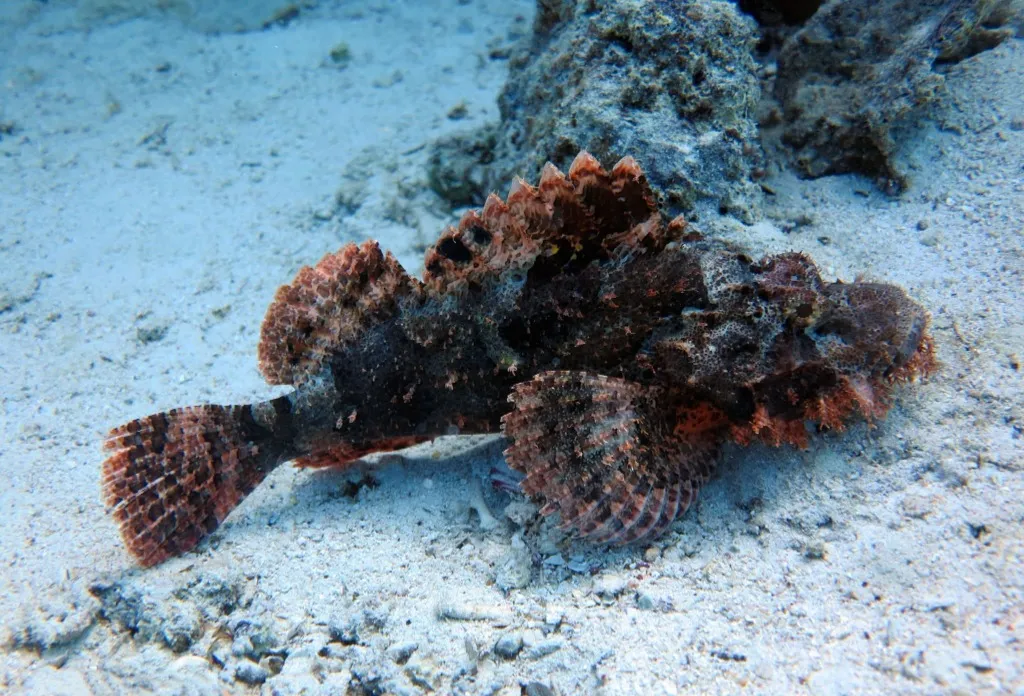
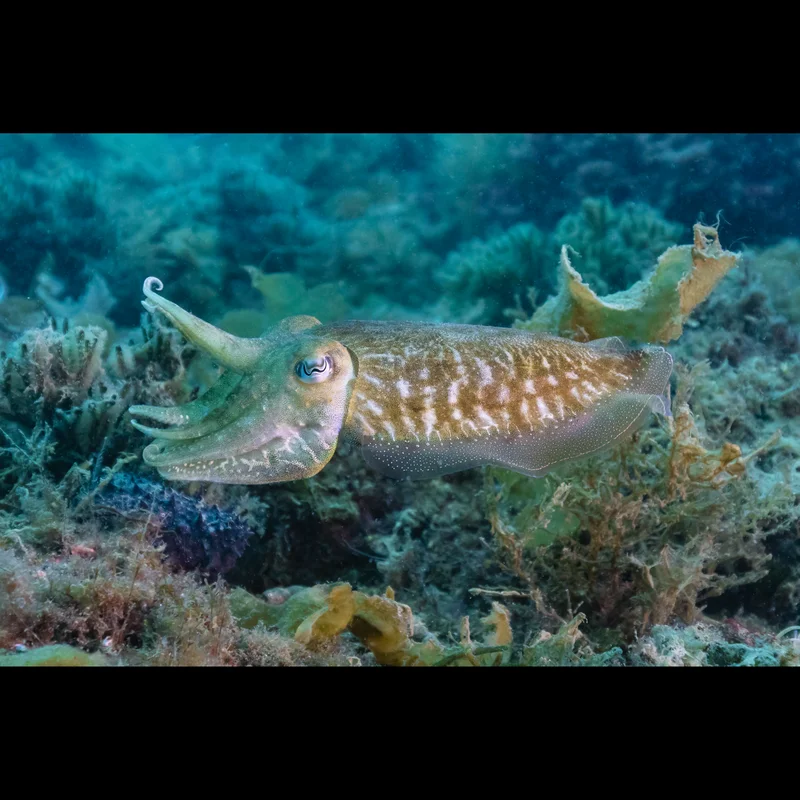
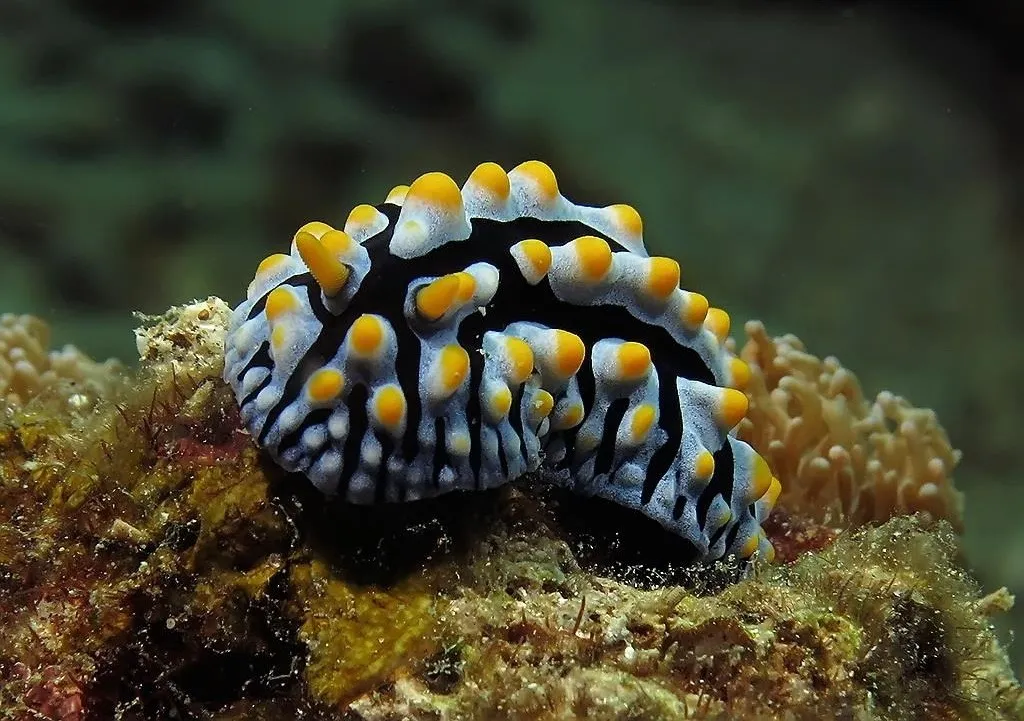
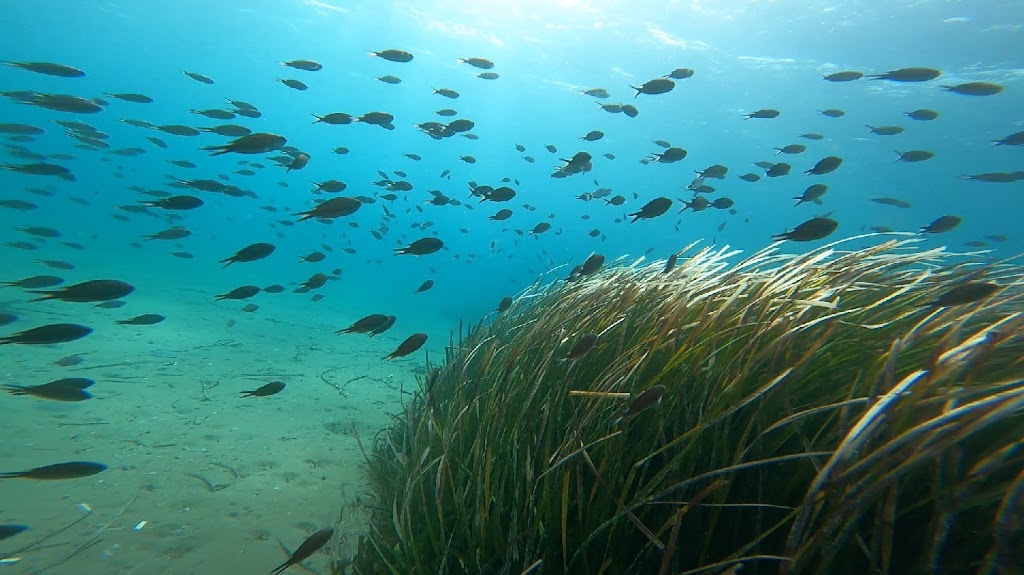
Shallower sandy bottoms interspersed with Posidonia seagrass patches often reveal cuttlefish, while intricate reef structures provide habitat for small nudibranchs, including species like Flabellina and Hervia. Observing scorpion fish blending into the rocky crevices or spotting long-striped blennies is also a common occurrence.
Large fan mussels are present, contributing to the rich biodiversity of these Mediterranean dive sites.

Dive Sites Near Small Reef
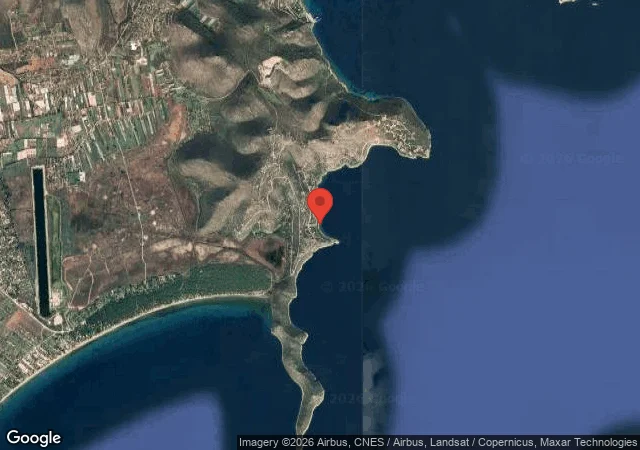
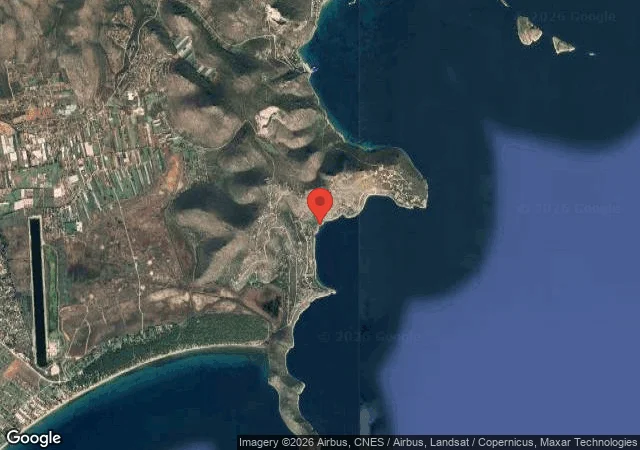
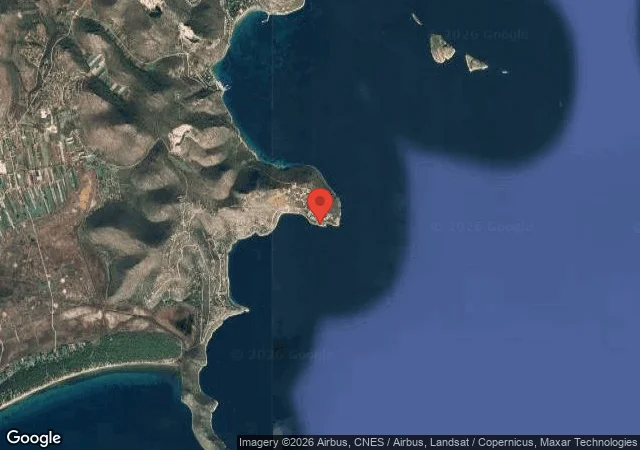
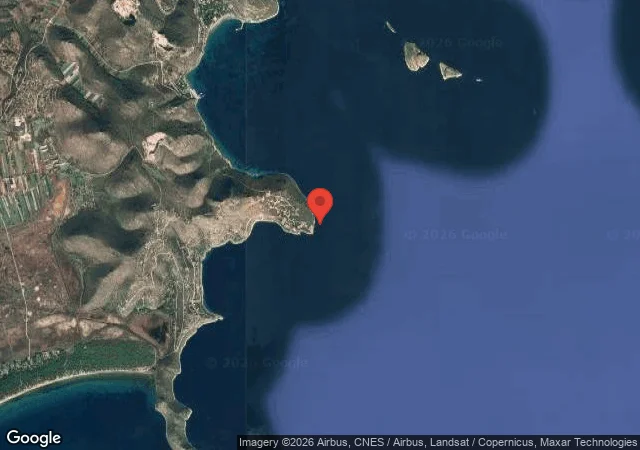
View all dive sites in GreeceDiscover more underwater gems in this area.
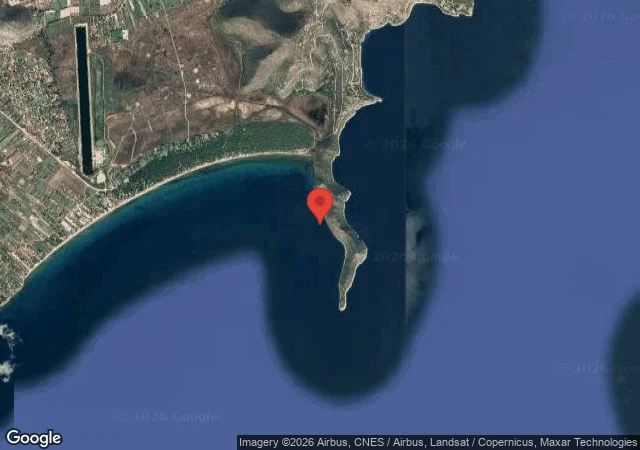
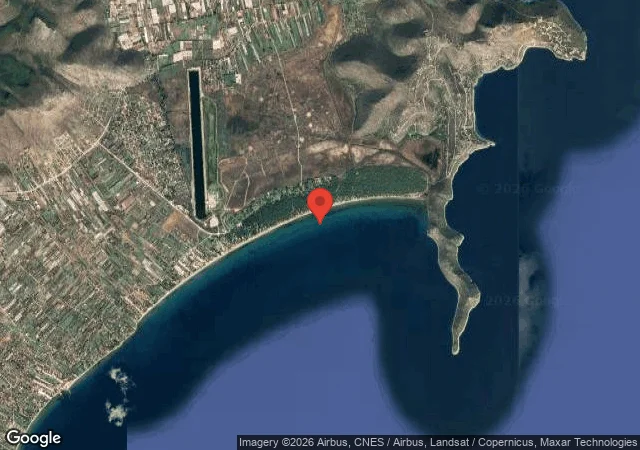
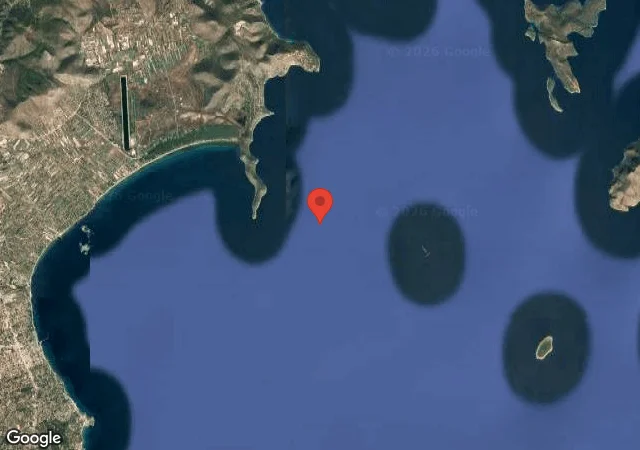
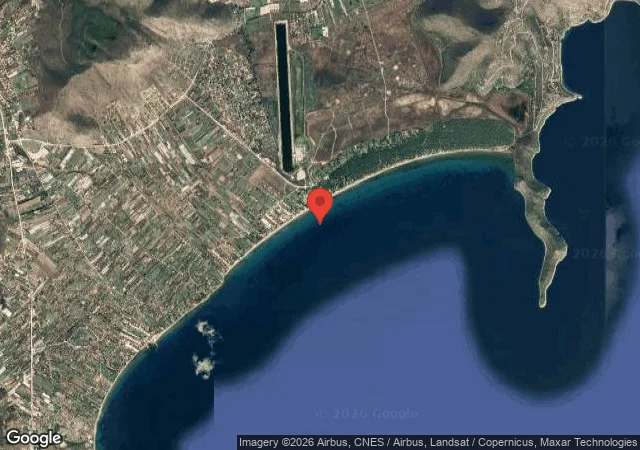
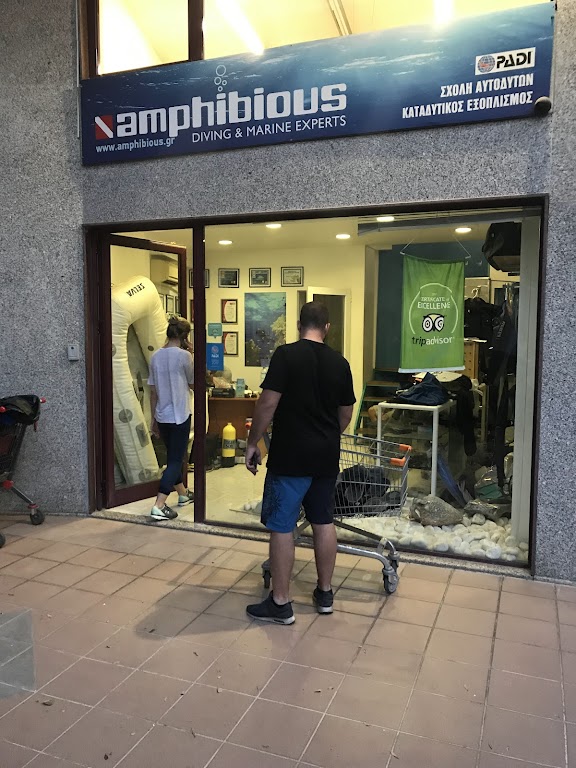
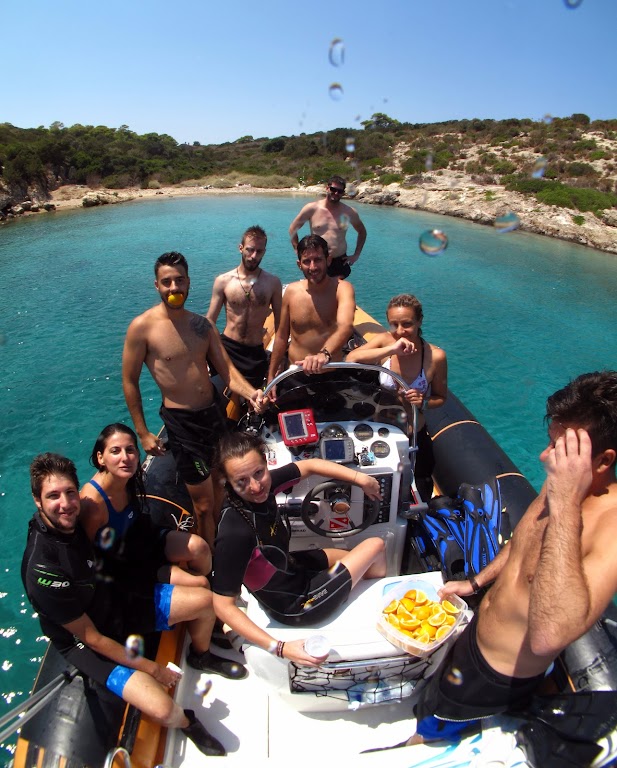
Dive Centers Near Small Reef
Today: 09:30 - 21:30
Nearest Airports
Nearest airports to help plan travel to this dive area.
Search Flights
Check available flights and routes on Expedia, using the nearby airports listed in this section.
Search Flights on ExpediaFrequently Asked Questions
What are the typical water temperatures for diving?
Surface water temperatures often reach 26°C (79°F) in summer. However, temperatures decrease with depth, dropping to around 20°C (68°F) at 30 m and 18°C (64°F) at 40 m at some sites, particularly in deeper zones.
What is the maximum depth available for divers?
Recreational diving depths can extend to approximately 41.4 m (135 ft 10 in) at certain sites like Agios Georgios South Reef. Other locations offer shallower profiles, such as the Peristera shipwreck around 16 m or Mourtias Reef's plateau in the 10-15 meter range.
Are there noticeable currents at these dive sites?
Currents vary by site; Agios Georgios South Reef is one area where divers might encounter noticeable flows. Proficient buoyancy control and efficient fin kicking skills are beneficial for managing these conditions.
What kind of marine life can I expect to see?
Divers can expect to encounter vibrant red and yellow gorgonians, cuttlefish in seagrass beds, and various nudibranch species like Flabellina and Hervia. Scorpion fish, long-striped blennies, and fan mussels are also commonly observed.
What specific underwater features define these reefs?
These reefs feature a blend of underwater landscapes, including dramatic walls, shallower plateaus, sandy bottoms with seagrass, and intriguing swim-throughs. The Gorgonian Garden is particularly known for its extensive coral formations.
Is diving here suitable for beginners?
Many sites offer shallower sections suitable for less experienced divers, such as the Mourtias Reef plateau. However, some locations with currents or deeper profiles are more appropriate for certified advanced divers.
Planning to dive Small Reef?
Send one inquiry and receive offers directly from the best verified local dive operators.
Conditions are Good
Optimal conditions expected
Current conditions near Small Reef show 27° air, 25° sea temperature, 0.6 m waves, and 35 km/h wind. Forecast data is refreshed regularly to ensure accuracy.