
Diving at Small Cave (Greece)
This small cave dive in Greece invites exploration of a distinctive underwater landscape. Featuring easy water access, it's a rocky environment plunging into deeper waters. A highlight is the small, safe cave itself, which leads to a hidden chamber within the rock formations. This site provides a relaxing experience as divers navigate its unique geological structure, combining open water with overhead elements.
Evening condition tracking at Small Cave features an air temperature of 26°C. We have recorded wave heights measuring 0.1 m during this period. These figures outline the environmental parameters currently present.
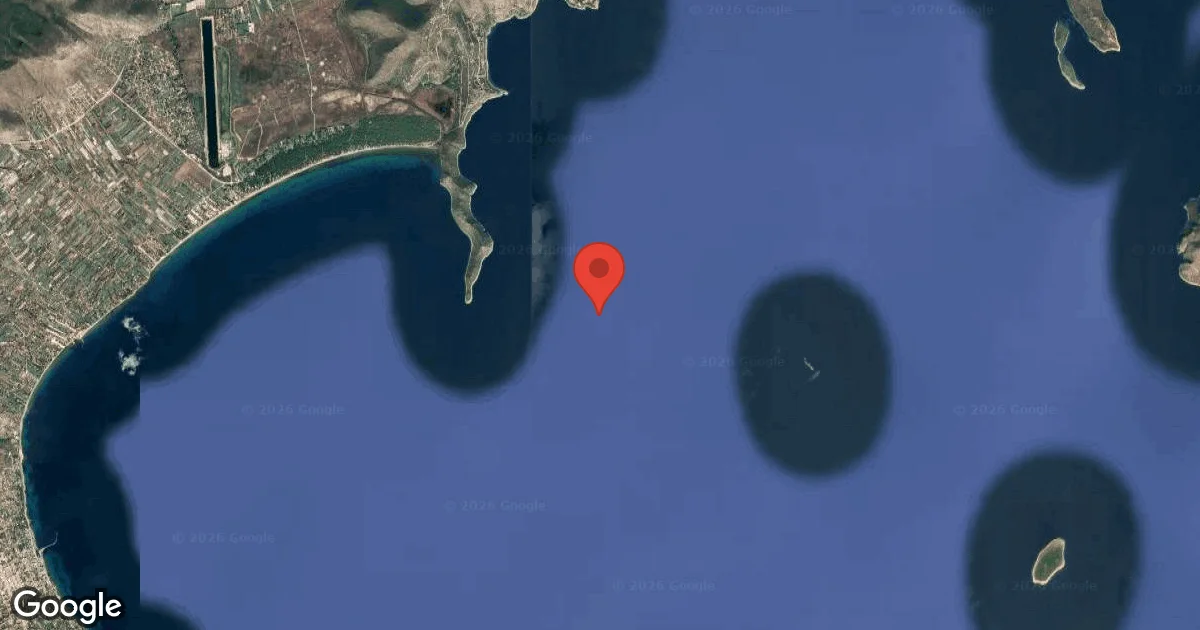
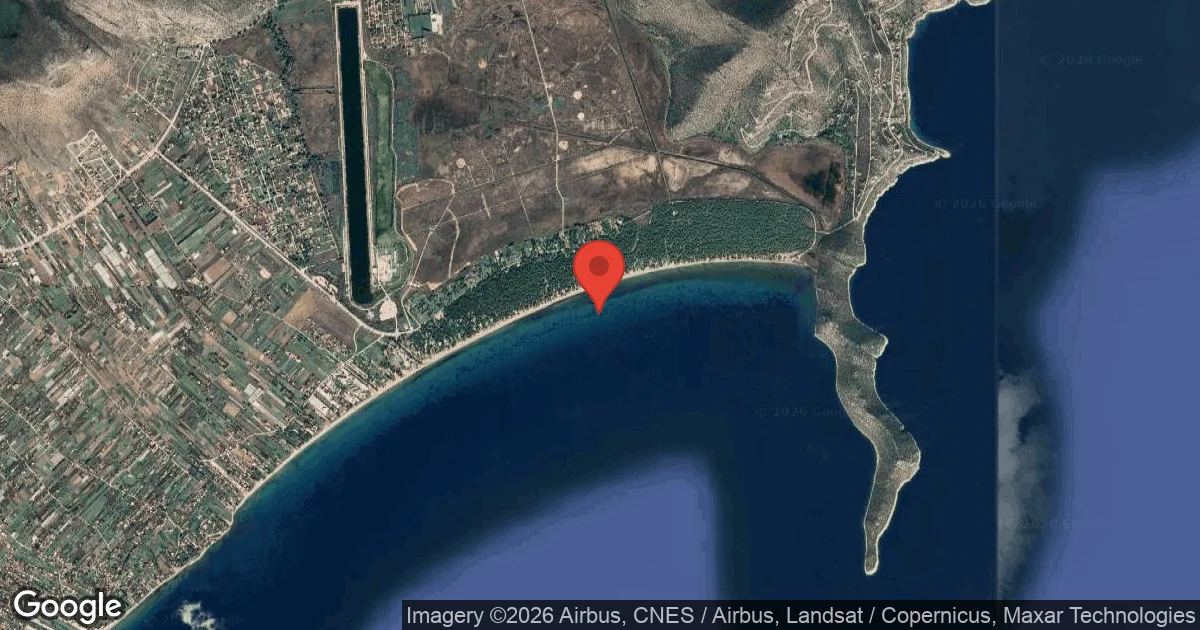
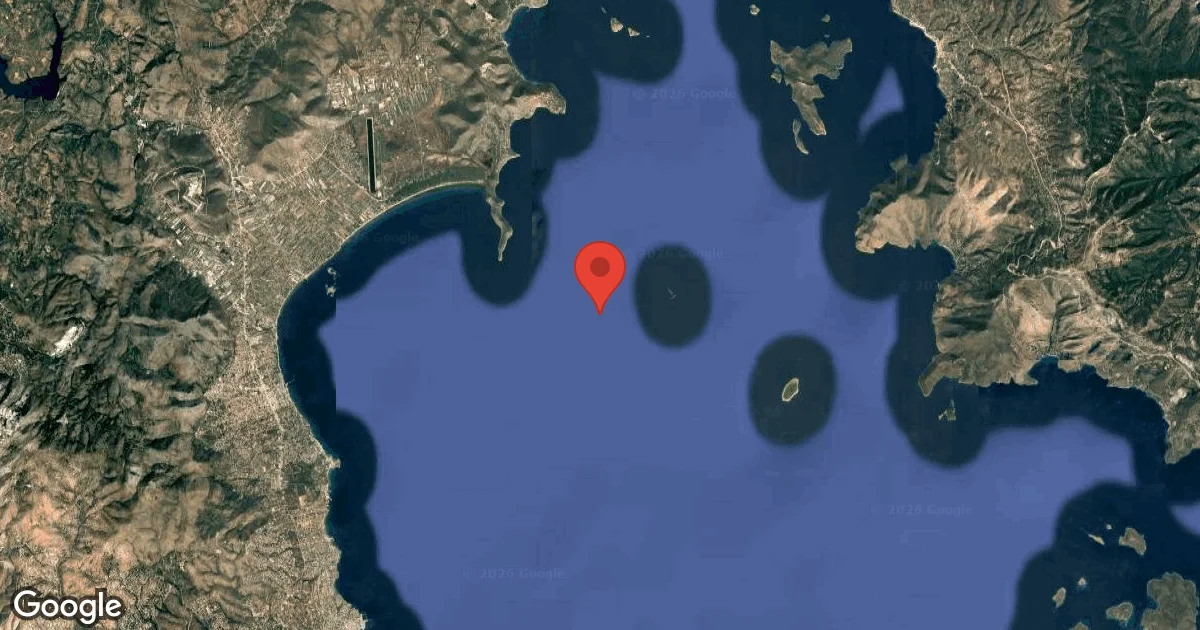
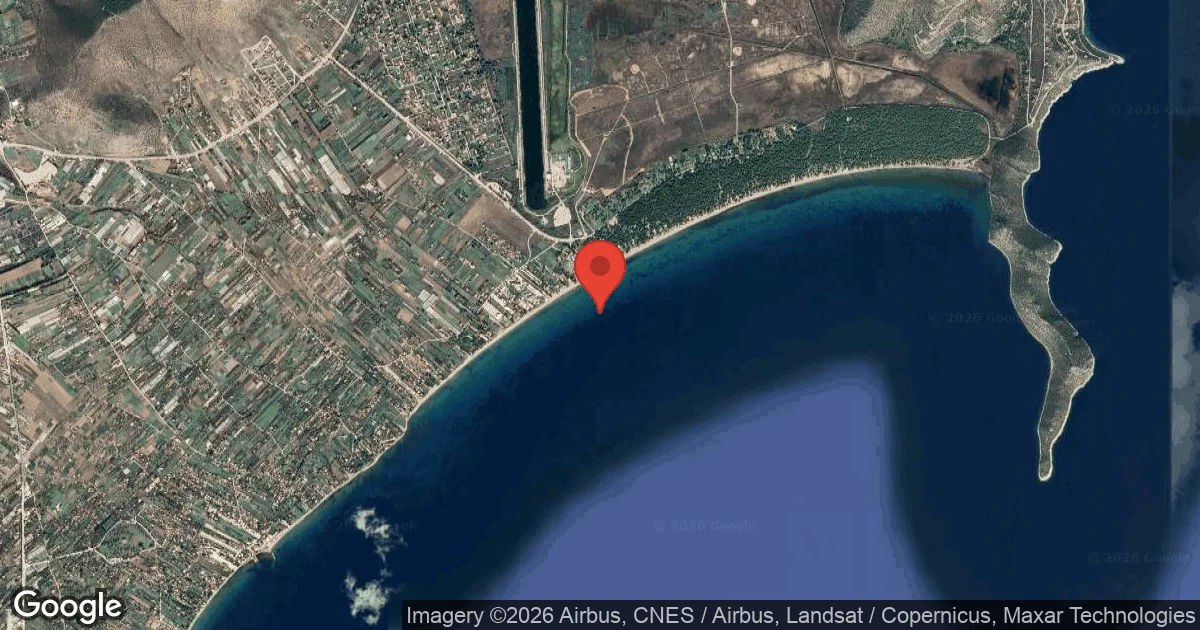
Dive Site Location & Key Facts
Dive Site Overview
Embarking on a dive at Small Cave feels like uncovering a geological secret, starting from a readily accessible entry point. The underwater journey unfolds across a rocky environment, descending into what local accounts describe as deep waters.
Recreational divers will find the main attraction at the end of the dive path: a small, safe cave leading into a secluded chamber carved within the rock. This natural formation creates an engaging swim-through experience for those properly trained. Walls and ceilings inside the cave are often adorned with colorful soft corals, adding a vibrant contrast to the stone.
Navigating the passage requires good buoyancy and awareness of the overhead environment. While some cave entrances in the region are found around 18 m (60 ft), specific depths for entering this particular cave's chamber can vary, generally remaining within recreational limits.
It's a chance to appreciate the unique blend of open-water rock formations and the thrill of a natural underwater grotto.
Conditions are Excellent
07:00 - 14:00
Optimal conditions expected
Current conditions near Small Cave show 26° air, 25° sea temperature, 0.4 m waves, and 26 km/h wind. Forecast data is refreshed regularly to ensure accuracy.
Best Time to Dive
Seasonal conditions significantly influence the experience at Small Cave. The period from March through November consistently offers excellent dive scores, presenting the most favorable window for exploration. During these months, average air temperatures range from a comfortable 12.5°C (54°F) in March, rising to a peak of 29.5°C (85°F) in July, then gradually cooling to 15.5°C (60°F) by November. Rainfall is notably minimal during the peak summer months, with averages as low as 0.15 mm (0.006 in) in July, ensuring clearer skies and generally calmer surface conditions. Outside this optimal season, particularly in December and January, conditions can contrast sharply; while still rated "Good," divers may encounter higher average rainfall, reaching up to 3.23 mm (0.127 in), and cooler air temperatures. Water temperature isn't consistently reported, but generally follows regional Mediterranean patterns, peaking in late summer.
PEAK SEASON SCORE
Scores combine air & water temps, waves, wind & rainfall for overall conditions.
BEST MONTHS TO DIVE
Monthly records compiled from satellite and marine observation nodes over the last 3 years. Data provided by Open-Meteo and MET Norway.
Dive Experience & Conditions
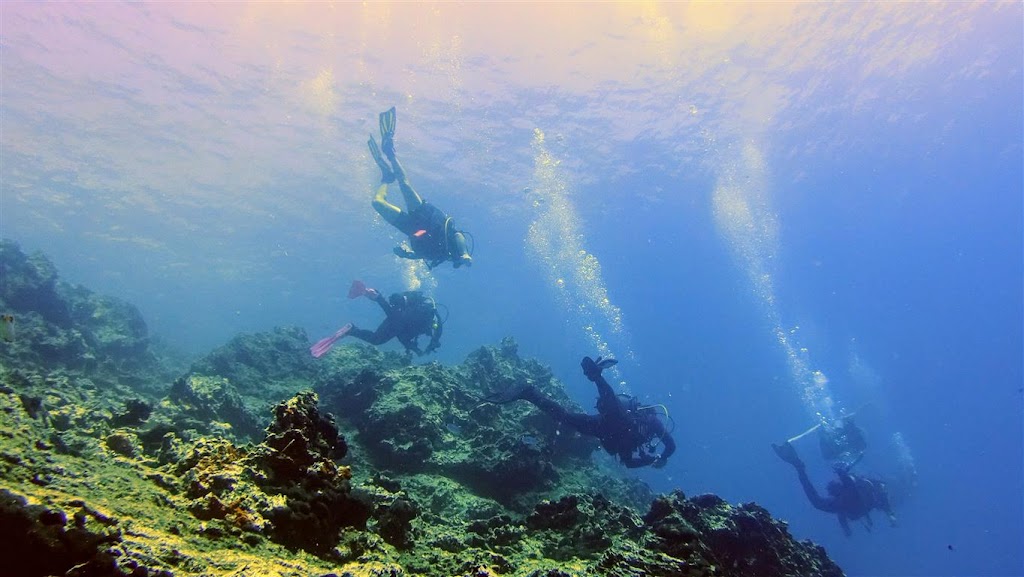
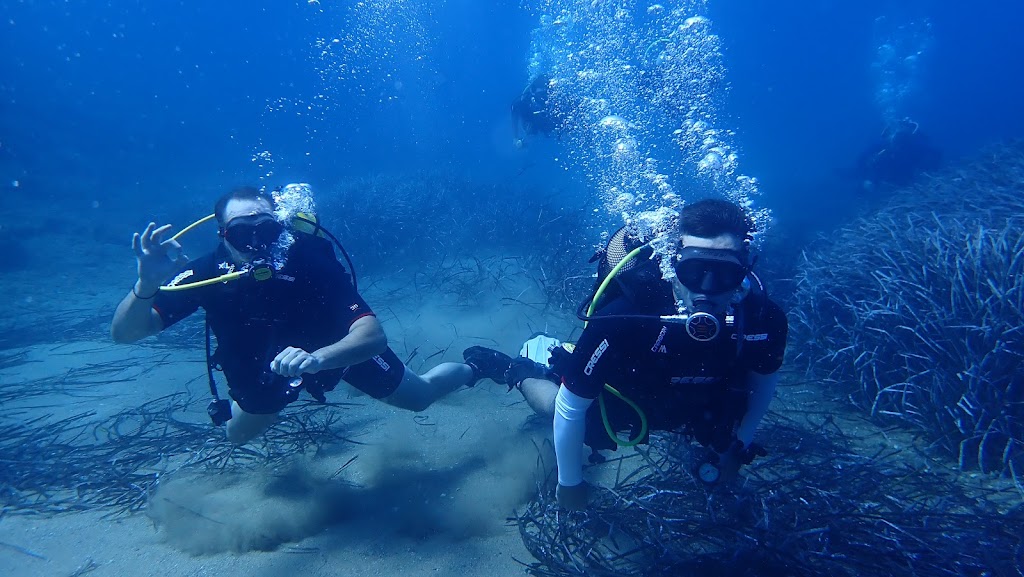
Approaching the Small Cave, divers appreciate its remarkably easy water access, setting the tone for a relaxing underwater experience. The site primarily features a rocky environment that gradually deepens, providing ample space before reaching the cave itself. Visibility is often excellent, allowing for clear views of the colorful soft corals covering the cave walls and ceilings as you venture deeper. Inside the cave, the atmosphere becomes more tranquil, with light playing across the surfaces, especially where natural openings allow. Divers can expect a calm sea state on most days, making for a smooth entry and exit. Water temperatures, though not consistently reported, generally align with seasonal Mediterranean averages, offering pleasant conditions during warmer months. This dive promises an immersive journey through unique geological features, combining scenic rock formations with the allure of a hidden chamber.
Dive Difficulty & Safety Guidelines
Exploring this cave environment requires particular attention to safety protocols and a clear understanding of its inherent challenges. Given the presence of an overhead environment and a potentially narrow swim-through, appropriate training in cavern or cave diving is strongly recommended. Maintaining excellent buoyancy control is paramount to protect the delicate soft corals and to navigate confined spaces smoothly.
Divers must remain acutely aware of their surroundings and exit path at all times. A clear communication plan with your dive buddy and guide is crucial before entering any overhead space.
Never exceed your training and comfort level when contemplating entry into the hidden chamber, ensuring a safe and enjoyable exploration of this unique site.
Recommended Equipment
- Dive Computer
This gear list is based on verified equipment signals for Small Cave, Greece. Always confirm final gear choices with your dive operator, guide, or liveaboard.
Recommended Dive Suit
The latest conditions reported around Small Cave place the water temperature close to 25°C (76°F). Surface air temperatures are resting at 26°C (79°F).
3mm wetsuit is generally considered suitable for water temperatures like this.
Conditions in the coming days are expected to stay within a similar temperature range.
Emergency & Medical Support
Essential information to help you plan your dive trip to Small cave.

Hyperbaric chambers are a critical part of dive safety infrastructure. Availability varies significantly by region, and not all dive areas have immediate access.
Before diving, it's recommended to:
- confirm nearest medical facilities
- check emergency procedures with local dive operators
- ensure dive insurance covers evacuation if required
Divers Alert Network
Diving emergency assistance available through DAN Europe.
+39 0642115685- 24/7 emergency hotline
- Diving medical assistance
- Evacuation coordination
Emergency contacts are provided for reference. Always verify local emergency services before diving.
Closest Listed Hyperbaric Chambers
Showing listed hyperbaric chamber facilities within 200 km of this dive site.
Distances are approximate straight-line distances and may not reflect emergency travel time.
Information is provided for reference and planning purposes only. Dive Navigator does not verify operational status, staffing, availability, or quality of care at listed facilities. In an emergency, contact local emergency services, DAN, your dive operator, or the chamber directly. Do not travel to a facility without calling ahead.
MKYI/NNA (DHDM/ANH)
24/7 ListedICU CapableAthens, Greece•Approx. 33 km straight-line
MKYI/NNA (DHDM/ANH)
24/7 ListedICU CapableInformation is provided for reference and planning purposes only. Dive Navigator does not verify operational status, staffing, availability, or quality of care at listed facilities. In an emergency, contact local emergency services, DAN, your dive operator, or the chamber directly. Do not travel to a facility without calling ahead.
Information is provided for reference and planning purposes only. Dive Navigator does not verify operational status, staffing, availability, or quality of care at listed facilities. In an emergency, contact local emergency services, DAN, your dive operator, or the chamber directly. Do not travel to a facility without calling ahead.
Marine Life at Small Cave
Venturing into Small Cave reveals a vibrant ecosystem within its rocky confines. The walls and ceiling inside the cave are often covered with colorful soft corals, creating a striking backdrop.
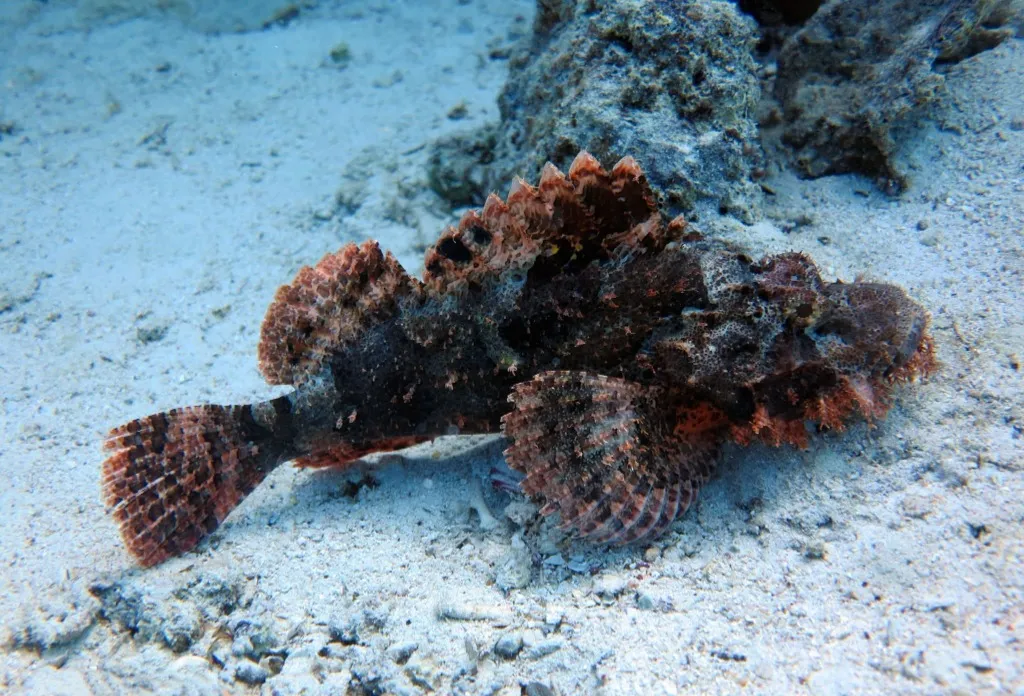
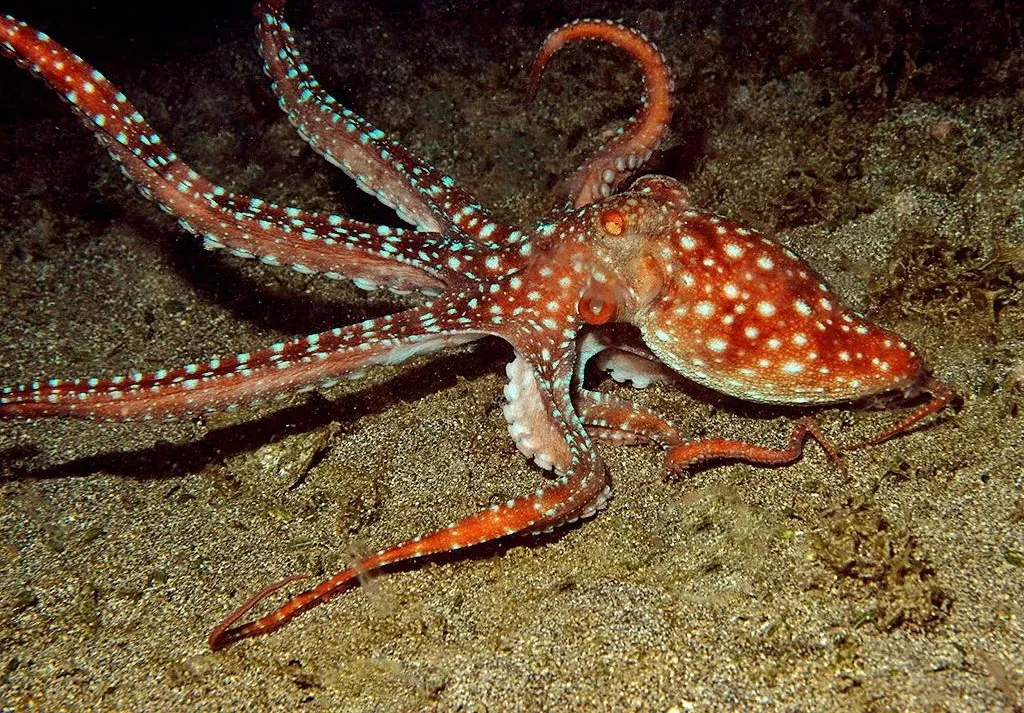
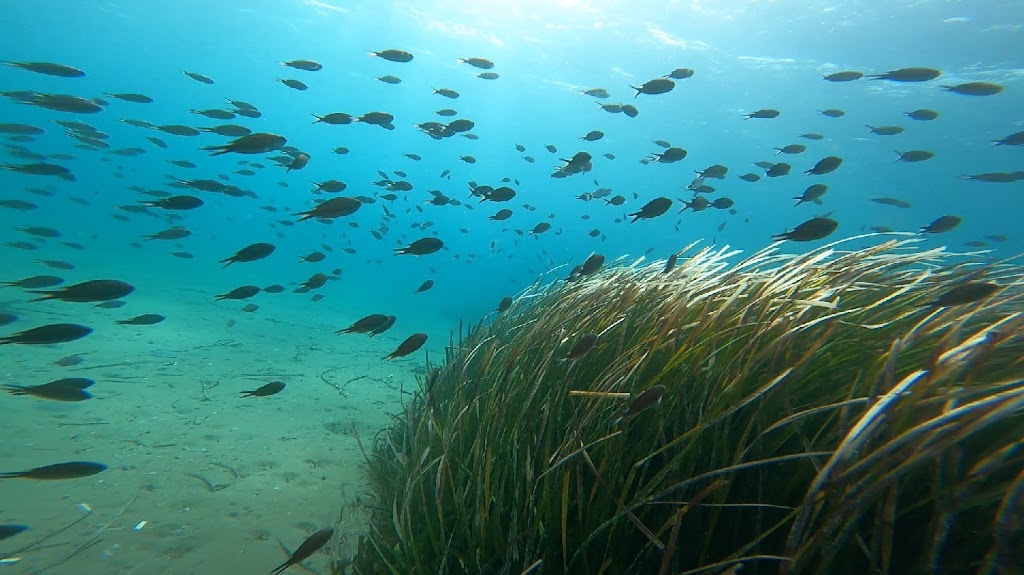
Beyond the sedentary life, the area hosts a variety of mobile creatures. Divers frequently encounter large schools of fish, octopuses, and colorful sponges, especially within the small coves along the dive path.
Even small, intriguing residents like dwarf scorpionfish can sometimes be spotted tucked away in crevices, thriving in the sheltered environment of the cave.
Dive Sites Near Small Cave
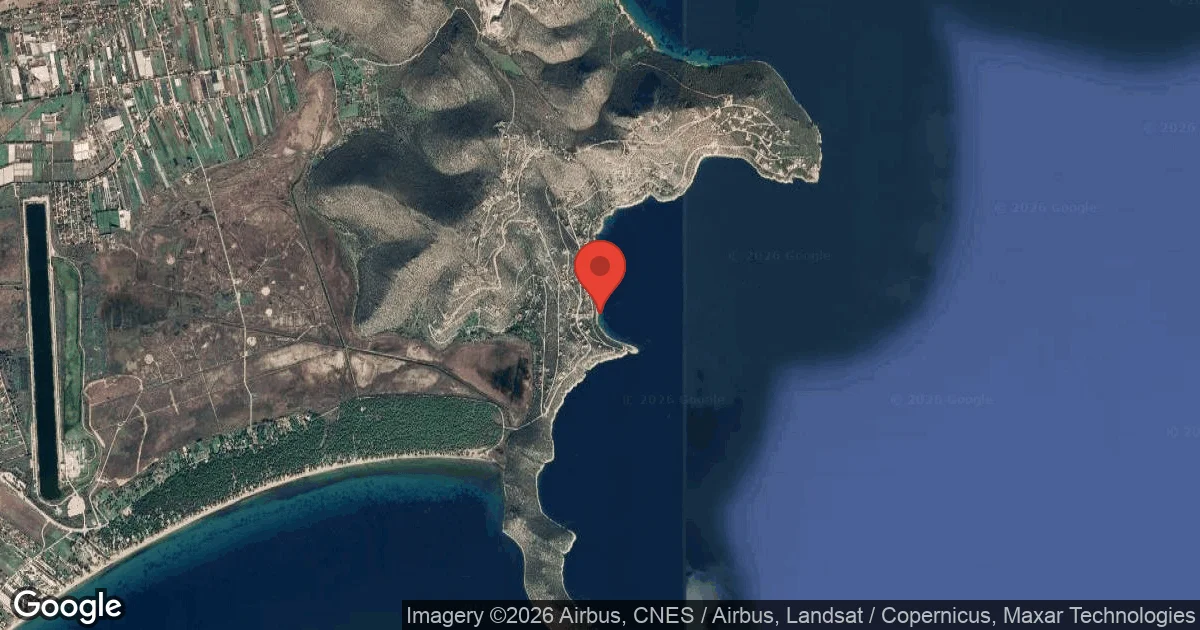
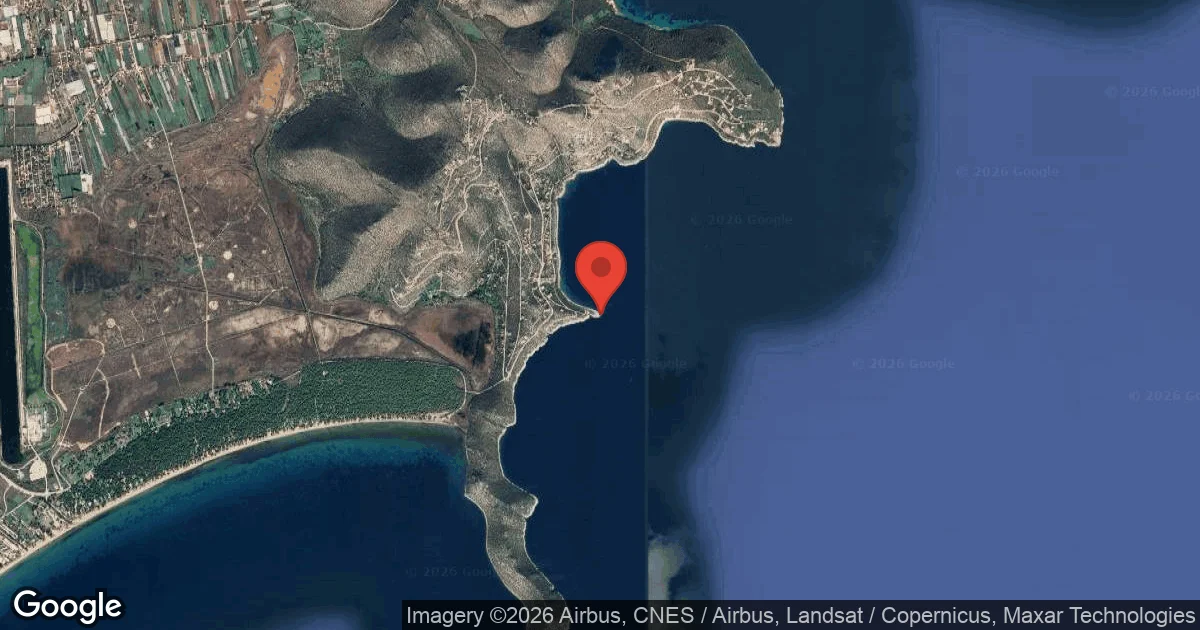
View all dive sites in GreeceDiscover more underwater gems in this area.
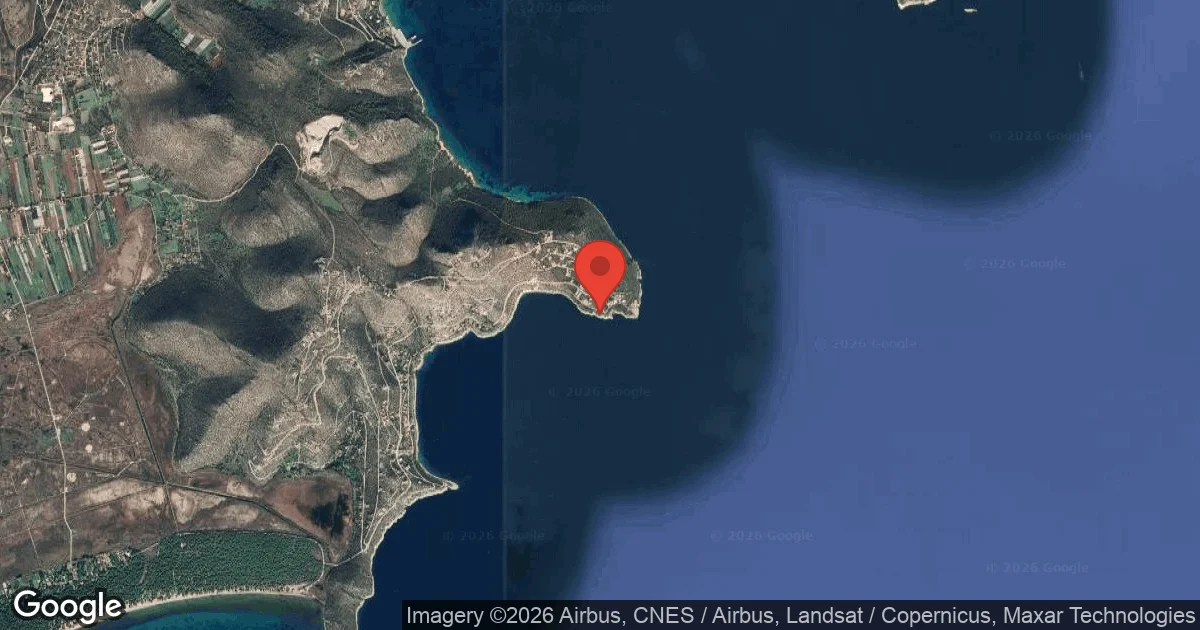
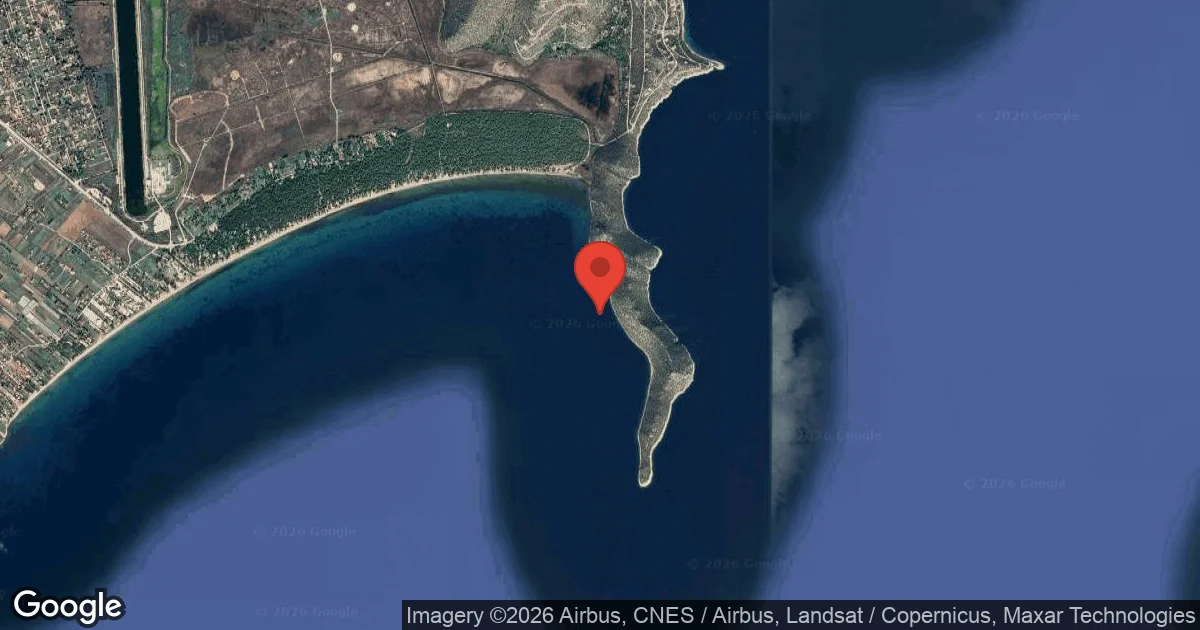
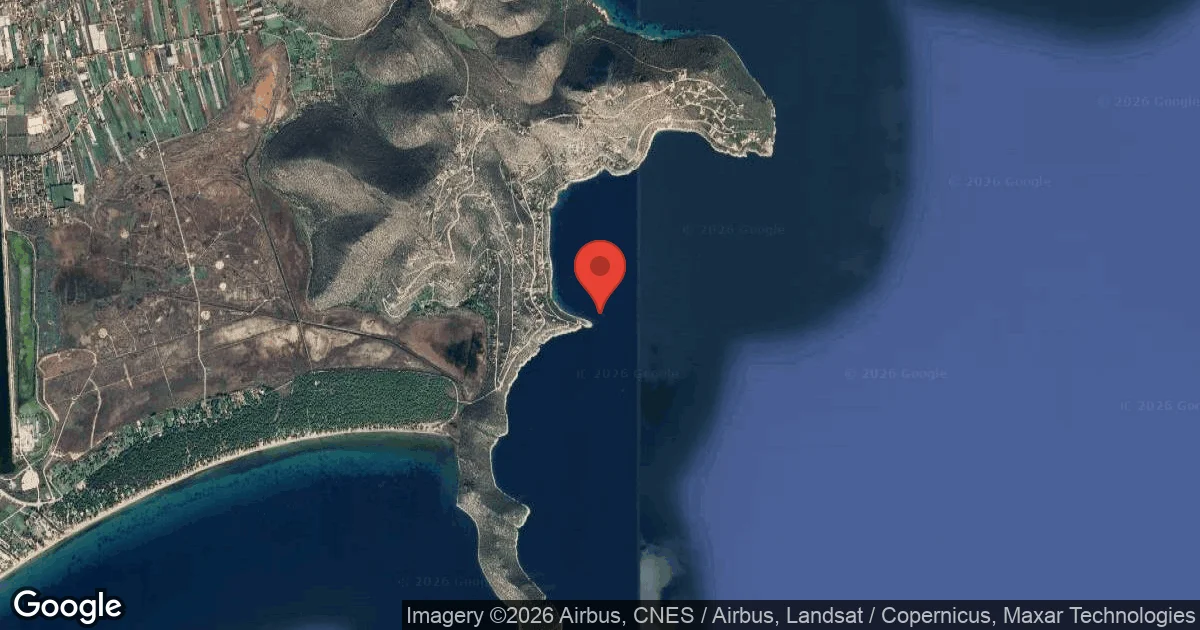
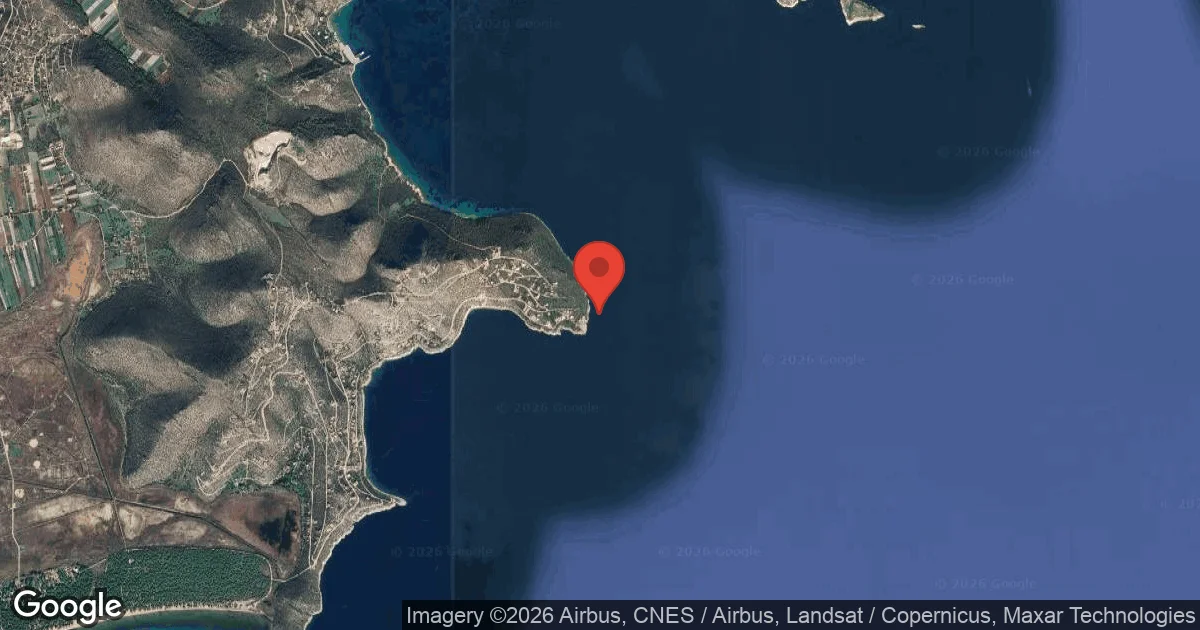
Dive Centers Near Small Cave
Today: 09:30 - 21:30

Nearest Airports
Nearest airports to help plan travel to this dive area.
Search Flights
Check available flights and routes on Expedia, using the nearby airports listed in this section.
Search Flights on ExpediaFrequently Asked Questions
What is the main attraction of Small Cave?
The primary draw is a small, safe cave that opens into a hidden chamber within the rock, offering a unique overhead environment experience. Divers also appreciate the easy water access and relaxing overall dive.
What is the typical depth for this dive?
The site features deep waters, with the entrance to the cave chamber generally within recreational dive limits. While specific depths for this cave aren't consistently reported, similar cave entrances in the region can be found around 18 m (60 ft).
Is special training required for diving in Small Cave?
Yes, due to the overhead environment and potential narrow swim-through, appropriate training in cavern or cave diving, along with excellent buoyancy control, is strongly recommended for safe exploration.
What kind of marine life can be observed here?
The cave walls and ceilings are often adorned with colorful soft corals. Divers can also spot vibrant marine life such as large schools of fish, octopuses, and various colorful sponges.
When is the best time to dive Small Cave?
The period from March through November is considered excellent for diving, offering optimal air temperatures, minimal rainfall, and generally calm surface conditions.
Are there any specific hazards at Small Cave?
The main hazard is the overhead environment of the cave itself, which necessitates proper training, careful buoyancy management, and constant awareness of your exit path.
Planning to dive Small Cave?
Send one inquiry and receive offers directly from the best verified local dive operators.
Conditions are Excellent
07:00 - 14:00
Optimal conditions expected
Current conditions near Small Cave show 26° air, 25° sea temperature, 0.4 m waves, and 26 km/h wind. Forecast data is refreshed regularly to ensure accuracy.