
Diving at Kassandra Shipwreck (Greece)
The Kassandra shipwreck holds a compelling story of maritime misjudgment. On February 27, 1973, laden with 580 tons of cement, the ship veered off course towards a rocky islet near southern Evia. Despite a last-minute attempt to correct its path, it ran aground. After its crew abandoned the vessel, the Kassandra ultimately sank on March 2, 1973, now resting upright as a dive attraction.
Evening condition tracking at Kassandra Shipwreck features an air temperature of 27°C. We have recorded wave heights measuring 0.2 m during this period. These figures outline the environmental parameters currently present.
Dive Site Location & Key Facts
Dive Site Overview
This site serves as a striking underwater landmark, combining a significant wreck with a natural wall dive. The Kassandra, a freighter that found its demise after a navigational error, now lies perpendicular to the end of an island’s rocks, settled firmly on a sandy seabed.
What remains visible today is primarily the midship to the stern section, showing clear signs of past salvage operations that cut away parts of the original vessel. Divers can explore various rooms, including the engine room, where the ship’s engine, pump, and some instruments are still visible.
Safe passages through stairs and small corridors are possible for those with appropriate training. The wreck acts as a thriving artificial reef, drawing in an array of marine life, which makes it a compelling subject for underwater photography.
While suitable for Open Water divers with specific wreck training, its interior explorations are best appreciated by advanced divers.
Conditions are Excellent
07:00 - 14:00
Optimal conditions expected
Current conditions near Kassandra Shipwreck show 27° air, 25° sea temperature, N/A waves, and 19 km/h wind. Forecast data is refreshed regularly to ensure accuracy.
Best Time to Dive
Considering conditions first, diving the Kassandra shipwreck is feasible year-round, though the experience changes seasonally. During peak summer months, from June through September, air temperatures range between 24.5-30.5°C (76-87°F), often coinciding with the best visibility. Rainfall is minimal in these months, typically under 0.5 mm, reducing runoff and improving water clarity. Spring and autumn, specifically March to May and October to November, offer excellent diving conditions with air temperatures from 13-20°C (55-68°F), and moderate wave heights under 0.5 meters (1.6 ft). Average wind speeds are generally manageable, ranging from 17.1 to 22.6 km/h (10-14 mph). Even winter, despite cooler air temperatures around 11-12°C (52-54°F) and slightly higher rainfall (around 2-3 mm), maintains a 'Good' dive score, allowing year-round access for prepared divers.
PEAK SEASON SCORE
Scores combine air & water temps, waves, wind & rainfall for overall conditions.
BEST MONTHS TO DIVE
Monthly records compiled from satellite and marine observation nodes over the last 3 years. Data provided by Open-Meteo and MET Norway.
Dive Experience & Conditions
Exploring the Kassandra offers a distinct depth profile, with its shallowest point at approximately 20 m (66 ft) and resting on a sandy bottom at a maximum depth of 30 m (100 ft). The wreck stands upright, positioned parallel to an underwater wall, creating a dynamic environment that attracts diverse marine life. Water temperatures typically range from 19-28°C (66-82°F), providing comfortable diving for much of the year. Visibility can extend up to 25 m (82 ft), particularly in summer, allowing clear views of the ship's structure. Currents are reported as generally absent, contributing to a relaxed dive experience around the wreck. Inside, divers can navigate through the engine room to observe machinery and explore accessible corridors and stairwells with care.
Dive Difficulty & Safety Guidelines
Diving the Kassandra shipwreck requires careful adherence to established wreck diving protocols. As a site with accessible penetrations, including the engine room and smaller corridors, maintaining excellent buoyancy control is crucial to prevent disturbing silt and ensure a safe exit. Given the evidence of past salvage operations and subsequent 'cuts' to the hull, divers should be mindful of potential sharp edges and unstable sections within the wreck.
Always carry appropriate wreck diving equipment, such as a dive light and redundant air source, especially when considering interior exploration. This site is recommended for certified advanced divers who have received specialized wreck penetration training, even though aspects of the exterior are suitable for Open Water divers.
Recommended Equipment
Overhead / entanglement risk. Wreck penetration requires proper training.
- Dive Computer
- Primary & Backup Lights
- Wreck Reel
- Cutting Tool
This gear list is based on verified equipment signals for Kassandra Shipwreck, Greece. Always confirm final gear choices with your dive operator, guide, or liveaboard.
Recommended Dive Suit
Recent conditions suggest the water at Kassandra Shipwreck remains near 25°C (77°F), offering typical conditions for the area. Surface air temperatures are resting at 27°C (81°F).
Forecasts suggest rising temperatures later this week. A warming trend is expected over the next few days.
Most divers would typically feel comfortable using 3mm wetsuit in these conditions. A hood or vest is suggested for sensitive divers due to surface winds. Dive depth and duration can significantly affect perceived warmth.
Emergency & Medical Support
Essential information to help you plan your dive trip to Kassandra shipwreck.

Hyperbaric chambers are a critical part of dive safety infrastructure. Availability varies significantly by region, and not all dive areas have immediate access.
Before diving, it's recommended to:
- confirm nearest medical facilities
- check emergency procedures with local dive operators
- ensure dive insurance covers evacuation if required
Divers Alert Network
Diving emergency assistance available through DAN Europe.
+39 0642115685- 24/7 emergency hotline
- Diving medical assistance
- Evacuation coordination
Emergency contacts are provided for reference. Always verify local emergency services before diving.
Closest Listed Hyperbaric Chambers
Showing listed hyperbaric chamber facilities within 200 km of this dive site.
Distances are approximate straight-line distances and may not reflect emergency travel time.
Information is provided for reference and planning purposes only. Dive Navigator does not verify operational status, staffing, availability, or quality of care at listed facilities. In an emergency, contact local emergency services, DAN, your dive operator, or the chamber directly. Do not travel to a facility without calling ahead.
MKYI/NNA (DHDM/ANH)
24/7 ListedICU CapableAthens, Greece•Approx. 33 km straight-line
MKYI/NNA (DHDM/ANH)
24/7 ListedICU CapableInformation is provided for reference and planning purposes only. Dive Navigator does not verify operational status, staffing, availability, or quality of care at listed facilities. In an emergency, contact local emergency services, DAN, your dive operator, or the chamber directly. Do not travel to a facility without calling ahead.
Information is provided for reference and planning purposes only. Dive Navigator does not verify operational status, staffing, availability, or quality of care at listed facilities. In an emergency, contact local emergency services, DAN, your dive operator, or the chamber directly. Do not travel to a facility without calling ahead.
Marine Life at Kassandra Shipwreck
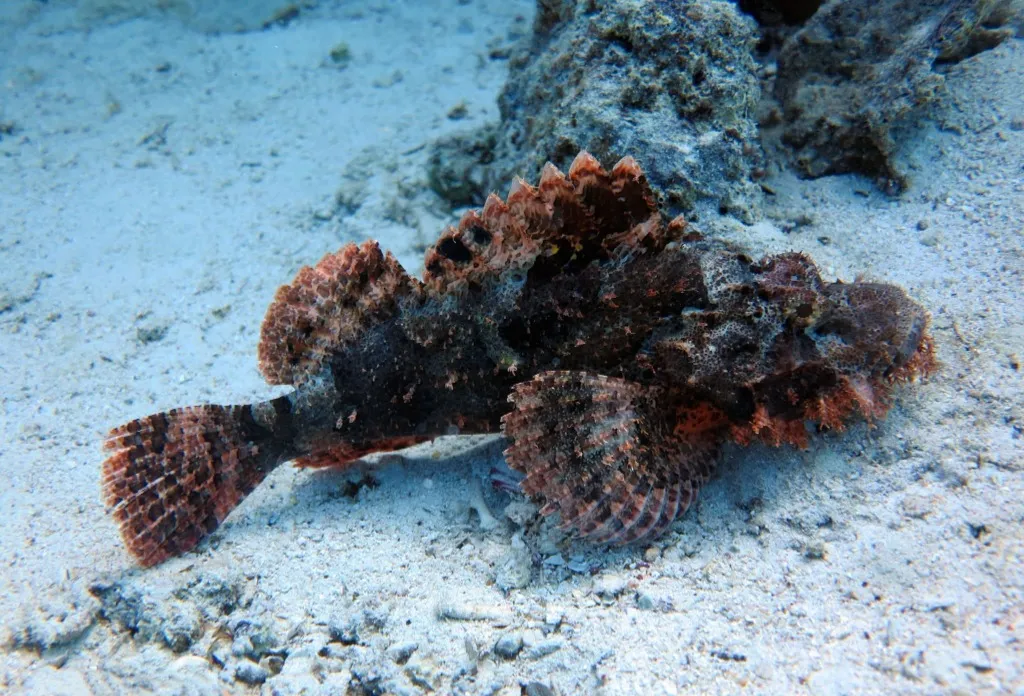
The Kassandra has transformed into a vibrant artificial reef, drawing a diverse array of marine inhabitants. Large schools of fish, including bream and scorpionfish, frequently gather around the hull.
Numerous microorganisms, crustaceans, and mollusks thrive across the ship's surfaces, contributing to a rich ecosystem. Occasionally, schools of jackfish visit the wreck, adding to the dynamic underwater scenery. Its status as a living habitat provides excellent opportunities for underwater photography.

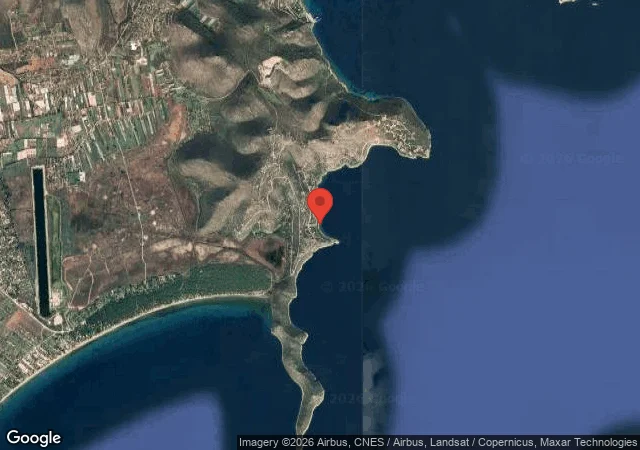
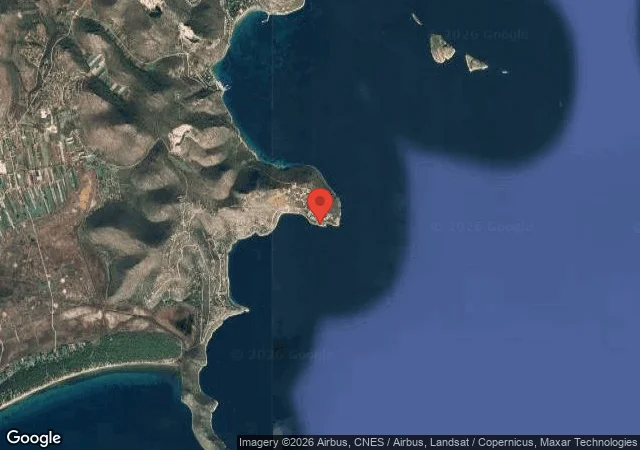
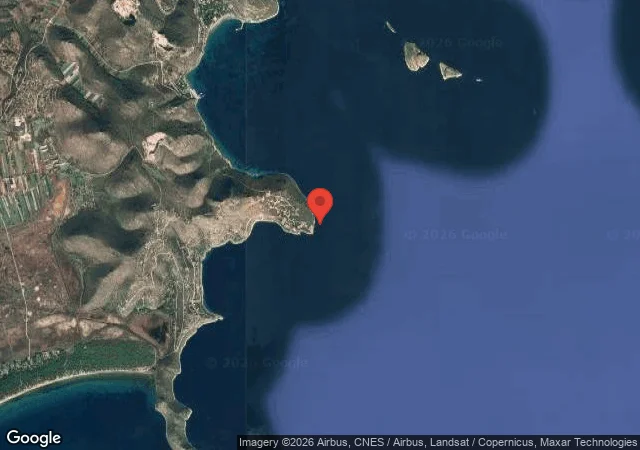
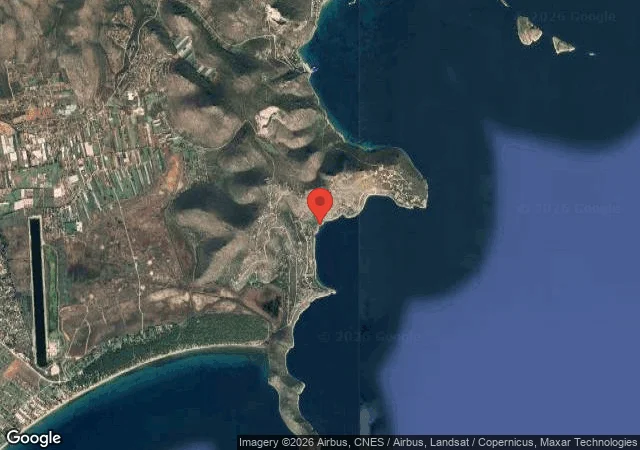
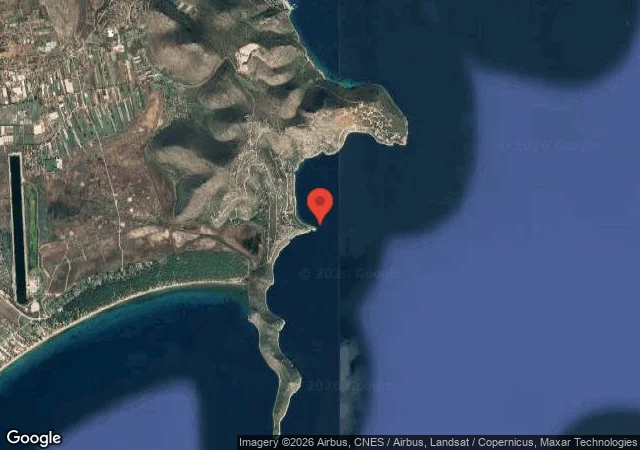
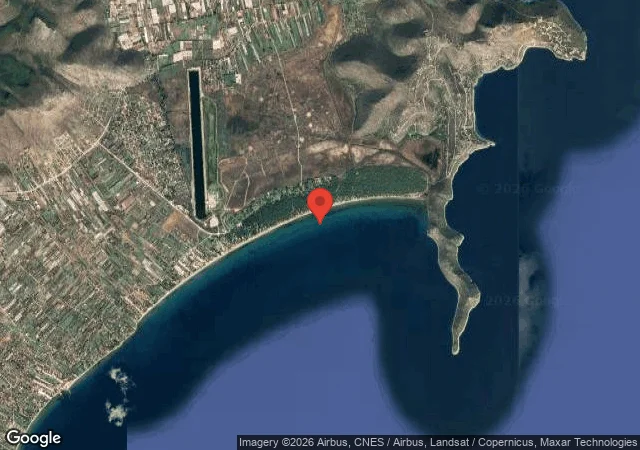
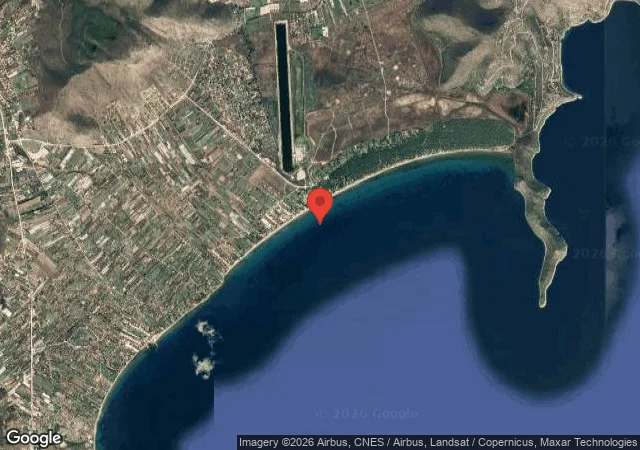
Dive Sites Near Kassandra Shipwreck
View all dive sites in GreeceDiscover more underwater gems in this area.
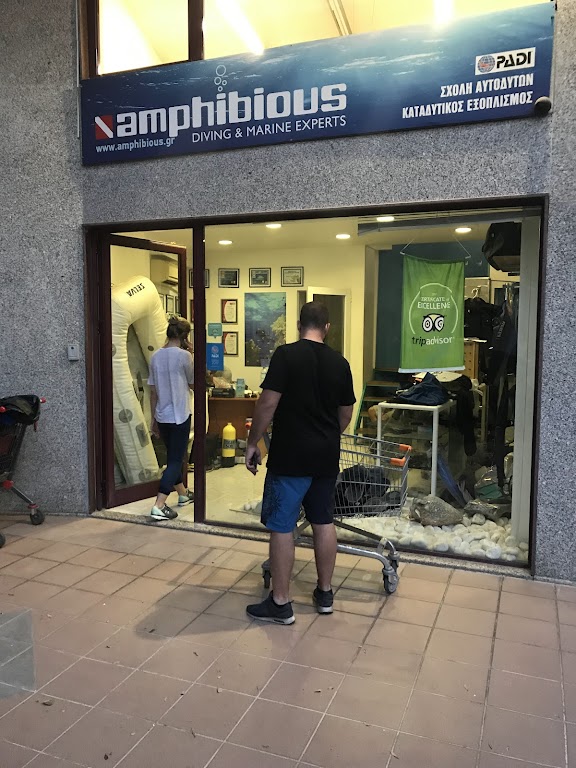
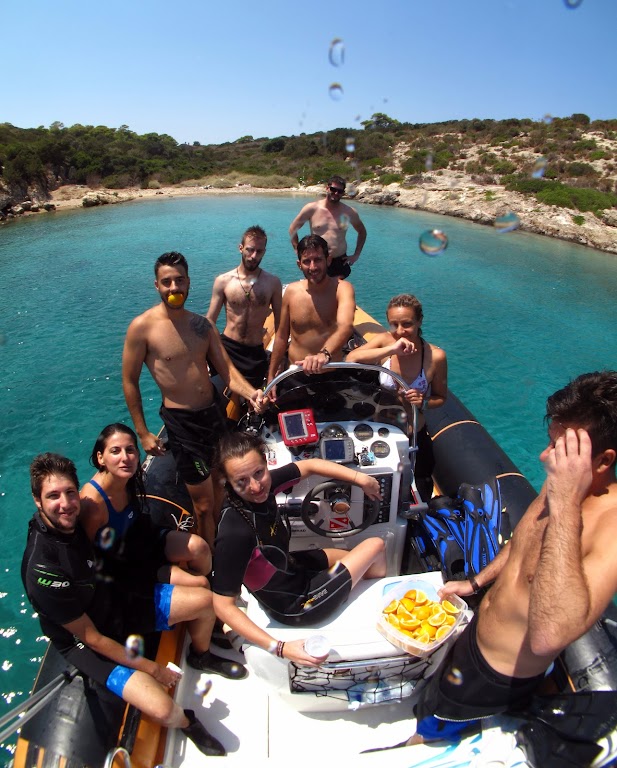
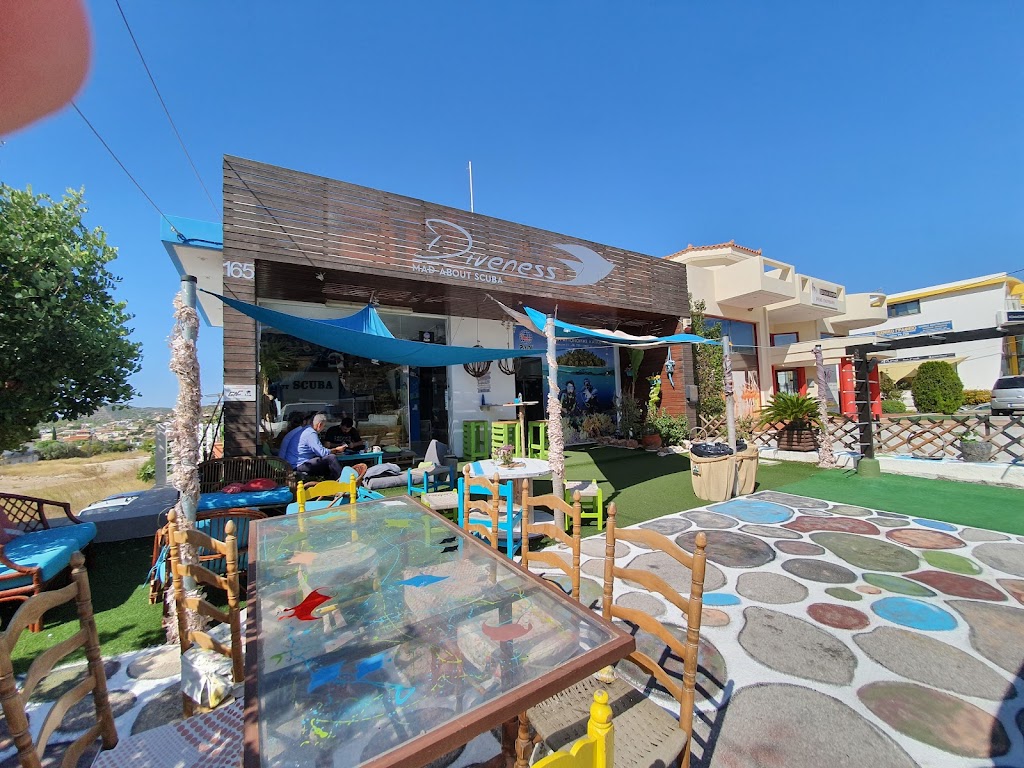
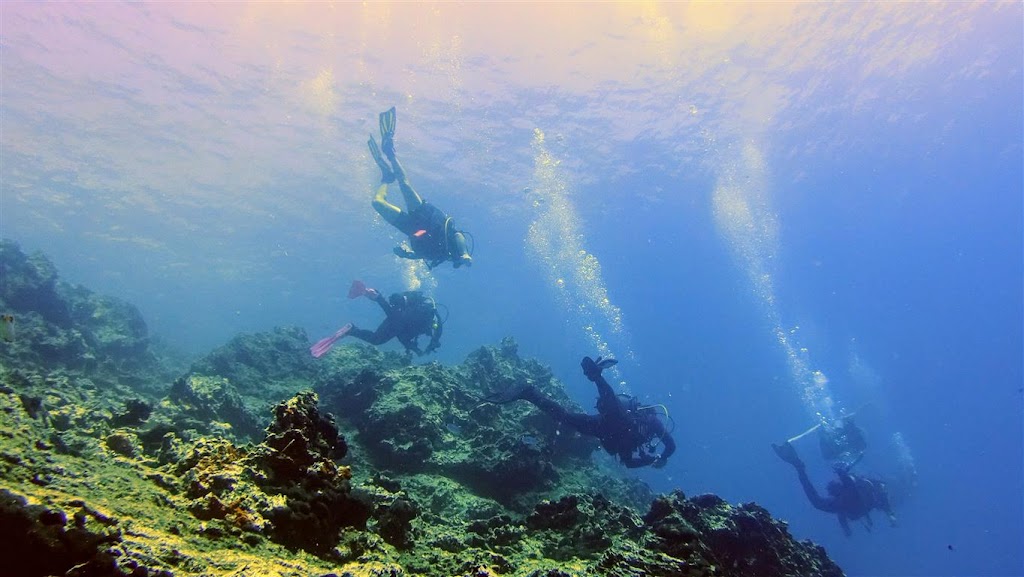
Dive Centers Near Kassandra Shipwreck
Today: 09:30 - 21:30
Nearest Airports
Nearest airports to help plan travel to this dive area.
Search Flights
Check available flights and routes on Expedia, using the nearby airports listed in this section.
Search Flights on ExpediaFrequently Asked Questions
What is the maximum depth of the Kassandra shipwreck?
The Kassandra shipwreck rests on a sandy bottom at a maximum depth of 30 meters (100 ft). The shallowest part of the wreck is found around 20 meters (66 ft).
Is the Kassandra wreck suitable for all diver levels?
While parts of the exterior are accessible to Open Water divers, particularly with specific wreck training, its interior penetrations are best suited for advanced divers with specialized wreck diving experience and proper equipment. Careful navigation is always advised.
Can divers enter the Kassandra shipwreck?
Yes, divers can safely pass through stairs and small corridors, and explore the engine room where the ship’s engine and instruments are still visible. These penetrations require appropriate training and caution.
What kind of marine life can be seen at the Kassandra?
The wreck serves as an artificial reef, attracting various species. Divers can expect to see large schools of bream and scorpionfish, alongside numerous microorganisms, crustaceans, mollusks, and occasional schools of jackfish.
Are there strong currents at the Kassandra shipwreck?
No, currents at the Kassandra shipwreck are generally reported as absent, contributing to a calm and enjoyable dive experience around the wreck structure.
What is the water temperature like at the Kassandra?
Water temperatures at the site typically range from 19-28°C (66-82°F) throughout the diving season, with warmer temperatures in the summer months.
Planning to dive Kassandra Shipwreck?
Send one inquiry and receive offers directly from the best verified local dive operators.
Conditions are Excellent
07:00 - 14:00
Optimal conditions expected
Current conditions near Kassandra Shipwreck show 27° air, 25° sea temperature, N/A waves, and 19 km/h wind. Forecast data is refreshed regularly to ensure accuracy.