
Diving at Seals Cave (Greece)
Seals cave, also known as Antonis Cave or Fokia, presents a captivating cavern dive on Samos or in Chania, depending on the specific site. Its main draw is a spacious chamber where natural light pierces through, creating dramatic light rays. Divers typically approach by boat, navigating into the larger openings. This site offers multiple routes through ravines and passages, blending open spaces with more intimate explorations within recreational limits.
As evening covers Seals Cave, the local air temperature is measured at 27°C. The current wave height at the surface is recorded at 0.5 m. These late-day readings characterize the surface conditions for the night.
Dive Site Location & Key Facts
Dive Site Overview
Seal Cave's geological narrative is etched into its impressive formations, drawing divers into ancient underwater landscapes. Historically, its name derives from occasional sightings of the Mediterranean monk seal, or "Fokia," a shy inhabitant that once frequented such marine shelters.
Divers entering the site discover expansive caverns and intricate ravines. One notable feature, depending on the specific location, includes a main chamber sizable enough to allow dive boats to partially enter. Inside, natural light rays penetrate the water, creating a dynamic visual experience against the rock walls.
These spaces often present a flat sloping landscape, characterized by sandy bottoms meeting dramatic rock formations. Some sections might also reveal a halocline effect where fresh spring water mixes with saltwater, especially in areas with terrestrial water sources.
Exploring deeper, divers encounter impressive stalactites and stalagmites, evidence of millennia of geological activity. A ceiling in some cavern entrances lies nearly 2 meters (6.5 ft) above the water surface, offering an opportunity to surface within the cave itself.
This blend of open, light-filled spaces and more intimate passages defines the site's unique character.
Conditions are Excellent
07:00 - 14:00
Optimal conditions expected
Current conditions near Seals Cave show 27° air, 25° sea temperature, 0.2 m waves, and 23 km/h wind. Forecast data is refreshed regularly to ensure accuracy.
Best Time to Dive
Optimal diving conditions at Seal Cave typically align with the warmer months, extending from spring through autumn. During this period, the air temperatures are notably pleasant, ranging from 13°C (55°F) in March to a peak of 30.5°C (87°F) in July, before gradually cooling to 16°C (61°F) by November. Rainfall during these months is minimal, often dropping below 1 mm, which contributes to overall favorable surface conditions. While specific water temperature data for this exact site is not consistently reported, regional averages suggest comfortable conditions for diving from late spring into early autumn, often ranging 22-27°C (72-81°F). Beyond temperature, visibility here consistently measures excellent, frequently observed between 20-30 meters (65-100 ft) or more, making it ideal for cavern exploration and photography. Even in winter, when air temperatures hover around 11-12°C (52-54°F), the dive score remains 'Good' or 'Excellent,' suggesting year-round potential for those equipped for cooler waters. Overall, the period from March through November presents the most reliable conditions for an enjoyable experience.
PEAK SEASON SCORE
Scores combine air & water temps, waves, wind & rainfall for overall conditions.
BEST MONTHS TO DIVE
Monthly records compiled from satellite and marine observation nodes over the last 3 years. Data provided by Open-Meteo and MET Norway.
Dive Experience & Conditions
Exploring the depth profile of Seal Cave offers a gradual descent into its various chambers and passages. Divers typically start in shallower sections before reaching its maximum depth, generally 21-25 meters (70-80 feet). The site consistently offers excellent visibility, often extending beyond 20 meters. Conditions inside the caverns are typically calm, with limited or negligible currents reported, making navigation straightforward. A calm environment here suits Open Water certified divers and above, including certified beginners who possess good buoyancy control and comfort in cavern settings. Underwater landscapes transition from sandy bottoms in flatter sections to dramatic rock formations and ravines within the caverns. Natural light entering from above creates stunning visual effects, particularly in the larger chambers. Some areas may present a halocline, where freshwater mixes with the sea, adding a distinct visual layer to the dive.
Dive Difficulty & Safety Guidelines
An expert tip for diving Seal Cave emphasizes the importance of buoyancy control and awareness within confined overhead environments. While the site is accessible to Open Water certified divers and those new to cavern diving, maintaining precise control is crucial to avoid disturbing the delicate formations and sandy bottoms. Always dive with an experienced guide, especially given its isolated nature where immediate assistance might be distant.
The cave's main entrance allows some light penetration, yet divers should carry redundant light sources for exploring deeper, darker sections or smaller passages. Due to boat-only access, careful entry and exit procedures are essential.
Comprehensive pre-dive briefings are mandatory to understand the specific layout of the cavern, potential haloclines, and any variations in conditions. Dive planning should account for small group sizes to enhance safety and ensure a tailored experience for all participants.
Recommended Equipment
Overhead environment. Do not enter beyond training and gas planning limits.
- Dive Computer
- Primary & Backup Lights
- Reel / Spool
- Cutting Tool
This gear list is based on verified equipment signals for Seals Cave, Greece. Always confirm final gear choices with your dive operator, guide, or liveaboard.
Recommended Dive Suit
Forecast conditions over the next few days suggest temperatures will remain relatively stable.
Divers who prefer a balanced level of warmth often select 3mm wetsuit in water temperatures like this. Consider warmer surface protection (like a boat coat) due to brisk winds.
Recent environmental data from Seals Cave indicates water temperatures near 25°C (77°F). Surface air temperatures are resting at 27°C (81°F).
Due to technical issues with our weather providers, live updates are temporarily delayed. The data above reflects the conditions at the time of the last successful fetch.
Emergency & Medical Support
Essential information to help you plan your dive trip to Seals cave.

Hyperbaric chambers are a critical part of dive safety infrastructure. Availability varies significantly by region, and not all dive areas have immediate access.
Before diving, it's recommended to:
- confirm nearest medical facilities
- check emergency procedures with local dive operators
- ensure dive insurance covers evacuation if required
Divers Alert Network
Diving emergency assistance available through DAN Europe.
+39 0642115685- 24/7 emergency hotline
- Diving medical assistance
- Evacuation coordination
Emergency contacts are provided for reference. Always verify local emergency services before diving.
Closest Listed Hyperbaric Chambers
Showing listed hyperbaric chamber facilities within 200 km of this dive site.
Distances are approximate straight-line distances and may not reflect emergency travel time.
Information is provided for reference and planning purposes only. Dive Navigator does not verify operational status, staffing, availability, or quality of care at listed facilities. In an emergency, contact local emergency services, DAN, your dive operator, or the chamber directly. Do not travel to a facility without calling ahead.
MKYI/NNA (DHDM/ANH)
24/7 ListedICU CapableAthens, Greece•Approx. 33 km straight-line
MKYI/NNA (DHDM/ANH)
24/7 ListedICU CapableInformation is provided for reference and planning purposes only. Dive Navigator does not verify operational status, staffing, availability, or quality of care at listed facilities. In an emergency, contact local emergency services, DAN, your dive operator, or the chamber directly. Do not travel to a facility without calling ahead.
Information is provided for reference and planning purposes only. Dive Navigator does not verify operational status, staffing, availability, or quality of care at listed facilities. In an emergency, contact local emergency services, DAN, your dive operator, or the chamber directly. Do not travel to a facility without calling ahead.
Marine Life at Seals Cave
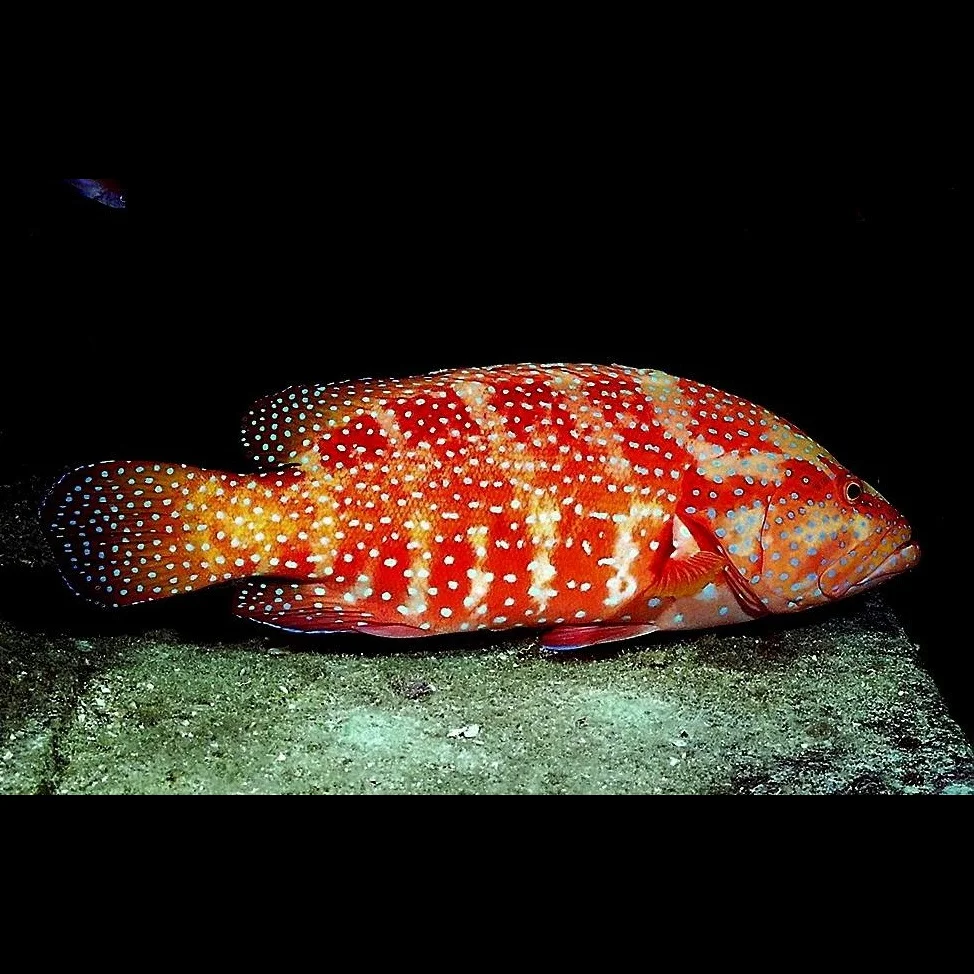
Upon entering Seal Cave, one first notices the interplay of light and shadow, which often illuminates resident marine life. While the cave is named for historical sightings of the elusive Mediterranean monk seal (Fokia), divers are more consistently likely to encounter groupers inhabiting the rocky crevices.
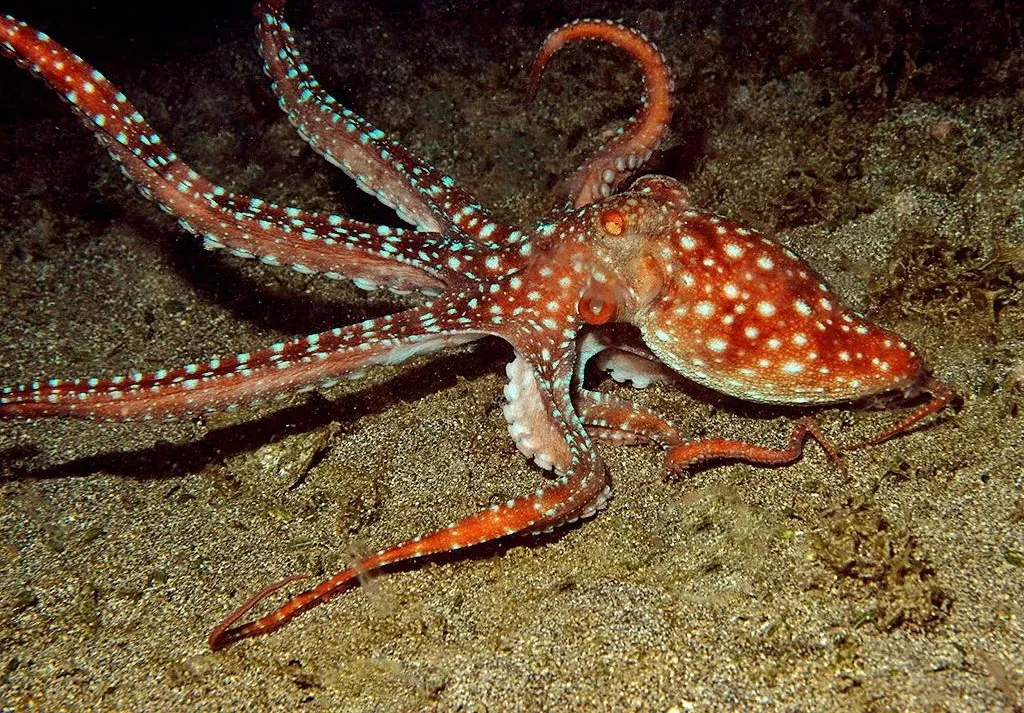
Octopuses are frequently spotted, often blending seamlessly with the rock formations or navigating the sandy substrate. Various species of snails move across the cave walls and floor.
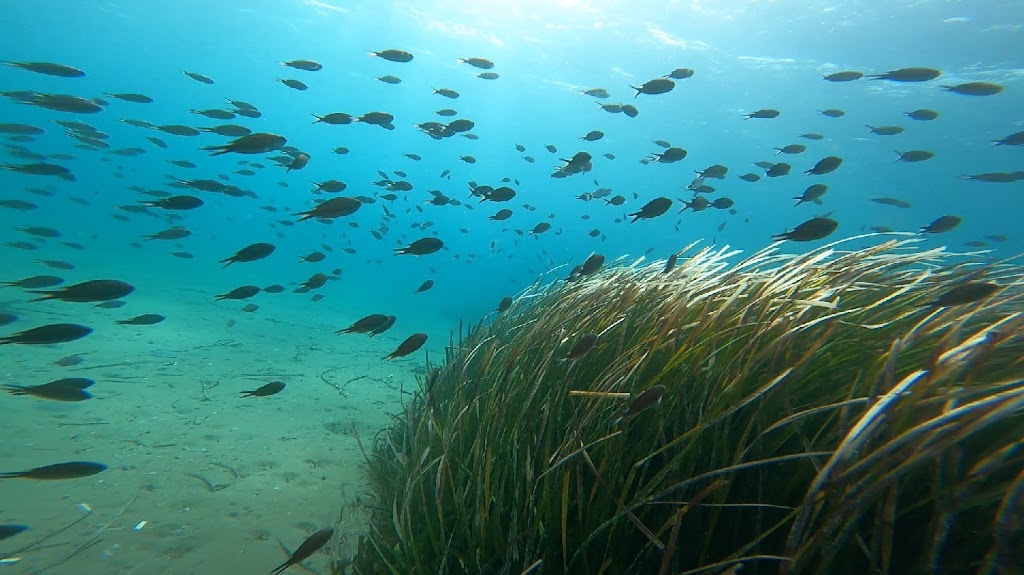
The rich biodiversity here supports a range of smaller invertebrates and fish, which thrive within the protected environment of the caverns and ravines. Keep an eye out for these subtle movements in the more tranquil corners.

Dive Sites Near Seals Cave
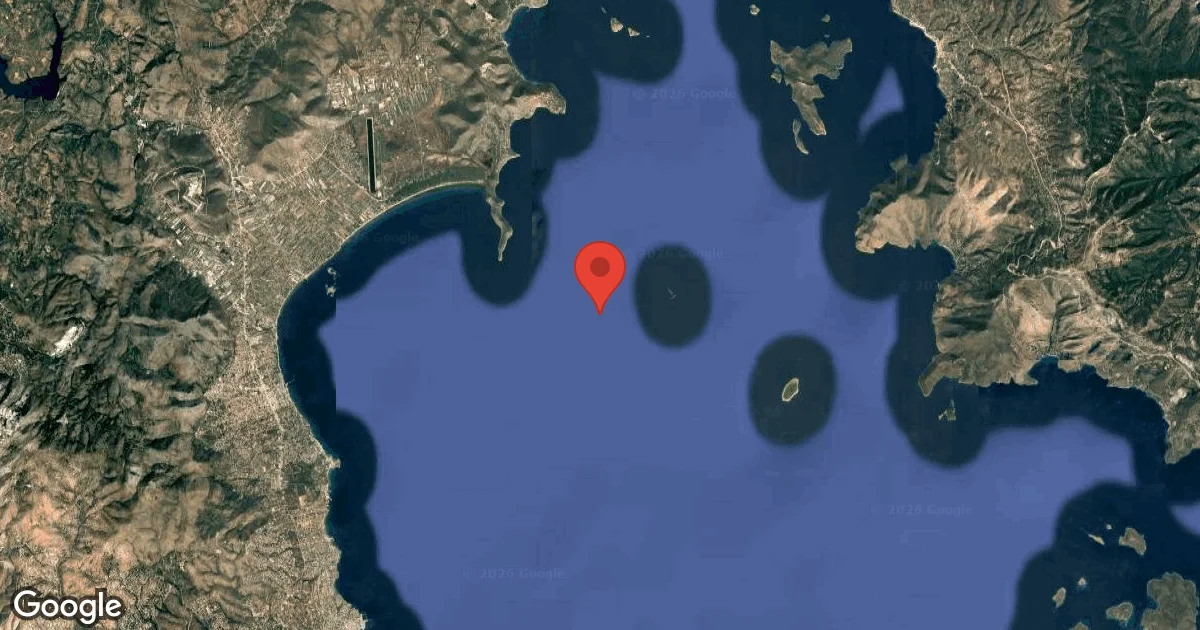
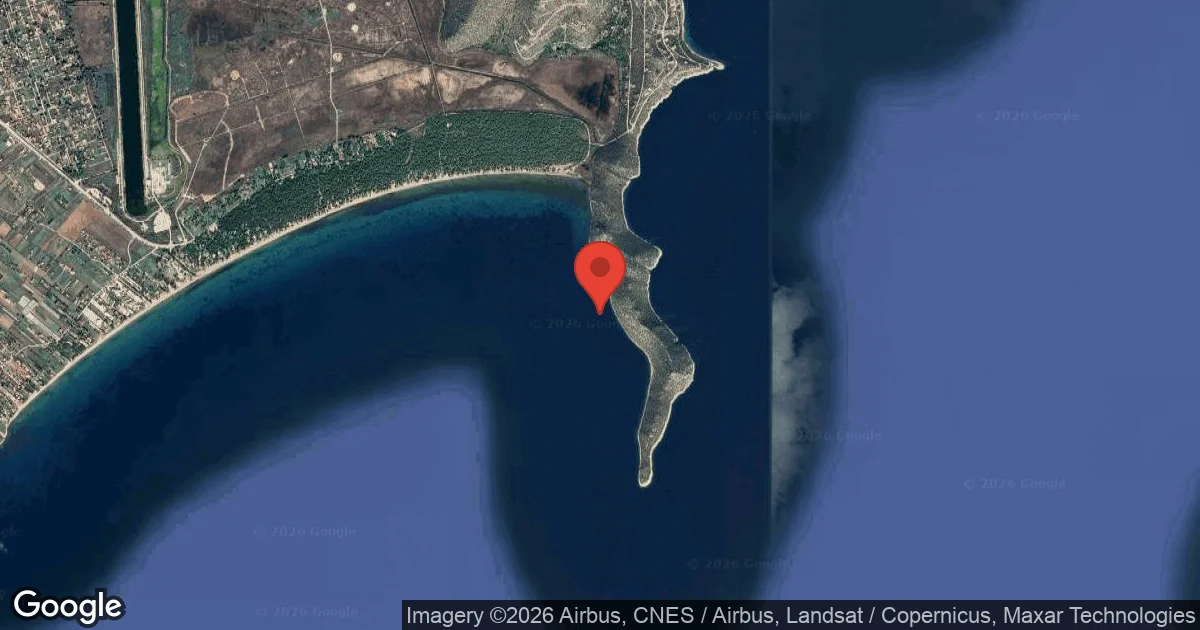
View all dive sites in GreeceDiscover more underwater gems in this area.
Dive Centers Near Seals Cave
Today: 09:30 - 21:30
Nearest Airports
Nearest airports to help plan travel to this dive area.
Search Flights
Check available flights and routes on Expedia, using the nearby airports listed in this section.
Search Flights on ExpediaFrequently Asked Questions
What certification level is required to dive Seal Cave?
Open Water certification or higher is required for diving Seal Cave. Divers should be comfortable in cavern environments and maintain good buoyancy control.
How deep is the Seal Cave dive?
The dive at Seal Cave reaches a maximum recreational depth, typically around 21-25 meters. It remains within recreational dive limits.
Is Seal Cave suitable for beginner divers?
Yes, certified beginners with adequate buoyancy control and comfort in overhead environments can enjoy Seal Cave. Experienced guides typically lead small groups to ensure a safe experience.
Why is this dive site called Seal Cave?
The cave is named after historical sightings of the Mediterranean monk seal, known locally as 'Fokia.' While sightings are rare today, the name persists as a tribute to these marine mammals.
What are the typical water conditions inside the cave?
Conditions inside Seal Cave are generally calm, with limited to no currents reported. Visibility is typically excellent, often exceeding 20 meters, though variations can occur, especially with haloclines.
How do divers access Seal Cave?
Access to Seal Cave is exclusively by boat, requiring a charter or organized dive trip. The journey often involves a short boat ride to the secluded location.
Planning to dive Seals Cave?
Send one inquiry and receive offers directly from the best verified local dive operators.
Conditions are Excellent
07:00 - 14:00
Optimal conditions expected
Current conditions near Seals Cave show 27° air, 25° sea temperature, 0.2 m waves, and 23 km/h wind. Forecast data is refreshed regularly to ensure accuracy.