
Diving at Small River (Greece)
The underwater realm here presents a rich diversity for certified divers, encompassing historical wrecks, vibrant reefs, and mysterious caves. Maximum depths can reach over 40 meters, revealing a varied underwater topography. Divers navigate among ancient amphorae, traverse impressive reef walls, and glide through expansive open cave systems. Water temperatures vary with depth, providing suitable conditions for multiple experience levels.
Tonight's objective overview for Small River shows an air temperature of 27°C. The measured surface conditions include wave heights around 0.2 m. This environmental data is logged for the close of the day.
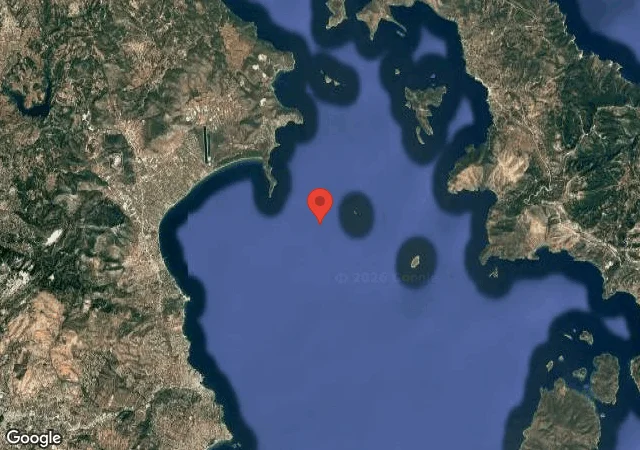
Dive Site Location & Key Facts
Dive Site Overview
Among the primary attractions here, the Peristera shipwreck stands out, offering a direct link to ancient maritime history. Accessible for scuba diving since 2021, this ancient wreck reveals well-preserved amphorae, presenting compelling photographic subjects.
Observing the structure, divers experience a silent testament to past seafaring. Dives at Peristera typically reach maximum depths of 16.3 m (53 ft), with recorded dive times extending up to 71 minutes, allowing ample opportunity for detailed exploration. Beyond historical sites, the area showcases dynamic reef systems.
Mourtias Reef, for example, features a dramatic wall descending between 20 and 30 meters, alongside a shallower plateau from 10 to 15 meters, each section presenting different marine life patterns. Currents here can add an element of drift, requiring attentive buoyancy control.
Divers will find the Gorgonian Garden an intriguing, deeper site, often reaching beyond 40 meters, where large fan mussels anchor among extensive gorgonian formations. Exploring the Blue Cave, typically a dive to around 25 meters, offers another distinct experience, where light filters create striking visual effects.
These varied environments cater to a wide range of interests, from archaeological exploration to vibrant reef encounters.
Conditions are Good
Optimal conditions expected
Current conditions near Small River show 27° air, 25° sea temperature, 0.6 m waves, and 35 km/h wind. Forecast data is refreshed regularly to ensure accuracy.
Best Time to Dive
Optimal conditions for diving in this Greek region extend from March through November, a period consistently rated 'Excellent' for underwater activities. This lengthy season provides reliable conditions for extensive underwater exploration. Air temperatures remain comfortably warm; March sees averages around 13°C (55°F), rising to 30.5°C (87°F) by July, and staying pleasant into late autumn. During these months, rainfall is notably low, which minimizes runoff and significantly enhances water clarity. Surface conditions are generally calmer from late spring through early autumn, facilitating smoother boat transfers and easier diver entries and exits. Water temperatures in the recreational depth range remain agreeable, often averaging around 26°C (79°F) during peak summer. Excellent visibility defines this season, enabling divers to fully appreciate diverse marine environments, from vibrant shallower reef sections to the intriguing deeper sites. Stable conditions are ideal for exploring historical wrecks, dramatic walls, and various cave formations, providing ample opportunity for all certification levels.
PEAK SEASON SCORE
Scores combine air & water temps, waves, wind & rainfall for overall conditions.
BEST MONTHS TO DIVE
Monthly records compiled from satellite and marine observation nodes over the last 3 years. Data provided by Open-Meteo and MET Norway.
Dive Experience & Conditions
Divers interacting with these diverse environments will transition from sun-drenched shallow beach areas to profound reef formations and walls. Water temperature hovers around 26°C (79°F) in the upper layers, but a noticeable thermocline often appears around 25 meters, where temperatures can drop to 22°C (72°F) or even 18°C (64°F) in areas exceeding 40 meters. Navigating sites like Agios Georgios South Reef means encountering varying currents; good buoyancy control is essential, especially within its swim-throughs. Mourtias Reef presents distinct sections, from deeper walls descending to 30 meters to expansive plateaus remaining between 10 and 15 meters. Efficient fin kicking proves beneficial in these conditions, aiding in maneuvering through diverse underwater topographies.
Dive Difficulty & Safety Guidelines
Preparing adequately for dives in this Greek region involves honing buoyancy control and efficient fin kicking techniques. These skills are particularly crucial when encountering currents or navigating tight swim-throughs at sites like Agios Georgios South Reef. When exploring the deeper Gorgonian Garden, which extends beyond 40 meters, advanced certification and considerable deep diving experience are highly advisable.
For dives at historical sites, such as the Peristera shipwreck, strict adherence to local regulations is paramount for preserving the ancient amphorae. Always dive strictly within your certification limits.
Considering experienced local guides is prudent; they possess a deep understanding of specific conditions and site layouts, enhancing both safety and overall dive experience.
Recommended Equipment
- Dive Computer
This gear list is based on verified equipment signals for Small River, Greece. Always confirm final gear choices with your dive operator, guide, or liveaboard.
Recommended Dive Suit
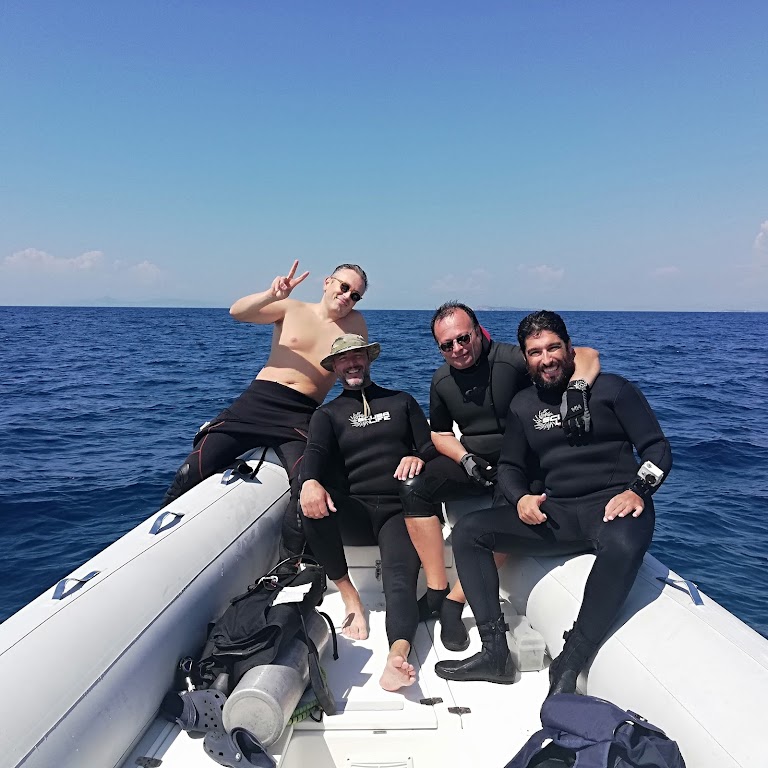
In these water temperatures, 3mm wetsuit is a common choice for recreational diving. A hood or vest is suggested for sensitive divers due to surface winds. Longer dive profiles can make thermal protection more important than short exploratory dives.
Conditions at Small River currently place the water temperature near 25°C (78°F). Surface air temperatures are resting at 27°C (81°F).
Temperatures look set to gradually increase over the next several days. A warming trend is expected over the next few days.
Emergency & Medical Support
Essential information to help you plan your dive trip to Small river.

Hyperbaric chambers are a critical part of dive safety infrastructure. Availability varies significantly by region, and not all dive areas have immediate access.
Before diving, it's recommended to:
- confirm nearest medical facilities
- check emergency procedures with local dive operators
- ensure dive insurance covers evacuation if required
Divers Alert Network
Diving emergency assistance available through DAN Europe.
+39 0642115685- 24/7 emergency hotline
- Diving medical assistance
- Evacuation coordination
Emergency contacts are provided for reference. Always verify local emergency services before diving.
Closest Listed Hyperbaric Chambers
Showing listed hyperbaric chamber facilities within 200 km of this dive site.
Distances are approximate straight-line distances and may not reflect emergency travel time.
Information is provided for reference and planning purposes only. Dive Navigator does not verify operational status, staffing, availability, or quality of care at listed facilities. In an emergency, contact local emergency services, DAN, your dive operator, or the chamber directly. Do not travel to a facility without calling ahead.
MKYI/NNA (DHDM/ANH)
24/7 ListedICU CapableAthens, Greece•Approx. 29 km straight-line
MKYI/NNA (DHDM/ANH)
24/7 ListedICU CapableInformation is provided for reference and planning purposes only. Dive Navigator does not verify operational status, staffing, availability, or quality of care at listed facilities. In an emergency, contact local emergency services, DAN, your dive operator, or the chamber directly. Do not travel to a facility without calling ahead.
Information is provided for reference and planning purposes only. Dive Navigator does not verify operational status, staffing, availability, or quality of care at listed facilities. In an emergency, contact local emergency services, DAN, your dive operator, or the chamber directly. Do not travel to a facility without calling ahead.
Marine Life at Small River
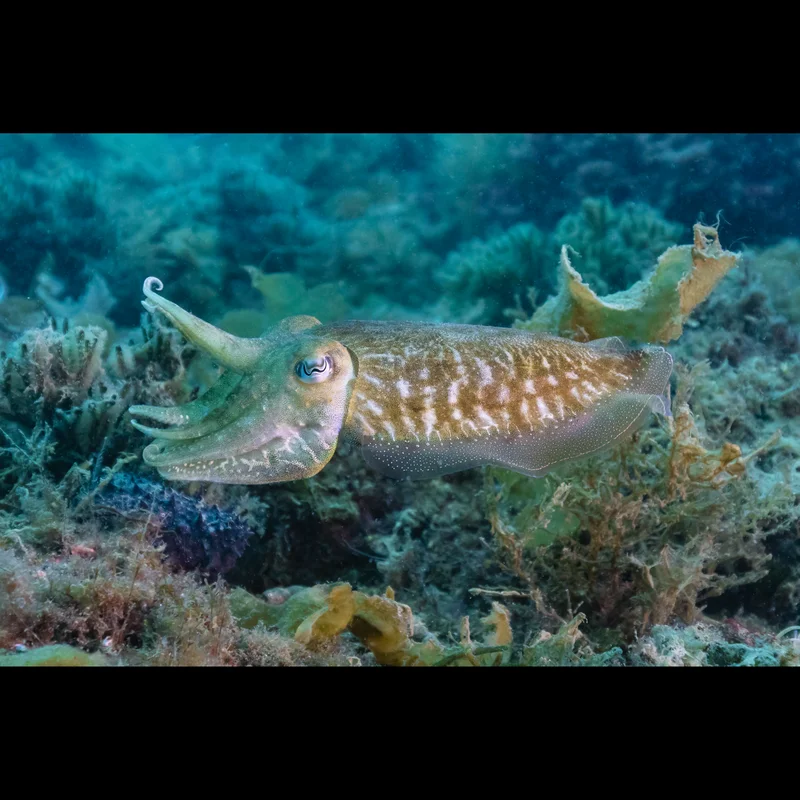
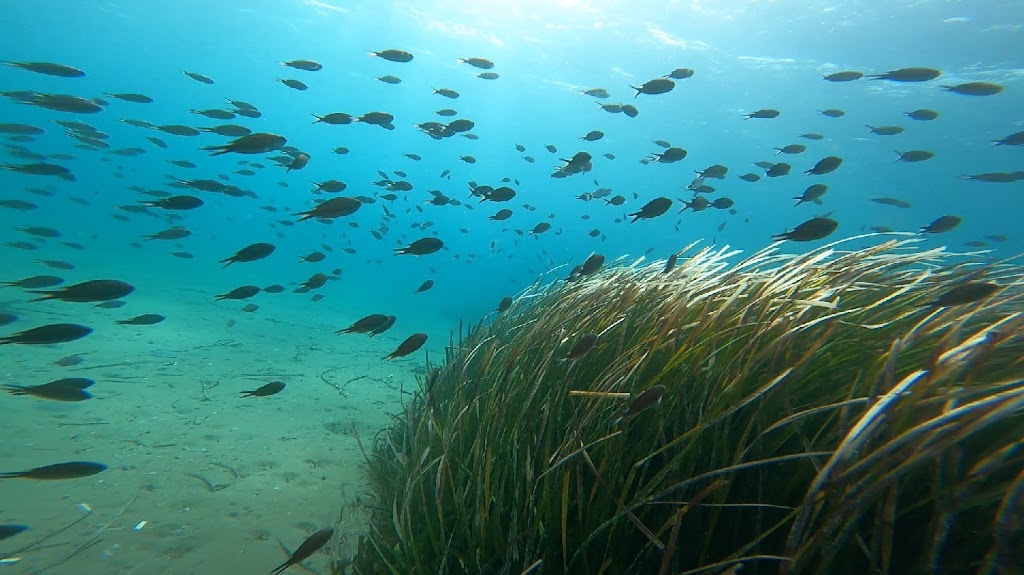
Focusing on the smaller details can reveal a vibrant array of marine life in these waters. Observing the sandy bottom near Posidonia seagrass patches often brings sightings of cuttlefish.
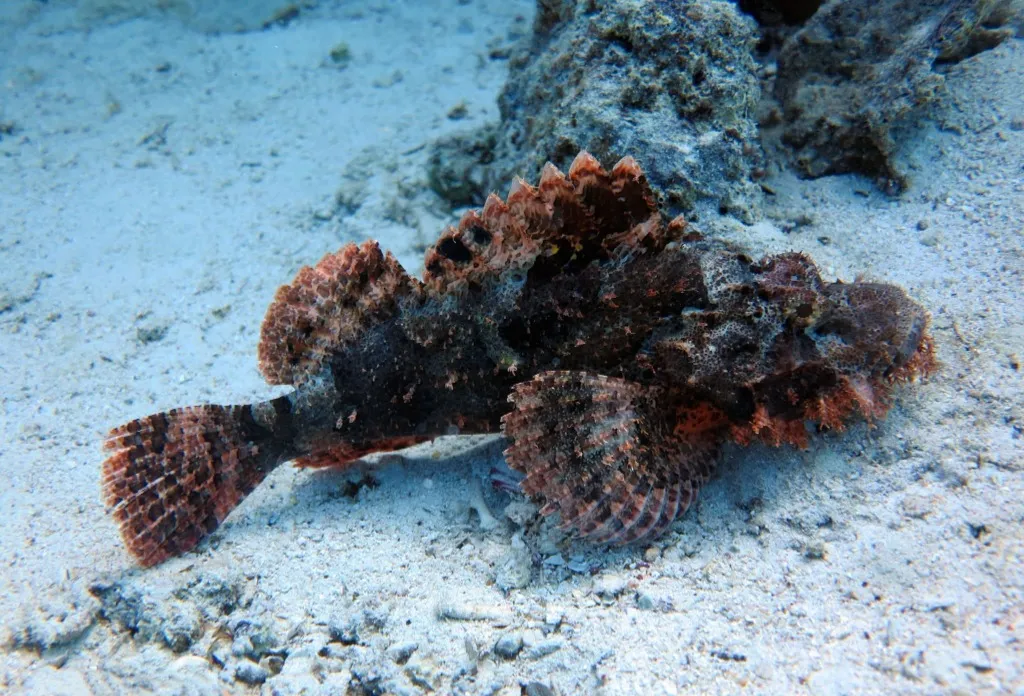
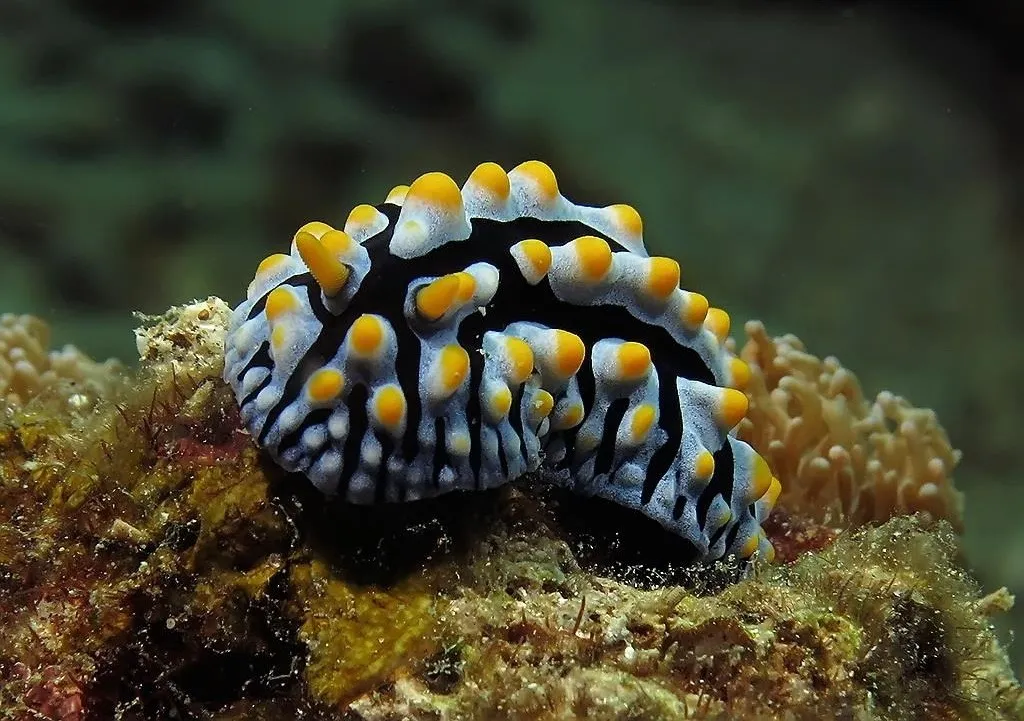
Various nudibranch species, including Hervia, Flabellina, Spotted doris, and Giant doris, add splashes of color to the reefs. Divers can also spot long-striped blennies and scorpion fish camouflaged among the rocks.
Deeper explorations at the Gorgonian Garden showcase extensive formations of beautiful red and yellow gorgonians, alongside the occasional large fan mussel.

Dive Sites Near Small River
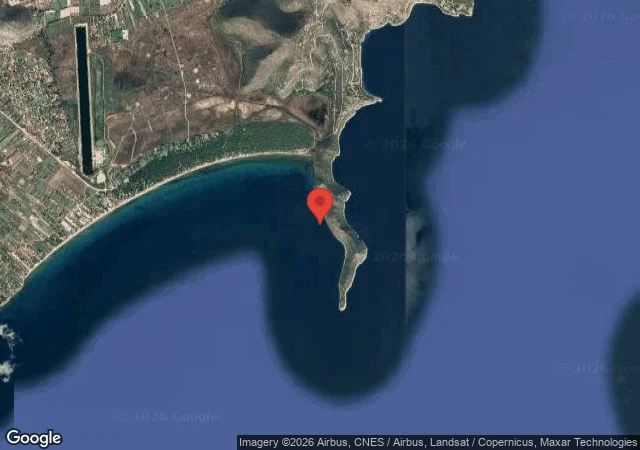
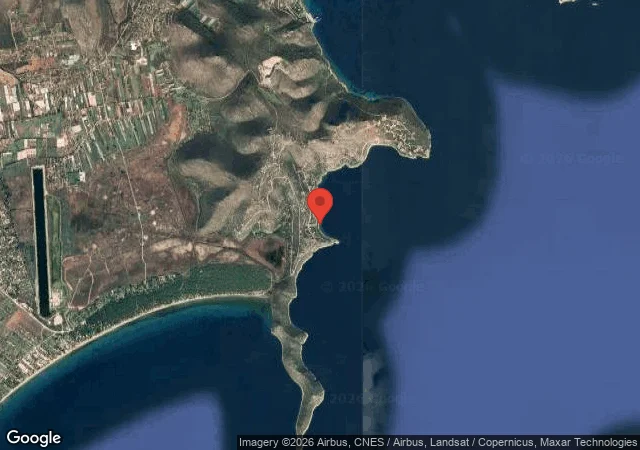
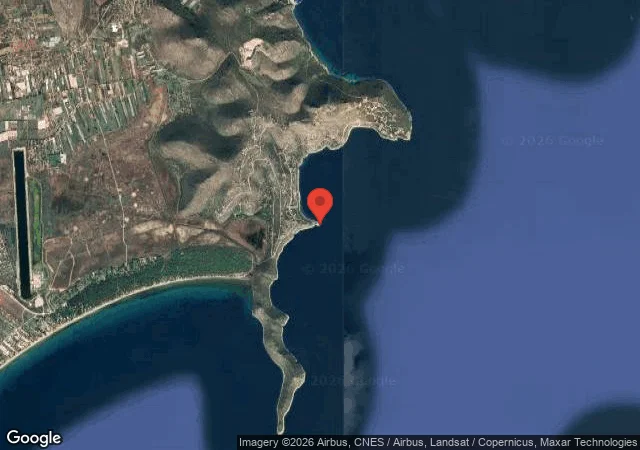
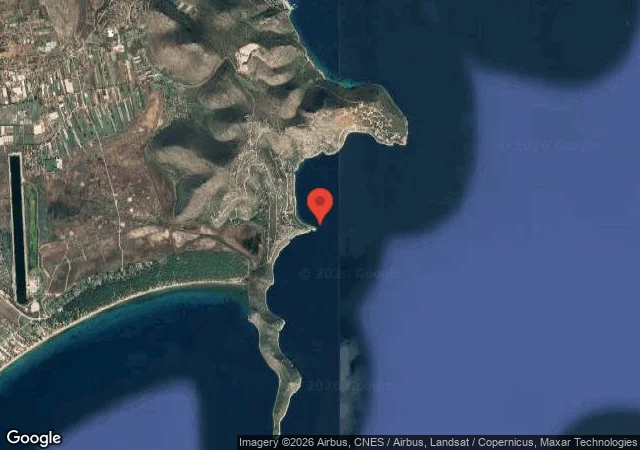
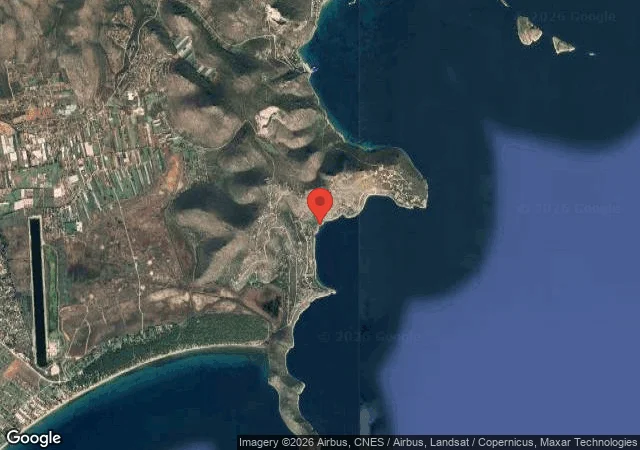
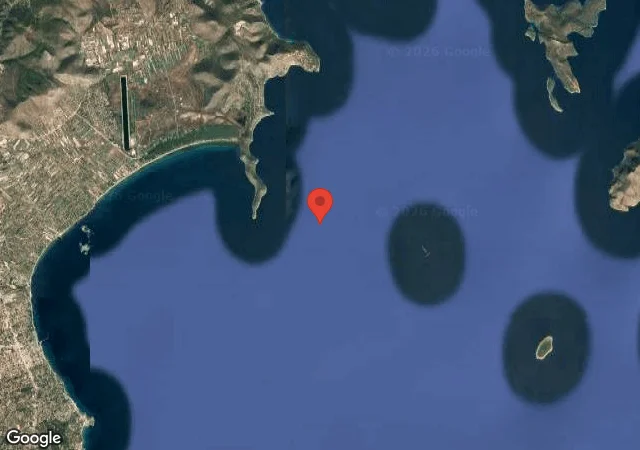
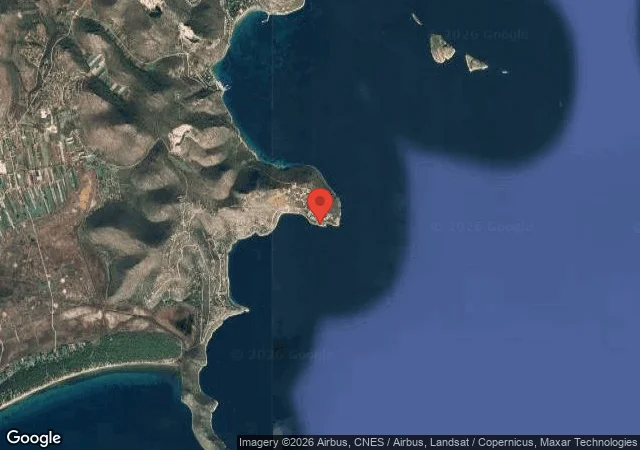
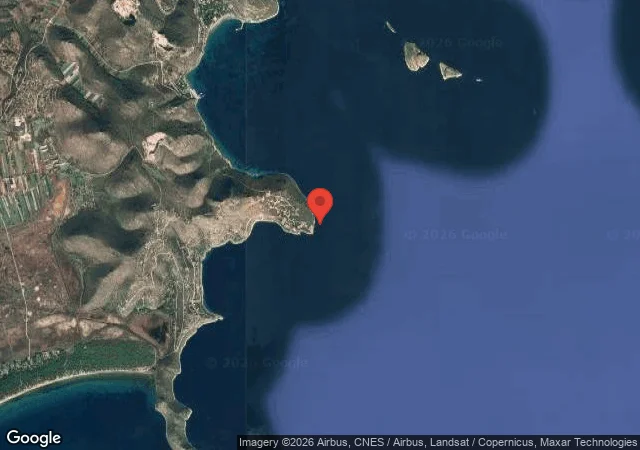
View all dive sites in GreeceDiscover more underwater gems in this area.
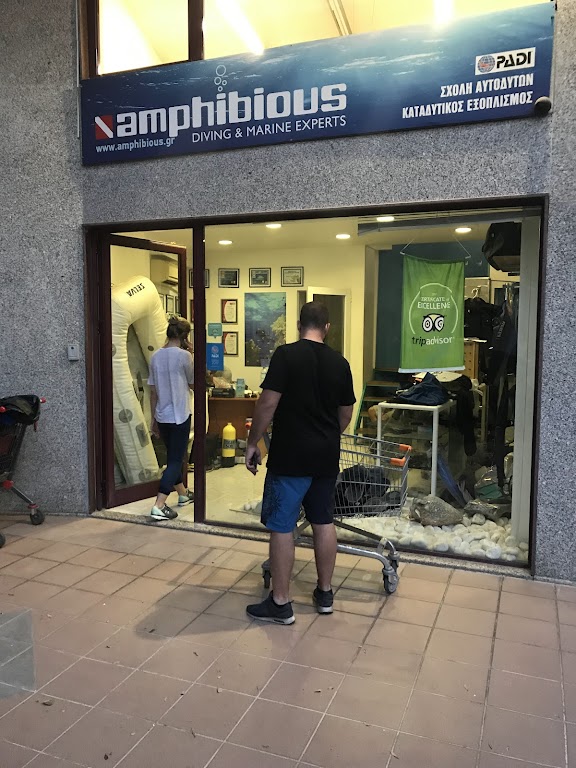
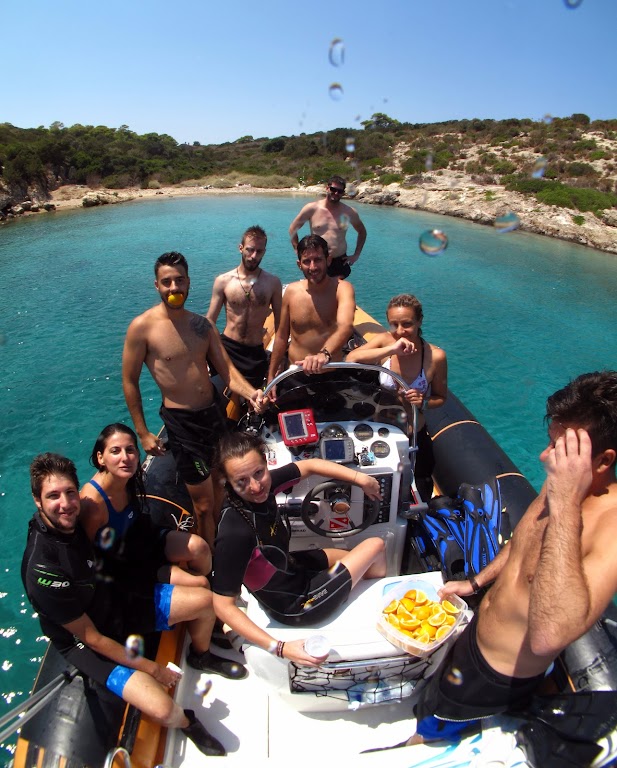
Dive Centers Near Small River
Today: 09:30 - 21:30
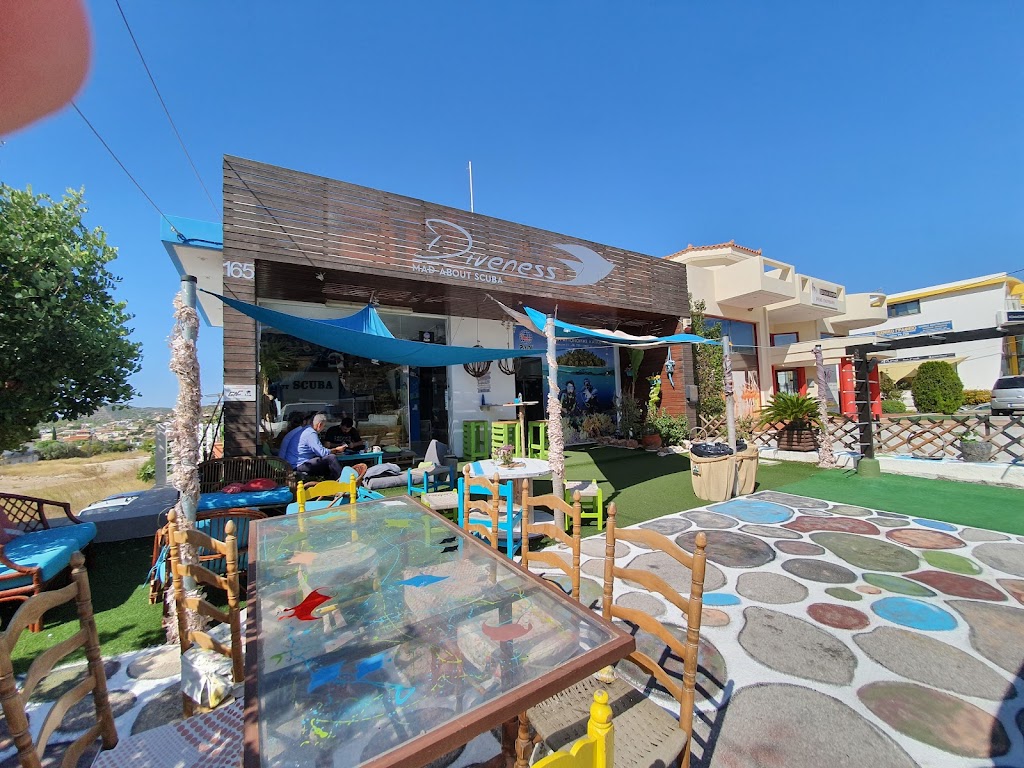
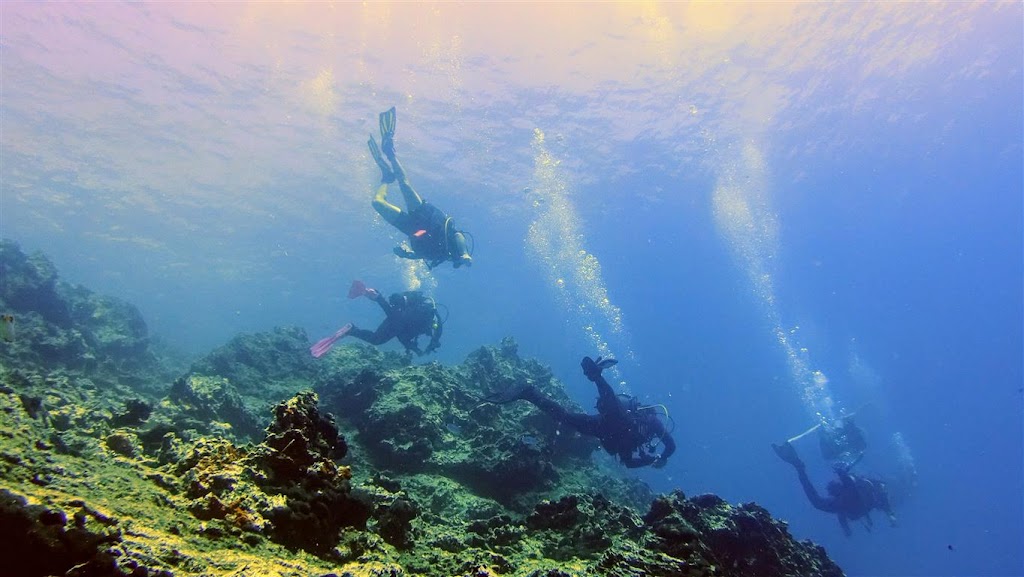
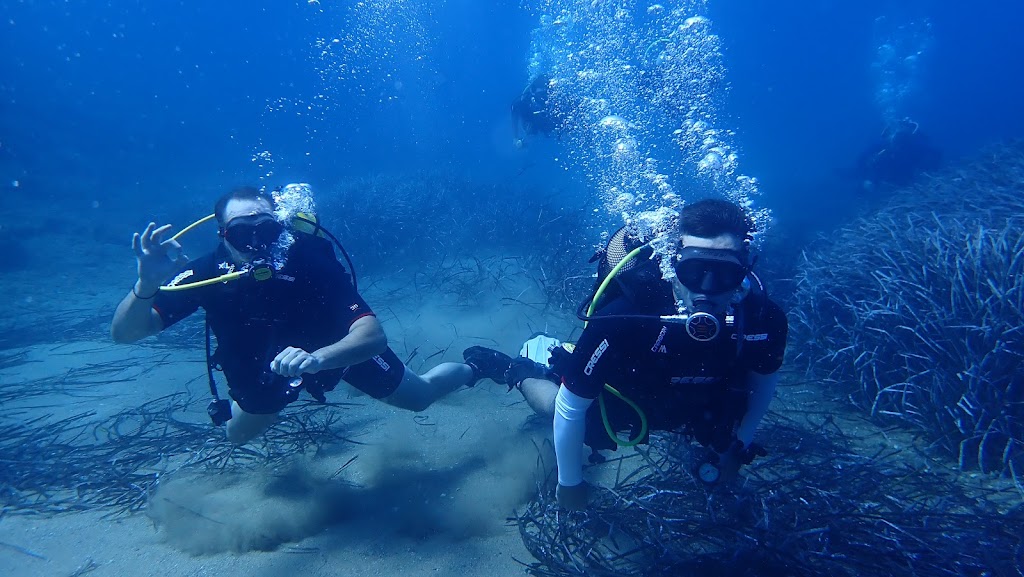
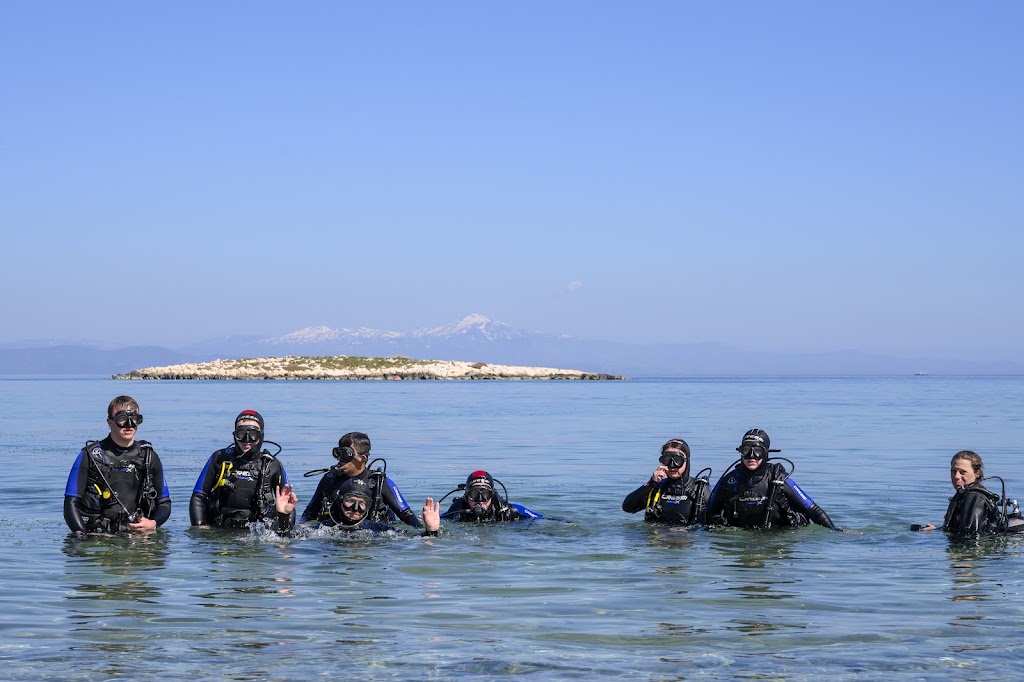
Nearest Airports
Nearest airports to help plan travel to this dive area.
Search Flights
Check available flights and routes on Expedia, using the nearby airports listed in this section.
Search Flights on ExpediaFrequently Asked Questions
What archaeological sites are accessible for diving?
The Peristera shipwreck is a significant archaeological site accessible since 2021. It features ancient amphorae and can be explored within recreational diving limits.
What are the typical water temperatures?
Surface water temperatures generally range around 26°C (79°F) during warmer months. Deeper dives, particularly below 25 meters and beyond 40 meters, may encounter cooler temperatures, dropping to 18-22°C (64-72°F) due to thermoclines.
What kind of dive environments are available?
The area offers a diverse range of environments, including historical shipwrecks, vibrant reef walls and plateaus, intriguing caves, and extensive gorgonian gardens. Some sites also feature sandy bottoms with seagrass beds.
Are there dives suitable for advanced divers?
Yes, sites like the Gorgonian Garden with depths over 40 meters, and Agios Georgios South Reef with its currents and swim-throughs, cater to divers with advanced certifications and experience.
What marine life can be observed?
Expect to see various nudibranchs, cuttlefish on sandy bottoms, long-striped blennies, and scorpion fish. The deeper reefs are home to impressive red and yellow gorgonians and large fan mussels.
Are there any specific challenges for divers?
Some sites, like Agios Georgios South Reef, may present currents and require excellent buoyancy and efficient finning techniques. Deeper dives, such as the Gorgonian Garden, require appropriate training and equipment.
Planning to dive Small River?
Send one inquiry and receive offers directly from the best verified local dive operators.
Conditions are Good
Optimal conditions expected
Current conditions near Small River show 27° air, 25° sea temperature, 0.6 m waves, and 35 km/h wind. Forecast data is refreshed regularly to ensure accuracy.