
Diving at Bear's Den (Honduras)
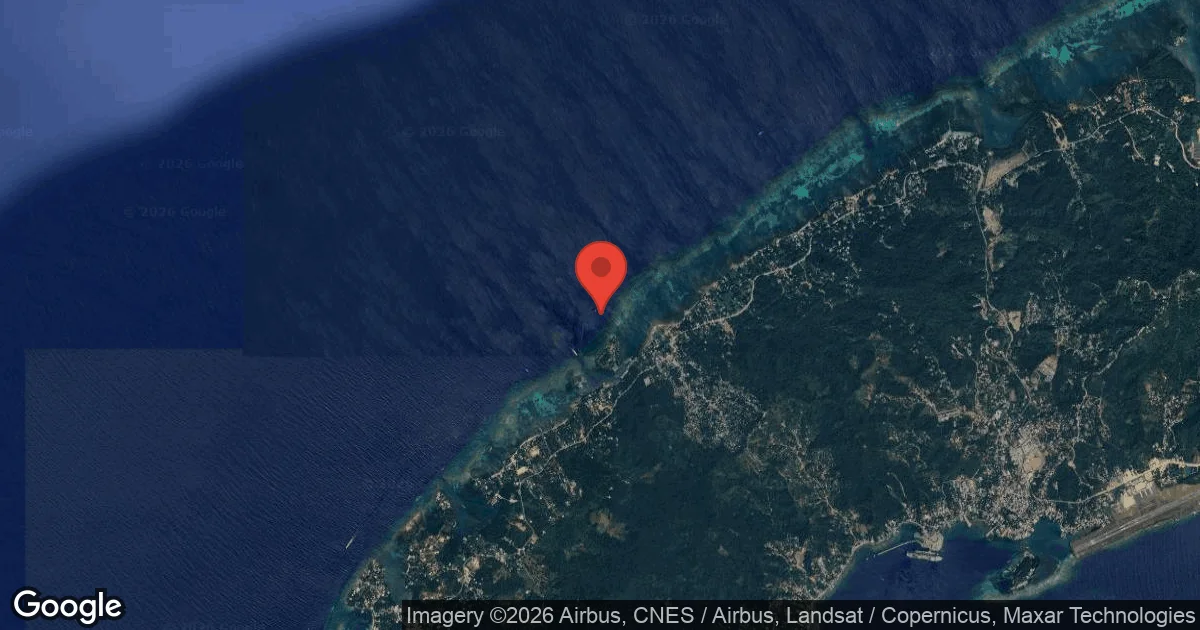
Descend into Bear's Den and discover a captivating blend of overhead environments and vibrant reef ecosystems. This site offers an immersive experience, inviting divers to navigate through its unique cavern systems and explore the rich biodiversity of Roatan's northern coast. Encounter intricate coral formations and an array of marine life, making each dive a journey through diverse underwater landscapes.
Evening condition tracking at Bear's Den features an air temperature of 27°C. We have recorded wave heights measuring 0.6 m during this period. These figures outline the environmental parameters currently present.
Dive Site Location & Key Facts
Dive Site Overview
Bear's Den immediately draws attention with its distinct topography, featuring multiple levels and deep crevices that appeal to divers seeking varied underwater architecture. A notable feature is the 120-foot (36 m) 'chimney chute' swim-through, commencing around 15 m (50 ft) below the surface.
Navigating this narrow, vertical passage requires excellent buoyancy control and comfort in enclosed spaces before it opens into a dramatic, honeycombed coral wall. Expanding outwards, this intricate structure provides a rich habitat and further exploration opportunities. Divers encounter a vast cavern system, characterized by impressive overhead environments and natural light shafts penetrating from above.
Inside the main cavern, a spacious feel allows for careful observation of resident marine life sheltered within its protective embrace. Beyond the primary swim-through, other tunnels and passages lead to deeper sections of the reef, reaching depths beyond 30 m (100 ft).
A seamless transition occurs from the enclosed cavern to the open, vibrant reef wall, presenting a continuous display of coral formations and diverse fish species. Divers often report a sense of discovery while exploring its numerous nooks and crannies.
Careful planning ensures a full experience, accommodating both the cavern penetration and the extensive reef system at recreational limits.
Conditions are Good
Optimal conditions expected
Current conditions near Bear's Den show 27° air, 29° sea temperature, 0.6 m waves, and 26 km/h wind. Forecast data is refreshed regularly to ensure accuracy.
Best Time to Dive
Planning a dive at Bear's Den means considering the island's seasonal patterns, as conditions vary throughout the year. While diving is possible year-round, the calmest seas and clearest water typically occur from late winter into the summer months. During this period, from February through July, wind speeds average between 31 and 37 km/h (19-23 mph), and rainfall is generally lower, ranging from 0.5 to 7.0 mm (0.02-0.28 inches) monthly. The autumn months of August, September, and October often present particularly good dive conditions with lower wave heights, averaging 0.8 to 0.9 m (2.6-3.0 ft). Air temperatures remain warm, averaging 25.5°C (78°F) in February and peaking at 29°C (84°F) in September, making surface intervals comfortable year-round.
PEAK SEASON SCORE
Scores combine air & water temps, waves, wind & rainfall for overall conditions.
BEST MONTHS TO DIVE
Monthly records compiled from satellite and marine observation nodes over the last 3 years. Data provided by Open-Meteo and MET Norway.
Dive Experience & Conditions
Bear's Den generally offers an accessible reef and cavern dive with manageable water movement, often reported with no significant currents, which can simplify navigation. Visibility at the site is consistently good, typically around 20 m (65 ft). Water temperature for this specific site is not consistently reported in our data, but regional averages suggest warm, comfortable conditions typical of the Caribbean. Access to the site is straightforward by boat, usually involving a short swim from the mooring to the main overhead features. This location primarily caters to scuba diving, with the deeper cavern and reef sections being the signature experience.
Dive Difficulty & Safety Guidelines
The primary safety consideration at Bear's Den is its overhead environment, specifically the cave and tunnel systems. Divers exploring these sections must possess appropriate training, carry proper lighting, and maintain constant awareness of their exit path. Caverns should only be entered by experienced divers equipped with the necessary skills and gear to safely navigate such enclosed spaces.
Due to the signature features being at recreational depth limits and inside overhead environments, Bear's Den is not suitable for casual freediving or snorkeling, as these activities wouldn't allow full appreciation or safe access to the main attractions.
Recommended Equipment
Overhead environment. Do not enter beyond training and gas planning limits.
Current and surface separation risk. Local briefing strongly recommended.
- Dive Computer
- DSMB
- Primary & Backup Lights
- Reel / Spool
- Cutting Tool
This gear list is based on verified equipment signals for Bear's Den, Honduras. Always confirm final gear choices with your dive operator, guide, or liveaboard.
Recommended Dive Suit
Subtle variations in currents or depth can sometimes influence perceived water temperature.
Dive skin or rash guard tends to perform well in water temperatures like those currently observed here. A hood or vest is suggested for sensitive divers due to surface winds. Forecast models show minimal temperature variation in the coming days.
Water temperatures across the dive area at Bear's Den are presently estimated to be around 29°C (85°F). Surface air temperatures are resting at 27°C (81°F).
Due to technical issues with our weather providers, data hasn't been fetched for over 48 hours. The data above reflects the conditions at the time of the last successful fetch.
Emergency & Medical Support
Essential information to help you plan your dive trip to Bear's Den.

Hyperbaric chambers are a critical part of dive safety infrastructure. Availability varies significantly by region, and not all dive areas have immediate access.
Before diving, it's recommended to:
- confirm nearest medical facilities
- check emergency procedures with local dive operators
- ensure dive insurance covers evacuation if required
Divers Alert Network
Diving emergency assistance available through DAN World.
+1-919-684-9111- 24/7 emergency hotline
- Diving medical assistance
- Evacuation coordination
Emergency contacts are provided for reference. Always verify local emergency services before diving.
Marine Life at Bear's Den
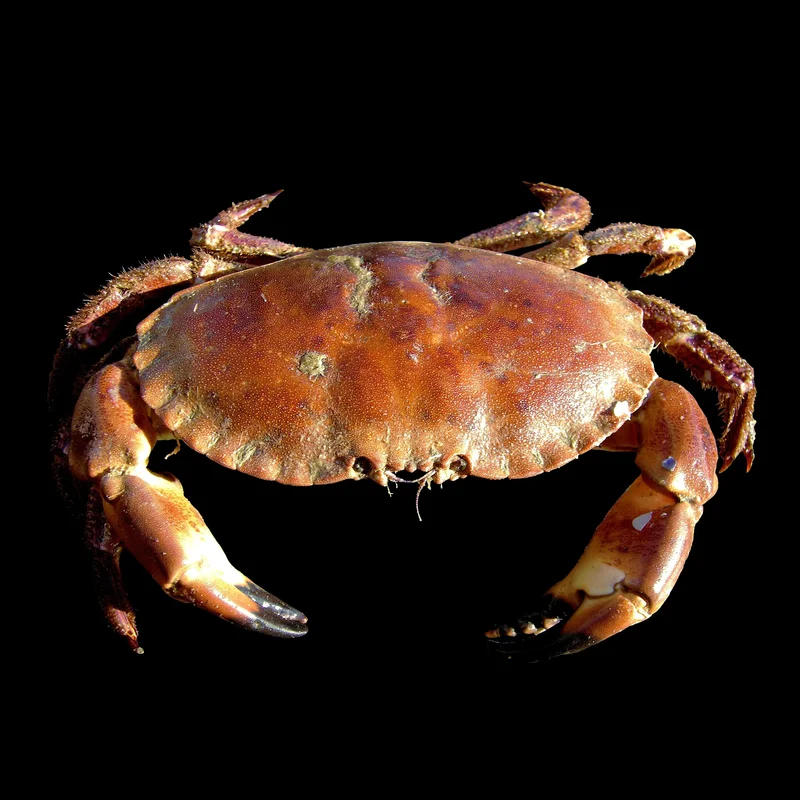
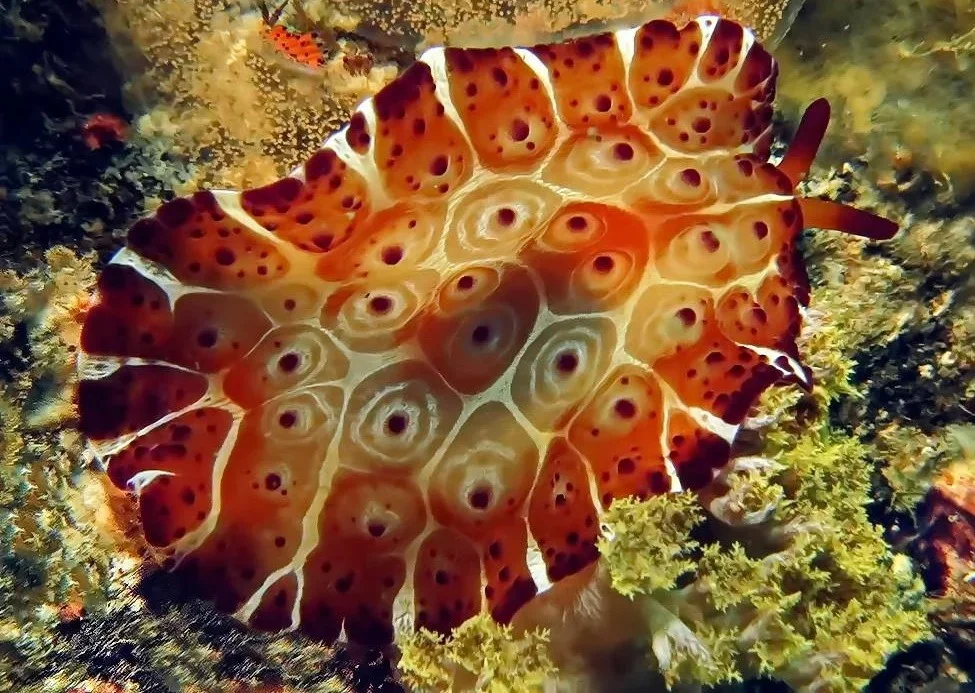
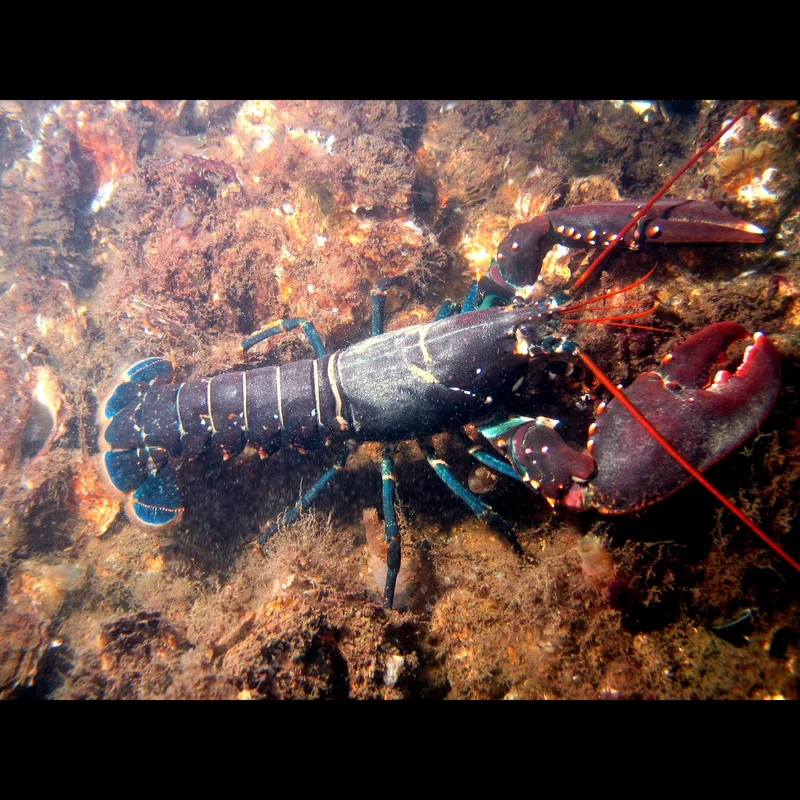
Within the cavern's circular room, divers frequently encounter crabs, lobsters, and schools of Glassy Sweepers, illuminated by scattered sunbeams. Near the cavern entrance, look for Spotted Drum, small Lettuce Leaf Sea Slugs, and other types of nudibranchs among the rocks.
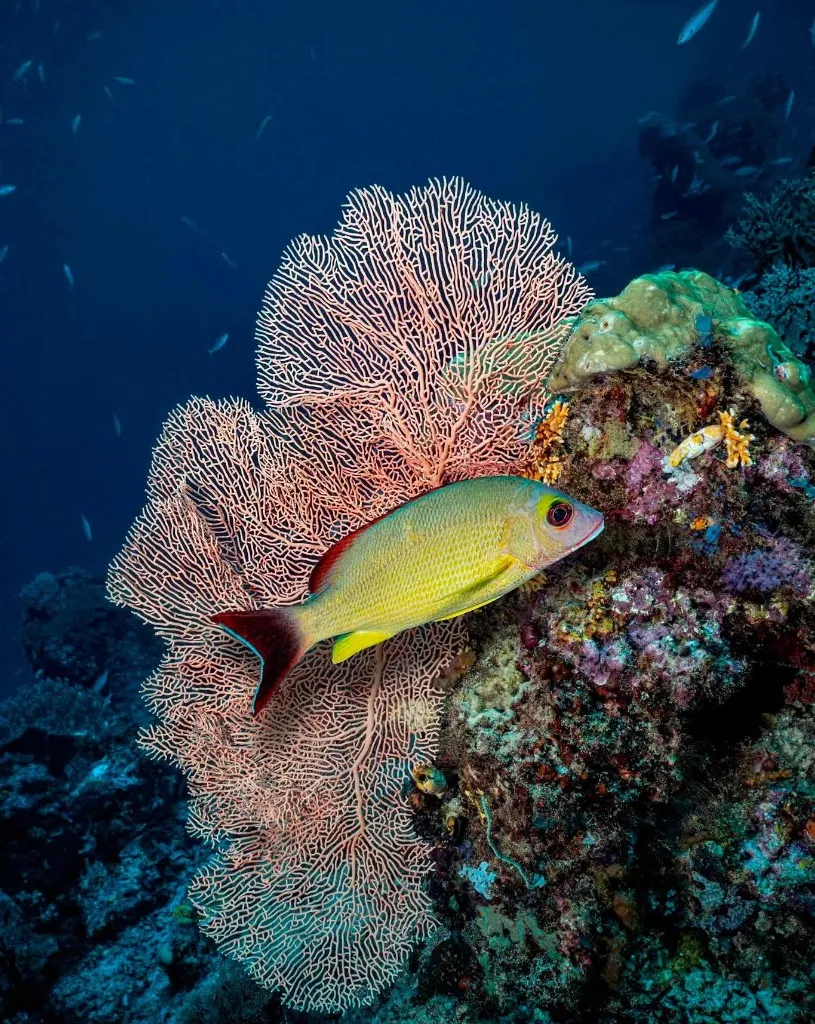
On the surrounding reef, healthy coral structures dominate, including large Brain Corals in shallower sections. Further out, Gorgonian Soft Corals provide shelter for Neck Crabs and occasionally rare seahorses.
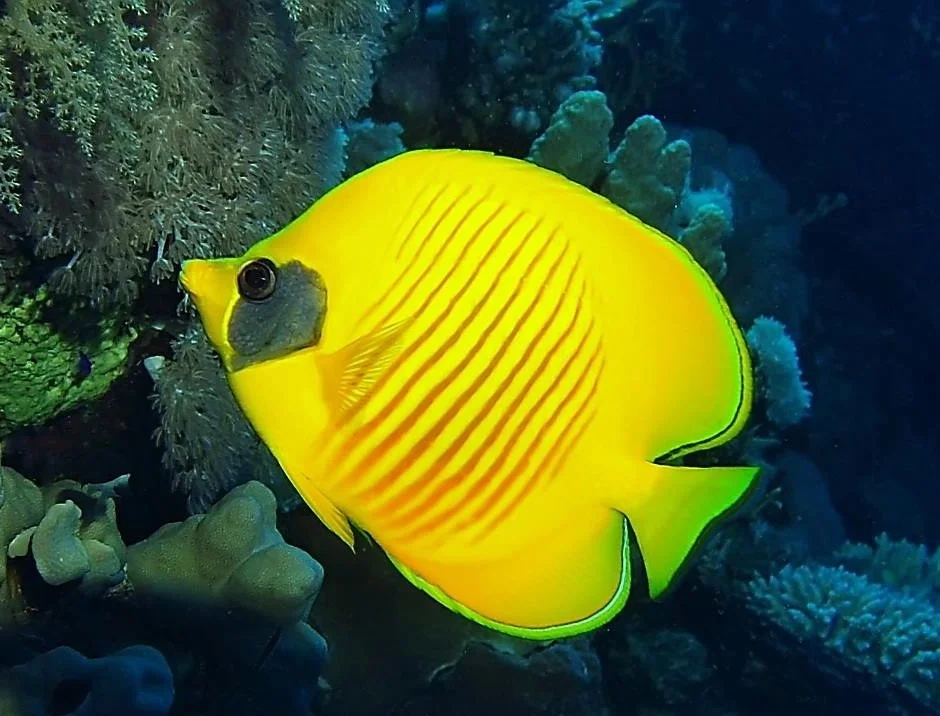
Expect to see a variety of reef fish such as butterflyfish, grouper, and snapper, alongside sea whips, sea sponges, black coral, and larger pelagics like turtles and barracudas.
Dive Sites Near Bear's Den
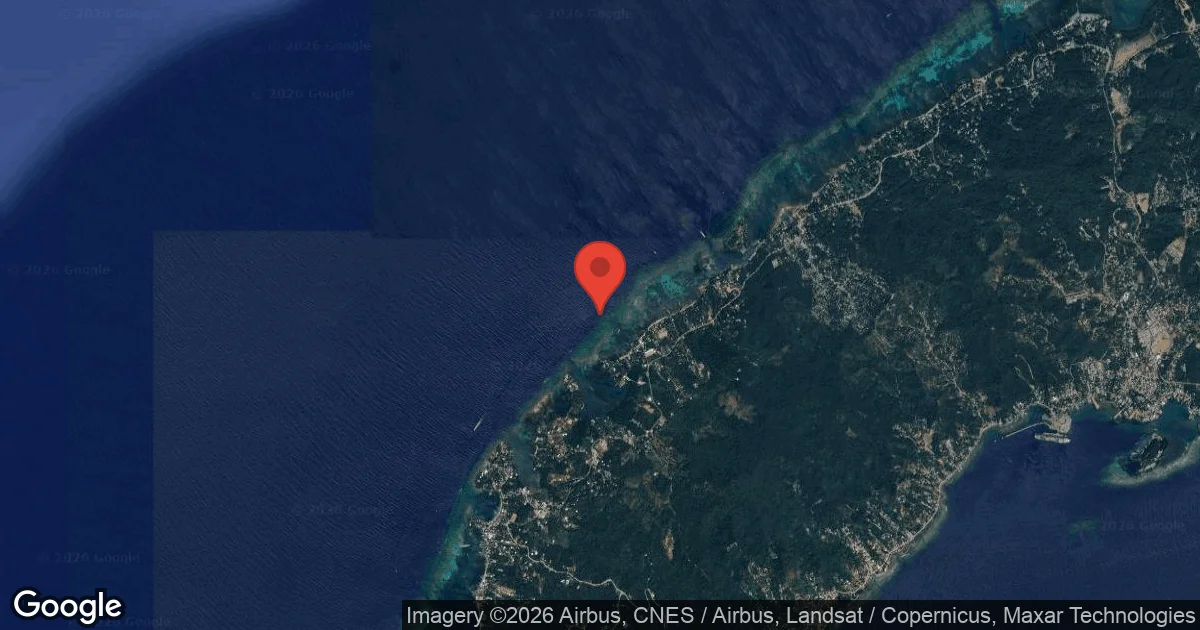
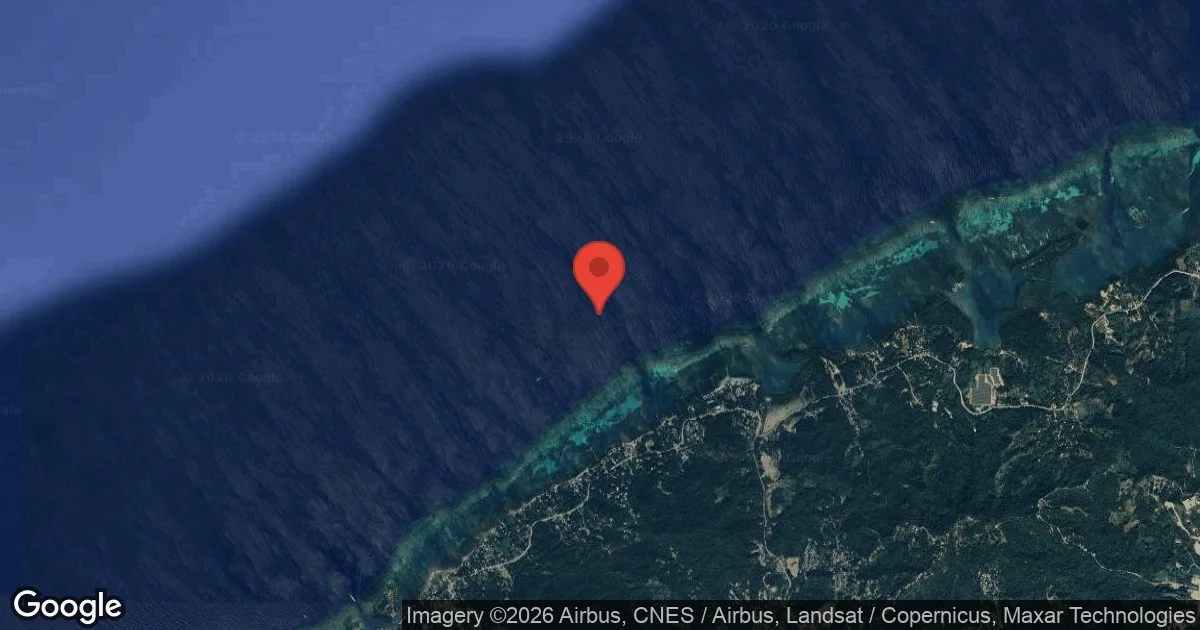
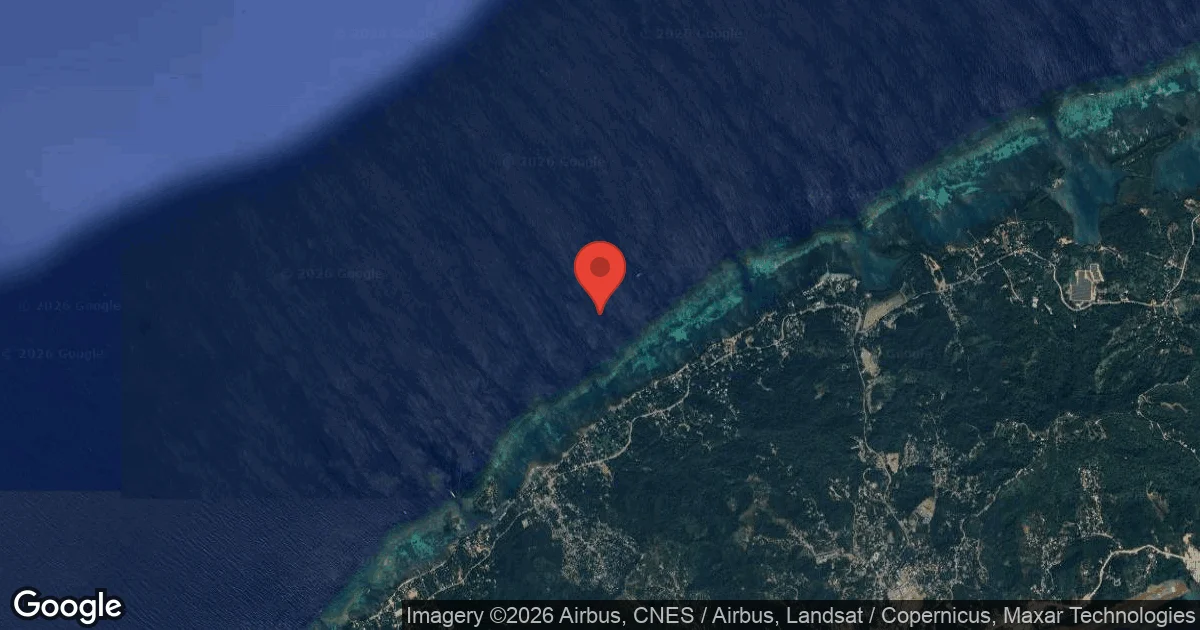
View all dive sites in HondurasDiscover more underwater gems in this area.
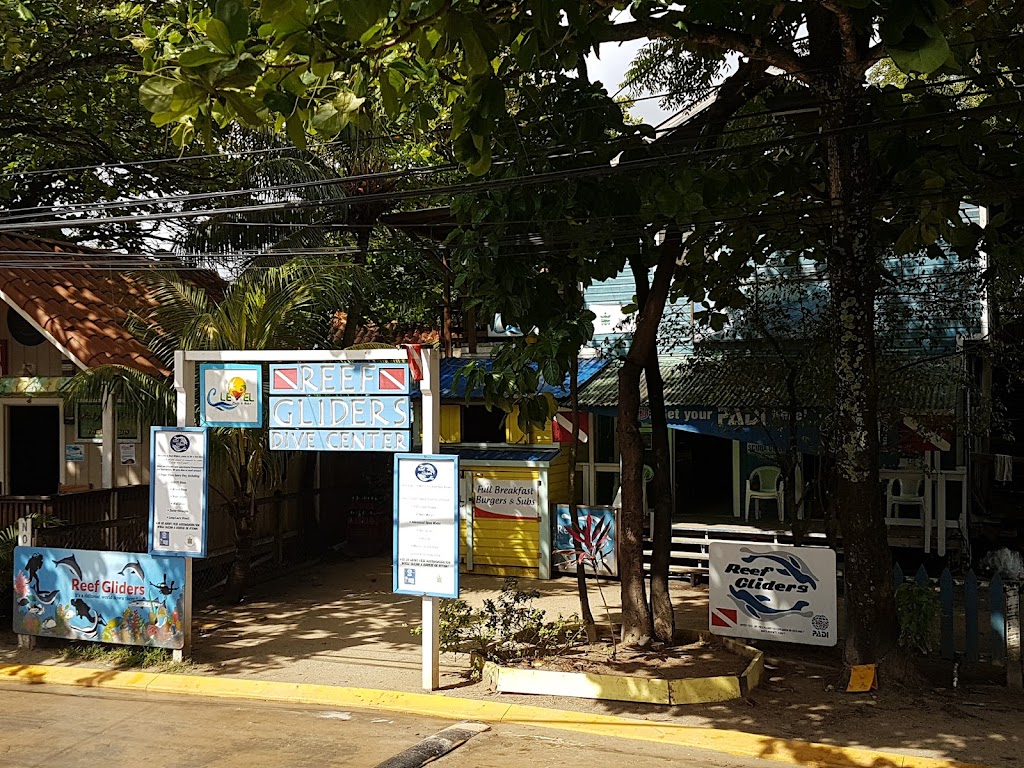
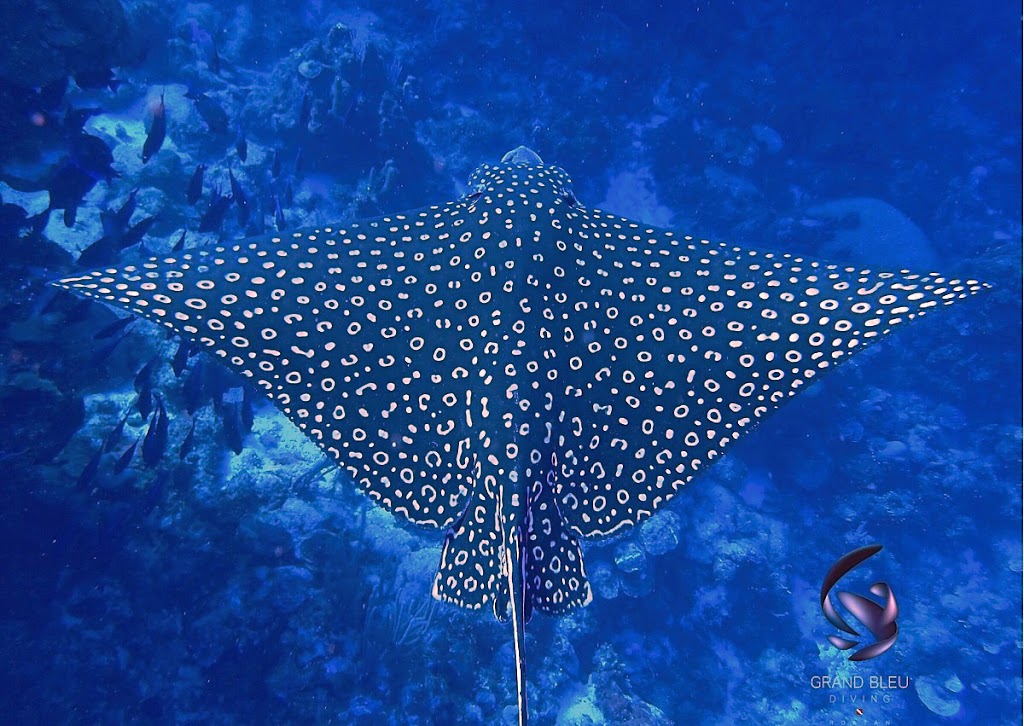
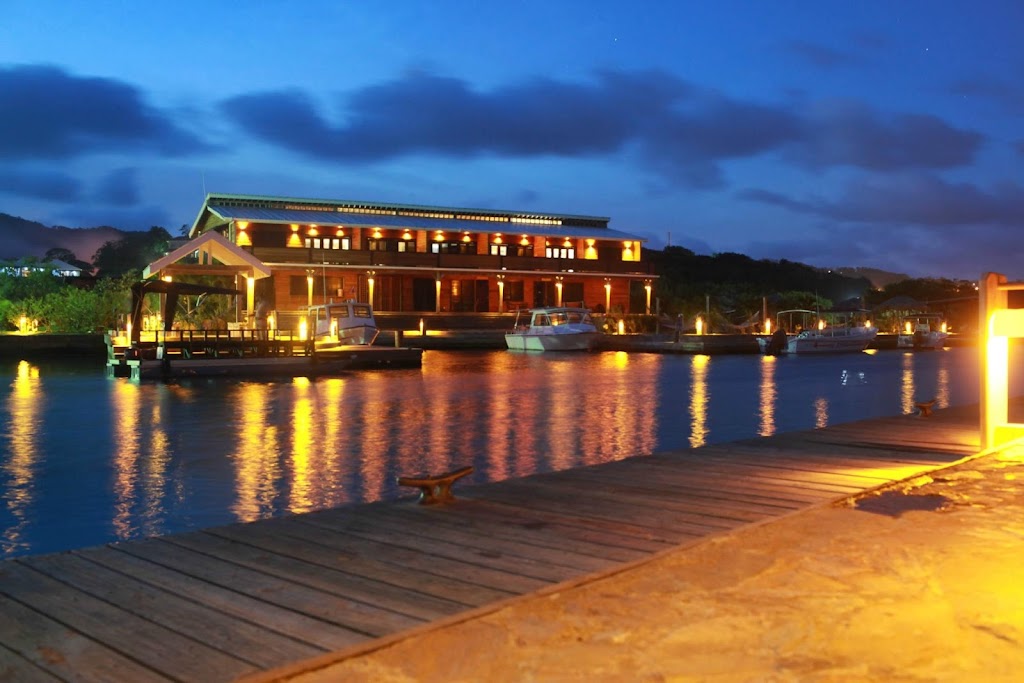
Dive Centers Near Bear's Den
Today: 08:00 - 16:00
Nearest Airports
Nearest airports to help plan travel to this dive area.
Search Flights
Check available flights and routes on Expedia, using the nearby airports listed in this section.
Search Flights on ExpediaFrequently Asked Questions
Are currents a factor at Bear’s Den in Honduras?
Currents at Bear's Den are generally reported as manageable or absent, making it an easy reef-and-cavern dive. This calm environment contributes to a more relaxed diving experience.
How do divers reach Bear’s Den in Honduras?
Divers typically access Bear's Den via boat. The dive usually involves a short swim from the mooring directly to the main overhead features of the site.
Is Bear’s Den in Honduras suitable for beginner divers?
While portions of the reef are accessible to beginners, navigating main cave and tunnel systems, including a narrow 'chimney chute' at 15 m (50 ft), requires advanced training and excellent buoyancy control. Beginners should consult with a local dive operator for suitable options.
Is Bear’s Den in Honduras suitable for snorkeling or casual freediving?
No, Bear's Den is not typically suitable for snorkeling or casual freediving. Its signature features are deeper caverns and reef sections, best experienced with scuba equipment.
What visibility should divers expect at Bear’s Den in Honduras?
Divers can generally expect good visibility at Bear's Den, with reports indicating around 20 meters. This clarity enhances the exploration of the site's intricate topography and marine life.
When is the best time to dive Bear’s Den in Honduras?
Diving Bear's Den is often most favorable from late winter into summer, roughly February through July. Calm seas and clearer planning windows generally characterize this period. Autumn months, particularly August to October, also present good conditions with lower wave heights.
What is the primary feature of the Bear's Den dive site?
Bear's Den's primary feature is its impressive system of caverns and tunnels, including a 'chimney chute' swim-through. These overhead environments are complemented by a vibrant reef wall that extends to greater depths.
Planning to dive Bear's Den?
Send one inquiry and receive offers directly from the best verified local dive operators.
Conditions are Good
Optimal conditions expected
Current conditions near Bear's Den show 27° air, 29° sea temperature, 0.6 m waves, and 26 km/h wind. Forecast data is refreshed regularly to ensure accuracy.