
Diving at The Odyssey (Honduras)
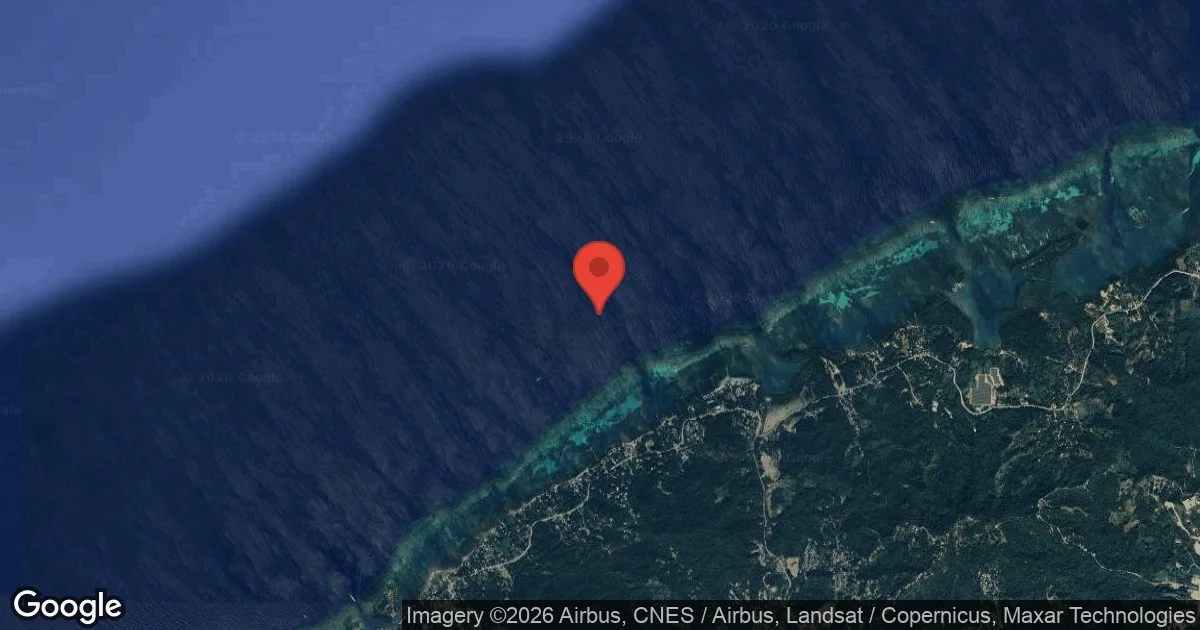
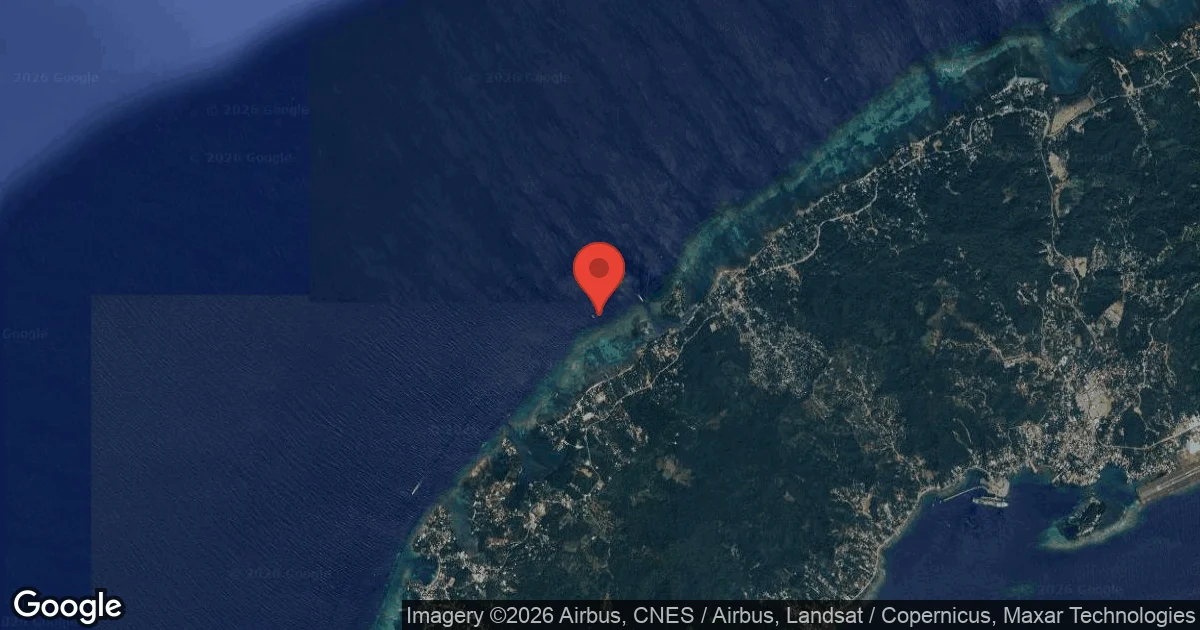
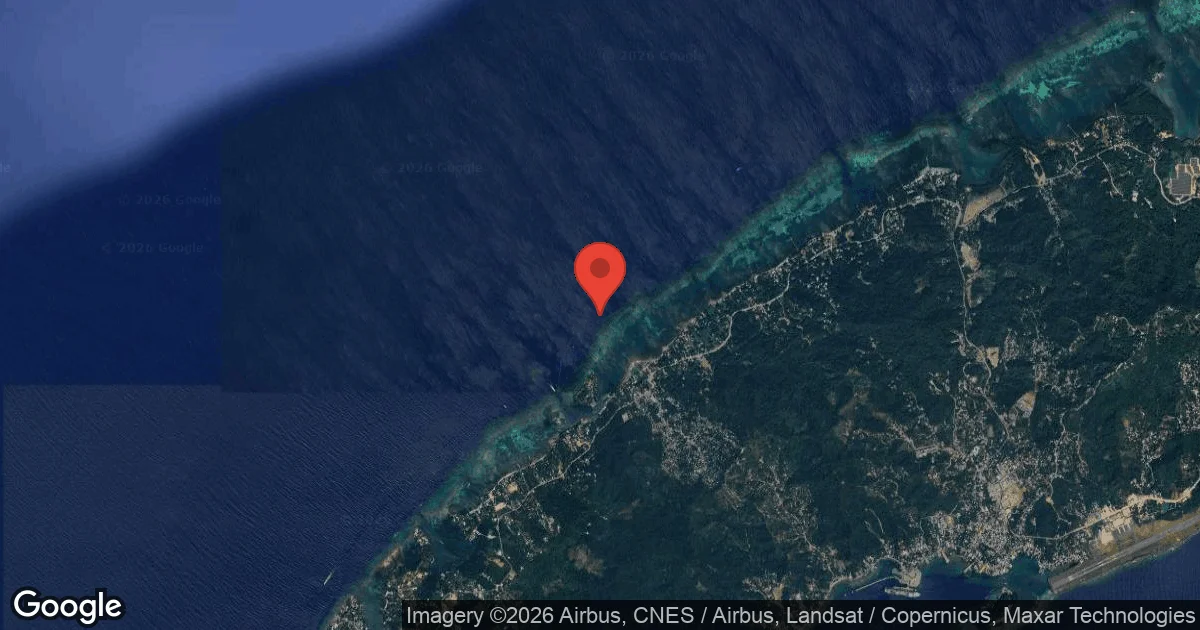
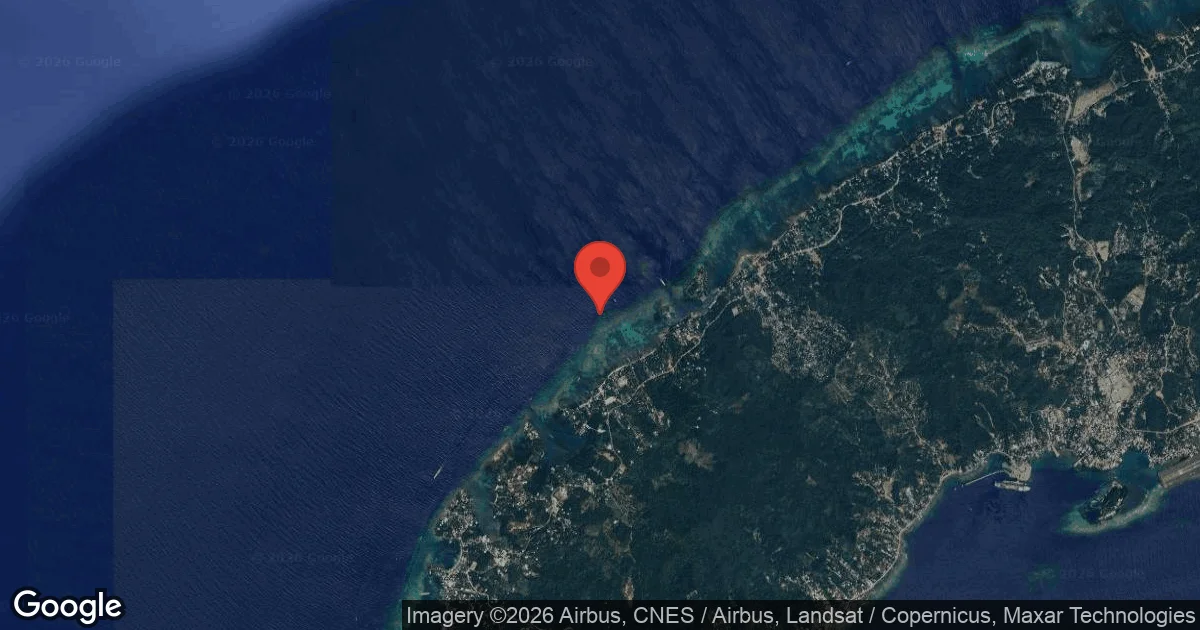
Off Roatan's north coast, a substantial freighter, the Odyssey, was deliberately sunk in 2002, creating an artificial reef. Its immense 300-foot (91 m) length now dominates the seafloor, presenting a dramatic underwater landscape. Broken into various sections, the hull provides distinct exploration zones. One section, the bow, stretches towards a nearby reef wall, while the stern rises to shallower depths, offering varied structural features.
As evening covers The Odyssey, the local air temperature is measured at 27°C. The current wave height at the surface is recorded at 0.5 m. These late-day readings characterize the surface conditions for the night.
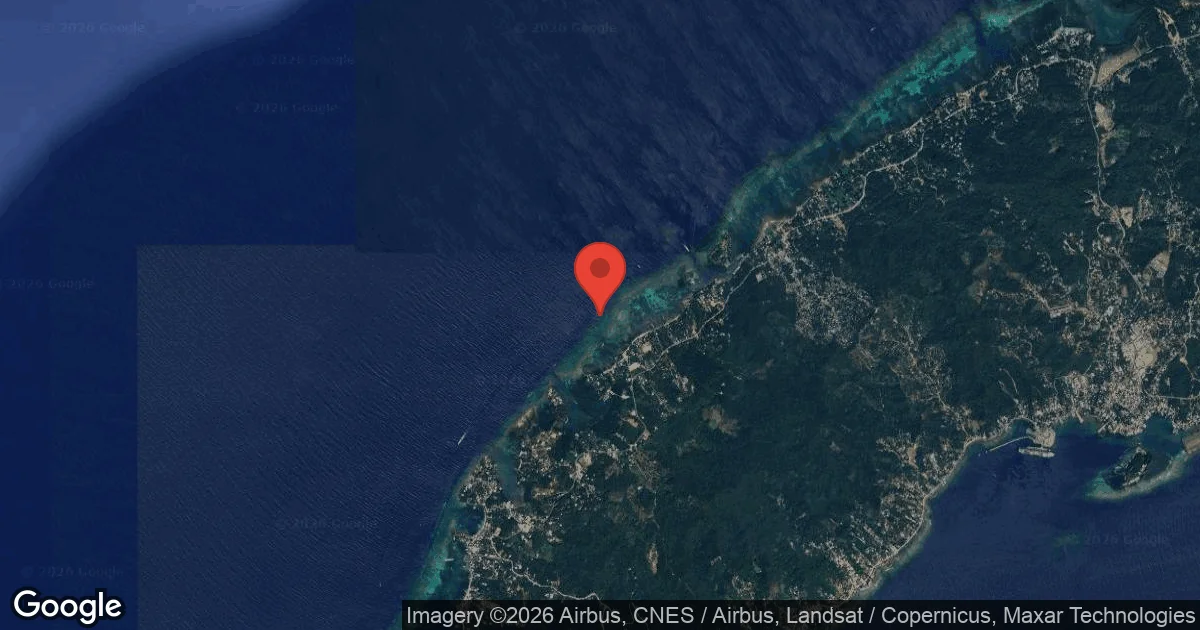
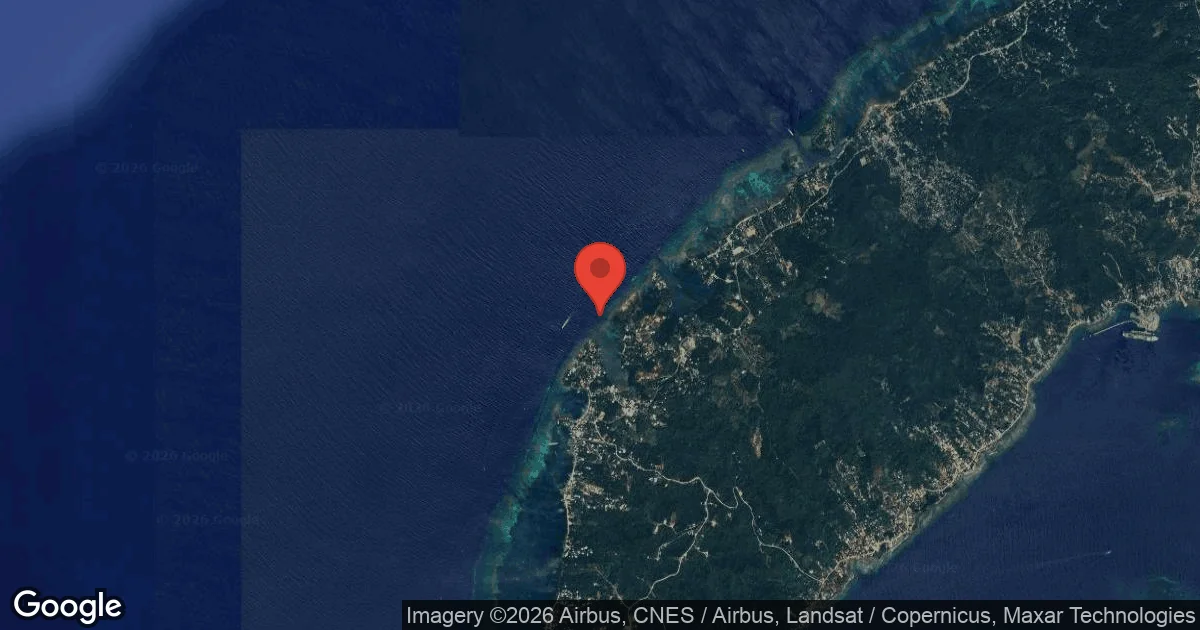
Dive Site Location & Key Facts
Dive Site Overview
Diving Honduras's largest sunken vessel, the Odyssey, provides an immersive journey through an expansive artificial reef. Resting at approximately 35 m (115 ft) maximum depth, this 300-foot freighter presents a significant exploration challenge.
Deliberately sunk in 2002, the wreck now thrives as a complex habitat, evolving over two decades. Divers navigate its substantial stern section, which rises to about 18 m (60 ft), offering ample opportunities for penetration; this suits those with appropriate wreck diving experience. Meanwhile, the bow lies at a slightly shallower 22 m (73 ft), situated closer to the natural reef wall.
Exploring the sheer scale and fragmented nature reveals new perspectives and interactions with the established ecosystem. Each dive here can uncover different facets of its structure and inhabitants, making it an expansive site demanding thorough dive planning.
Conditions are Good
Optimal conditions expected
Current conditions near The Odyssey show 27° air, 30° sea temperature, 0.5 m waves, and 20 km/h wind. Forecast data is refreshed regularly to ensure accuracy.
Best Time to Dive
Considering seasonal patterns aids planning a dive at the Odyssey. The period from August to October is often rated 'Good' for diving, contrasted with 'Moderate' conditions during other months. Favorable months see average wind speeds decrease, falling to around 25-28 km/h (15-17 mph), generally translating to calmer surface conditions. Rainfall increases from September to November, peaking in November at about 15.2 mm, yet air temperatures remain warm, typically ranging from 28-29°C (82-84°F). Conversely, March through July, while still offering moderate conditions, often exhibit higher average wind speeds exceeding 34 km/h (21 mph), and wave heights can reach 1.3 m (4.3 ft). These periods may present choppier surface conditions, potentially making entry and exit more challenging.
PEAK SEASON SCORE
Scores combine air & water temps, waves, wind & rainfall for overall conditions.
BEST MONTHS TO DIVE
Monthly records compiled from satellite and marine observation nodes over the last 3 years. Data provided by Open-Meteo and MET Norway.
Dive Experience & Conditions
Underwater conditions at the Odyssey vary; currents, though not consistently reported as strong, can be present and should be anticipated. Visibility tends to be good, fluctuating with weather patterns and seasonal plankton blooms. Water temperatures in this region are generally warm, typically ranging from 27-29°C (81-84°F), making for comfortable extended bottom times without heavy thermal protection. Its deeper sections, alongside shallower parts, firmly place the site within advanced recreational limits, demanding careful air management and decompression planning. Due to its large size and fragmented structure, divers experience different environmental interactions across the wreck.
Dive Difficulty & Safety Guidelines
Approaching the Odyssey requires understanding its inherent challenges as a deep wreck site. Given its maximum depth, advanced certification and proper training in deep diving are fundamental. Penetration opportunities in the stern section mandate specialized wreck diving certification and appropriate equipment, including redundant air sources and dive lights.
Never attempt penetration without sufficient training and experience, as interiors can be disorienting and silty. Divers should always adhere to dive computer limits and maintain conservative no-decompression limits, particularly on repetitive dives. Careful gas consumption planning is essential for a safe ascent and a comfortable safety stop.
Recommended Equipment
Overhead / entanglement risk. Wreck penetration requires proper training.
- Dive Computer
- DSMB
- Primary & Backup Lights
- Wreck Reel
- Cutting Tool
This gear list is based on verified equipment signals for The Odyssey, Honduras. Always confirm final gear choices with your dive operator, guide, or liveaboard.
Recommended Dive Suit
For divers planning standard recreational dives, dive skin or rash guard is usually a suitable option. A hood or vest is suggested for sensitive divers due to surface winds. Divers vary widely in how quickly they feel cold underwater.
The waters surrounding The Odyssey are currently maintaining temperatures close to 30°C (86°F). Surface air temperatures are resting at 27°C (80°F).
The upcoming forecast points to generally steady conditions in the area.
Emergency & Medical Support
Essential information to help you plan your dive trip to The Odyssey.

Hyperbaric chambers are a critical part of dive safety infrastructure. Availability varies significantly by region, and not all dive areas have immediate access.
Before diving, it's recommended to:
- confirm nearest medical facilities
- check emergency procedures with local dive operators
- ensure dive insurance covers evacuation if required
Divers Alert Network
Diving emergency assistance available through DAN World.
+1-919-684-9111- 24/7 emergency hotline
- Diving medical assistance
- Evacuation coordination
Emergency contacts are provided for reference. Always verify local emergency services before diving.
Marine Life at The Odyssey
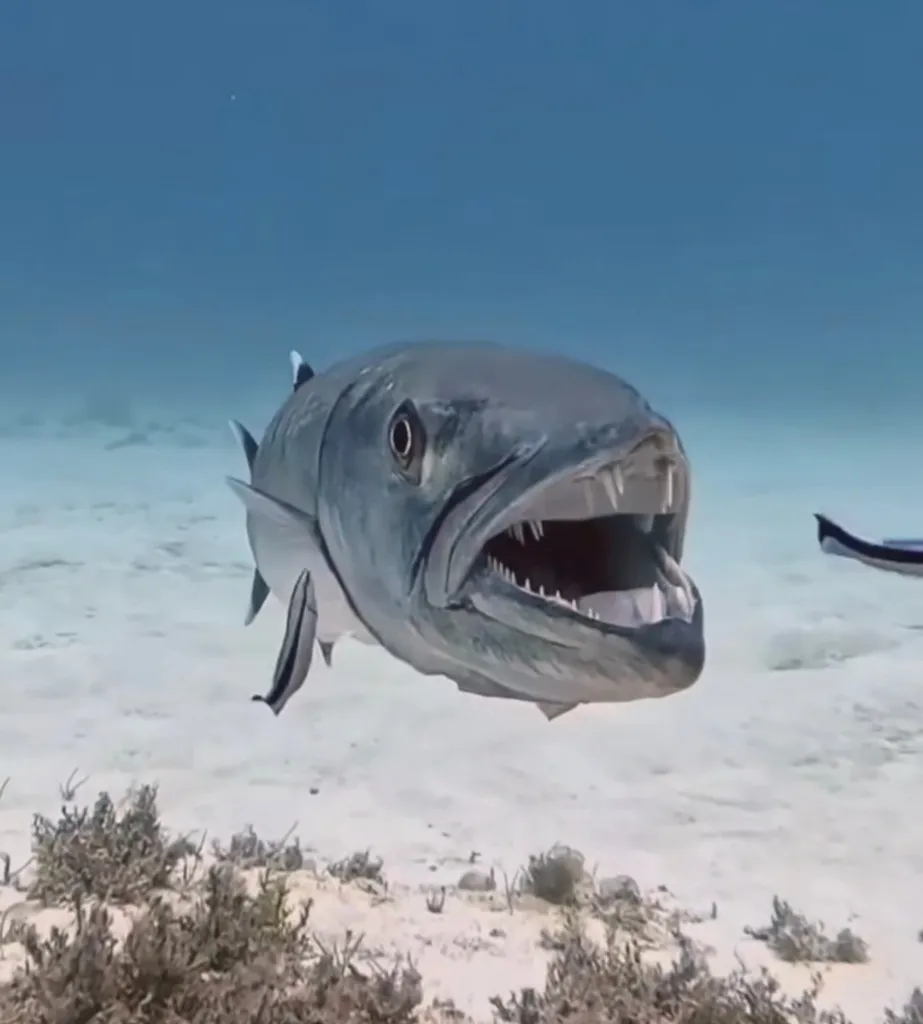
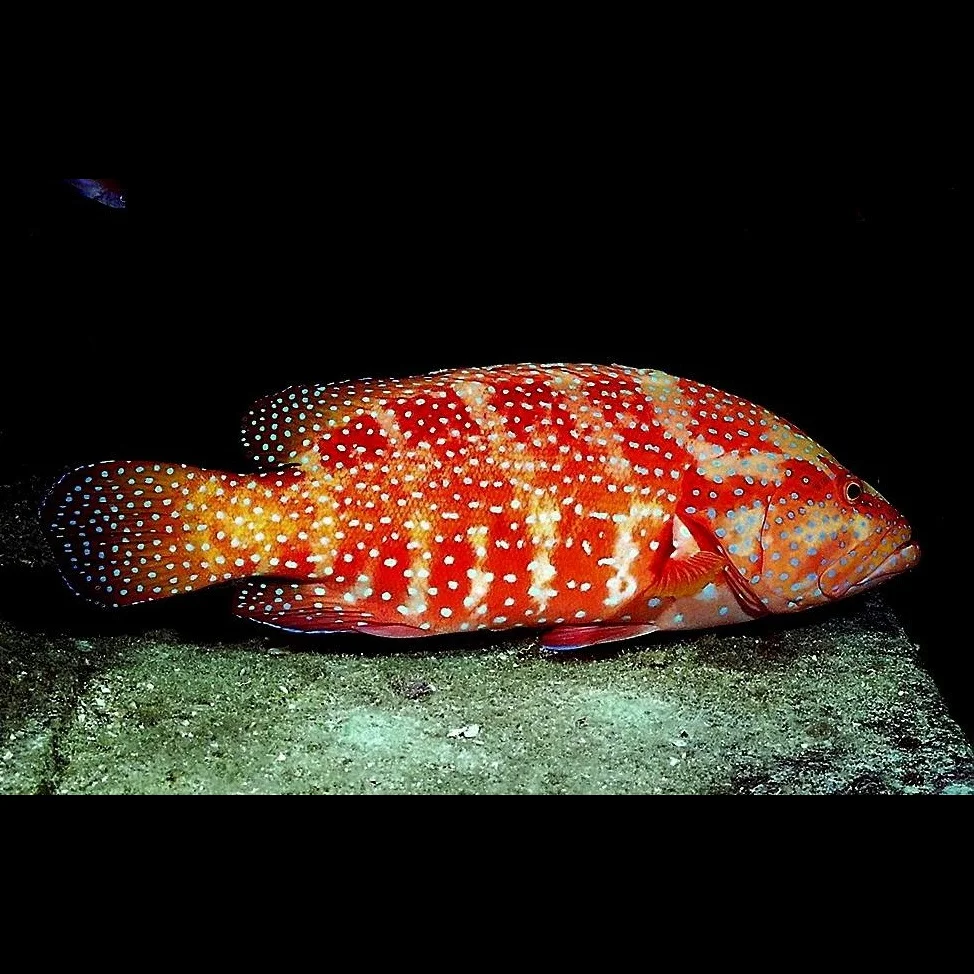
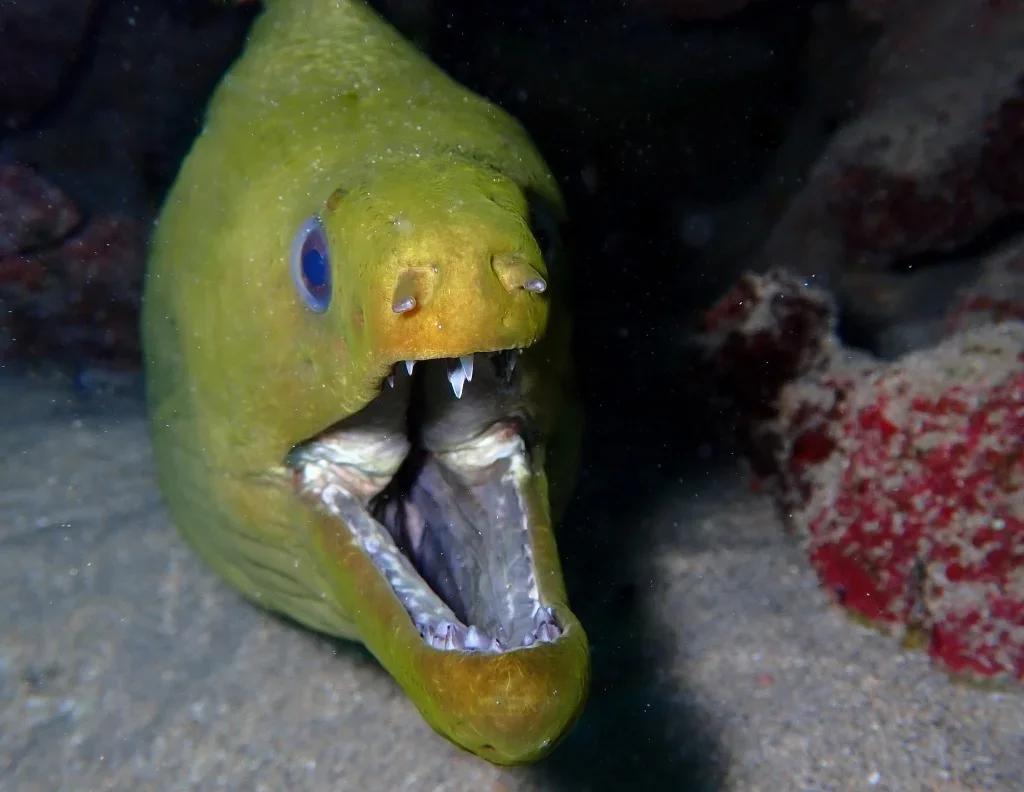
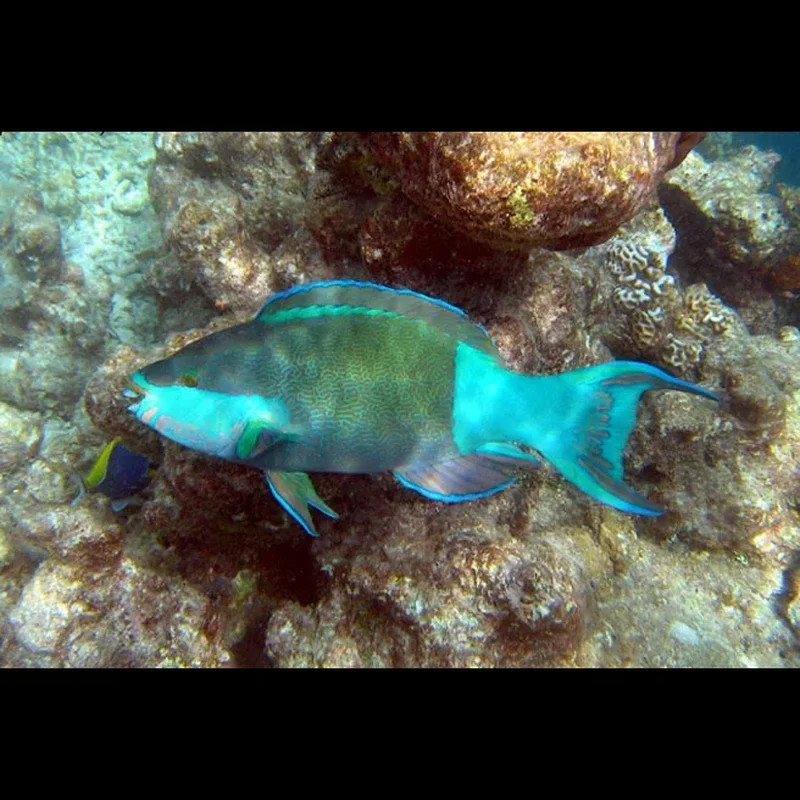
A substantial artificial habitat, the Odyssey attracts a diverse array of marine life to its metallic landscape. Around the wreck, schools of schoolmaster snappers are frequently observed navigating the fragmented hull.
Large black grouper often take refuge within its deeper recesses and structural elements. Barracuda patrol the perimeter and open water above, utilizing the structure for ambush points.
Over time, the vessel's surfaces have become encrusted, offering footholds for various invertebrates and smaller reef fish contributing to its thriving ecosystem.

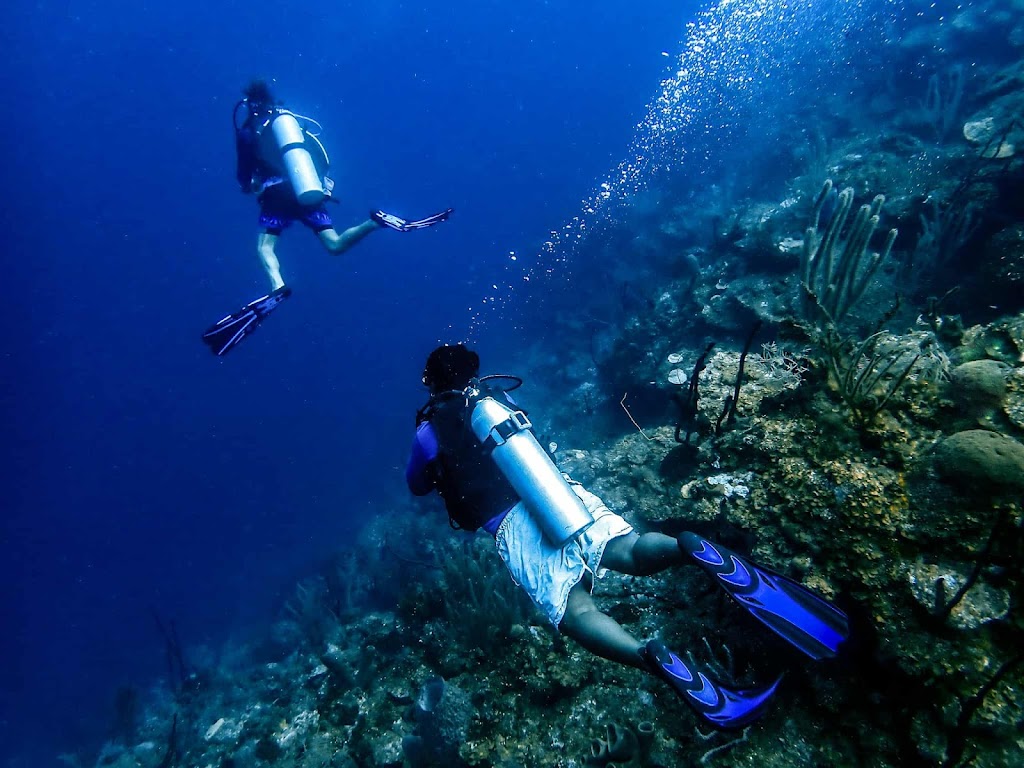
Dive Sites Near The Odyssey
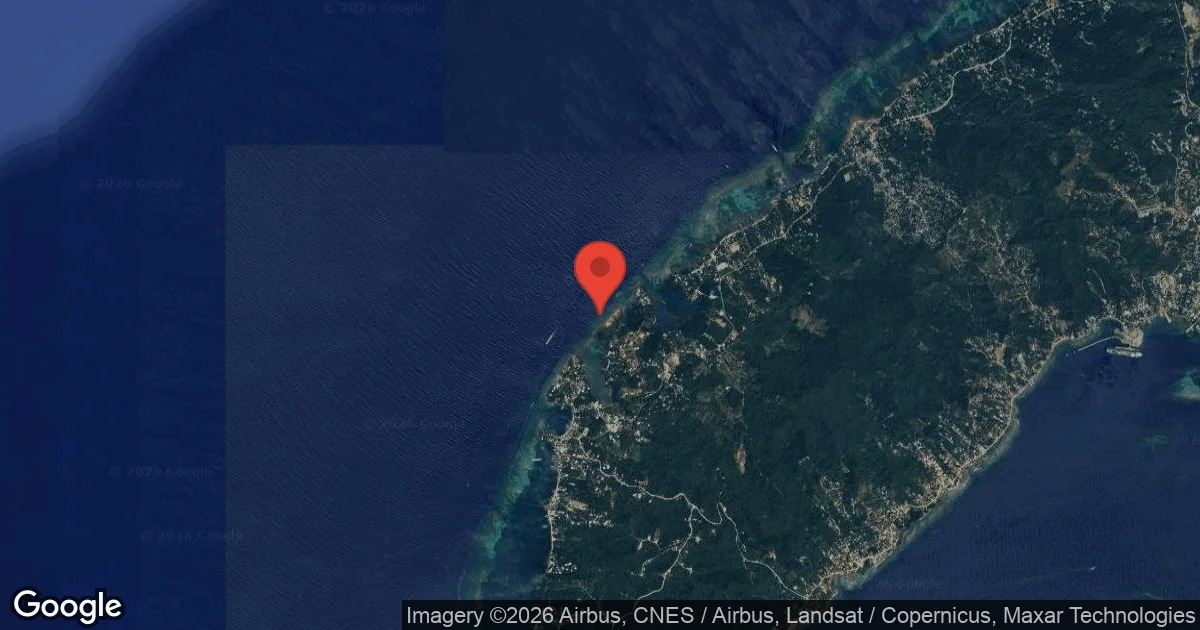
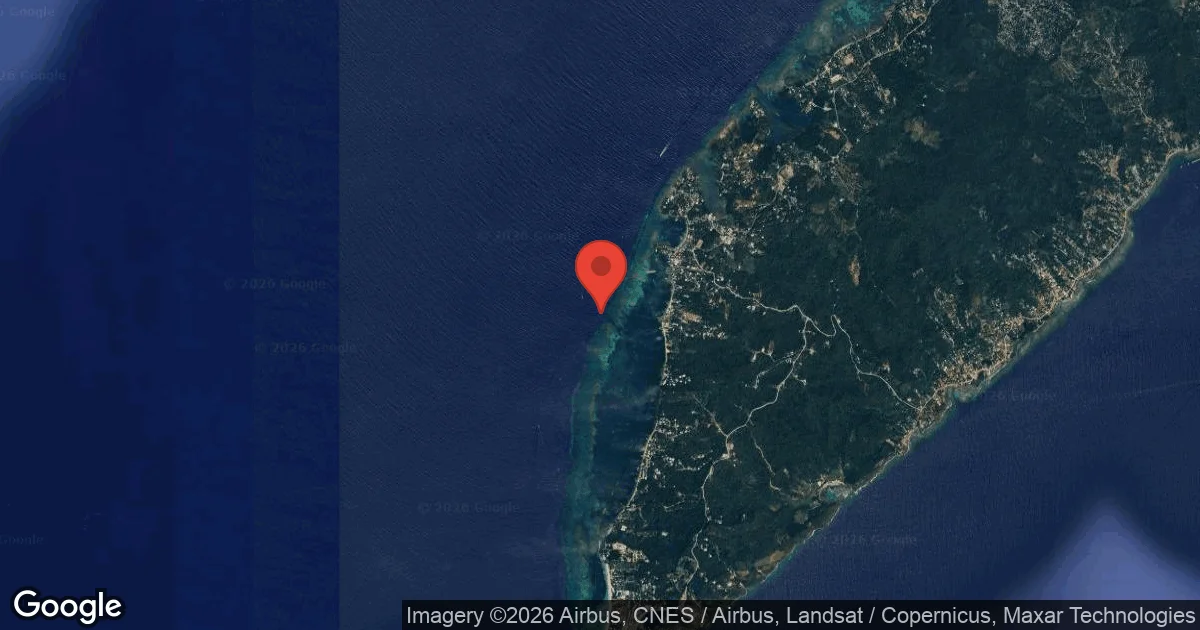
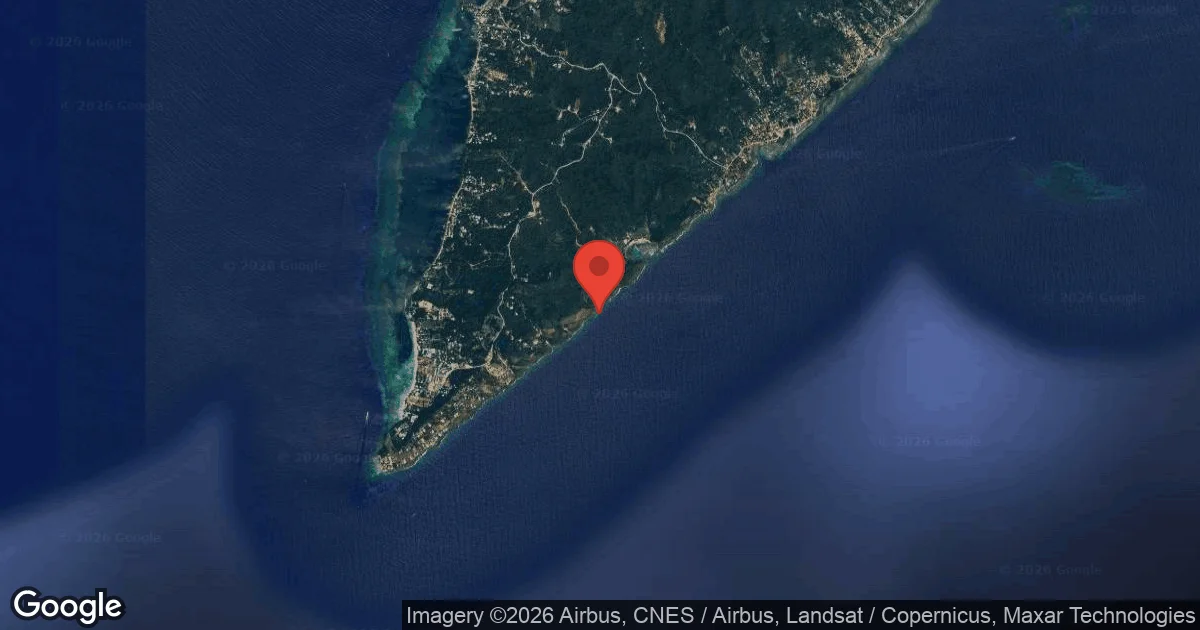
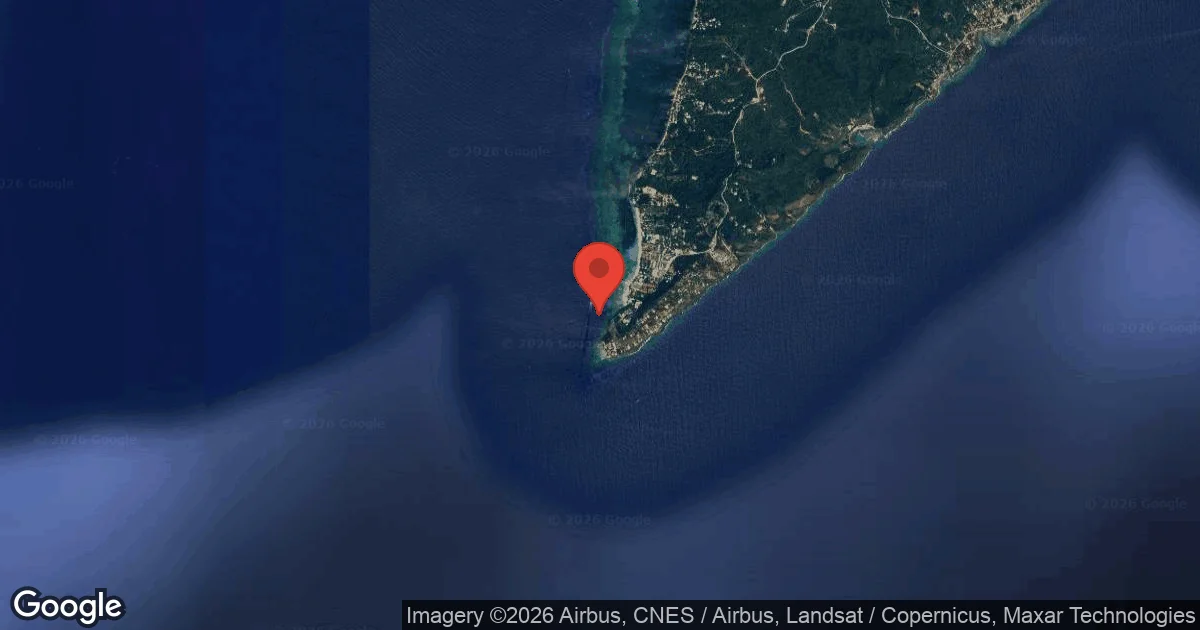
View all dive sites in HondurasDiscover more underwater gems in this area.
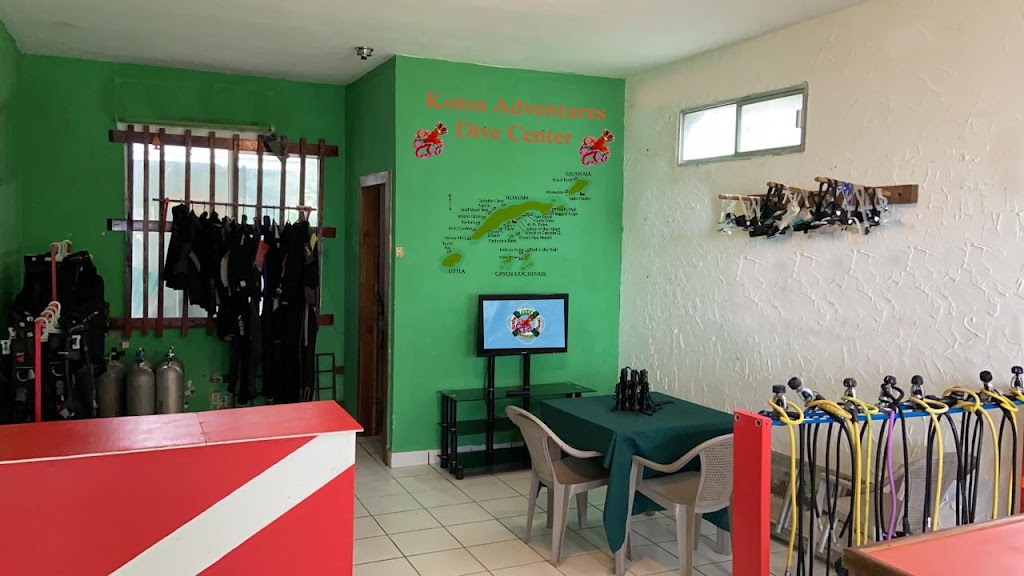
Dive Centers Near The Odyssey
Today: 08:00 - 16:00
Nearest Airports
Nearest airports to help plan travel to this dive area.
Search Flights
Check available flights and routes on Expedia, using the nearby airports listed in this section.
Search Flights on ExpediaFrequently Asked Questions
What is Odyssey's maximum depth?
Resting at approximately 35 m (115 ft), Odyssey's maximum depth challenges advanced divers. Shallower sections, like the stern, rise to about 18 m (60 ft), and the bow extends to 22 m (73 ft).
Describe the Odyssey wreck.
It's a large, 300-foot (91 m) freighter deliberately sunk in 2002 to create an artificial reef. Its hull has broken into several parts, providing varied underwater structures for exploration.
Does the Odyssey offer wreck penetration?
Yes, multiple penetration opportunities exist within the stern section. These are suitable for experienced divers possessing proper wreck diving certification and specialized equipment.
What marine life populates the Odyssey?
Divers commonly encounter schools of schoolmaster snappers, large black grouper, and barracuda around the wreck. Numerous smaller reef fish and invertebrates also inhabit the artificial reef.
When is the best time to dive Odyssey?
August to October is typically rated 'Good' for diving, offering generally calmer conditions. Other months provide moderate conditions, though potentially with higher winds and waves.
What certifications are needed for Odyssey dives?
Given the depth, an Advanced Open Water certification is generally recommended. For any wreck penetration, a specialized wreck diving certification is mandatory.
What is the length of the Odyssey wreck?
Odyssey is a substantial vessel, measuring approximately 300 feet (91 meters) in length. Its considerable size allows for extensive exploration of different sections.
Planning to dive The Odyssey?
Send one inquiry and receive offers directly from the best verified local dive operators.
Conditions are Good
Optimal conditions expected
Current conditions near The Odyssey show 27° air, 30° sea temperature, 0.5 m waves, and 20 km/h wind. Forecast data is refreshed regularly to ensure accuracy.