
Diving at Overheat Reef (Honduras)
A distinctive geological layout off Sandy Bay, Overheat Reef features a sheltered, shallow plateau at 4.6-7.6 m (15-25 ft) that transitions into a defined wall drop-off reaching about 24 m (79 ft). This configuration makes the site particularly adaptable for various diving needs. Its reef structure offers a clear separation between a beginner-friendly area and a more advanced deeper profile, all accessible via boat.
Evening condition tracking at Overheat Reef features an air temperature of 28°C. We have recorded wave heights measuring 0.5 m during this period. These figures outline the environmental parameters currently present.
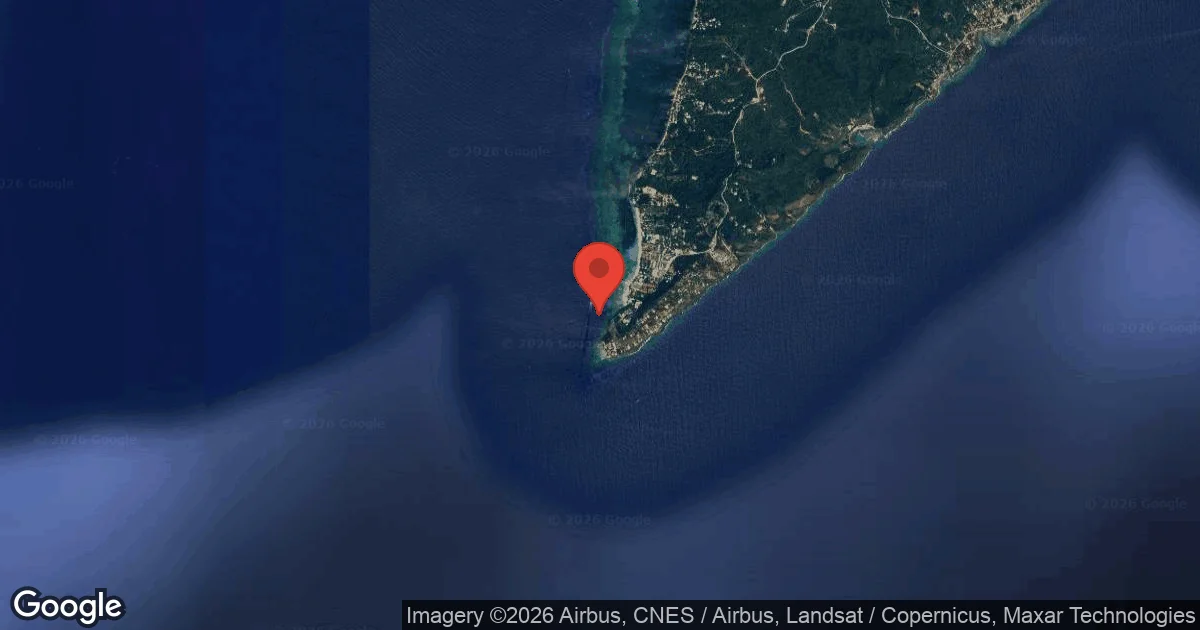
Dive Site Location & Key Facts
Dive Site Overview
Approaching Overheat Reef reveals its remarkable flexibility for divers, catering to a wide spectrum of activities from introductory training to leisurely reef exploration and even adventurous night dives. On its upper plateau, divers encounter a vibrant sandy bottom interspersed with healthy coral structure, all bathed in consistently calm, clear conditions.
This accessible area provides an excellent, sheltered environment for newer divers completing certification courses or those simply seeking a relaxed experience. A short swim leads from these shallower, protected sections to a distinct wall drop-off, presenting an optional deeper profile without consistently strong currents. Here, experienced certified divers can explore greater depths and discover different marine habitats.
Access to the site is strictly restricted to boats, utilizing designated marine park buoys for mooring, a crucial measure to protect the delicate and thriving ecosystem below. This boat-based approach often facilitates a gentle drift dive experience on calmer days, allowing for smooth, effortless navigation across the varied underwater topography.
Overheat Reef truly offers a dynamic range for both certification courses and enjoyable recreational dives, adapting exceptionally well to different skill levels and diverse dive objectives.
Conditions are Excellent
07:00 - 14:00
Optimal conditions expected
Current conditions near Overheat Reef show 28° air, 30° sea temperature, 0.7 m waves, and 15 km/h wind. Forecast data is refreshed regularly to ensure accuracy.
Best Time to Dive
Optimal diving conditions at Overheat Reef are generally found year-round, though calmer weather windows enhance the experience, particularly on the shallow plateau. From August to October, dive scores are often 'Good', with average air temperatures ranging from 28.5-29°C (83-84°F) and lower wave heights compared to other months. Rain activity during these months, averaging between 3.2-11.0 mm, is generally manageable. Conversely, wind speeds can be higher from March to July, averaging 34-37 km/h, which might lead to choppier surface conditions. While the site remains accessible throughout the year, planning for periods with lighter winds and minimal rain can enhance comfort both on the surface and during the dive.
PEAK SEASON SCORE
Scores combine air & water temps, waves, wind & rainfall for overall conditions.
BEST MONTHS TO DIVE
Monthly records compiled from satellite and marine observation nodes over the last 3 years. Data provided by Open-Meteo and MET Norway.
Dive Experience & Conditions
Underwater, Overheat Reef presents conditions suitable for a wide range of skill levels. An upper plateau offers calm, clear reef water, making it ideal for introductory dives and snorkeling. Visibility here is typically excellent, often reported around 30 m (98 ft). Descending further, the wall offers an opportunity to explore the maximum depth of 24 m (79 ft) for recreational divers. While generally protected, a gentle drift can sometimes be experienced along the wall, adding a dynamic element to the dive. Water temperature is consistently warm, fluctuating between 25.5-29°C (78-84°F) across the year, making exposure protection less of a concern for many divers. Healthy coral structures define the reef, providing ample shelter and feeding grounds for marine life.
Dive Difficulty & Safety Guidelines
Navigating Overheat Reef safely requires adherence to Roatan Marine Park regulations and mindful diving practices. It's crucial for divers to stay within their training limits, especially when exploring the shallower plateau areas. A wall section is considered a deeper phase of the dive, best suited for certified divers competent with deeper profiles.
Access to the site is exclusively by boat; divers must use marine park buoys and avoid anchoring on the delicate coral reef. This site forms part of the Sandy Bay-West End marine reserve, meaning local conservation rules are strictly enforced to protect the ecosystem. Planning should always account for boat-based entry and exit procedures.
Recommended Equipment
- Dive Computer
- DSMB
This gear list is based on verified equipment signals for Overheat Reef, Honduras. Always confirm final gear choices with your dive operator, guide, or liveaboard.
Recommended Dive Suit
For dives of average duration, dive skin or rash guard usually provides sufficient protection from heat loss.
Divers planning a dive at Overheat Reef today will likely encounter water temperatures close to 30°C (86°F). Surface air temperatures are resting at 28°C (83°F).
Weather models indicate a small drop in surface temperatures later this week. Cooler days are ahead; you might want a warmer option for later in the week. Having a second exposure option available is often a good precaution.
Emergency & Medical Support
Essential information to help you plan your dive trip to Overheat Reef.

Hyperbaric chambers are a critical part of dive safety infrastructure. Availability varies significantly by region, and not all dive areas have immediate access.
Before diving, it's recommended to:
- confirm nearest medical facilities
- check emergency procedures with local dive operators
- ensure dive insurance covers evacuation if required
Divers Alert Network
Diving emergency assistance available through DAN World.
+1-919-684-9111- 24/7 emergency hotline
- Diving medical assistance
- Evacuation coordination
Emergency contacts are provided for reference. Always verify local emergency services before diving.
Marine Life at Overheat Reef
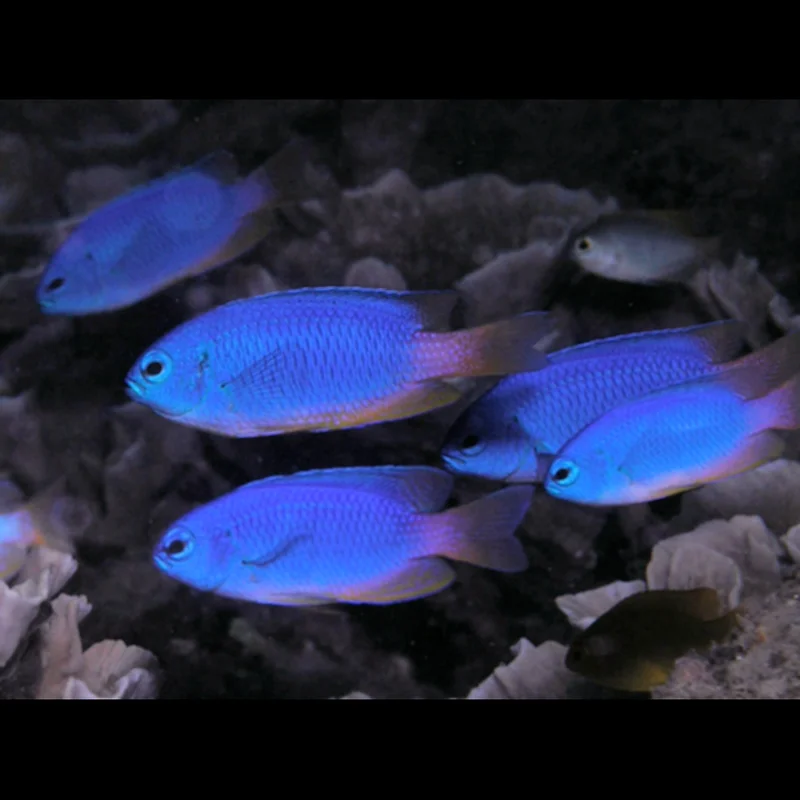
A vibrant marine ecosystem at Overheat Reef offers diverse sightings throughout its healthy coral structures. Among the abundant reef fish, divers frequently encounter Angelfish, Butterfly Fish, and various Damselfish species.
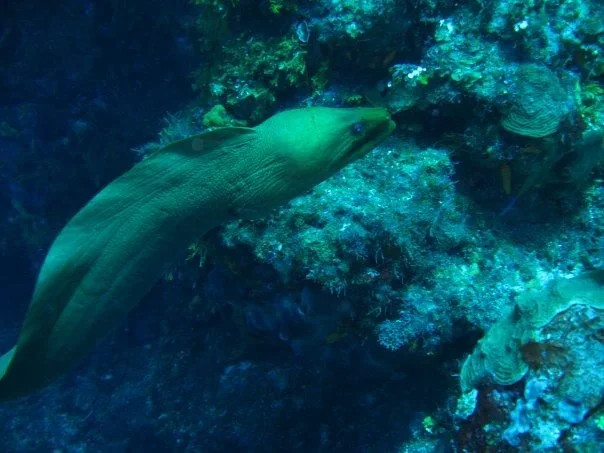
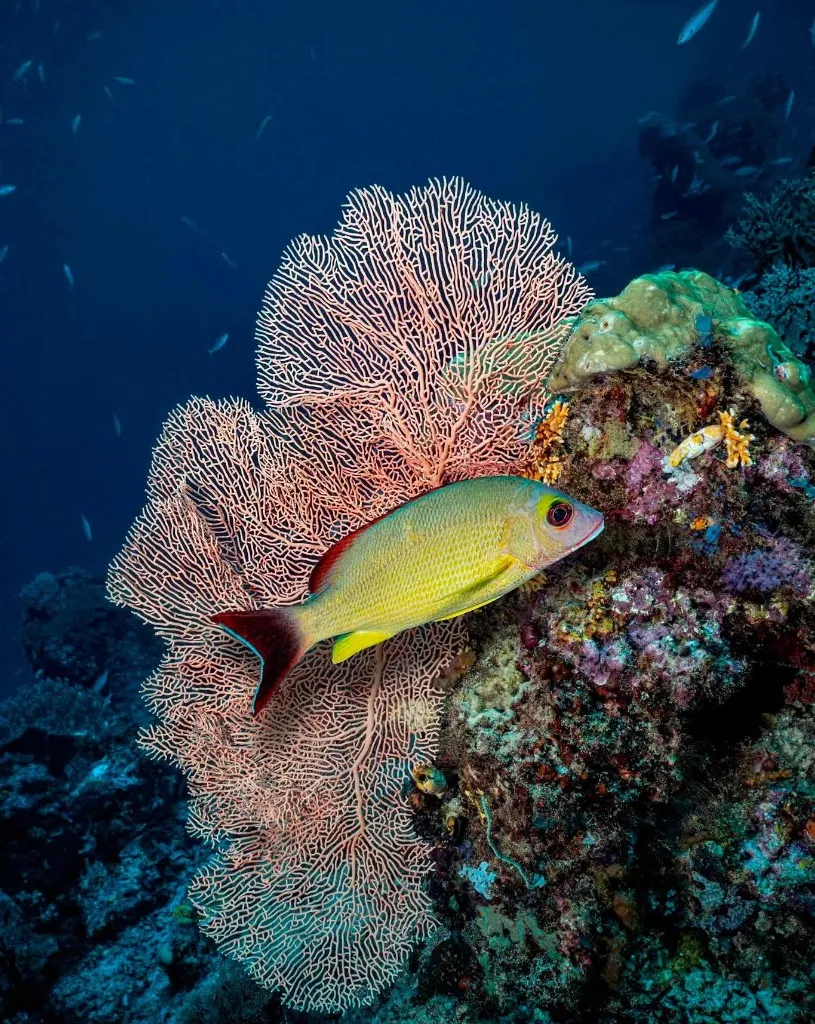
Moray Eels often peek from their crevices, while Triggerfish and Snappers patrol the reef. Larger species like Groupers and Jackfish are also present.
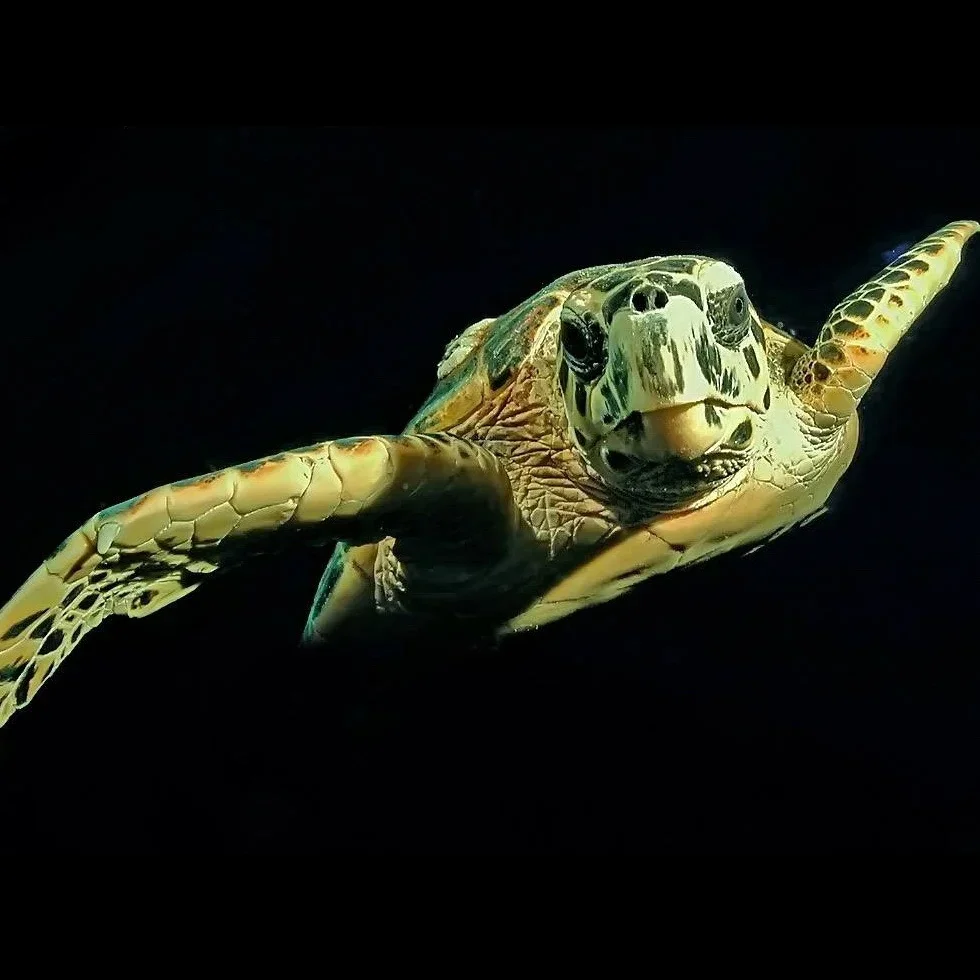
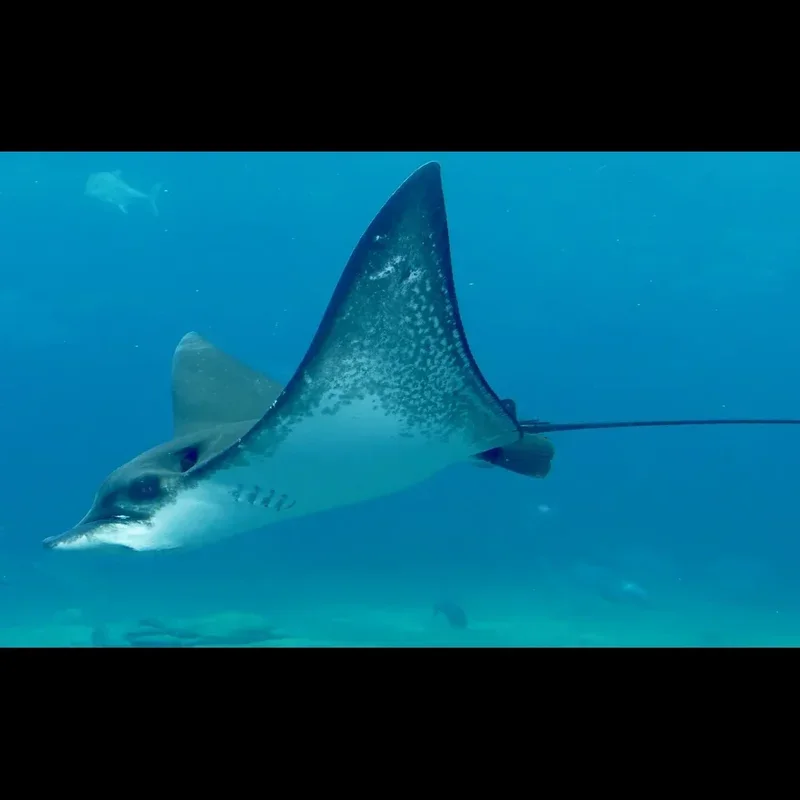
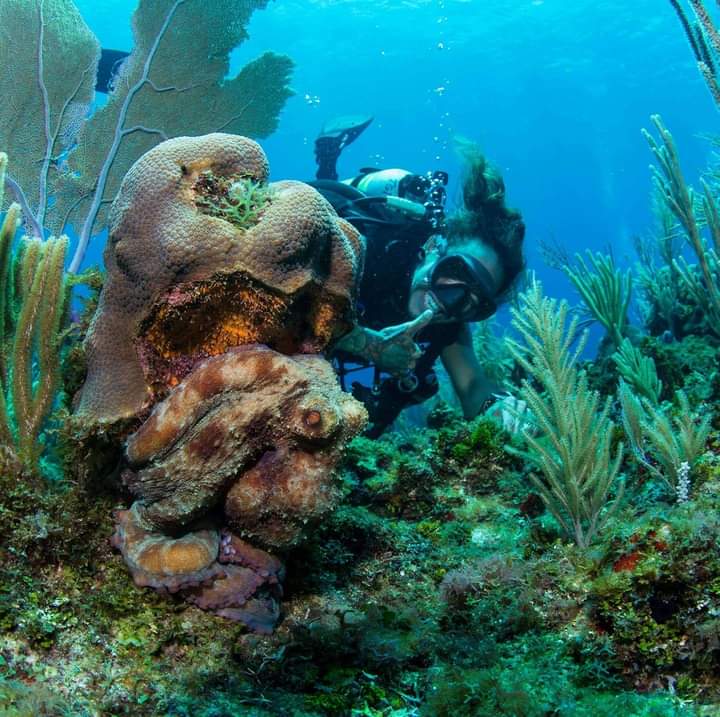
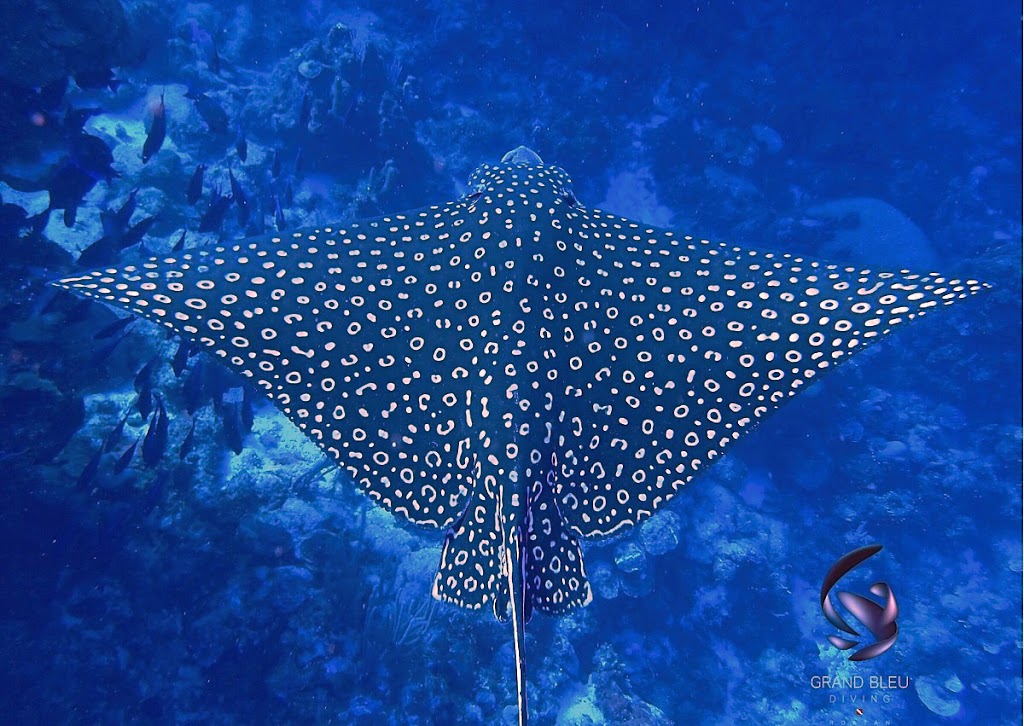
Lucky divers might spot Green Turtles and Hawksbill Turtles gracefully moving through the water, or perhaps even an Eagle Ray gliding past the wall. An occasional Octopus provides an intriguing encounter, blending seamlessly with the surrounding reef.
Dive Sites Near Overheat Reef
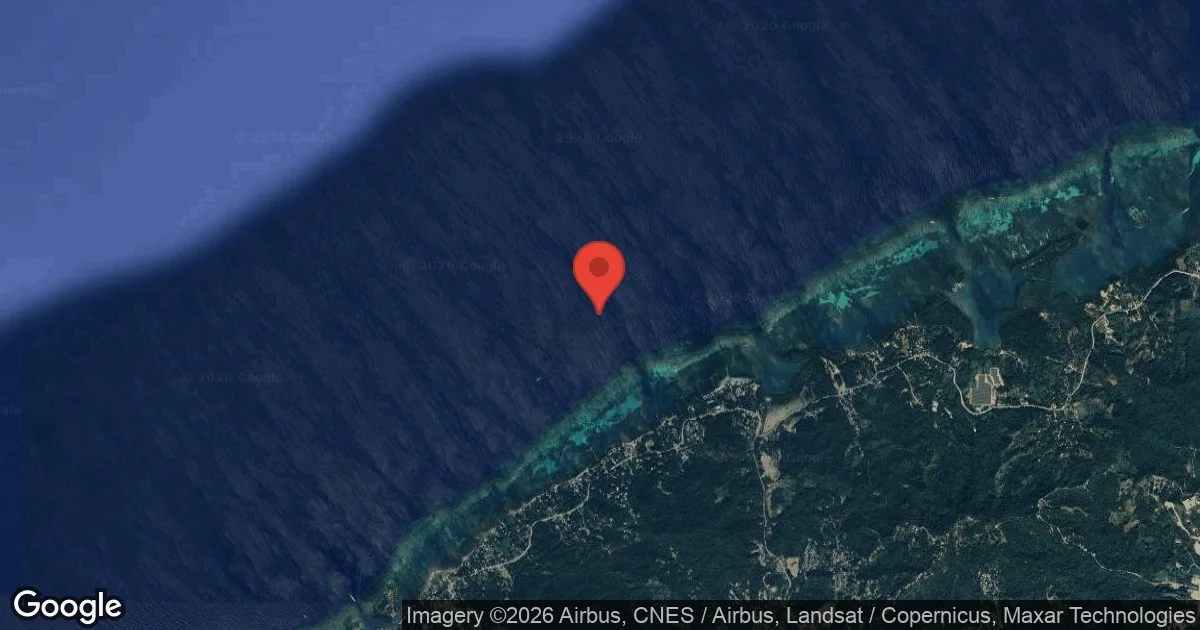
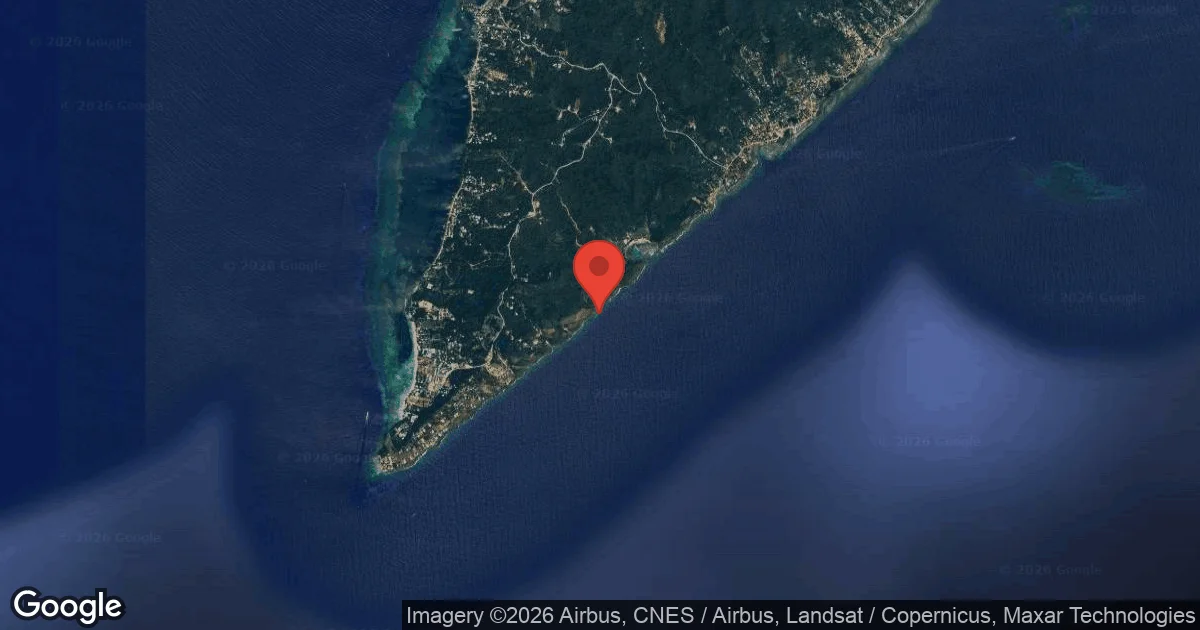
View all dive sites in HondurasDiscover more underwater gems in this area.
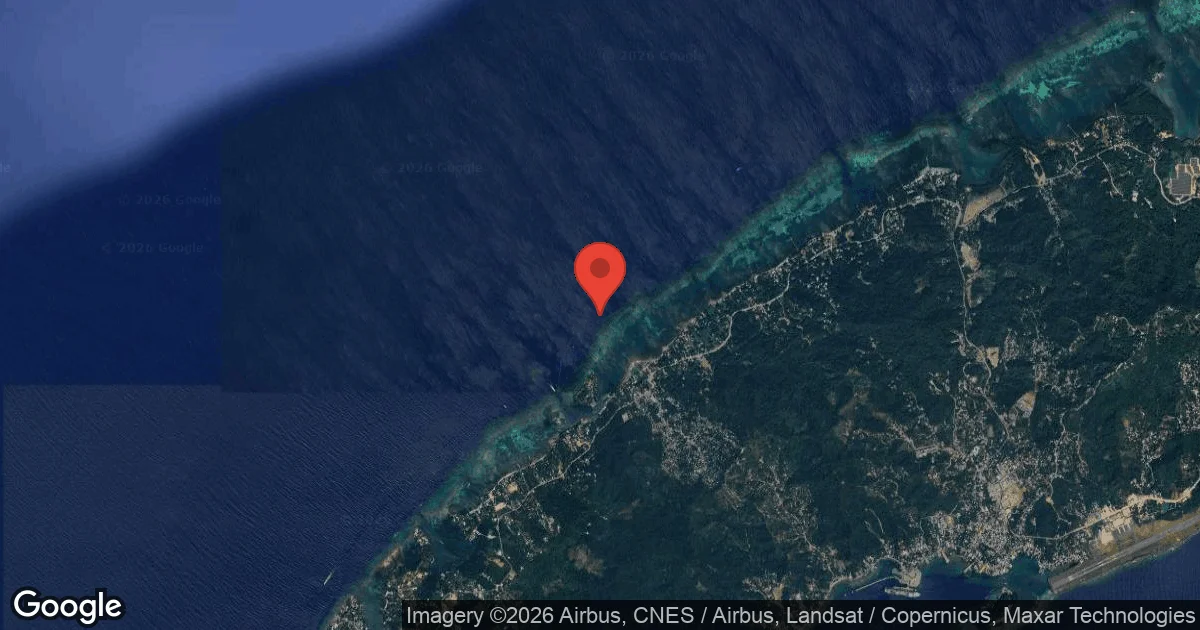
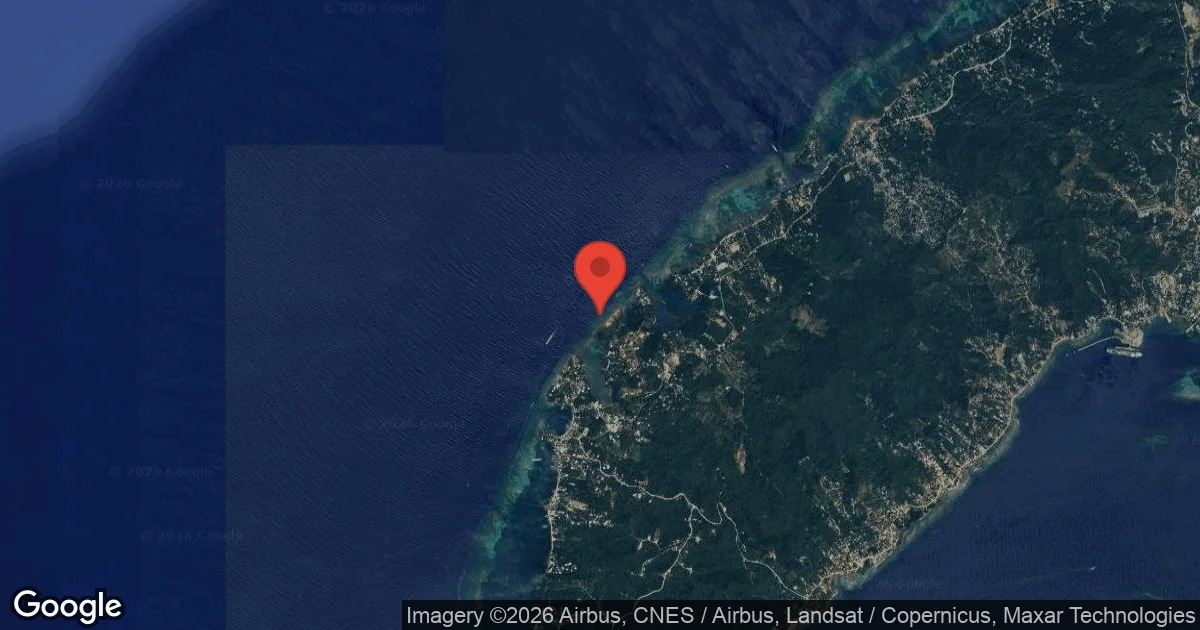
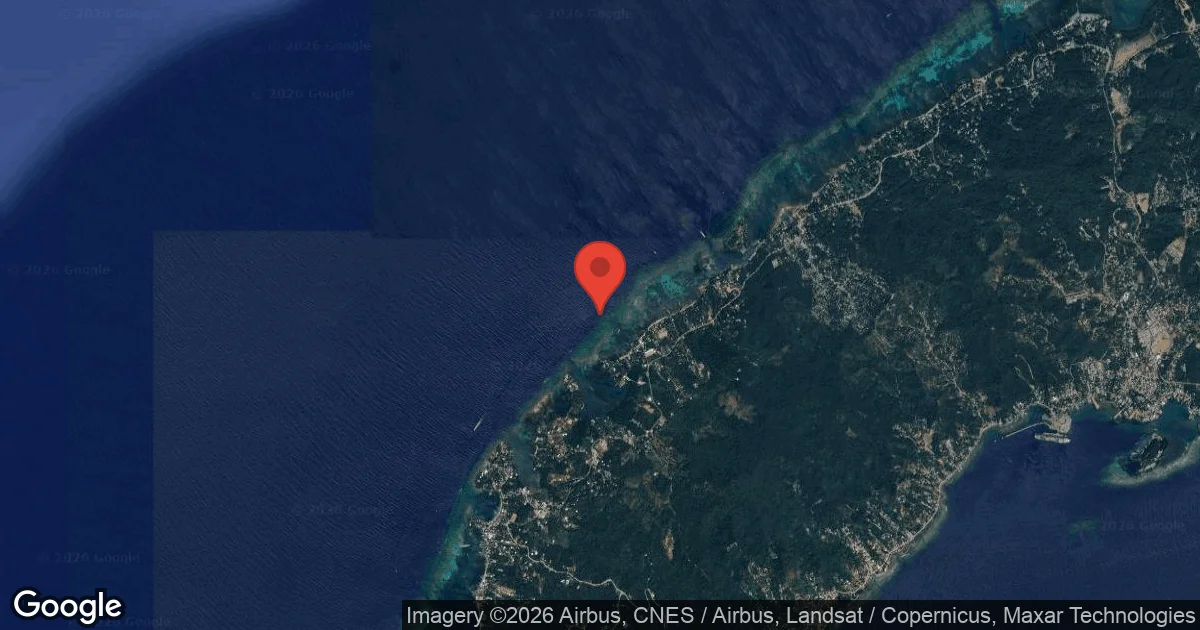
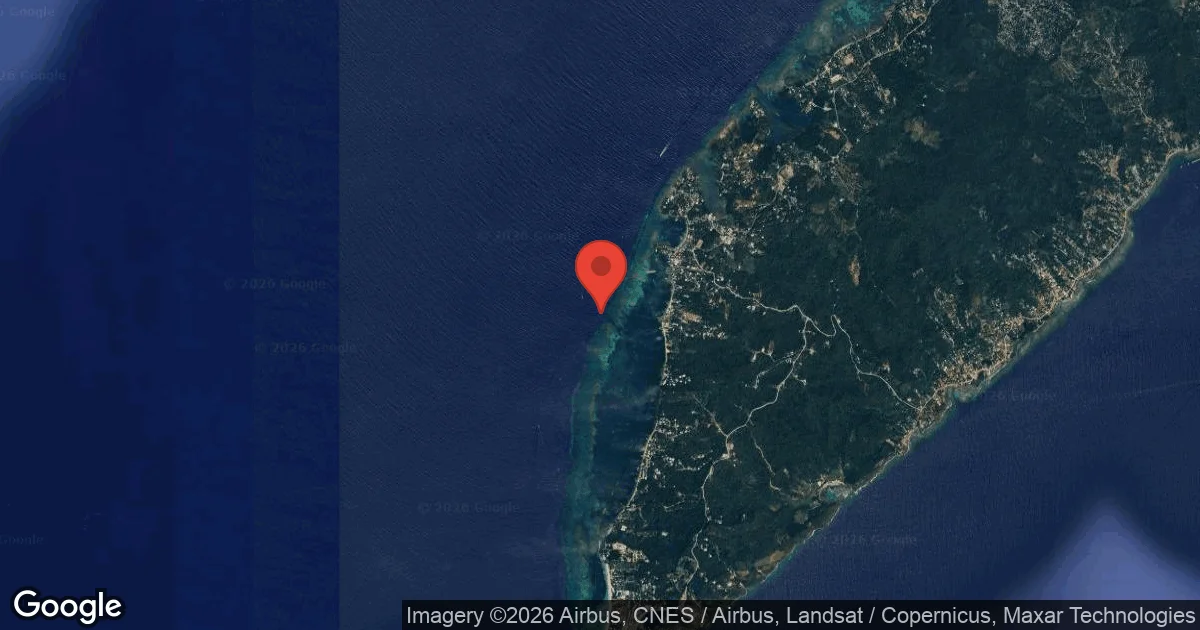
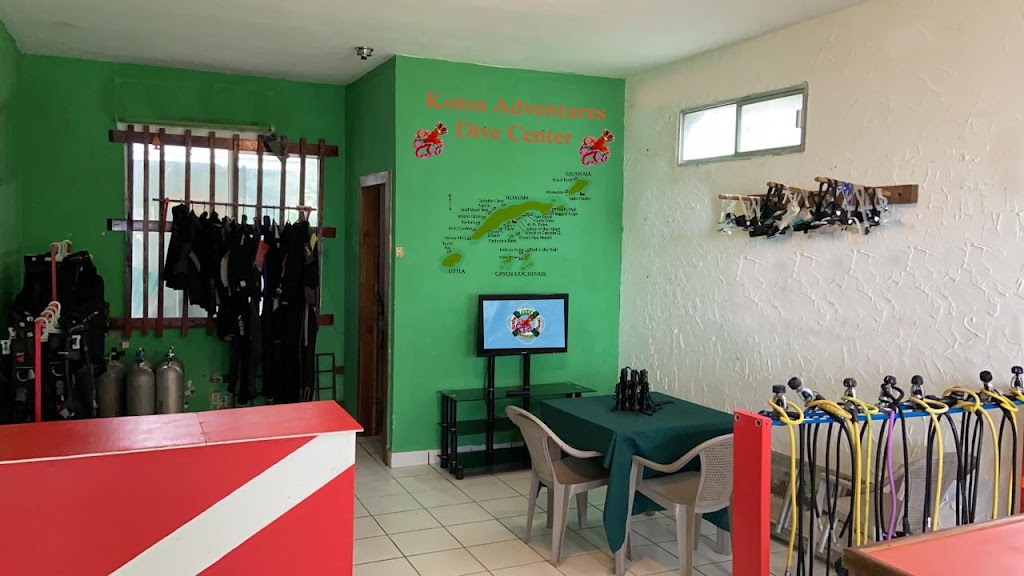
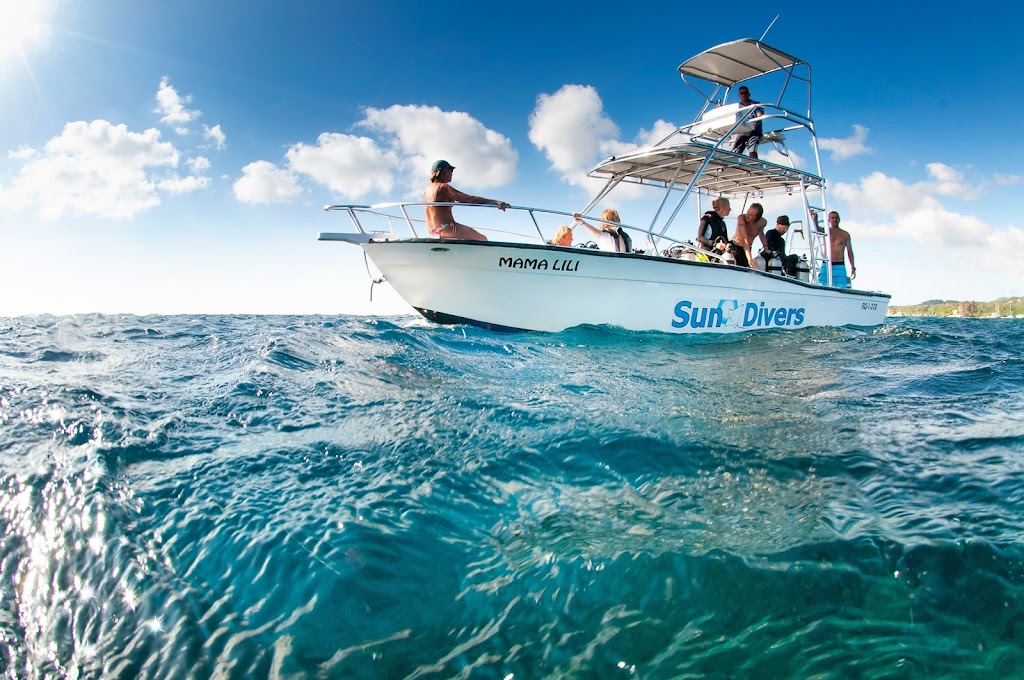
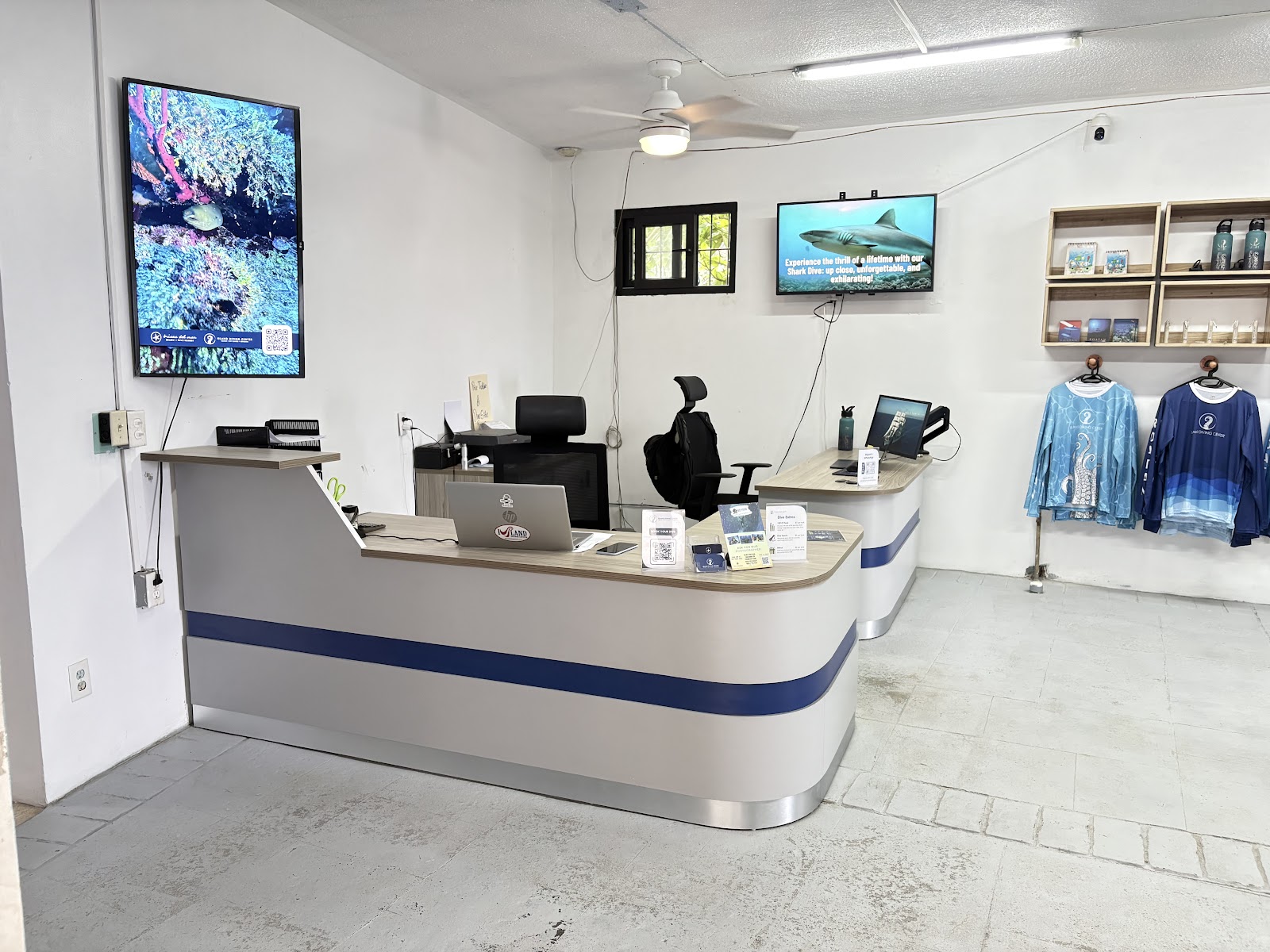
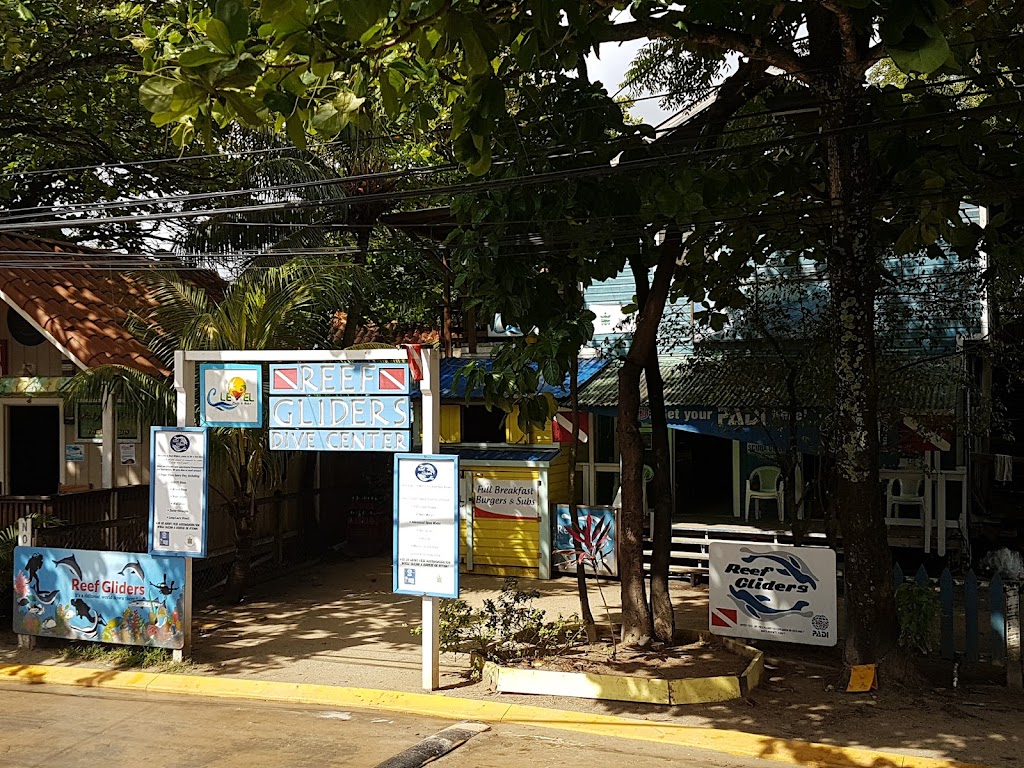
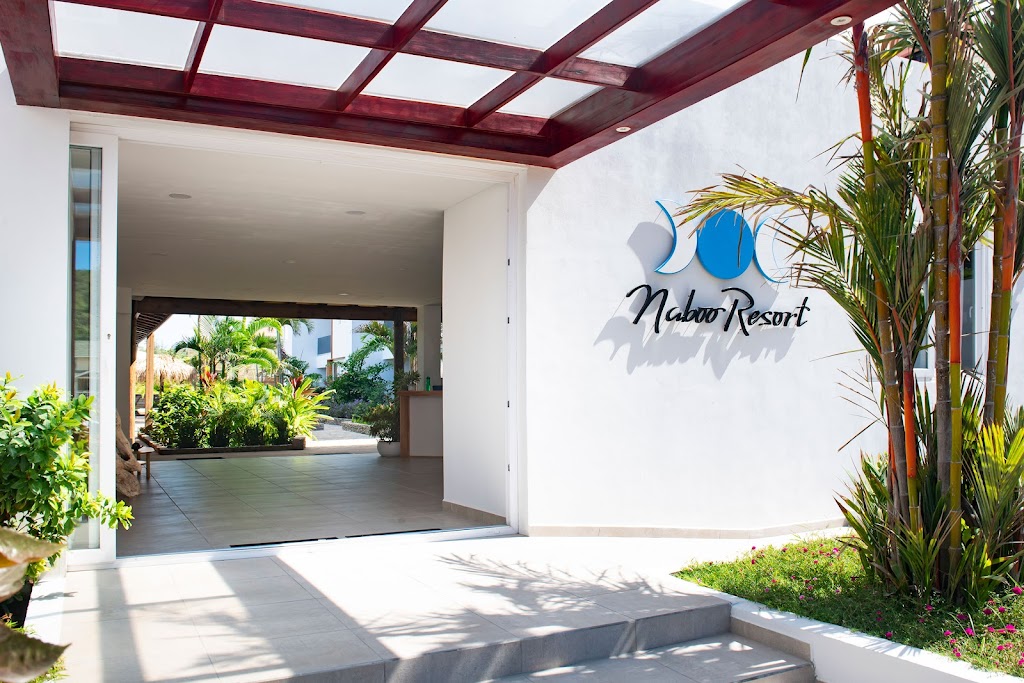
Dive Centers Near Overheat Reef
Today: 08:00 - 16:00
Nearest Airports
Nearest airports to help plan travel to this dive area.
Search Flights
Check available flights and routes on Expedia, using the nearby airports listed in this section.
Search Flights on ExpediaFrequently Asked Questions
Can I snorkel or freedive Overheat Reef?
The shallow plateau is a strong option for snorkeling on calm days, offering clear views of the healthy coral and reef fish. While not primarily a freediving site, confident freedivers can explore the shallow areas during calm conditions.
Do I need a local operator for Overheat Reef?
Yes, it's best handled by a local Roatan operator. The site is boat-based, and local operators are knowledgeable about the specific marine-park buoy rules and safe access procedures.
How do you access Overheat Reef?
Access to Overheat Reef is strictly by boat from Sandy Bay. Divers and snorkelers embark from local dive shops, which then moor at one of the designated marine park buoys near the site.
Is Overheat Reef good for beginners?
Absolutely. Its sheltered shallow plateau makes Overheat Reef particularly beginner-friendly, ideal for first scuba dives, training sessions, and easy reef exploration in calm conditions. A distinct wall section offers an optional deeper phase for more experienced divers.
What conditions should I expect at Overheat Reef?
Expect calm, clear reef water on the top plateau. Visibility is generally good, often around 30 meters. While currents are typically light, a gentle drift can occur along the wall. Water temperatures remain warm, between 25.5-29°C (78-84°F).
What kind of dive is Overheat Reef?
Overheat Reef is primarily a reef and wall dive. It transitions from a shallow, vibrant reef plateau with sandy bottom and coral structure to a distinct wall drop-off, offering varied topography for both recreational and training dives.
What marine life is common at Overheat Reef?
Divers commonly encounter a variety of reef fish, including Angelfish, Butterfly Fish, and Damselfish. Green Turtles, Hawksbill Turtles, Moray Eels, and Eagle Rays are also regularly spotted. The site is home to Groupers, Jackfish, Octopus, Snappers, and Triggerfish.
Planning to dive Overheat Reef?
Send one inquiry and receive offers directly from the best verified local dive operators.
Conditions are Excellent
07:00 - 14:00
Optimal conditions expected
Current conditions near Overheat Reef show 28° air, 30° sea temperature, 0.7 m waves, and 15 km/h wind. Forecast data is refreshed regularly to ensure accuracy.