
Diving at El Aguila (Honduras)
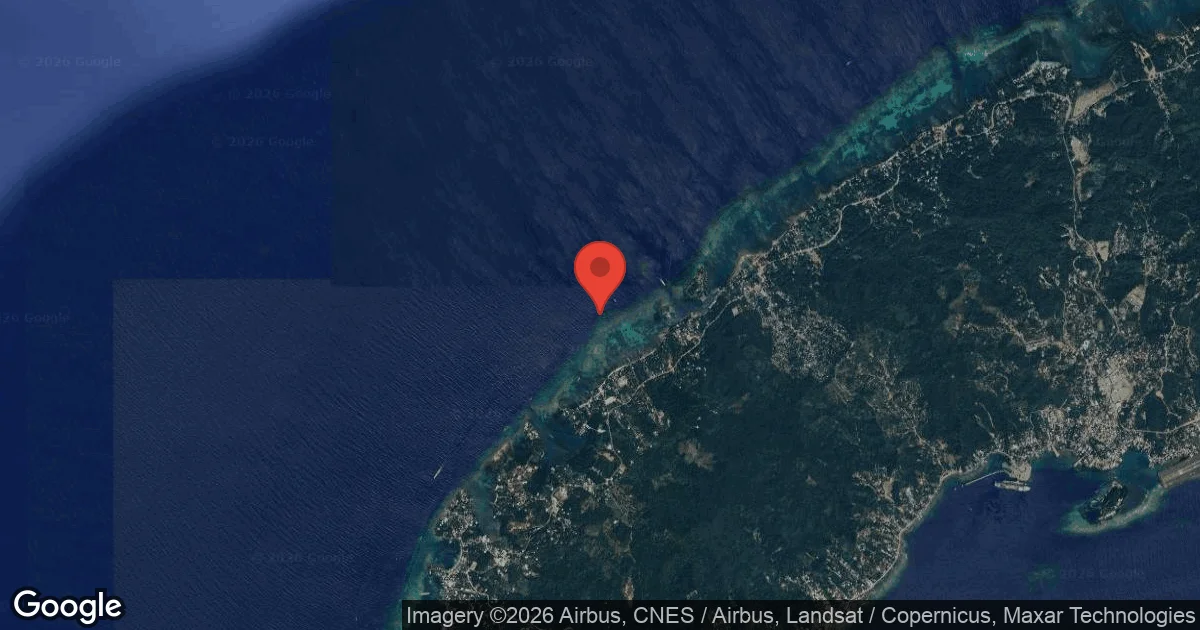
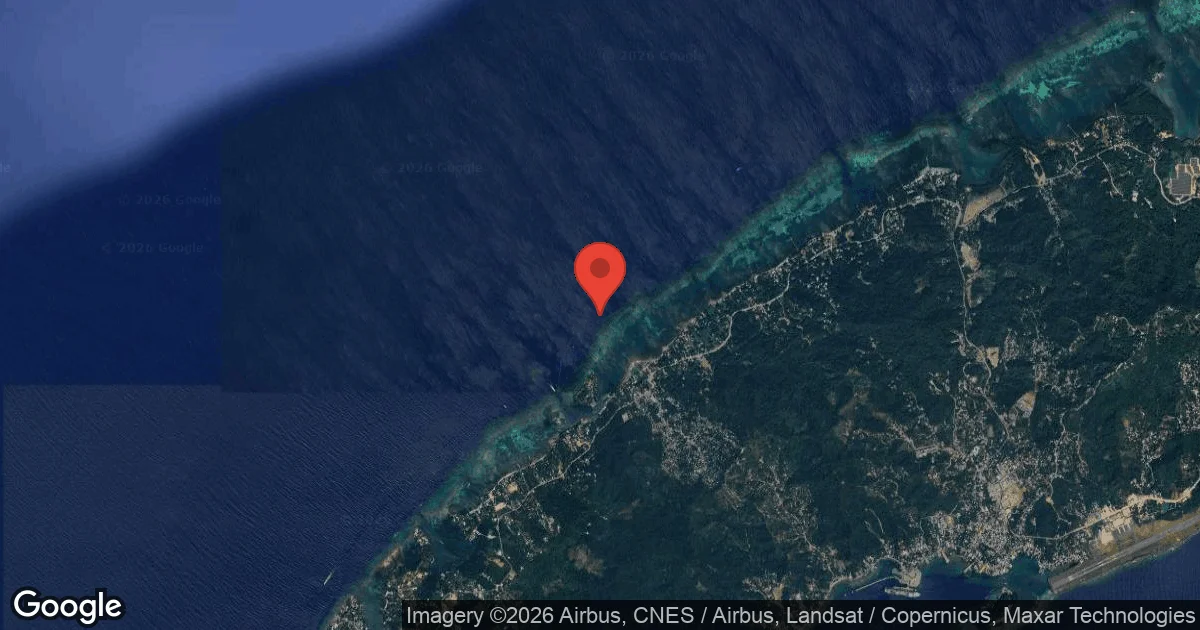
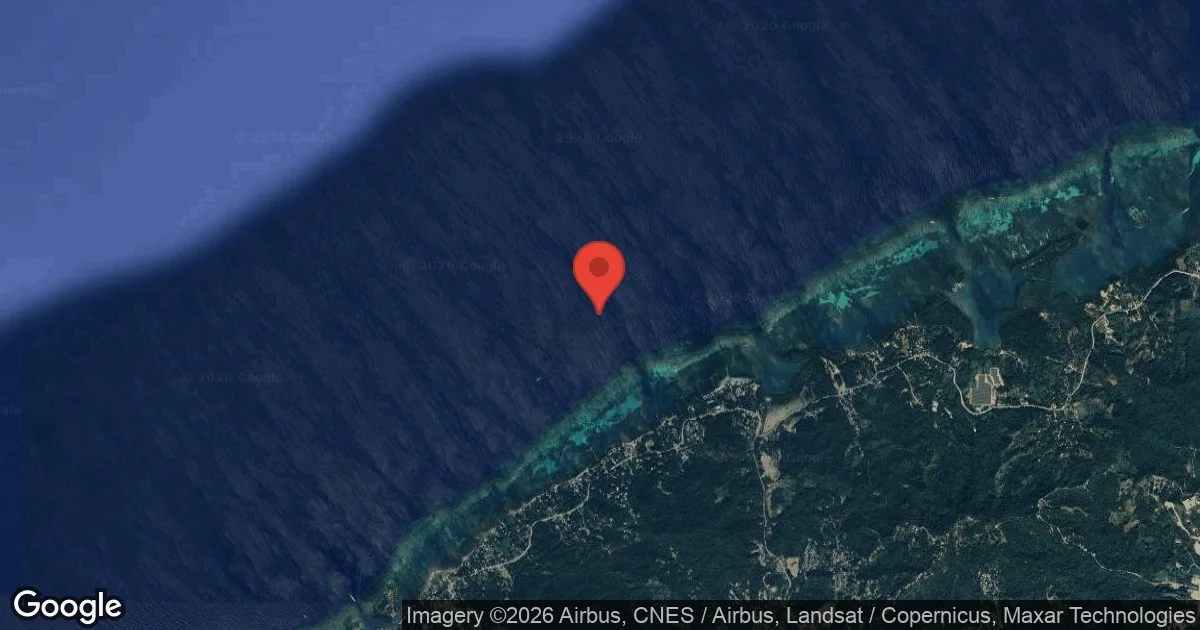
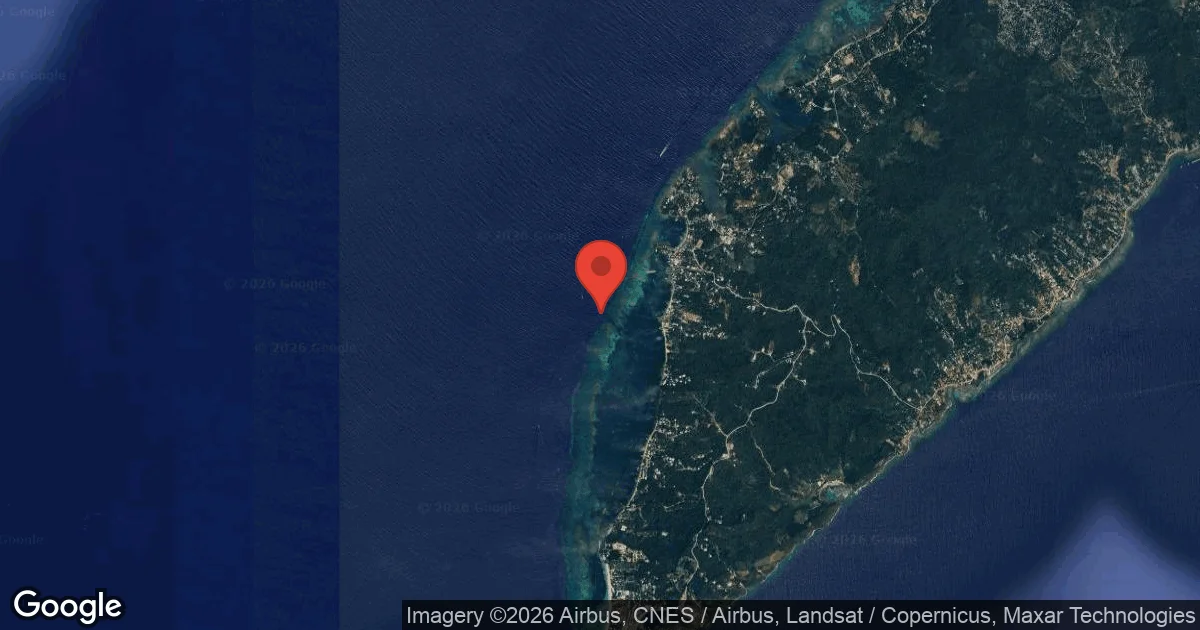
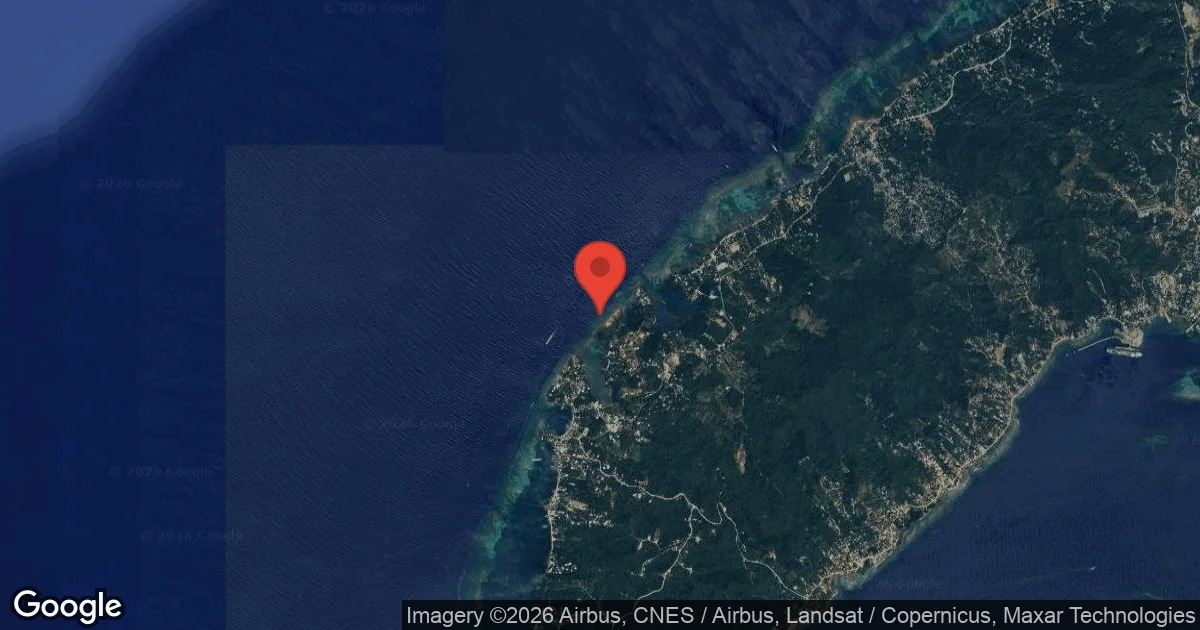
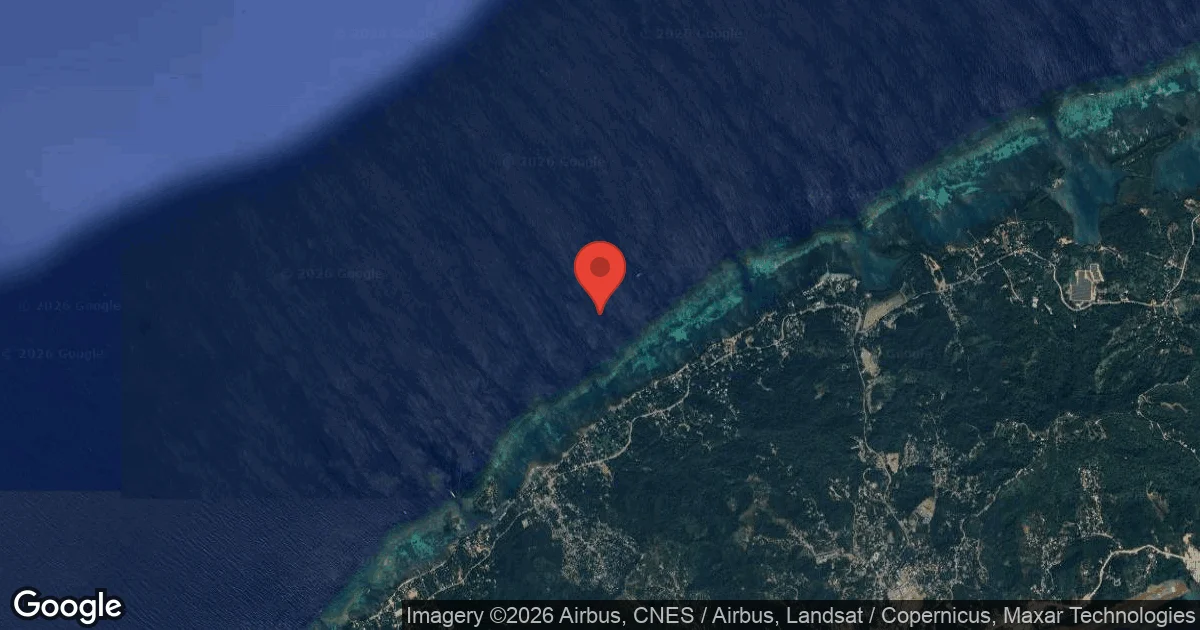
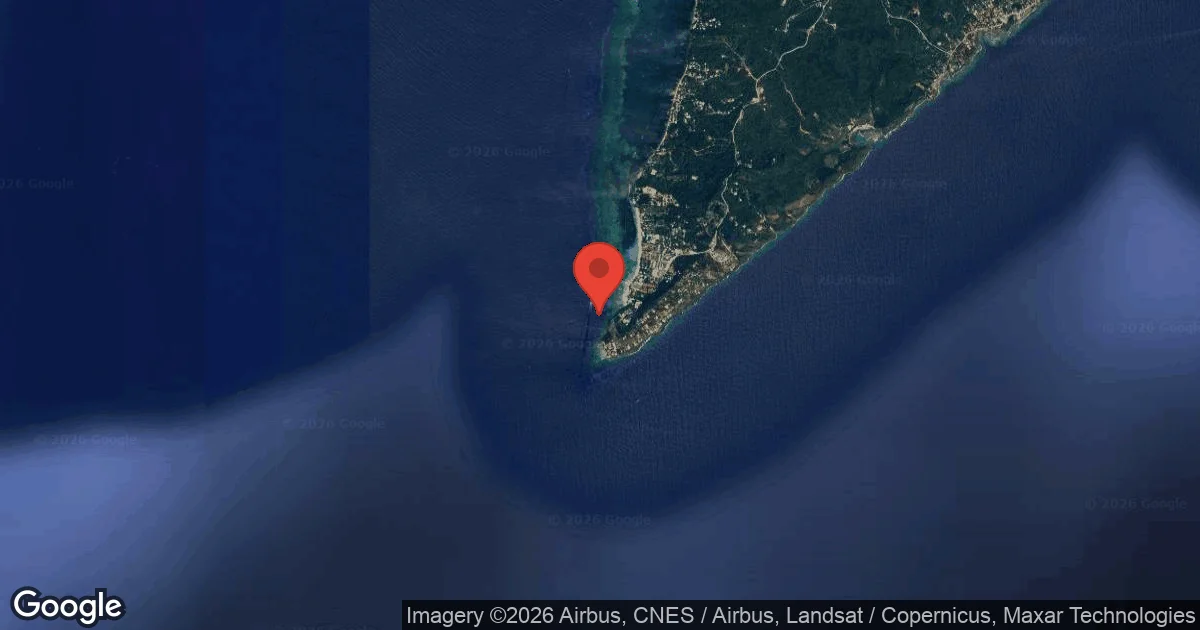
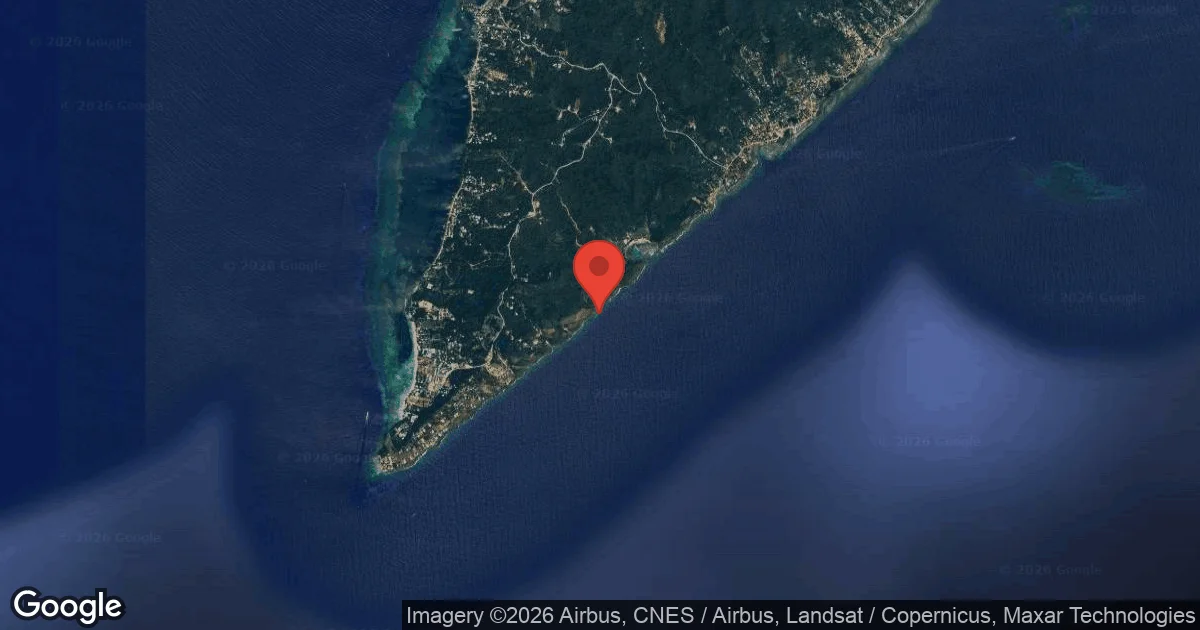
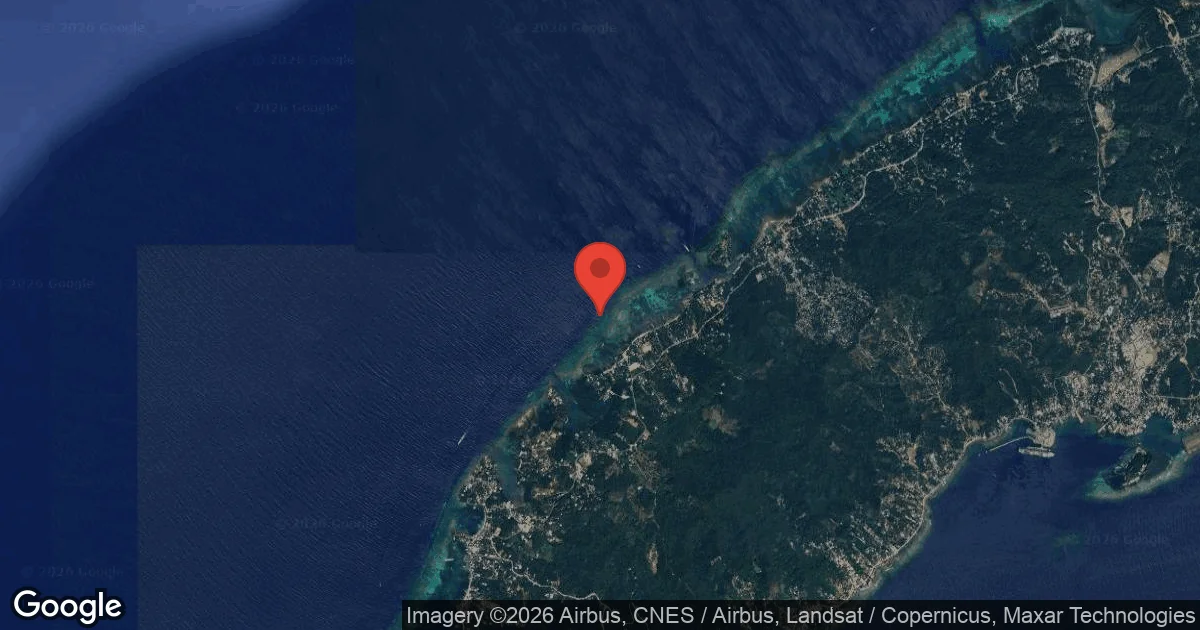
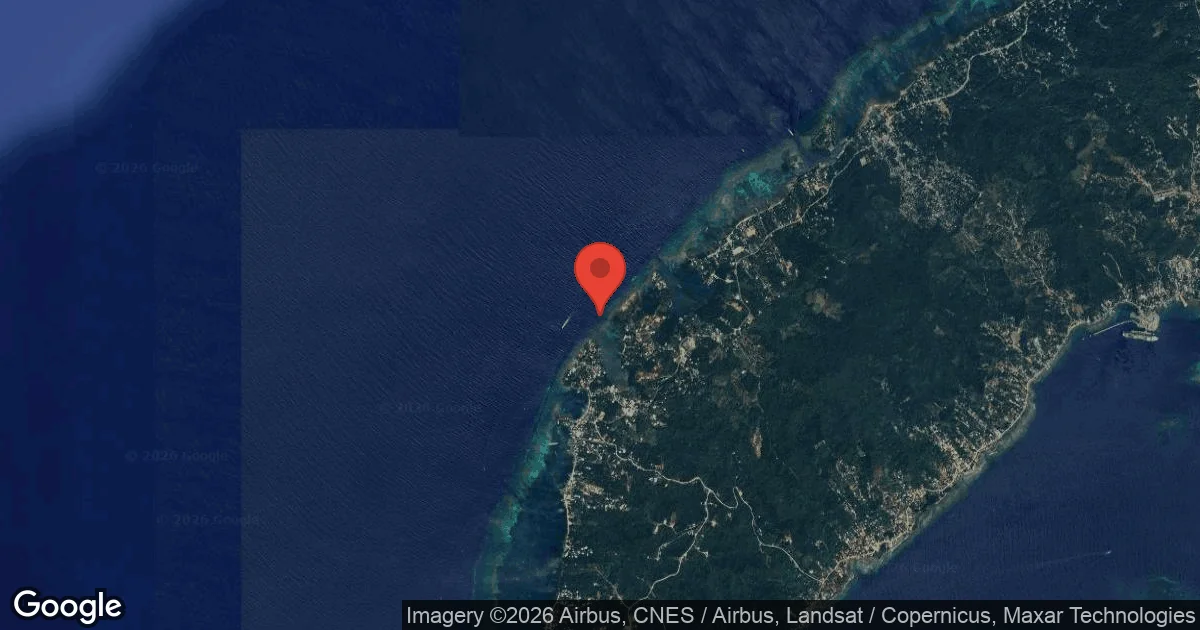
Descending on El Aguila, you feel the weight of history in the silent water. This freighter, broken but defiant, lies offshore from Sandy Bay, Roatan. Marine life has reclaimed its steel, transforming the 230-foot vessel into a vibrant artificial reef. Exploring its fractured sections offers a powerful sense of underwater discovery, where every beam and crevice holds a story.
Evening condition tracking at El Aguila features an air temperature of 28.5°C. We have recorded wave heights measuring 0.6 m during this period. These figures outline the environmental parameters currently present.
Dive Site Location & Key Facts
Dive Site Overview
El Aguila presents a compelling dual experience, merging wreck exploration with vibrant reef diving. This 230-foot (70-meter) concrete freighter, purposefully scuttled in 1997 by Anthony's Key Resort, was destined to become an artificial reef near Sandy Bay, Roatan.
Hurricane Mitch dramatically reshaped the site a year later, breaking the vessel into three distinct pieces and tilting its stern to a 45-degree angle. Despite this, the bow and mast remain remarkably upright, creating memorable underwater photo opportunities and offering diverse swim-throughs for certified divers. Resting at a maximum depth of 33 m / 110 ft on a sandy bottom, the wreck is immediately adjacent to a vibrant natural reef wall.
Divers can navigate its internal structure, including a compelling swim-through at the stern, another along the collapsed mid-section, and an exit through a former hatch at the bow. The bow mast ascends vertically to about 20 m / 60 ft, providing a dramatic climb.
This site uniquely combines the thrill of substantial wreck penetration with the rich ecosystems of nearby reef and sandy habitats, attracting everything from macro critters within the wreck’s confines to schooling fish, barracuda, and rays that frequent the surrounding areas.
Conditions are Good
Optimal conditions expected
Current conditions near El Aguila show 29° air, 30° sea temperature, 0.5 m waves, and 24 km/h wind. Forecast data is refreshed regularly to ensure accuracy.
Best Time to Dive
To maximize comfort and clarity at El Aguila, plan your visit during the months of August, September, and October. During this period, the dive conditions are generally rated "Good," reflecting reduced wave heights, which typically drop to around 0.8-0.9 meters (2.6-3 feet), and gentler winds, often ranging from 25-28 km/h (15-17 mph). This combination contributes to calmer surface conditions and clearer underwater visibility, making entries and exits smoother and the wreck exploration more enjoyable. While other months offer "Moderate" diving conditions, with air temperatures consistently pleasant, ranging from 25-29°C (77-84°F) year-round, the later summer and early autumn months see significantly less rainfall. For instance, October averages approximately 11 mm (0.4 inches) of rain, while August and September are even drier with roughly 3-5 mm (0.1-0.2 inches). This translates to more reliable sunny days for diving. Water temperatures around Roatan typically range from 26-29°C / 79-84°F, ensuring comfortable dives regardless of the season, but the calmest surface conditions are usually found in these peak months.
PEAK SEASON SCORE
Scores combine air & water temps, waves, wind & rainfall for overall conditions.
BEST MONTHS TO DIVE
Monthly records compiled from satellite and marine observation nodes over the last 3 years. Data provided by Open-Meteo and MET Norway.
Dive Experience & Conditions
Conditions at El Aguila often present a relatively calm environment, yet divers should anticipate variable currents typical of offshore sites. The dive begins with a descent along a mooring line, usually leading to the stern of the wreck, where visibility is frequently good, allowing clear views of the extensive structure and its transformation. The water temperature around the Bay Islands generally ranges from 26-29°C / 79-84°F, making for comfortable dives. Navigating the fragmented 230-foot freighter involves exploring multiple swim-throughs: one through the stern, another along the collapsed middle section, and an engaging vertical exit through a former hatch near the bow. A spiraling ascent up the bow mast, reaching about 20 meters, provides a distinct experience before transitioning to the nearby reef wall. The site's sandy bottom and adjacent wall contrast with the wreck, each hosting different marine interactions and providing varied topography for exploration.
Dive Difficulty & Safety Guidelines
Prioritizing safety at El Aguila begins with appropriate training. Given the wreck's depth, often reaching 33 meters, and its numerous penetration points, certification as an Advanced Open Water Diver and Deep Diver is highly recommended.
These courses equip divers with the skills for navigating overhead environments and managing deeper profiles effectively. Always carry a dive computer to monitor depth and no-decompression limits, and a torch (flashlight) is crucial for illuminating internal wreck sections and spotting hidden marine life.
Due to the wreck's fragmented nature and potential for shifting currents, maintaining good buoyancy control is paramount. Plan your dive with a local professional who understands the site's current conditions and can provide an accurate briefing.
While no specific hazards are consistently reported beyond standard wreck diving considerations, never exceed your training and comfort level, especially when considering penetrations. A surface marker buoy is a wise addition for signaling your position post-dive.
Recommended Equipment
Overhead / entanglement risk. Wreck penetration requires proper training.
- Dive Computer
- DSMB
- Primary & Backup Lights
- Wreck Reel
- Cutting Tool
This gear list is based on verified equipment signals for El Aguila, Honduras. Always confirm final gear choices with your dive operator, guide, or liveaboard.
Recommended Dive Suit
Individual comfort in the water can vary significantly from diver to diver, even under the same conditions.
For most recreational dives, dive skin or rash guard should provide comfortable protection. A hood or vest is suggested for sensitive divers due to surface winds. Forecast trends indicate little change in overall diving conditions during the next few days.
Water temperatures across the dive area at El Aguila are presently estimated to be around 30°C (85°F). Surface air temperatures are resting at 29°C (83°F).
Due to technical issues with our weather providers, data hasn't been fetched for over 48 hours. The data above reflects the conditions at the time of the last successful fetch.
Emergency & Medical Support
Essential information to help you plan your dive trip to El Aguila.

Hyperbaric chambers are a critical part of dive safety infrastructure. Availability varies significantly by region, and not all dive areas have immediate access.
Before diving, it's recommended to:
- confirm nearest medical facilities
- check emergency procedures with local dive operators
- ensure dive insurance covers evacuation if required
Divers Alert Network
Diving emergency assistance available through DAN World.
+1-919-684-9111- 24/7 emergency hotline
- Diving medical assistance
- Evacuation coordination
Emergency contacts are provided for reference. Always verify local emergency services before diving.
Marine Life at El Aguila
As you approach El Aguila, the first impression is often of schooling fish swirling around the wreck's larger structures, creating a dynamic underwater spectacle. Its broken hull and encrusted surfaces have become a haven, drawing in diverse inhabitants.
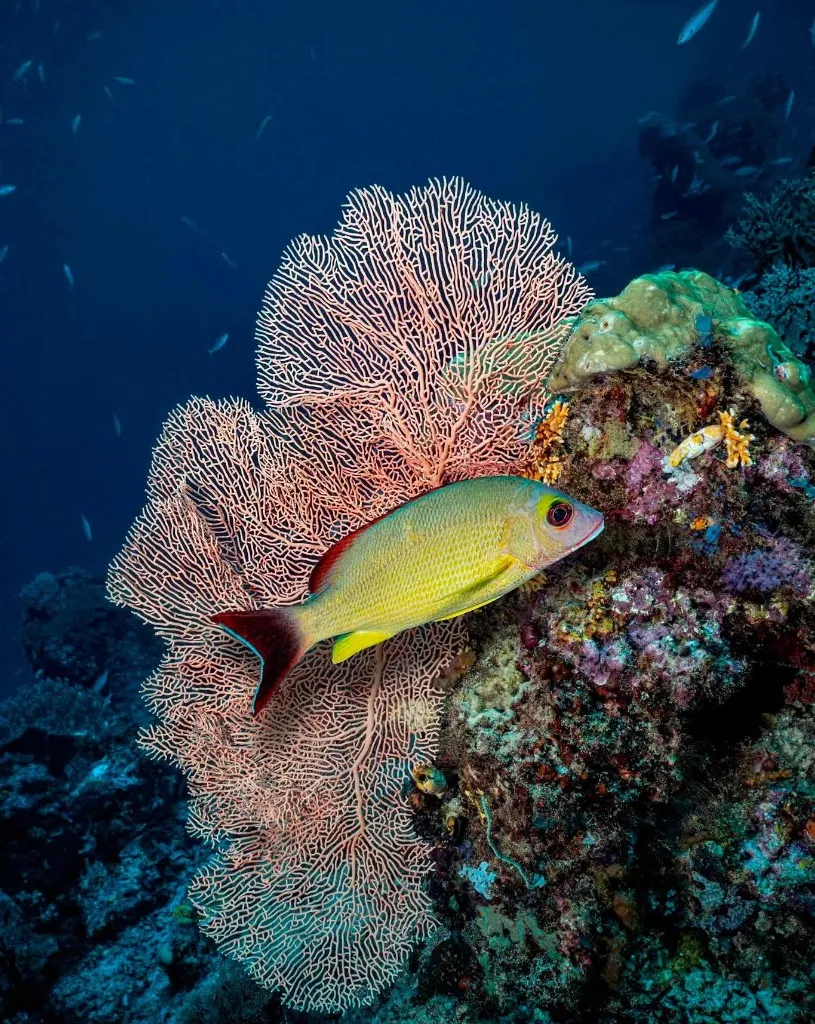
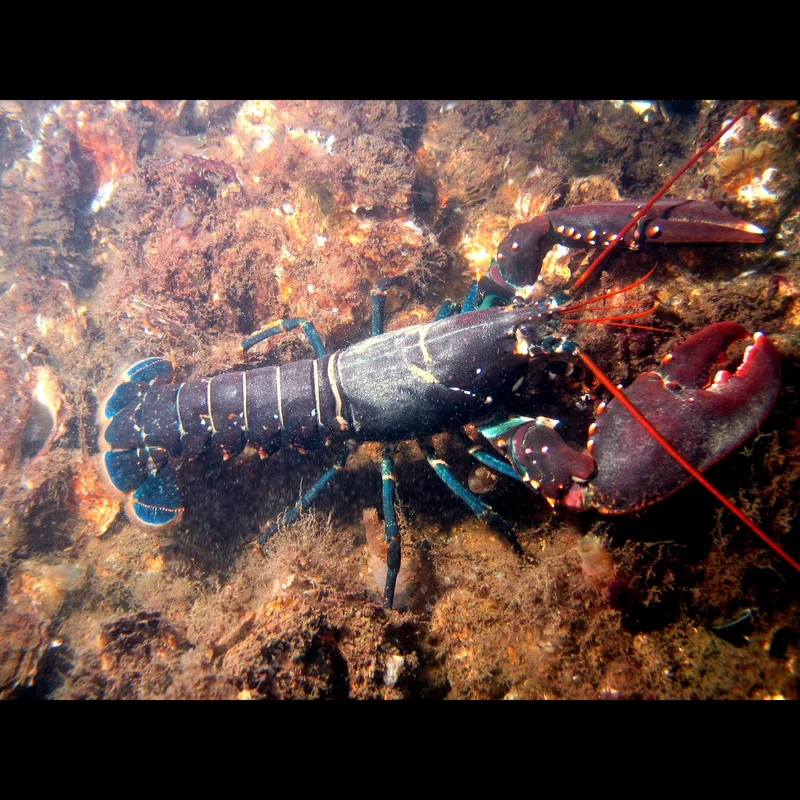
Keep a keen eye out for rays gracefully gliding over the sandy bottom, while snapper, grouper, and grunts are commonly observed among the wreckage. Look closely within the deep crevasses of the adjacent reef wall and inside the wreck for eels and lobsters.
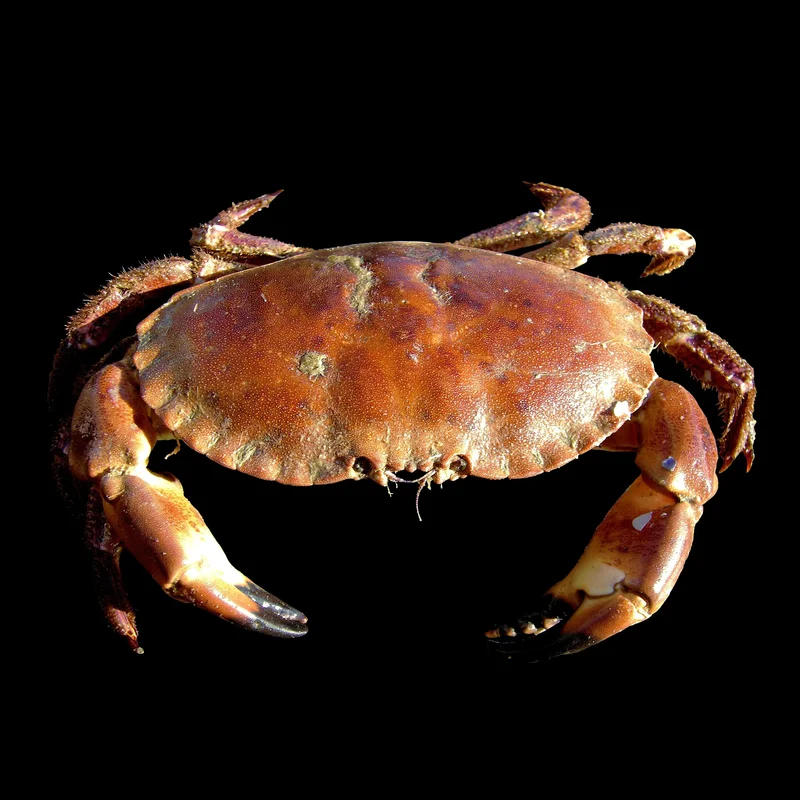
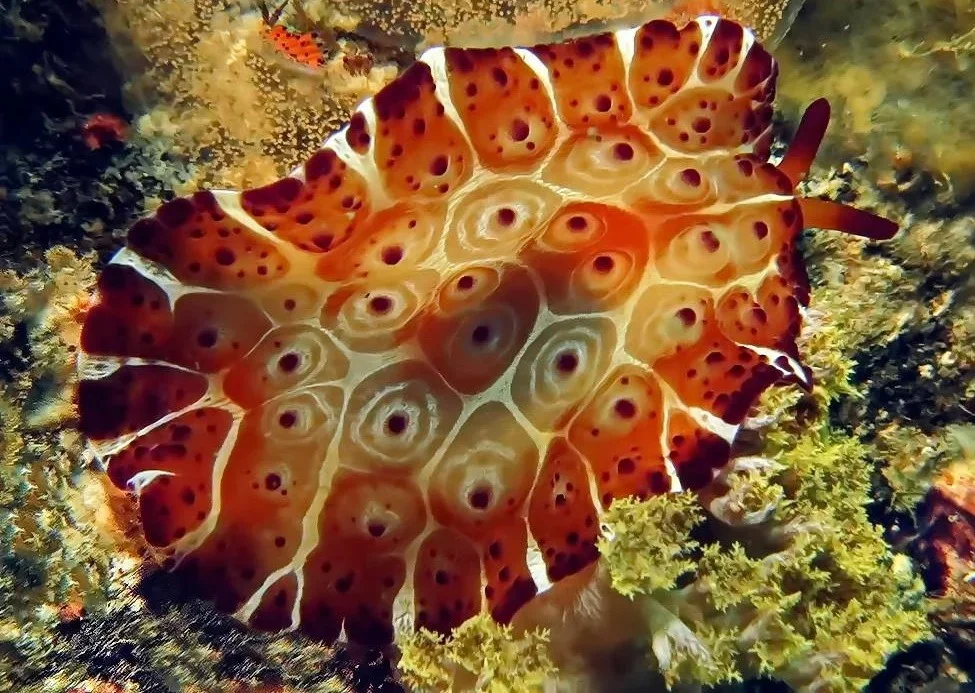
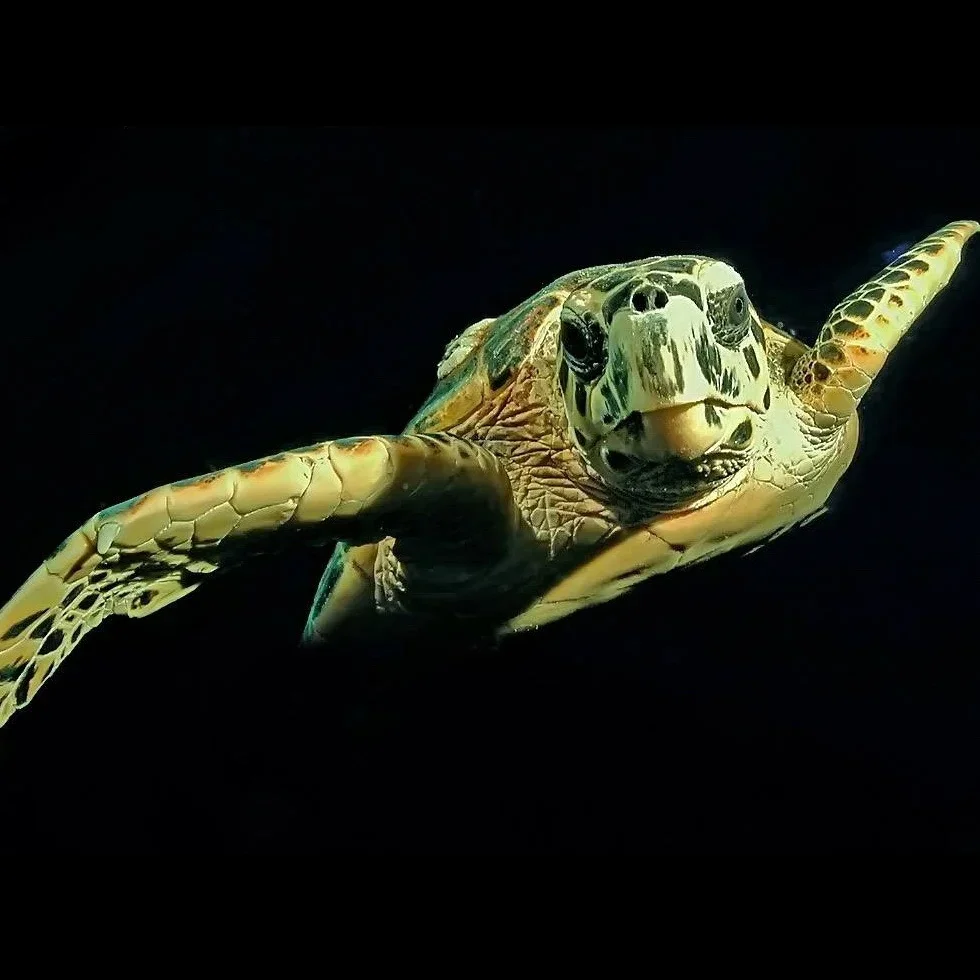
Around the mooring buoy, divers often spot elusive seahorses, adding a delicate contrast to the robust wreck. Macro enthusiasts will appreciate the array of smaller critters like arrow crabs and lettuce sea slugs that have made the freighter their home. Hawksbill sea turtles are also known to drift leisurely through the area.
Dive Sites Near El Aguila
View all dive sites in HondurasDiscover more underwater gems in this area.
Dive Centers Near El Aguila
Today: 08:00 - 16:00
Nearest Airports
Nearest airports to help plan travel to this dive area.
Search Flights
Check available flights and routes on Expedia, using the nearby airports listed in this section.
Search Flights on ExpediaFrequently Asked Questions
What kind of wreck is El Aguila?
El Aguila is a 230-foot (70-meter) concrete freighter, purposefully sunk in 1997 to create an artificial reef. It was later broken into three main pieces by Hurricane Mitch, adding to its unique structure.
What is the maximum depth for diving El Aguila?
The maximum depth at El Aguila is around 33 m / 110 ft, with the bow mast reaching up to about 20 meters. This makes it suitable for advanced divers.
Are there opportunities for wreck penetration at El Aguila?
Yes, the wreck offers several penetration points, including swim-throughs at the stern, through the collapsed mid-section, and a vertical exit at the bow. These are best explored by certified divers with appropriate training and equipment.
What marine life can I expect to see?
Divers often encounter schooling fish, barracuda, rays, and various reef creatures like snapper and grouper. Look for seahorses near the mooring buoy and eels or lobsters within the wreck and reef crevices, along with macro critters.
What certifications are recommended for this dive?
Given the depth and opportunities for penetration, an Advanced Open Water Diver certification is recommended. A Deep Diver specialty certification is also beneficial for maximizing your exploration of the site safely.
How far is El Aguila from local dive shops?
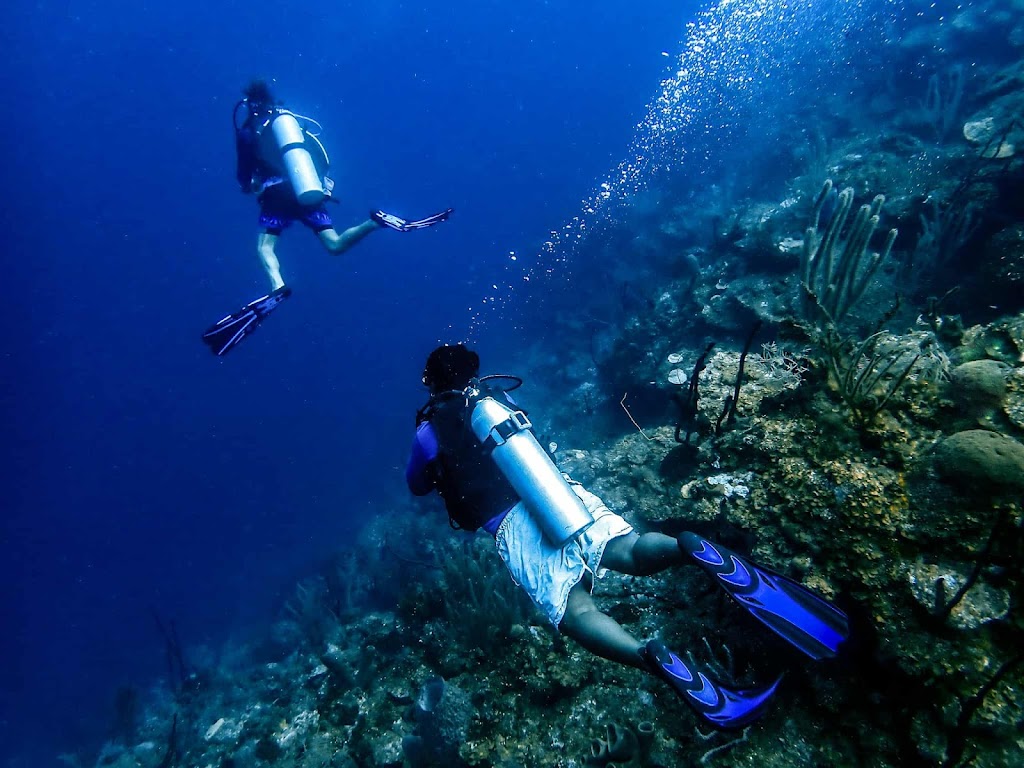
El Aguila is conveniently located just a 5-minute boat ride from some local dive shops in the West End of Roatan, making it easily accessible for day trips and multiple dives.
Planning to dive El Aguila?
Send one inquiry and receive offers directly from the best verified local dive operators.
Conditions are Good
Optimal conditions expected
Current conditions near El Aguila show 29° air, 30° sea temperature, 0.5 m waves, and 24 km/h wind. Forecast data is refreshed regularly to ensure accuracy.