
Diving at Canyon Reef (Honduras)
Descending into Canyon Reef immediately reveals a dramatic underwater landscape, carved by deep channels that begin in the sunlit shallows and descend towards a dynamic reef wall. This unique formation, often compared to a giant canyon, leads divers through a series of geological wonders, including impressive overhangs and crevices that hint at ancient origins. It's a journey into a vertically structured environment, perfect for those who appreciate diverse underwater topography.
Tonight's objective overview for Canyon Reef shows an air temperature of 28.5°C. The measured surface conditions include wave heights around 0.6 m. This environmental data is logged for the close of the day.
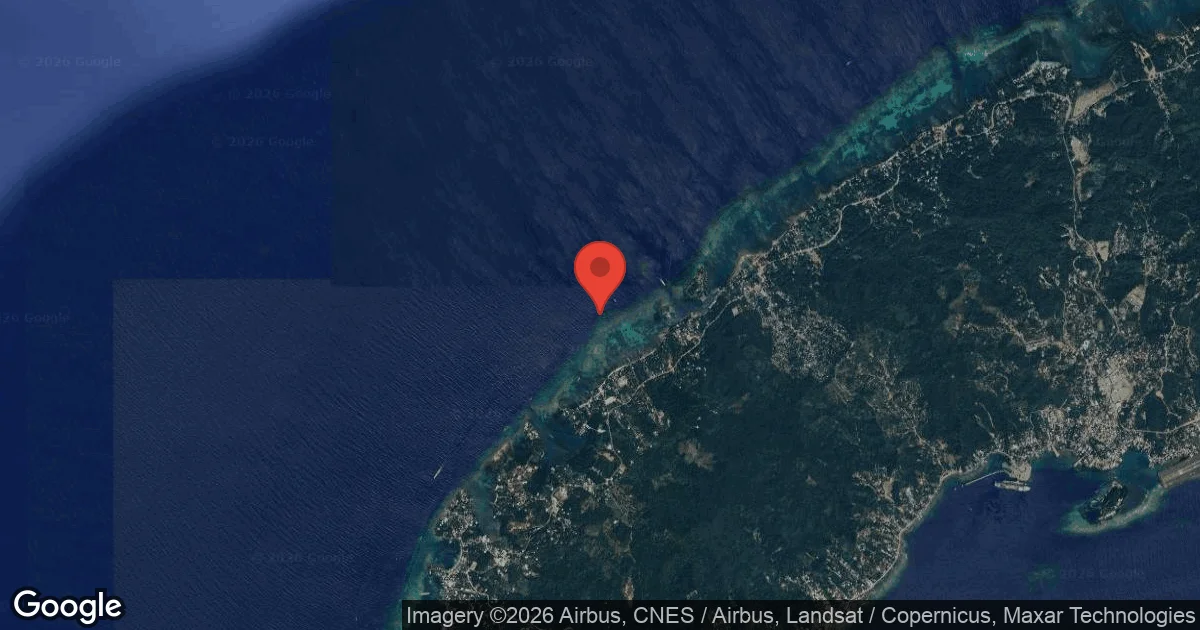
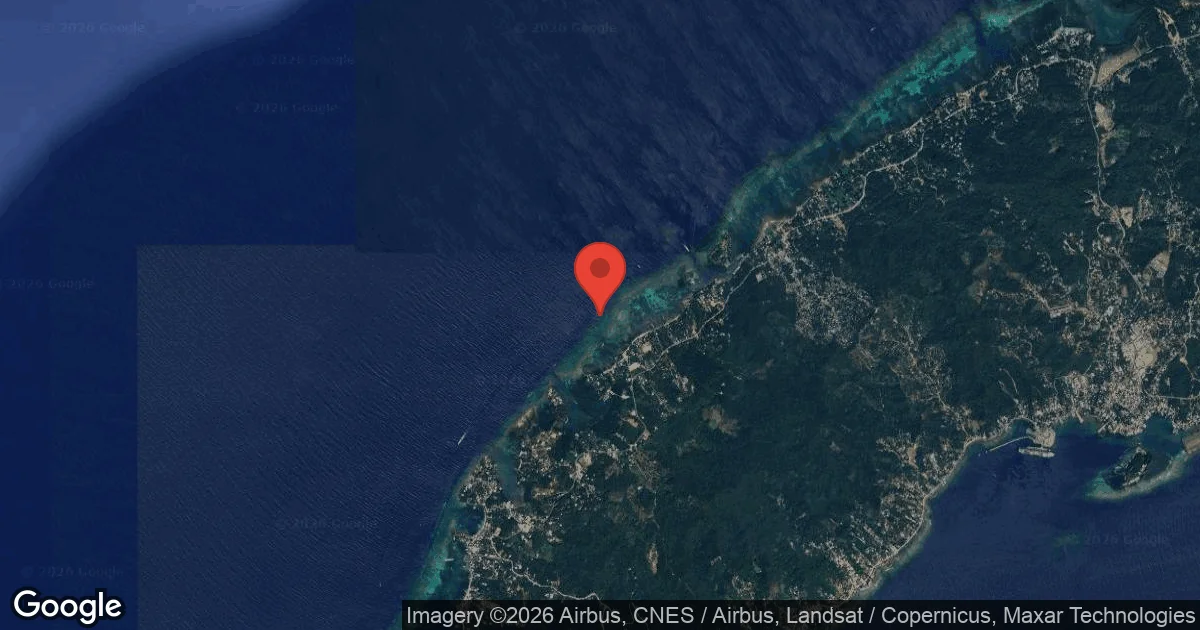
Dive Site Location & Key Facts
Dive Site Overview
Canyon Reef presents a complex topography, defined by its namesake deep canyons that cut through the reef system. These channels originate from the shallow reef top, approximately 4.5 to 6 meters (15 to 20 feet) deep, extending outwards towards the reef edge, which typically drops to 15 to 21 meters (50 to 70 feet) at various exit points along the main reef wall.
The site is characterized by a distinctive double-walled environment, reminiscent of a giant canyon, with walls intricately peppered with numerous crevices and nooks. Some of these channels feature overhangs at their upper sections, partially or completely covered, creating intriguing inspection sites. It's evident that these remarkable channels were historically formed by running water when this underwater structure was above the surface.
Prominent pillar coral formations, some reaching significant heights of up to 45 meters (150 feet), stand perpendicular to Roatan’s shoreline, further accentuating the dramatic underwater architecture. Divers often experience this site as a drift dive, following the currents along its impressive features before reaching a sandy bottom at around 36 meters (120 feet), where the reef transitions into a gentle slope.
Conditions are Good
Optimal conditions expected
Current conditions near Canyon Reef show 29° air, 30° sea temperature, 0.5 m waves, and 26 km/h wind. Forecast data is refreshed regularly to ensure accuracy.
Best Time to Dive
Maximizing visibility at Canyon Reef is often a priority for divers, and certain periods offer more favorable conditions. The months of August, September, and October are generally rated "Good" for diving, aligning with periods of lower average wave heights, around 0.8 to 0.9 meters. During these months, the air temperature averages a comfortable 28-29°C (82-84°F). Rainfall tends to be lower in the earlier part of the year, particularly from March through May, with monthly averages ranging from just 0.5 to 1.6 mm, which can contribute to clearer water conditions. While November and December see higher rainfall, averaging 11-15 mm, the dive scores during these months remain "Moderate," indicating acceptable conditions. Expect a generally moderate dive experience from January to July as well, with air temperatures maintaining a warm 25.5-28.5°C (78-83°F). Planning your visit during the drier, less windy months generally enhances the underwater clarity and overall diving comfort.
PEAK SEASON SCORE
Scores combine air & water temps, waves, wind & rainfall for overall conditions.
BEST MONTHS TO DIVE
Monthly records compiled from satellite and marine observation nodes over the last 3 years. Data provided by Open-Meteo and MET Norway.
Dive Experience & Conditions
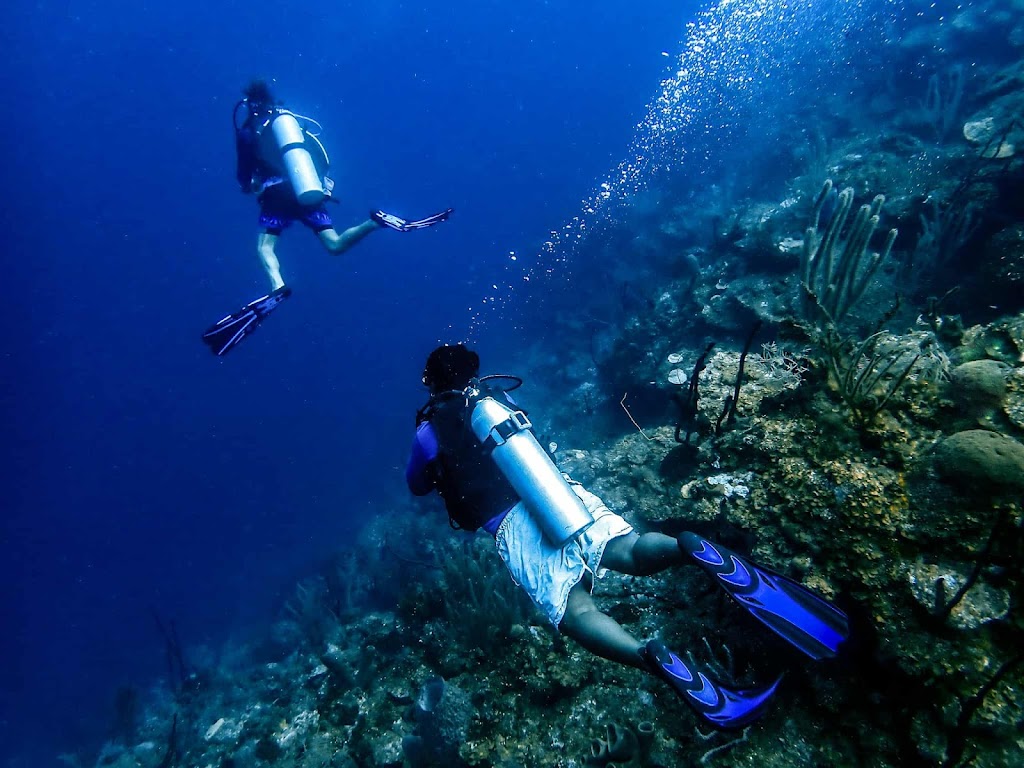
For divers seeking an engaging experience, Canyon Reef offers a dynamic underwater journey through its geological formations. This site is particularly suited for drift diving, where you'll glide effortlessly through the complex wall system, passing impressive crevices and beneath natural overhangs, some partially enclosed. Navigating these features requires good buoyancy control, making it a rewarding dive for those with intermediate to experienced certifications. The multi-level profile descends from an initial 3 meters (10 feet) down to a sloping sandy bottom at around 36 meters (120 feet), allowing for varied exploration. While specific water temperatures are not consistently reported, conditions are generally comfortable for the region. PADI Advanced Open Water Diver training is particularly useful for maximizing the experience, enabling confident exploration of the varying depths and current patterns.
Dive Difficulty & Safety Guidelines
While Canyon Reef doesn't present unique, significant hazards, it's a site that rewards preparedness. The drift diving nature means maintaining situational awareness regarding your dive buddy and the group is crucial to avoid separation. Some channels include partially or completely covered overhangs, requiring careful buoyancy control and awareness to prevent silting or accidental contact.
Divers should be mindful of their air supply, especially when exploring deeper sections or if currents are stronger than anticipated. Given the site's multi-level profiles and potential for drift, a surface marker buoy is essential for signaling the boat upon ascent, particularly in areas with boat traffic.
Adhering to no-decompression limits and planning dives conservatively is always recommended, especially when exploring the deeper wall sections and sandy slope.
Recommended Equipment
Current and surface separation risk. Local briefing strongly recommended.
- Dive Computer
- DSMB
- Reel / Spool
This gear list is based on verified equipment signals for Canyon Reef, Honduras. Always confirm final gear choices with your dive operator, guide, or liveaboard.
Recommended Dive Suit
Exposure protection is partly a personal preference.
Dive skin or rash guard typically provides a reliable level of thermal protection for dives here. A hood or vest is suggested for sensitive divers due to surface winds. Weather models currently point toward consistent diving conditions over the next several days.
Current temperature readings suggest that the water at Canyon Reef is around 30°C (86°F). Surface air temperatures are resting at 29°C (83°F).
Emergency & Medical Support
Essential information to help you plan your dive trip to Canyon Reef.

Hyperbaric chambers are a critical part of dive safety infrastructure. Availability varies significantly by region, and not all dive areas have immediate access.
Before diving, it's recommended to:
- confirm nearest medical facilities
- check emergency procedures with local dive operators
- ensure dive insurance covers evacuation if required
Divers Alert Network
Diving emergency assistance available through DAN World.
+1-919-684-9111- 24/7 emergency hotline
- Diving medical assistance
- Evacuation coordination
Emergency contacts are provided for reference. Always verify local emergency services before diving.
Marine Life at Canyon Reef
The intricate underwater landscape of Canyon Reef provides diverse habitats for marine life. Hard corals thrive across the reef top and walls, interspersed with notable colonies of Wire Coral, some stretching to impressive lengths.
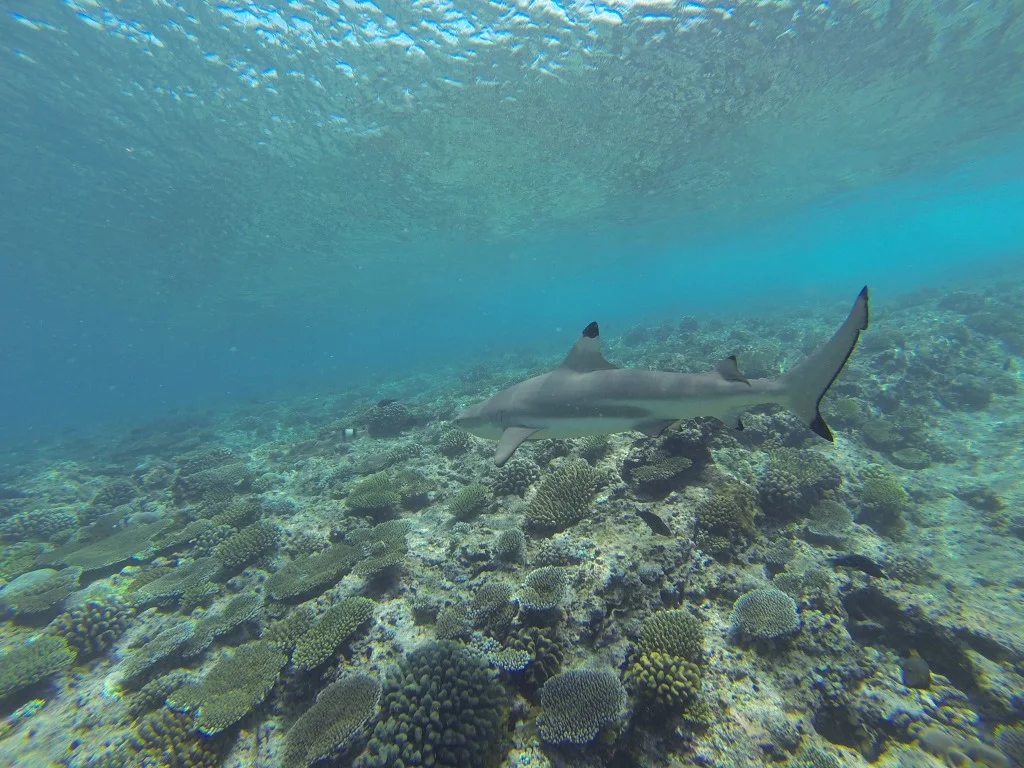
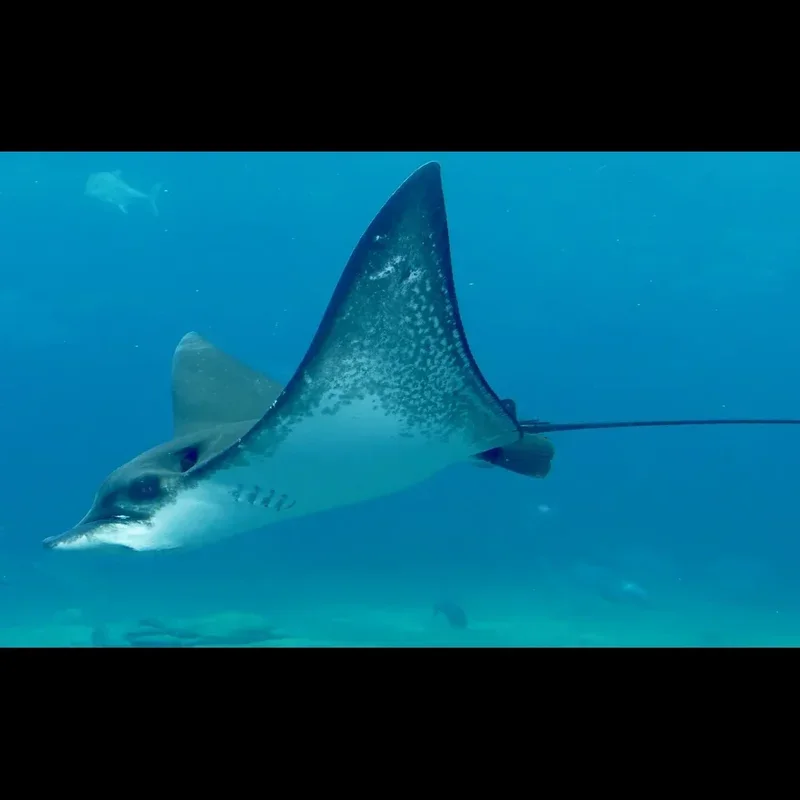
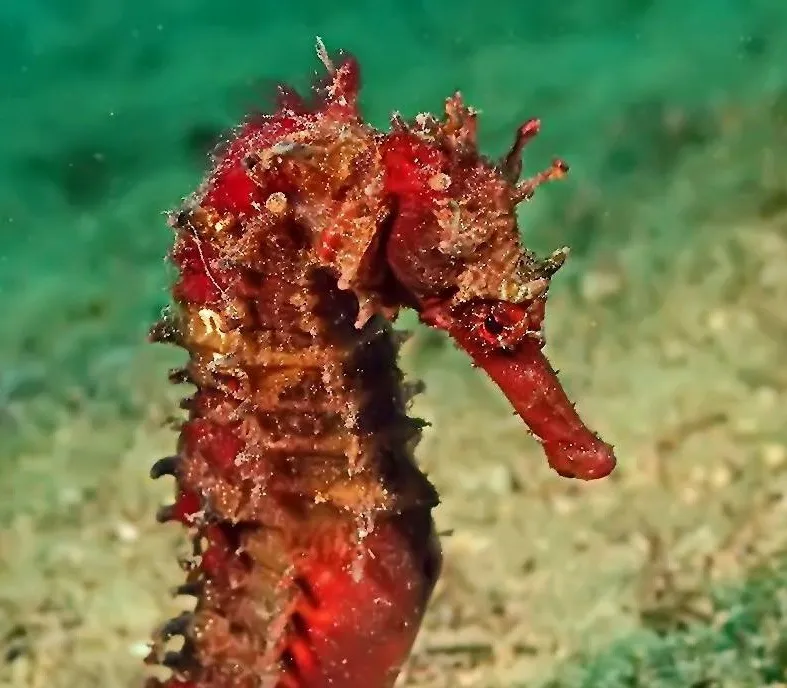
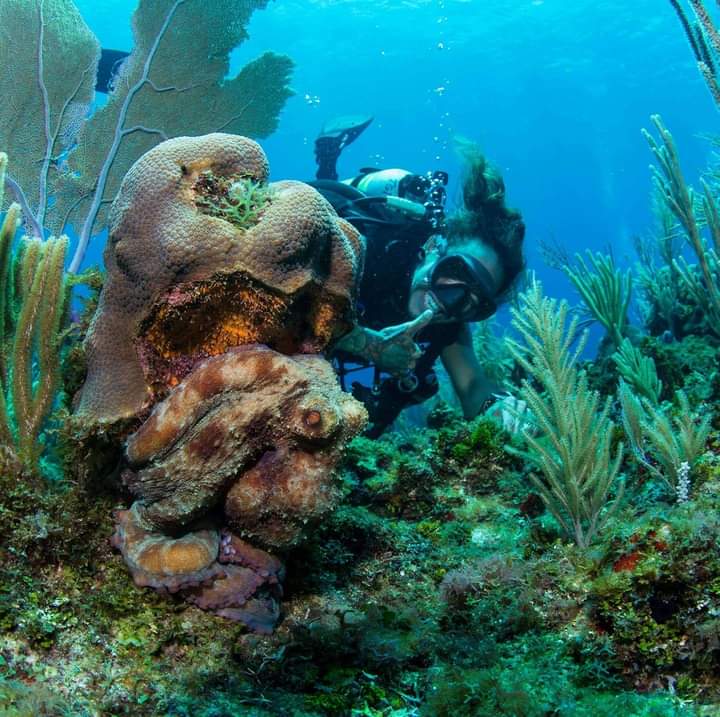
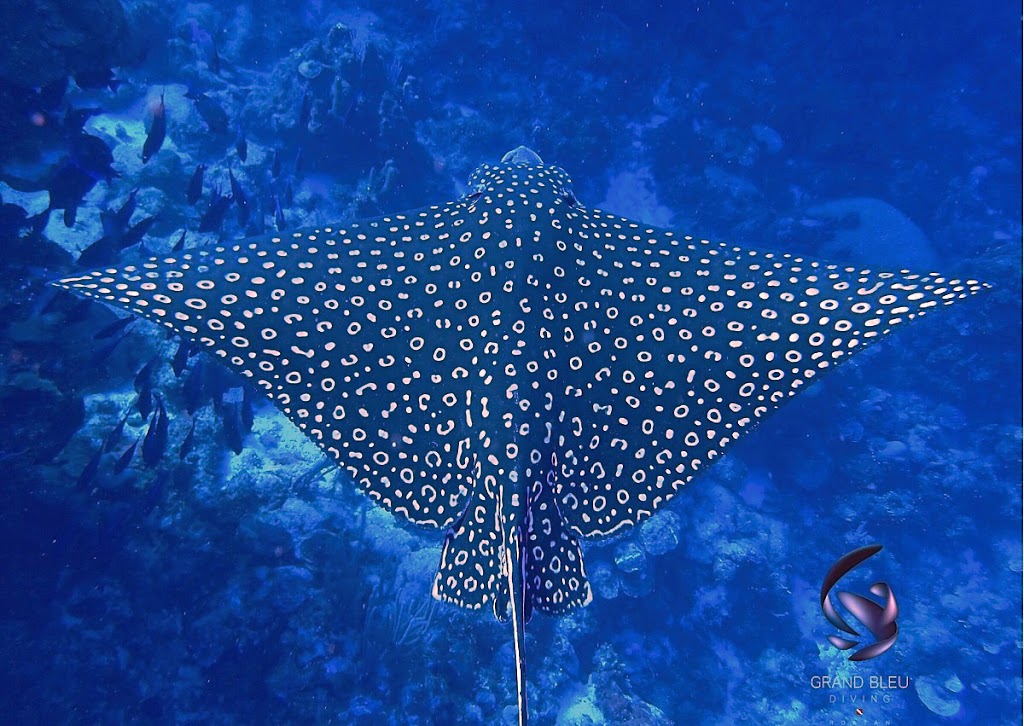
Near the shallows, octopi, spotted drum fish, trumpet fish, and banded coral shrimp are commonly observed feeding among the formations. Deeper on the gentle sandy slope, divers might encounter more elusive species like eagle rays and the rare seahorse, blending into the soft coral stands.
While not consistently reported, the area is also known for sightings of sharks, whales, dolphins, and various turtles.

Dive Sites Near Canyon Reef
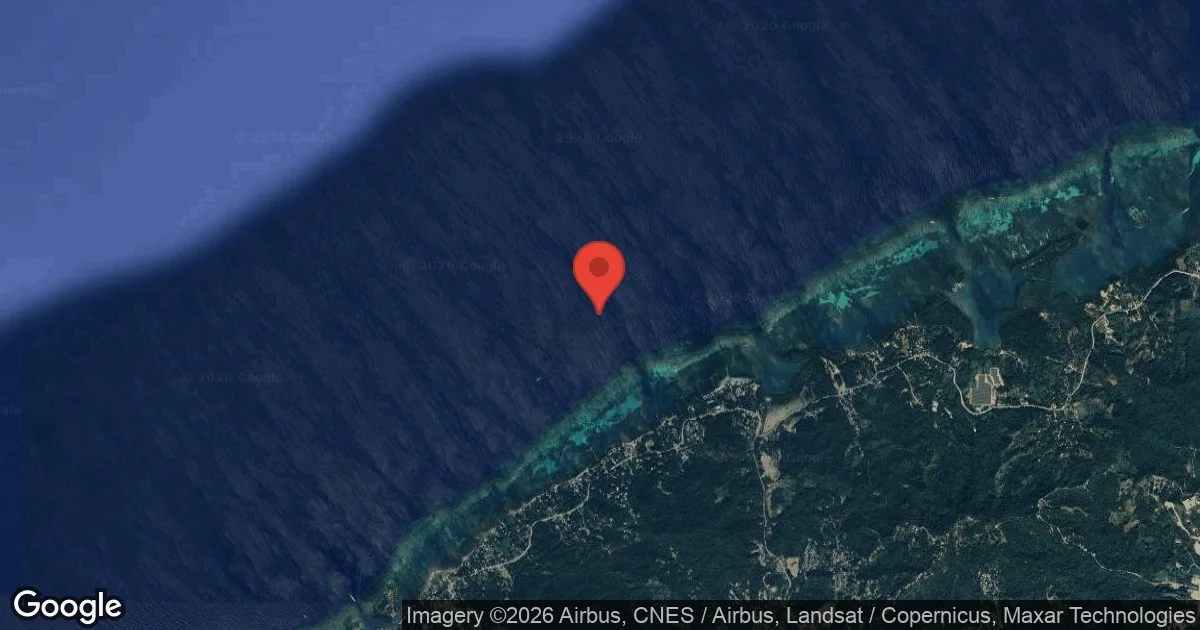
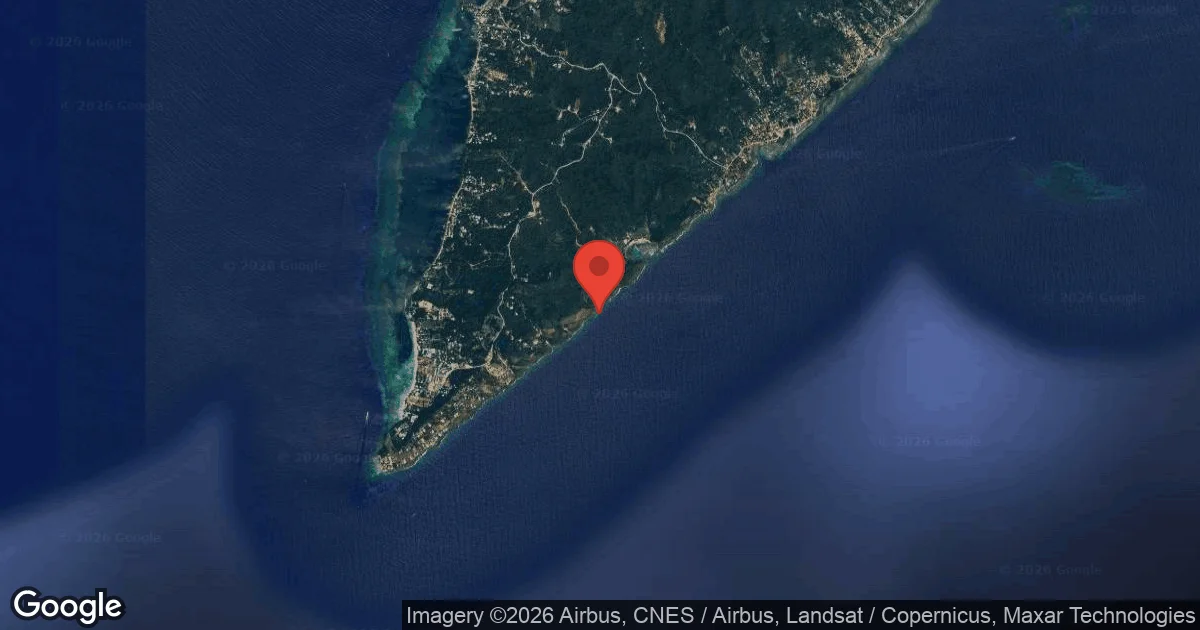
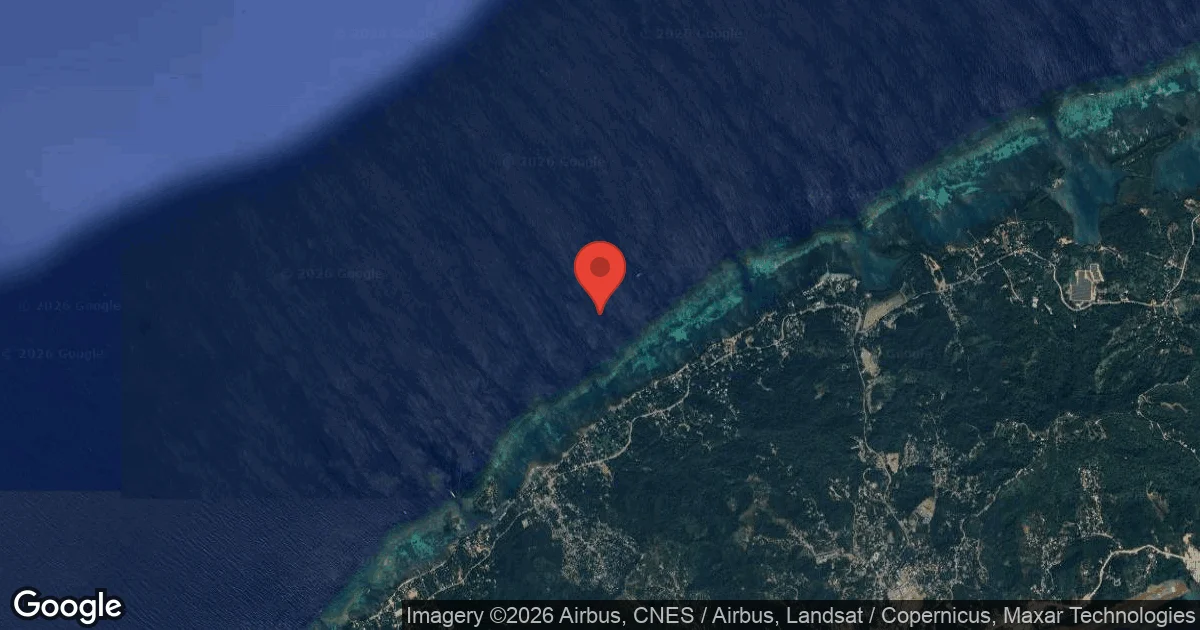
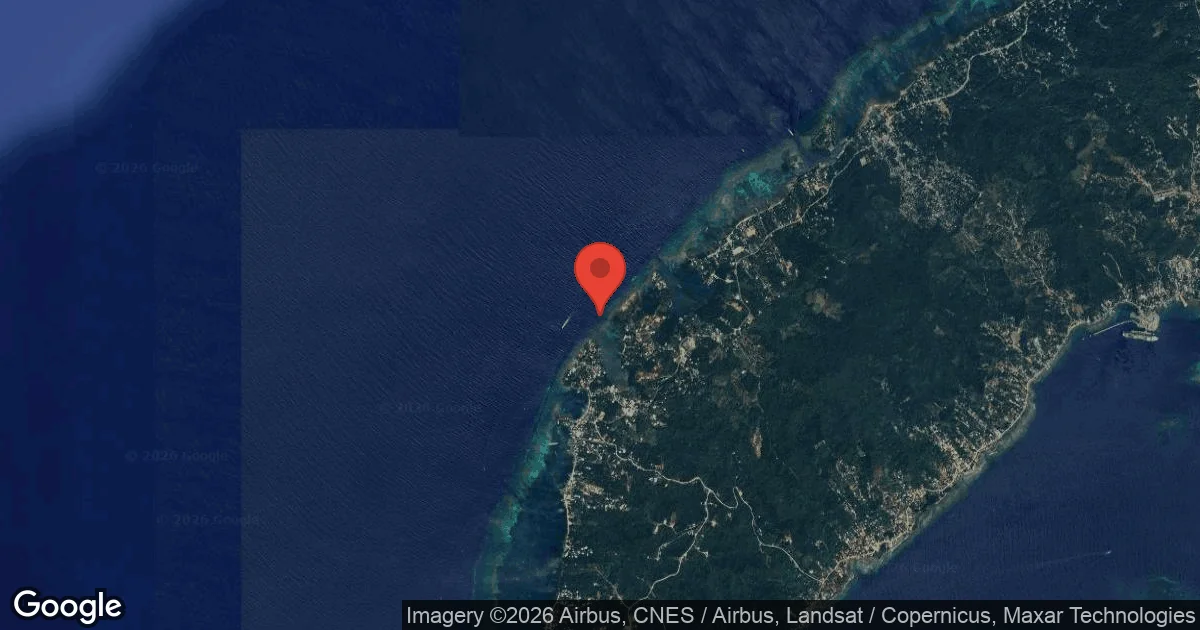
View all dive sites in HondurasDiscover more underwater gems in this area.
Dive Centers Near Canyon Reef
Today: 08:00 - 16:00
Nearest Airports
Nearest airports to help plan travel to this dive area.
Search Flights
Check available flights and routes on Expedia, using the nearby airports listed in this section.
Search Flights on ExpediaFrequently Asked Questions
What is the maximum depth at Canyon Reef?
The reef wall system descends to a sandy bottom at approximately 36 meters (120 feet). Initial reef sections and channel tops are much shallower, beginning around 3-6 meters (10-20 feet).
Is Canyon Reef suitable for beginner divers?
This site is best suited for intermediate to experienced divers due to its multi-level profiles, potential for drift, and complex topography with overhangs. PADI Advanced Open Water Diver training is recommended.
What kind of marine life can I expect to see?
The reef supports abundant hard corals and long Wire Coral. Divers commonly spot octopi, spotted drum fish, trumpet fish, and banded coral shrimp. Deeper sections may reveal eagle rays and seahorses, and larger pelagics like sharks, whales, and dolphins have been sighted in the general area.
Are there any unique geological features to explore?
Yes, the reef is named for its deep canyons and channels, many featuring fascinating overhangs and crevices that were formed by ancient running water. Tall pillar coral formations also stand out against the wall.
How are the currents at Canyon Reef?
Currents vary, making it a popular site for drift diving. Divers should be prepared for mild to moderate currents that can help navigate the canyon system, enhancing the dynamic experience.
What's the entry method for diving Canyon Reef?
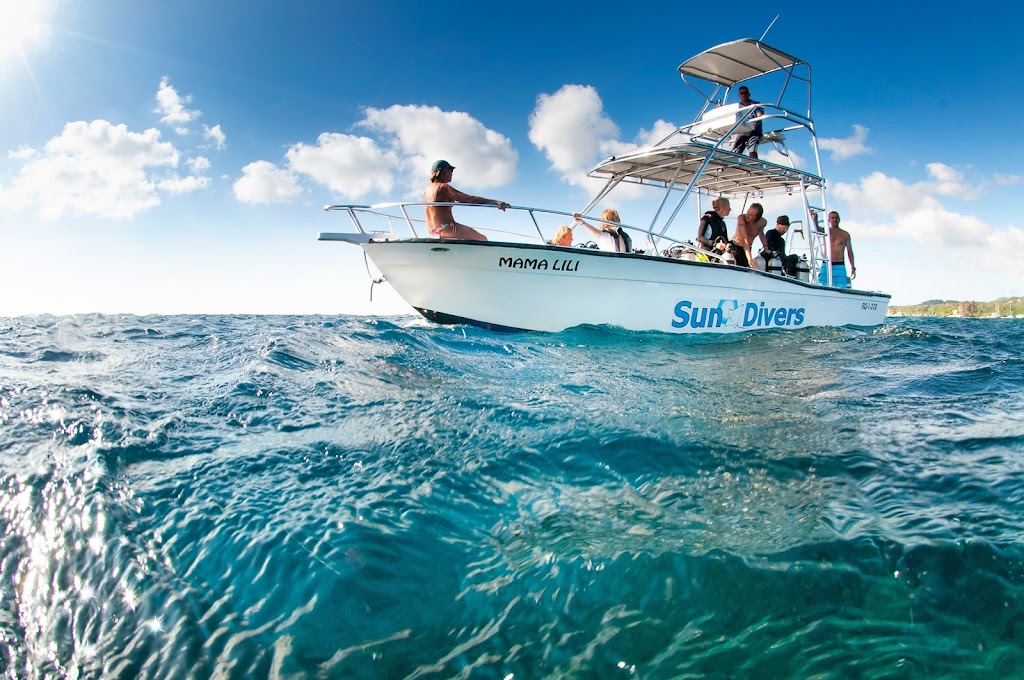
Access to Canyon Reef is exclusively by boat. Divers typically enter the water directly from a dive vessel at the designated mooring or drop-off point.
Planning to dive Canyon Reef?
Send one inquiry and receive offers directly from the best verified local dive operators.
Conditions are Good
Optimal conditions expected
Current conditions near Canyon Reef show 29° air, 30° sea temperature, 0.5 m waves, and 26 km/h wind. Forecast data is refreshed regularly to ensure accuracy.