
Diving at Blue Channel (Honduras)
Blue Channel in Roatán stands as a testament to the ocean's sculpting power, a natural geological formation rather than a man-made cut. Representing a millennia-old separation within the barrier reef, it's shaped by relentless currents and geological shifts over time. Its natural architecture creates an extensive underwater corridor, a crucial passage that continues to define local marine ecosystems. Over centuries, it has evolved into a key exploration point for divers, offering a glimpse into the dynamic forces that shaped this part of the Caribbean. A natural separation allows varied marine life to thrive within its protective confines.
Tonight's objective overview for Blue Channel shows an air temperature of 26.5°C. The measured surface conditions include wave heights around 0.5 m. This environmental data is logged for the close of the day.
Dive Site Location & Key Facts
Dive Site Overview
Blue Channel's defining characteristic is its unique natural coral passage, which winds its way from the expansive outer reef towards the Roatán shoreline. Divers typically commence their exploration from the reef's outer edge, progressively moving inward through this intricate underwater corridor.
An initial descent unfolds a series of intricately carved swim-throughs, deeply set into the reef walls, guiding explorers into the channel itself. These passages, varying in size and contour, create a sense of discovery, revealing the reef's internal architecture.
While the main channel often maintains a shallow profile, reaching a maximum depth of approximately 4 m (15 ft), dive plans frequently incorporate routes that explore profiles closer to 12 m (40 ft) to encompass the broader reef features. As divers progress, the coral formations gradually yield to a verdant expanse of seagrass, a rich habitat teeming with diverse macro life, including smaller invertebrates and camouflaged species.
This section transitions into a distinct "sand bowl" area, a unique depression where specific bottom-dwelling creatures are often observed. Beyond these features, a series of smaller caves are carved along the southern wall, providing additional exploratory elements and intriguing hidden spaces.
The site's diverse topography, encompassing intricate coral gardens, sandy flats, and sheltered alcoves, ensures a varied and engaging experience, making each visit distinct.
Conditions are Good
Optimal conditions expected
Current conditions near Blue Channel show 27° air, 30° sea temperature, 0.6 m waves, and 26 km/h wind. Forecast data is refreshed regularly to ensure accuracy.
Best Time to Dive
Optimal diving conditions for Blue Channel generally occur from August through October, marked by lighter winds and calmer seas. During these months, average wave heights are at their lowest, typically around 0.9-1.1 meters (3.0-3.6 feet), creating more favorable surface conditions. Air temperatures remain consistently warm, averaging 28-29°C (82-84°F), making for comfortable surface intervals. Rainfall is moderate, ranging from 3-12 mm (0.1-0.5 inches), which usually doesn't impact dive conditions significantly. In contrast, the period from January to July often sees stronger winds, with speeds reaching up to 36 km/h (22 mph) and higher wave heights, sometimes exceeding 1.4 meters (4.5 feet). While year-round diving is possible, "Good" dive scores from August to October indicate a period where tranquil conditions are more prevalent. Visibility at this site can change frequently; choosing a day with clearer conditions enhances the experience.
PEAK SEASON SCORE
Scores combine air & water temps, waves, wind & rainfall for overall conditions.
BEST MONTHS TO DIVE
Monthly records compiled from satellite and marine observation nodes over the last 3 years. Data provided by Open-Meteo and MET Norway.
Dive Experience & Conditions
Diving at Blue Channel presents a varied experience, primarily shaped by its dynamic shallow profile and water movement. Maximum depth of the main channel is around 4 m (15 ft), yet some routes lead divers through profiles that can reach closer to 12 m (40 ft). Water temperatures are typically warm, mirroring comfortable air temperatures ranging from 25-29°C (77-84°F) throughout the year. Visibility is a condition that varies significantly; it's not consistently reported, changing frequently based on local factors. It can be reduced to just a few feet during significant silverside migrations, particularly in late summer and early fall. While generally calm, good buoyancy control is essential, especially when navigating swim-throughs and areas with rapid depth changes, to avoid disturbing coral.
Dive Difficulty & Safety Guidelines
When exploring Blue Channel, divers must prioritize precise buoyancy control. Shallow depths, especially within swim-throughs and near coral formations, demand careful maneuvering to avoid accidental reef contact. Some sections feature a rapid decrease in depth, requiring attentive depth management.
While no specific hazards are consistently reported for this site, general caution is advised. Surface swimming to the channel from shore is not recommended due to potentially heavy boat traffic, making boat entry the preferred and safer method.
PADI Open Water Diver certification is a sufficient entry level, but advanced training like PADI Advanced Open Water Diver and Underwater Naturalist can enhance the experience, particularly for navigating complex topographies and identifying marine life.
Recommended Equipment
- Dive Computer
- DSMB
This gear list is based on verified equipment signals for Blue Channel, Honduras. Always confirm final gear choices with your dive operator, guide, or liveaboard.
Recommended Dive Suit
Experienced divers often bring flexible gear options.
The water around Blue Channel is currently holding at approximately 30°C (86°F), setting the tone for today's dives. Surface air temperatures are resting at 27°C (80°F). Divers who spend longer periods underwater often choose dive skin or rash guard. Consider warmer surface protection (like a boat coat) due to brisk winds.
Current forecasts indicate relatively stable conditions for the coming days.
Emergency & Medical Support
Essential information to help you plan your dive trip to Blue Channel.

Hyperbaric chambers are a critical part of dive safety infrastructure. Availability varies significantly by region, and not all dive areas have immediate access.
Before diving, it's recommended to:
- confirm nearest medical facilities
- check emergency procedures with local dive operators
- ensure dive insurance covers evacuation if required
Divers Alert Network
Diving emergency assistance available through DAN World.
+1-919-684-9111- 24/7 emergency hotline
- Diving medical assistance
- Evacuation coordination
Emergency contacts are provided for reference. Always verify local emergency services before diving.
Marine Life at Blue Channel
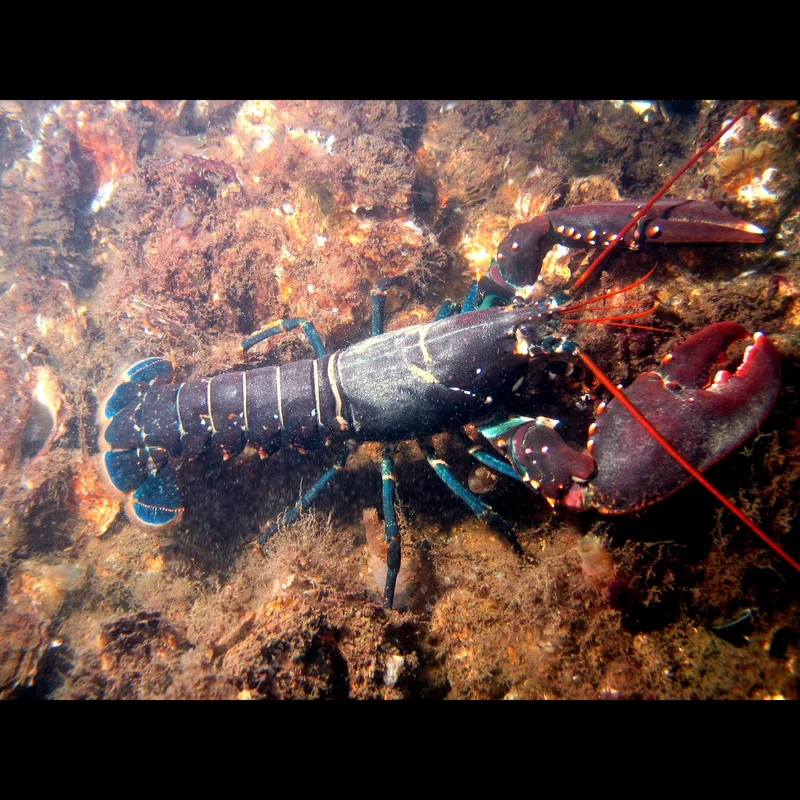
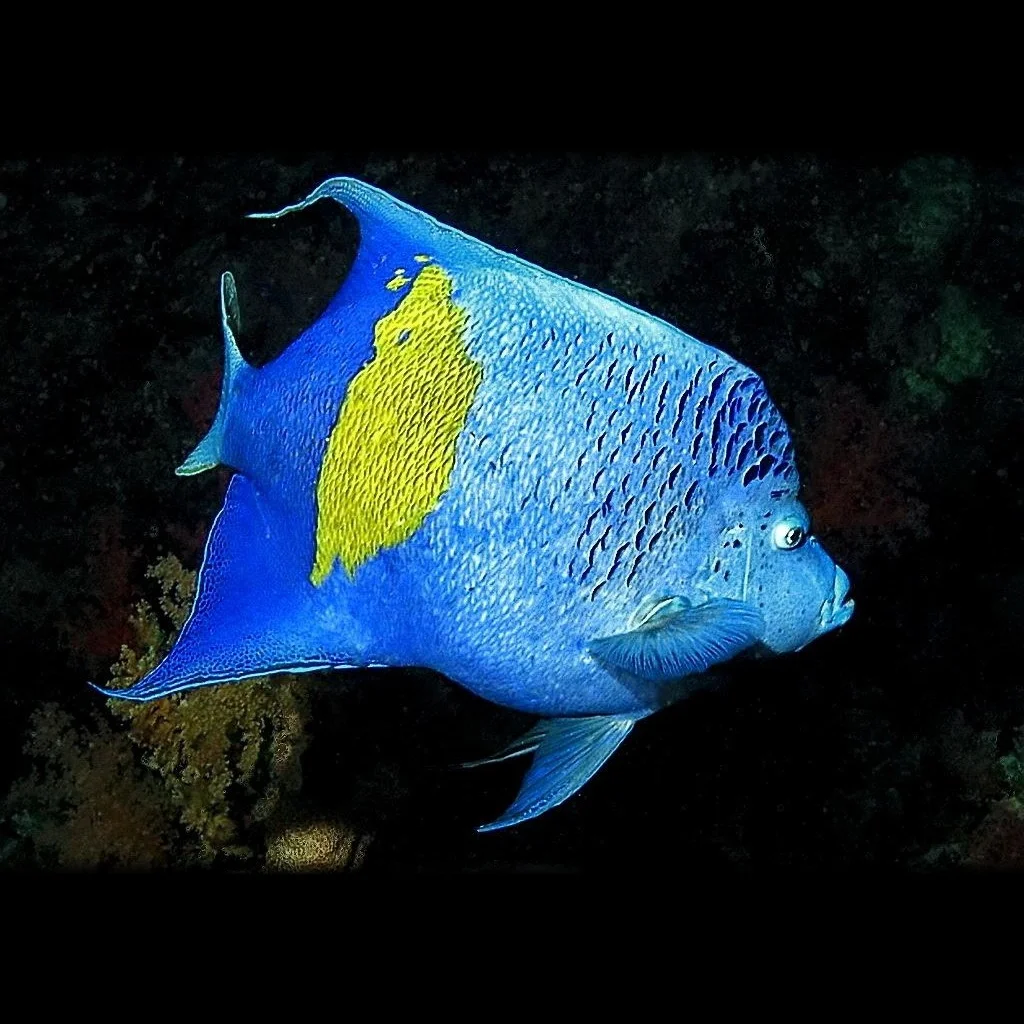
Blue Channel is home to a concentrated array of marine species, creating a vibrant ecosystem. Divers often encounter small lobsters and juvenile angelfish finding refuge among reef structures.
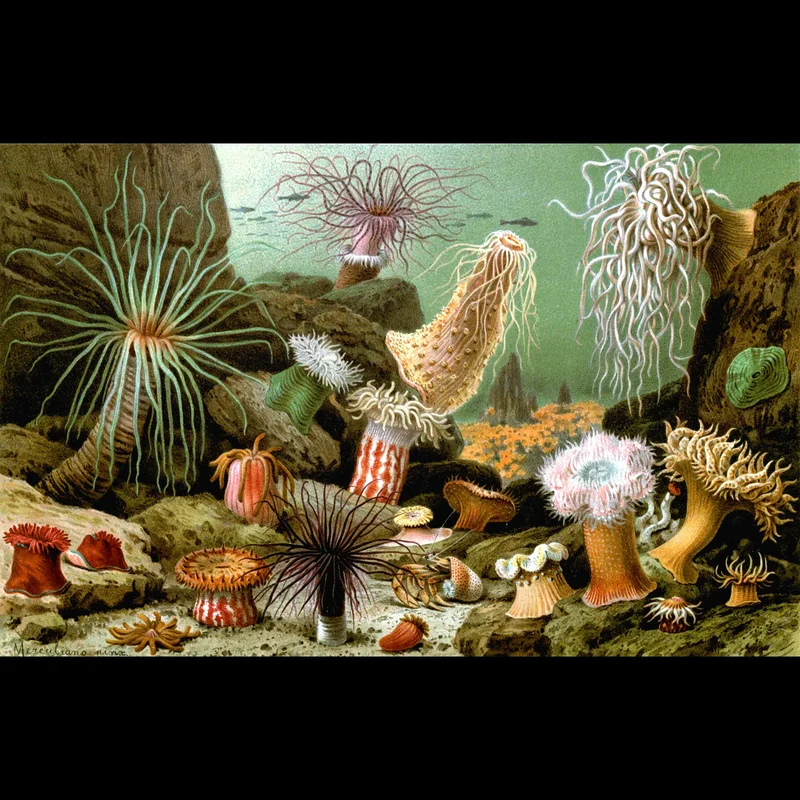
Corkscrew anemones are abundant, hosting symbiotic Pedersen Cleaning Shrimp and Snapping Shrimp. Sandy areas and seagrass beds reveal unique creatures like Upside Down Jellyfish, Elysias, and Spotted Trunkfish.
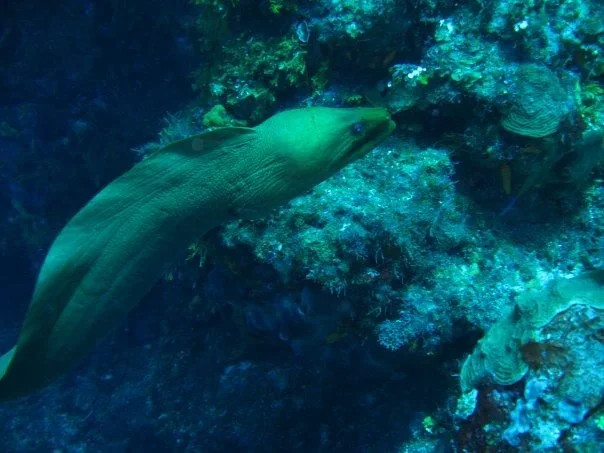
Moray eels are also frequently sighted. During fall months, particularly August and September, enormous schools of silversides migrate through the southern wall of the channel.
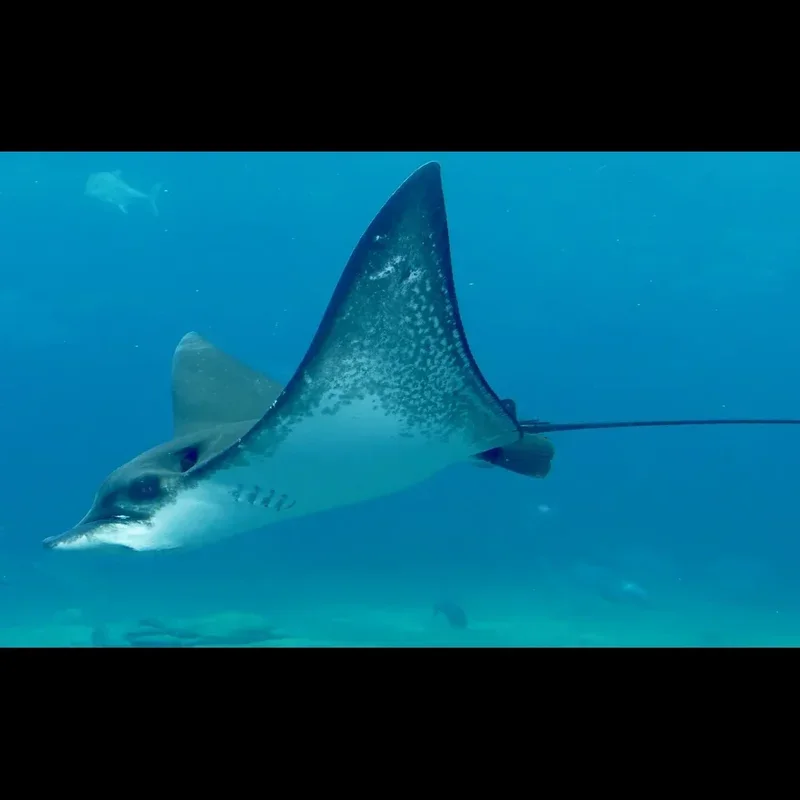
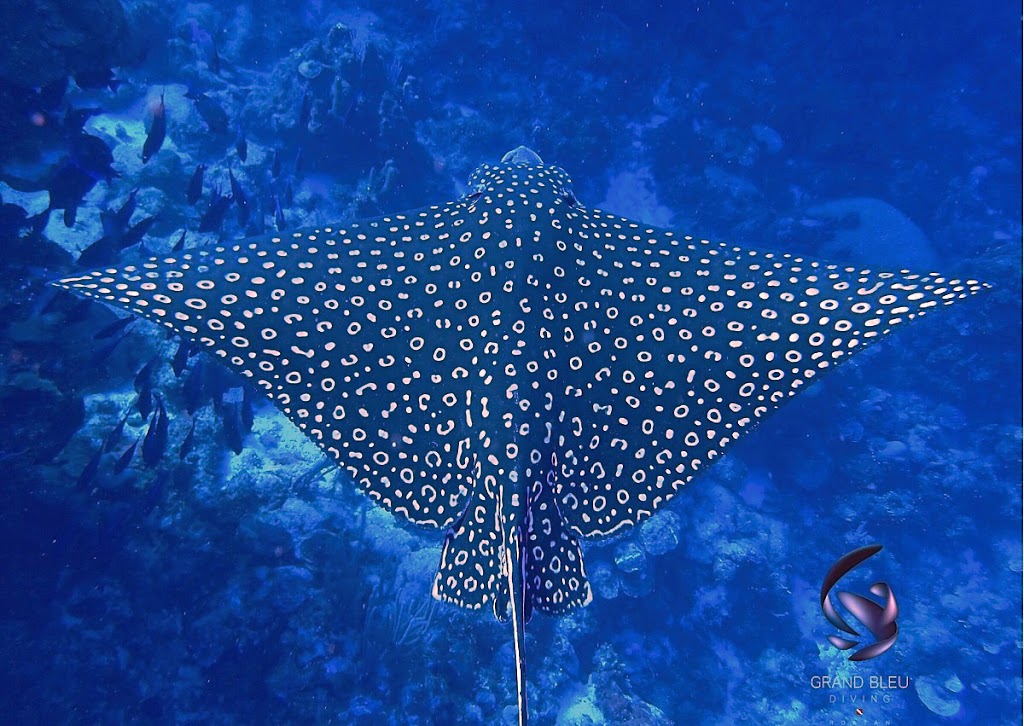
Additionally, Spotted Goatfish and Smallmouth Grunts are common, and eagle rays are known to glide through the channel and along the reef crest.
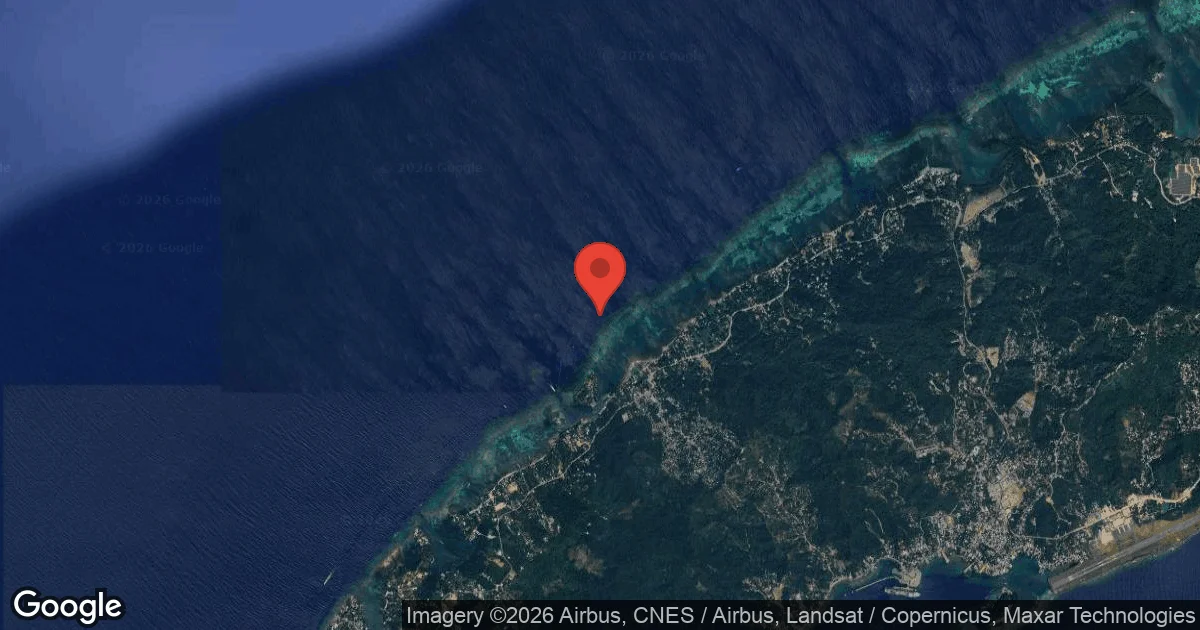
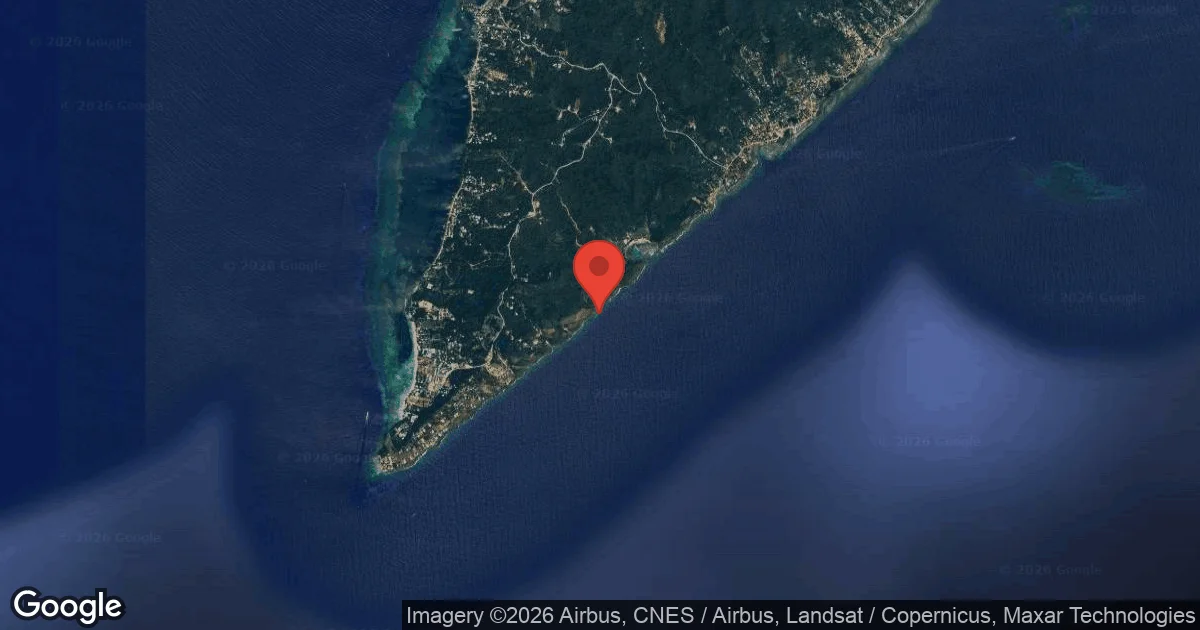
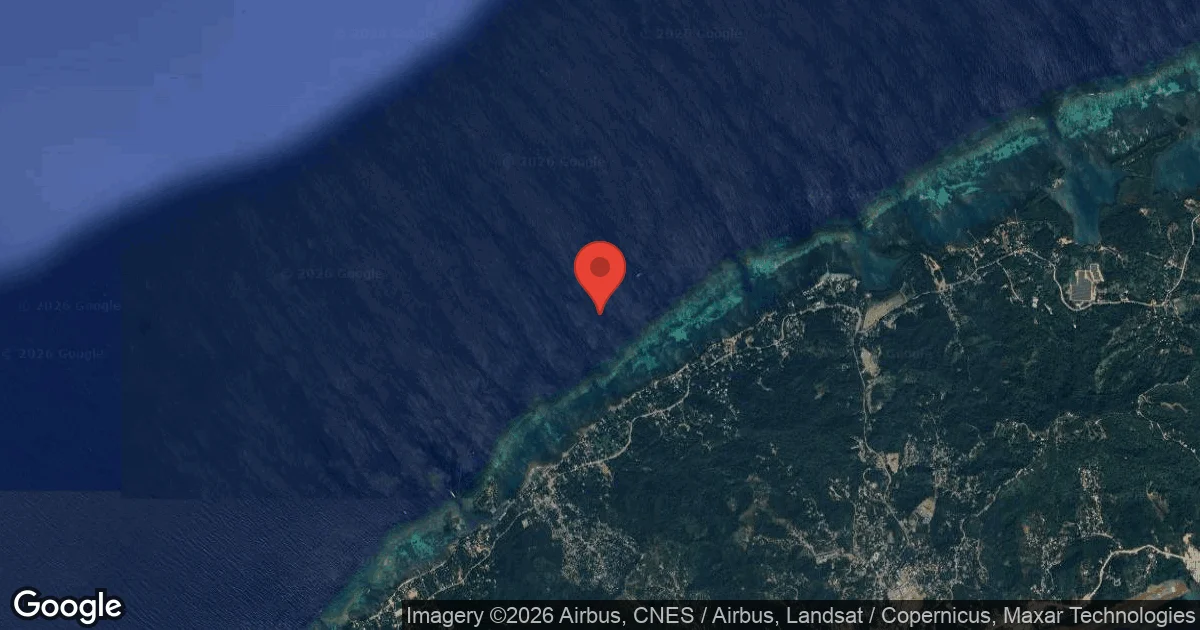
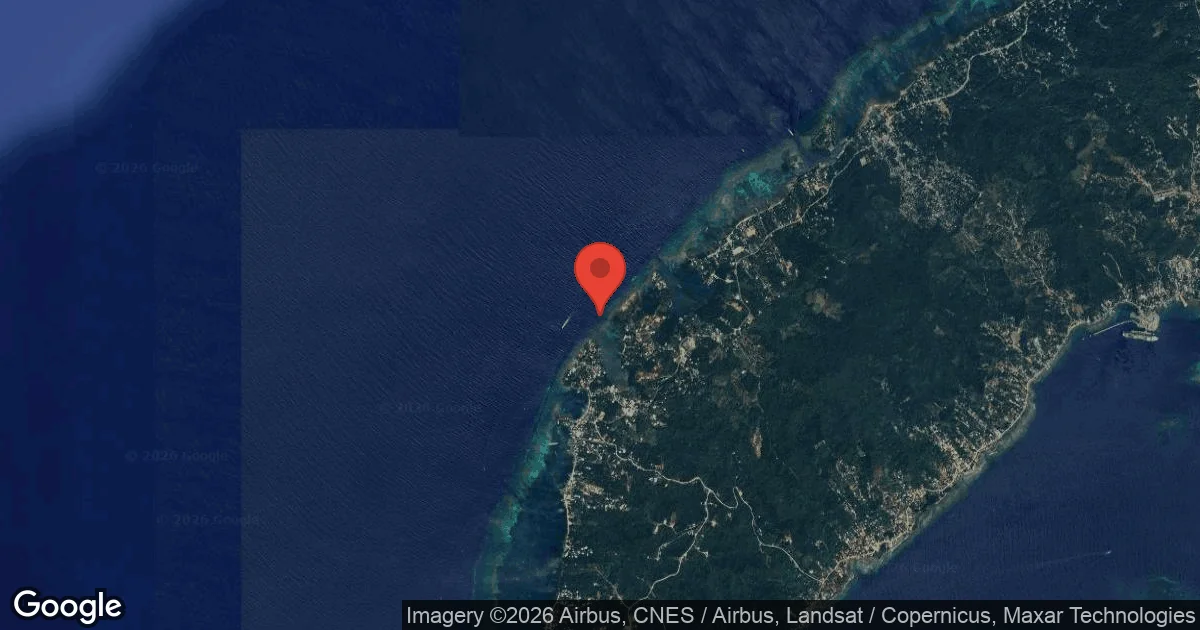
Dive Sites Near Blue Channel
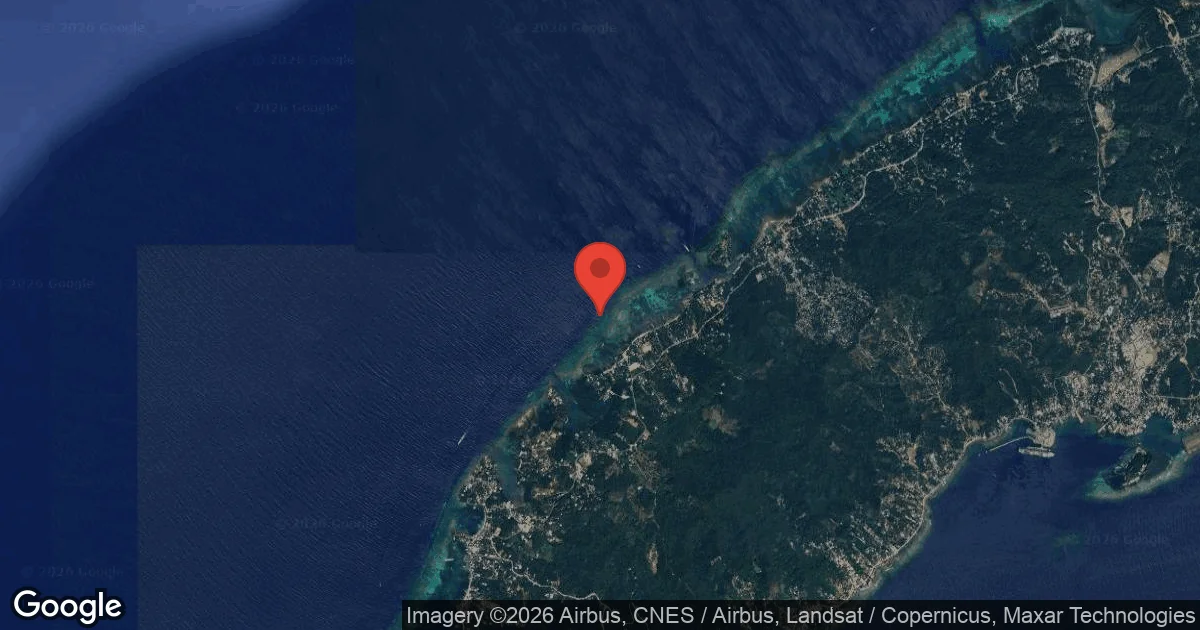
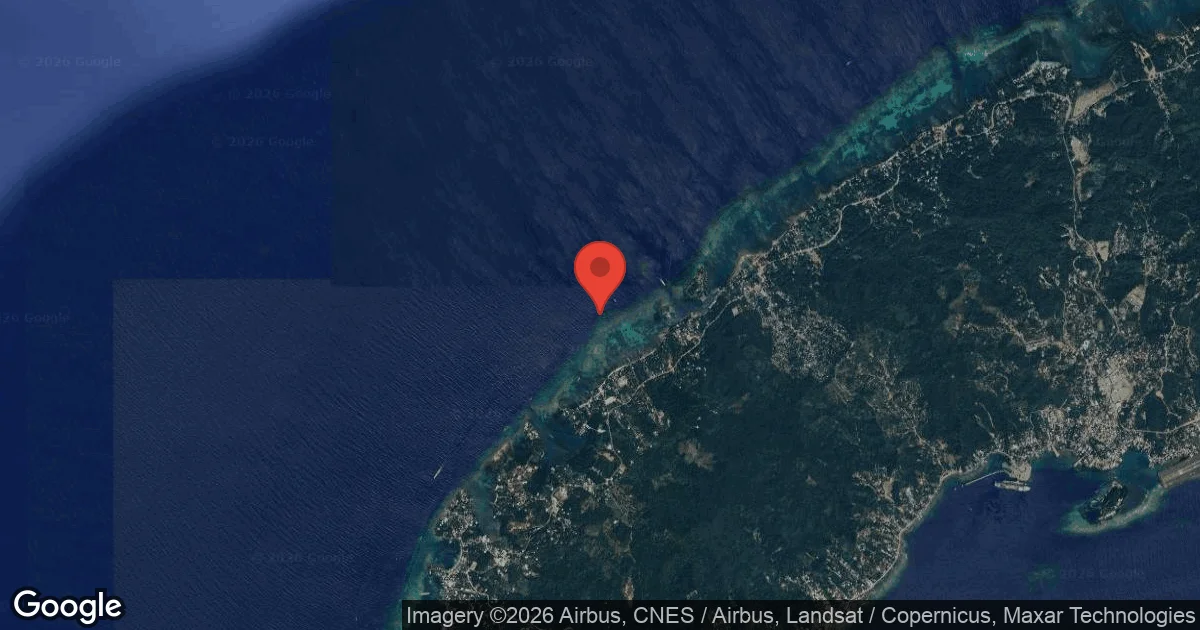
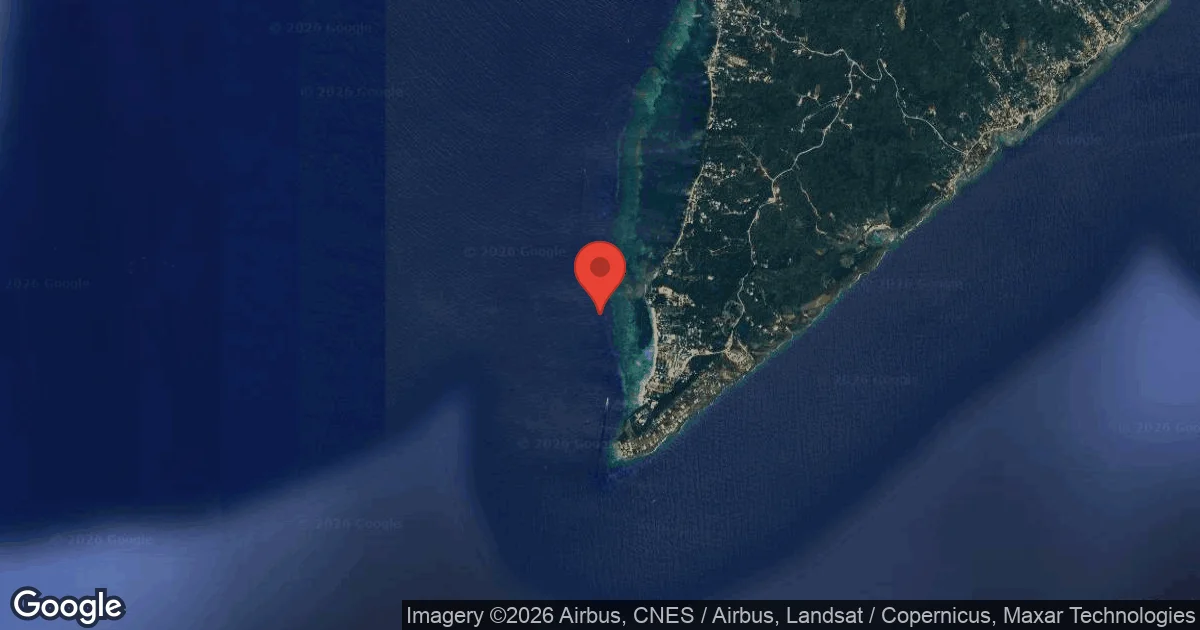
View all dive sites in HondurasDiscover more underwater gems in this area.
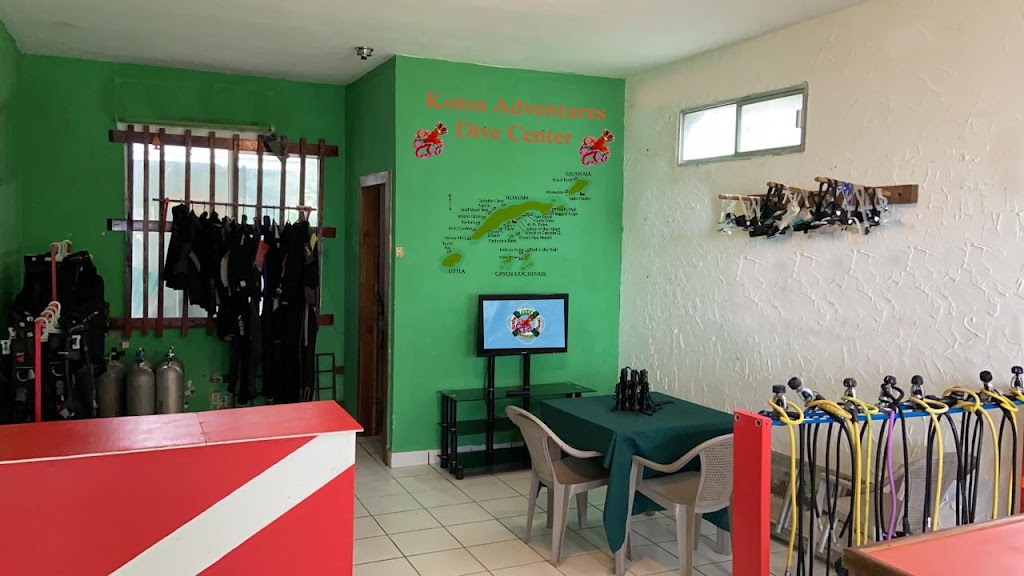
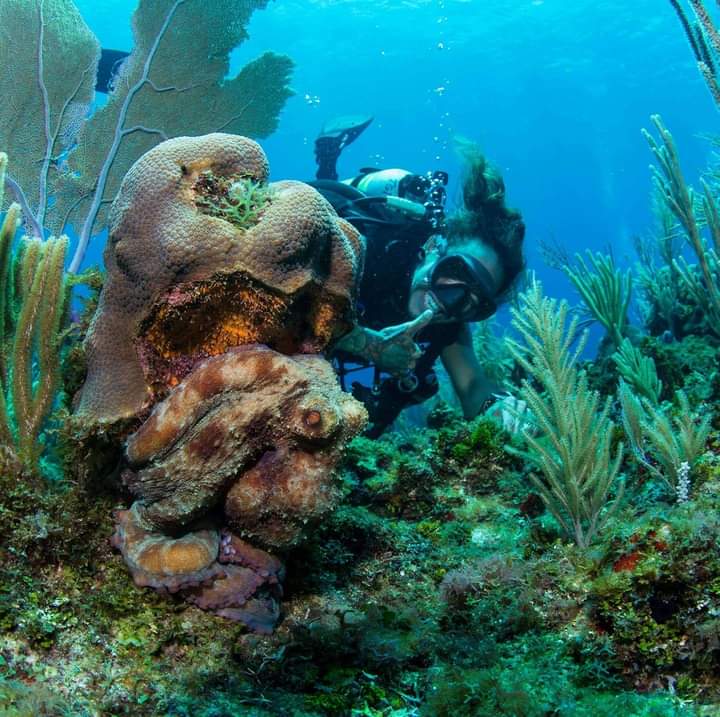
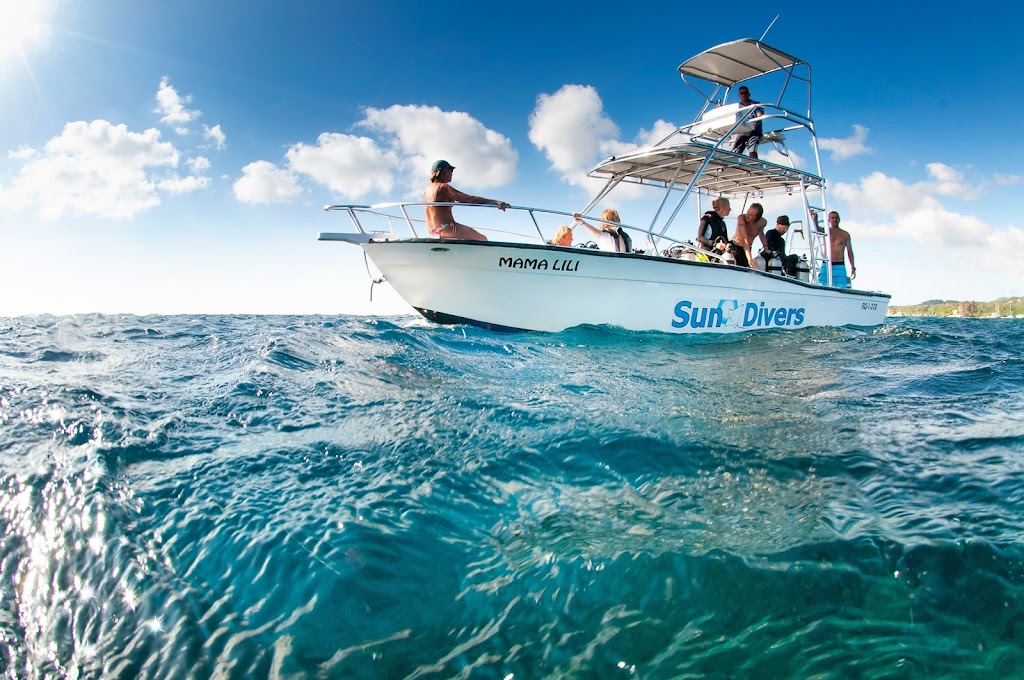
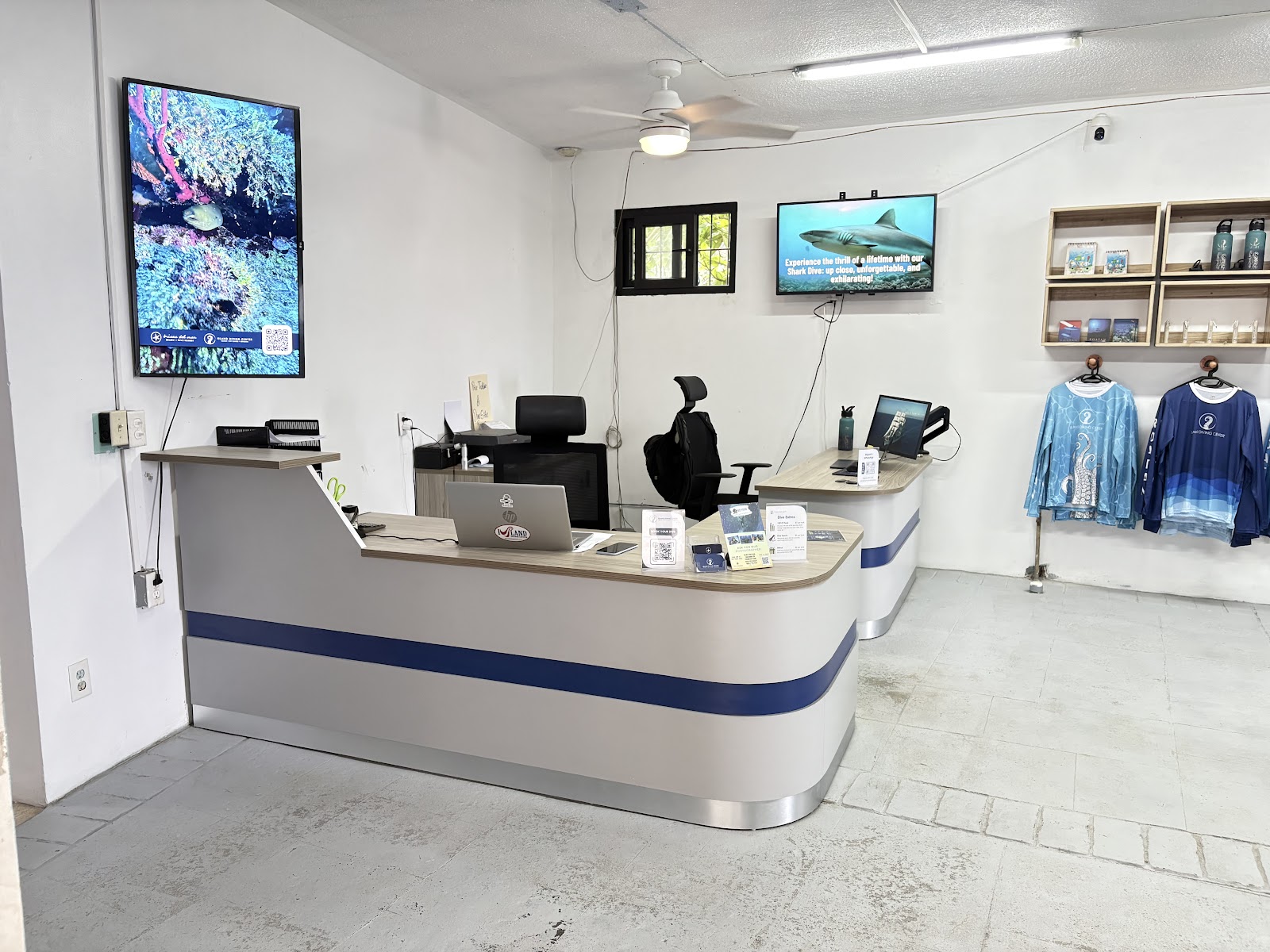
Dive Centers Near Blue Channel
Today: 08:00 - 16:00
Nearest Airports
Nearest airports to help plan travel to this dive area.
Search Flights
Check available flights and routes on Expedia, using the nearby airports listed in this section.
Search Flights on ExpediaFrequently Asked Questions
Is Blue Channel suitable for all diver levels?
Yes, its main channel is quite shallow, generally around 4 meters (15 feet), making it accessible for most certified divers. Good buoyancy control is necessary, especially when navigating swim-throughs and varied depths, to protect the delicate coral.
Can I snorkel at Blue Channel?
Absolutely. The shallow reef allows snorkelers to easily view abundant marine life and colorful corals, including majestic elkhorn corals, from the surface. A snorkel guide can help assess conditions for the best experience.
What is the typical depth for a dive here?
While the channel is shallow, dives are often navigated with profiles reaching up to 12 meters (40 feet). This allows exploration of the surrounding reef and deeper sections that are part of the site.
How do I access Blue Channel?
Boat entry is highly recommended. Surface swimming from shore is discouraged due to considerable air consumption over distance and potential heavy boat traffic in the area, which poses a safety concern.
When is the best time to see silversides?
Enormous schools of silversides are known to migrate through the southern wall of the channel during the fall months, specifically August and September. Their presence can significantly reduce visibility during these times.
What kind of marine life can I expect to see?
The site hosts a variety of life, including small lobsters, juvenile angelfish, and moray eels. You might also spot eagle rays, goatfish, grunts, and unique macro life like Upside Down Jellyfish and Elysias in the sand bowl.
Planning to dive Blue Channel?
Send one inquiry and receive offers directly from the best verified local dive operators.
Conditions are Good
Optimal conditions expected
Current conditions near Blue Channel show 27° air, 30° sea temperature, 0.6 m waves, and 26 km/h wind. Forecast data is refreshed regularly to ensure accuracy.