
Diving at West End Wall (Honduras)
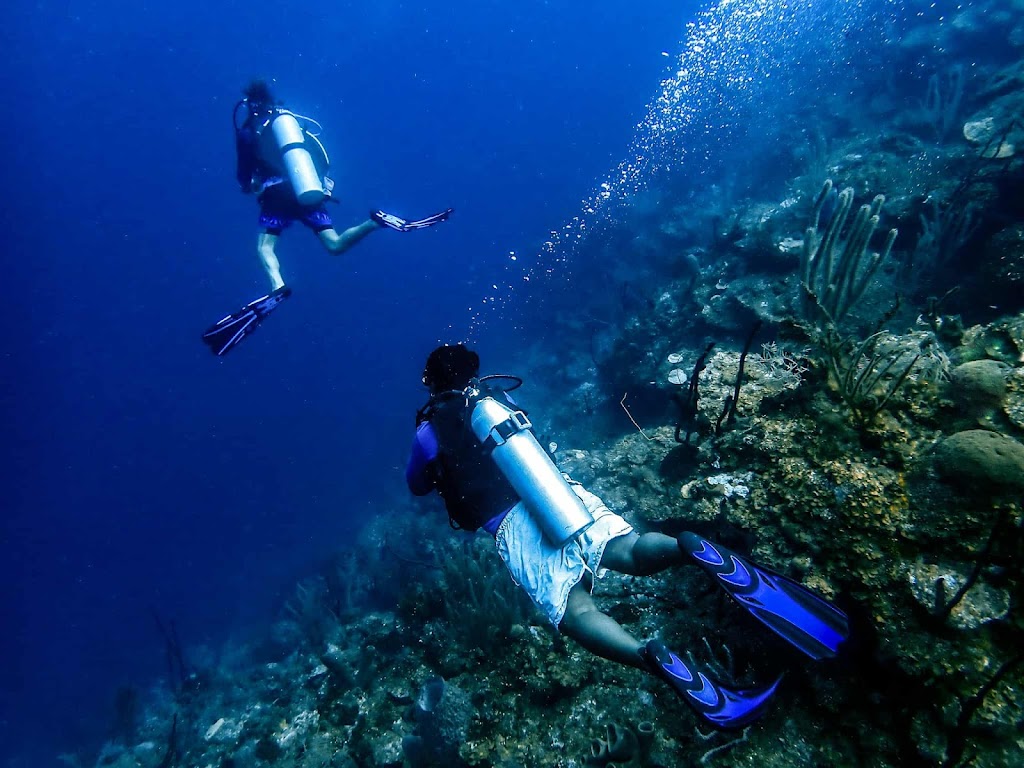
A dramatic drop-off defines West End Wall, a vertical expanse plunging into the deep. Divers immediately confront the sheer scale of its coral-covered face, a vibrant tableau of stony corals and gorgonian sea fans. The deep reef structure creates a compelling visual experience, drawing the eye into the blue.
Tonight's objective overview for West End Wall shows an air temperature of 27.5°C. The measured surface conditions include wave heights around 0.5 m. This environmental data is logged for the close of the day.
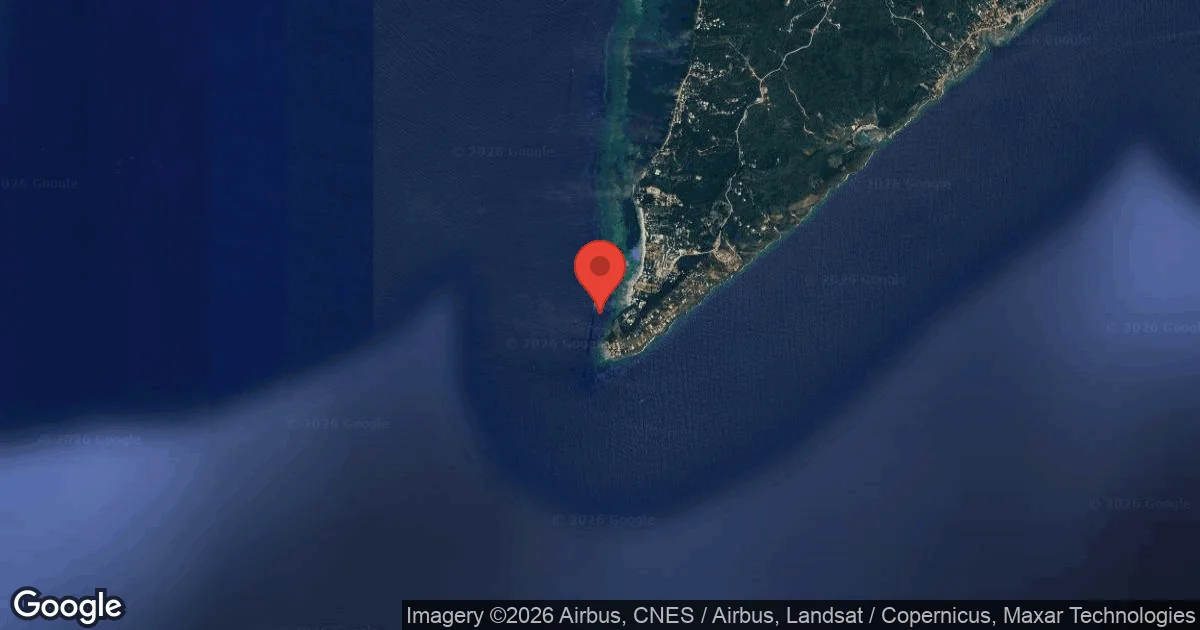
Dive Site Location & Key Facts
Dive Site Overview
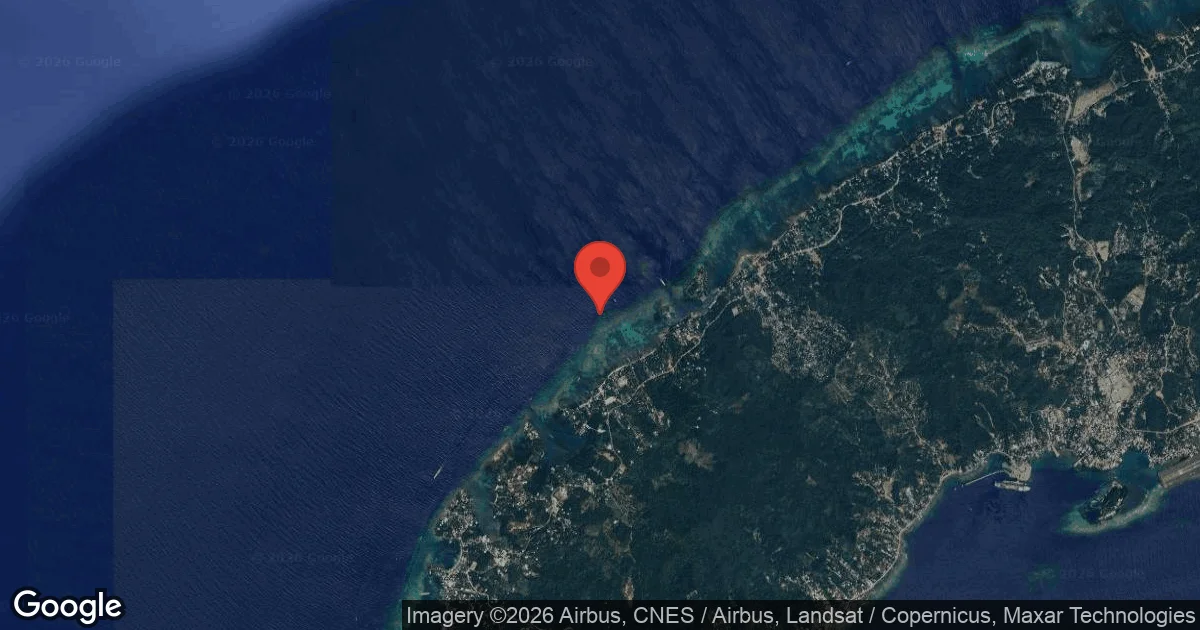
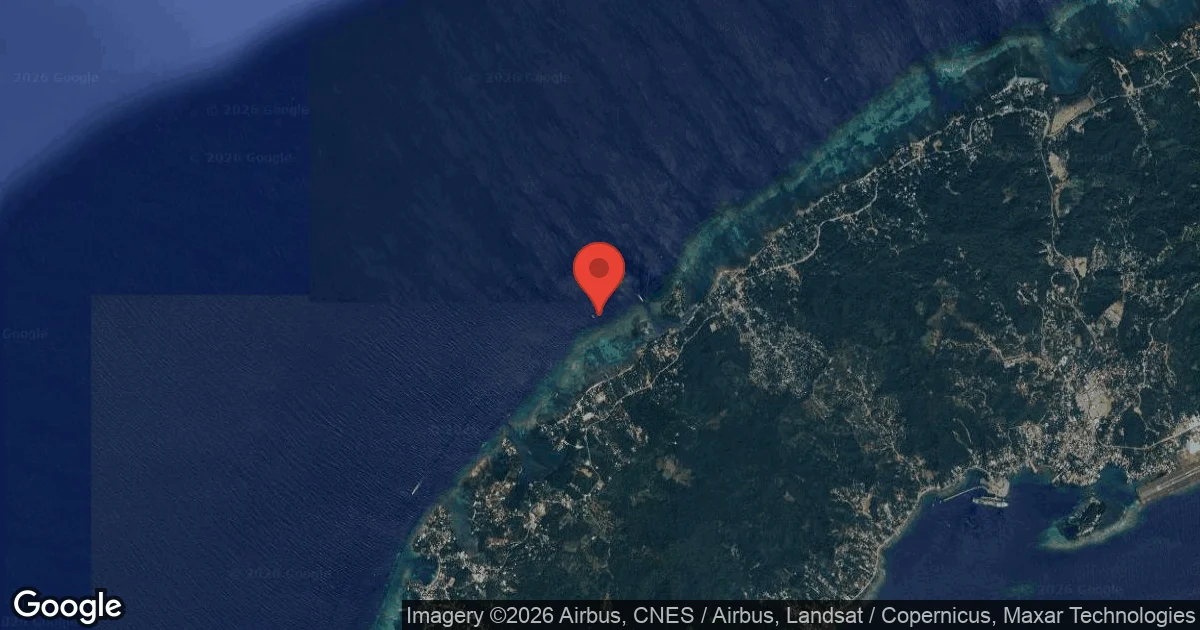
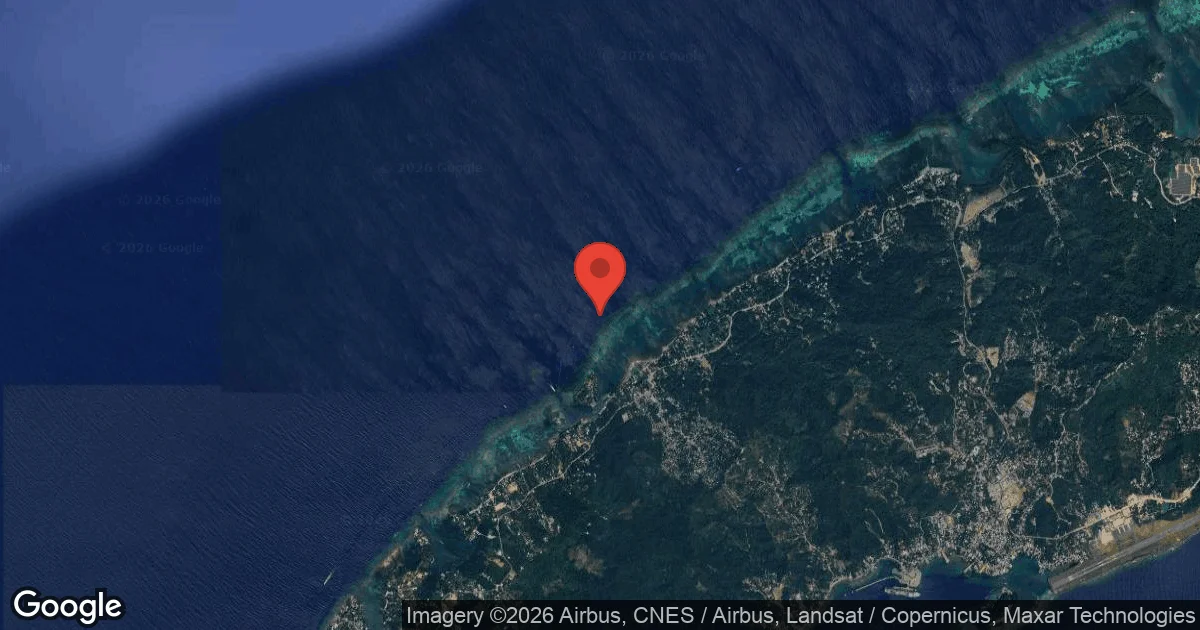
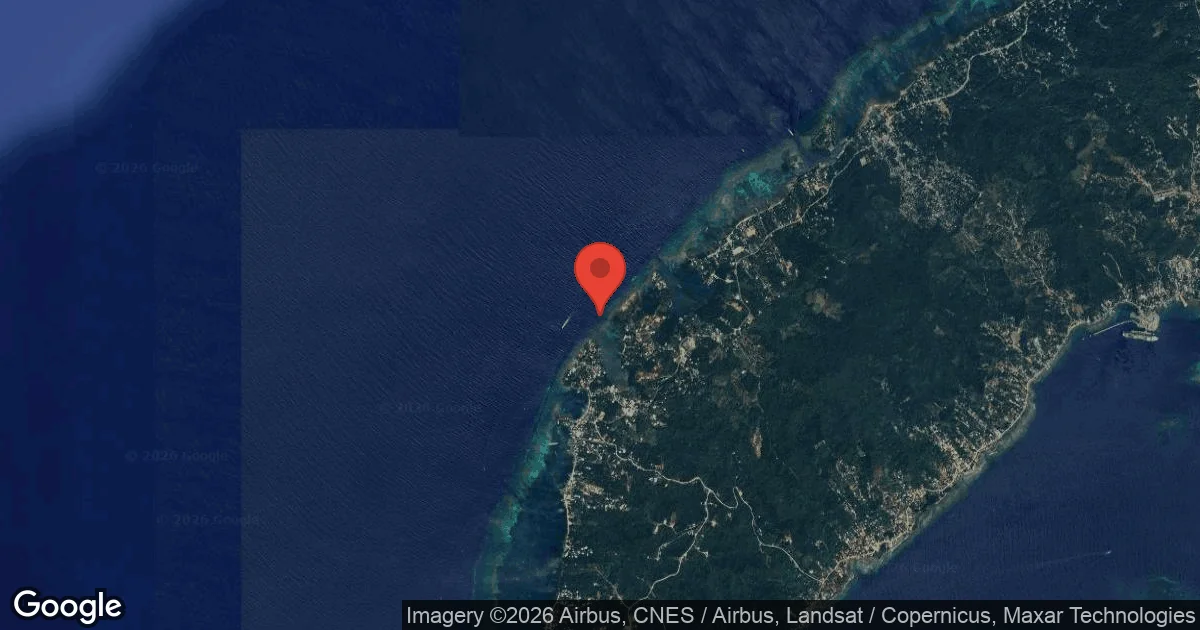
West End Wall's reputation as a premier Roatan dive site stems from its dynamic currents and impressive underwater topography. Found along the island's western tip, the dive area often experiences varied current patterns, drawing in a diverse array of pelagic species.
A vibrant, shallow shelf begins the reef system here, around 6 m / 20 ft, accessible even for snorkelers. However, the gentle reef quickly transitions into a dramatic, substantial wall. Its vertical structure plunges into the depths, descending to a discernible base at approximately 27 m / 90 ft.
Below, coral outcroppings give way to a sloping sandy bottom that continues its gentle descent into much deeper waters. Unpredictable and sometimes multi-directional, currents are a defining characteristic, making for engaging drift dives and enhancing chances of encountering larger marine life.
Visibility at West End Wall can frequently be exceptional, sometimes exceeding 60 m / 200 ft, though conditions naturally vary with weather and tidal influences. It's a site celebrated for both sheer structural beauty and the energetic marine encounters it consistently facilitates, offering a truly immersive experience for certified divers.
Conditions are Good
Optimal conditions expected
Current conditions near West End Wall show 28° air, 30° sea temperature, 0.5 m waves, and 26 km/h wind. Forecast data is refreshed regularly to ensure accuracy.
Best Time to Dive
For an optimal dive experience at West End Wall, consider visiting during the months of August, September, and October. During this period, the dive score is consistently "Good," indicating favorable conditions. Air temperatures remain warm, typically ranging from 28°C to 29°C (82-84°F), and average rainfall is generally lower compared to other times of the year, although October can see increased precipitation. While specific water temperature data isn't consistently reported, Caribbean waters usually range between 26-29°C / 79-84°F, making for comfortable diving. Winds tend to be lighter, and wave heights are typically at their lowest, enhancing overall comfort both on the surface and underwater.
PEAK SEASON SCORE
Scores combine air & water temps, waves, wind & rainfall for overall conditions.
BEST MONTHS TO DIVE
Monthly records compiled from satellite and marine observation nodes over the last 3 years. Data provided by Open-Meteo and MET Norway.
Dive Experience & Conditions
Descending at West End Wall often begins near a floating line, potentially around 36 m / 120 ft deep, requiring a swim towards the shore to reach the main wall. Divers then encounter a vibrant reef crest, dense with stony coral and gorgonians, starting at a shallow 6 m / 20 ft. The wall itself drops dramatically, presenting an enormous underwater spectacle. It bottoms out around 27 m / 90 ft, where coral outcroppings transition into a sloping sandy bed. Currents here can be dynamic, sometimes flowing from multiple directions, making it an engaging drift dive. Visibility is frequently outstanding, often extending beyond 60 m / 200 ft, though it can vary. These conditions contribute to a lively dive, where encounters with diverse marine life are common.
Dive Difficulty & Safety Guidelines
An expert tip for diving West End Wall is to remain highly aware of prevailing currents. The site is known for unpredictable, multi-directional currents, so excellent buoyancy control and navigation skills are essential. Always monitor depth and no-decompression limits carefully when exploring the wall, as a sheer drop-off can easily lead to deeper profiles.
Staying with your dive guide is advisable, especially given the potential for drift and the absence of consistently marked dive balls. Maintaining a safe distance from coral structures is also crucial to protect this fragile ecosystem.
Recommended Equipment
Current and surface separation risk. Local briefing strongly recommended.
- Dive Computer
- DSMB
- Reel / Spool
This gear list is based on verified equipment signals for West End Wall, Honduras. Always confirm final gear choices with your dive operator, guide, or liveaboard.
Recommended Dive Suit
With water temperatures around 30°C (85°F), many divers find a dive skin or rash guard provides comfortable protection.
Local dive briefings can provide the most accurate guidance.
The forecast outlook suggests that temperatures will stay close to current levels.
Emergency & Medical Support
Essential information to help you plan your dive trip to West End Wall.

Hyperbaric chambers are a critical part of dive safety infrastructure. Availability varies significantly by region, and not all dive areas have immediate access.
Before diving, it's recommended to:
- confirm nearest medical facilities
- check emergency procedures with local dive operators
- ensure dive insurance covers evacuation if required
Divers Alert Network
Diving emergency assistance available through DAN World.
+1-919-684-9111- 24/7 emergency hotline
- Diving medical assistance
- Evacuation coordination
Emergency contacts are provided for reference. Always verify local emergency services before diving.
Marine Life at West End Wall
Expect varied marine encounters on a wall dive here, focusing on both reef inhabitants and pelagic visitors. Divers frequently spot Atlantic spadefish, permits, and adult crevalle jacks navigating currents.
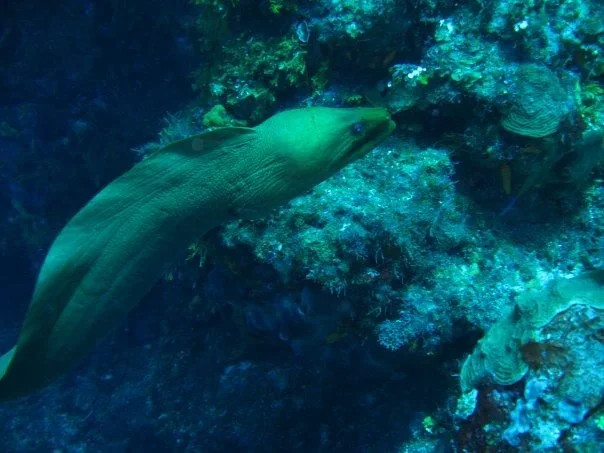
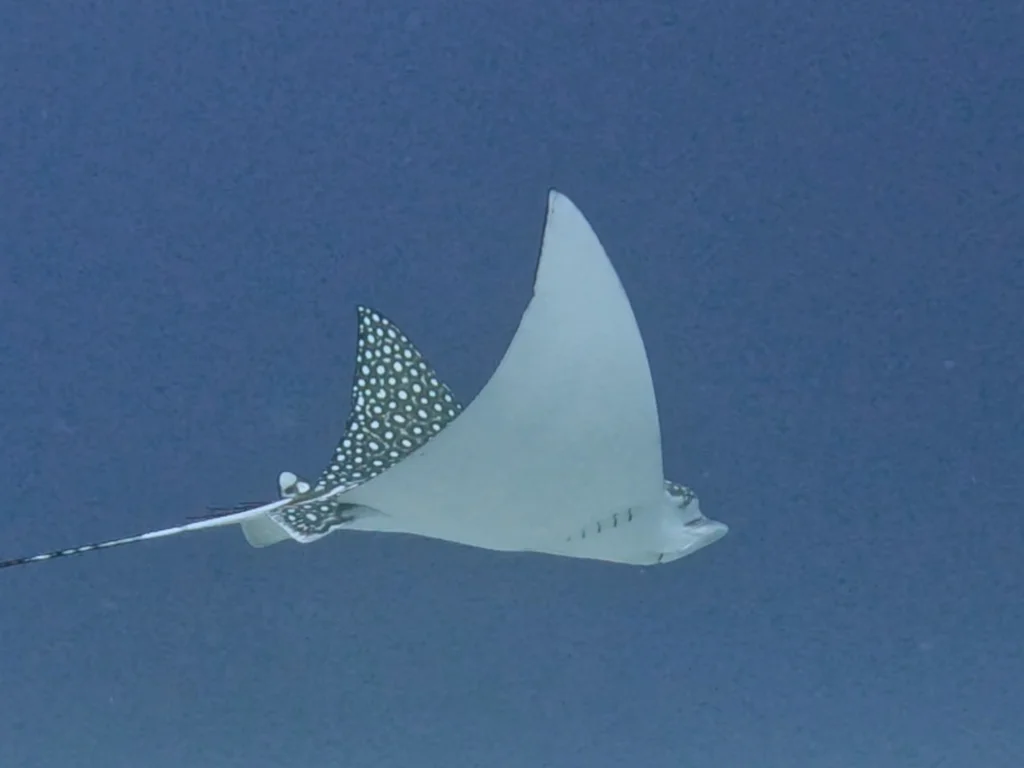
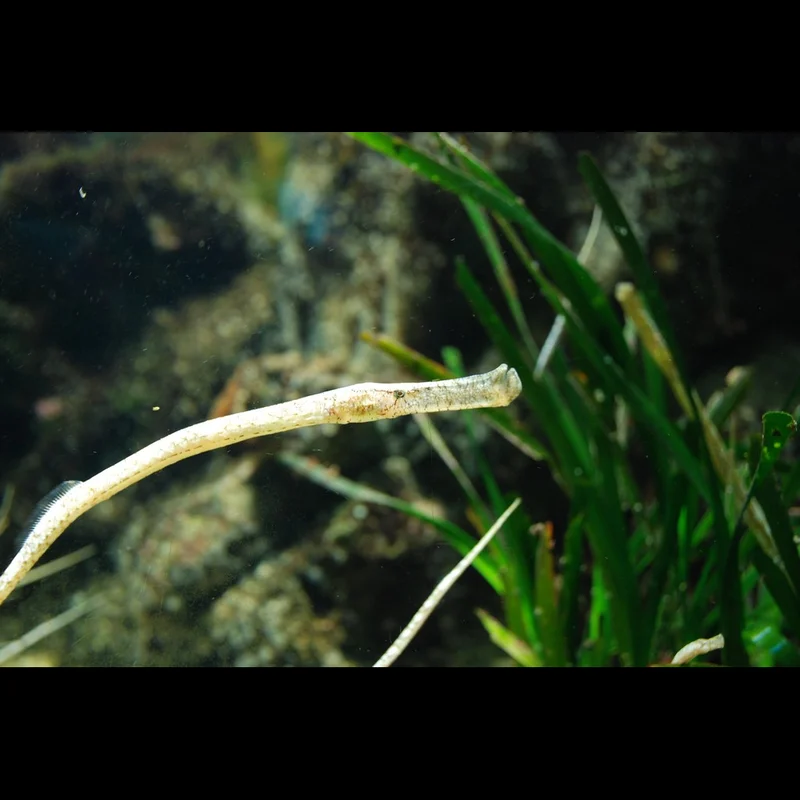
Spotted eagle rays and southern stingrays are commonly observed patrolling the sandy bottom at the wall's base, searching for prey. Keep an eye out for moray eels tucked into crevices, and delicate pipefish among corals.
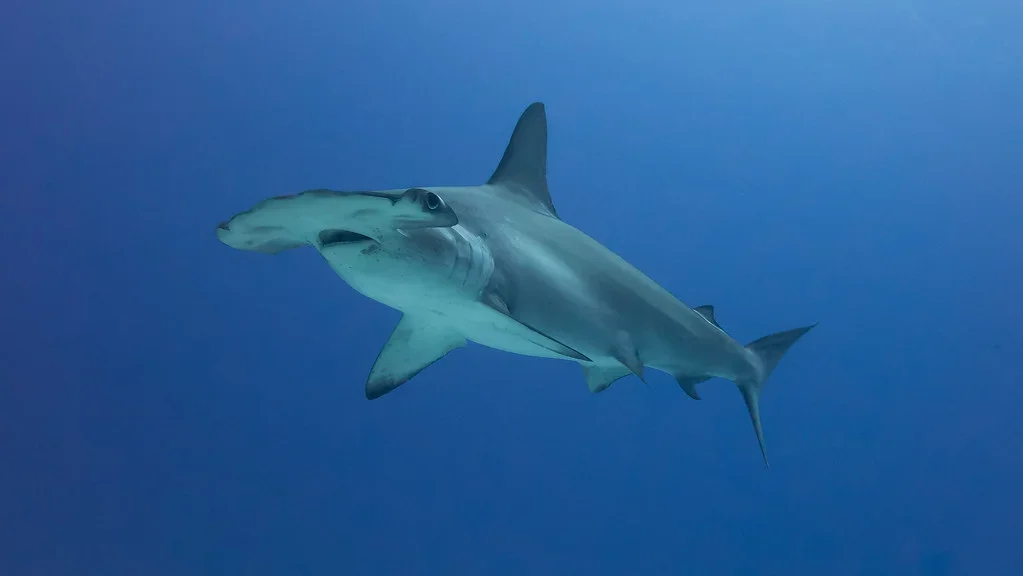
Occasionally, larger predators such as hammerhead sharks, barracuda, wahoo, and sailfish are drawn to the area by nutrient-rich currents, adding an element of excitement to the dive. Hawksbill turtles are also seen gracefully moving through the water column.
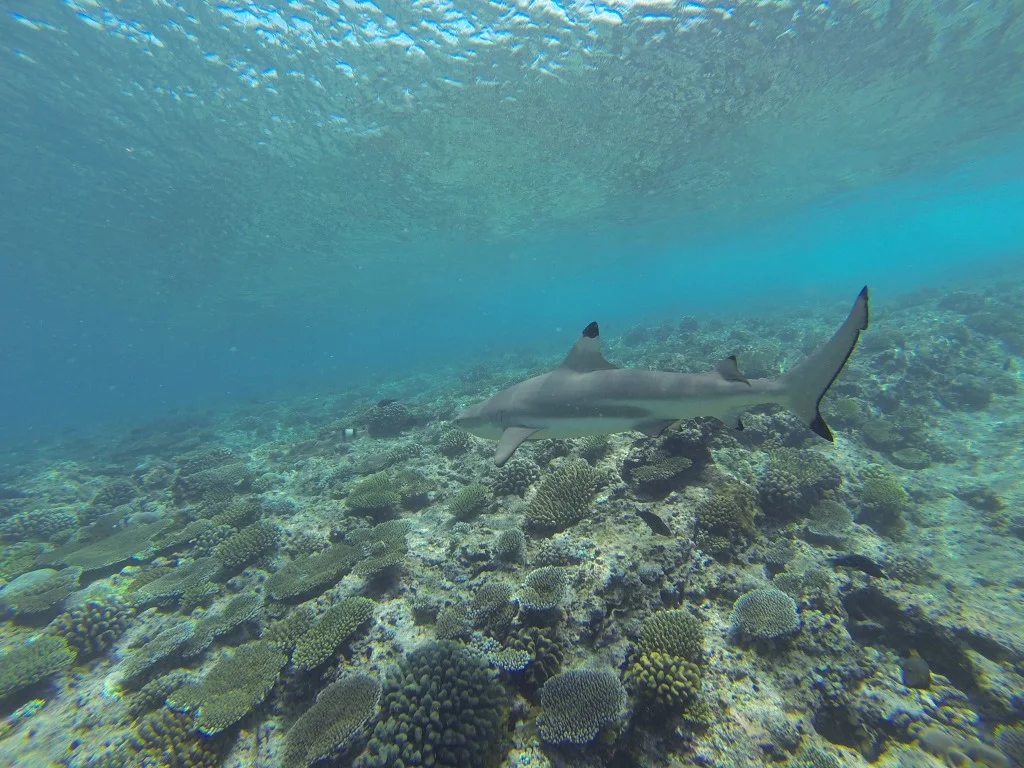
Dive Sites Near West End Wall
View all dive sites in HondurasDiscover more underwater gems in this area.
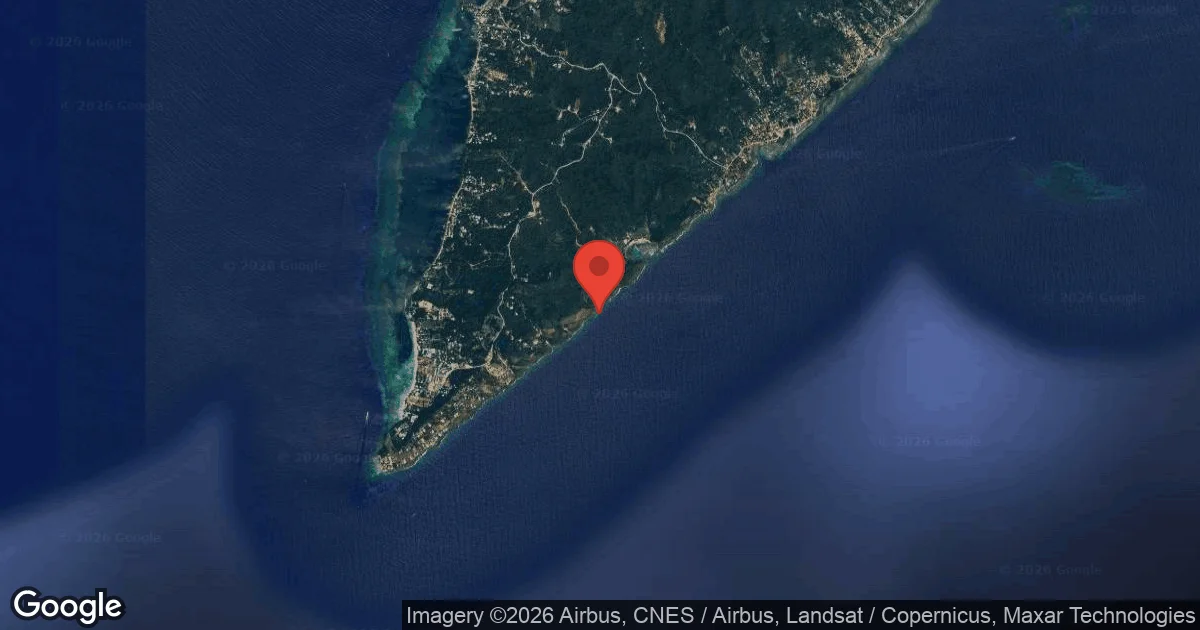
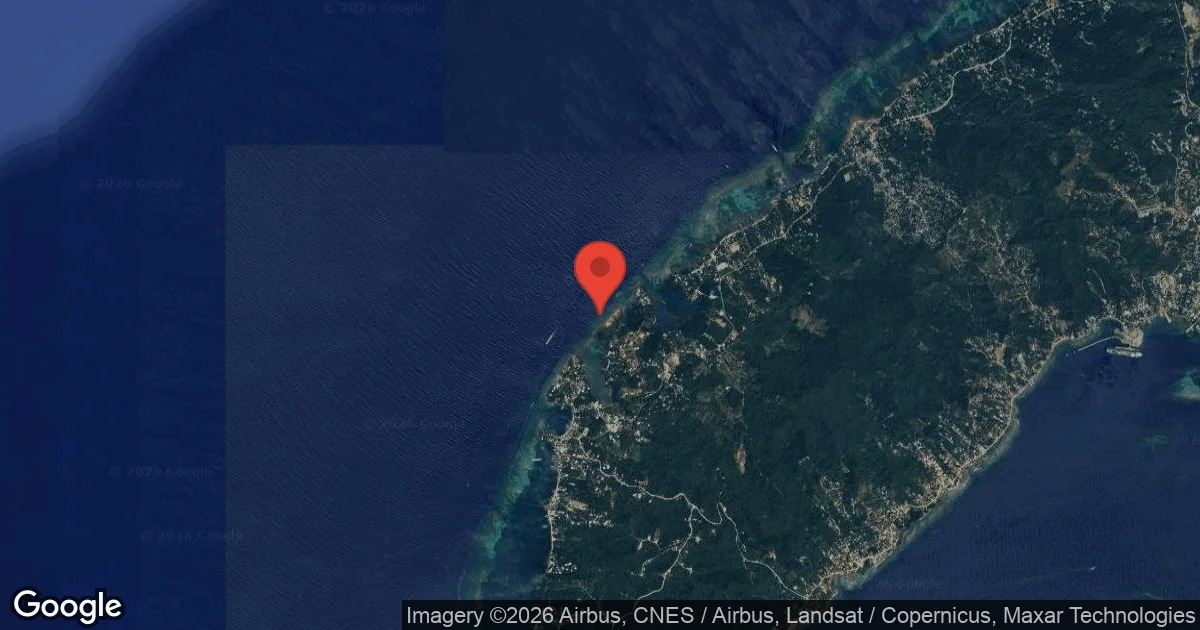
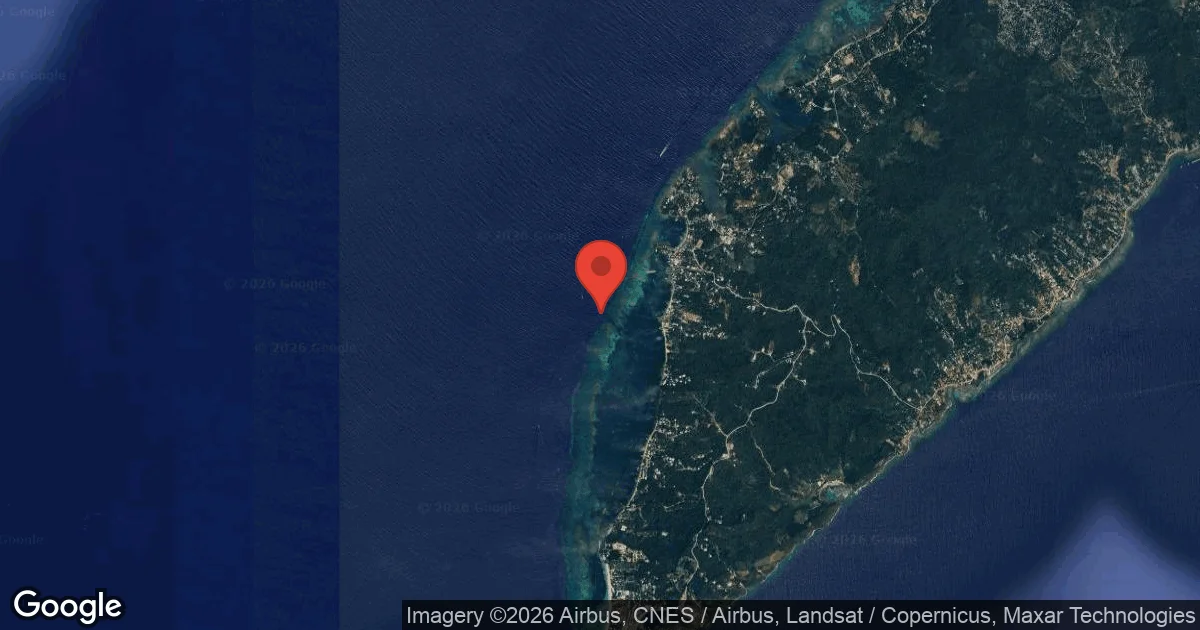
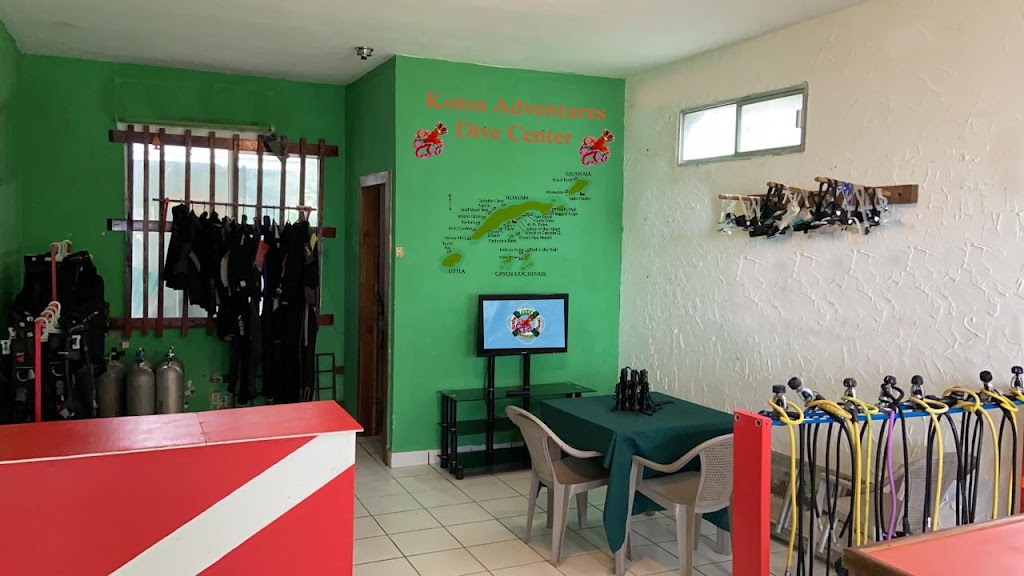
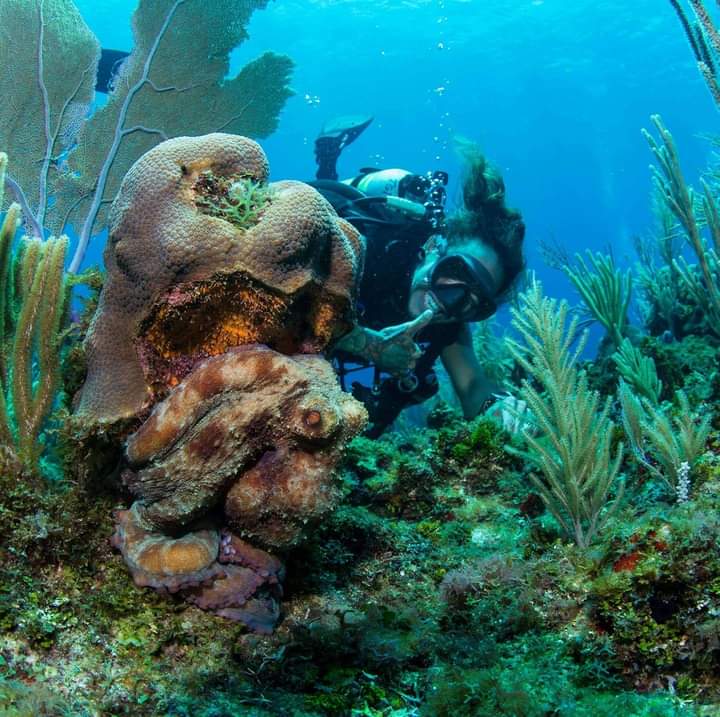
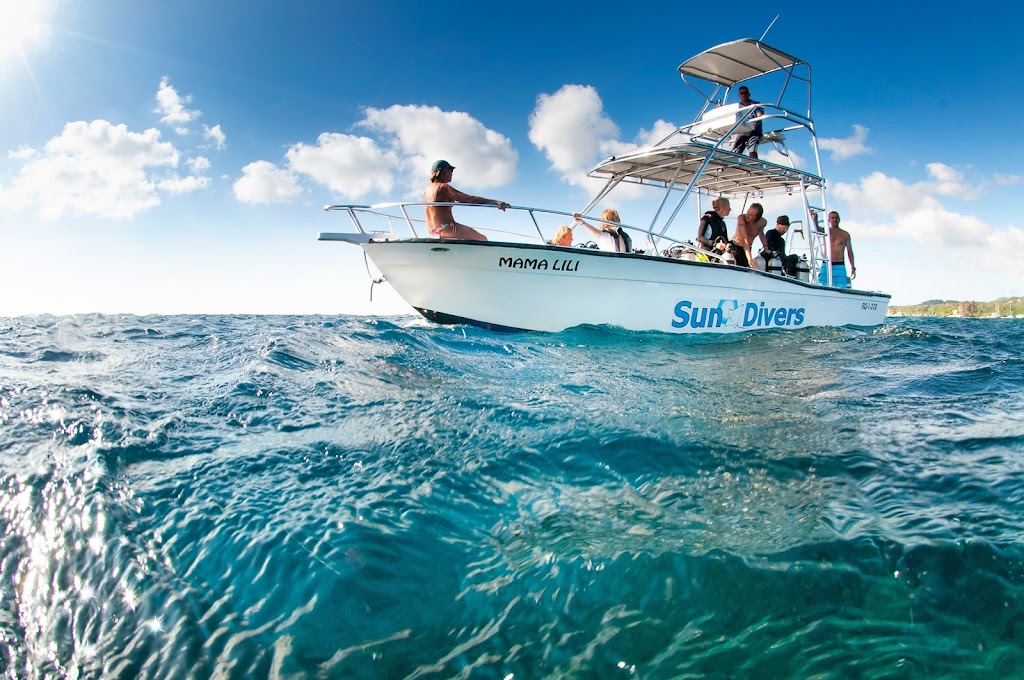
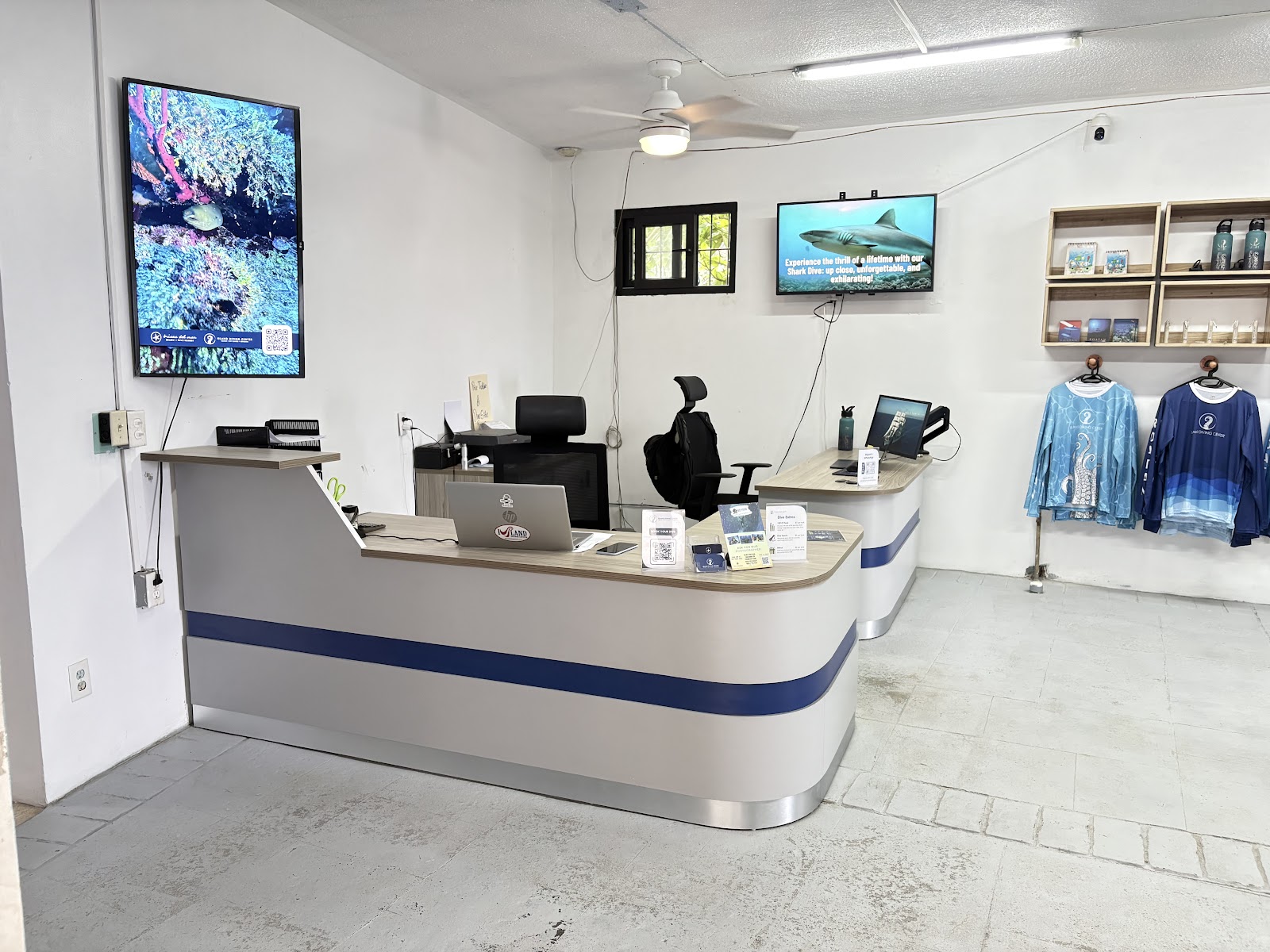
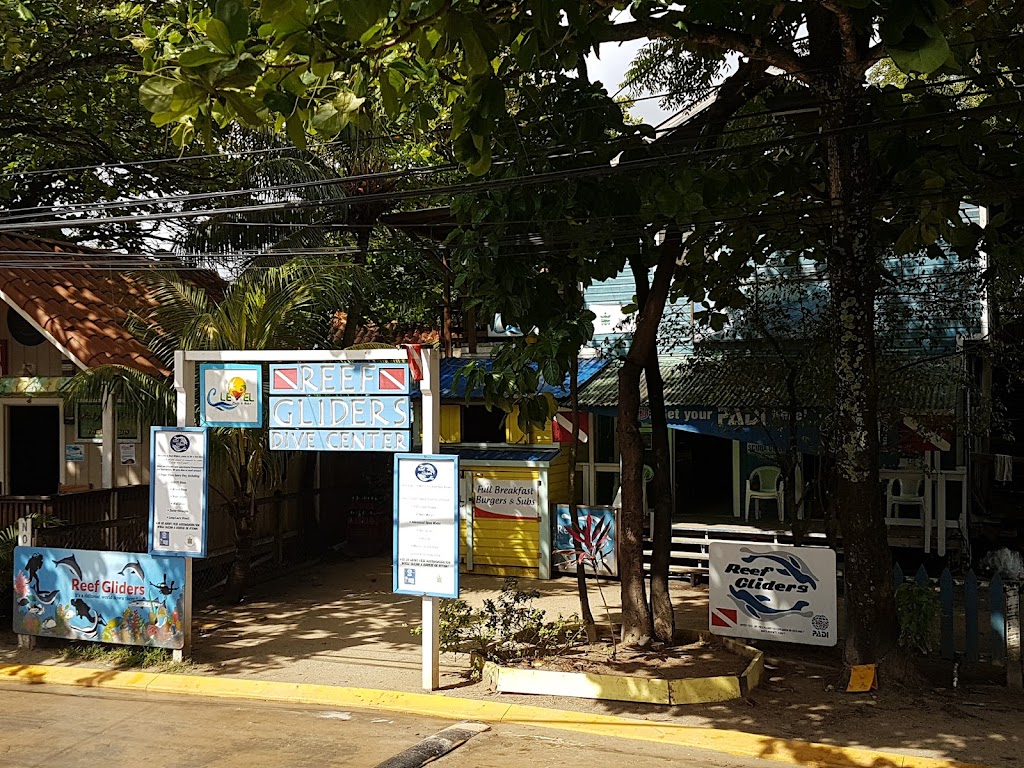
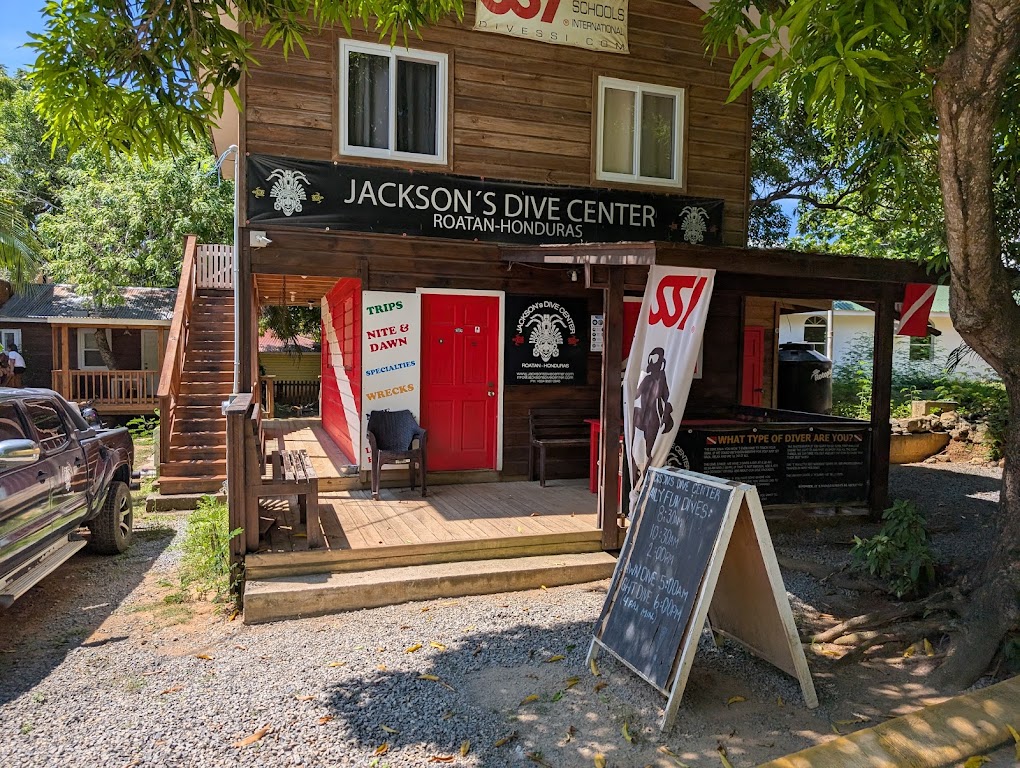
Dive Centers Near West End Wall
Today: 08:00 - 16:00
Nearest Airports
Nearest airports to help plan travel to this dive area.
Search Flights
Check available flights and routes on Expedia, using the nearby airports listed in this section.
Search Flights on ExpediaFrequently Asked Questions
What depth can divers expect at West End Wall?
Reef crest begins around 6 m / 20 ft, with the main wall descending to about 27 m / 90 ft. Beyond wall's base, a sandy slope continues into deeper waters.
Are currents a factor at this dive site?
Yes, currents are a significant feature of West End Wall. They can be multi-directional and dynamic, making it a common drift dive, which also attracts pelagic species.
What kind of visibility can be expected?
Visibility at West End Wall is often excellent, frequently exceeding 60 m / 200 ft. However, like any dive site, conditions can vary depending on local weather and currents.
Is West End Wall suitable for snorkelers?
Shallower parts of the reef, particularly extending from the Iron Shore at around 6 m / 20 ft, are suitable for snorkeling, offering a glimpse of vibrant coral and marine life.
What are some notable marine animals seen here?
Divers regularly see Atlantic spadefish, eagle rays, and southern stingrays. Larger predators like barracuda and occasional hammerhead sharks can also be encountered, along with moray eels and hawksbill turtles.
How does one typically access West End Wall?
Most divers access the site via local dive shops in Roatan, often by boat. Site sometimes has a floating line marking the descent, though specific moorings can be inconsistent.
What is the average water temperature?
While not consistently reported, water temperatures in this region of the Caribbean typically range from 26-29°C / 79-84°F, providing comfortable diving conditions year-round.
Planning to dive West End Wall?
Send one inquiry and receive offers directly from the best verified local dive operators.
Conditions are Good
Optimal conditions expected
Current conditions near West End Wall show 28° air, 30° sea temperature, 0.5 m waves, and 26 km/h wind. Forecast data is refreshed regularly to ensure accuracy.