
Diving at The Cave (Honduras)
Diving The Cave on Roatan's south side starts with a distinct descent path, beginning at a vibrant top reef. Divers pass striking Elkhorn Corals that gradually lead to a significant drop-off. This initial sequence sets up exploration of both the cavern's shallower zones and the expansive, open wall below, accommodating a range of dive plans and skill levels.
Tonight's objective overview for The Cave shows an air temperature of 29°C. The measured surface conditions include wave heights around 1.2 m. This environmental data is logged for the close of the day.
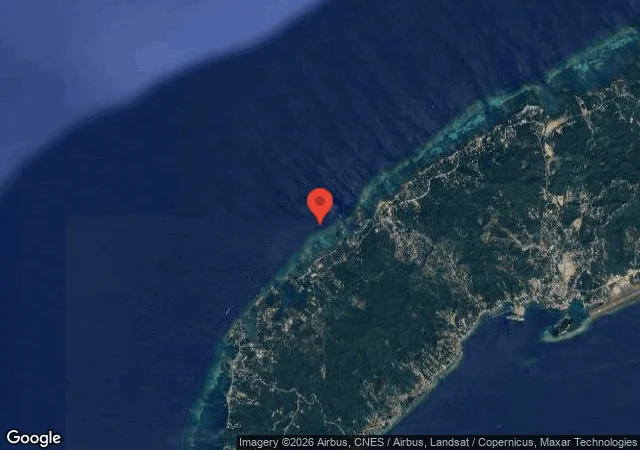
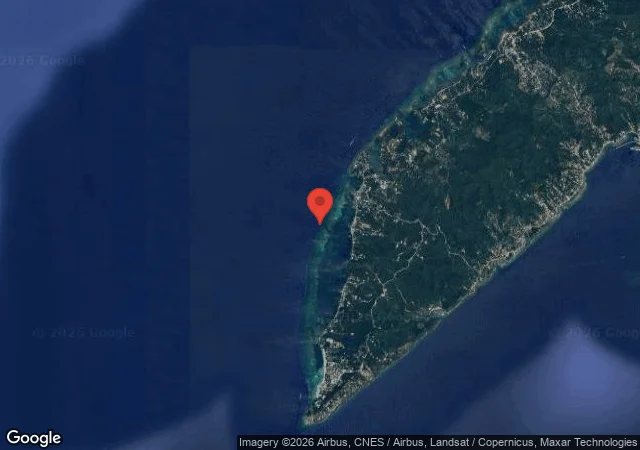
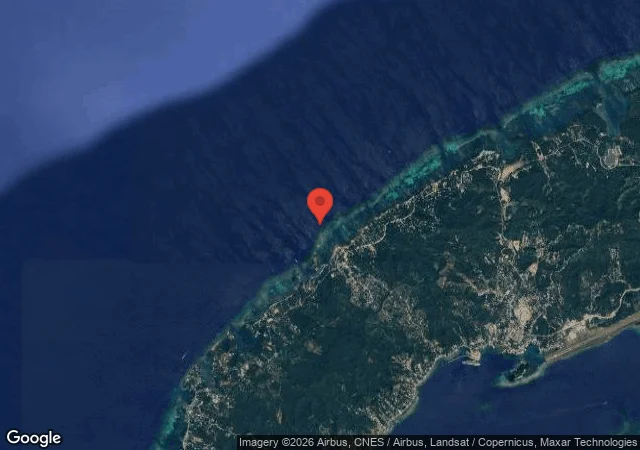
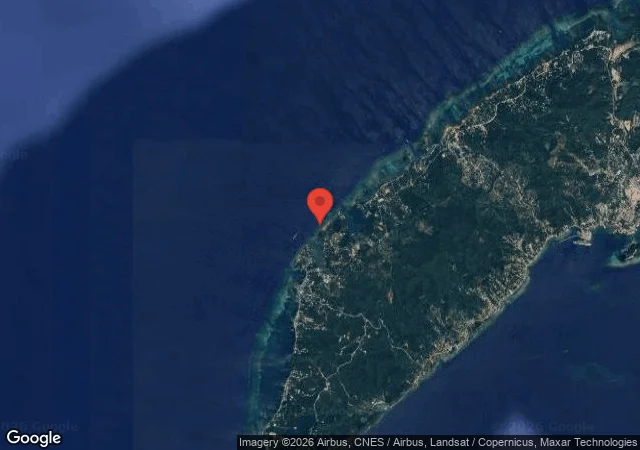
Dive Site Location & Key Facts
Dive Site Overview
The Cave presents a multifaceted underwater experience, distinguished by its unique integration into Roatan's iron shore. This open cavern system offers divers an engaging environment that transitions from an accessible overhead space to a dramatic wall dive.
Initial exploration typically begins within the cavern's natural architecture, where ambient light filters in, illuminating its impressive formations. You'll navigate through its confines, observing the distinct geological features that define this unusual site. The cavern's reported maximum depth settles around 9 m / 30 ft, making it suitable for divers comfortable with overhead conditions but not requiring deep penetration.
Beyond the cavern's interior, the entire structure opens directly onto an expansive vertical reef face. This allows for seamless continuation of the dive into much greater depths, accommodating a wide spectrum of certification levels and individual dive plans.
Access to this rich and varied environment is exclusively by boat, ensuring a direct and well-orchestrated entry to maximize exploration time. Calm surface conditions often enhance the overall experience, particularly during descent and ascent, making for a truly memorable dive.
Conditions are Moderate
Optimal conditions expected
Current conditions near The Cave show 29° air, 29° sea temperature, 1.4 m waves, and 37 km/h wind. Forecast data is refreshed regularly to ensure accuracy.
Best Time to Dive
Optimizing your dive window for The Cave often aligns with Roatan's calmer conditions, typically experienced during late summer and early autumn. Dive scores consistently rate as 'Good' from August through October, primarily benefiting from significantly lower wave heights and reduced wind speeds that make for comfortable surface intervals and entries. Air temperatures during these months consistently average a warm 28-29°C / 82-84°F. While August and September present minimal rainfall, there's a slight increase in October; however, these months generally combine to offer the most favorable conditions for exploring both the cave and the surrounding reef wall.
PEAK SEASON SCORE
Scores combine air & water temps, waves, wind & rainfall for overall conditions.
BEST MONTHS TO DIVE
Monthly records compiled from satellite and marine observation nodes over the last 3 years. Data provided by Open-Meteo and MET Norway.
Dive Experience & Conditions
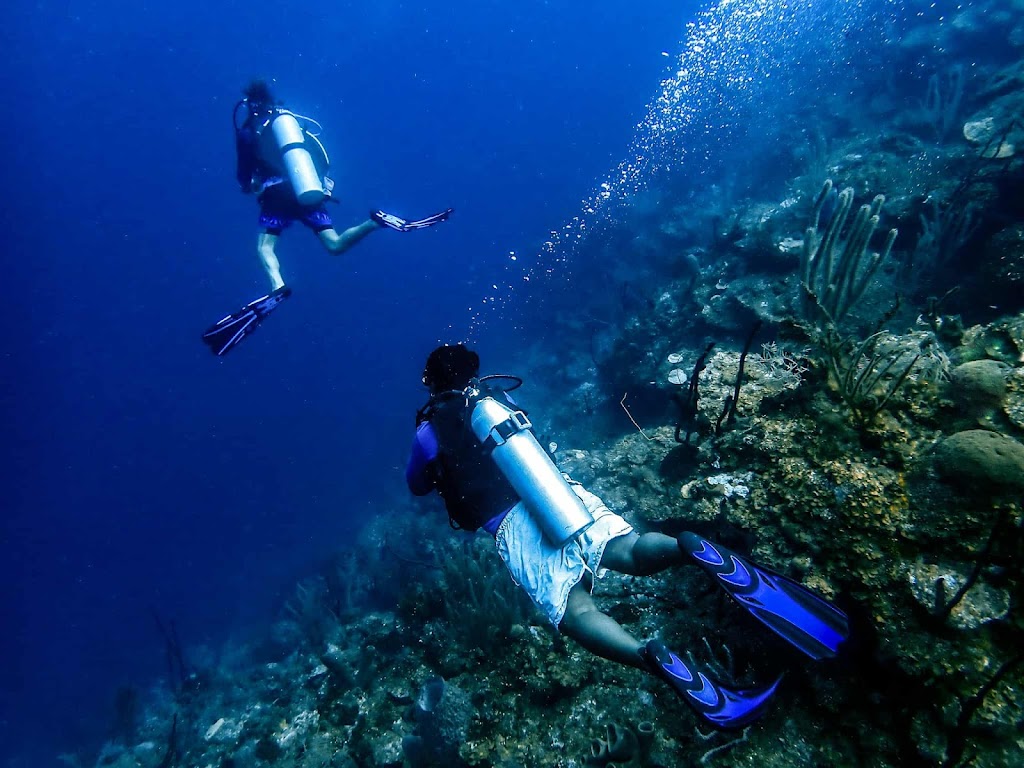
Entering The Cave reveals a compelling geological formation where the reef wall begins to narrow and close in, resembling an inverted V. The immediate top reef, vibrant with striking Elkhorn Corals, provides a picturesque preamble before the cavern structure truly takes hold. Inside, the environment feels like an open cavern, with natural light usually filtering through the openings, creating a dynamic play of shadows and illumination. Beyond the cavern's interior, the site transitions seamlessly onto a dramatic wall dive, inviting exploration to considerable depths along the reef face. Water temperatures in the area generally range from 26-29°C / 79-84°F, offering a comfortable dive.
Dive Difficulty & Safety Guidelines
Navigating overhead environments like The Cave requires appropriate training to ensure a safe and enjoyable dive. While accessible to Open Water Divers in its shallower parts, those aiming to fully explore the cavern's intricacies or venture deeper along the adjacent wall benefit greatly from PADI Advanced Open Water Diver certification. For any penetration into the cave or similar overhead spaces, PADI Cavern Diver training is specifically recommended.
Always dive within your comfort and training limits, maintaining strict buoyancy control and carrying a reliable light source.
Recommended Equipment
Overhead environment. Do not enter beyond training and gas planning limits.
Current and surface separation risk. Local briefing strongly recommended.
- Dive Computer
- DSMB
- Primary & Backup Lights
- Reel / Spool
- Cutting Tool
This gear list is based on verified equipment signals for The Cave, Honduras. Always confirm final gear choices with your dive operator, guide, or liveaboard.
Recommended Dive Suit
Divers planning relaxed exploration may appreciate the warmth of 2-3mm shorty or light wetsuit. Consider warmer surface protection (like a boat coat) due to brisk winds. Divers often notice that perceived temperature can feel cooler during deeper or longer dives.
Conditions at The Cave currently place the water temperature near 29°C (84°F). Surface air temperatures are resting at 29°C (84°F).
Weather projections show fairly stable environmental conditions ahead.
Emergency & Medical Support
Essential information to help you plan your dive trip to The Cave.

Hyperbaric chambers are a critical part of dive safety infrastructure. Availability varies significantly by region, and not all dive areas have immediate access.
Before diving, it's recommended to:
- confirm nearest medical facilities
- check emergency procedures with local dive operators
- ensure dive insurance covers evacuation if required
Divers Alert Network
Diving emergency assistance available through DAN World.
+1-919-684-9111- 24/7 emergency hotline
- Diving medical assistance
- Evacuation coordination
Emergency contacts are provided for reference. Always verify local emergency services before diving.
Marine Life at The Cave
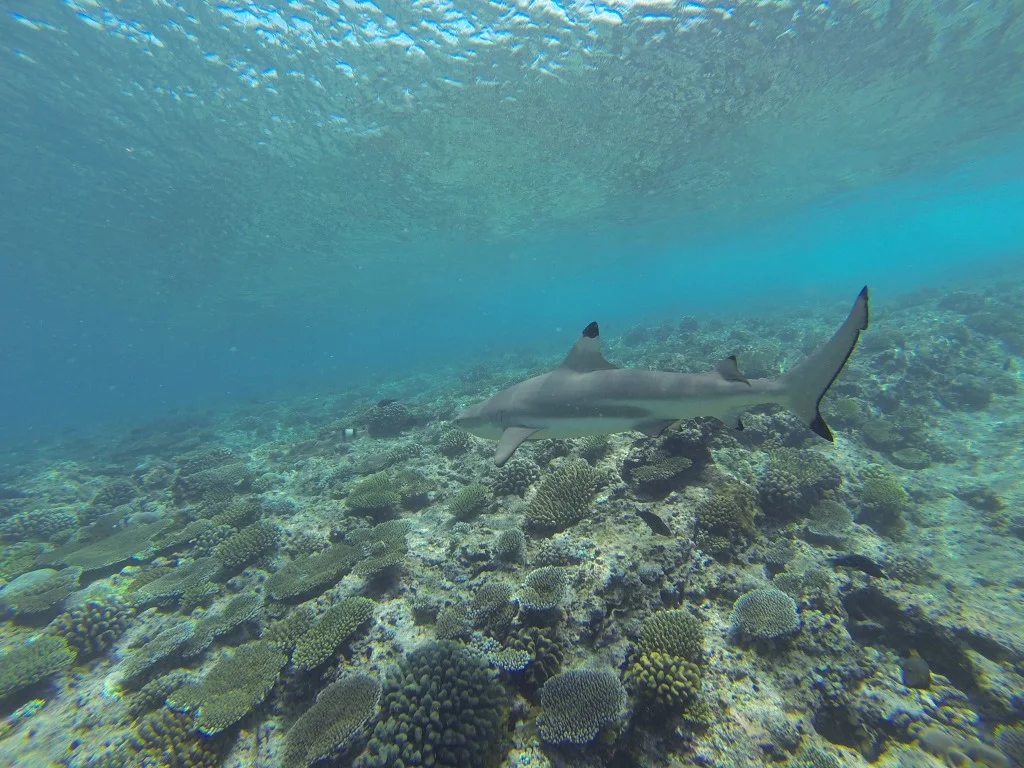
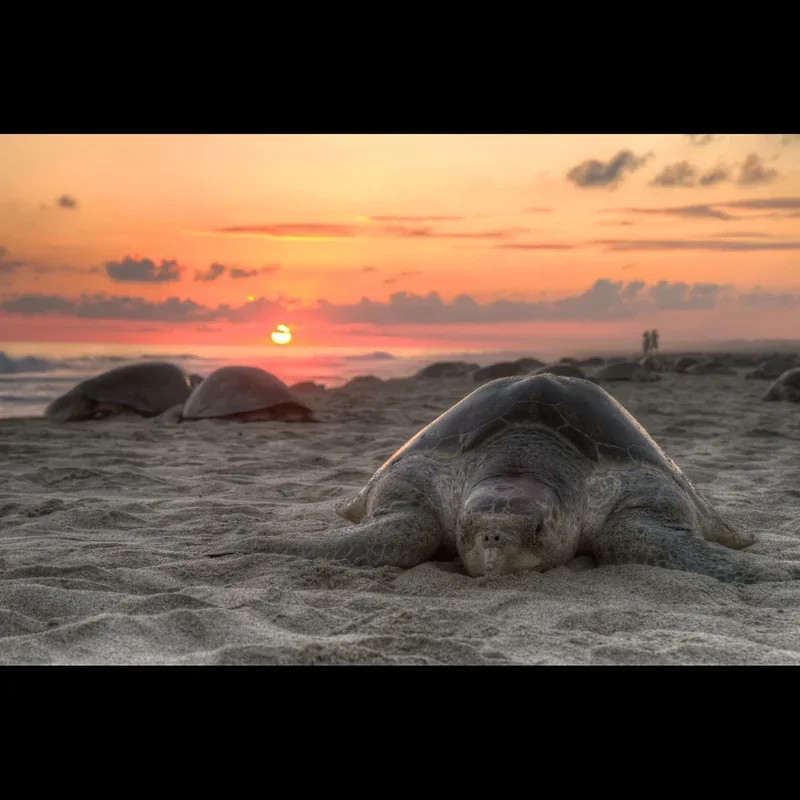
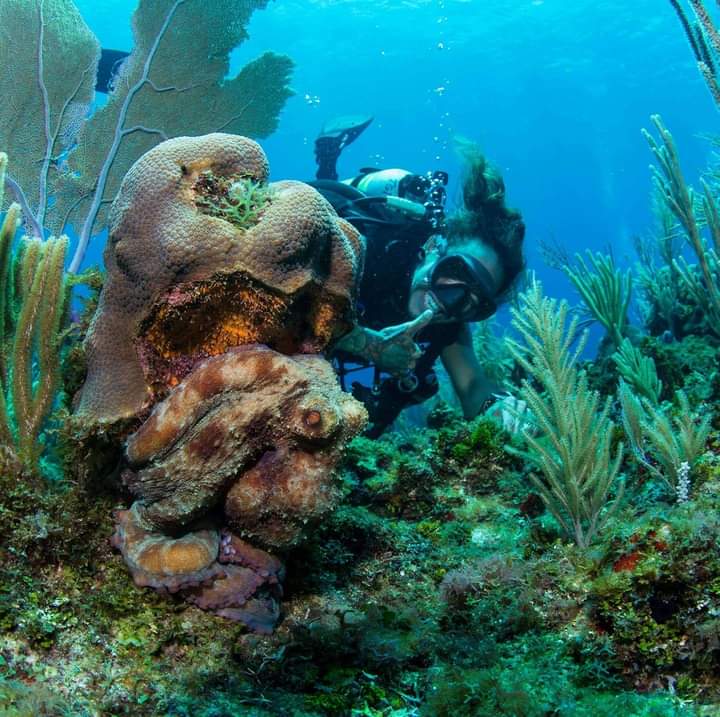
Beyond its distinct geological structure, The Cave's top reef bursts with gorgeous Elkhorn Corals, creating a vibrant backdrop for initial entry. Moving into and around the cavern, divers frequently encounter schools of shimmering sergeant majors and the distinctive, observant French angelfish. Common sightings for the wider area also include sharks, various graceful sea turtle species, and occasionally larger pelagics like whales and dolphins, though specific encounters vary by season and serendipity.

Dive Sites Near The Cave
View all dive sites in HondurasDiscover more underwater gems in this area.
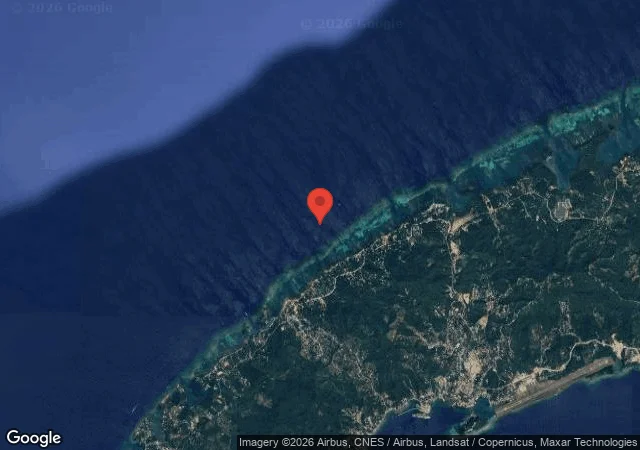
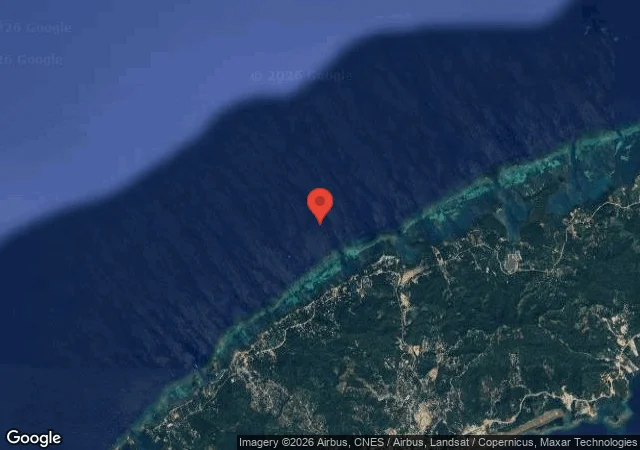
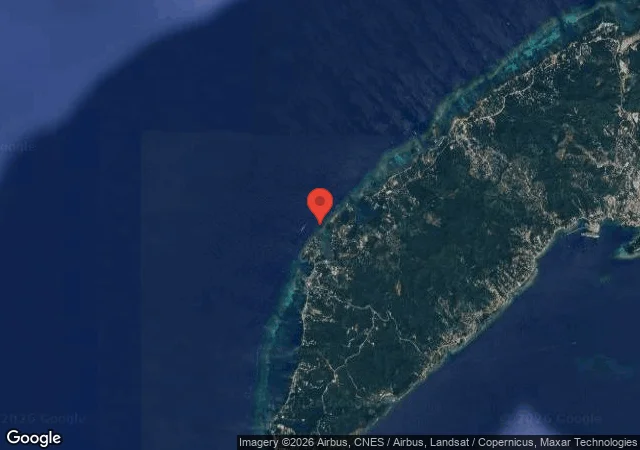
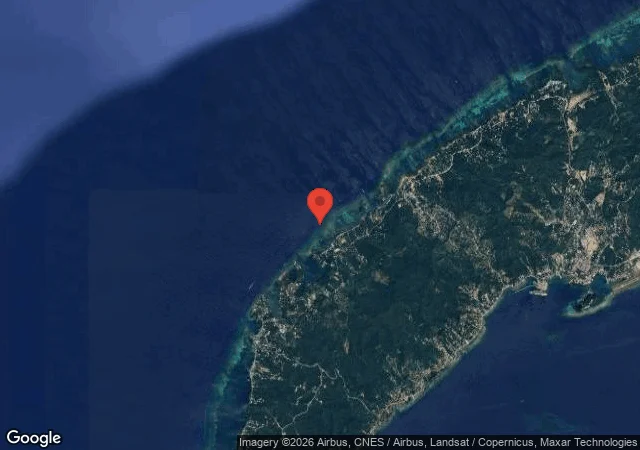
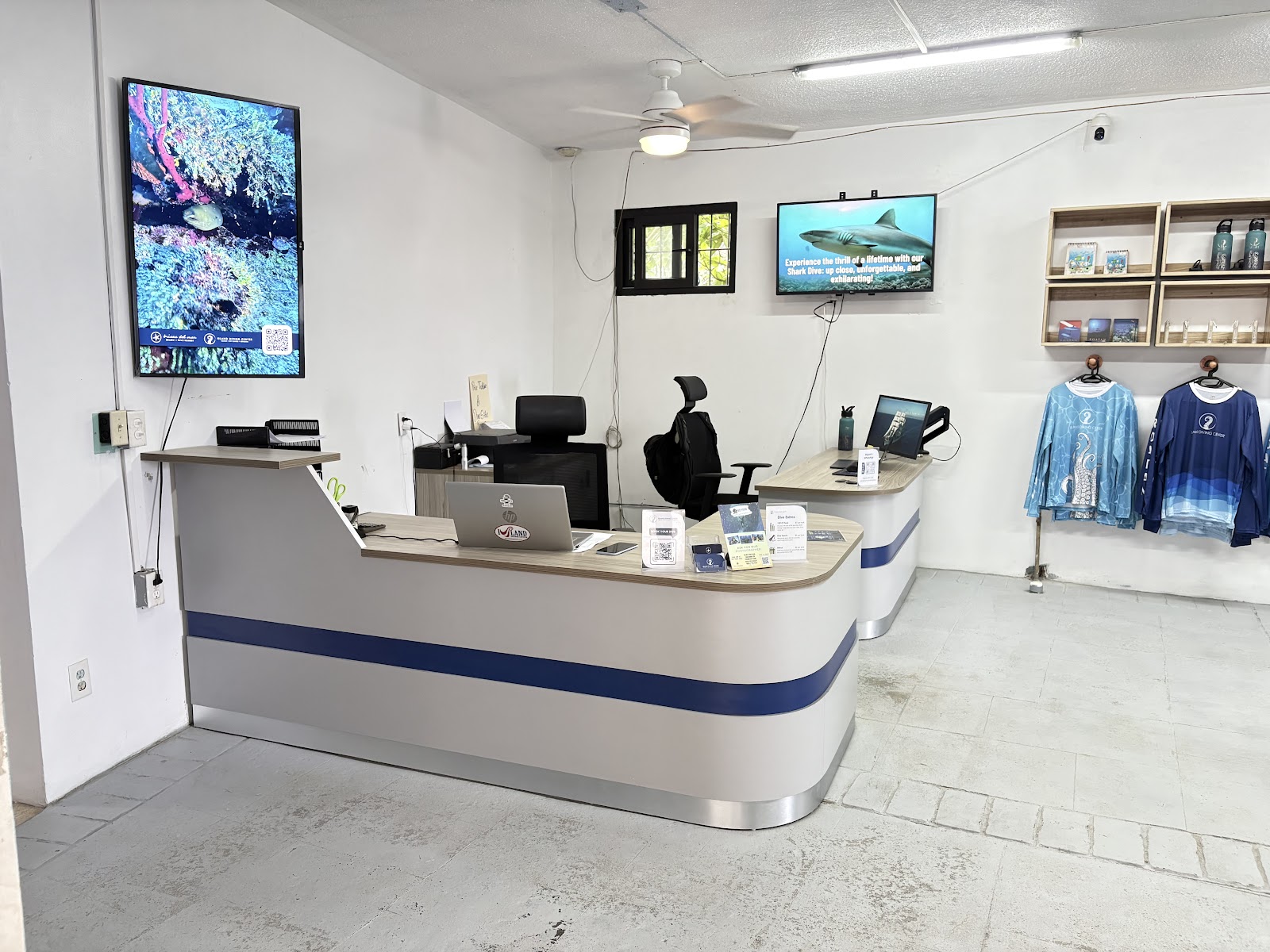
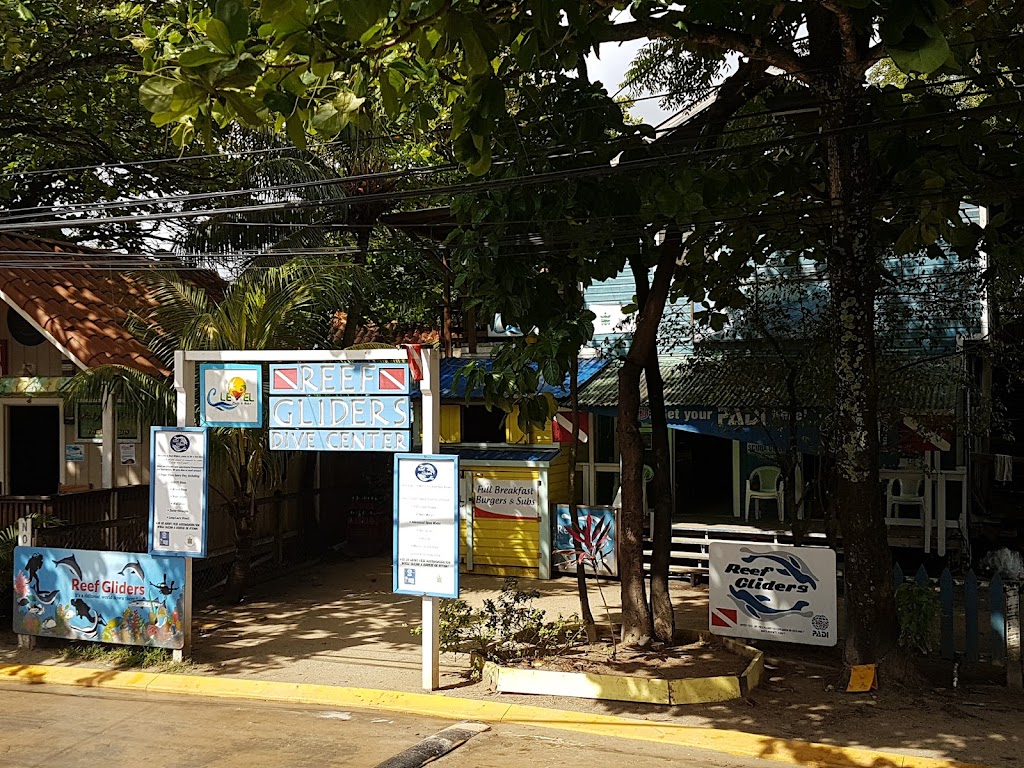
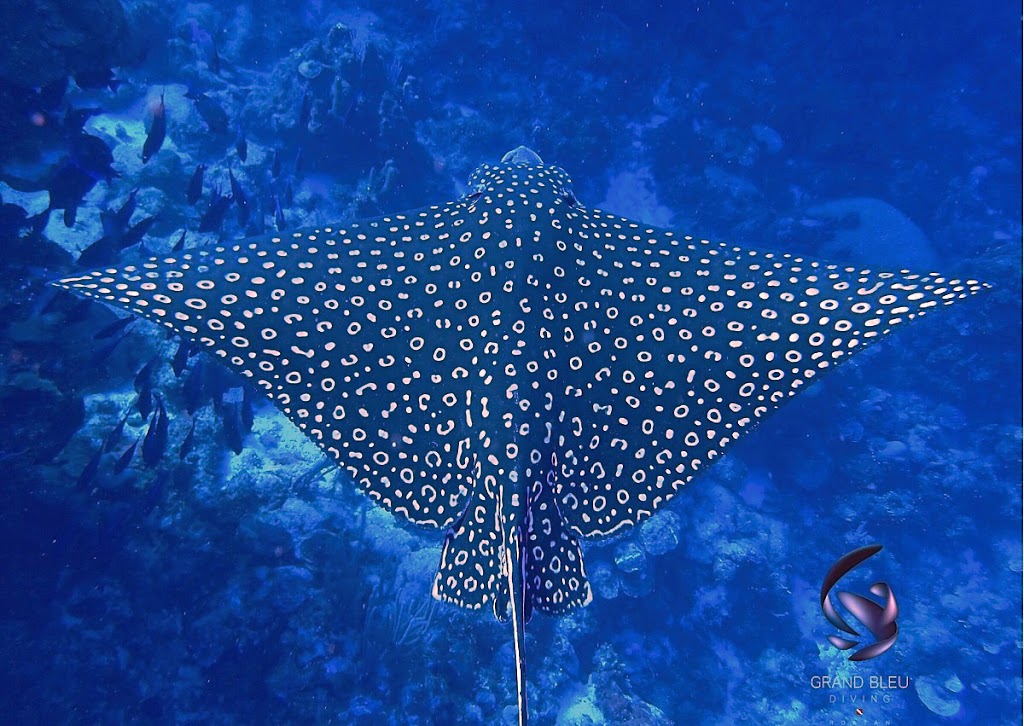
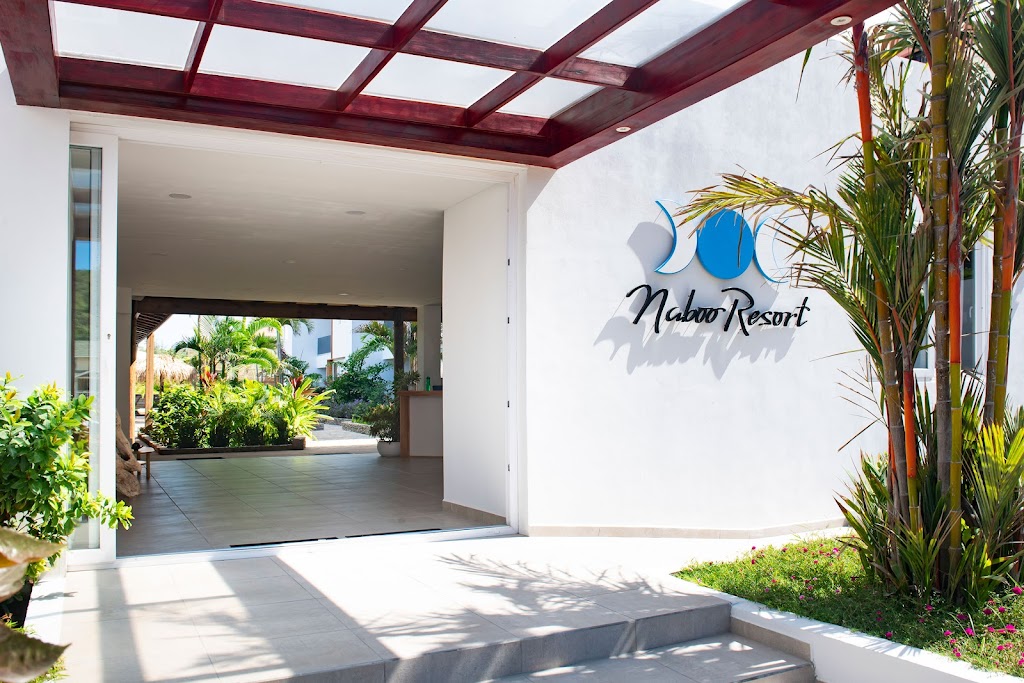
Dive Centers Near The Cave
Today: 08:00 - 16:00
Nearest Airports
Nearest airports to help plan travel to this dive area.
Search Flights
Check available flights and routes on Expedia, using the nearby airports listed in this section.
Search Flights on ExpediaFrequently Asked Questions
What is the maximum depth for diving within The Cave?
The primary open cave structure itself has a reported maximum depth of 9 m / 30 ft. However, the site transitions into a significant wall drop-off, allowing divers to explore much greater depths along the reef beyond the cave.
What dive certifications are recommended for The Cave?
While Open Water Divers can experience the initial parts, a PADI Advanced Open Water Diver certification is beneficial for exploring deeper sections of the adjacent wall. For true cavern penetration, a PADI Cavern Diver specialization is strongly advised.
How do divers typically access The Cave?
Access to The Cave is primarily by boat. Dive operators typically transport divers directly to the site, found on Roatan's south side.
What marine life can be seen at The Cave?
Divers can expect to see vibrant Elkhorn Corals, sergeant majors, and French angelfish. The area also reports common sightings of sharks, various turtle species, and occasionally larger marine mammals like whales and dolphins.
Are there strong currents at The Cave?
Current conditions can vary by day and season. It's always best to check with local dive operators on the day of your dive for the most current information regarding currents and overall sea conditions.
Is The Cave suitable for beginners?
The initial, shallower sections of The Cave, especially the top reef leading to the entrance, can be enjoyed by certified Open Water Divers. However, exploring deeper into the cavern or along the drop-off requires more advanced training and experience.
Planning to dive The Cave?
Send one inquiry and receive offers directly from the best verified local dive operators.
Conditions are Moderate
Optimal conditions expected
Current conditions near The Cave show 29° air, 29° sea temperature, 1.4 m waves, and 37 km/h wind. Forecast data is refreshed regularly to ensure accuracy.