
Diving at Hole in the Wall (Honduras)
Hole In The Wall presents a compelling contrast, drawing divers into a narrow, dramatic sand chute that transitions into an expansive, seemingly bottomless abyss. This site is a cornerstone of Roatan's diving landscape, offering a unique geological feature where the reef wall opens into an immersive tunnel. It challenges divers with its depth and requires careful buoyancy, delivering a memorable descent from a shallower reef to a deep wall environment.
Tonight's objective overview for Hole in the Wall shows an air temperature of 28.5°C. The measured surface conditions include wave heights around 0.6 m. This environmental data is logged for the close of the day.
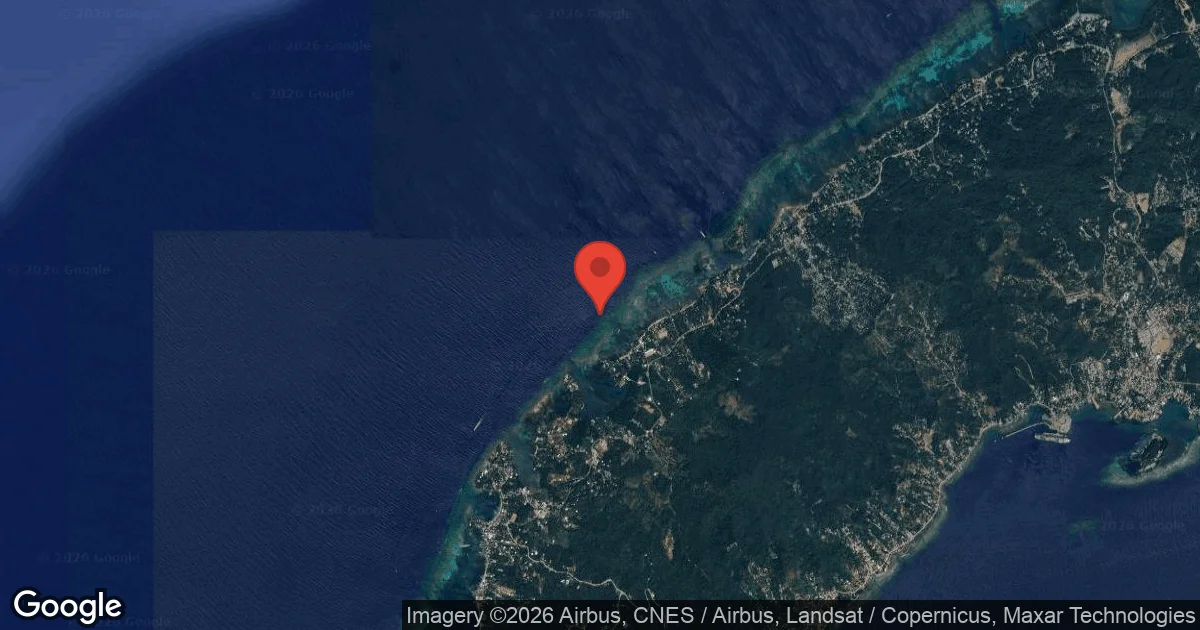
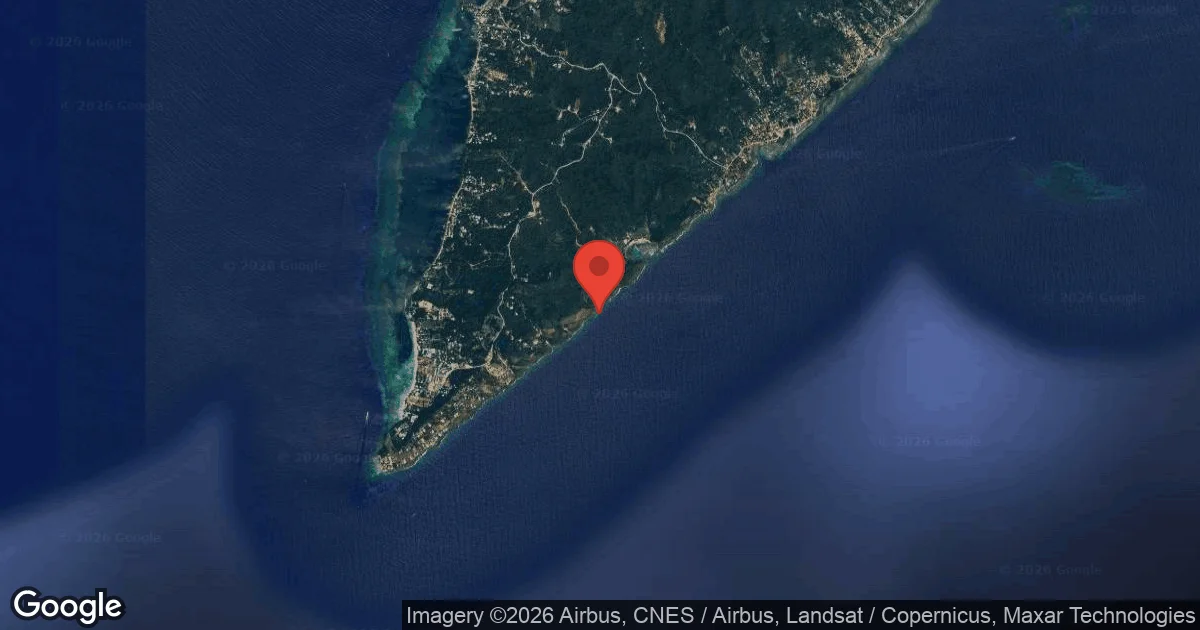
Dive Site Location & Key Facts
Dive Site Overview
Opening with its defining topographical feature, Hole In The Wall is named for a prominent sand chute tunnel cutting through the reef. This unique tunnel begins at a moderate depth, guiding divers down before dramatically exiting the reef wall at a considerably deeper point.
Beyond this exit, the wall plunges for thousands of feet, creating an impressive, seemingly bottomless backdrop that particularly appeals to experienced divers. The shallower areas of this site present an intriguing network of smaller caves, canyons, and tunnels, often collectively referred to as 'Swiss Cheese,' all beautifully permeated by natural light.
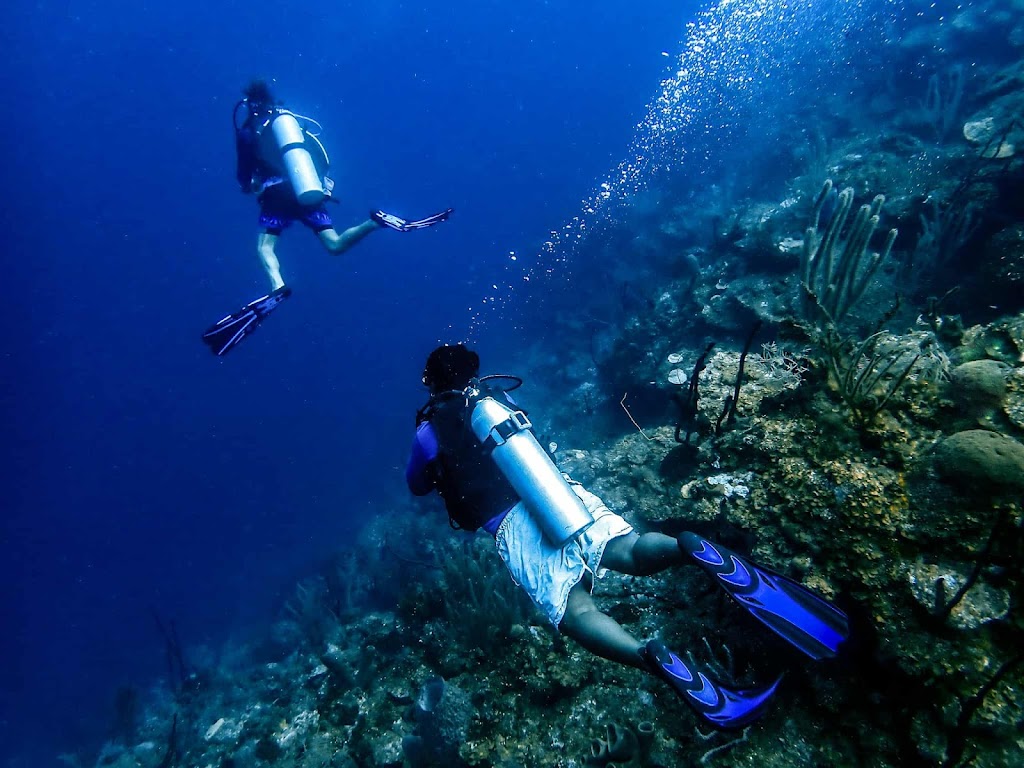
The site provides a diverse array of structures, encompassing vibrant reef sections, dramatic wall descents, and enticing cavernous swim-throughs. Visibility here is consistently excellent, frequently extending well over 30 meters or 100 feet, which allows for expansive views of the extensive coral formations and the sheer drop-off.
Divers of varying skill levels can appreciate different aspects of this location. Entry-level certified divers can comfortably observe the rich sand slope and the stunning right-side wall formations.
More advanced divers, however, will find ample opportunities to explore the deeper sections, navigate the intricate 'Swiss Cheese' structures, and truly experience the dramatic transition from reef to abyss. This dynamic environment ensures a captivating and multifaceted dive experience for those who visit.
Conditions are Good
Optimal conditions expected
Current conditions near Hole in the Wall show 29° air, 30° sea temperature, 0.5 m waves, and 26 km/h wind. Forecast data is refreshed regularly to ensure accuracy.
Best Time to Dive
Diving in Honduras is generally feasible throughout the year, but certain periods offer more favorable conditions for Hole In The Wall. The months of August, September, and October consistently show 'Good' dive scores, benefiting from milder weather patterns. During these months, air temperatures remain comfortably warm, averaging between 28°C and 29°C (82-84°F), with relatively lower average rainfall (3.2-11.0 mm) compared to the late fall. Conditions are often calmer, with reduced wave heights (around 0.9 m / 3.0 ft) and lighter winds (25-28 km/h / 15-17 mph). The remainder of the year tends to fall into the 'Moderate' dive score category, with slightly higher average wave heights and rainfall, though still offering enjoyable diving experiences.
PEAK SEASON SCORE
Scores combine air & water temps, waves, wind & rainfall for overall conditions.
BEST MONTHS TO DIVE
Monthly records compiled from satellite and marine observation nodes over the last 3 years. Data provided by Open-Meteo and MET Norway.
Dive Experience & Conditions
Entering the dive, divers often feel a distinct sensation as they descend into the eponymous sand chute, where good buoyancy control is essential to manage the pressure changes. The 'hole' serves as a passage, depositing divers at an impressive depth along a vast wall. Beyond the main chute, the site transitions into a network of caverns and swim-throughs, demanding both deep diving experience and advanced buoyancy skills for safe navigation. Visibility is typically excellent, often extending to 35 m / 115 ft, allowing for clear views of the extensive coral formations. While beginner divers can explore the vibrant aquatic scenery along the sand slope and the right-side wall, advanced divers can venture closer to the impressive abyss and through the more intricate 'Swiss Cheese' sections.
Dive Difficulty & Safety Guidelines
Diving at Hole In The Wall requires careful attention to depth, buoyancy, and overhead awareness, especially inside the swim-through or “hole” itself. Divers have reported a sensation of being drawn downward as pressure affects buoyancy control, so steady weighting, trim, and precise BCD management are important throughout the dive.
Surface conditions also deserve attention. Some divers report heavy boat traffic and personal watercraft passing overhead, which can make ascents and surface intervals less comfortable. Carry an SMB, avoid surfacing away from the group or planned exit point, and stay alert during ascent.
For sport diving, a maximum depth of 34 m / 112 ft is recommended for safety and enjoyment. Training such as PADI Advanced Open Water Diver, Cavern Diver, and Peak Performance Buoyancy is highly beneficial. Monitor air consumption closely when exploring deeper sections or tighter swim-throughs, and plan the ascent with enough reserve for a controlled safety stop.
Recommended Equipment
Technical depth range. Advanced planning, gas management, and appropriate certification required.
Overhead environment. Do not enter beyond training and gas planning limits.
- Dive Computer
- DSMB
- Primary & Backup Lights
- Reel / Spool
- Cutting Tool
This gear list is based on verified equipment signals for Hole in the Wall, Honduras. Always confirm final gear choices with your dive operator, guide, or liveaboard.
Recommended Dive Suit
Subtle variations in currents or depth can sometimes influence perceived water temperature.
Dive skin or rash guard tends to perform well in water temperatures like those currently observed here. A hood or vest is suggested for sensitive divers due to surface winds. Forecast models show minimal temperature variation in the coming days.
Current temperature readings suggest that the water at Hole in the Wall is around 30°C (86°F). Surface air temperatures are resting at 29°C (83°F).
Emergency & Medical Support
Essential information to help you plan your dive trip to Hole In The Wall.

Hyperbaric chambers are a critical part of dive safety infrastructure. Availability varies significantly by region, and not all dive areas have immediate access.
Before diving, it's recommended to:
- confirm nearest medical facilities
- check emergency procedures with local dive operators
- ensure dive insurance covers evacuation if required
Divers Alert Network
Diving emergency assistance available through DAN World.
+1-919-684-9111- 24/7 emergency hotline
- Diving medical assistance
- Evacuation coordination
Emergency contacts are provided for reference. Always verify local emergency services before diving.
Marine Life at Hole in the Wall
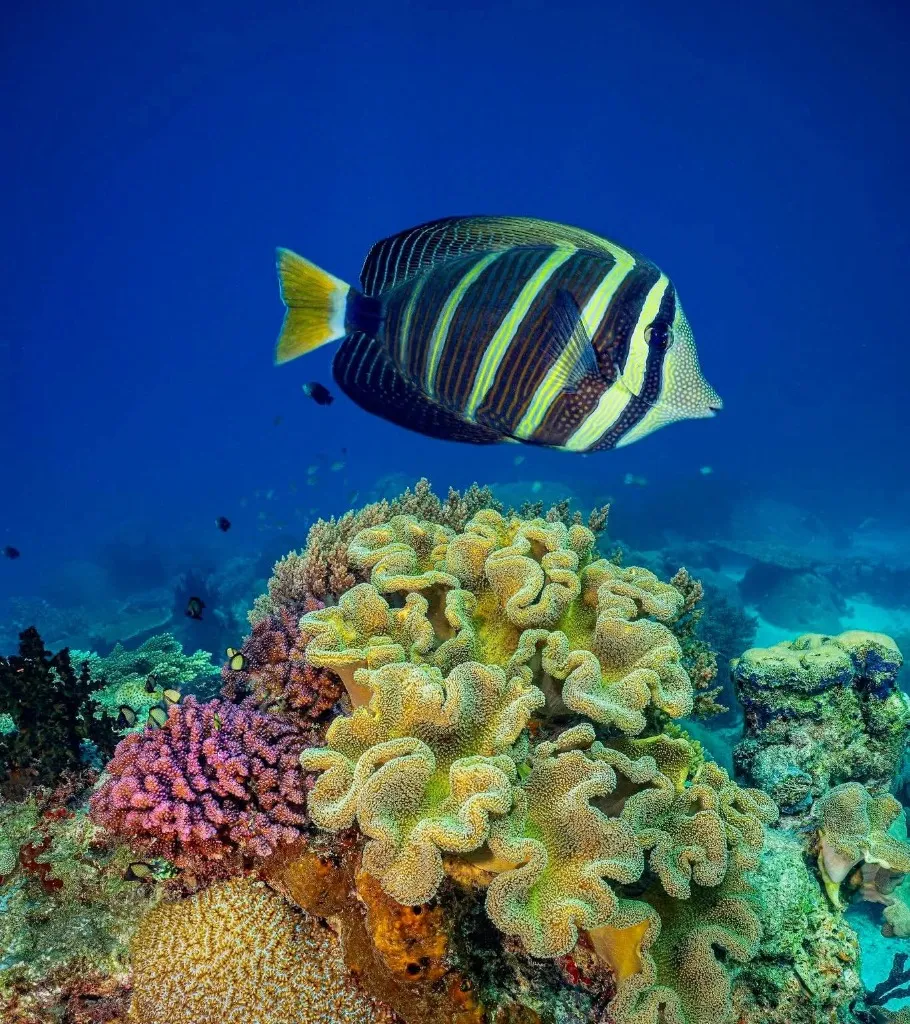
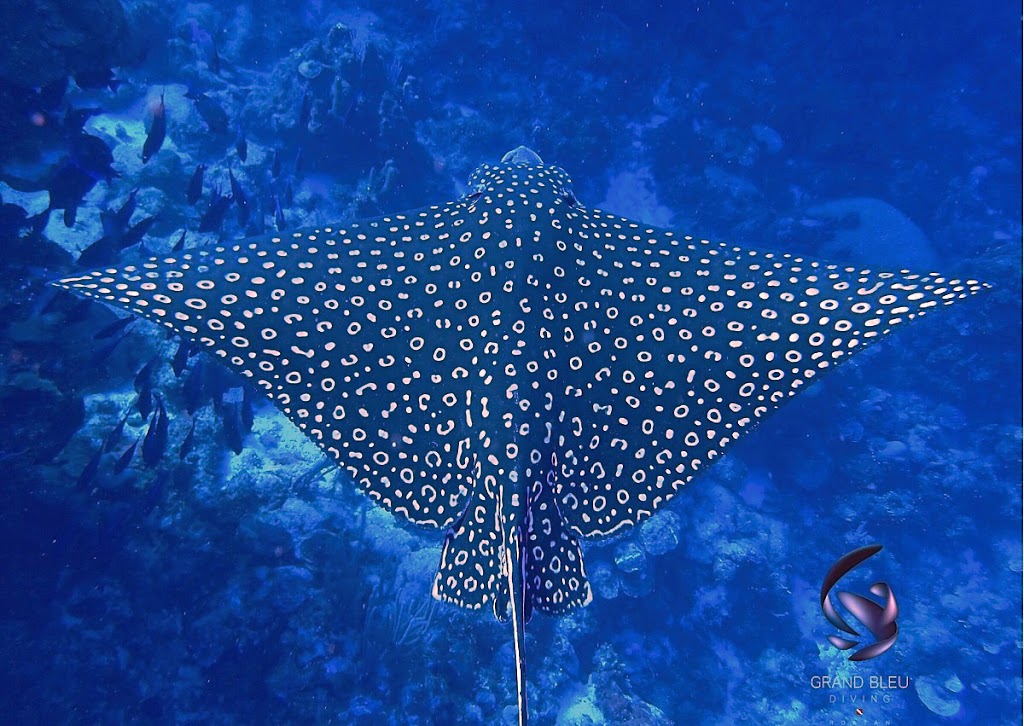
As you explore Hole In The Wall, divers commonly spot a diverse array of marine life. Shoals of Creole Wrasse and Blue Tang often cruise the reef, while larger pelagic sightings like eagle rays and spotted rays are not uncommon along the wall.
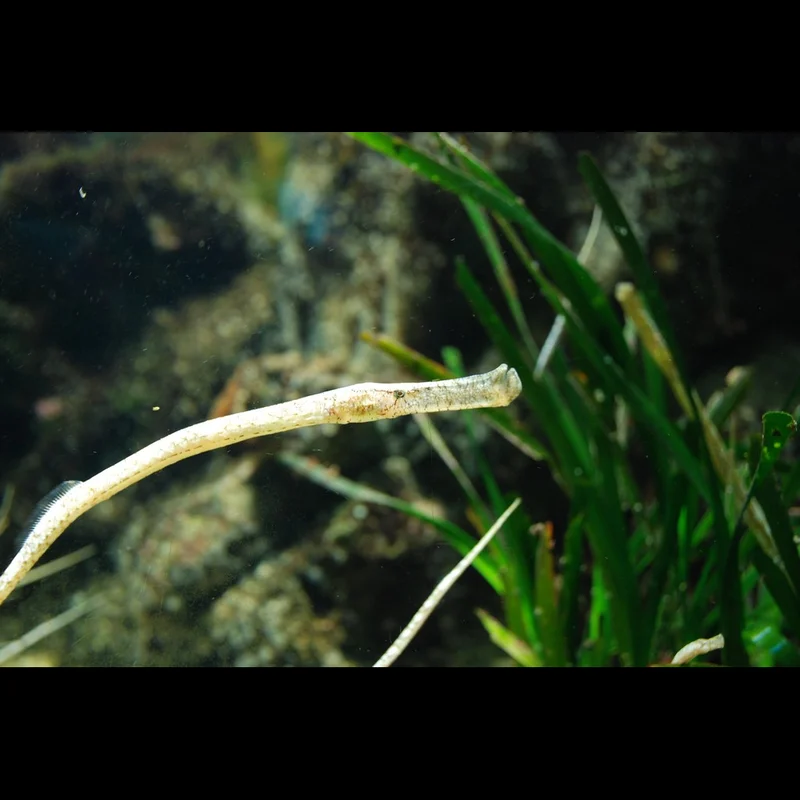
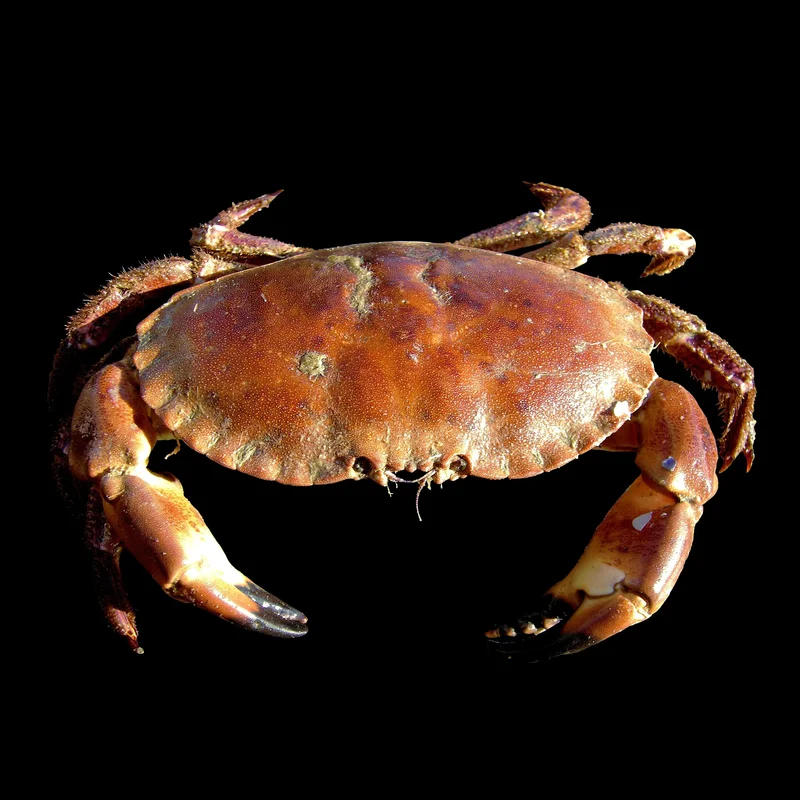
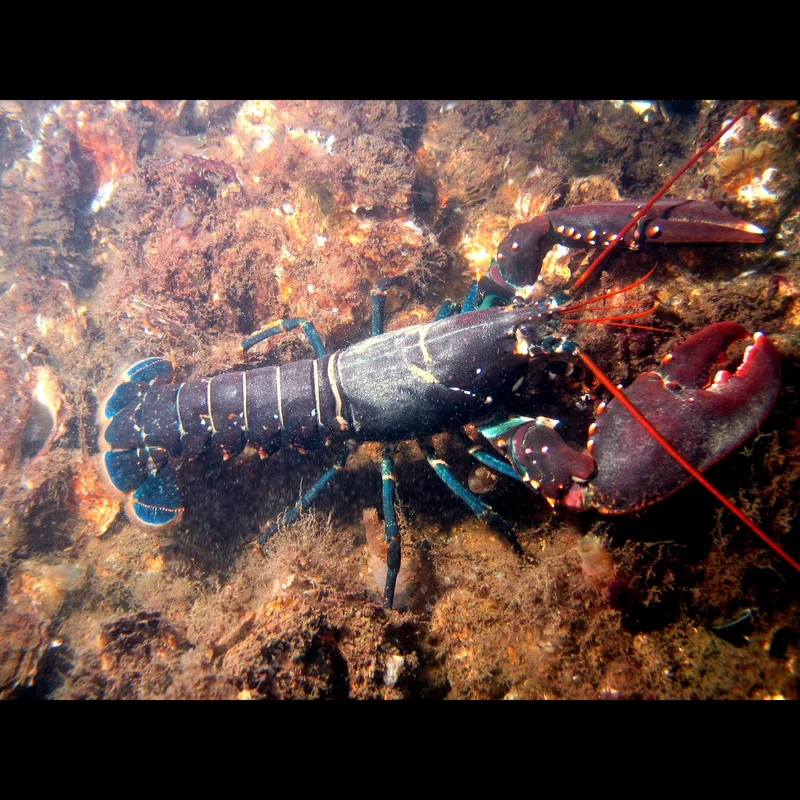
Keep an eye out for hawksbill turtles and groupers, often found near the reef structure. Within the cracks and crevices, you might find interesting creatures such as pipefish, lobsters, and various crab species, adding detail to the vibrant coral formations.

Dive Sites Near Hole in the Wall
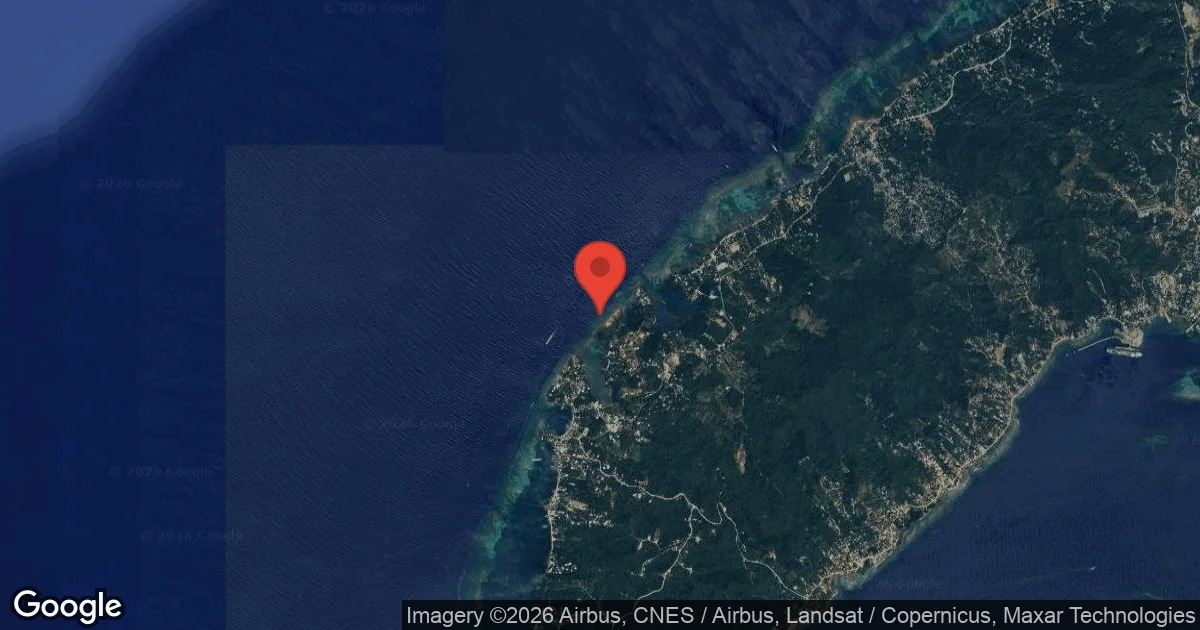
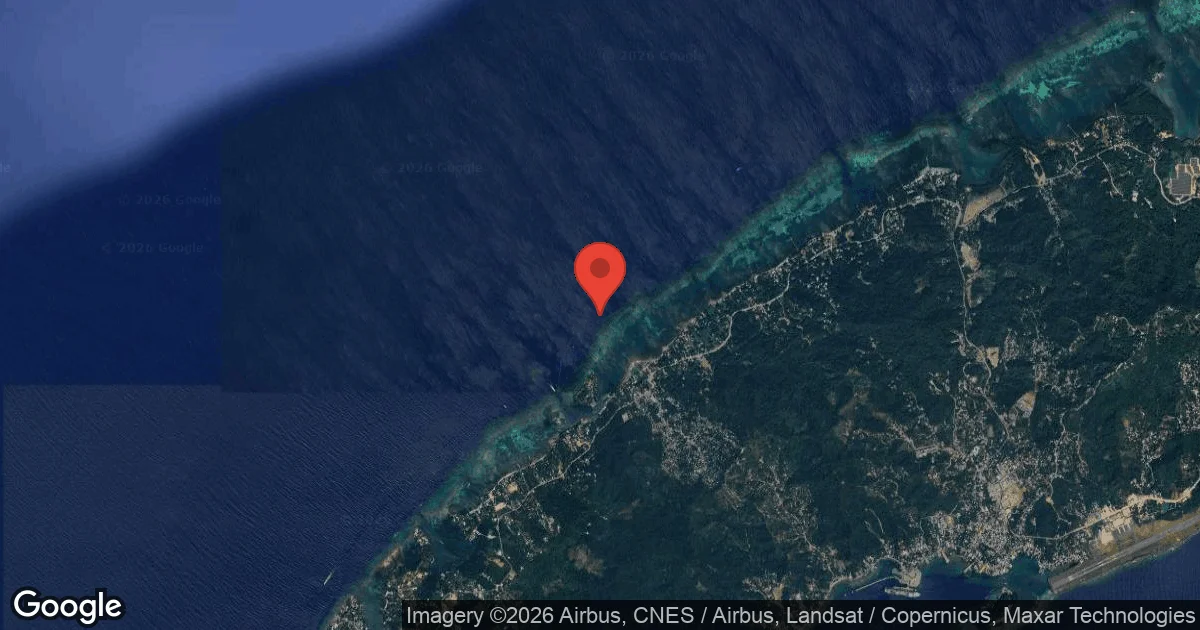
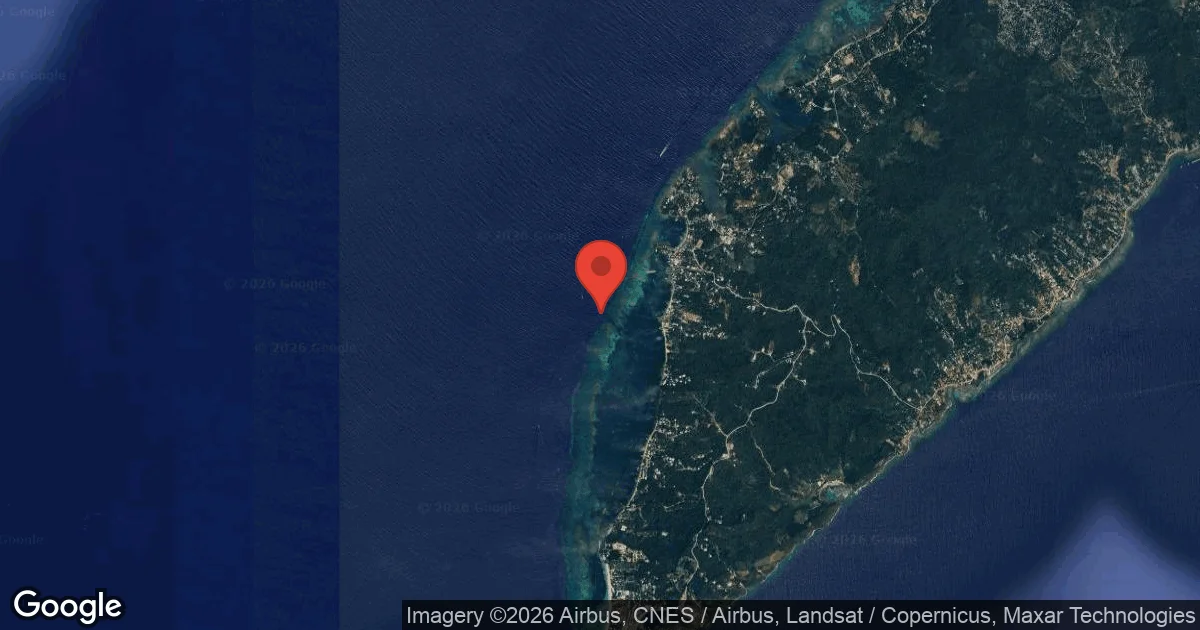
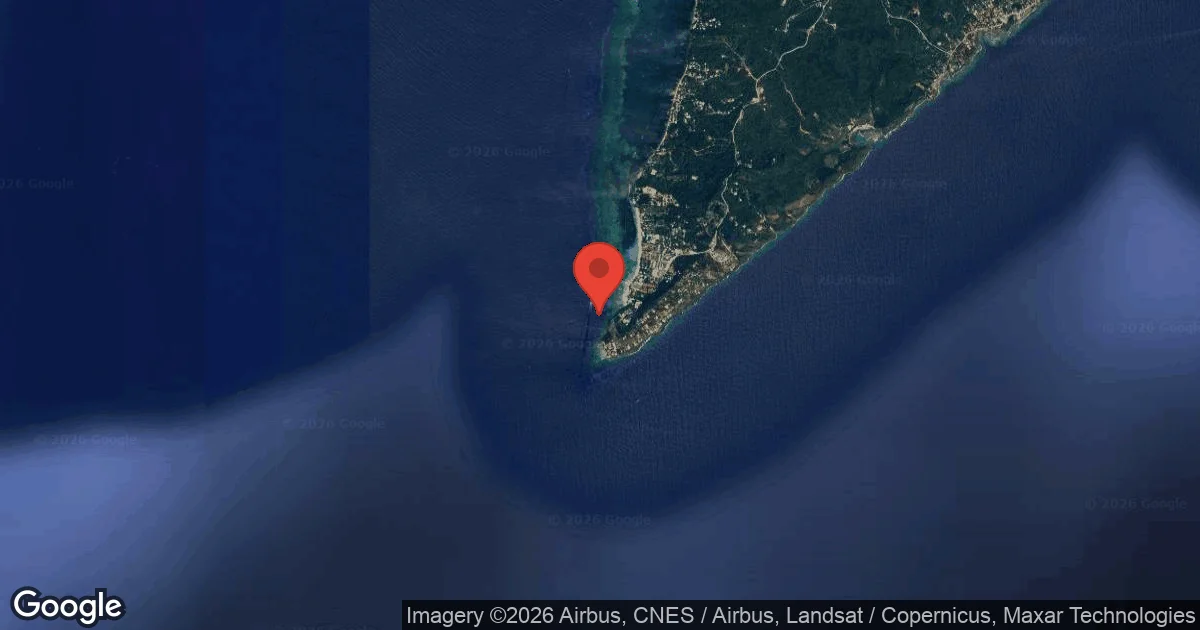
View all dive sites in HondurasDiscover more underwater gems in this area.
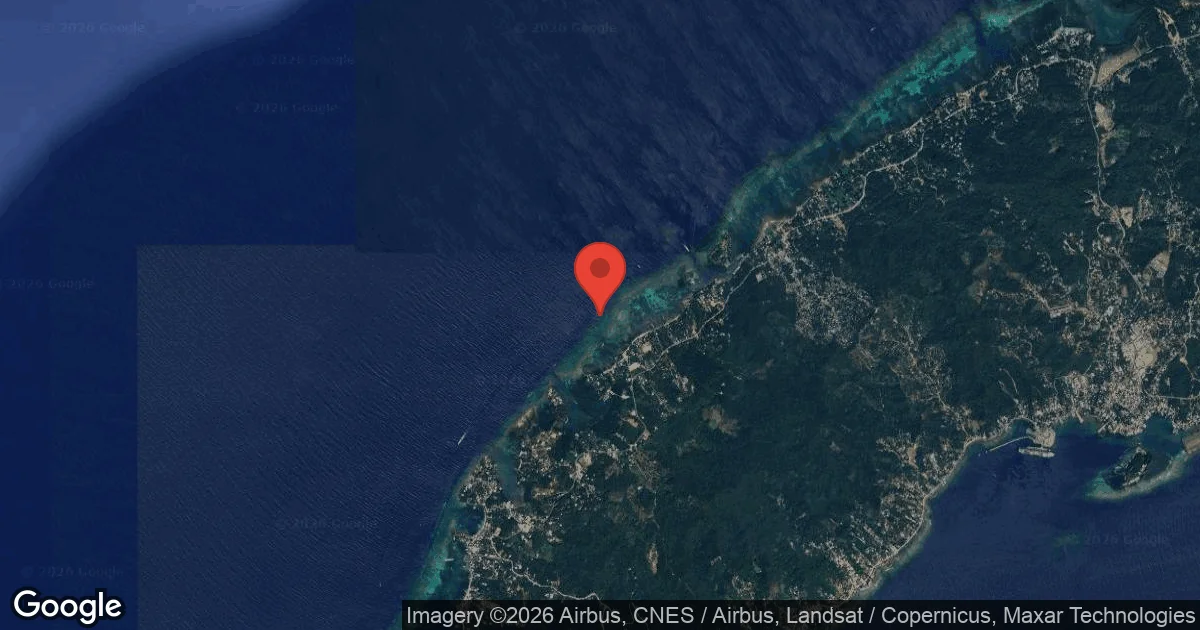
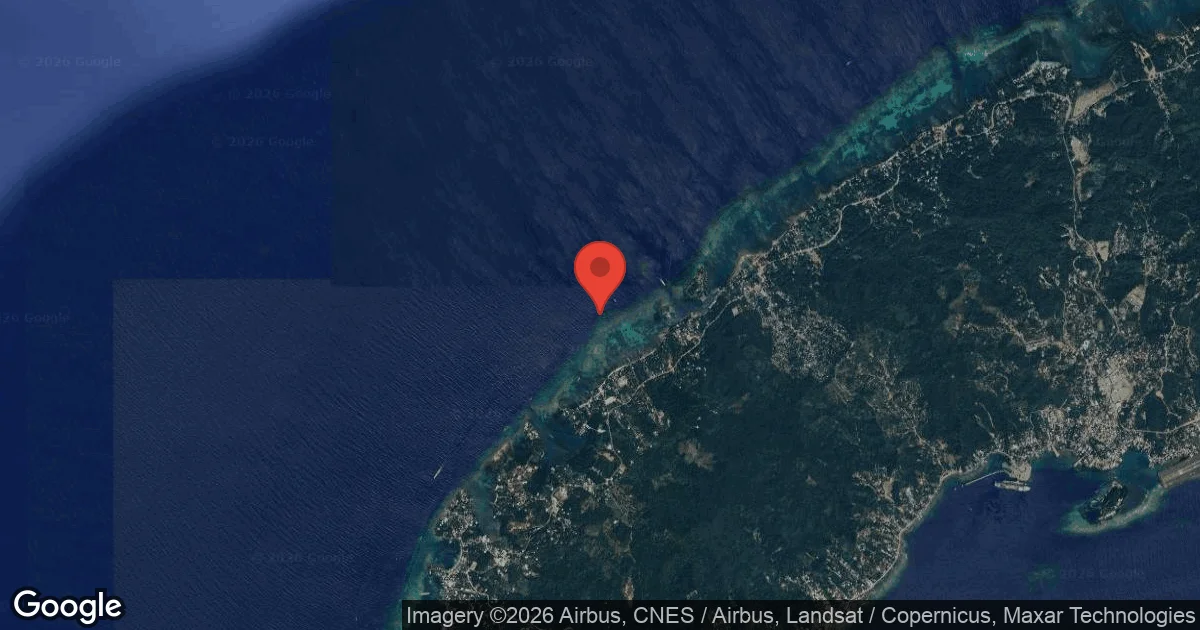
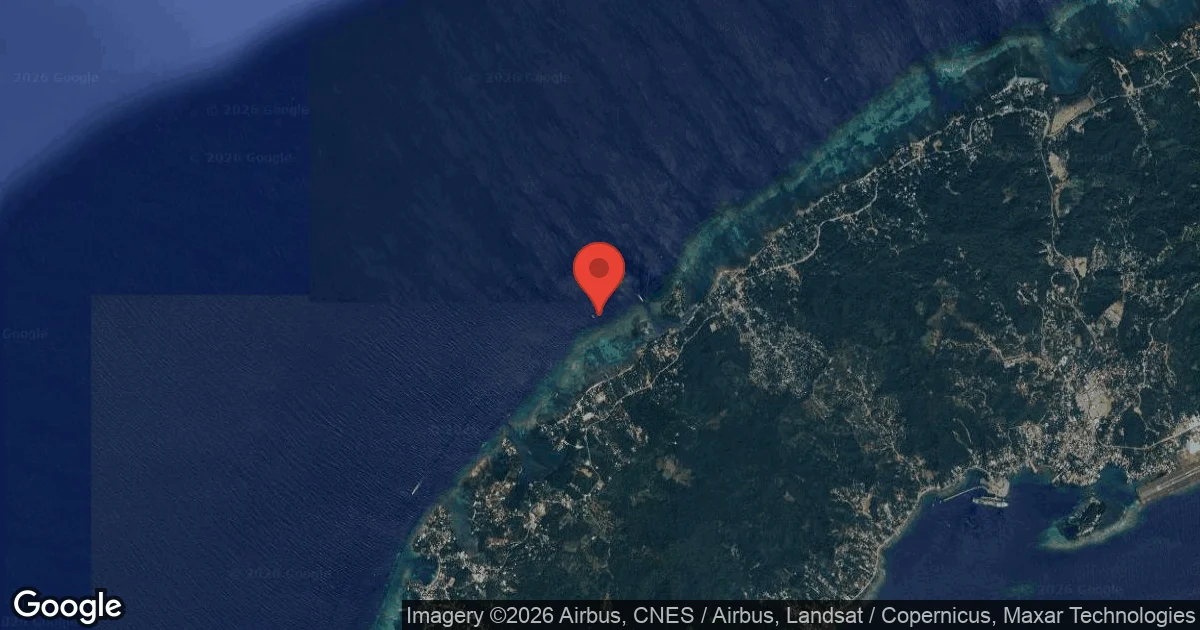
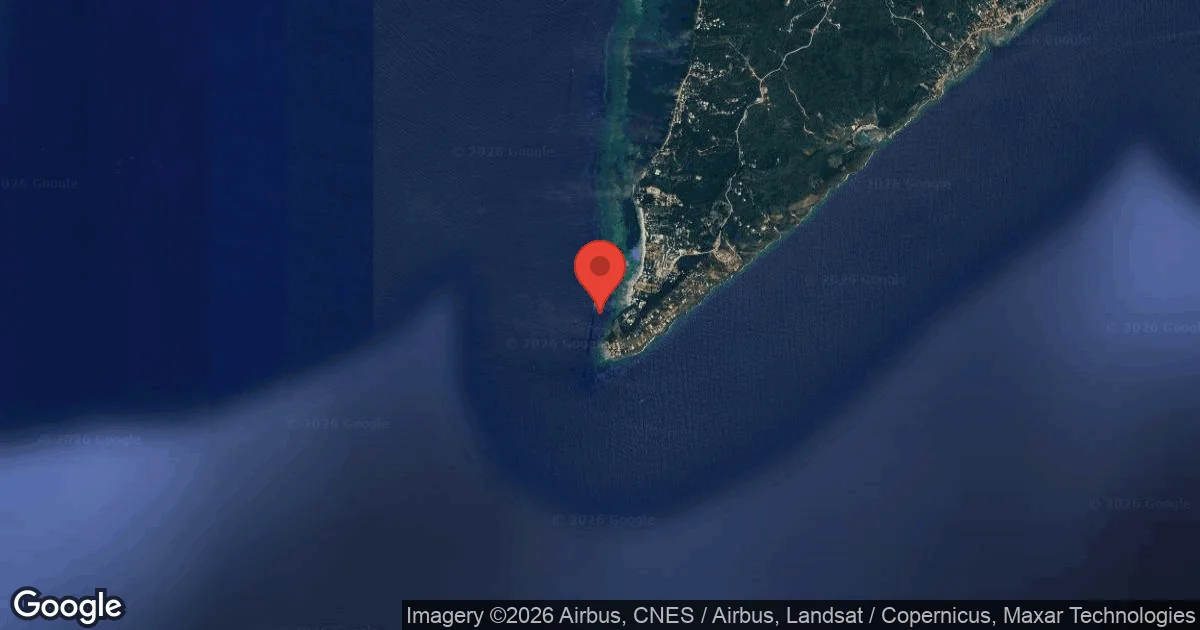
Dive Centers Near Hole in the Wall
Today: 08:00 - 16:00
Nearest Airports
Nearest airports to help plan travel to this dive area.
Search Flights
Check available flights and routes on Expedia, using the nearby airports listed in this section.
Search Flights on ExpediaFrequently Asked Questions
What is the 'Hole In The Wall' feature?
The 'Hole In The Wall' refers to a natural sand chute tunnel that cuts through a reef wall. It's the site's namesake and a primary feature, offering a dramatic descent from a shallower entry to a deeper exit point.
What is the maximum depth at Hole In The Wall?
The main tunnel exits at approximately 30 meters, where the wall then drops significantly deeper. For sport diving, it's generally recommended not to exceed 34 m / 112 ft to ensure a safe and enjoyable experience.
Is Hole In The Wall suitable for beginner divers?
Beginner divers can enjoy the aquatic scenery surrounding the sand slope and the spectacular wall on the right side. However, the main 'hole' and deeper caverns are better suited for advanced divers with good buoyancy control and deep diving experience.
What kind of marine life can I expect to see?
Divers often encounter Creole Wrasse, Blue Tang, and may spot larger animals like eagle rays and turtles. The site also hosts groupers, barracudas, pipefish, lobsters, and various crabs, particularly within the reef's many crevices and caverns.
When is the best time to dive at Hole In The Wall?
The months of August, September, and October generally offer the best conditions for diving, with calmer waters and favorable weather. Diving is possible year-round, but other months may experience higher winds or rainfall.
What specific skills are useful for diving Hole In The Wall?
Good buoyancy control is crucial, especially when navigating the pressure changes within the 'hole' itself. Deep diving experience and cavern diver training are highly recommended for exploring the deeper sections and intricate swim-throughs safely.
Are there other unique features besides the main hole?
Yes, in the shallows, there's a fascinating network of caves, canyons, and tunnels known as 'Swiss Cheese.' These offer additional exploration opportunities, all filled with natural light, providing a different experience from the main tunnel.
Planning to dive Hole in the Wall?
Send one inquiry and receive offers directly from the best verified local dive operators.
Conditions are Good
Optimal conditions expected
Current conditions near Hole in the Wall show 29° air, 30° sea temperature, 0.5 m waves, and 26 km/h wind. Forecast data is refreshed regularly to ensure accuracy.