
Diving at Cara-A-Cara Marco's Place Shark Dive (Honduras)
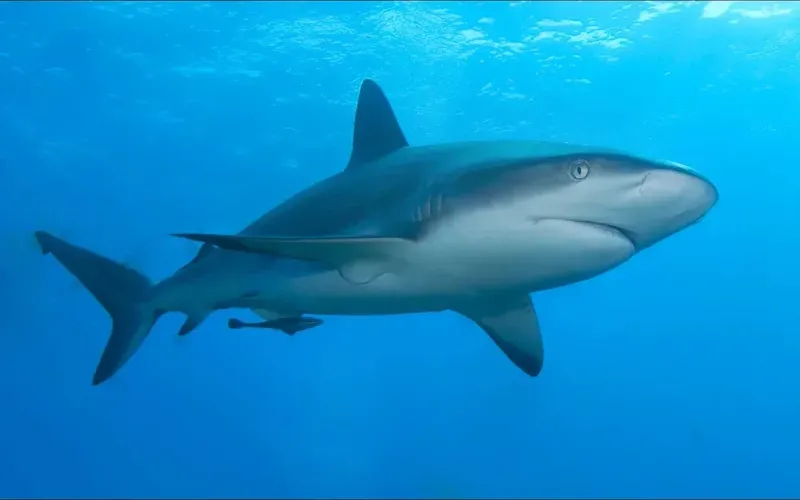
Cara-a-Cara Marco's Place Shark Dive delivers a direct, 'face-to-face' encounter with Caribbean Reef Sharks in Honduras. Consistently, 8-15 resident Caribbean Reef Sharks, predominantly females, gather at this site, creating a focused and intense observational dive. It's a structured experience tailored for divers seeking close interaction with powerful marine predators within a controlled environment.
Tonight's objective overview for Cara-A-Cara Marco's Place Shark Dive shows an air temperature of 28°C. The measured surface conditions include wave heights around 0.6 m. This environmental data is logged for the close of the day.
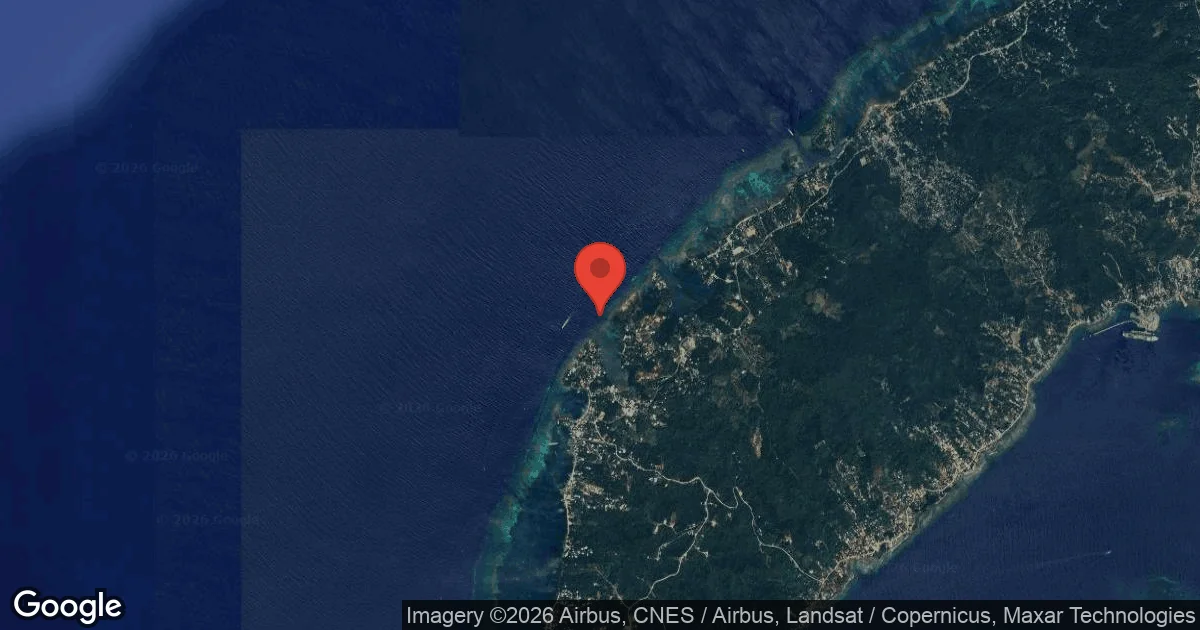
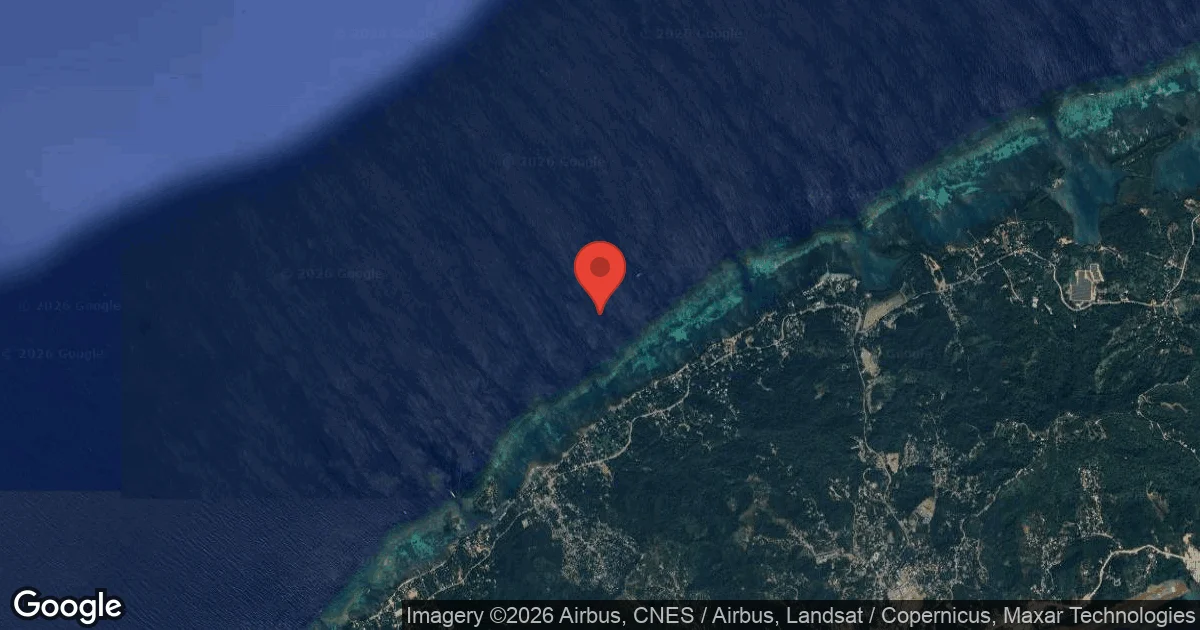
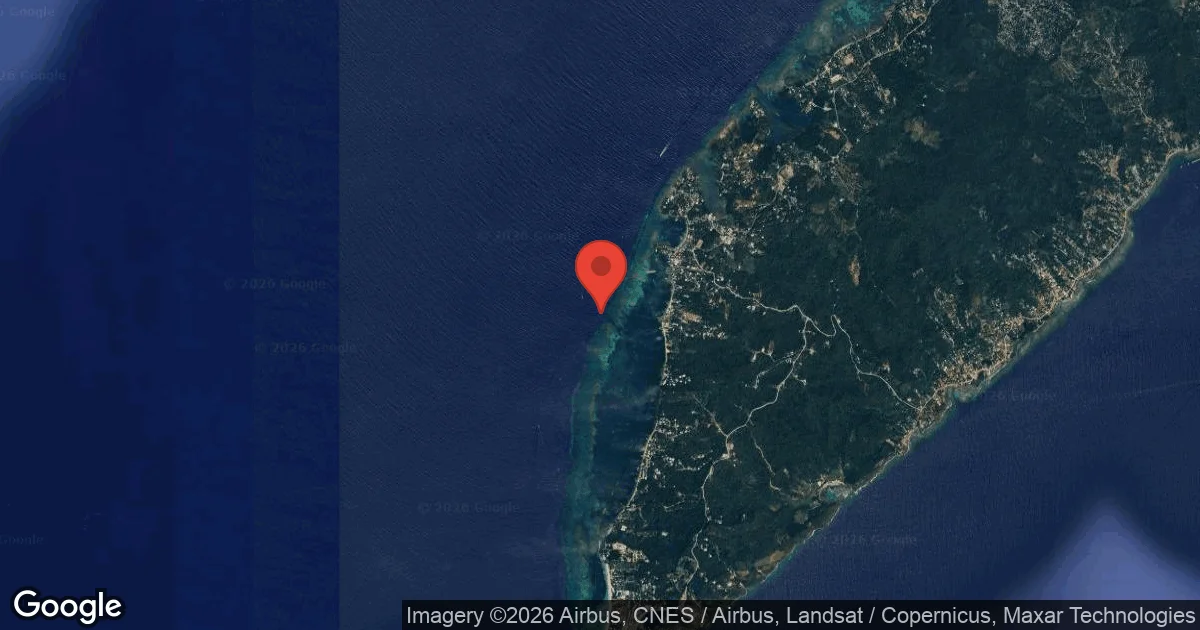
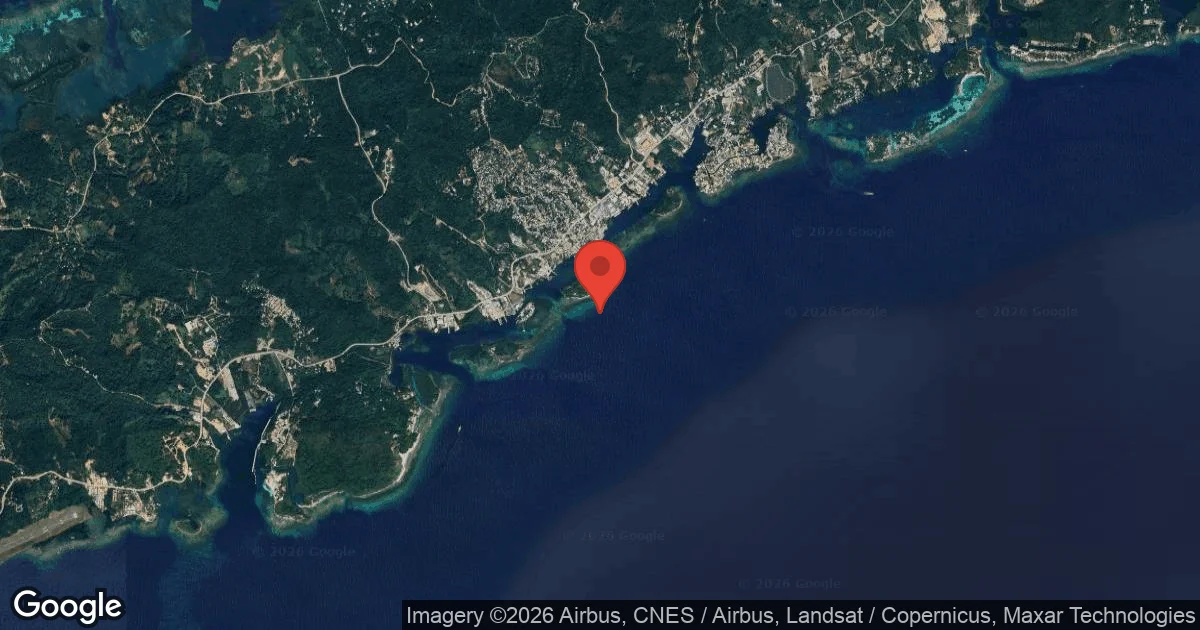
Dive Site Location & Key Facts
Dive Site Overview
Diving here immerses certified divers into an organized encounter with Caribbean Reef Sharks off Roatán's south side. An essential pre-dive orientation covers shark behavior, effective current management, and specific safety protocols unique to this controlled environment.
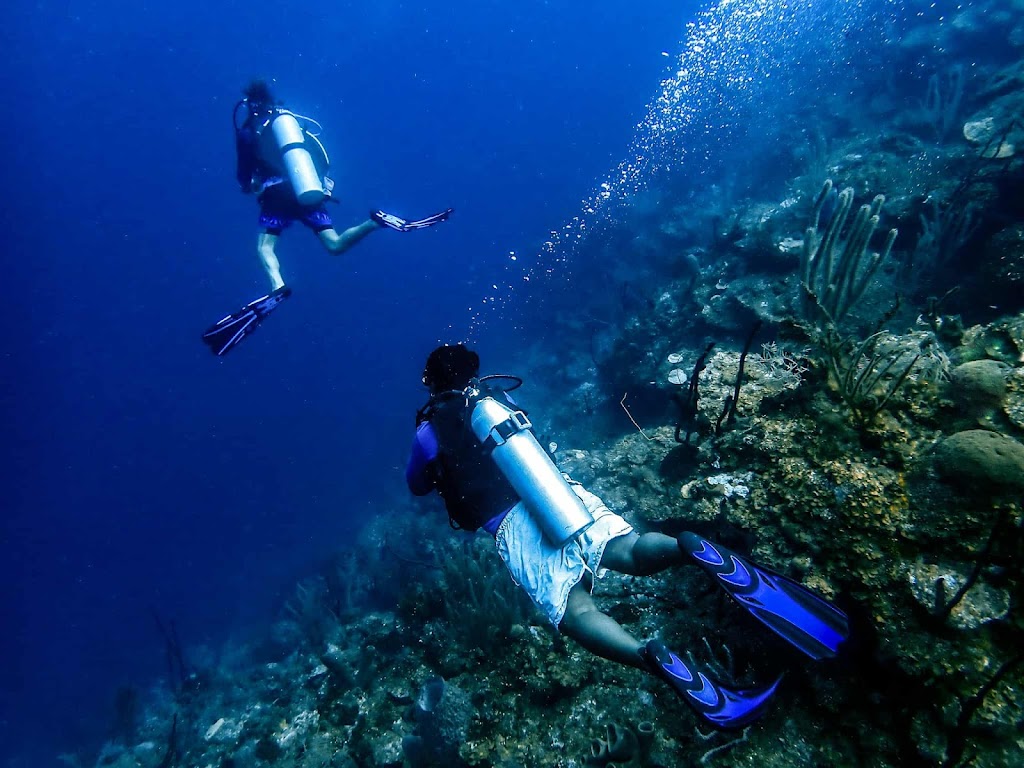
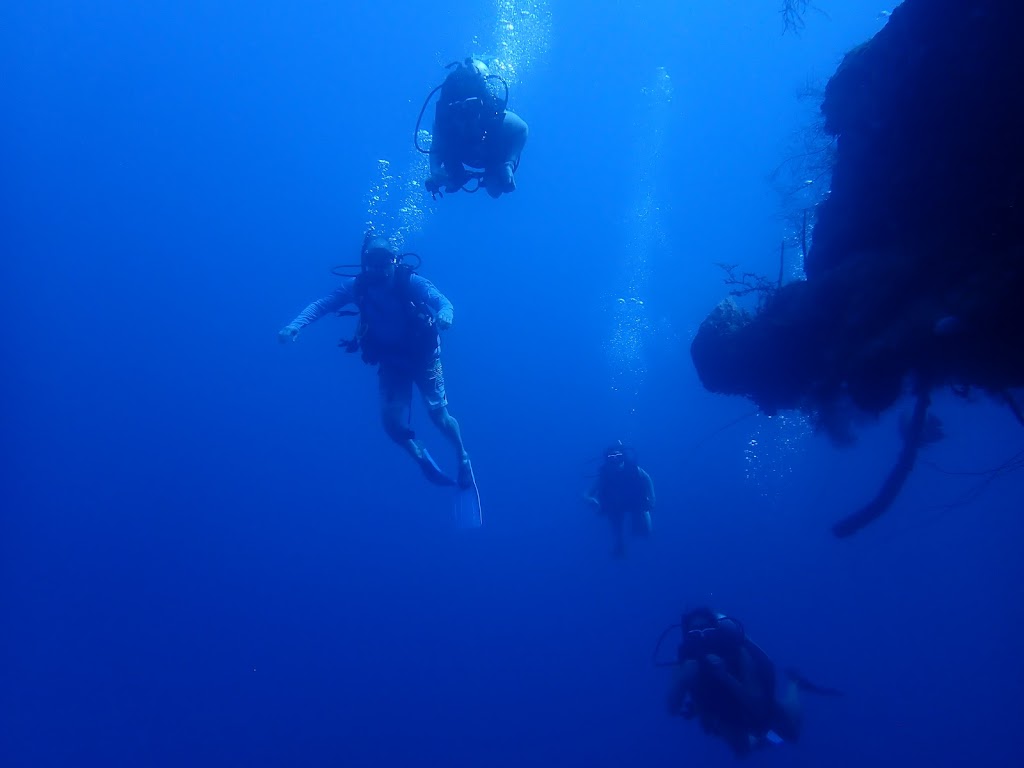
Divers descend quickly along a line to a flat sandy plateau, approximately 21-24 m / 70-80 ft deep, then orient themselves with backs to a protective reef wall. Rapid descent ensures reaching the target depth efficiently. While sharks are often visible circling during the initial drop, the main event involves an extended period of observing and swimming alongside these impressive 1.5-2.1 meter / 5-7 foot animals.
Following this observational phase, a controlled feeding takes place. Divemasters carefully open a bucket of frozen fish from a distance, allowing sharks to feed in their natural predatory manner without direct contact.
Managed interaction provides unique photographic opportunities and fosters a profound understanding of these creatures, with bottom times typically lasting 30-35 minutes. A structured approach prioritizes both diver safety and the natural behavior of the sharks.
Conditions are Good
Optimal conditions expected
Current conditions near Cara-A-Cara Marco's Place Shark Dive show 28° air, 30° sea temperature, 0.5 m waves, and 26 km/h wind. Forecast data is refreshed regularly to ensure accuracy.
Best Time to Dive
Optimal conditions for Cara-a-Cara diving generally occur from August through October. These months are marked by lower wave heights, averaging around 0.8-0.9 meters / 2.6-3 feet, and reduced wind speeds, typically 25-28 km/h / 15-17 mph. Often, these periods coincide with 'Good' dive scores in the region, indicating calmer seas. August and September experience minimal rainfall, averaging 3.6-5.4 mm / 0.14-0.21 inches, though October sees a rise to about 11.6 mm / 0.46 inches. Air temperatures remain consistently warm throughout the year, typically ranging from 28-29°C / 82-84°F during peak months, contributing to comfortable surface intervals. Water temperatures are not consistently reported for this specific site but are generally warm in the Caribbean. Divers should prepare for varying conditions outside this window; other months may present stronger currents or higher waves, especially from December to July, when wave heights can reach 1.1-1.4 meters / 3.6-4.6 feet.
PEAK SEASON SCORE
Scores combine air & water temps, waves, wind & rainfall for overall conditions.
BEST MONTHS TO DIVE
Monthly records compiled from satellite and marine observation nodes over the last 3 years. Data provided by Open-Meteo and MET Norway.
Dive Experience & Conditions
Demands of a Cara-a-Cara dive profile require an advanced certification. Divers target a maximum depth of approximately 21-24 m / 70-80 ft on a flat plateau adjacent to a barrier reef wall. Negotiating a current often present in the initial descent is a key skill; divers must be able to reach the bottom swiftly to avoid being swept off target. Once settled, typically kneeling with backs to the reef, focus shifts to observing Caribbean Reef Sharks. Extended bottom time at depth, coupled with the need for excellent buoyancy control and situational awareness, means divers must be proficient with their gear and abilities.
Dive Difficulty & Safety Guidelines
Cara-a-Cara shark dive is structured as a controlled interaction, demanding adherence to strict safety protocols and emphasizing diver competence. Strong currents are a likely condition, requiring divers to manage descent efficiently and maintain stability. A comprehensive pre-dive briefing is mandatory, covering shark behavior, current navigation techniques, and specific safety rules.
Divers must demonstrate proficiency in buoyancy and overall diving abilities to focus on surroundings rather than equipment. Operations utilize a high-walled boat designed to prevent swells, and a current line assists entry.
Any diver unable to make a timely descent with the group may result in the dive's termination for that individual.
Recommended Equipment
- Dive Computer
This gear list is based on verified equipment signals for Cara-A-Cara Marco's Place Shark Dive, Honduras. Always confirm final gear choices with your dive operator, guide, or liveaboard.
Recommended Dive Suit
Water temperatures at Cara-A-Cara Marco's Place Shark Dive are currently estimated to be around 30°C (85°F), shaping the overall diving conditions for today. Surface air temperatures are resting at 28°C (82°F).
Dive skin or rash guard generally offers enough warmth for most dives under these conditions.
Forecast conditions over the next few days suggest temperatures will remain relatively stable.
Emergency & Medical Support
Essential information to help you plan your dive trip to Cara-a-Cara Marco's Place Shark Dive.

Hyperbaric chambers are a critical part of dive safety infrastructure. Availability varies significantly by region, and not all dive areas have immediate access.
Before diving, it's recommended to:
- confirm nearest medical facilities
- check emergency procedures with local dive operators
- ensure dive insurance covers evacuation if required
Divers Alert Network
Diving emergency assistance available through DAN World.
+1-919-684-9111- 24/7 emergency hotline
- Diving medical assistance
- Evacuation coordination
Emergency contacts are provided for reference. Always verify local emergency services before diving.
Marine Life at Cara-A-Cara Marco's Place Shark Dive
Primary draw at Cara-a-Cara is the consistent presence of 8-15 Caribbean Reef Sharks, frequently observed as large females measuring 1.5 to 2.1 meters / 5 to 7 feet in length. While sharks are the main event, surrounding reef also supports other marine life.
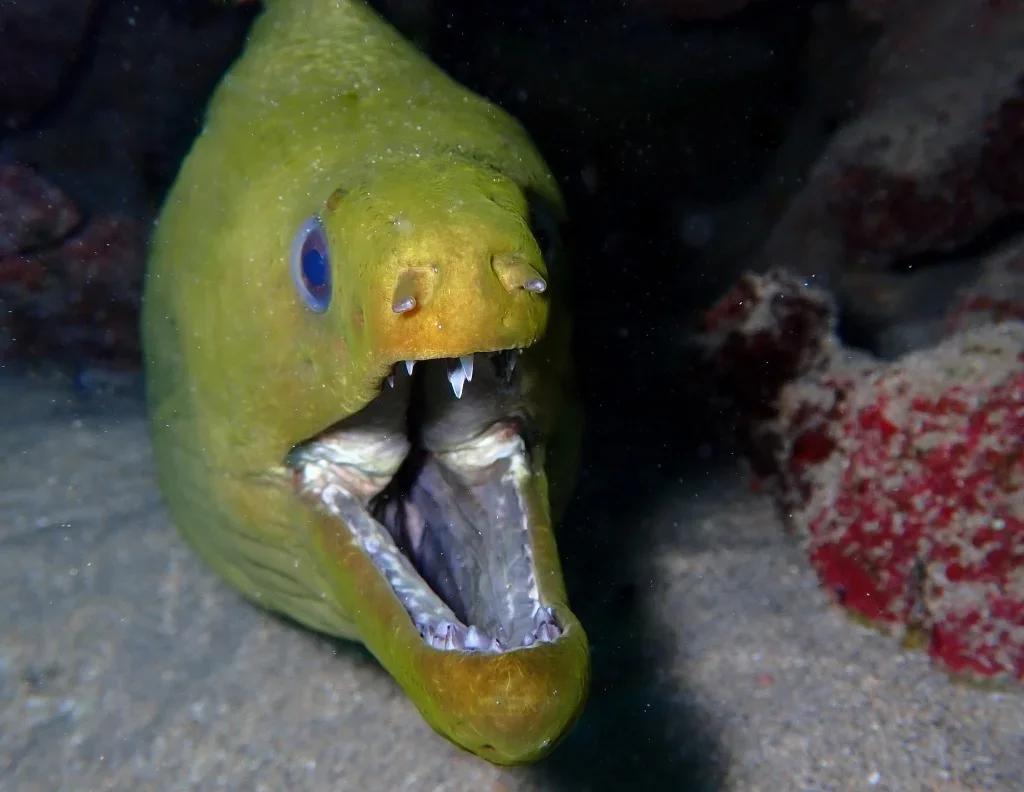
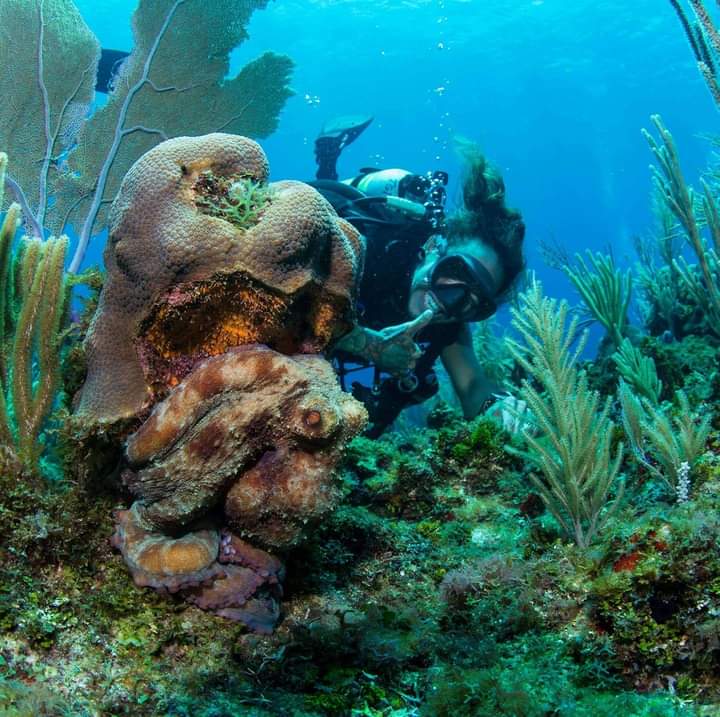
Divers might spot pristine corals, expansive Barrel sponges, Black grouper, and Green moray eels in the area. Keeping an eye on the sandy bottom can even reveal a loose shark tooth as a unique souvenir.

Dive Sites Near Cara-A-Cara Marco's Place Shark Dive
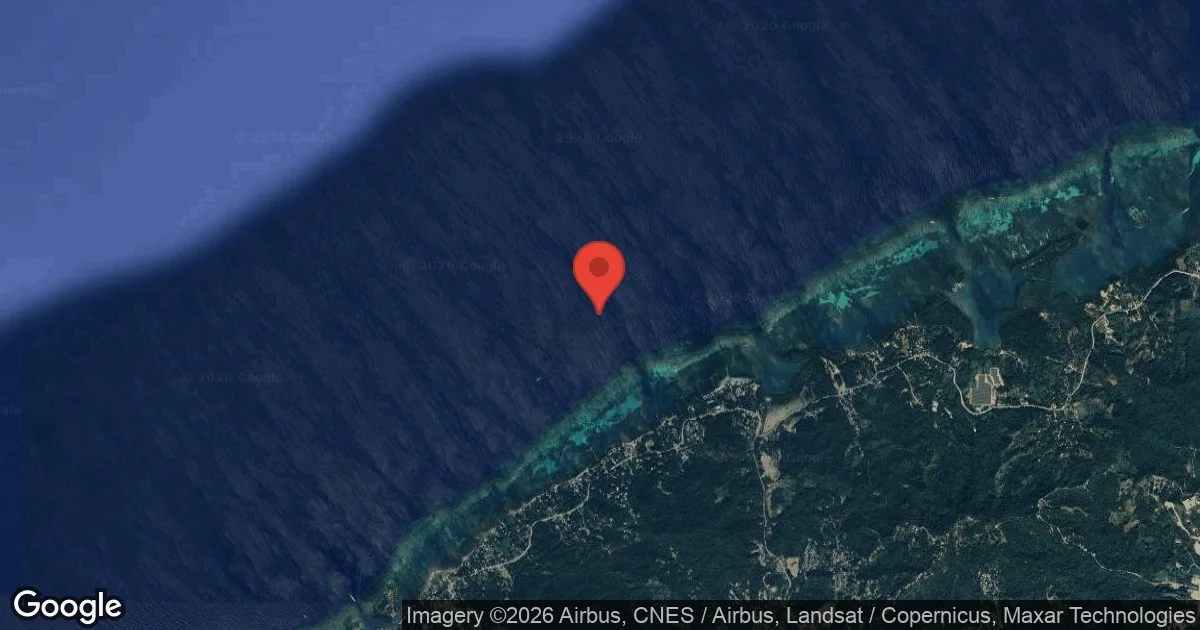
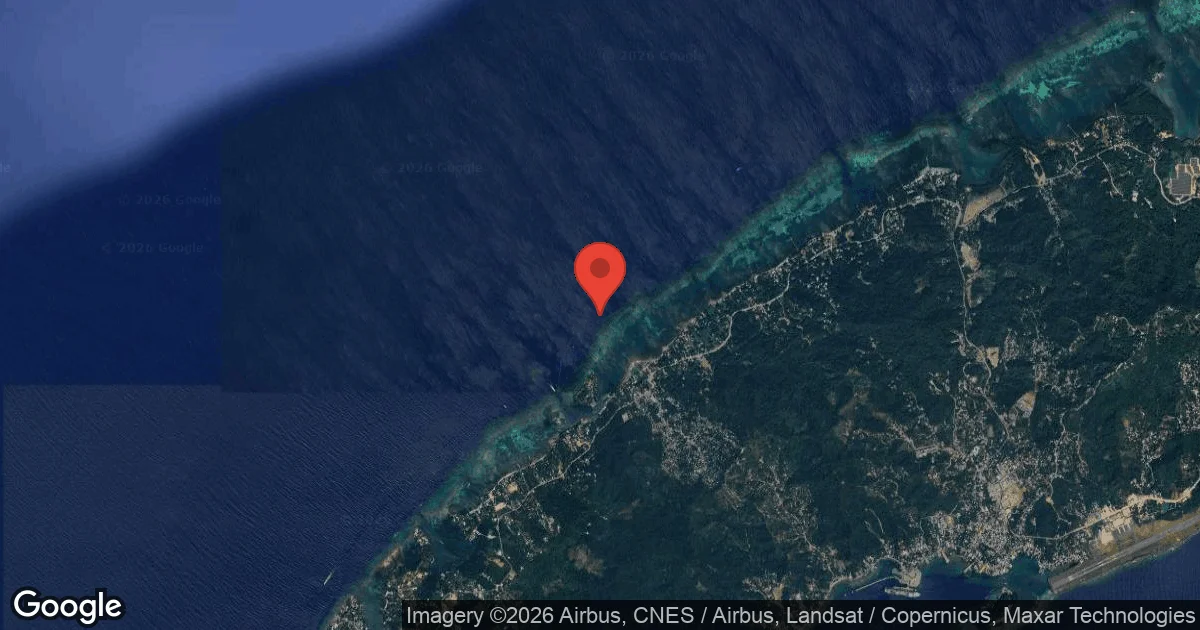
View all dive sites in HondurasDiscover more underwater gems in this area.
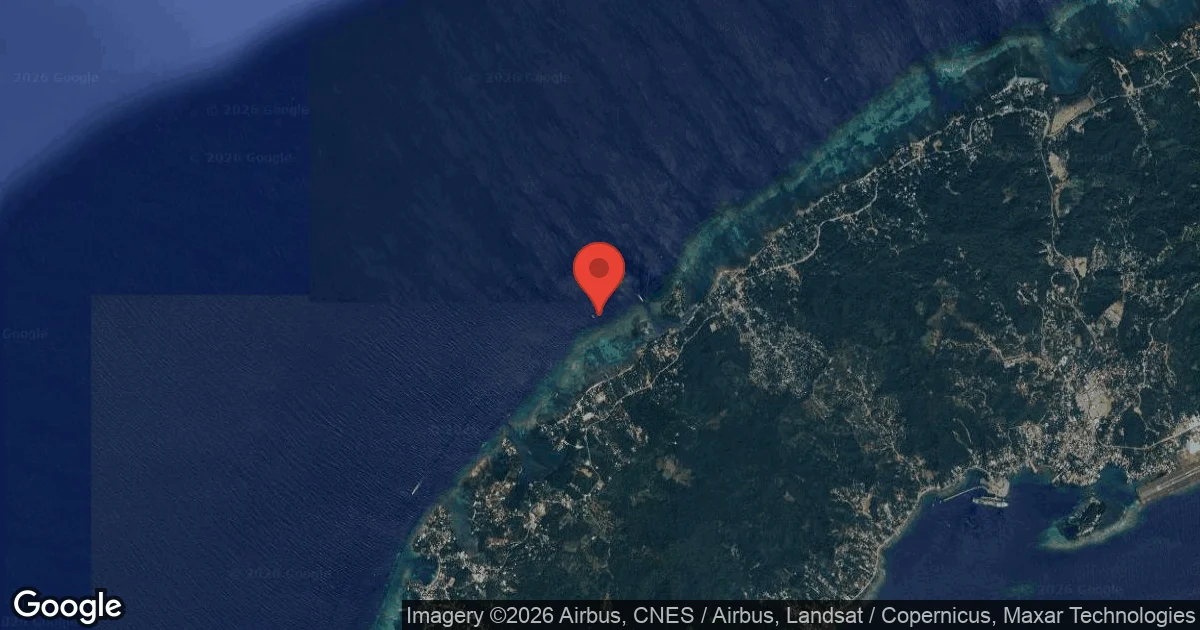
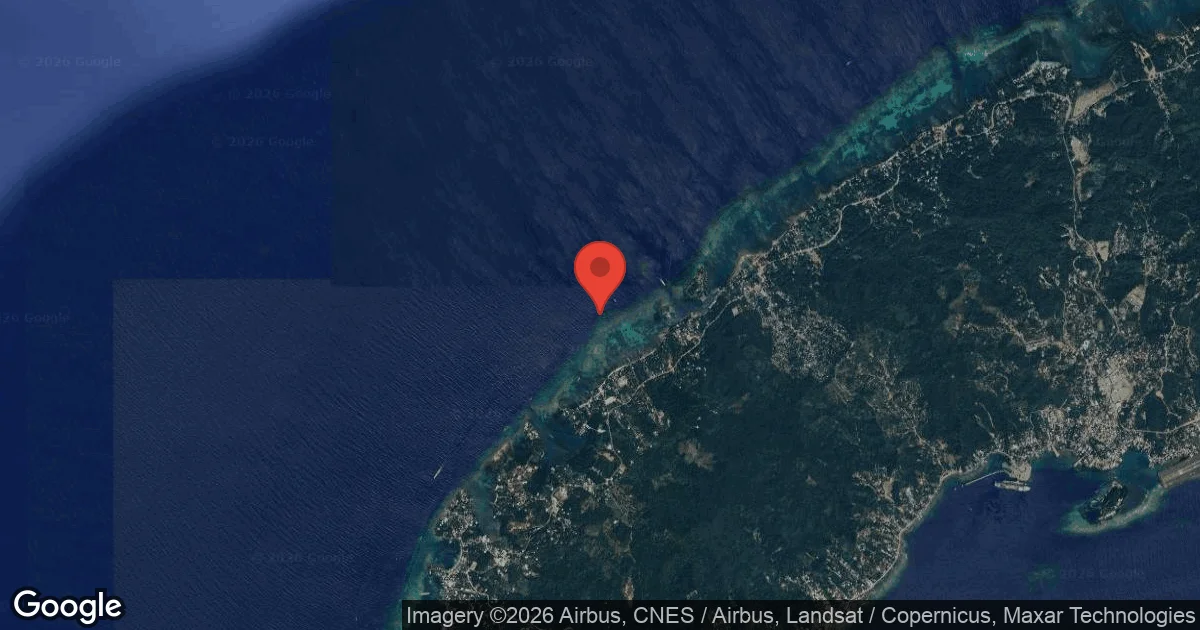
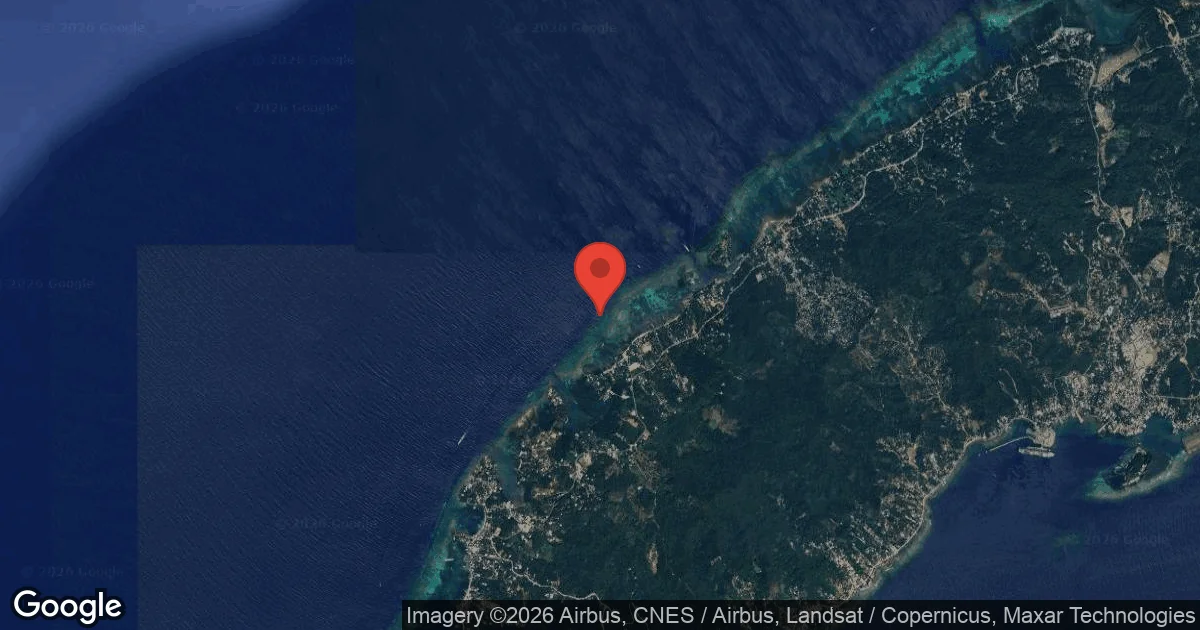
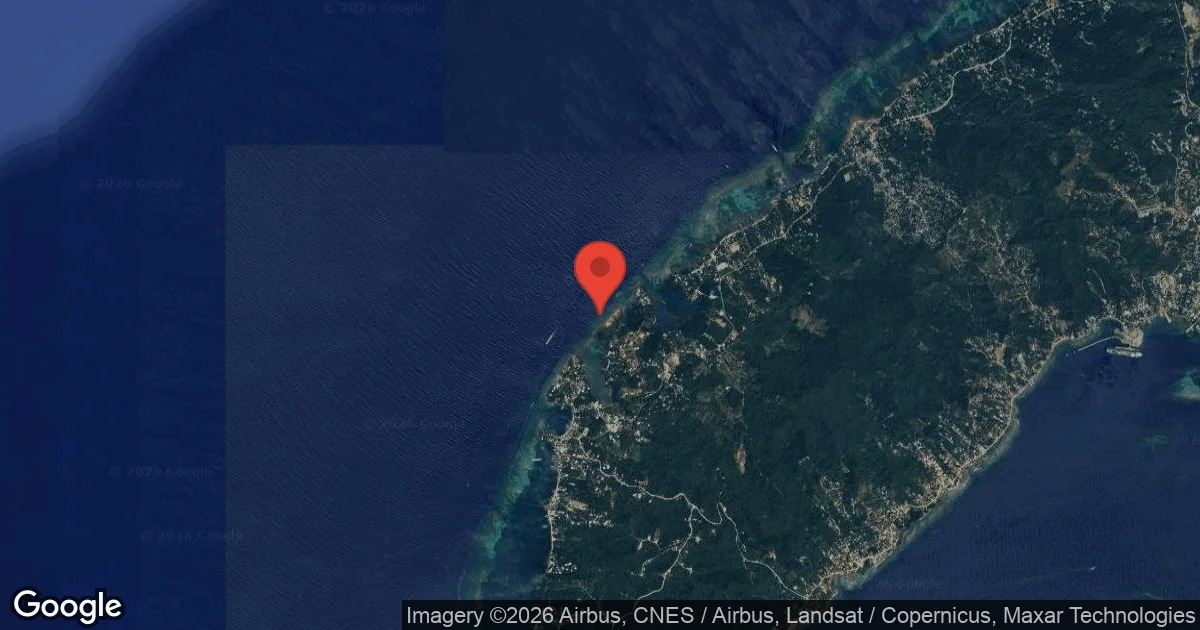
Dive Centers Near Cara-A-Cara Marco's Place Shark Dive
Today: 08:00 - 16:00
Nearest Airports
Nearest airports to help plan travel to this dive area.
Search Flights
Check available flights and routes on Expedia, using the nearby airports listed in this section.
Search Flights on ExpediaFrequently Asked Questions
What is the required diver experience for Cara-a-Cara?
This dive is exclusively for advanced certified scuba divers. Participants need excellent buoyancy control, familiarity with their gear, and the ability to handle potential strong currents at depth.
What types of sharks will I encounter?
You'll focus on Caribbean Reef Sharks. Expect to see 8-15 individuals, predominantly larger females, typically measuring between 1.5 to 2.1 meters / 5 to 7 feet.
Are there strong currents at the dive site?
Yes, strong currents are likely. Divers are briefed on navigating these conditions and are expected to descend quickly to the target depth to avoid being swept away.
Is photography or videography permitted during the dive?
While videographers may film the dive, and some operators allow digital cameras, GoPro cameras are generally restricted by shark dive operators. It's best to confirm specific camera policies in advance.
How is the shark feeding conducted?
After a period of observing and swimming with sharks, divers return to a fixed area. The Divemaster then opens a bucket of frozen fish from a safe distance, allowing sharks to feed naturally.
What is the typical maximum depth and bottom time for this dive?
Dive targets a specific depth on a flat plateau. Bottom time typically ranges from 30 to 35 minutes, providing ample opportunity for shark interaction.
Where do divers meet for the Cara-a-Cara shark dive?
Meeting point is typically at the Waihuka Dive Center's front desk in West End or Dixon Cove, Roatán. It's advisable to confirm the exact meeting location when booking your dive.
Planning to dive Cara-A-Cara Marco's Place Shark Dive?
Send one inquiry and receive offers directly from the best verified local dive operators.
Conditions are Good
Optimal conditions expected
Current conditions near Cara-A-Cara Marco's Place Shark Dive show 28° air, 30° sea temperature, 0.5 m waves, and 26 km/h wind. Forecast data is refreshed regularly to ensure accuracy.