
Diving at Wreck (India)
Descending into Inchkeith Wreck offers divers a captivating journey through maritime history. It's a challenging site where the remnants of a cargo vessel have transformed into an intriguing artificial reef. Divers with intermediate to advanced skills find satisfaction in navigating its structure and encountering the marine life that now thrives within.
Tonight's objective overview for Wreck shows an air temperature of 28°C. The measured surface conditions include wave heights around 1.4 m. This environmental data is logged for the close of the day.
Dive Site Location & Key Facts
Dive Site Overview
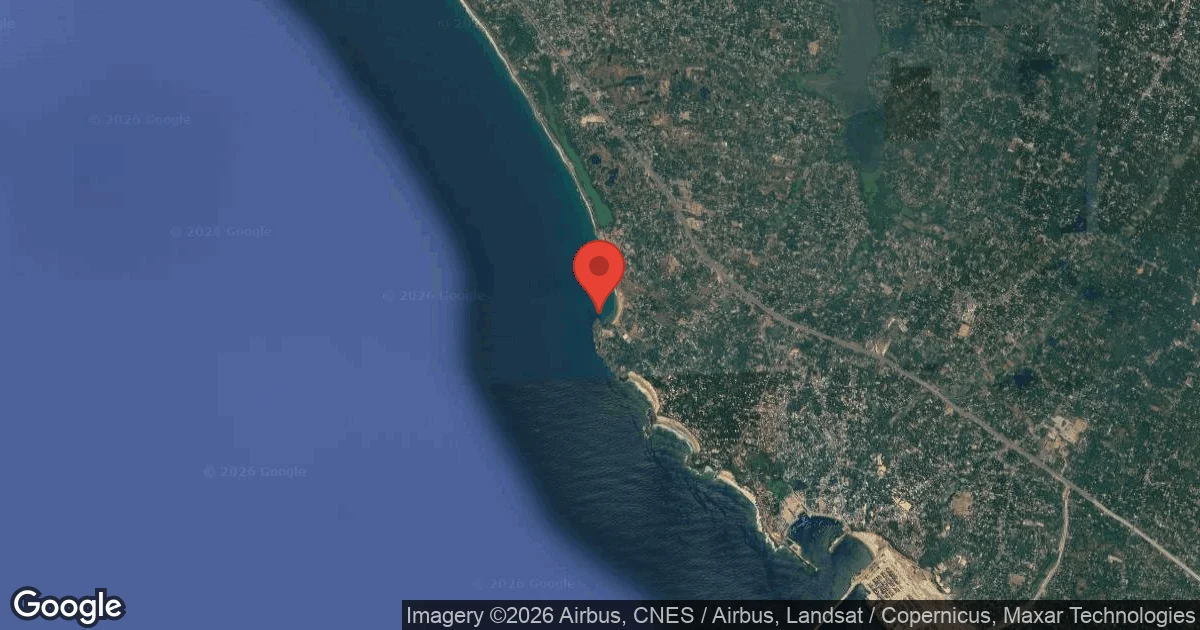
Inchkeith Wreck, a prominent dive site off Havelock Island in India, holds the remains of the SS Inchkeith, a cargo vessel that met its end in March 1955. Carrying coal and timber, the ship struck a rock near Duncan Island's inlet mouth, settling onto a sandy bottom at approximately 18 meters (60 ft).
Over decades, various marine organisms have colonized the wreck, transforming it into a vibrant underwater habitat. At its stern, a massive propeller sits upright, serving as a recognizable landmark that draws divers' attention. The vessel's structure provides shelter and feeding grounds, integrating itself with the seabed.
This artificial reef continues to evolve, offering new discoveries with each dive. Consistently low visibility often lends an air of mystery to the dive, drawing those who appreciate a more adventurous exploration of submerged history. Encountering the wreck through the haze adds to its unique character.
Conditions are Moderate
Optimal conditions expected
Current conditions near Wreck show 28° air, 28° sea temperature, 1.7 m waves, and 30 km/h wind. Forecast data is refreshed regularly to ensure accuracy.
Best Time to Dive
Diving Inchkeith Wreck is most favorable from late October through early April. During these months, the region experiences bright and pleasant weather, which supports good dive scores. Air temperatures typically range from 26°C (79°F) to 28°C (82°F). Rainfall is minimal, averaging between 1.1 mm in February and 11.9 mm in October, significantly reducing the chances of weather-related dive cancellations. Conversely, the monsoon season, generally from May to September, brings higher wave activity and increased rain, leading to moderate or poor dive scores and less predictable conditions.
PEAK SEASON SCORE
Scores combine air & water temps, waves, wind & rainfall for overall conditions.
BEST MONTHS TO DIVE
Monthly records compiled from satellite and marine observation nodes over the last 3 years. Data provided by Open-Meteo and MET Norway.
Dive Experience & Conditions
Navigating Inchkeith Wreck presents a dive experience tailored for the intermediate to advanced diver. Shallower sections of the wreck begin around 6 meters, with maximum depths extending to approximately 22 meters. Much of the main structure, including the prominent propeller, is often found around an 18-meter depth. Visibility at the site is frequently low, creating an eerie, atmospheric environment that experienced divers find compelling. Water type is salt, and surface conditions vary depending on the season, with calmer seas generally prevailing outside the monsoon months. Current strength is typically moderate, though it can pick up. Divers should be prepared for the dynamic conditions and the thrill of exploring this significant submerged feature.
Dive Difficulty & Safety Guidelines
Approaching Inchkeith Wreck requires intermediate or advanced diving certifications due to potentially low visibility and the maximum depth encountered. Divers should carry torches to enhance exploration within the darker sections of the wreck. Given the possibility of sudden rain spells, even outside peak monsoon season, dive plans can sometimes change; it's wise to consult local dive operators for the most current forecast and site conditions. Always dive within your certified limits and follow your guide's instructions.
Recommended Equipment
Overhead / entanglement risk. Wreck penetration requires proper training.
- Dive Computer
- DSMB
- Primary & Backup Lights
- Wreck Reel
- Cutting Tool
This gear list is based on verified equipment signals for Wreck, India. Always confirm final gear choices with your dive operator, guide, or liveaboard.
Recommended Dive Suit
For dives of average duration, 2-3mm shorty or light wetsuit usually provides sufficient protection from heat loss. A hood or vest is suggested for sensitive divers due to surface winds.
Current readings at Wreck show water temperatures near 28°C (82°F). Surface air temperatures are resting at 28°C (82°F).
Conditions are expected to stay fairly consistent in the days ahead.
Emergency & Medical Support
Essential information to help you plan your dive trip to wreck.

Hyperbaric chambers are a critical part of dive safety infrastructure. Availability varies significantly by region, and not all dive areas have immediate access.
Before diving, it's recommended to:
- confirm nearest medical facilities
- check emergency procedures with local dive operators
- ensure dive insurance covers evacuation if required
Divers Alert Network
Diving emergency assistance available through DAN World.
+1-919-684-9111- 24/7 emergency hotline
- Diving medical assistance
- Evacuation coordination
Emergency contacts are provided for reference. Always verify local emergency services before diving.
Marine Life at Wreck
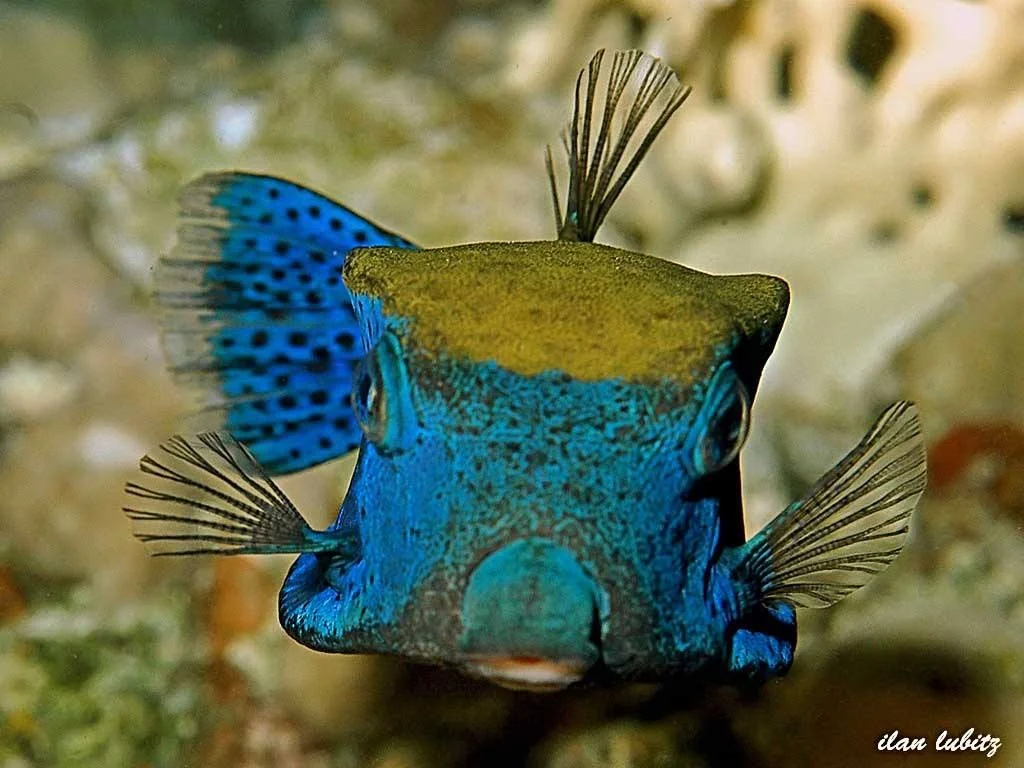
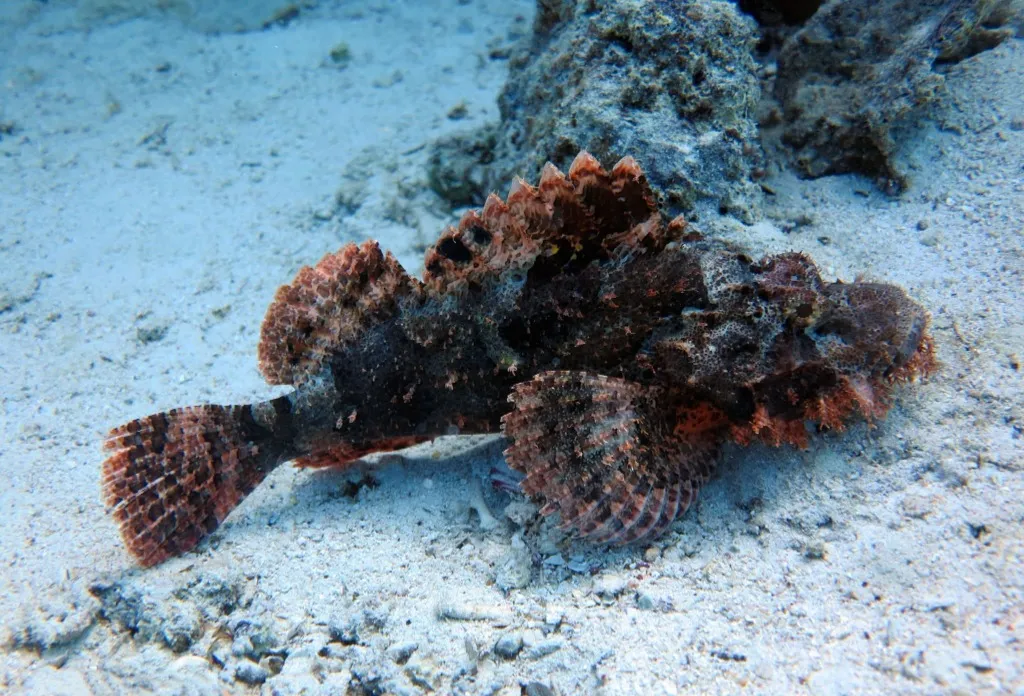
Inchkeith Wreck is a vibrant ecosystem attracting a variety of marine life. Divers often spot scorpionfish and cleaner shrimp camouflaged amidst the structure, along with patches of soft corals.
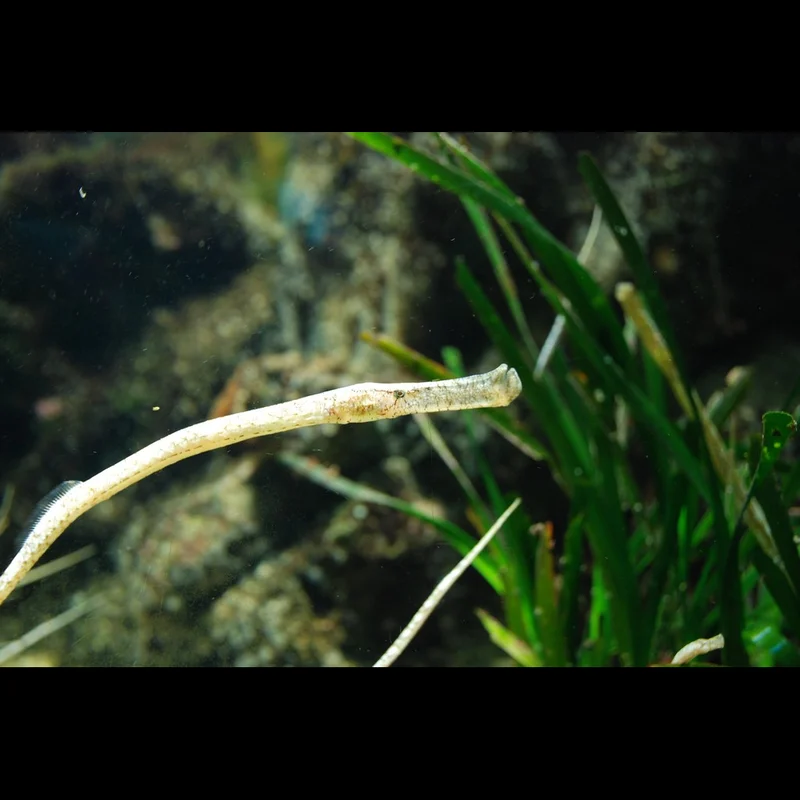
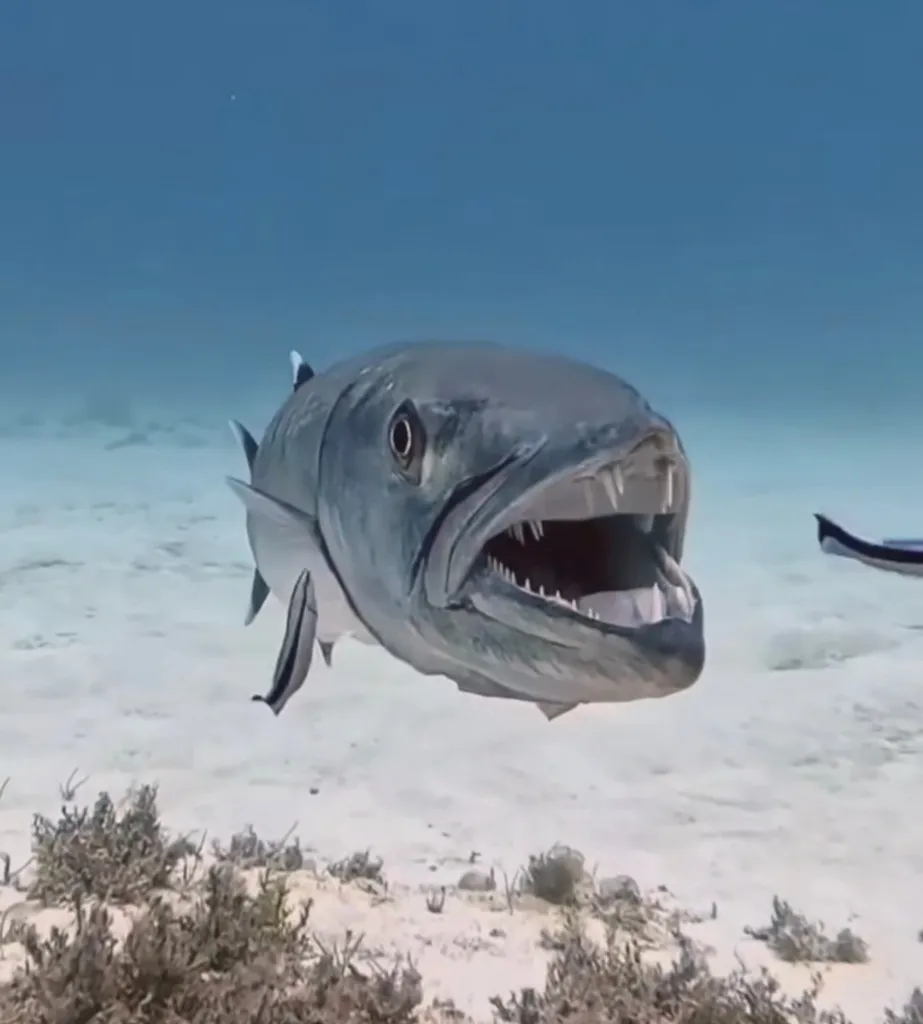
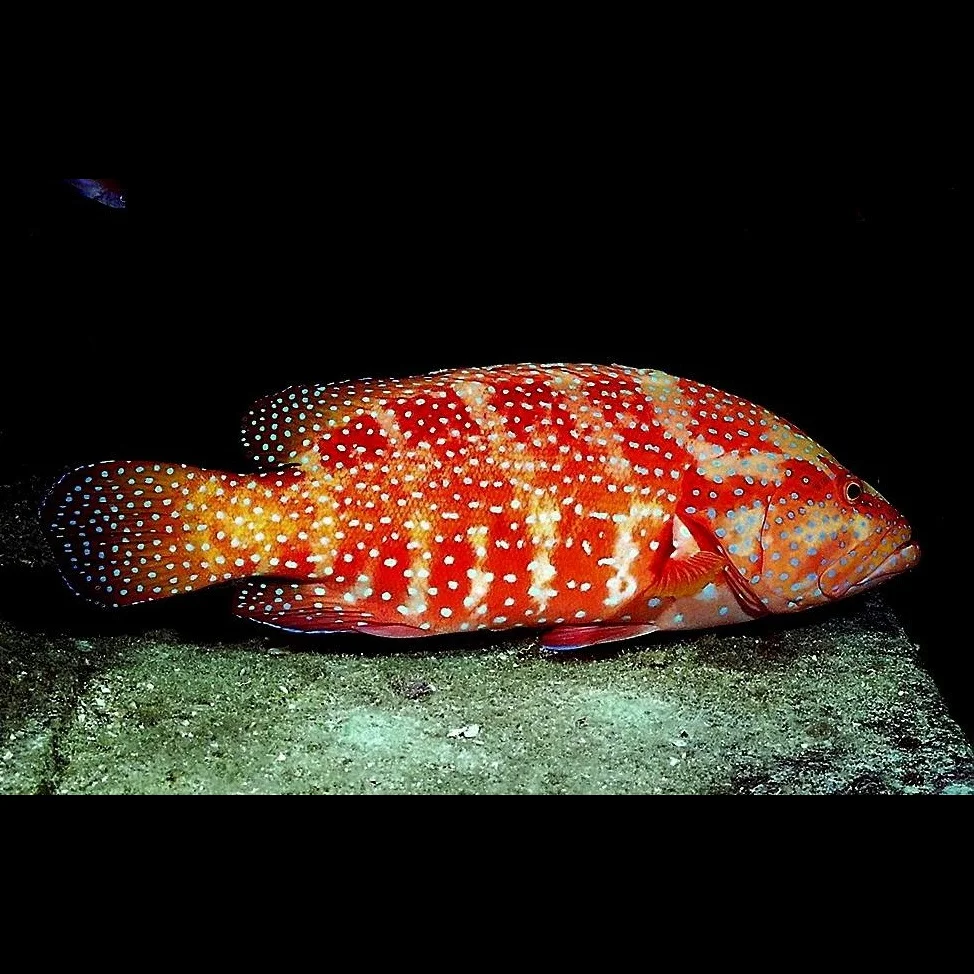
Large schools of reef fish, including boxfish, puffer fish, surgeonfish, and angelfish, frequently congregate around the wreck. Keep an eye out for great barracuda emerging from the shadows, and vibrant rainbow wrasses darting across the coral-encrusted metal. Other common sightings include sweetlips, grouper, and various types of pipefish.
Dive Sites Near Wreck
View all dive sites in IndiaDiscover more underwater gems in this area.
Dive Centers Near Wreck
Today: 07:00 - 19:00
Nearest Airports
Nearest airports to help plan travel to this dive area.
Search Flights
Check available flights and routes on Expedia, using the nearby airports listed in this section.
Search Flights on ExpediaFrequently Asked Questions
Is Inchkeith Wreck suitable for beginner divers?
Inchkeith Wreck is primarily recommended for intermediate and advanced divers. Its depth range and often low visibility demand a higher level of experience and comfort navigating challenging conditions. Beginners might find other sites in the region more appropriate.
What are the depths at Inchkeith Wreck?
The wreck itself begins around 6 meters (20 ft) and extends to a maximum depth of approximately 22 meters (72 ft). Most of the significant wreckage, including the upright propeller, is situated at about 18 meters (60 ft).
What kind of marine life can be explored at Inchkeith Wreck?
You'll find a range of marine species, including scorpionfish, cleaner shrimp, and various soft corals. Large fish like great barracuda, grouper, and sweetlips are often present, alongside reef fish such as rainbow wrasses, puffer fish, angelfish, and lionfish. The wreck acts as an artificial reef, supporting diverse ecosystems.
Is visibility generally good at Inchkeith Wreck?
Visibility at Inchkeith Wreck is not consistently reported as high; it can often be low. This condition contributes to the site's mysterious atmosphere but also means divers should be prepared with torches for better illumination and navigation. Conditions can vary, so local reports are useful.
Do I need a torch to dive Inchkeith Wreck?
Yes, carrying a torch is highly recommended for diving Inchkeith Wreck. With often low visibility and the wreck's structure creating shadowed areas, a torch will significantly improve your ability to explore the site and observe marine life.
What is the water type at Inchkeith Wreck?
Inchkeith Wreck is a saltwater dive site. The surrounding ocean conditions contribute to the overall dive experience, with tidal flows and currents varying based on local and seasonal factors.
Planning to dive Wreck?
Send one inquiry and receive offers directly from the best verified local dive operators.
Conditions are Moderate
Optimal conditions expected
Current conditions near Wreck show 28° air, 28° sea temperature, 1.7 m waves, and 30 km/h wind. Forecast data is refreshed regularly to ensure accuracy.