
Diving at Gili Mimpang (Indonesia)
Gili Mimpang presents a compelling alternative to its more frequently dived counterparts, Gili Tepekong and Gili Biaha, within the Amuk Bay area. While often considered for diving when conditions at Tepekong are too challenging, it stands as a robust and rewarding site in its own right. Its dramatic rocky outcrops, known locally as Batu Tiga, belie a vibrant underwater world.
As evening covers Gili Mimpang, the local air temperature is measured at 25°C. The current wave height at the surface is recorded at 0.8 m. These late-day readings characterize the surface conditions for the night.
Dive Site Location & Key Facts
Dive Site Overview
Three prominent rocky outcrops define Gili Mimpang from the surface, leading to its local moniker, Batu Tiga. Underwater, this site unfolds into a dynamic terrain of craggy rocks, sloping reefs, and significant walls that descend into the depths of the Lombok Strait.
Divers typically begin their exploration from the north side, making a gradual descent over a sandy bottom. This strategic entry allows time to achieve the desired depth before encountering the shallower channel situated between the main rock structures. Along the southern edge, divers will discover small caves teeming with fish and healthy soft corals.
A little further south, the wall drops sharply, marking the deep edge of the Lombok Strait. This area also boasts a diverse topography featuring hard and soft corals, alongside gorgonians, enriching the reef environment. Depths here range from 10 m (33 ft) down to 35 m (115 ft) and deeper.
Conditions are Good
Optimal conditions expected
Current conditions near Gili Mimpang show 25° air, 27° sea temperature, 1.0 m waves, and 28 km/h wind. Forecast data is refreshed regularly to ensure accuracy.
Best Time to Dive
Assessing the seasonal patterns reveals optimal diving conditions at Gili Mimpang primarily align with Indonesia's dry season, running from May through November. During these months, rainfall typically measures between 2.3 mm (0.09 in) and 6.9 mm (0.27 in), contributing to clearer conditions. Air temperatures remain comfortably warm year-round, ranging from a cooler 24.5°C (76°F) in August to a warmer 27.5°C (82°F) in November. Water temperatures fluctuate, often between 19°C to 28°C (66-82°F), with colder conditions possible during the Mola Mola season. Although September is commonly known as prime Mola Mola season, sightings have occurred as late as December, indicating their presence can extend beyond peak periods.
PEAK SEASON SCORE
Scores combine air & water temps, waves, wind & rainfall for overall conditions.
BEST MONTHS TO DIVE
Monthly records compiled from satellite and marine observation nodes over the last 3 years. Data provided by Open-Meteo and MET Norway.
Dive Experience & Conditions
Preparing for a descent at Gili Mimpang requires close attention to the prevailing currents, which vary from calm to notably strong and unpredictable, especially influenced by moon phases. Divers usually begin their entry over a sandy bottom on the north side, allowing for a controlled start before engaging with the channels between the rocky structures. While shallower reef sections are accessible, the site also presents deeper areas, extending significantly beyond typical recreational limits. This demands advanced open water certification or equivalent experience. Visibility is often impressive, ranging from 10–30 m (33–100 ft). Entering the water can be tricky due to potential up currents and strong swells, necessitating careful observation by dive professionals. Water temperatures can be variable, reaching 19-28°C (66-82°F); be prepared for colder water during specific seasons.
Dive Difficulty & Safety Guidelines
Navigating Gili Mimpang demands significant respect for its often strong and tricky currents, which can intensify with moon phases and create challenging upcurrents and swells. This site is specifically recommended for Advanced Open Water divers or those with equivalent experience, possessing a confident command of current diving techniques. Dive professionals intimately familiar with the local conditions are crucial for assessing daily safety and determining viable dive areas; they may limit access to only the east or west ends depending on the conditions.
Divers should maintain good physical fitness and be prepared to follow the dive professional's judgment implicitly. Consideration for Drift Diver and Deep Diver specialties is advised for those planning to explore this dynamic environment.
Recommended Equipment
- Dive Computer
This gear list is based on verified equipment signals for Gili Mimpang, Indonesia. Always confirm final gear choices with your dive operator, guide, or liveaboard.
Recommended Dive Suit
2-3mm shorty or light wetsuit is frequently recommended by dive operators for conditions like these. A hood or vest is suggested for sensitive divers due to surface winds. Those diving at Gili Mimpang today will likely encounter water temperatures in the region of 27°C (81°F). Surface air temperatures are resting at 25°C (77°F).
Forecast conditions over the next few days suggest temperatures will remain relatively stable.
Even small thermoclines can occasionally cause noticeable changes in water temperature.
Emergency & Medical Support
Essential information to help you plan your dive trip to Gili Mimpang.

Hyperbaric chambers are a critical part of dive safety infrastructure. Availability varies significantly by region, and not all dive areas have immediate access.
Before diving, it's recommended to:
- confirm nearest medical facilities
- check emergency procedures with local dive operators
- ensure dive insurance covers evacuation if required
Divers Alert Network
Diving emergency assistance available through DAN World.
+1-919-684-9111- 24/7 emergency hotline
- Diving medical assistance
- Evacuation coordination
Emergency contacts are provided for reference. Always verify local emergency services before diving.
Marine Life at Gili Mimpang
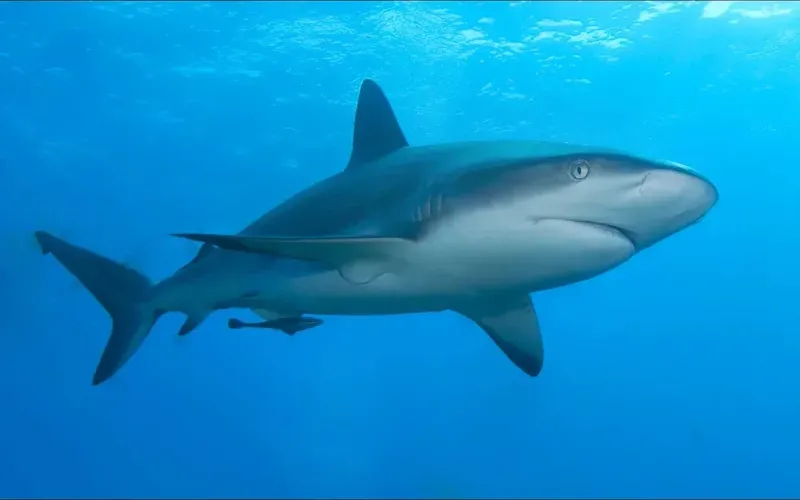
Around the southern edge, divers frequently first notice small caves, often brimming with schooling fish and vibrant soft corals, notably glass fish. Exploring deeper along the western side, white tip reef sharks are a common sight, though they tend to keep their distance.
Seasonally, the site offers the chance to encounter the majestic Mola Mola, or Oceanic Sunfish, believed to visit for parasite cleaning by banner fish. Other notable residents include various trevally, sweetlips, and healthy coral ridges that support a diverse array of smaller reef inhabitants.

Dive Sites Near Gili Mimpang
View all dive sites in IndonesiaDiscover more underwater gems in this area.
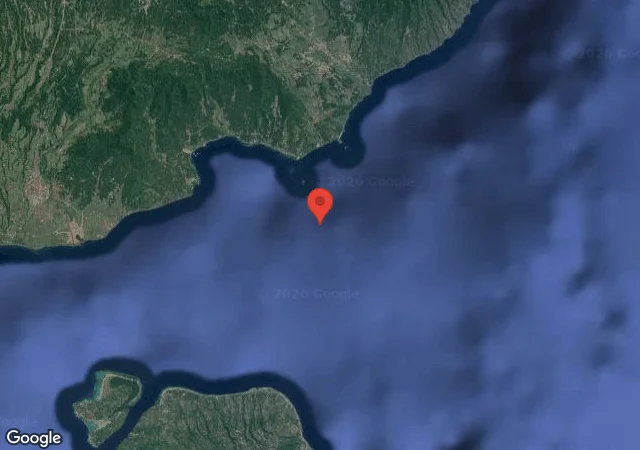
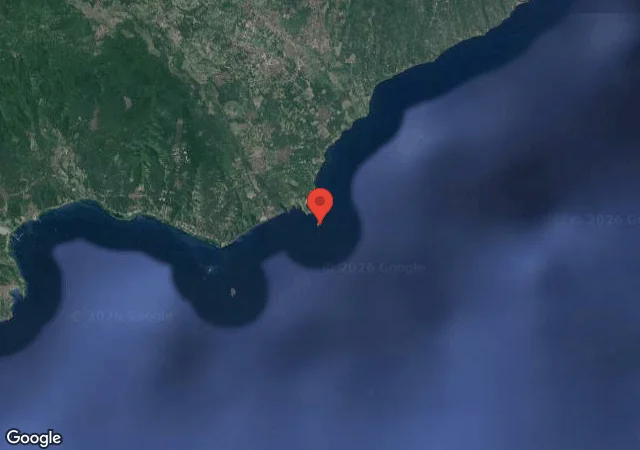
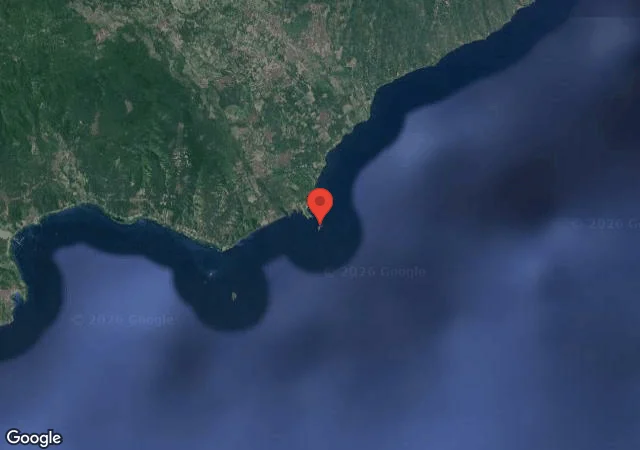
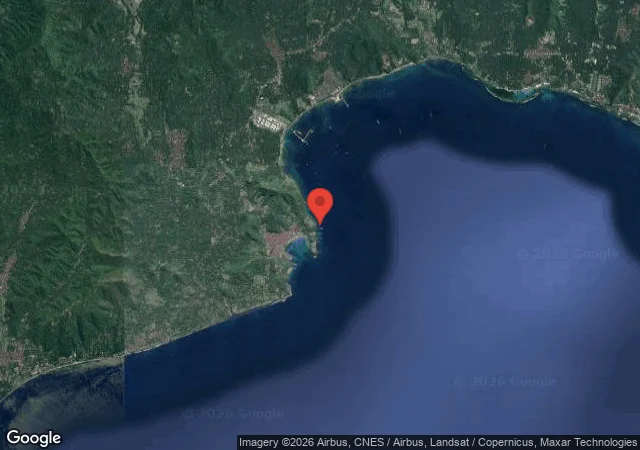
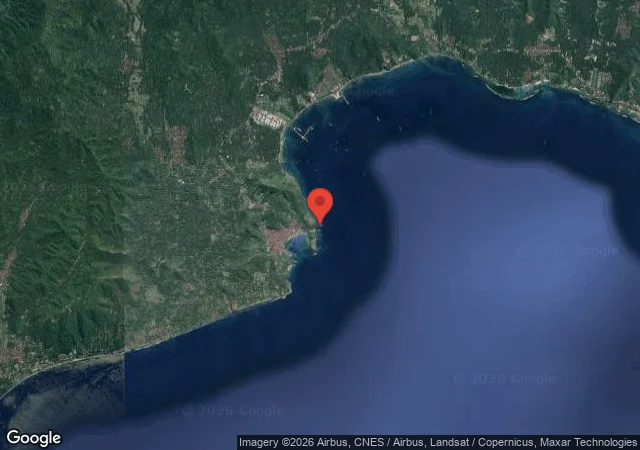
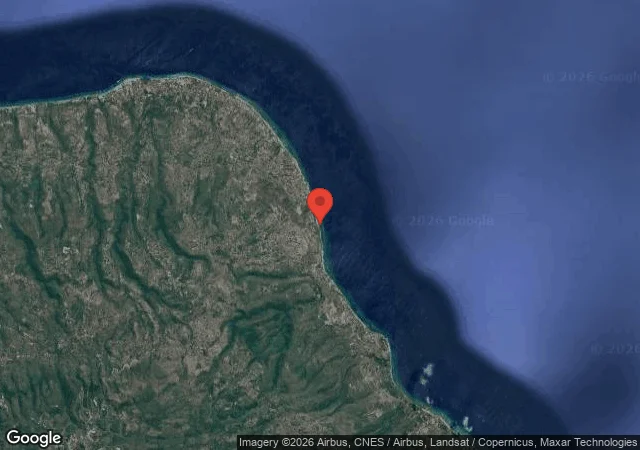
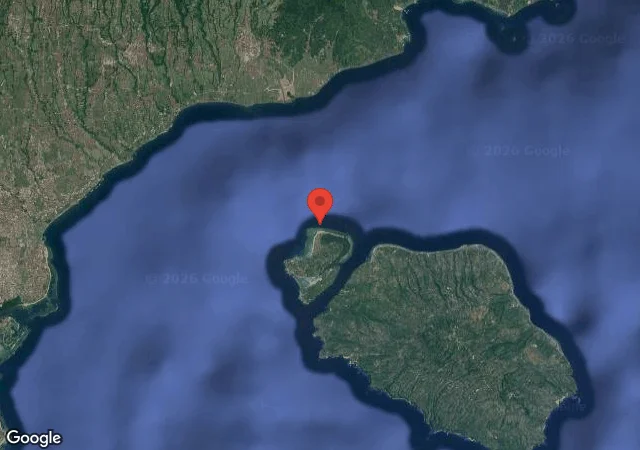
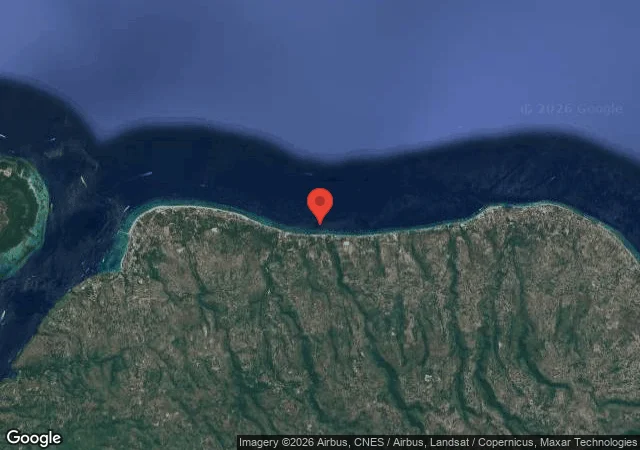
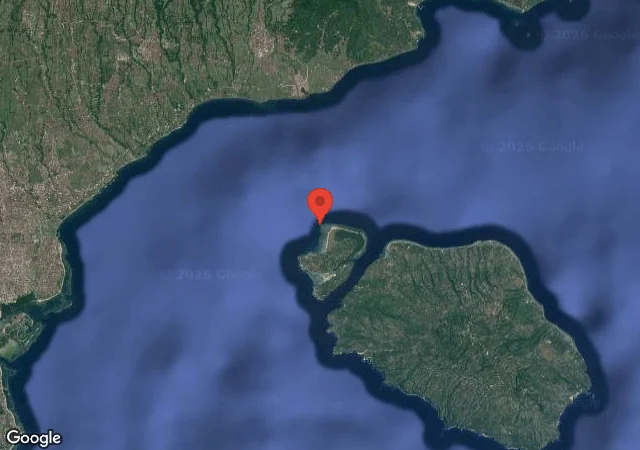
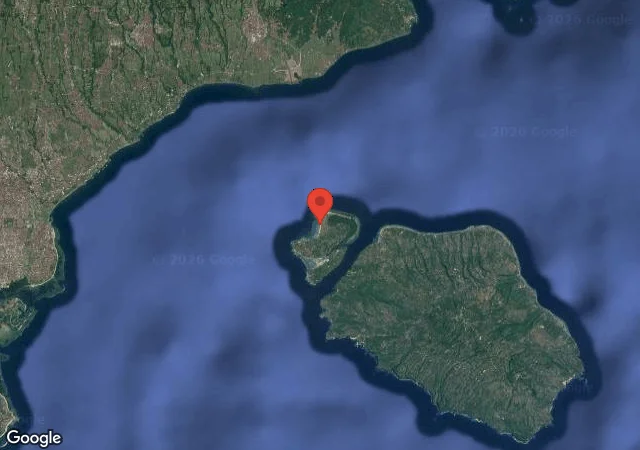
Dive Centers Near Gili Mimpang
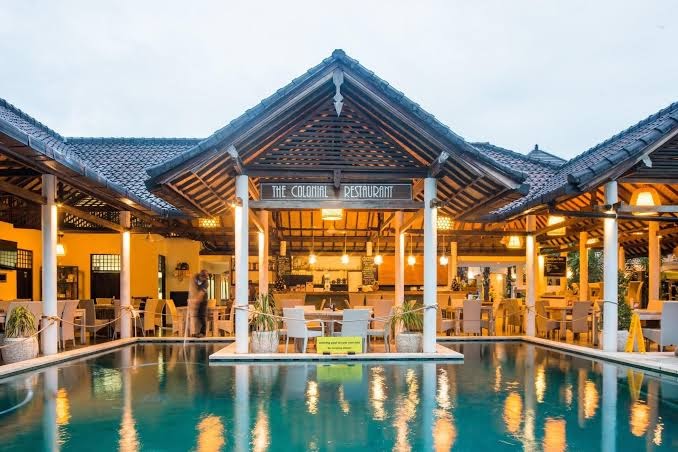
Nearest Airports
Nearest airports to help plan travel to this dive area.
Search Flights
Check available flights and routes on Expedia, using the nearby airports listed in this section.
Search Flights on ExpediaFrequently Asked Questions
What is Gili Mimpang also known as?
Gili Mimpang is locally referred to as Batu Tiga, which translates to 'three rocks' in Bahasa Indonesia. This name comes from the three large rock structures visible from the surface.
What is the typical depth range at Gili Mimpang?
Exploring Gili Mimpang reveals a diverse range of depths. Divers will encounter shallower reef sections and walls that descend to advanced depths. This caters primarily to experienced divers.
What is the recommended diver experience level for Gili Mimpang?
Gili Mimpang is recommended for Advanced Open Water divers or those with equivalent experience. Divers should be confident in current conditions and possess good physical fitness.
Are currents always strong at Gili Mimpang?
Currents at Gili Mimpang vary depending on conditions and are often strong and unpredictable, particularly influenced by moon phases. However, they are not consistently strong, and some dives can be calmer.
When is the best time to see Mola Mola at Gili Mimpang?
While September is known as the primary Mola Mola (Oceanic Sunfish) season, sightings have been reported as late as December. Their presence depends on specific environmental conditions and luck.
What kind of marine life can be seen besides Mola Mola?
Beyond seasonal Mola Mola, divers can expect to see white tip reef sharks, large schools of trevally, sweetlips, and glass fish within the site's caves. Healthy soft corals and gorgonians also thrive here.
How is the dive entry typically managed?
Entry usually begins on the north side, directly in front of the middle islet, over a sandy bottom. Dive professionals carefully observe currents and swells to determine the safest entry point for the day.
Planning to dive Gili Mimpang?
Send one inquiry and receive offers directly from the best verified local dive operators.
Conditions are Good
Optimal conditions expected
Current conditions near Gili Mimpang show 25° air, 27° sea temperature, 1.0 m waves, and 28 km/h wind. Forecast data is refreshed regularly to ensure accuracy.