
Diving at Blue Lagoon (Indonesia)
Blue Lagoon's underwater landscape transitions from gentle slopes to impressive walls, offering varied dive profiles. Starting in a shallow bay, it caters to divers exploring vibrant bommies at 3-5 m (10-16 ft), while also featuring a deep wall and a separate reef section, Tanjung Sari, reaching 15-18 m (50-60 ft). Certain reef areas extend deeper, making its max depth up to 30 m (100 ft) accessible for various experience levels.
As evening covers Blue Lagoon, the local air temperature is measured at 28°C. The current wave height at the surface is recorded at 1 m. These late-day readings characterize the surface conditions for the night.
Dive Site Location & Key Facts
Dive Site Overview
A prominent feature of Blue Lagoon is its diverse topography, set within a protected small bay off Bali's east coast, just a five-minute boat ride from Padang Bai. The site primarily consists of a white sandy bottom and slope, which may initially seem unremarkable, but holds surprising marine life.
Divers can choose to explore the shallower bommies and colorful reef sections or venture towards the deep wall on the right side when facing the shore. On the left, the extensive Tanjung Sari reef provides another distinct dive experience, though both cannot typically be covered in a single dive. The reef itself starts around 5 m (16 ft) and gradually slopes down.
Calm, protected conditions here make it an excellent location for Open Water Diver courses and introductory dives.
Conditions are Excellent
07:00 - 14:00
Optimal conditions expected
Current conditions near Blue Lagoon show 28° air, 27° sea temperature, 0.9 m waves, and 17 km/h wind. Forecast data is refreshed regularly to ensure accuracy.
Best Time to Dive
Visibility at Blue Lagoon can vary, sometimes reported as poor or murky, yet occasionally reaching up to 30 meters. Dive scores consistently rate as 'Good' across all months, suggesting year-round diving potential. Air temperatures remain warm, averaging from 25°C (77°F) in August to 27°C (81°F) in March, ensuring comfortable surface conditions. Rainfall is generally moderate, with monthly averages ranging from a low of 2.13 mm in October to a high of 8.25 mm in February. While rain may briefly impact surface conditions, the protected nature of the bay helps maintain relatively calm waters, even with average wave heights typically between 0.95 and 1.3 meters.
PEAK SEASON SCORE
Scores combine air & water temps, waves, wind & rainfall for overall conditions.
BEST MONTHS TO DIVE
Monthly records compiled from satellite and marine observation nodes over the last 3 years. Data provided by Open-Meteo and MET Norway.
Dive Experience & Conditions
Understanding the current dynamics at Blue Lagoon reveals typically mild and easy conditions, making for a relaxing dive experience. This site is well-suited for novice divers, including those undertaking PADI Discover Scuba Diving programs. Despite the general calm, visibility is not consistently reported and can fluctuate, sometimes being less than ideal. The site's protected location significantly contributes to its tranquil underwater environment. For those exploring 'The Channel Dive Site,' situated just in front of the beach, divers must be aware that boat traffic may impact dive times and access, requiring careful planning with local operators.
Dive Difficulty & Safety Guidelines
Primary considerations for diving safely at Blue Lagoon include being mindful of localized boat traffic, particularly when diving 'The Channel Dive Site' where operations are restricted to specific times. While the main Blue Lagoon site is a boat dive, maintaining situational awareness on ascents is always prudent. The mild currents contribute to a safer environment for beginners, however, divers should always follow their dive leader's instructions and stay within their certified limits.
Planning your dive to either the shallower bommies or the deeper wall/Tanjung Sari reef is important, as combining both in a single dive is not practical.
Recommended Equipment
- Dive Computer
This gear list is based on verified equipment signals for Blue Lagoon, Indonesia. Always confirm final gear choices with your dive operator, guide, or liveaboard.
Recommended Dive Suit
With water temperatures around 27°C (80°F), many divers find a 2-3mm shorty or light wetsuit provides comfortable protection.
Being prepared with flexible exposure options is a common approach among experienced divers.
Environmental conditions may feel slightly cooler as the week progresses. Cooler days are ahead; you might want a warmer option for later in the week. A warmer option can provide additional comfort if conditions shift.
Due to technical issues with our weather providers, live updates are temporarily delayed. The data above reflects the conditions at the time of the last successful fetch.
Emergency & Medical Support
Essential information to help you plan your dive trip to Blue Lagoon.

Hyperbaric chambers are a critical part of dive safety infrastructure. Availability varies significantly by region, and not all dive areas have immediate access.
Before diving, it's recommended to:
- confirm nearest medical facilities
- check emergency procedures with local dive operators
- ensure dive insurance covers evacuation if required
Divers Alert Network
Diving emergency assistance available through DAN World.
+1-919-684-9111- 24/7 emergency hotline
- Diving medical assistance
- Evacuation coordination
Emergency contacts are provided for reference. Always verify local emergency services before diving.
Marine Life at Blue Lagoon
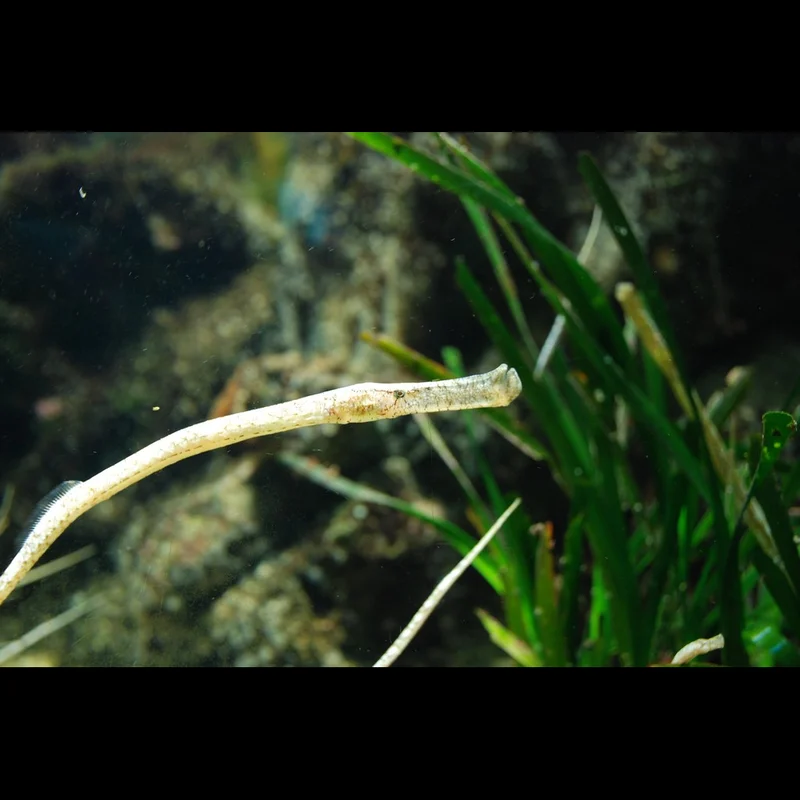
Among the first marine residents divers often notice at Blue Lagoon are the many unique nudibranchs and pipefishes, making it a favored spot for macro photographers. Beyond these smaller creatures, the site hosts a diverse array of life.
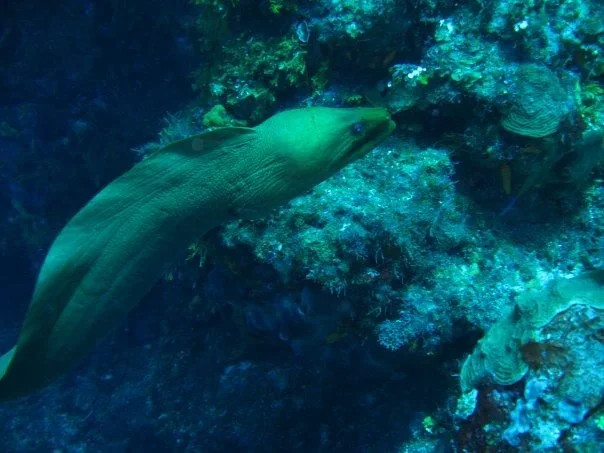
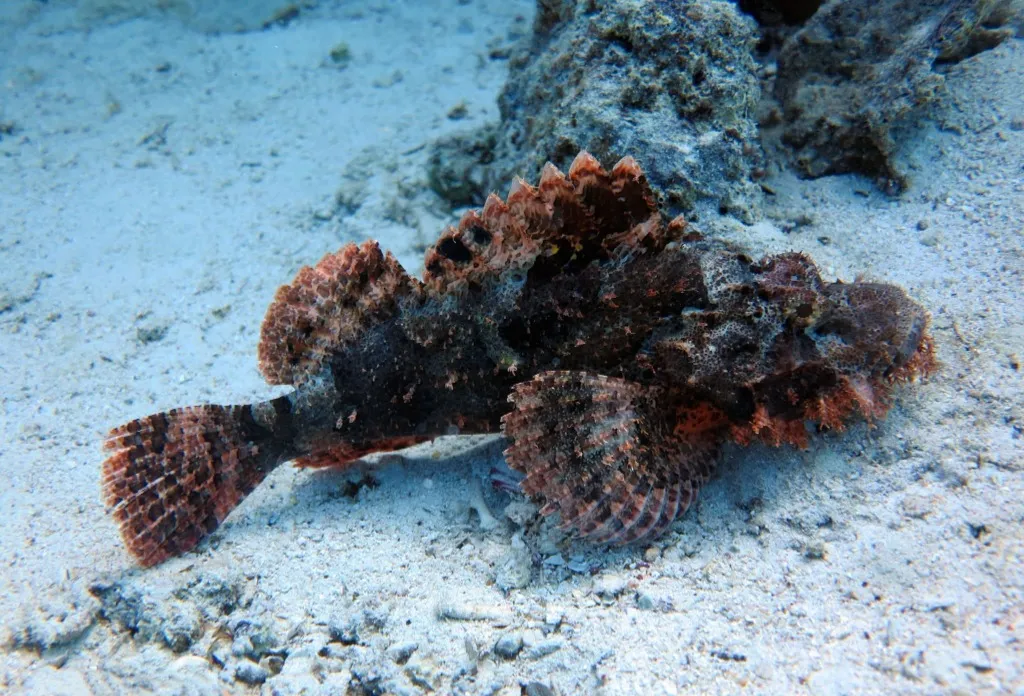
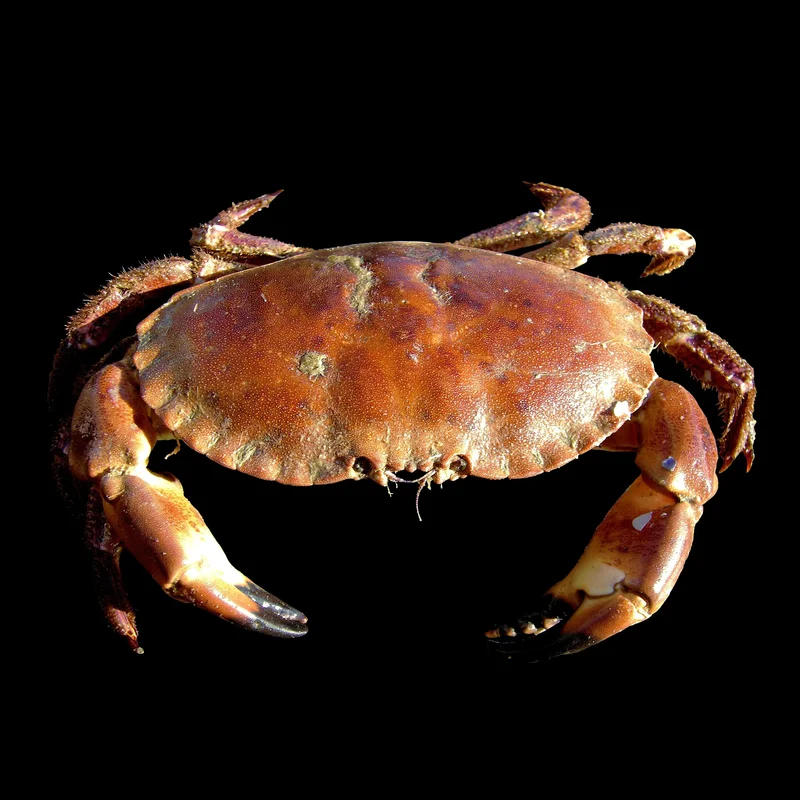
Divers can spot turtles, cuttlefish, and a variety of crabs and eels. You might also encounter scorpionfish, lionfish, and moray eels tucked into the scattered reef patches.
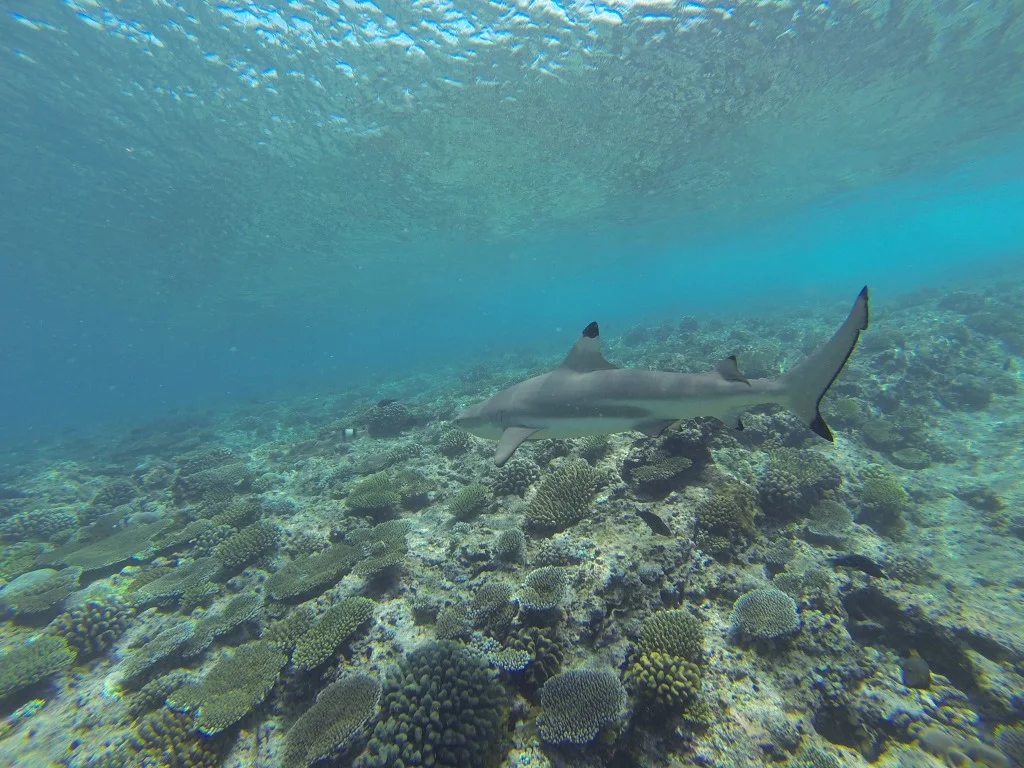
Larger inhabitants include blue-spotted rays, a resident Napoleon wrasse, squid, octopus, and sea snakes. Keep an eye out for various shark species, including white-tip, black-tip, and the less common cat sharks.
Dive Sites Near Blue Lagoon
View all dive sites in IndonesiaDiscover more underwater gems in this area.
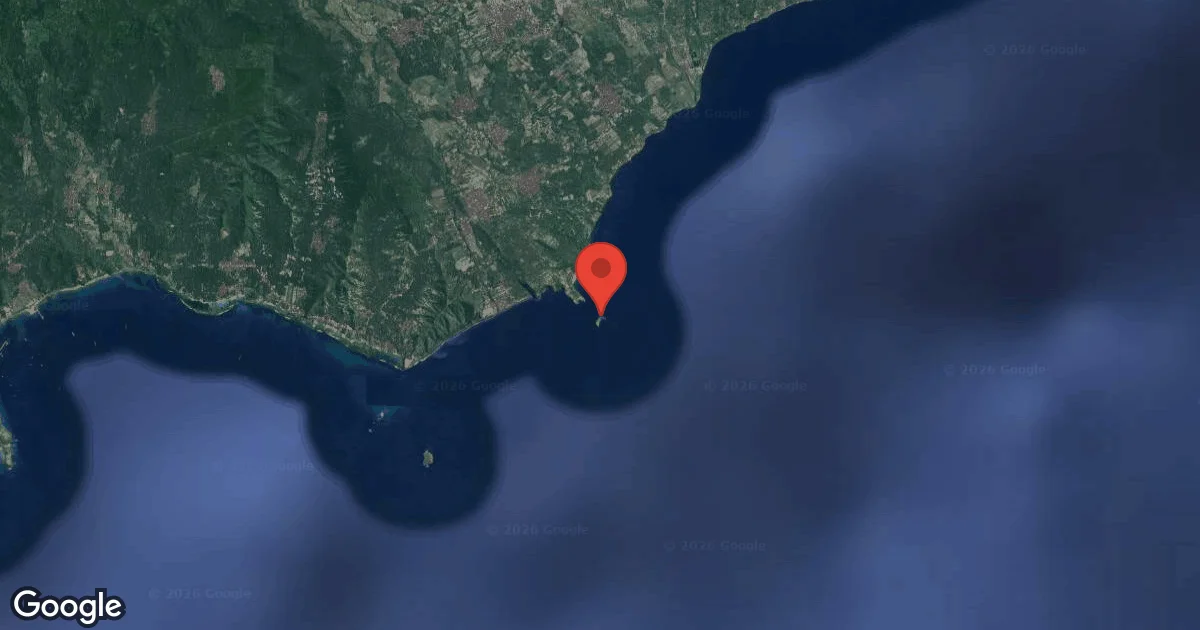
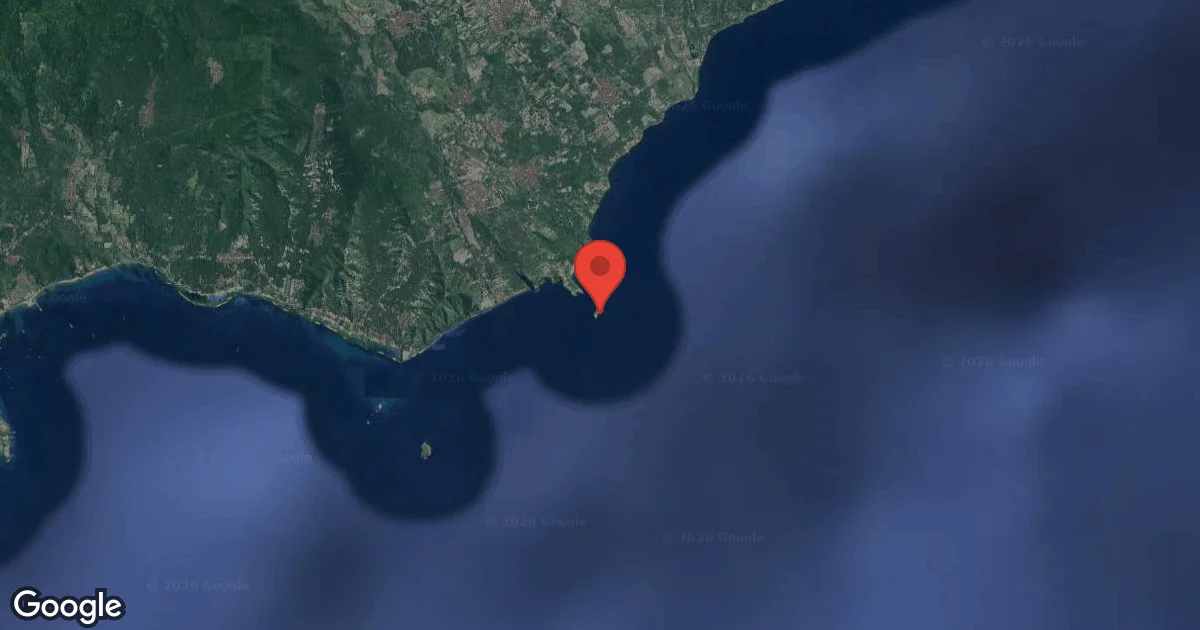
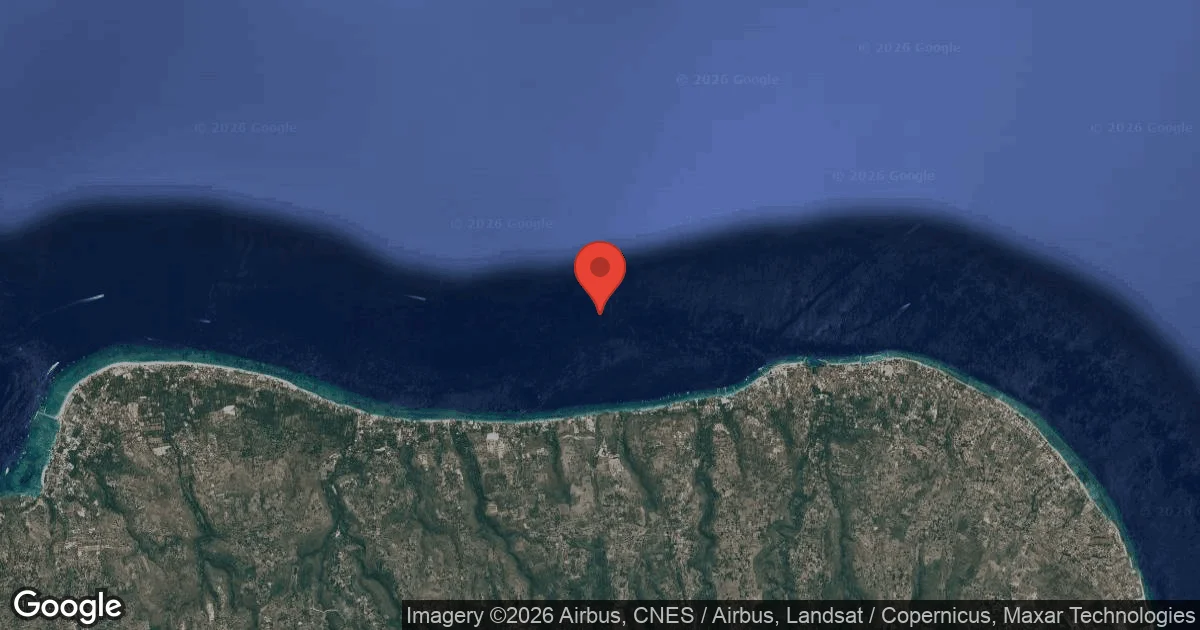
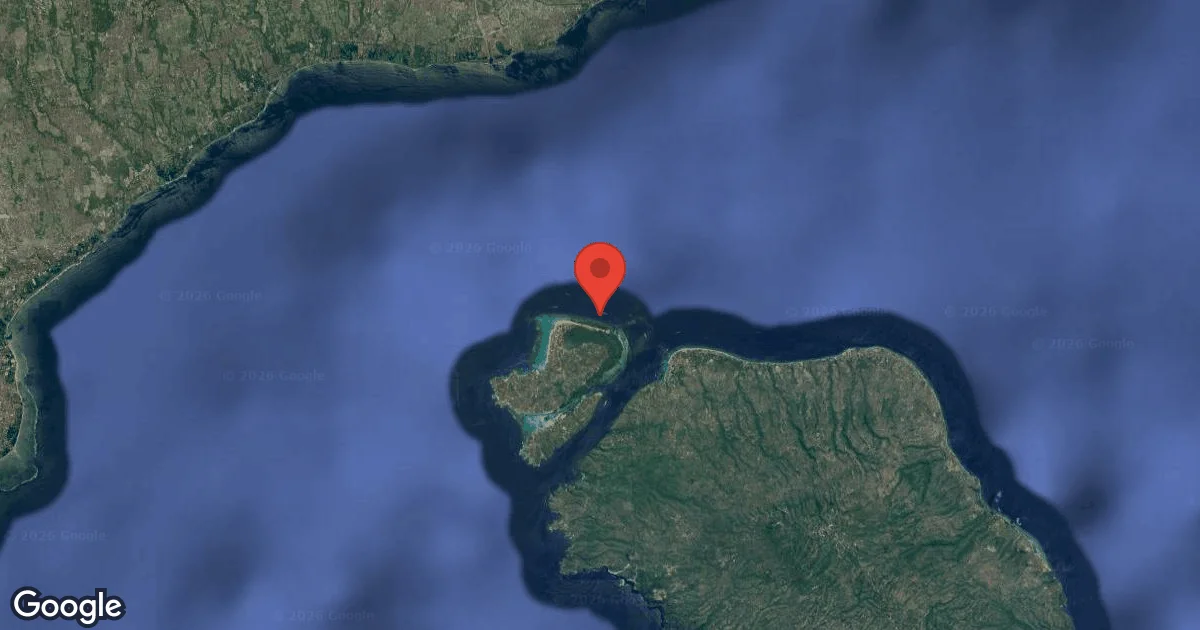
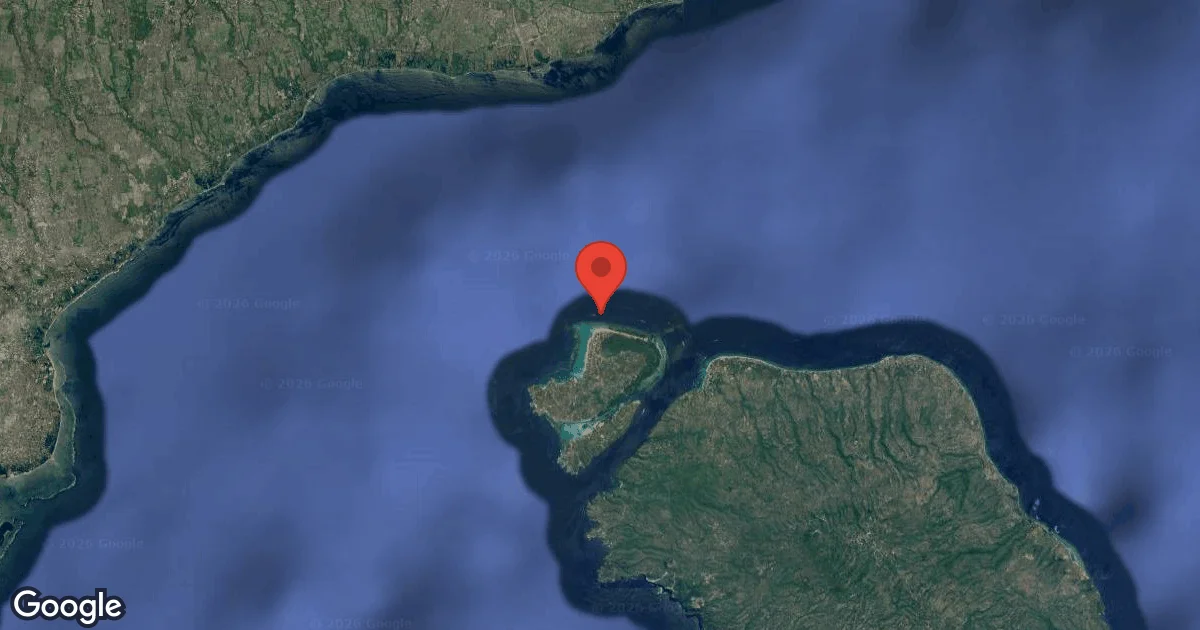
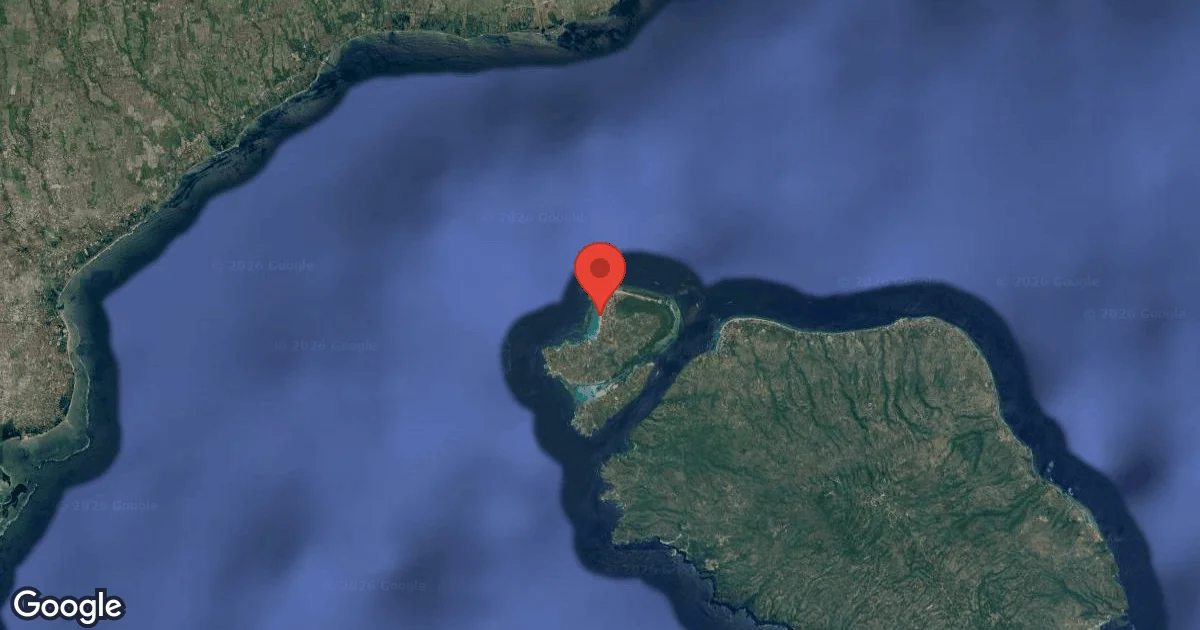
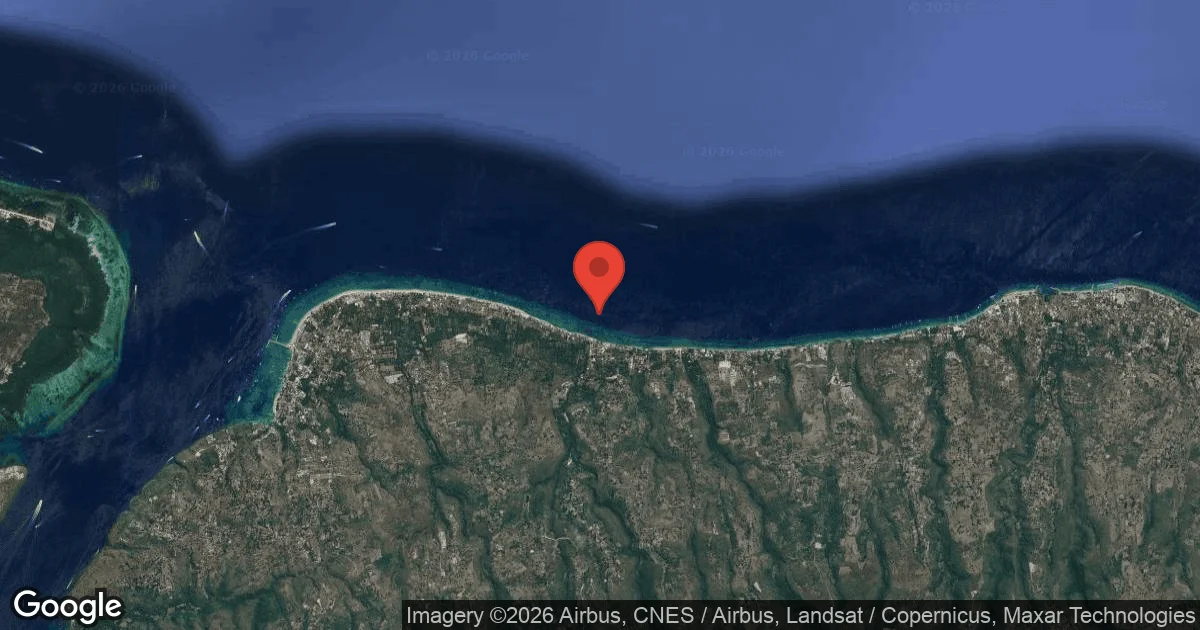
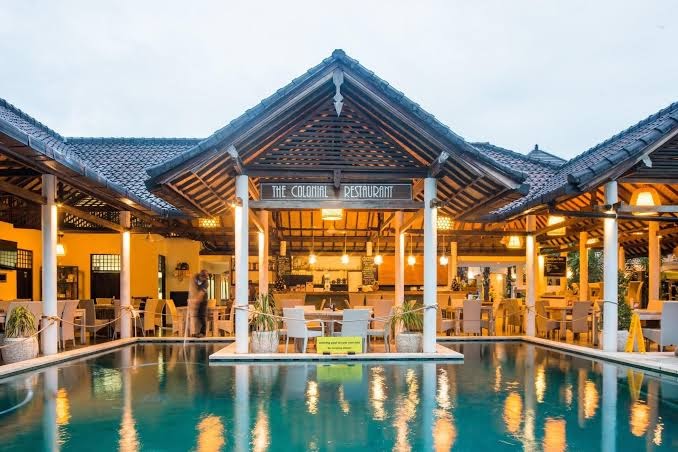
Dive Centers Near Blue Lagoon
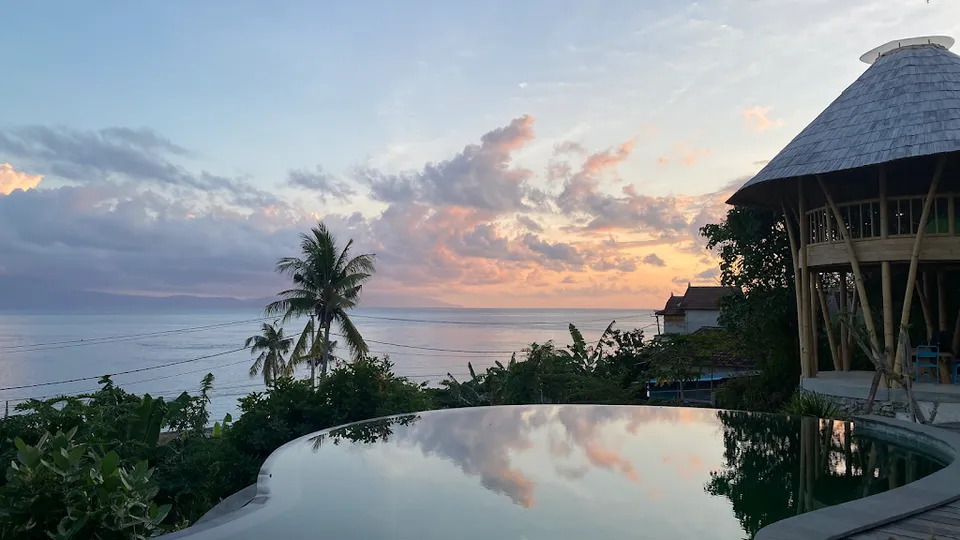
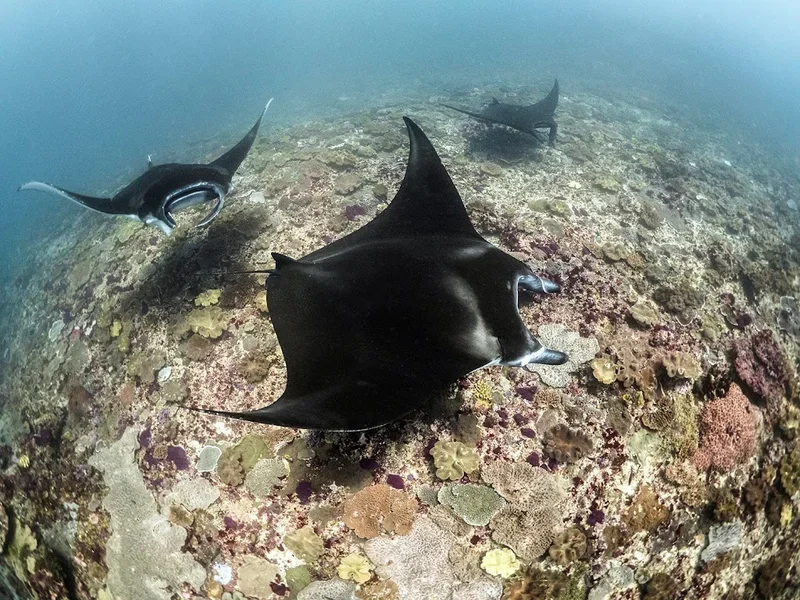
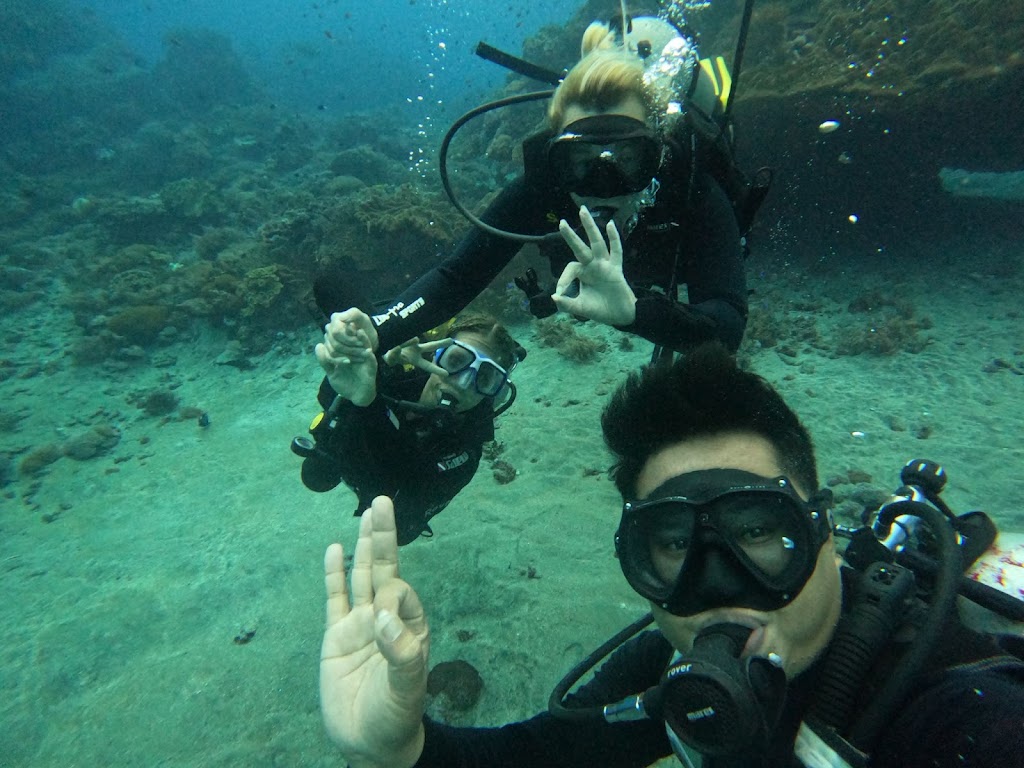
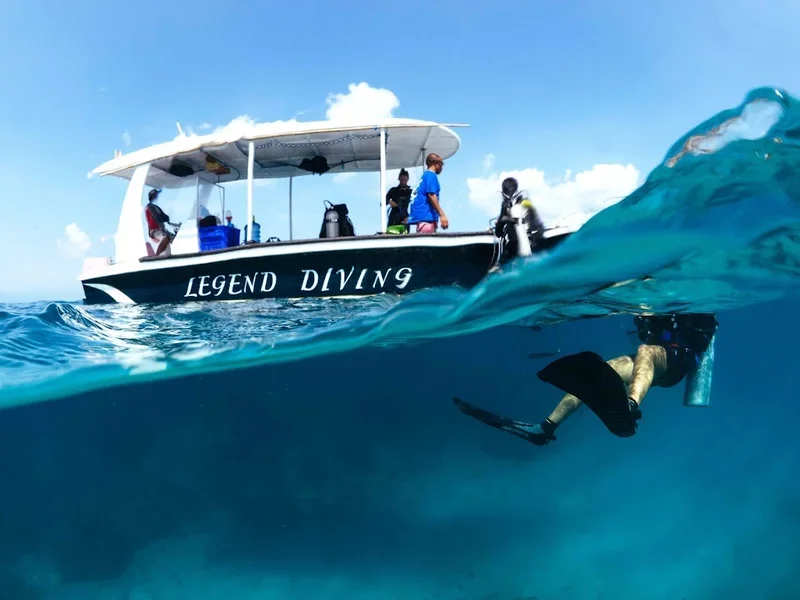

Nearest Airports
Nearest airports to help plan travel to this dive area.
Search Flights
Check available flights and routes on Expedia, using the nearby airports listed in this section.
Search Flights on ExpediaFrequently Asked Questions
What is the typical dive depth range at Blue Lagoon?
Divers can explore shallower reef patches and bommies, often around 3 to 5 meters. Deeper sections, including the main wall and Tanjung Sari reef, extend into the recreational depth range of 15 to 18 meters. The site's overall maximum depth reaches approximately 30 meters.
Is Blue Lagoon suitable for novice divers?
Yes, conditions are typically mild and easy, making it very suitable for beginners and introductory dive experiences. Its protected bay environment helps maintain tranquil underwater conditions, despite variable visibility.
What kind of marine life can be observed at Blue Lagoon?
The site is known for its macro life, including various nudibranchs and pipefishes. Divers might also spot turtles, cuttlefish, moray eels, and blue-spotted rays. Occasional sightings of white-tip or black-tip sharks are possible.
How are the currents at Blue Lagoon?
Currents are generally mild and easy, contributing to a relaxing dive experience. This calm environment is a significant factor in its suitability for less experienced divers.
Can divers explore both the main Blue Lagoon site and Tanjung Sari reef during one dive?
No, the extensive nature of both the main site's features and the Tanjung Sari reef means they are typically treated as separate dives. It's best to plan your dive to focus on one area to fully appreciate it.
What is the visibility like at Blue Lagoon?
Visibility can fluctuate significantly. While sometimes reported as poor or murky, it can occasionally reach up to 30 meters, varying depending on daily conditions.
What is the best time of year to dive Blue Lagoon?
Dive scores consistently rate as 'Good' across all months, indicating year-round diving potential. Surface conditions are generally comfortable, with warm air temperatures throughout the year.
Planning to dive Blue Lagoon?
Send one inquiry and receive offers directly from the best verified local dive operators.
Conditions are Excellent
07:00 - 14:00
Optimal conditions expected
Current conditions near Blue Lagoon show 28° air, 27° sea temperature, 0.9 m waves, and 17 km/h wind. Forecast data is refreshed regularly to ensure accuracy.