
Diving at Gili Biaha (Indonesia)
Approaching Gili Biaha, divers immediately sense the adventurous spirit of this site off Bali's east coast. This site is a magnet for advanced divers drawn by its dramatic underwater topography and the promise of exhilarating encounters. It features a notable shark cave and can present robust currents. The experience here tests skill while offering profound underwater exploration.
As evening covers Gili Biaha, the local air temperature is measured at 25°C. The current wave height at the surface is recorded at 0.8 m. These late-day readings characterize the surface conditions for the night.
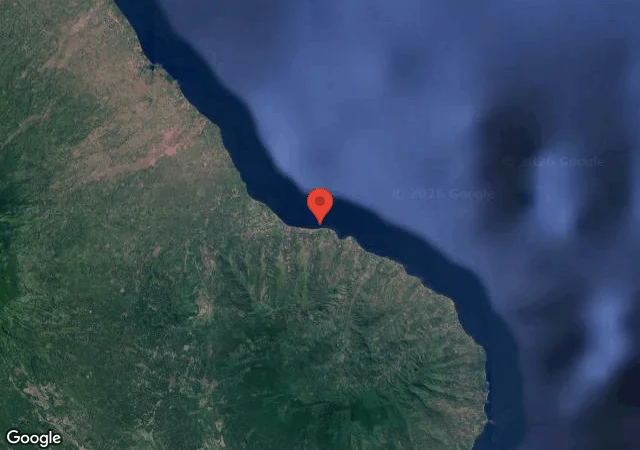
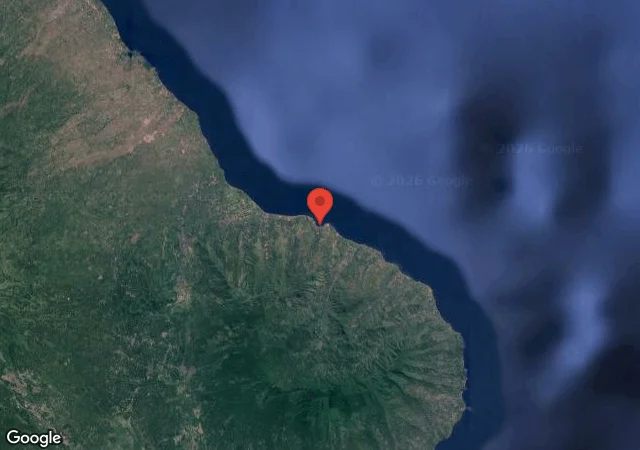
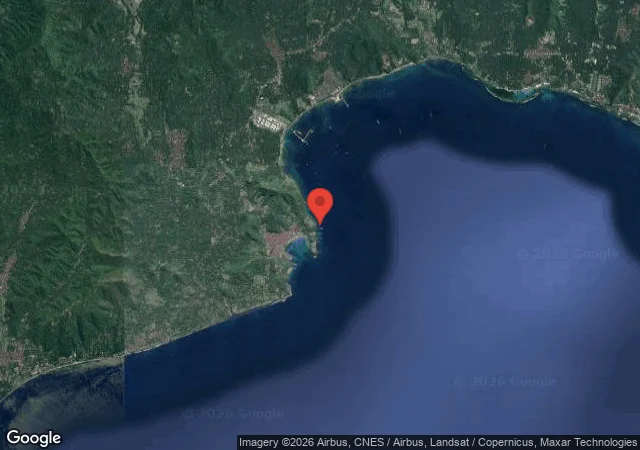
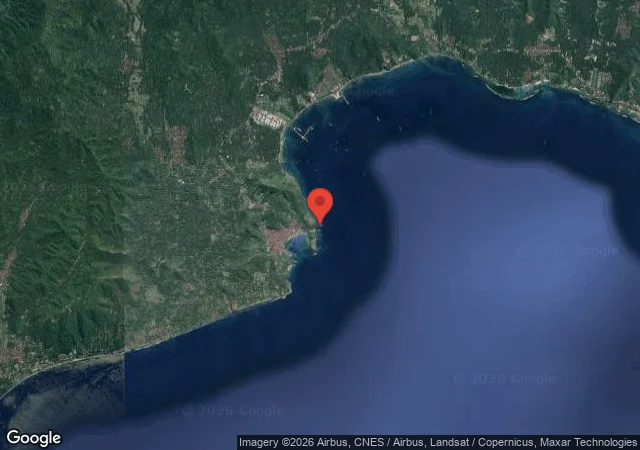
Dive Site Location & Key Facts
Dive Site Overview
What sets Gili Biaha apart is its dynamic duality, offering both the thrilling Shark Cave and the rich Biaha Slope. This dive destination, a 25-minute boat ride north of Padang Bai, presents a compelling mix of topography from rocky areas to extensive coral reefs and dramatic drop-offs.
Depths here commonly range between 10-40 m / 32-130 ft, accommodating varied dive plans. Visibility is consistently good, often extending 20-30 m / 65-98 ft, allowing clear views of the vibrant surroundings. While some areas are approachable, the site overall demands experience due to potentially strong and unpredictable currents.
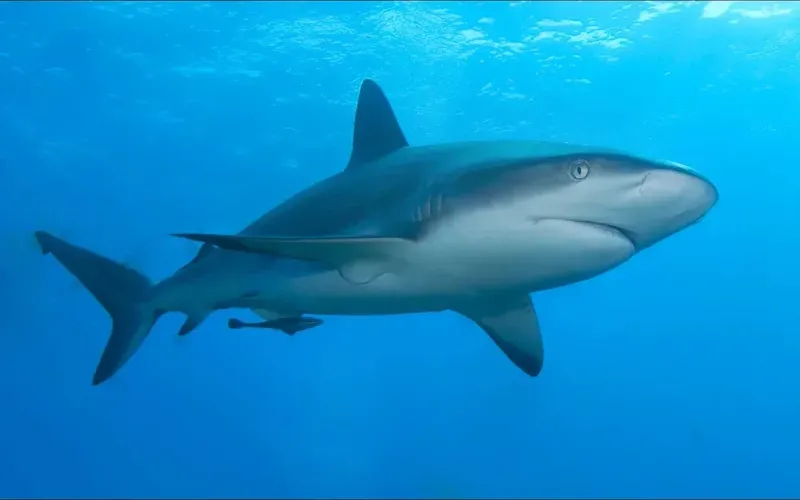
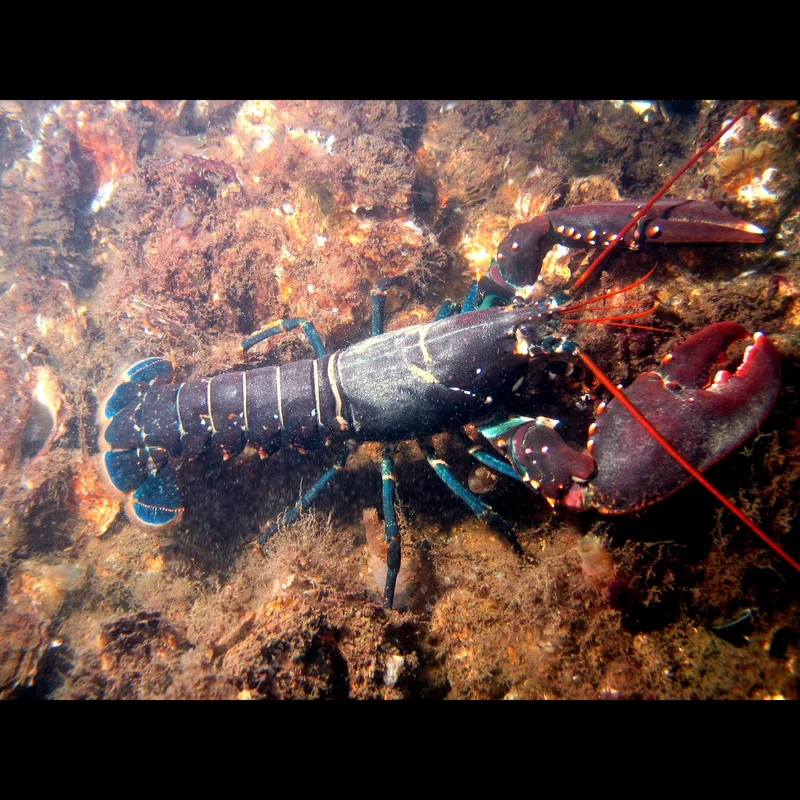
The Shark Cave itself is a highlight, where white tip reef sharks are often seen resting in the shadows alongside lobsters and lionfish. Beyond the cave, a diverse array of marine life inhabits the coral gardens and rocky outcrops, including vibrant reef fish, eels, and occasional large pelagics.
Intricate soft corals, gorgonians, and black corals create macro opportunities for observant divers. This site truly requires careful planning and an experienced dive professional, making it a distinctive challenge and a rewarding adventure for those prepared for its conditions.
Conditions are Good
Optimal conditions expected
Current conditions near Gili Biaha show 25° air, 28° sea temperature, N/A waves, and 16 km/h wind. Forecast data is refreshed regularly to ensure accuracy.
Best Time to Dive
Optimal diving conditions at Gili Biaha generally prevail from April through October, though the site remains accessible year-round. During these months, average monthly rainfall decreases significantly, often dropping to 2-6 mm, compared to the wetter months early in the year which can see over 12 mm. Air temperatures during this peak season are comfortably warm, typically ranging from 25°C to 27°C / 77°F to 81°F, creating pleasant surface intervals. Water temperatures tend to fluctuate between 24-29°C / 75-84°F, which supports a wide array of marine species. While currents are a consistent factor at Gili Biaha, they may be slightly less intense during certain periods within the dry season. Dive scores consistently rate as "Good" (7 or 8) across the entire year, indicating favorable conditions are often present. However, planning around local weather patterns and tidal charts remains crucial, regardless of the season.
PEAK SEASON SCORE
Scores combine air & water temps, waves, wind & rainfall for overall conditions.
BEST MONTHS TO DIVE
Monthly records compiled from satellite and marine observation nodes over the last 3 years. Data provided by Open-Meteo and MET Norway.
Dive Experience & Conditions
Entering the water at Gili Biaha can be a challenging start, often requiring negative buoyancy to rapidly descend and secure yourself against the wall. Up currents and strong swells are not uncommon on the surface, necessitating a swift and controlled entry. Once submerged, divers navigate a topography that quickly drops off, moving along rocky sections and vibrant coral reefs. Currents are a defining characteristic here; they can be strong and unpredictable, demanding excellent buoyancy control and active finning. Divers must stay close to their guide and the reef line to manage these flows effectively. Exploring the Shark Cave involves careful planning, as entry should only be attempted when surge conditions are minimal and visibility allows. This isn't a passive drift; it's an engaged dive requiring situational awareness and comfort in dynamic environments.
Dive Difficulty & Safety Guidelines
Given the dynamic nature of Gili Biaha, this site is strictly for advanced divers with appropriate certifications and robust physical fitness. Due to possible strong and unpredictable currents, Advanced Open Water, Drift Diver, and Deep Diver specialties are highly recommended.
Entering the Shark Cave, a key feature of the site, requires perfect conditions with minimal surge, and should never be attempted otherwise. Always adhere to your dive professional's judgment; they possess critical site knowledge and will make decisions regarding dive safety and whether conditions are suitable.
Staying close to the reef and your guide is paramount for current management. Disregarding these guidelines could lead to challenging situations.
Recommended Equipment
Deep dive hazard. Increased narcosis and gas consumption risk.
Overhead environment. Do not enter beyond training and gas planning limits.
- Dive Computer
- DSMB
- Primary & Backup Lights
- Reel / Spool
- Cutting Tool
This gear list is based on verified equipment signals for Gili Biaha, Indonesia. Always confirm final gear choices with your dive operator, guide, or liveaboard.
Recommended Dive Suit
Forecast trends indicate similar diving conditions over the next few days.
Many experienced divers would consider 2-3mm shorty or light wetsuit an appropriate choice here. A hood or vest is suggested for sensitive divers due to surface winds.
Recent environmental data from Gili Biaha indicates water temperatures near 28°C (83°F). Surface air temperatures are resting at 25°C (77°F).
Emergency & Medical Support
Essential information to help you plan your dive trip to Gili Biaha.

Hyperbaric chambers are a critical part of dive safety infrastructure. Availability varies significantly by region, and not all dive areas have immediate access.
Before diving, it's recommended to:
- confirm nearest medical facilities
- check emergency procedures with local dive operators
- ensure dive insurance covers evacuation if required
Divers Alert Network
Diving emergency assistance available through DAN World.
+1-919-684-9111- 24/7 emergency hotline
- Diving medical assistance
- Evacuation coordination
Emergency contacts are provided for reference. Always verify local emergency services before diving.
Marine Life at Gili Biaha
Upon approaching the Shark Cave, divers are often greeted by the sight of white tip reef sharks resting within its shadows, a frequent highlight. Beyond the cave, the reef areas and rocky outcrops buzz with activity.
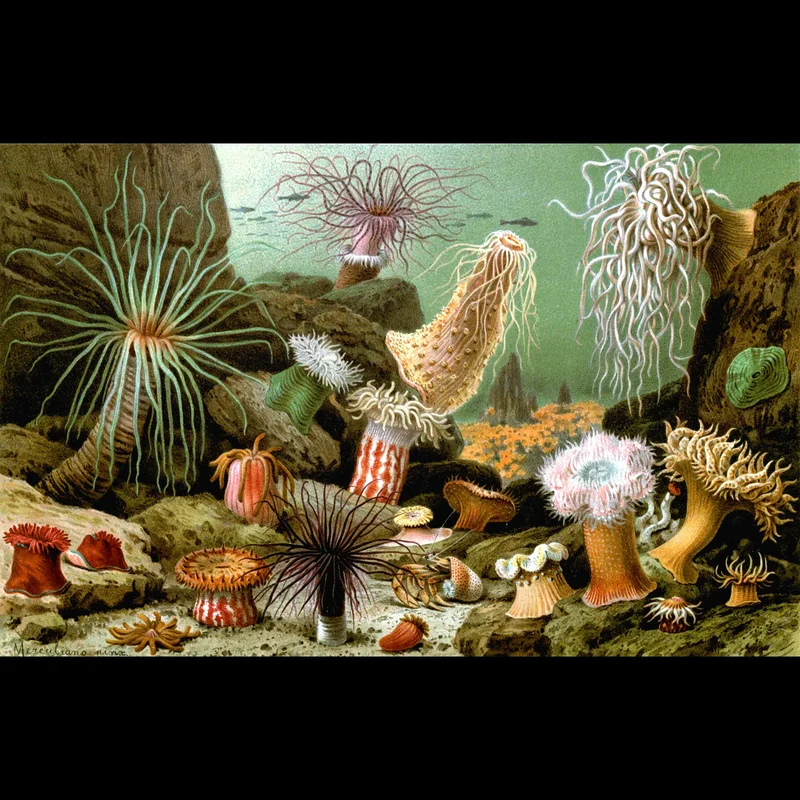
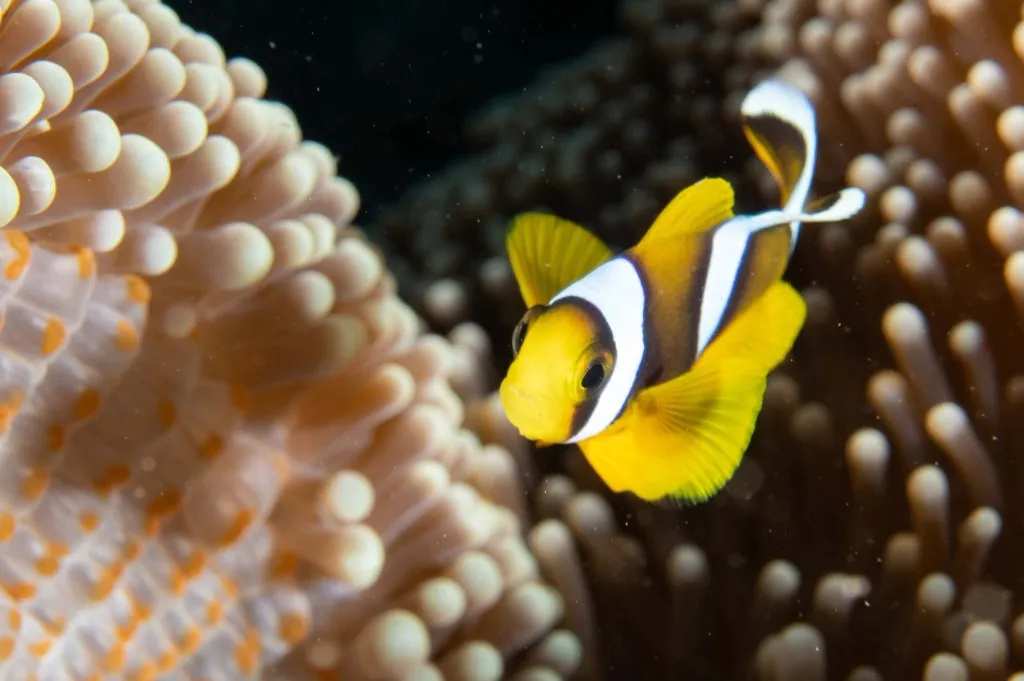
You'll likely notice vibrant reef fish, eels, and curious clownfish among their anemone homes. Keep an eye out for octopus, lobsters, and lionfish, often found tucked into crevices.
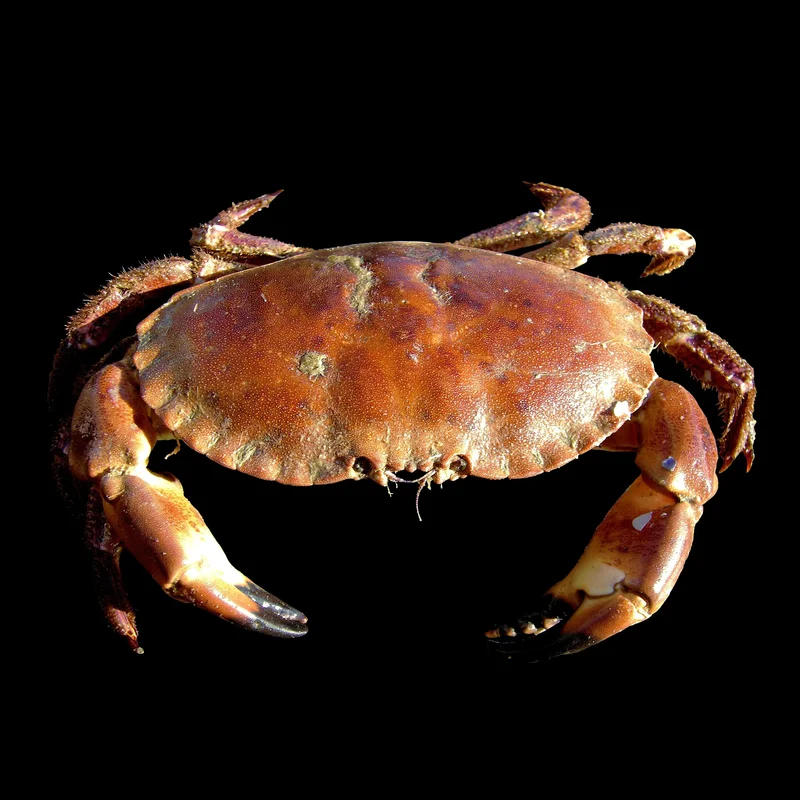
Observing the intricate soft corals, gorgonians, and black corals reveals a world of macro life, including various shrimps and crabs. During the cooler water season, there's also the exciting, albeit rarer, possibility of encountering mola-mola.
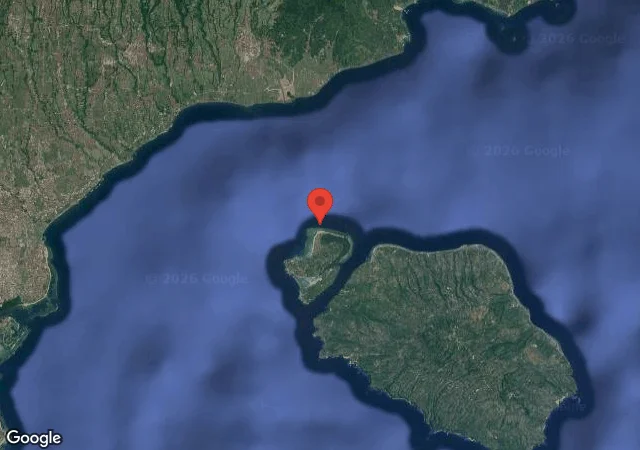
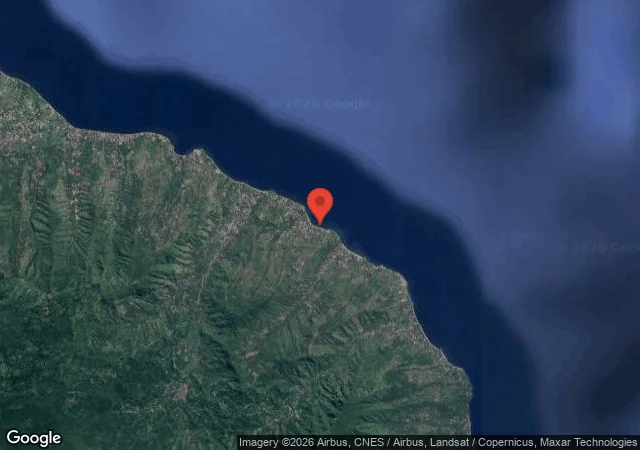
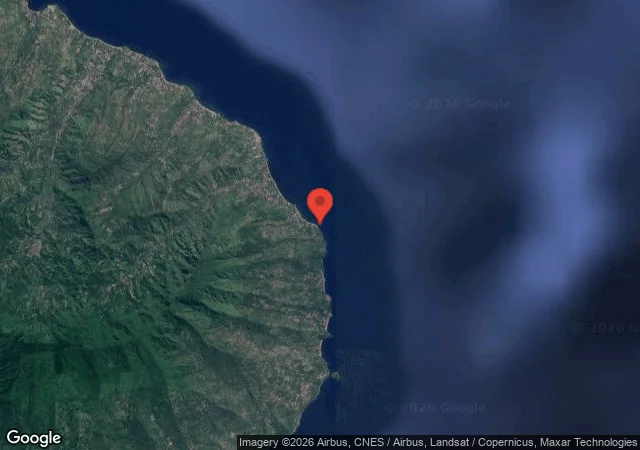
Dive Sites Near Gili Biaha
View all dive sites in IndonesiaDiscover more underwater gems in this area.
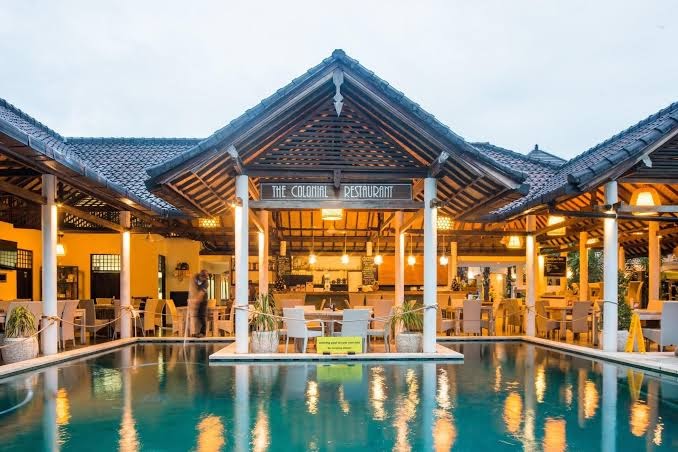
Dive Centers Near Gili Biaha

Nearest Airports
Nearest airports to help plan travel to this dive area.
Search Flights
Check available flights and routes on Expedia, using the nearby airports listed in this section.
Search Flights on ExpediaFrequently Asked Questions
What is the "Shark Cave" at Gili Biaha?
The Shark Cave is a distinctive feature of the site where divers often observe white tip reef sharks resting inside. Entering the cave requires specific conditions and should only be attempted when surge is minimal and with an experienced guide.
When is the best time to dive Gili Biaha?
While diving is possible year-round, the best conditions typically occur from April through October. During these months, rainfall is lower, and both air and water temperatures are very favorable.
What types of marine life can be seen there?
Gili Biaha hosts a variety of marine life, including white tip reef sharks, various reef fish, eels, octopus, and lobsters. Macro enthusiasts can spot shrimps and crabs among the corals, and mola-mola are sometimes seen in colder water seasons.
How strong are the currents at Gili Biaha?
Currents at Gili Biaha can be strong and highly unpredictable, sometimes featuring up currents and swells at the surface. Divers must maintain excellent buoyancy, fin actively, and stay close to the reef and their guide.
What is the typical visibility like?
Visibility at Gili Biaha is generally very good, often ranging between 20-30 meters / 65-98 feet. This allows for clear views of the diverse topography and abundant marine life.
How do I get to Gili Biaha?
Gili Biaha is accessed by boat, typically a 25-minute journey north from Padang Bai on Bali's east coast. Dive operators from the area organize trips to this site.
Planning to dive Gili Biaha?
Send one inquiry and receive offers directly from the best verified local dive operators.
Conditions are Good
Optimal conditions expected
Current conditions near Gili Biaha show 25° air, 28° sea temperature, N/A waves, and 16 km/h wind. Forecast data is refreshed regularly to ensure accuracy.