
Diving at Thalassa House Reef (Indonesia)
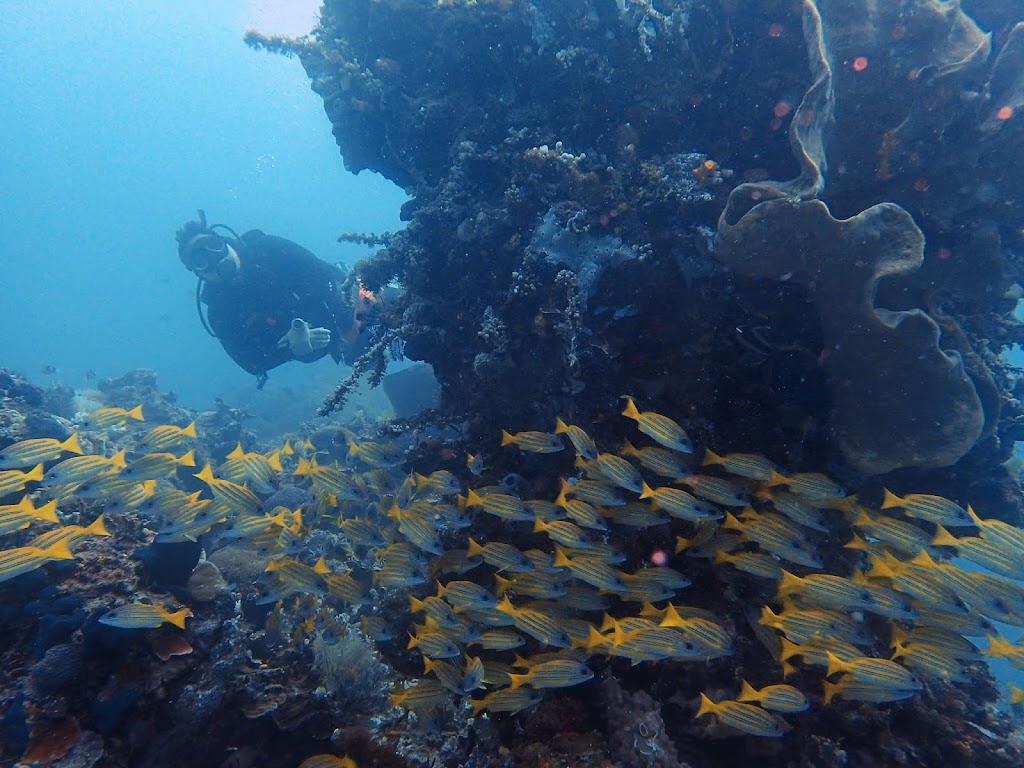
Thalassa House Reef on Lembeh Island presents an accessible underwater landscape, characterized by a gentle sandy slope. Divers can observe an artificial reef structure and dedicated pipe installations, useful for buoyancy practice. This site is known for its diverse macro life and offers excellent visibility, making it a prime location for detailed observation.
Tonight's objective overview for Thalassa House Reef shows an air temperature of 31°C. The measured surface conditions include wave heights around 0.3 m. This environmental data is logged for the close of the day.
Dive Site Location & Key Facts
Dive Site Overview
Providing a straightforward yet rewarding dive experience, Thalassa House Reef accommodates a range of certification levels, from Open Water to more advanced divers focusing on specific skills. Easy beach entry characterizes access to this site, situated directly from the shore on Lembeh Island.
A gentle sandy slope defines the primary underwater feature, extending to a maximum depth suitable for recreational diving, often around 15-20 m (50-65 ft), though deeper sections may be explored. This slope gradually descends, interspersed with coral rocks and scattered debris that offer shelter for various creatures. Here, an artificial reef has been been established through concrete structures and other installations, creating additional habitats and numerous points of interest for macro observation.
Divers can also refine Peak Performance Buoyancy skills using a specific pipe structure, thoughtfully placed in a controlled environment. Throughout the dive, exploration within this recreational depth range is encouraged, revealing a fascinating array of smaller marine inhabitants typical of the area.
It's an ideal location for multiple dives; each visit potentially unveils new details amidst its carefully developed underwater landscape, inviting thorough scrutiny.
Conditions are Excellent
07:00 - 14:00
Optimal conditions expected
Current conditions near Thalassa House Reef show 31° air, 29° sea temperature, 0.2 m waves, and 22 km/h wind. Forecast data is refreshed regularly to ensure accuracy.
Best Time to Dive
Planning a trip to Thalassa House Reef finds excellent diving conditions year-round, a consistent pattern for this region. While air temperatures generally hover between 26-27°C (79-81°F) across all months, rain patterns vary slightly but remain manageable. For instance, October typically sees the lowest rainfall at around 4.1 mm, while January can experience higher averages near 9.7 mm. Despite these minor fluctuations in precipitation, the dive scores consistently rate as 'Excellent' throughout the entire year. Water temperature isn't consistently reported, though it generally remains warm, aligning with tropical Indonesian waters. Minimal wave heights, often below 0.4 meters (1.3 ft), ensure comfortable boat entries and calm surface conditions regardless of the season.
PEAK SEASON SCORE
Scores combine air & water temps, waves, wind & rainfall for overall conditions.
BEST MONTHS TO DIVE
Monthly records compiled from satellite and marine observation nodes over the last 3 years. Data provided by Open-Meteo and MET Norway.
Dive Experience & Conditions
Entering the water at Thalassa House Reef is typically a straightforward beach entry, suitable for divers of varying experience levels. Conditions generally present as mild, with a gentle sandy slope defining much of the underwater terrain. Current strength is not consistently reported but tends to be minimal or mild on house reefs, facilitating relaxed navigation. The site features an artificial reef and scattered coral rocks, adding structural complexity to the otherwise sandy bottom. One notable inclusion is a dedicated pipe structure, providing a practical element for divers aiming to improve or practice their buoyancy control. This setup makes the reef an ideal location for skill development in a natural environment.
Dive Difficulty & Safety Guidelines
Ensuring a safe dive at Thalassa House Reef primarily involves adherence to standard recreational diving practices. While no specific hazards are reported, divers should maintain situational awareness, especially around the artificial structures and coral rocks. Buoyancy control is always crucial; practicing at the designated pipe structure can enhance safety and prevent accidental contact with the delicate reef.
Always dive within your certified limits and be mindful of your air consumption throughout the dive. Respecting marine life by observing without touching is paramount, protecting both the diver and the fragile ecosystem.
Following guide instructions and reviewing your dive plan thoroughly before entering the water will contribute to a safe and enjoyable experience.
Recommended Equipment
- Dive Computer
This gear list is based on verified equipment signals for Thalassa House Reef, Indonesia. Always confirm final gear choices with your dive operator, guide, or liveaboard.
Recommended Dive Suit
Comfort levels can also depend on how active a diver is during the dive.
The water around Thalassa House Reef is currently holding at approximately 29°C (85°F), setting the tone for today's dives. Surface air temperatures are resting at 31°C (88°F). When water temperatures fall within this range, many divers dive comfortably with dive skin or rash guard.
A modest cooling trend is expected in the upcoming forecast. Cooler days are ahead; you might want a warmer option for later in the week. A thicker wetsuit may be worth considering for extended dives.
Emergency & Medical Support
Essential information to help you plan your dive trip to Thalassa House Reef.

Hyperbaric chambers are a critical part of dive safety infrastructure. Availability varies significantly by region, and not all dive areas have immediate access.
Before diving, it's recommended to:
- confirm nearest medical facilities
- check emergency procedures with local dive operators
- ensure dive insurance covers evacuation if required
Divers Alert Network
Diving emergency assistance available through DAN World.
+1-919-684-9111- 24/7 emergency hotline
- Diving medical assistance
- Evacuation coordination
Emergency contacts are provided for reference. Always verify local emergency services before diving.
Marine Life at Thalassa House Reef
Observing the abundant macro life is often the immediate draw at Thalassa House Reef. This site, like much of Lembeh Strait, is rich with unique smaller creatures that reveal themselves upon closer inspection.
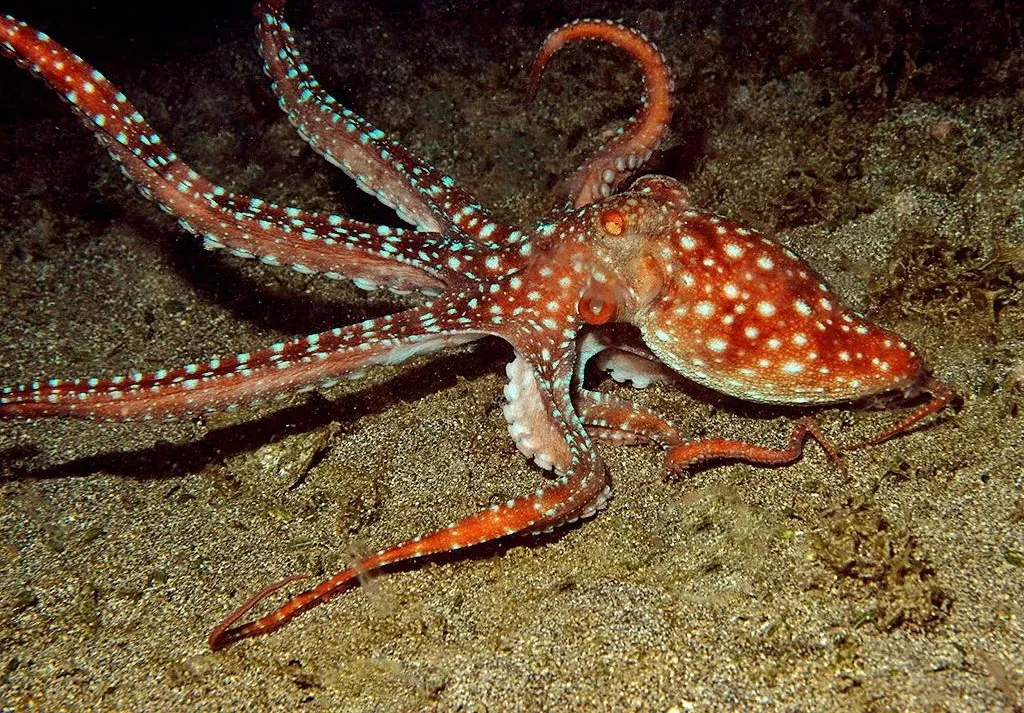
Divers often spot species such as pygmy seahorses, masterfully camouflaged within their coral hosts. Mimic octopuses and flamboyant cuttlefish showcase their incredible color changes and distinctive movements.
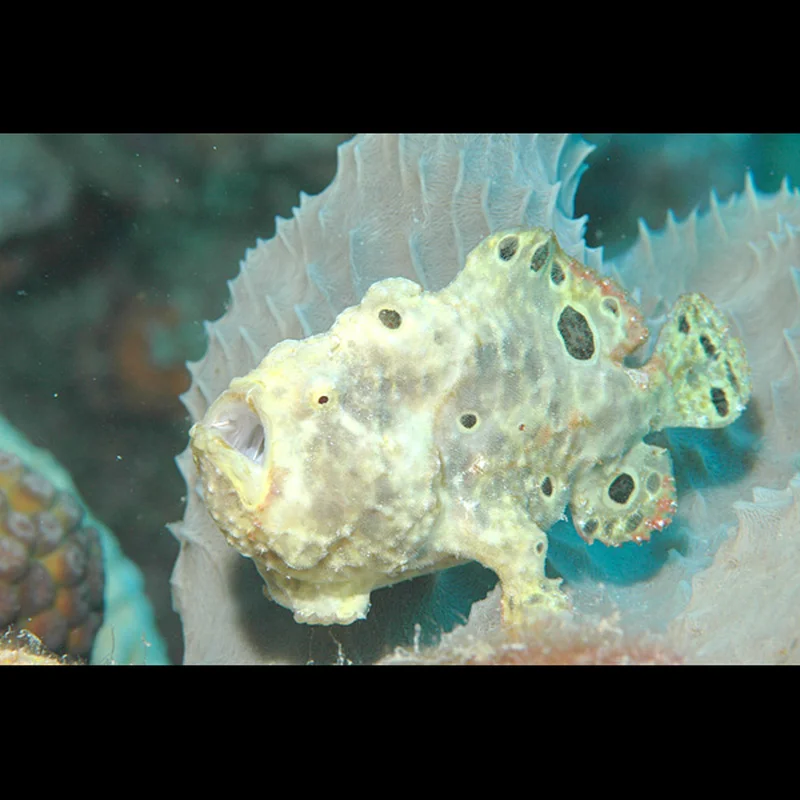
Hairy frogfish can also be found, blending seamlessly into the varied textures of the reef, offering rewarding sightings for patient observers.

Dive Sites Near Thalassa House Reef
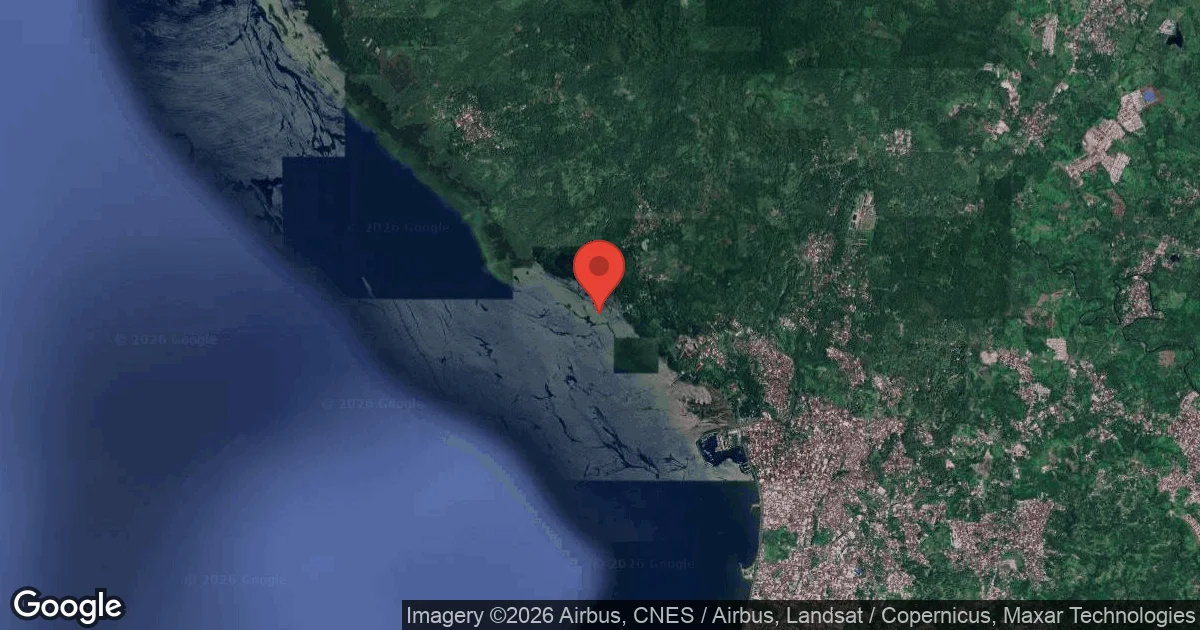
View all dive sites in IndonesiaDiscover more underwater gems in this area.
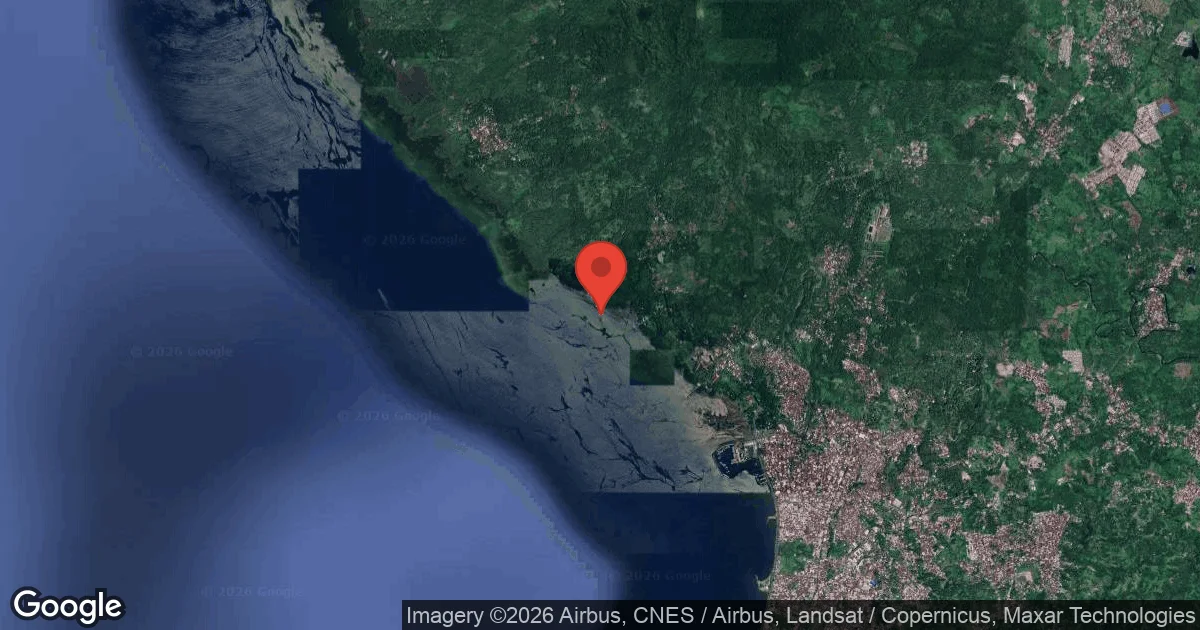
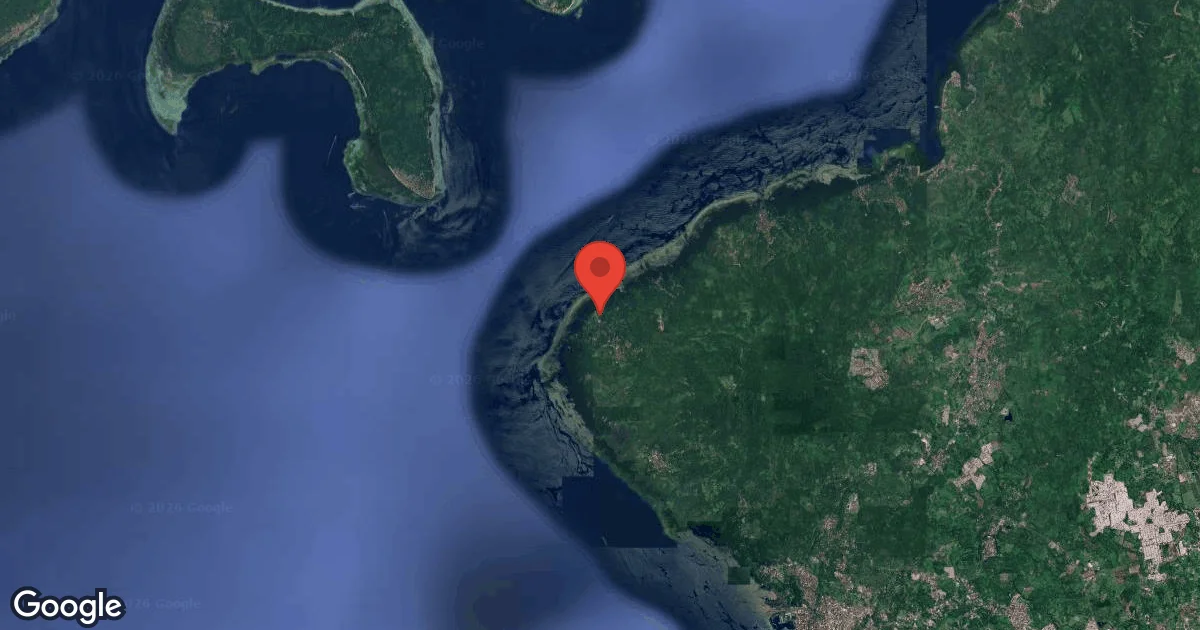
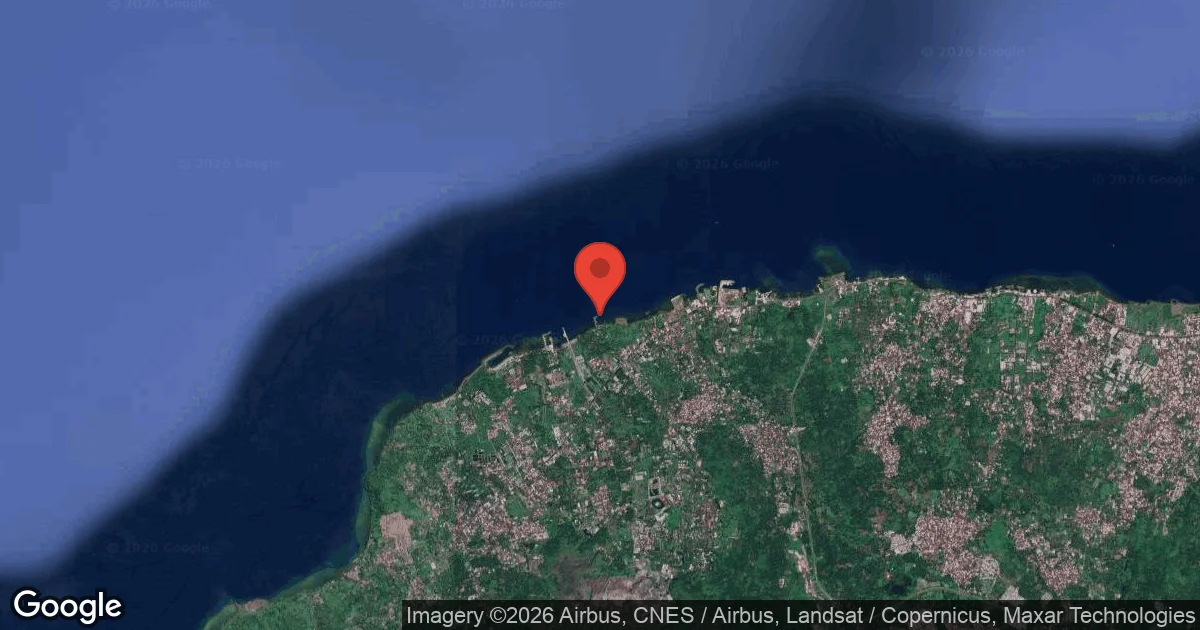
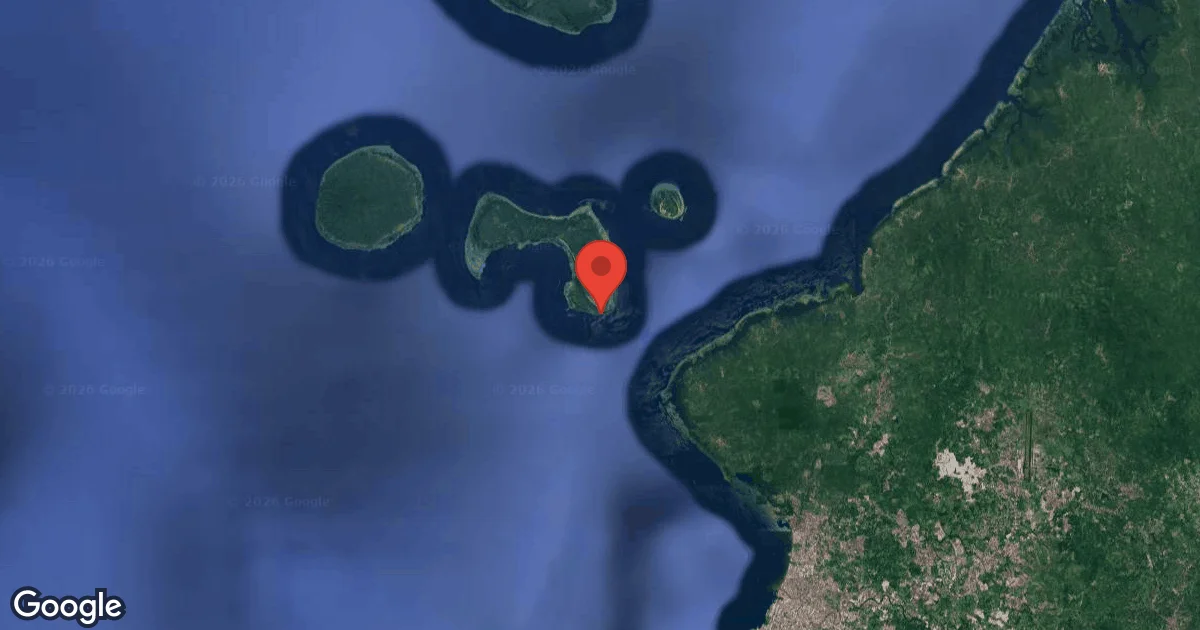
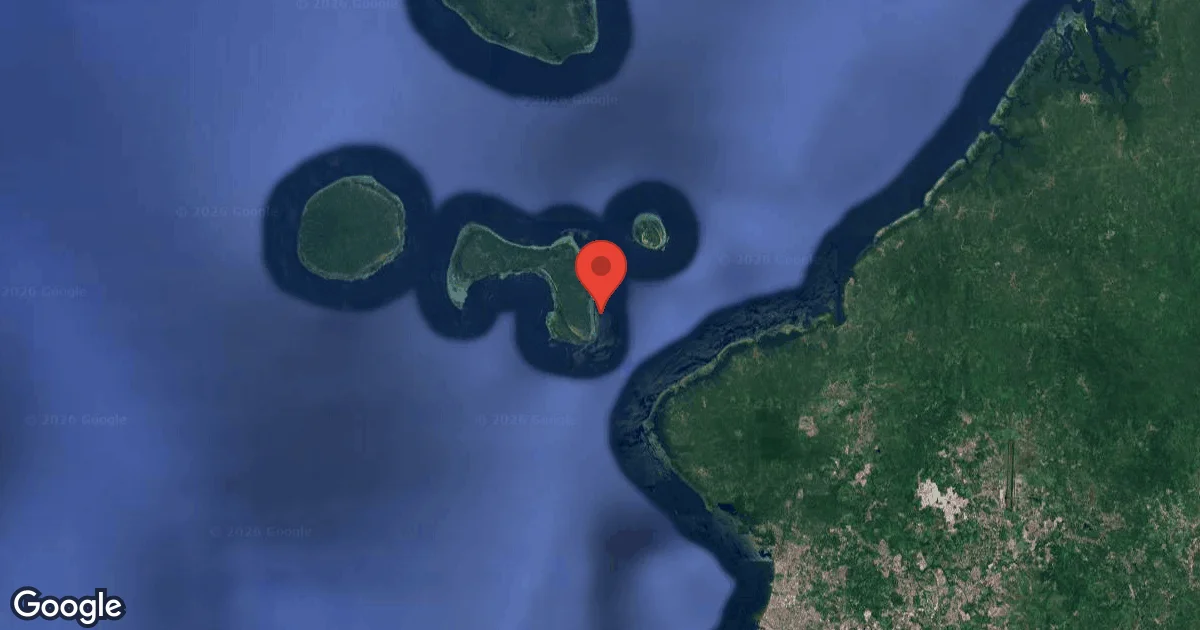
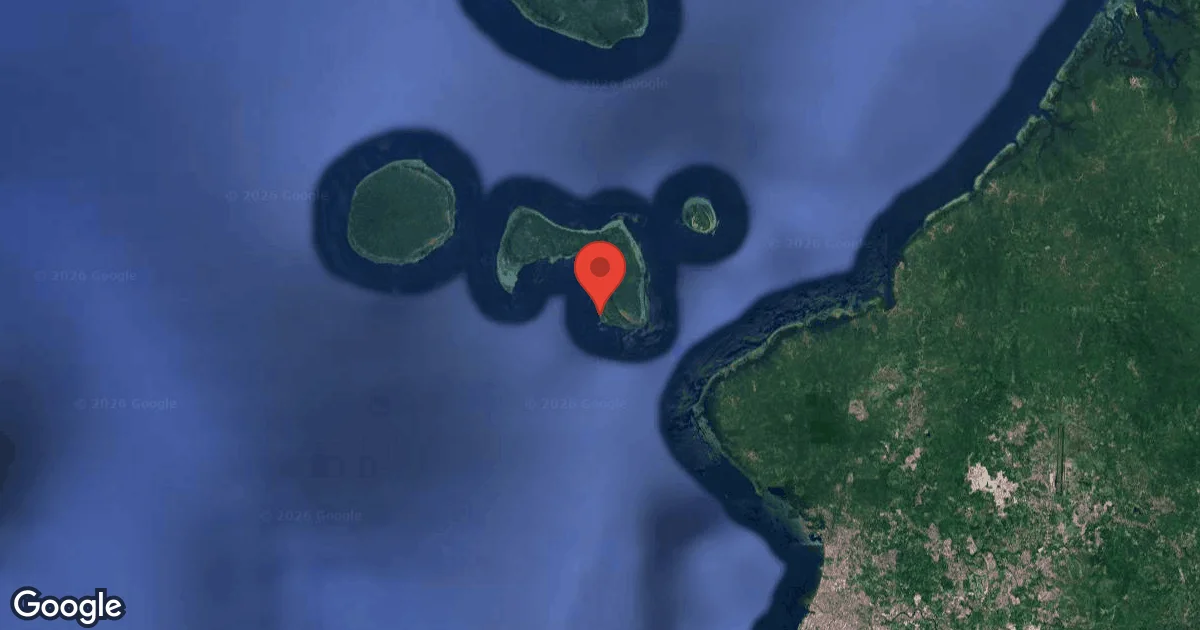
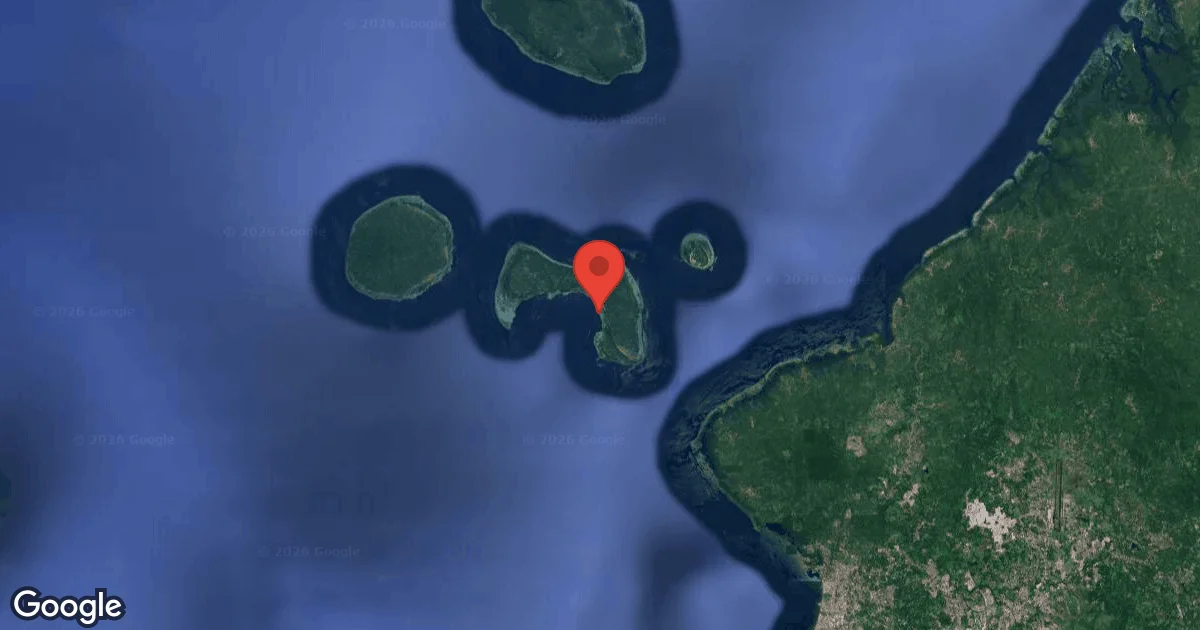
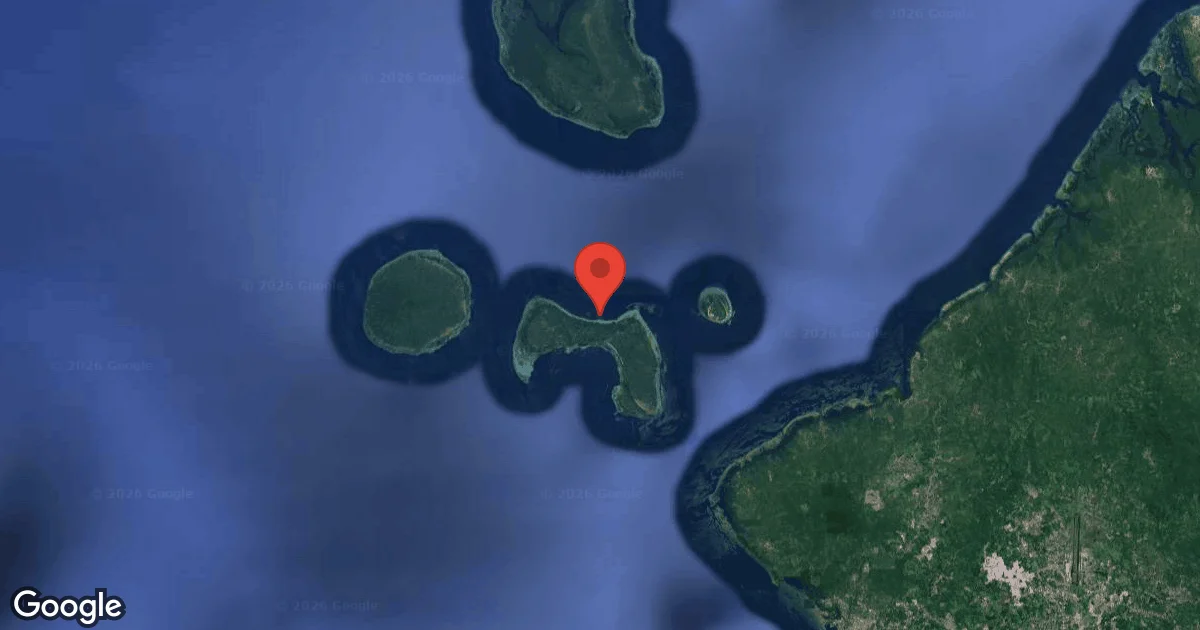
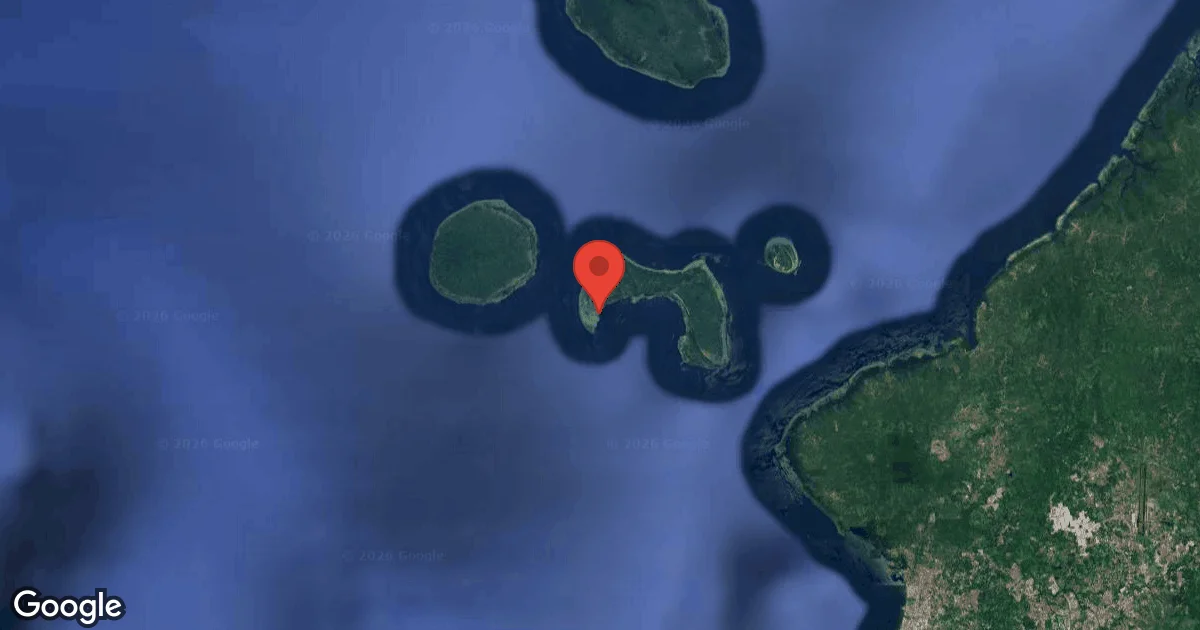
Dive Centers Near Thalassa House Reef
Today: 07:00 - 22:00
Nearest Airports
Nearest airports to help plan travel to this dive area.
Search Flights
Check available flights and routes on Expedia, using the nearby airports listed in this section.
Search Flights on ExpediaFrequently Asked Questions
What type of dive site is Thalassa House Reef?
Thalassa House Reef is primarily a shore-entry reef and beach dive, characterized by a gentle sandy slope. It incorporates both natural coral rocks and an artificial reef, creating varied habitats for marine life.
Is the house reef suitable for beginners?
Yes, its gentle sandy slope and generally calm conditions make it suitable for divers of all levels, including beginners. The presence of a buoyancy practice structure also makes it ideal for skill development.
What specific features can divers expect to see?
Divers will find a gentle sandy slope, various coral rock formations, and an artificial reef. A unique pipe structure is also present for those wishing to practice their Peak Performance Buoyancy skills.
What kind of marine life is commonly sighted?
The reef is particularly known for its macro life. Common sightings include various species of pygmy seahorses, mimic octopuses, flamboyant cuttlefish, and hairy frogfish, amongst other small critters.
What are the typical water conditions?
Water conditions are generally mild with minimal current, conducive to relaxed diving. While specific water temperatures are not consistently reported, they are typically warm in this tropical region of Indonesia.
How do I access Thalassa House Reef?
The house reef is accessible directly from the beach, providing easy entry and exit for divers. It's located on Lembeh Island, within easy reach of Thalassa Dive Resort.
Planning to dive Thalassa House Reef?
Send one inquiry and receive offers directly from the best verified local dive operators.
Conditions are Excellent
07:00 - 14:00
Optimal conditions expected
Current conditions near Thalassa House Reef show 31° air, 29° sea temperature, 0.2 m waves, and 22 km/h wind. Forecast data is refreshed regularly to ensure accuracy.