
Diving at Scraggane Bay (Ireland)
Descending into Scraggane Bay typically begins from the south side, guiding divers on a gentle progression across the shallow, sandy bottom. This approach allows for a gradual acclimation to the conditions as you work your way northwards. The site's maximum depth is around 7 m (23 ft), making it an accessible entry point for newer divers seeking a straightforward shore experience.
As evening covers Scraggane Bay, the local air temperature is measured at 15°C. The current wave height at the surface is recorded at 4.2 m. These late-day readings characterize the surface conditions for the night.
Dive Site Location & Key Facts
Dive Site Overview
Scraggane Bay presents itself as an inviting shore dive, characterized by its predominantly sandy bottom and gradual slope. Situated on the Maharees peninsula near Castlegregory, this site acts as an active fishing port.
Diving here involves navigating from a southern entry point and tracing a path towards the north, exploring the subtle undulations of the seabed. It's a beach dive accessible to various skill levels, offering a serene environment for initial open water experiences or relaxed recreational dives. Limited currents are typically encountered, contributing to a calm underwater experience.
Initial approach to the bay often begins from the shallower, southern side, leading gradually into the maximum recreational depth of around 7 m (23 ft), suitable for Open Water certification. Exploring the expanse of this sandy environment reveals a surprisingly dynamic ecosystem.
Visibility often ranges between 5-15 m (16-49 ft), averaging around 7 meters, which can fluctuate based on local weather and tidal movements. The general lack of strong currents makes navigation straightforward, ideal for photography or extended observation of benthic life.
Understanding the bay's use as a fishing port is important for surface safety, but underwater, the activity is mostly indirect. This site offers a comfortable introduction to shore diving, with its gentle entry and consistent, manageable conditions.
Conditions are Poor
High Swell Advisory. Not recommended.
Current conditions near Scraggane Bay show 15° air, 17° sea temperature, 2.9 m waves, and 45 km/h wind. Forecast data is refreshed regularly to ensure accuracy.
Best Time to Dive
Planning a dive at Scraggane Bay often yields the most favorable conditions between May and August, when air temperatures are at their warmest and weather patterns tend to be more settled. During May, average air temperatures reach around 13°C (55°F), accompanied by the lowest recorded rain levels at approximately 2.6 mm (0.10 in) and minimal wave heights averaging 1.6 meters (5.2 ft). While June, July, and August also offer moderate dive scores with average air temperatures peaking around 16°C (61°F) in August, May generally presents the calmest surface conditions. Conversely, winter months, particularly February and December, show significant declines in dive suitability, with higher winds and wave heights making conditions challenging.
PEAK SEASON SCORE
Scores combine air & water temps, waves, wind & rainfall for overall conditions.
BEST MONTHS TO DIVE
Monthly records compiled from satellite and marine observation nodes over the last 3 years. Data provided by Open-Meteo and MET Norway.
Dive Experience & Conditions
Beginning your underwater journey at Scraggane Bay provides a straightforward experience, ideal for those new to diving. The maximum depth, approximately 7 m (23 ft), means bottom times can be extensive, allowing ample opportunity for observation. Water temperatures are not consistently reported, but divers should anticipate cool to cold conditions typical of Irish coastal waters, necessitating appropriate thermal protection. Visibility in the bay can vary, often settling around 7 meters on an average day, though it may fluctuate with sediment disturbance or plankton blooms. Divers generally experience limited currents, contributing to a relaxed exploration of the sandy terrain and its resident marine life. This site is a shore dive, meaning entry and exit are from a beach, adding to its accessibility.
Dive Difficulty & Safety Guidelines
When diving at Scraggane Bay, awareness of local port activities is crucial; shipping traffic from the fishing port requires vigilance. Always exercise caution and make yourself visible to surface vessels, especially near the entrance and exit points. Divers should check local tides before entering the water, as tidal movements can affect visibility and entry/exit conditions, even if strong currents are uncommon.
This site is suitable for all levels, but even experienced divers should maintain situational awareness given the operational nature of the bay. Paid parking is available, approximately 50 meters from the access point, ensuring a convenient but organized start to your dive.
Recommended Equipment
- Dive Computer
This gear list is based on verified equipment signals for Scraggane Bay, Ireland. Always confirm final gear choices with your dive operator, guide, or liveaboard.
Recommended Dive Suit
For relaxed exploration dives, 5-7mm wetsuit generally provides adequate warmth. Strong winds are present; please take strong precautions against rapid cooling during surface intervals. A thermal robe or jacket is recommended between dives. Those diving at Scraggane Bay today will likely encounter water temperatures in the region of 17°C (62°F). Surface air temperatures are resting at 15°C (59°F).
Forecasts suggest rising temperatures later this week. A warming trend is expected over the next few days.
A diver's personal tolerance to cold water can play a large role in suit selection.
Due to technical issues with our weather providers, live updates are temporarily delayed. The data above reflects the conditions at the time of the last successful fetch.
Emergency & Medical Support
Essential information to help you plan your dive trip to Scraggane Bay.

Hyperbaric chambers are a critical part of dive safety infrastructure. Availability varies significantly by region, and not all dive areas have immediate access.
Before diving, it's recommended to:
- confirm nearest medical facilities
- check emergency procedures with local dive operators
- ensure dive insurance covers evacuation if required
Divers Alert Network
Diving emergency assistance available through DAN Europe.
+39 0642115685- 24/7 emergency hotline
- Diving medical assistance
- Evacuation coordination
Emergency contacts are provided for reference. Always verify local emergency services before diving.
Closest Listed Hyperbaric Chambers
Showing listed hyperbaric chamber facilities within 200 km of this dive site.
Distances are approximate straight-line distances and may not reflect emergency travel time.
National Hyperbaric Medicine Unit at University Hospital Galway
ICU CapableGalway, Ireland•Approx. 126 km straight-line
National Hyperbaric Medicine Unit at University Hospital Galway
ICU CapableInformation is provided for reference and planning purposes only. Dive Navigator does not verify operational status, staffing, availability, or quality of care at listed facilities. In an emergency, contact local emergency services, DAN, your dive operator, or the chamber directly. Do not travel to a facility without calling ahead.
Marine Life at Scraggane Bay
Exploring the sandy bottom of Scraggane Bay often reveals a variety of smaller, intriguing marine inhabitants. Divers can expect to encounter blennies and various species of wrasse, often found amongst any scattered rocks or debris.
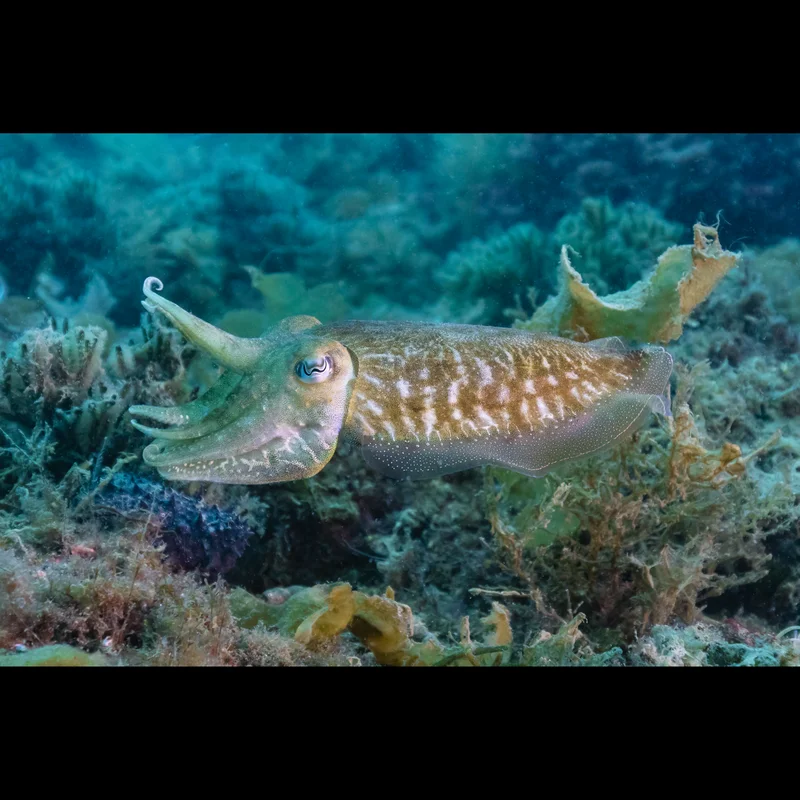
Keep an eye out for squid and cuttlefish, which are regularly seen camouflaged against the seafloor. Flatfish, including their juvenile forms, are also common sightings, often partially buried in the sand.
It's a rewarding site for observing how these creatures adapt to a predominantly sandy, shallow marine environment.

Dive Sites Near Scraggane Bay
View all dive sites in IrelandDiscover more underwater gems in this area.
Dive Centers Near Scraggane Bay
Today: 09:00 - 21:00
Nearest Airports
Nearest airports to help plan travel to this dive area.
Search Flights
Check available flights and routes on Expedia, using the nearby airports listed in this section.
Search Flights on ExpediaFrequently Asked Questions
Is Scraggane Bay suitable for beginner divers?
Yes, it's considered an excellent site for beginners due to its shallow depths and typically mild conditions. The maximum depth, around 7 meters, allows for comfortable introductory dives. Limited currents make navigation less challenging, supporting a relaxed learning environment.
What is the typical visibility like?
Visibility at the site commonly ranges from 5 to 15 meters, often settling around 7 meters on an average day. These conditions can vary, influenced by local weather patterns and tidal shifts, which may stir up sediment.
Are there any specific hazards to be aware of?
A primary consideration is the bay's status as an active fishing port. Divers should remain aware of surface boat traffic, especially during entry and exit. Checking local tides is also advised, as strong movements, though uncommon, can affect conditions near shore.
What kind of marine life can I expect to see?
Exploring the sandy bottom frequently reveals small, camouflaged creatures. Common sightings include blennies, various wrasse, and flatfish partially buried in the sand. Keep an eye out for squid and cuttlefish moving across the seafloor.
When is the best time of year to dive Scraggane Bay?
Diving during the warmer months, typically May through August, provides the most pleasant conditions. May often stands out for its lower rainfall and calmer surface waters. During this period, both air and water temperatures are at their most favorable.
Do I need special equipment for cold water?
Given the cool to cold water temperatures characteristic of Irish coasts, robust thermal protection is recommended. A drysuit or a thick wetsuit, along with a hood and gloves, will significantly enhance comfort and extend bottom time. This helps manage the colder water prevalent here.
Planning to dive Scraggane Bay?
Send one inquiry and receive offers directly from the best verified local dive operators.
Conditions are Poor
High Swell Advisory. Not recommended.
Current conditions near Scraggane Bay show 15° air, 17° sea temperature, 2.9 m waves, and 45 km/h wind. Forecast data is refreshed regularly to ensure accuracy.