
Diving at The Necklace 8-16 Mts (Ireland)
Navigating Ireland's Atlantic coastline can present challenges, and The Necklace is no exception. Divers here should anticipate demanding cool water conditions with potentially significant wave action, particularly outside of peak summer months. Given its maximum depth of 16 m (52 ft), this site may expose divers to variable currents, especially during drift dives. Prudent dive planning and appropriate cold water gear are essential for a safe and rewarding experience.
Tonight's objective overview for The Necklace 8-16 Mts shows an air temperature of 14.5°C. The measured surface conditions include wave heights around 4.6 m. This environmental data is logged for the close of the day.
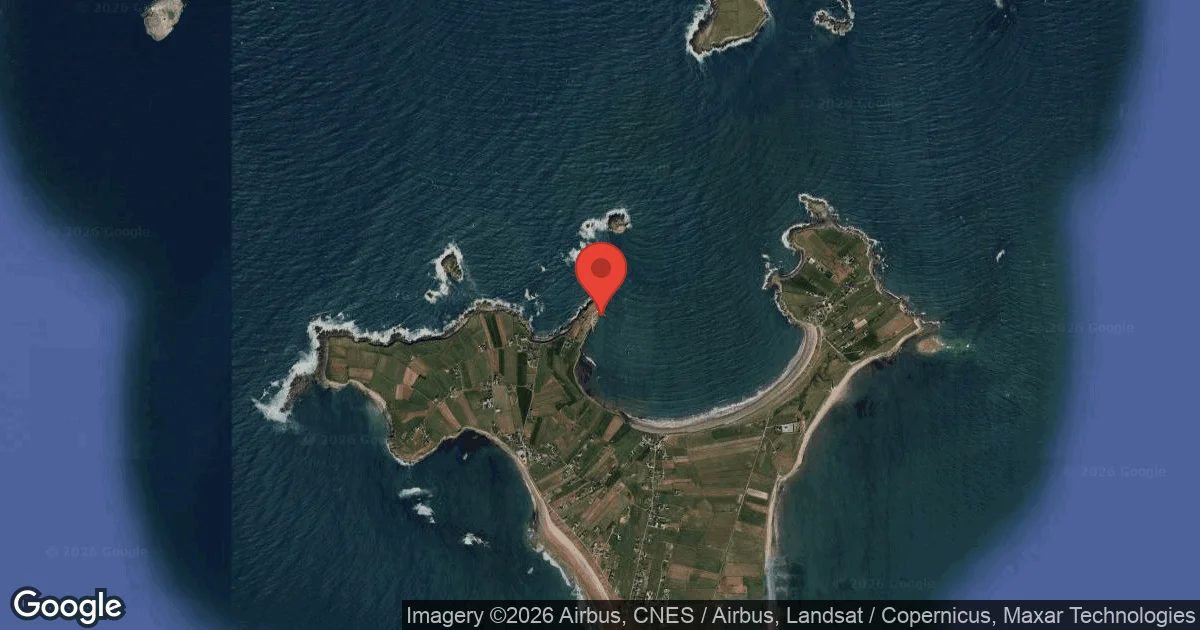
Dive Site Location & Key Facts
Dive Site Overview
The Necklace provides a glimpse into the vibrant, rugged underwater topography characteristic of the Dingle Peninsula. Rather than a singular feature, this site comprises a series of reef, wall, and drift dive opportunities across its recreational depth range of 8-16 m (26-52 ft).
Divers here explore a diverse marine environment shaped by Atlantic forces, discovering crevices and overhangs along the wall sections, and intricate reef formations that act as natural habitats. Depending on the prevailing currents, a drift dive can offer a dynamic traverse along these structures, revealing varied ecosystems as the seascape unfolds. This site’s inherent variability requires adaptable diving, rewarding those prepared for its changing moods.
Observing the subtle interactions between the cool Atlantic waters and the local geology forms a core part of the dive experience, highlighting the resilience of life in these northern seas.
Conditions are Poor
High Swell Advisory. Not recommended.
Current conditions near The Necklace 8-16 Mts show 14° air, 16° sea temperature, 2.9 m waves, and 46 km/h wind. Forecast data is refreshed regularly to ensure accuracy.
Best Time to Dive
Optimal diving conditions at The Necklace are generally found from April to August, though this period still warrants careful attention to local forecasts. During these months, air temperatures typically range from 10.5°C (51°F) in April to 16°C (61°F) in August, offering a more comfortable surface interval. Wave heights tend to be lower, averaging around 1.6-1.9 m (5-6 ft), which usually translates to more accessible entry and exit points. Rainfall is also comparatively lower, with May showing the least precipitation at 2.6 mm. Outside this window, especially from September through March, dive scores are frequently rated "Poor" or "Unsafe" due to higher winds, increased rainfall, and rougher seas. Water temperatures remain consistently cool throughout the year, so adequate thermal protection is always a consideration, regardless of the season.
PEAK SEASON SCORE
Scores combine air & water temps, waves, wind & rainfall for overall conditions.
BEST MONTHS TO DIVE
Monthly records compiled from satellite and marine observation nodes over the last 3 years. Data provided by Open-Meteo and MET Norway.
Dive Experience & Conditions
Exploring The Necklace presents a relatively shallow dive profile, primarily within typical recreational depth limits. This makes it broadly accessible for most certified divers, though prevailing conditions frequently dictate the actual experience. Visibility can vary considerably, influenced by local weather patterns, tidal movements, and plankton blooms common in temperate waters. Calm seas can sometimes extend visibility, revealing the intricate details of the reef and wall structures more clearly. Strong currents are a possibility, particularly along the more exposed sections of the site, often leading to dynamic drift diving scenarios. These drift dives can be exhilarating, propelling divers past vibrant benthic communities clinging tenaciously to the underwater walls. Surge in shallower areas is a common occurrence along this exposed coastline, requiring careful buoyancy control. Adaptability to changing conditions is key for a rewarding dive here.
Dive Difficulty & Safety Guidelines
Given the prevailing cooler water temperatures and the potential for challenging sea conditions around the Dingle Peninsula, divers approaching The Necklace should possess at least an Advanced Open Water certification or demonstrate equivalent experience in cold water and current diving. Always conduct thorough dive planning, checking current weather and marine forecasts, and assessing tidal predictions. Dive groups should include experienced individuals comfortable with navigating in variable visibility and managing drift scenarios.
Carry appropriate surface signaling devices, like an SMB, and ensure your dive computer is rated for the expected cool water temperatures. Don't push your limits, especially if conditions feel outside your comfort zone.
Recommended Equipment
- Dive Computer
This gear list is based on verified equipment signals for The Necklace 8-16 Mts, Ireland. Always confirm final gear choices with your dive operator, guide, or liveaboard.
Recommended Dive Suit
Divers planning relaxed exploration may appreciate the warmth of 5-7mm wetsuit. Consider warmer surface protection (like a boat coat) due to brisk winds. A thermal robe or jacket is recommended between dives. Divers often notice that perceived temperature can feel cooler during deeper or longer dives.
Conditions at The Necklace 8-16 Mts currently place the water temperature near 16°C (61°F). Surface air temperatures are resting at 14°C (58°F).
Temperatures look set to gradually increase over the next several days. A warming trend is expected over the next few days.
Emergency & Medical Support
Essential information to help you plan your dive trip to The Necklace 8-16 mts.

Hyperbaric chambers are a critical part of dive safety infrastructure. Availability varies significantly by region, and not all dive areas have immediate access.
Before diving, it's recommended to:
- confirm nearest medical facilities
- check emergency procedures with local dive operators
- ensure dive insurance covers evacuation if required
Divers Alert Network
Diving emergency assistance available through DAN Europe.
+39 0642115685- 24/7 emergency hotline
- Diving medical assistance
- Evacuation coordination
Emergency contacts are provided for reference. Always verify local emergency services before diving.
Closest Listed Hyperbaric Chambers
Showing listed hyperbaric chamber facilities within 200 km of this dive site.
Distances are approximate straight-line distances and may not reflect emergency travel time.
National Hyperbaric Medicine Unit at University Hospital Galway
ICU CapableGalway, Ireland•Approx. 124 km straight-line
National Hyperbaric Medicine Unit at University Hospital Galway
ICU CapableInformation is provided for reference and planning purposes only. Dive Navigator does not verify operational status, staffing, availability, or quality of care at listed facilities. In an emergency, contact local emergency services, DAN, your dive operator, or the chamber directly. Do not travel to a facility without calling ahead.
Marine Life at The Necklace 8-16 Mts
Within the rugged underwater landscape of The Necklace, divers can expect to encounter a variety of hardy marine life typical of Ireland's Atlantic coast. Crevices along the walls and varied reef structures provide shelter for species adapted to cooler waters.
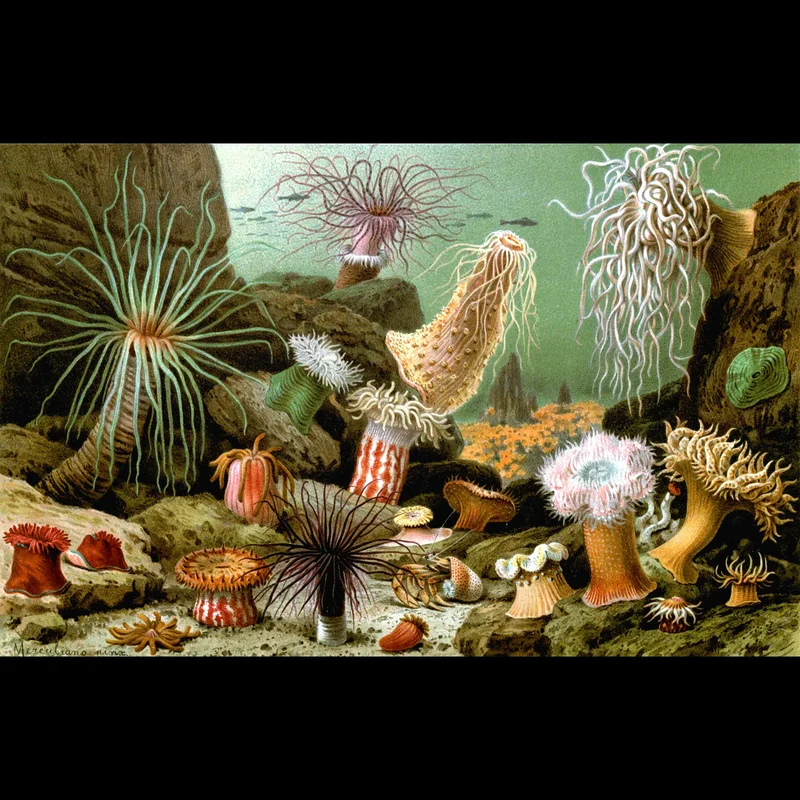
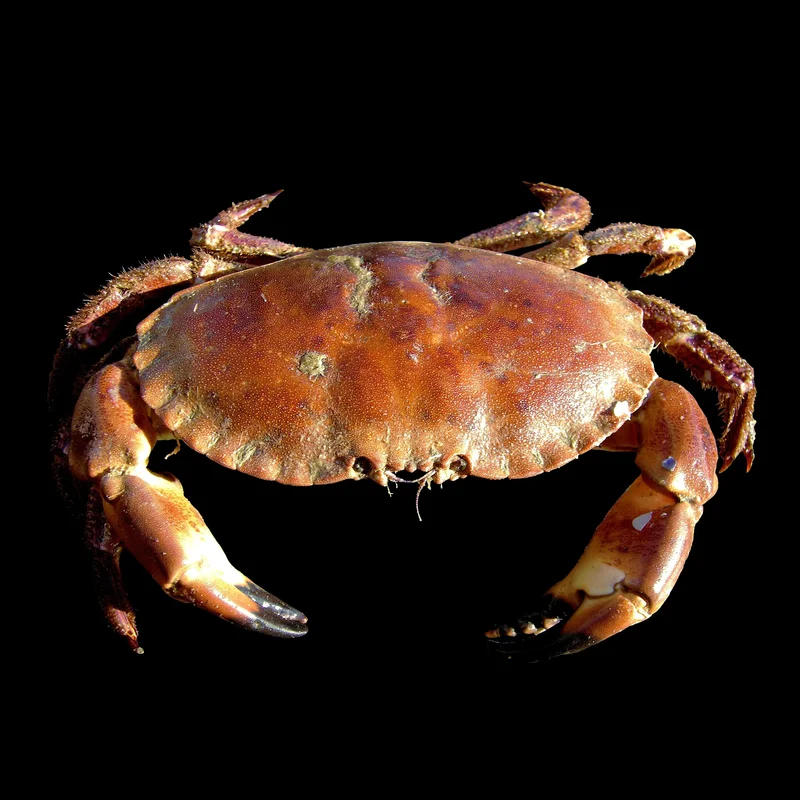
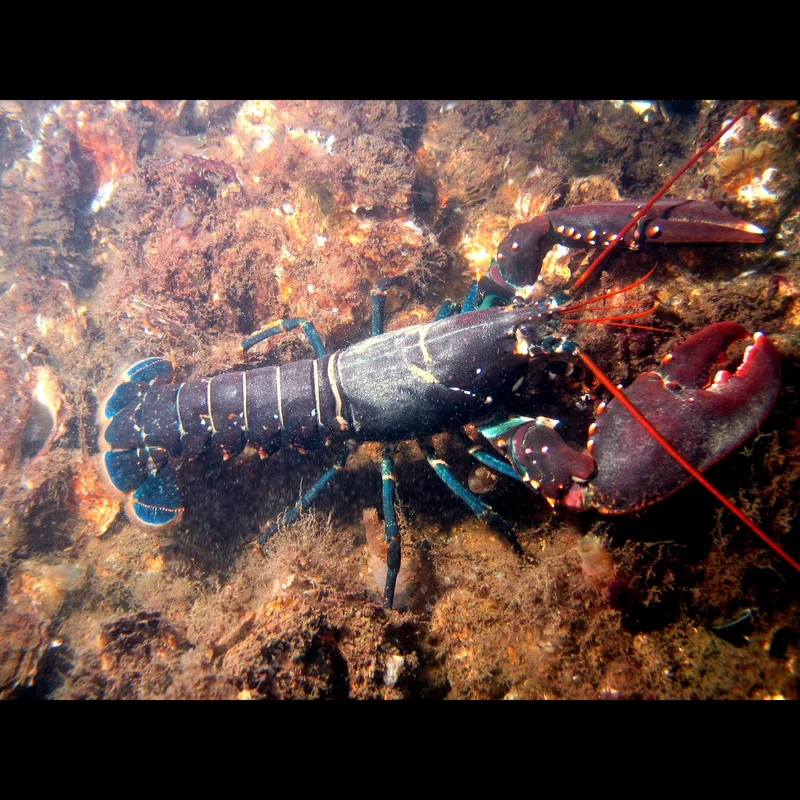
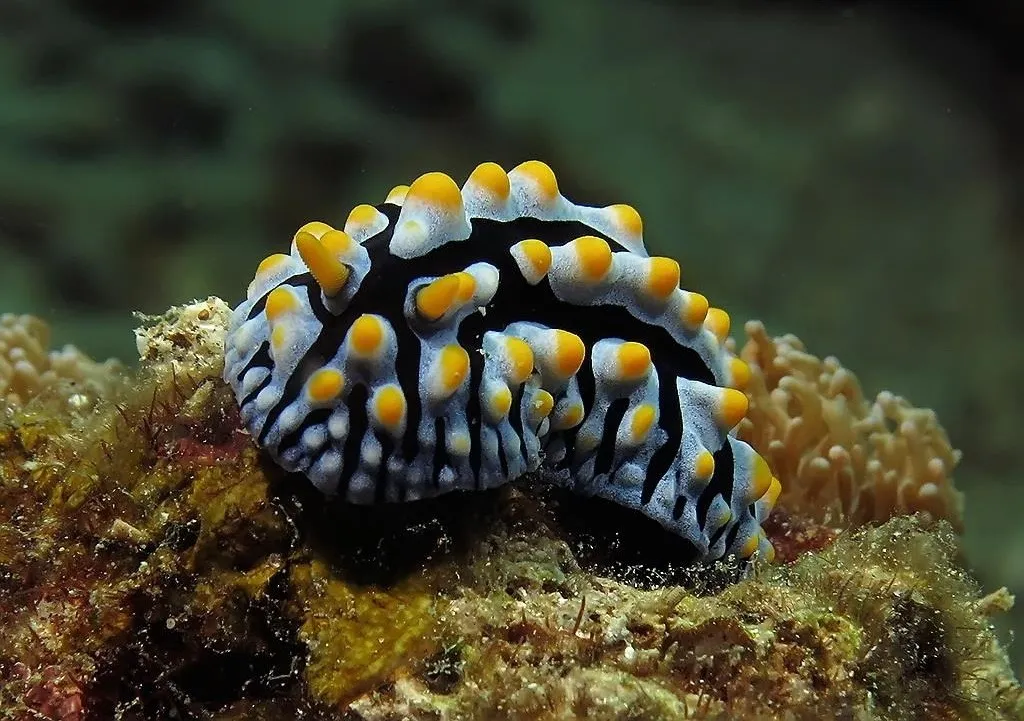
Common sightings include various species of crabs, lobsters, and colorful anemones clinging to rock faces. Exploring the benthic zones often reveals nudibranchs, sea stars, and resilient sponges.
Fish populations tend to be smaller, featuring species like wrasse, pollack, and sometimes blennies, darting amongst the kelp and rock formations.

Dive Sites Near The Necklace 8-16 Mts
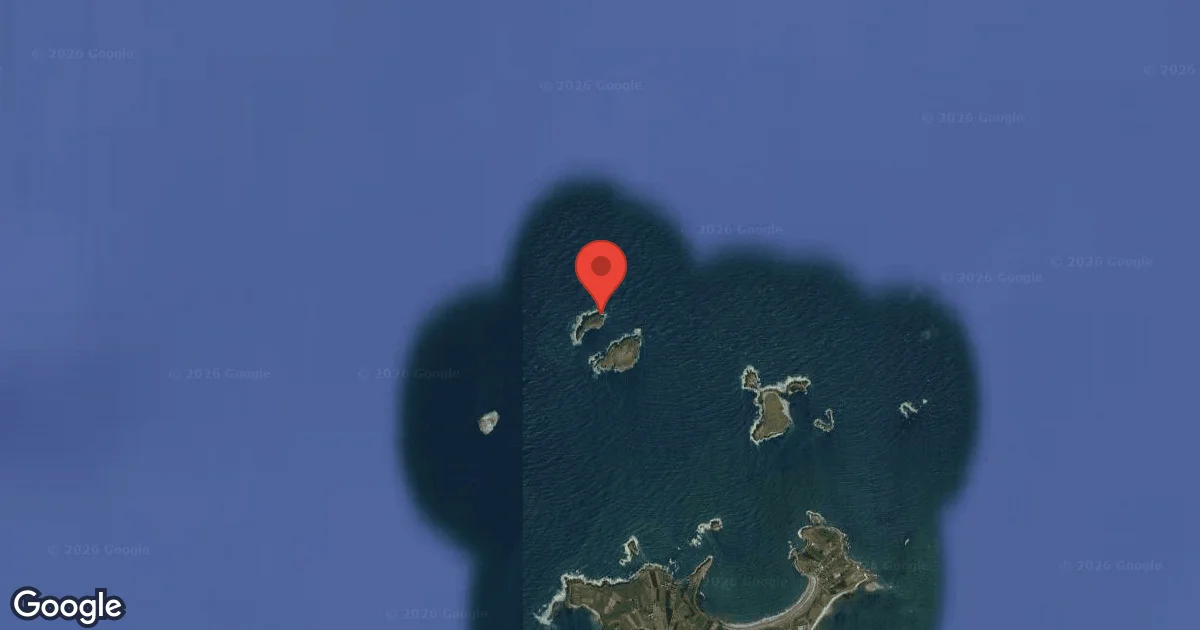
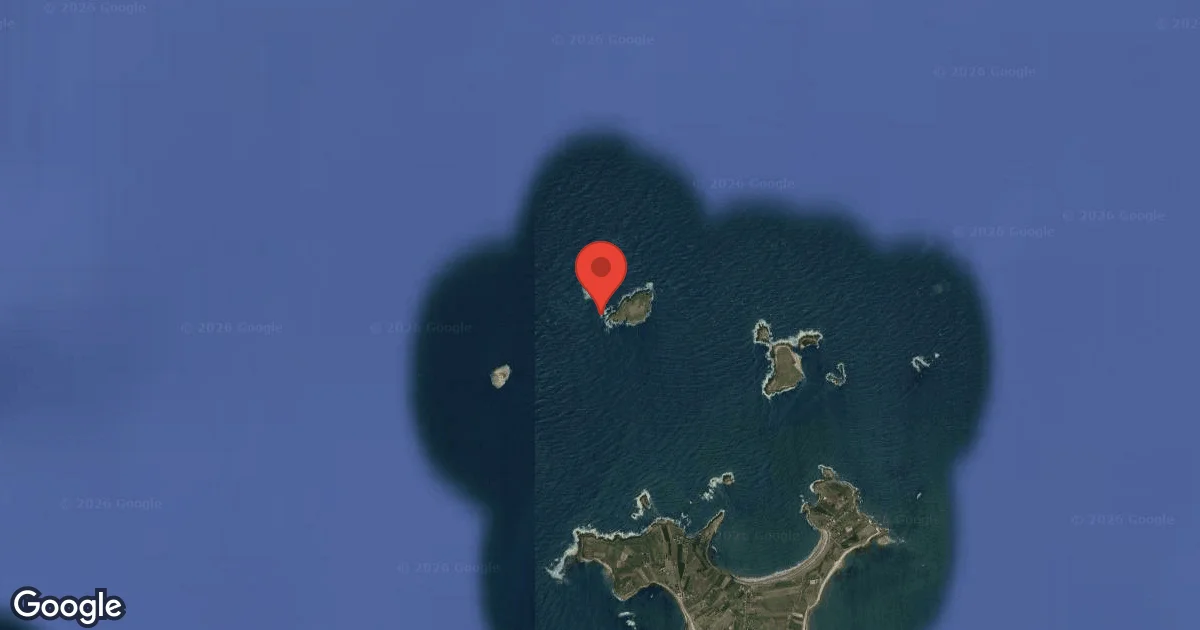
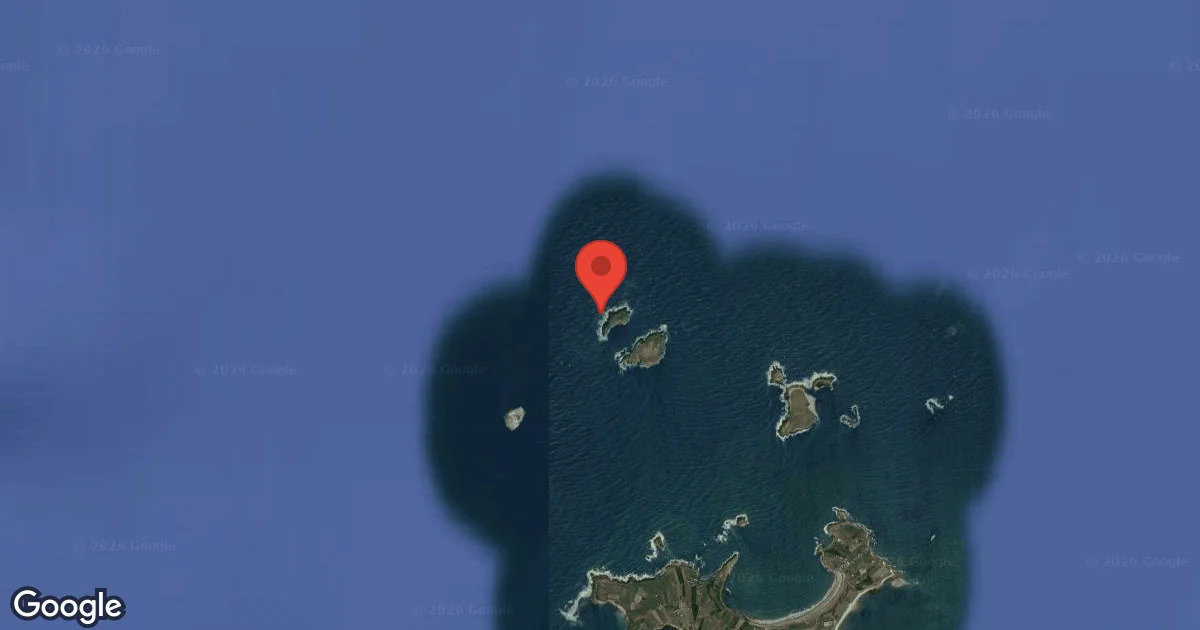
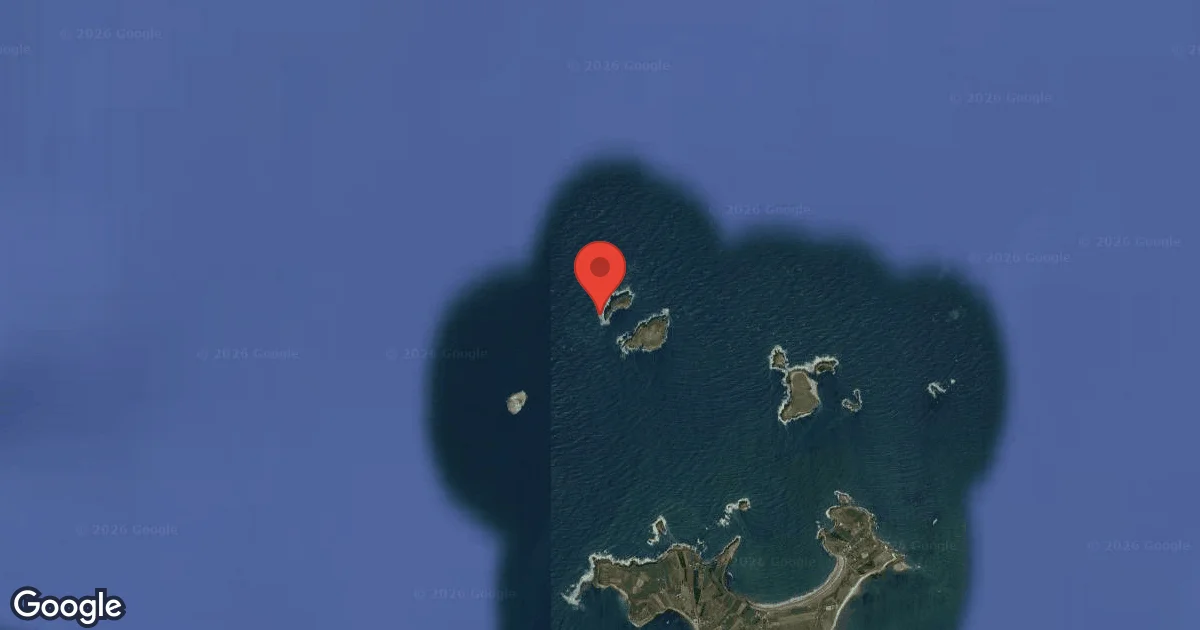
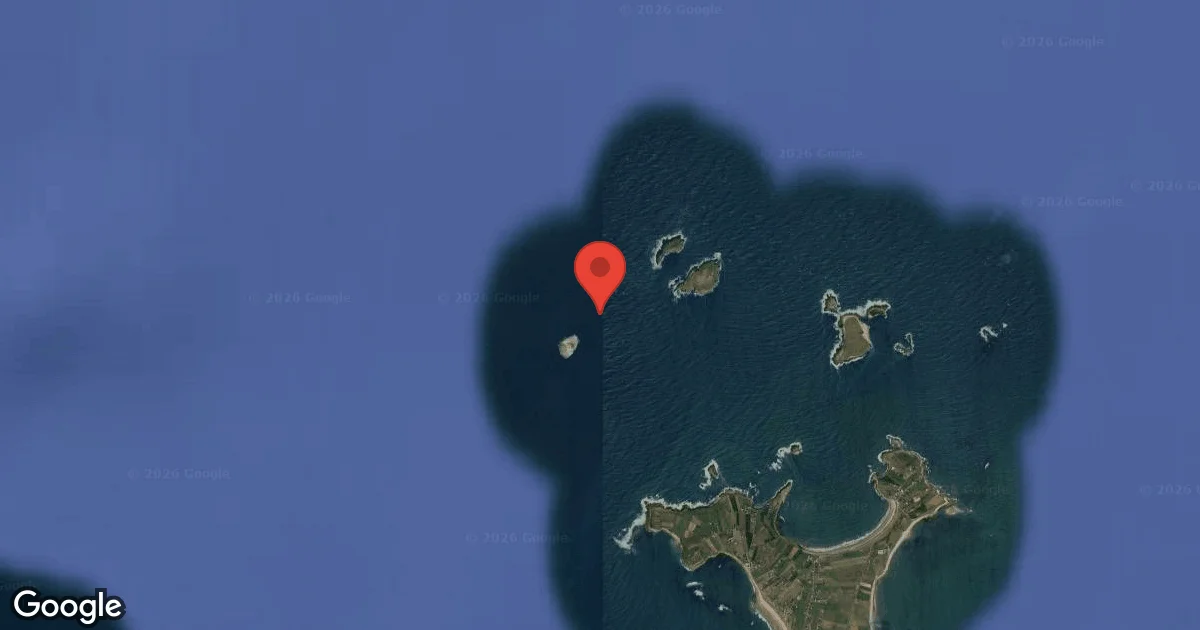
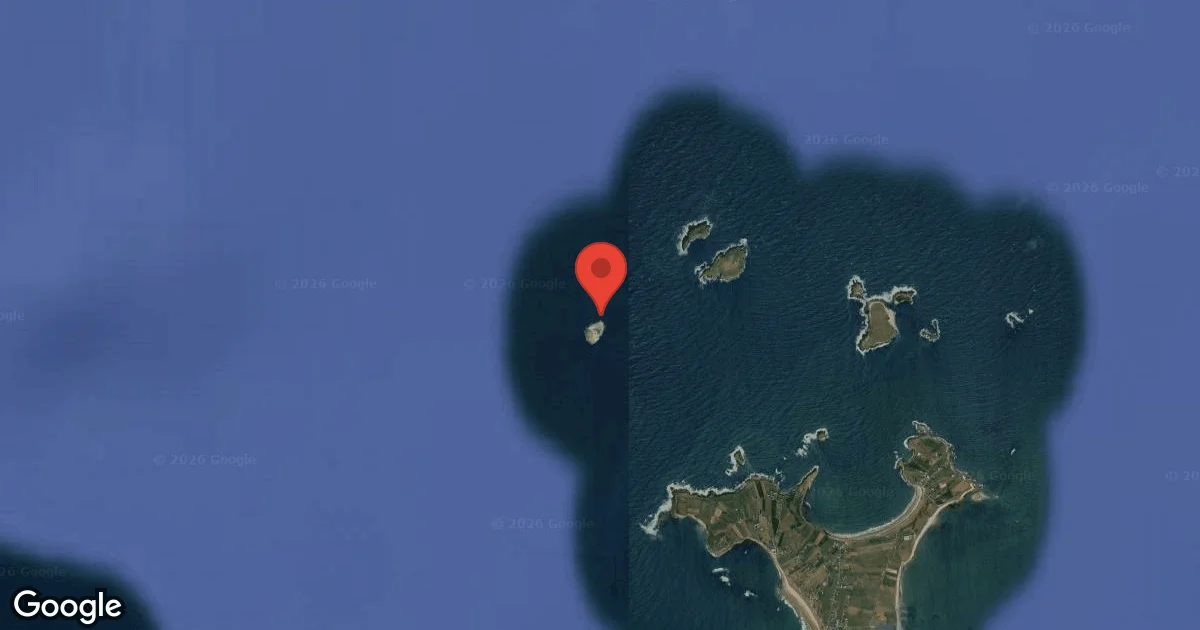
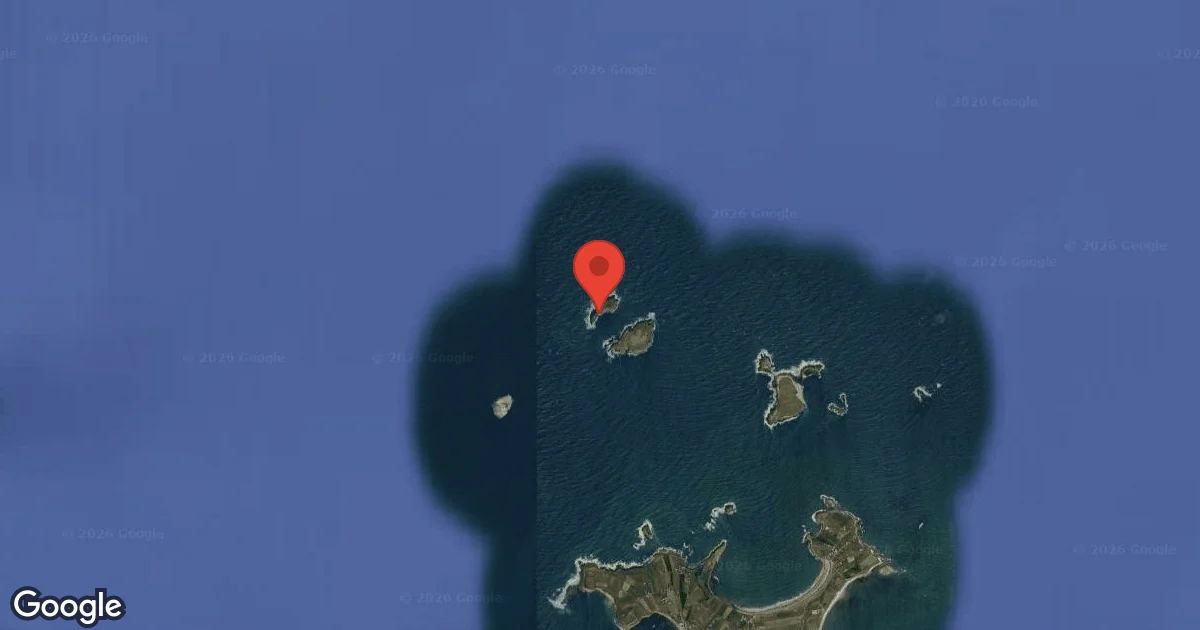
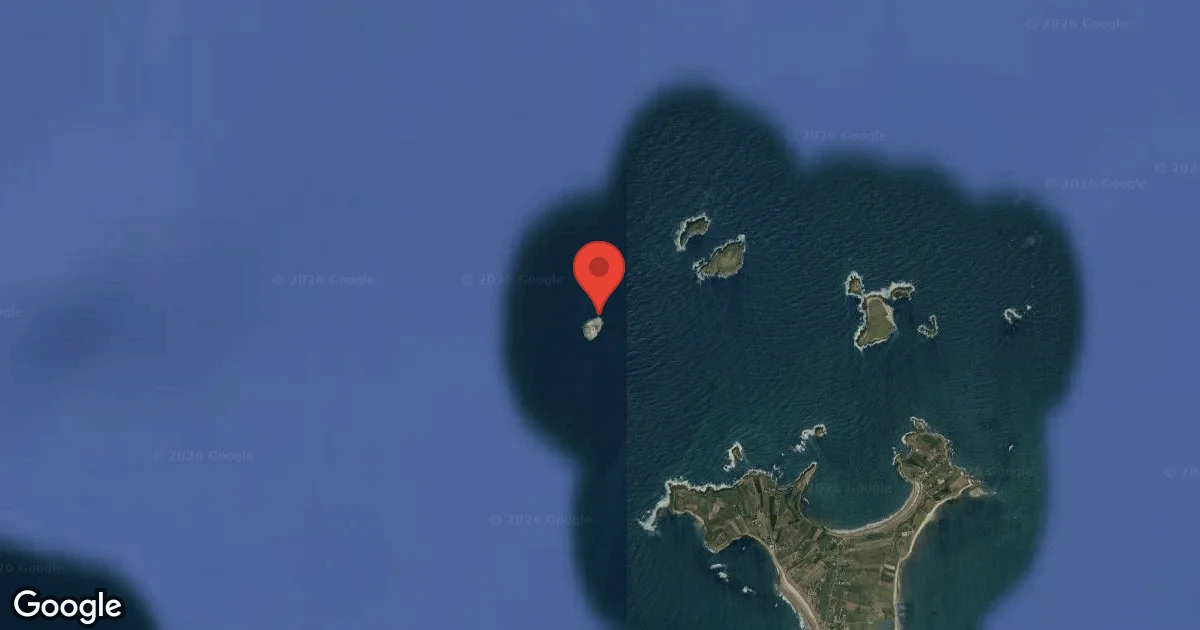
View all dive sites in IrelandDiscover more underwater gems in this area.
Dive Centers Near The Necklace 8-16 Mts
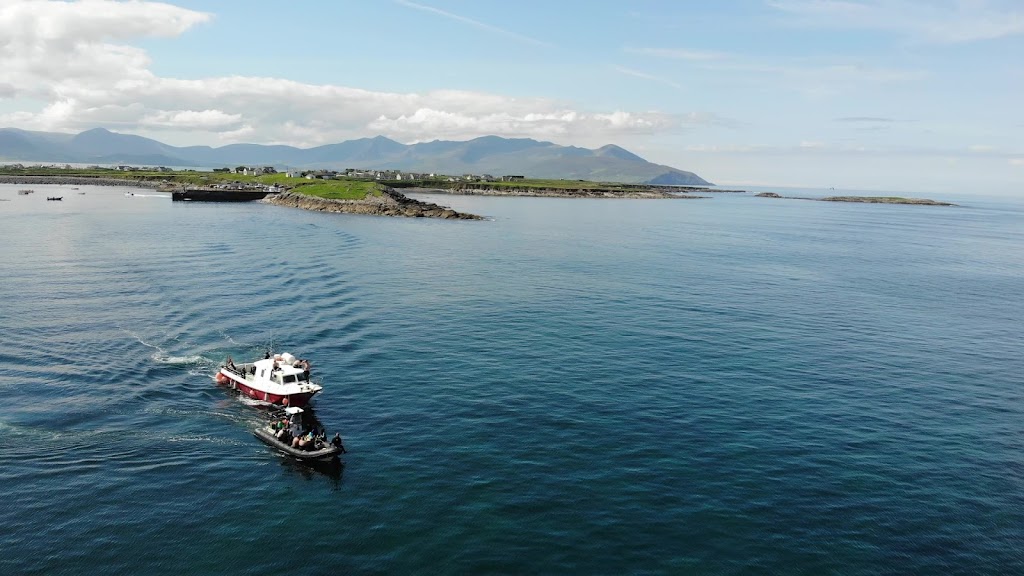
Today: 09:00 - 21:00
Nearest Airports
Nearest airports to help plan travel to this dive area.
Search Flights
Check available flights and routes on Expedia, using the nearby airports listed in this section.
Search Flights on ExpediaFrequently Asked Questions
What are the typical water temperatures at this dive site?
Water temperatures at The Necklace are consistently cool throughout the year, as is characteristic of the North Atlantic. Specific real-time temperature data is not consistently reported, but divers should anticipate chilly conditions, requiring robust thermal protection.
What kind of diving can I expect at The Necklace?
Divers can expect a combination of reef dives, wall dives, and potential drift dives. The site features diverse underwater topography, offering varied experiences depending on the chosen route and prevailing currents.
Is The Necklace suitable for beginner divers?
Considering the cool water, potentially variable visibility, and possibility of strong currents, The Necklace is generally more suitable for experienced divers. An Advanced Open Water certification or equivalent cold water/current experience is recommended.
How reliable is visibility at The Necklace?
Visibility at this site can vary significantly. Factors such as local weather, tidal movements, and plankton blooms influence underwater clarity. On calm days, it can be quite good, but periods of reduced visibility are common.
Are there any specific marine hazards to be aware of?
No specific hazards are consistently reported, beyond typical cool water diving considerations. However, strong currents can develop, especially with adverse weather. Divers should be prepared for drift conditions and potential surge in shallower areas.
What's the best time of year for optimal conditions?
The period from April to August typically offers the most favorable surface conditions, with lower average wave heights and less rainfall. However, diving outside these months is still possible for experienced divers willing to brave more challenging elements.
Planning to dive The Necklace 8-16 Mts?
Send one inquiry and receive offers directly from the best verified local dive operators.
Conditions are Poor
High Swell Advisory. Not recommended.
Current conditions near The Necklace 8-16 Mts show 14° air, 16° sea temperature, 2.9 m waves, and 46 km/h wind. Forecast data is refreshed regularly to ensure accuracy.