
Diving at The Point: 18-22MTS (Ireland)
Diving at The Point, near St. John's Point in Ireland, requires an awareness of its visibility, which commonly ranges from 5 to 15 meters, averaging around 10 meters. This variation shapes the experience of navigating the site's distinctive boulder fields and reef formations. It's an area known for its dynamic underwater clarity, influencing how divers perceive its depths.
Evening condition tracking at The Point: 18-22MTS features an air temperature of 14.5°C. We have recorded wave heights measuring 3.6 m during this period. These figures outline the environmental parameters currently present.
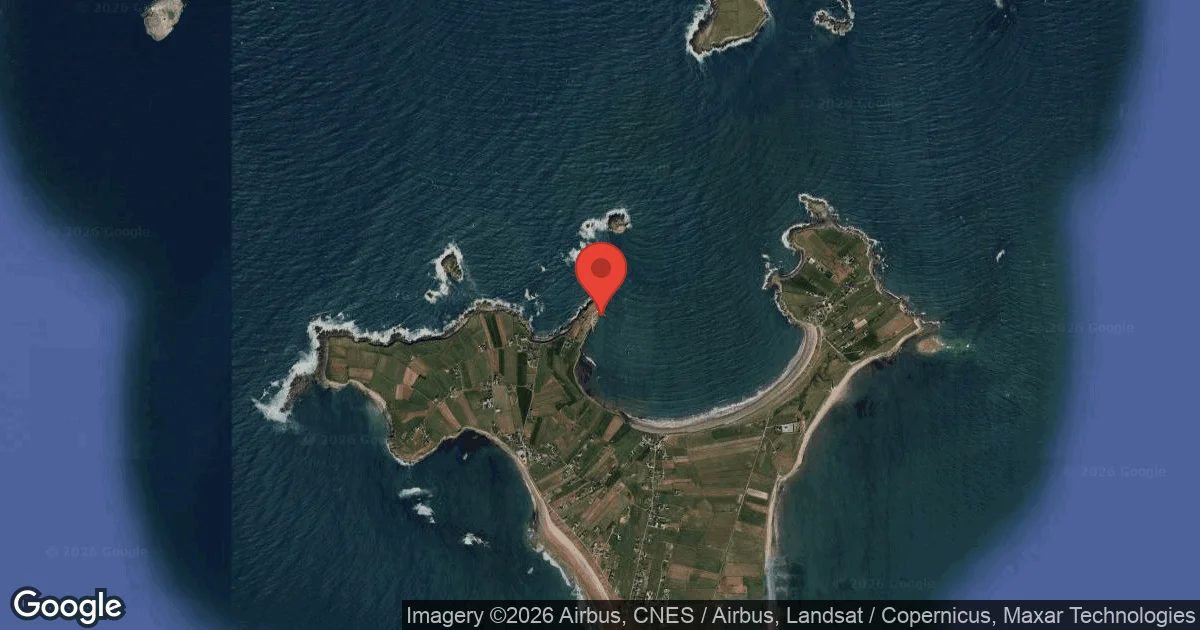
Dive Site Location & Key Facts
Dive Site Overview
Exploring The Point reveals a layered dive site, encompassing both 'the wall' section and the more challenging Black Rock. Descending from the pier, divers typically find a field of boulders at around 21 m (69 ft), where a small swim-through awaits exploration.
Navigating along the wall, distinct boulder formations at its base can serve as a natural guide, leading away from the main structure onto a subtle ridge. Such a ridge slopes towards slightly deeper sections, offering a different perspective before eventually guiding divers back towards the wall or allowing them to turn. Maximum depths for the primary wall area are between 18-22 m (59-72 ft).
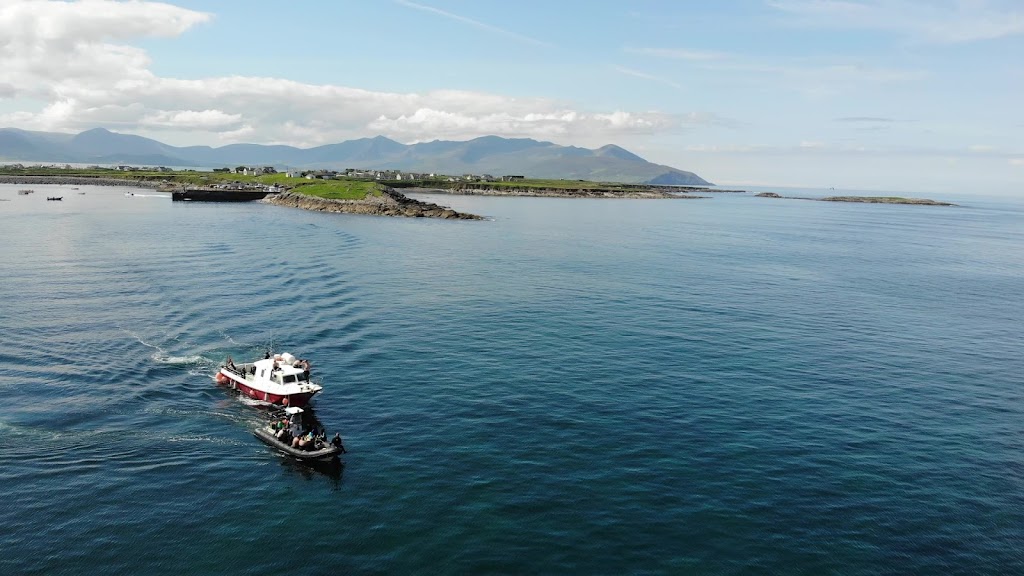
Black Rock, a separate boat dive, lies adjacent to a line of breaking rocks and descends to about 25 m (82 ft). This exposed environment is noted for its extensive marine growth and abundant life, despite potential currents.
Difficulty of access contributes to the preservation of its vibrant ecosystem. Both areas are characterized by reef structures and boulder landscapes, creating varied dive profiles suitable for exploring different aspects of the site’s underwater topography.
Conditions are Poor
High Swell Advisory. Not recommended.
Current conditions near The Point: 18-22MTS show 14° air, 16° sea temperature, 2.9 m waves, and 48 km/h wind. Forecast data is refreshed regularly to ensure accuracy.
Best Time to Dive
Optimal visibility and calmer sea states largely dictate the most favorable times for diving at The Point. An assessment of regional climate patterns suggests that the period from April through August offers improved conditions. During April, average air temperatures are around 10.5°C (51°F), steadily increasing to a high of 16°C (61°F) by August. Correspondingly, average monthly rainfall decreases significantly from 3.5 mm in April to as low as 2.6 mm in May, before slightly rising to 5.2 mm in July. These months also generally feature reduced wind speeds and lower wave heights, typically below 2 meters, which usually translates to better underwater clarity and easier access. Winter months, conversely, exhibit considerably higher rainfall, stronger winds, and larger waves, leading to lower dive scores and potentially limiting visibility, which can average 10 meters but varies. Prioritizing the spring and summer for dives will generally provide the best window for clearer conditions and a more comfortable experience.
PEAK SEASON SCORE
Scores combine air & water temps, waves, wind & rainfall for overall conditions.
BEST MONTHS TO DIVE
Monthly records compiled from satellite and marine observation nodes over the last 3 years. Data provided by Open-Meteo and MET Norway.
Dive Experience & Conditions
Approaching The Point involves understanding distinct entry points and their associated experiences. While some nearby areas offer shore diving, the most engaging parts of The Point, particularly Black Rock, necessitate boat access due to prevalent currents. Divers entering the water here will immediately notice the variable visibility, which commonly ranges from 5 to 15 meters; an average of 10 meters is often reported for the broader area. Once beneath the surface, navigating the boulder fields near 'the wall' to maximum depths of 22 meters (72 ft) provides a tactile exploration. The presence of a subtle ridge leading to deeper sections requires attentive buoyancy control, especially if following it away from the main wall. Currents, though limited at shallower shore dive locations, can become quite pronounced around Black Rock, demanding careful planning and experienced boat handling. Night diving is highly recommended for this location, transforming the familiar underwater landscape into an entirely new sensory experience.
Dive Difficulty & Safety Guidelines
Diving at The Point presents specific challenges that require careful planning and appropriate preparation. For instance, strong currents are a distinct possibility, especially around the exposed Black Rock area, making boat cover absolutely essential for any planned dives there.
Navigation can become more complex in variable visibility, which typically ranges from 5 to 15 meters; maintaining situational awareness is crucial when exploring the boulder fields and the subtle ridge formations. Shore diving entries, if utilized in nearby sections, necessitate carrying essential safety equipment such as O2, a first aid kit, and a dive marshalling slate.
Given the maximum depths of 18-22 meters (59-72 ft), divers should ensure their training is appropriate for these depths and conditions. Good buoyancy control is vital for navigating the rocky seabed and preventing accidental contact with the delicate marine environment.
Recommended Equipment
- Dive Computer
This gear list is based on verified equipment signals for The Point: 18-22MTS, Ireland. Always confirm final gear choices with your dive operator, guide, or liveaboard.
Recommended Dive Suit
For many recreational divers, 5-7mm wetsuit provides a practical level of insulation in these conditions. Strong winds are present; please take strong precautions against rapid cooling during surface intervals. A thermal robe or jacket is recommended between dives. Divers who tend to get cold easily may prefer slightly thicker exposure protection.
At the moment, divers exploring The Point: 18-22MTS will likely experience water temperatures near 16°C (61°F). Surface air temperatures are resting at 14°C (58°F).
Temperatures look set to gradually increase over the next several days. A warming trend is expected over the next few days.
Emergency & Medical Support
Essential information to help you plan your dive trip to THE POINT: 18-22mts.

Hyperbaric chambers are a critical part of dive safety infrastructure. Availability varies significantly by region, and not all dive areas have immediate access.
Before diving, it's recommended to:
- confirm nearest medical facilities
- check emergency procedures with local dive operators
- ensure dive insurance covers evacuation if required
Divers Alert Network
Diving emergency assistance available through DAN Europe.
+39 0642115685- 24/7 emergency hotline
- Diving medical assistance
- Evacuation coordination
Emergency contacts are provided for reference. Always verify local emergency services before diving.
Closest Listed Hyperbaric Chambers
Showing listed hyperbaric chamber facilities within 200 km of this dive site.
Distances are approximate straight-line distances and may not reflect emergency travel time.
National Hyperbaric Medicine Unit at University Hospital Galway
ICU CapableGalway, Ireland•Approx. 124 km straight-line
National Hyperbaric Medicine Unit at University Hospital Galway
ICU CapableInformation is provided for reference and planning purposes only. Dive Navigator does not verify operational status, staffing, availability, or quality of care at listed facilities. In an emergency, contact local emergency services, DAN, your dive operator, or the chamber directly. Do not travel to a facility without calling ahead.
Marine Life at The Point: 18-22MTS
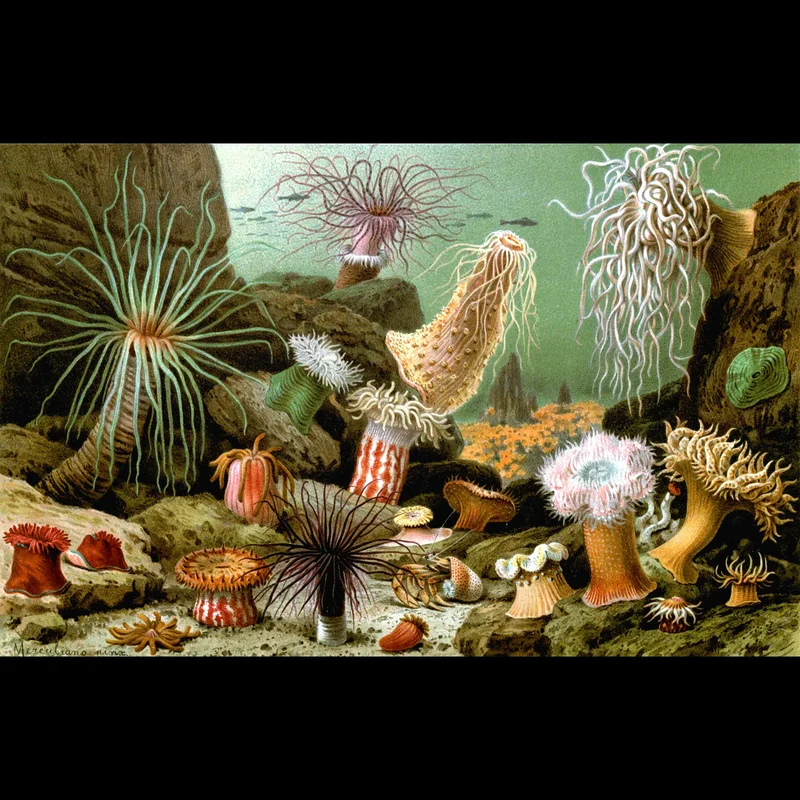
The Point's diverse reef and boulder-strewn topography provides a habitat for various marine species. Black Rock, in particular, is noted for being "riddled in life," suggesting a vibrant ecosystem of invertebrates and fish, potentially more dense due to its less accessible nature.
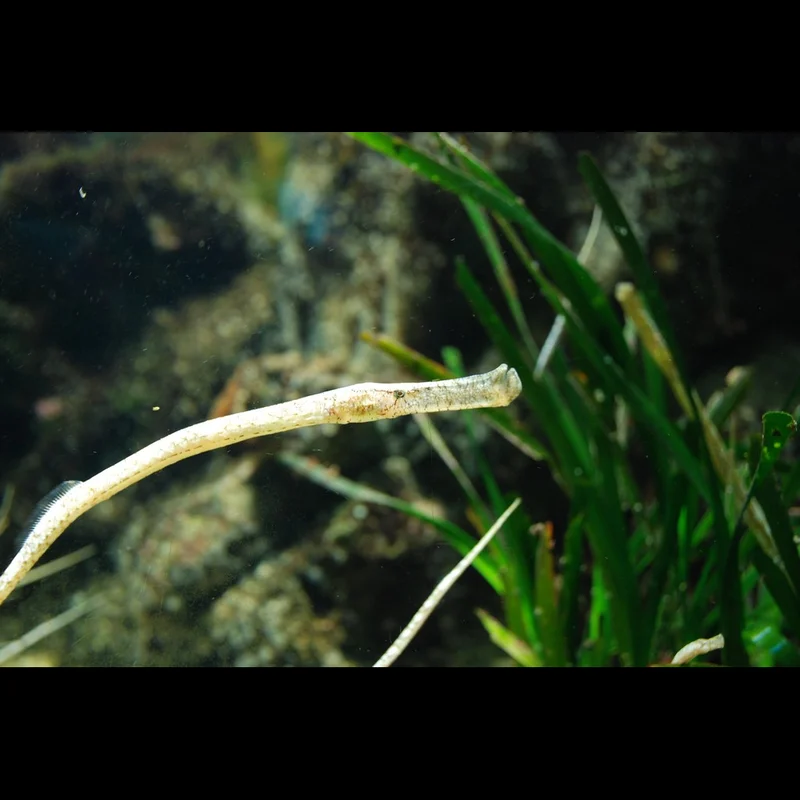
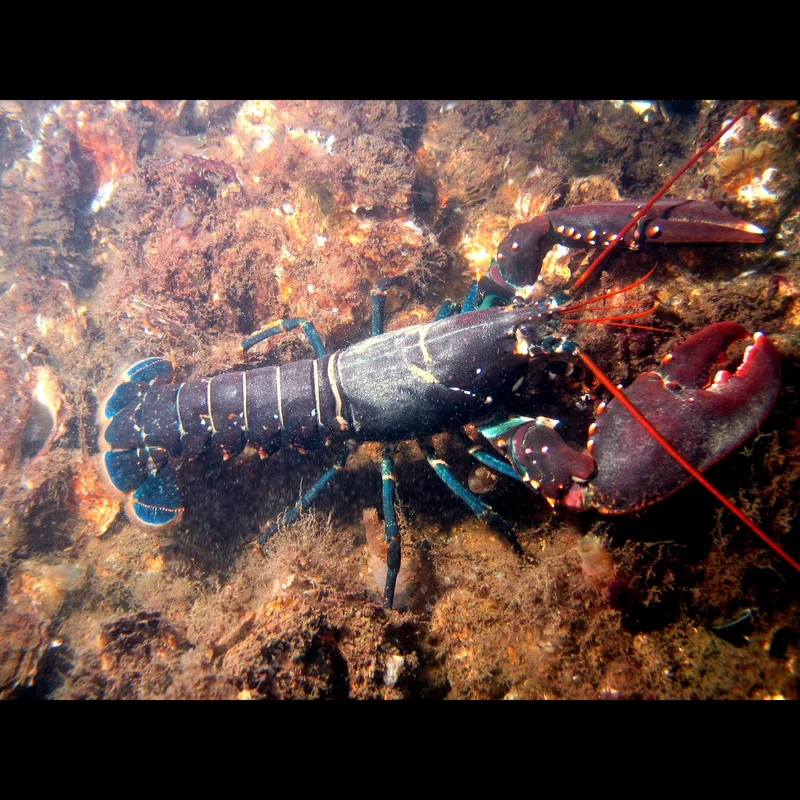
While detailed species lists are limited, the site is known to support species commonly found on rocky reefs, such as crabs and lobsters, often nestled within the crevices of the boulder fields. The nearby harbour section, for instance, specifically mentions worm pipefish, indicating the presence of smaller, more elusive creatures.
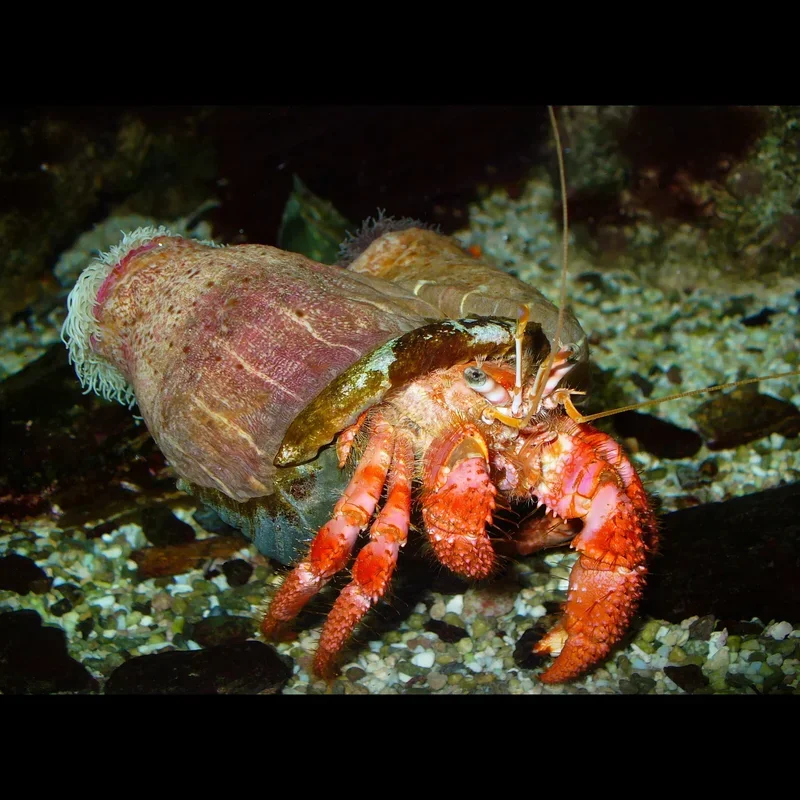
Even the adjacent beach area provides a home for numerous hermit crabs. Divers exploring these areas will encounter a representative sample of Ireland's temperate coastal marine fauna.

Dive Sites Near The Point: 18-22MTS
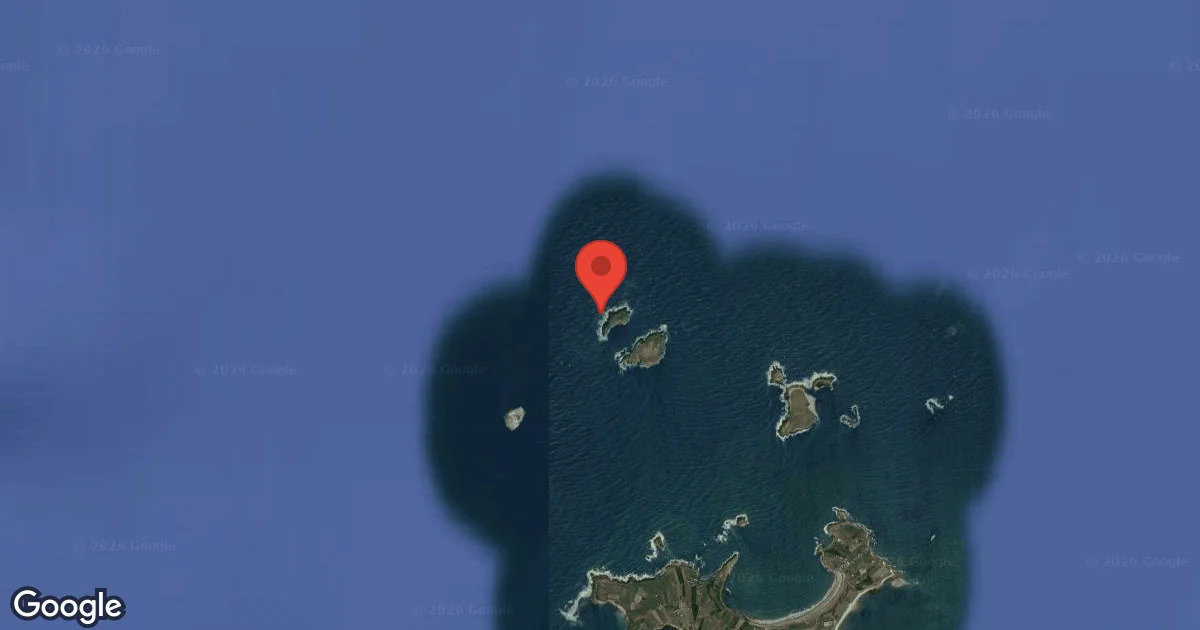
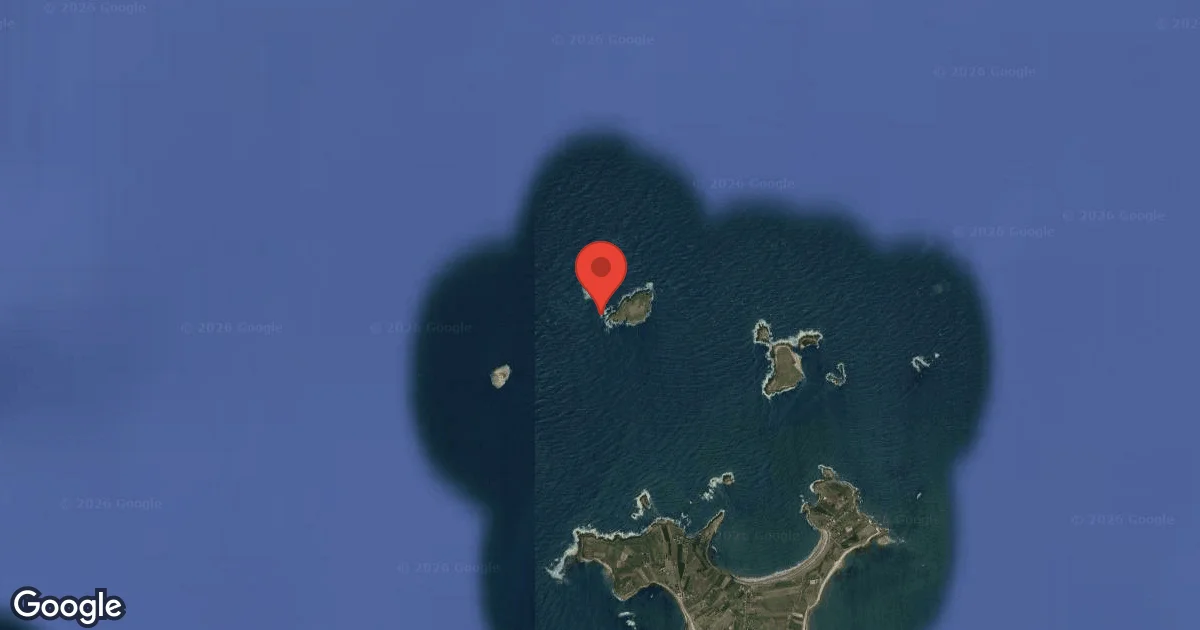
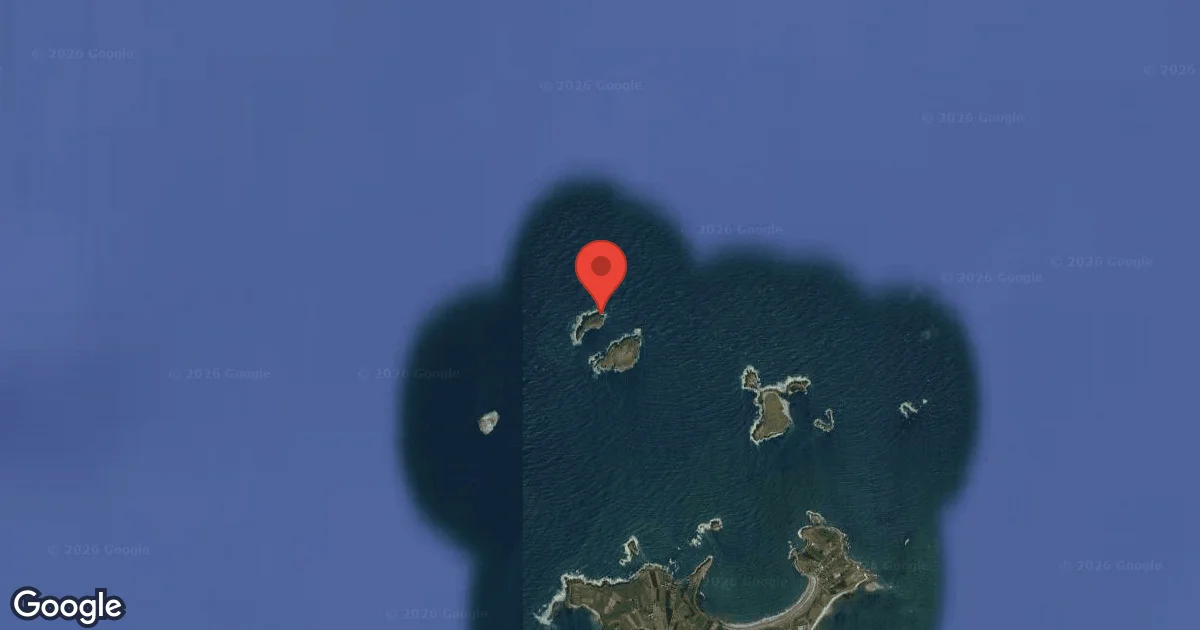
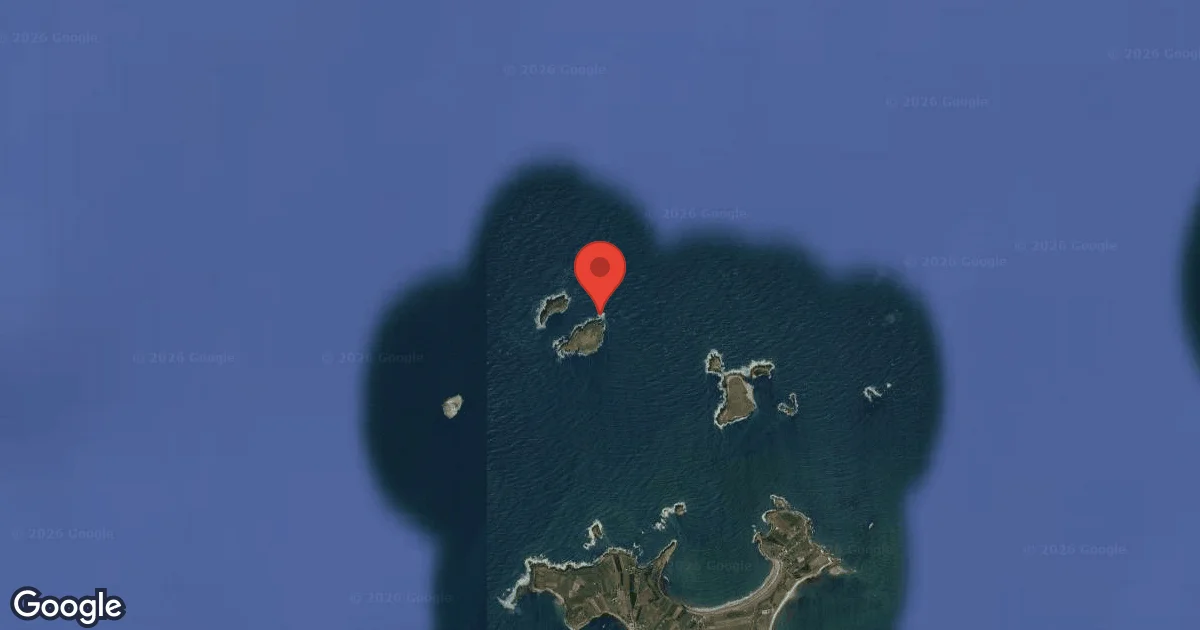
View all dive sites in IrelandDiscover more underwater gems in this area.
Dive Centers Near The Point: 18-22MTS
Today: 09:00 - 21:00
Nearest Airports
Nearest airports to help plan travel to this dive area.
Search Flights
Check available flights and routes on Expedia, using the nearby airports listed in this section.
Search Flights on ExpediaFrequently Asked Questions
What is the maximum depth at The Point?
The primary 'wall' area of The Point reaches maximum depths between 18-22 meters (59-72 ft). An adjacent site, Black Rock, can extend to about 25 meters (82 ft).
What is the typical visibility at The Point?
Visibility at The Point is variable, commonly ranging from 5 to 15 meters. An average visibility of 10 meters is often reported for the broader area, depending on prevailing weather and sea conditions.
Is The Point suitable for shore diving?
While some nearby sections around St. John's Point offer shore entry, the more rewarding and exposed Black Rock area requires boat access. Strong currents around Black Rock make shore diving there unsafe.
What kind of marine life can be observed?
Black Rock is noted for being "riddled in life." Divers can expect to find crabs, lobsters, and various reef-dwelling invertebrates. Worm pipefish have been observed in nearby harbor sections, and hermit crabs populate the adjacent beach.
Are there strong currents at The Point?
Yes, currents can be significant, especially around the Black Rock area. Divers must be prepared for these conditions, and boat cover is considered essential for diving this specific site.
When is the best time to dive The Point?
The period from April through August generally offers the most favorable conditions for diving. These months typically feature higher air temperatures, reduced rainfall, and calmer seas, which contribute to better underwater visibility and more comfortable diving.
Planning to dive The Point: 18-22MTS?
Send one inquiry and receive offers directly from the best verified local dive operators.
Conditions are Poor
High Swell Advisory. Not recommended.
Current conditions near The Point: 18-22MTS show 14° air, 16° sea temperature, 2.9 m waves, and 48 km/h wind. Forecast data is refreshed regularly to ensure accuracy.