
Diving at Blue Hole (Italy)
Off Capri’s coast in southern Italy, the Blue Grotto, or Grotta Azzurra, instantly captivates visitors with its intense blue illumination. Sunlight passing through an underwater cavity and reflecting upward bathes the cavern in an ethereal glow. While visitors experience this marvel from small rowboats, direct diving or swimming inside the grotto is strictly prohibited for safety. Coastal waters in the vicinity, however, offer distinct underwater experiences.
As evening covers Blue Hole, the local air temperature is measured at 23°C. The current wave height at the surface is recorded at 0.9 m. These late-day readings characterize the surface conditions for the night.
Dive Site Location & Key Facts
Dive Site Overview
Though the Grotta Azzurra itself is restricted from underwater exploration, Emperor Tiberius's historical use of the site as a personal swimming hole and marine temple adds a layer of intrigue. During Roman times, records indicate significantly lower sea levels permitted a much larger, easily accessible entrance, making the cave's interior higher and more open than today.
Currently, a narrow arch, approximately 2 metres (6 ft 7 in) wide and barely 1 metre (3 ft 3 in) high at low tide, marks the challenging entry point. Visitors must lie flat in small rowboats, guided by chains, to navigate this tight opening. Reduced access underscores the grotto's evolution from an imperial retreat to a revered natural wonder.
Extending about 50 meters inwards within the cliff face, the cavern's structural depth reaches roughly 150 meters to a sandy bottom. While direct diving into the Grotta Azzurra remains strictly prohibited, surrounding geological formations in the wider area present diverse underwater topography for certified divers.
Prominent pinnacles, vibrant reefs, and dramatic walls are features found here. Varied formations provide crucial context for responsible dive planning, always respecting the grotto's specific access regulations.
Conditions are Good
07:00 - 14:00
Optimal conditions expected
Current conditions near Blue Hole show 23° air, 27° sea temperature, 0.8 m waves, and 23 km/h wind. Forecast data is refreshed regularly to ensure accuracy.
Best Time to Dive
For a rewarding experience at the Blue Grotto and surrounding dive sites, targeting warmer months provides optimal conditions. Air temperatures from May to October are comfortably warm, ranging from 18°C (64°F) in May up to 26°C (79°F) in July and August. Such months typically bring significantly reduced rainfall, averaging less than 2.3 mm, alongside calmer seas with wave heights below 0.9 metres (3 ft). Conditions during this time generally earn a "Good" dive score for the region, indicating favorable underwater exploration. While midday offers peak intensity for the grotto's blue glow, early mornings between 8:30 – 10:30 am from May to October are often recommended for fewer crowds and a tranquil visit, despite a slightly less intense light effect. Afternoon grotto visits, especially after 3 pm, risk rougher seas and potential closures. Calmer summer months minimize surface chop for island diving, enhancing boat travel and overall diver comfort.
PEAK SEASON SCORE
Scores combine air & water temps, waves, wind & rainfall for overall conditions.
BEST MONTHS TO DIVE
Monthly records compiled from satellite and marine observation nodes over the last 3 years. Data provided by Open-Meteo and MET Norway.
Dive Experience & Conditions
While the interior of the Blue Grotto is exclusively for boat tours, dives along the broader Capri coastline typically involve a surface descent near its dramatic cliffs and hidden coves. Waters around Capri don't have consistently reported precise temperature ranges, but they follow Mediterranean patterns, warming significantly in summer. Visibility can be excellent, though it varies depending on local currents and recent weather. Divers exploring nearby pinnacles, reefs, and walls will find dynamic environments. Descending vertical rock faces, divers appreciate geological diversity, moving from shallower, sunlit reef sections to deeper, shadowed walls. Structural complexity characterizes the area, offering plenty of nooks and overhangs to explore. Conditions can shift; calm mornings might transition to choppier afternoons, influencing entry and exit points for boat dives.
Dive Difficulty & Safety Guidelines
An expert tip for anyone visiting the Blue Grotto or diving in its vicinity is to rigorously adhere to all local regulations. It's crucial to understand that direct swimming or diving into the Grotta Azzurra is strictly forbidden due to significant safety hazards, including the extremely low entrance and the risk of being impacted by waves against the rock face. Visitors entering via rowboat must lie flat, and even then, incidents of serious injury have occurred when sea conditions were unsuitable.
After 5:30 p.m., swimming is still illegal and extremely dangerous. For actual diving outside the grotto in the surrounding areas featuring walls and reefs, standard dive safety practices apply.
Always dive with a reputable local operator, remain aware of boat traffic, and respect marine conservation guidelines. Current conditions can vary, so always confirm local sea state reports before planning any underwater activity.
Recommended Equipment
- Dive Computer
This gear list is based on verified equipment signals for Blue Hole, Italy. Always confirm final gear choices with your dive operator, guide, or liveaboard.
Recommended Dive Suit
Current diving conditions indicate water temperatures around 27°C (80°F) at Blue Hole. Surface air temperatures are resting at 23°C (74°F).
Forecasts suggest rising temperatures later this week. A warming trend is expected over the next few days.
Most divers exploring waters at this temperature rely on 2-3mm shorty or light wetsuit for effective insulation. A hood or vest is suggested for sensitive divers due to surface winds. Water temperature is only one factor influencing overall comfort during a dive.
Emergency & Medical Support
Essential information to help you plan your dive trip to Blue Hole.

Hyperbaric chambers are a critical part of dive safety infrastructure. Availability varies significantly by region, and not all dive areas have immediate access.
Before diving, it's recommended to:
- confirm nearest medical facilities
- check emergency procedures with local dive operators
- ensure dive insurance covers evacuation if required
Divers Alert Network
Diving emergency assistance available through DAN Europe.
+39 0642115685- 24/7 emergency hotline
- Diving medical assistance
- Evacuation coordination
Emergency contacts are provided for reference. Always verify local emergency services before diving.
Closest Listed Hyperbaric Chambers
Showing listed hyperbaric chamber facilities within 200 km of this dive site.
Distances are approximate straight-line distances and may not reflect emergency travel time.
CENTRO IPERBARICO SASSARESE SRL
Sassari, Italy•Approx. 40 km straight-line
CENTRO IPERBARICO SASSARESE SRL
Information is provided for reference and planning purposes only. Dive Navigator does not verify operational status, staffing, availability, or quality of care at listed facilities. In an emergency, contact local emergency services, DAN, your dive operator, or the chamber directly. Do not travel to a facility without calling ahead.
Ospedale Paolo Merlo - Centro Iperbarico La Maddalena
ICU CapableLa Maddalena, Italy•Approx. 51 km straight-line
Ospedale Paolo Merlo - Centro Iperbarico La Maddalena
ICU CapableInformation is provided for reference and planning purposes only. Dive Navigator does not verify operational status, staffing, availability, or quality of care at listed facilities. In an emergency, contact local emergency services, DAN, your dive operator, or the chamber directly. Do not travel to a facility without calling ahead.
Marine Life at Blue Hole
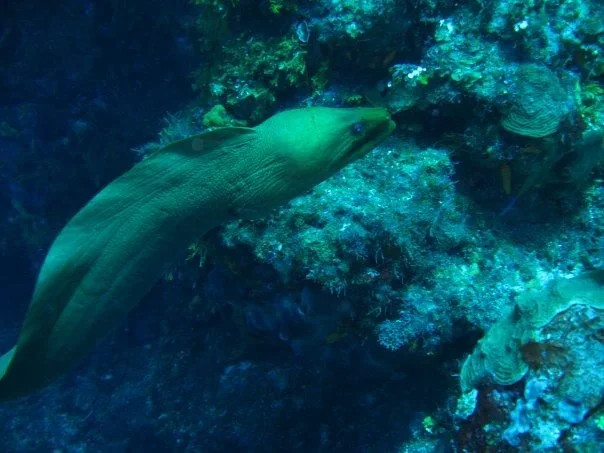
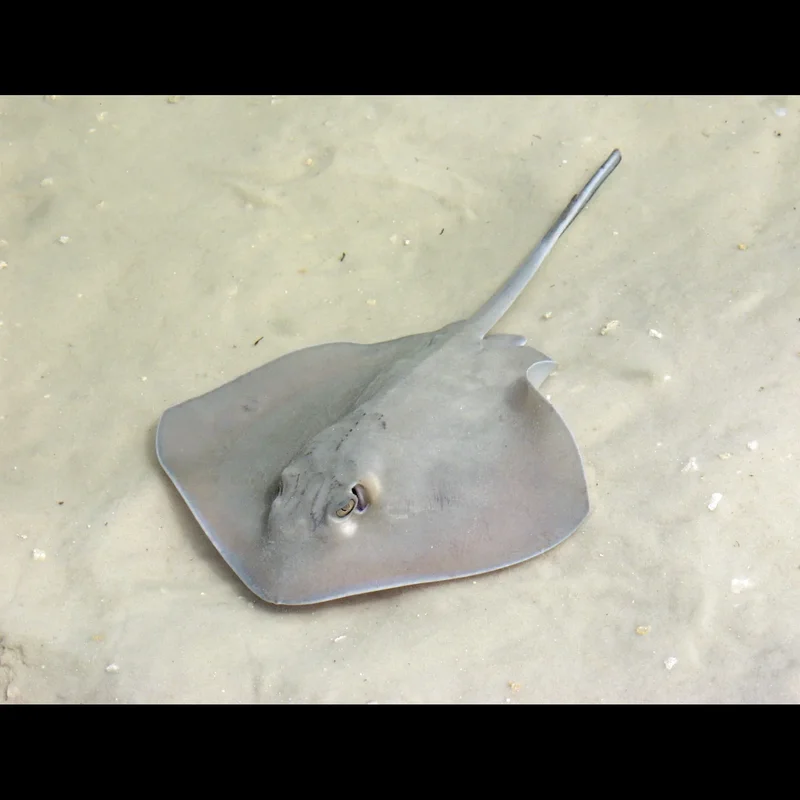
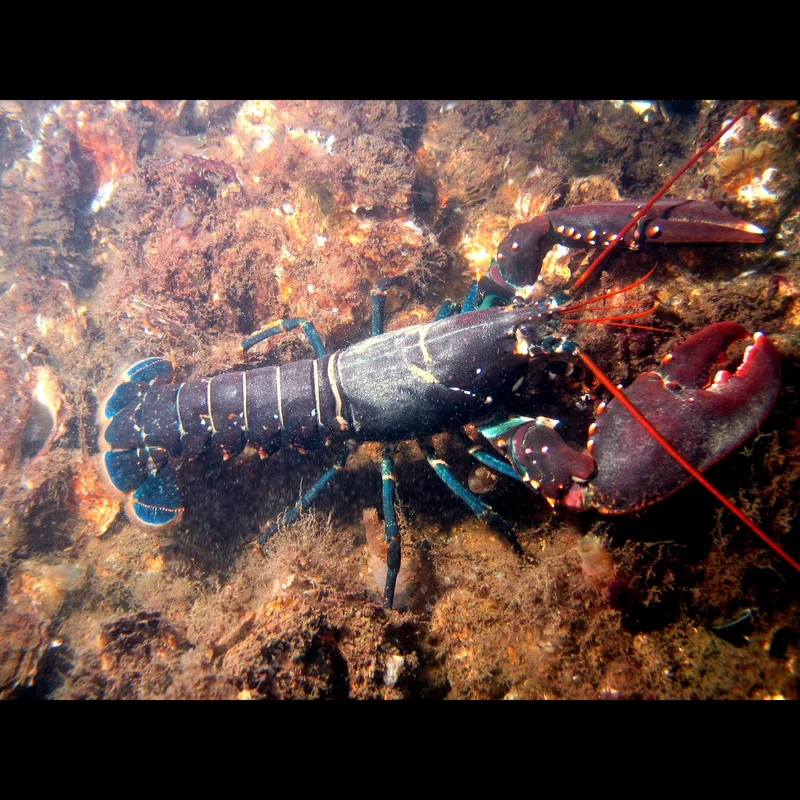
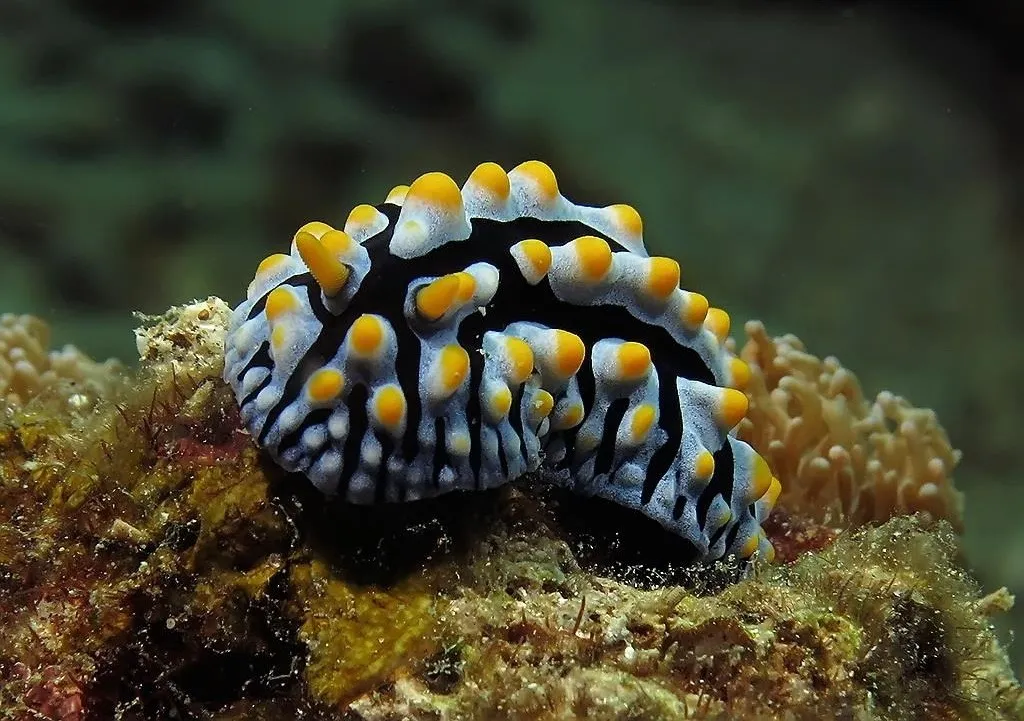
Underwater landscapes surrounding the Blue Grotto, characterized by rock formations, pinnacles, and walls, create potential habitats for various Mediterranean marine species. While specific highlights for the immediate area are not consistently reported, divers often encounter typical Mediterranean reef inhabitants in similar environments.
Expect to observe common reef fish, various invertebrates, and possibly some larger pelagic species further offshore. Grotto's unique light phenomenon doesn't directly support a diverse internal ecosystem, but external reefs provide shelter and feeding grounds.
Underwater photography can capture structural beauty, even if macro life isn't extensively documented.
Dive Sites Near Blue Hole
View all dive sites in ItalyDiscover more underwater gems in this area.
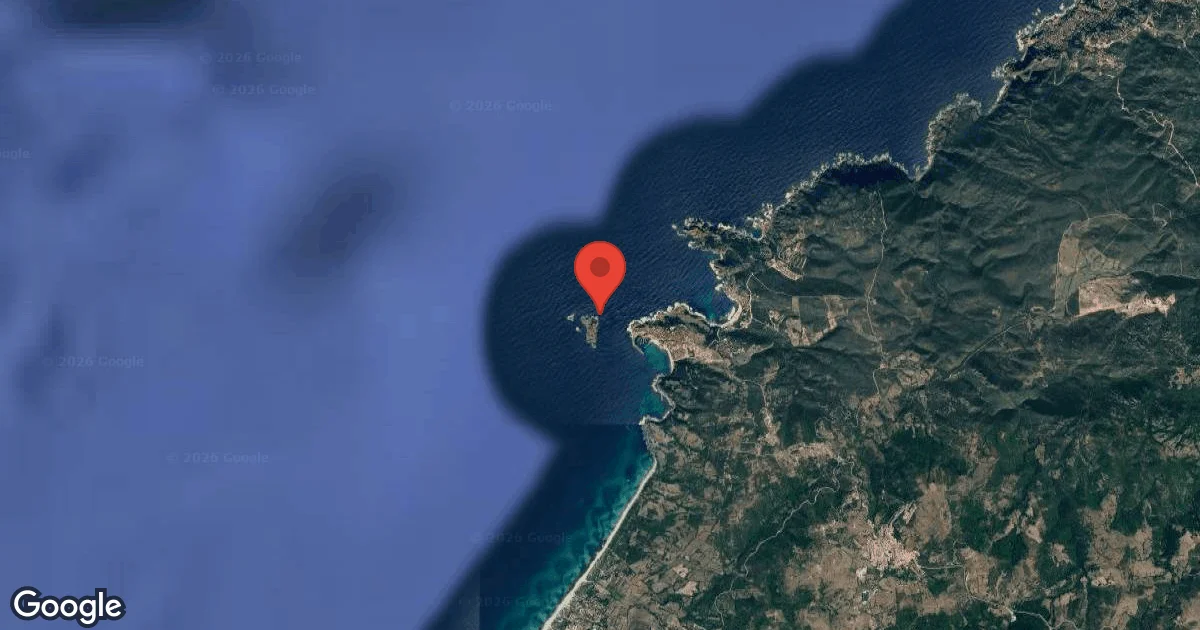
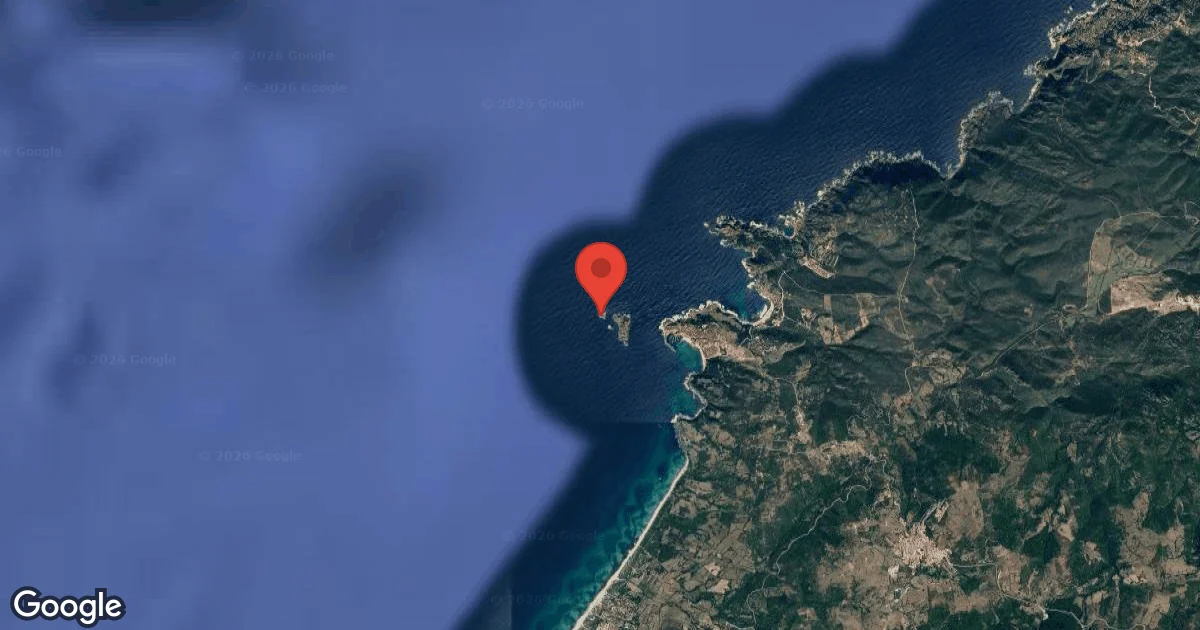
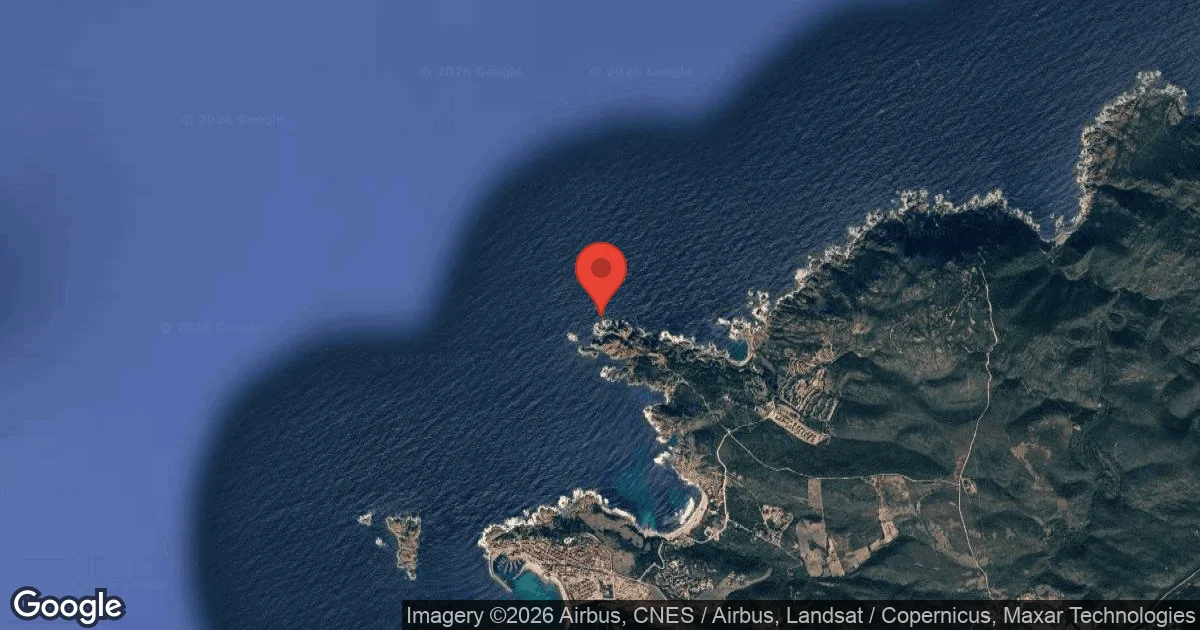
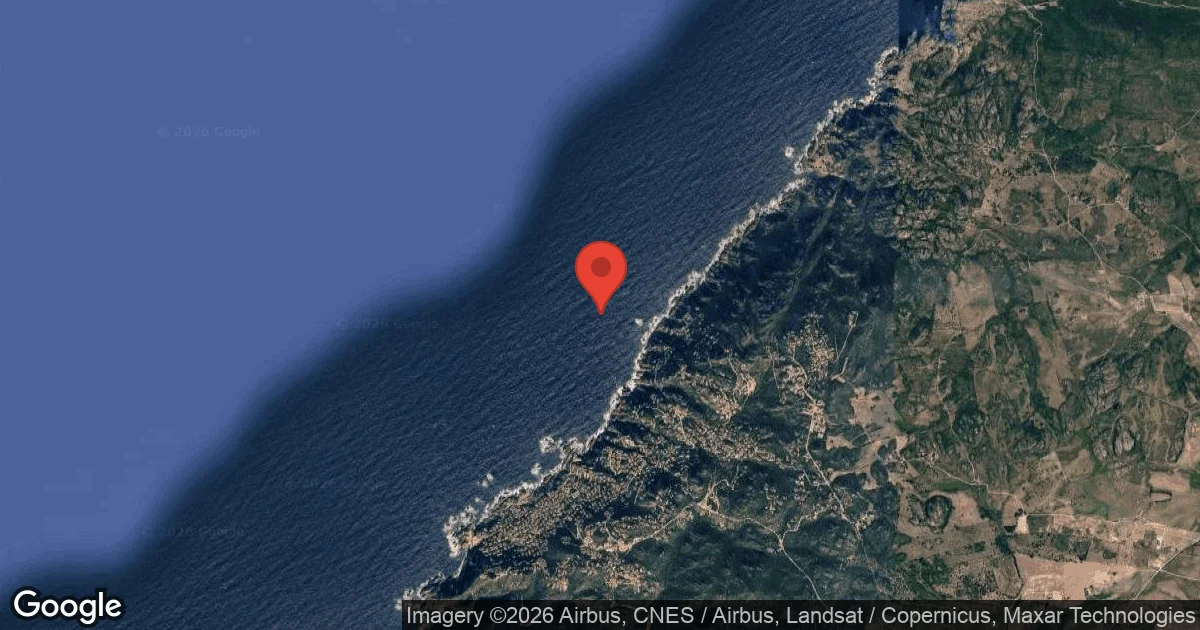
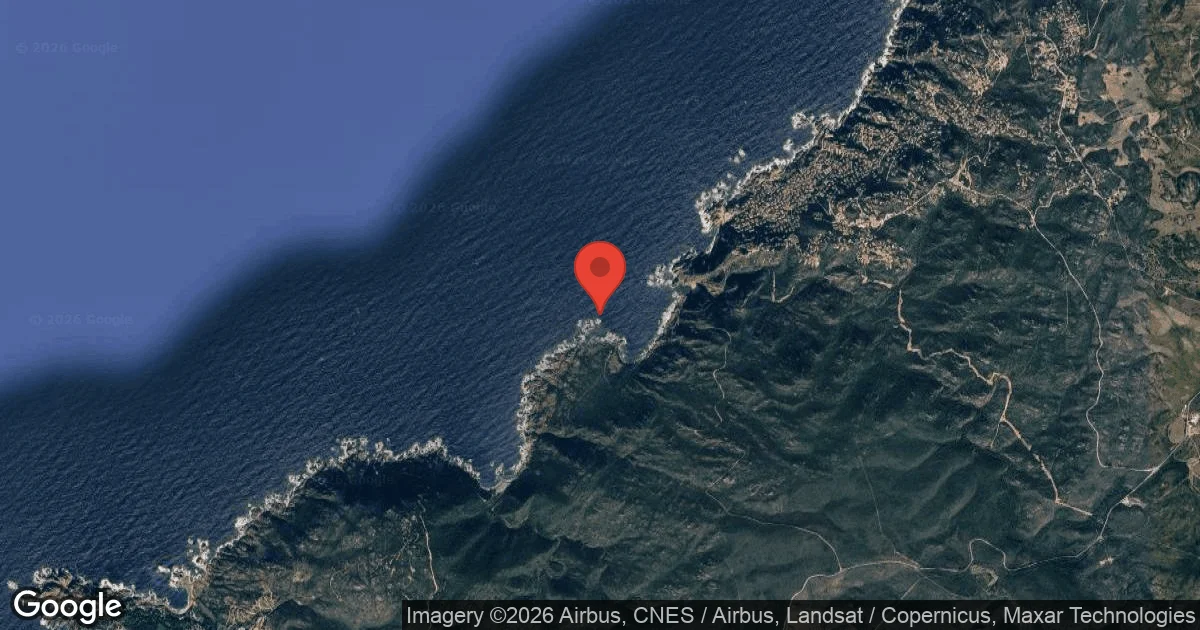
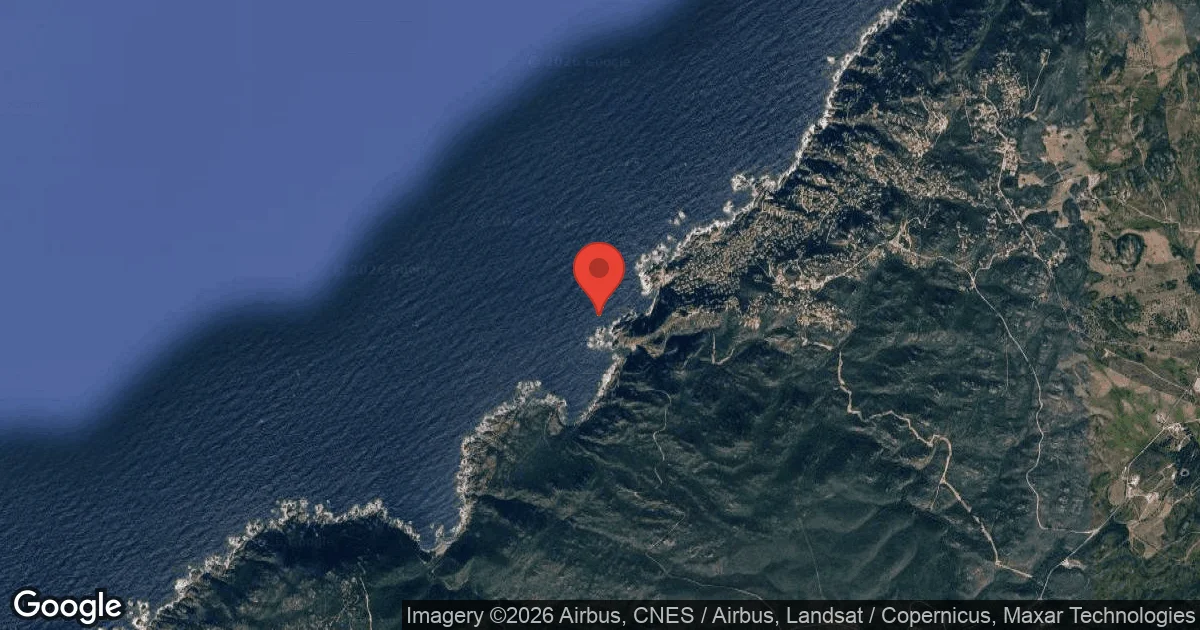
Dive Centers Near Blue Hole
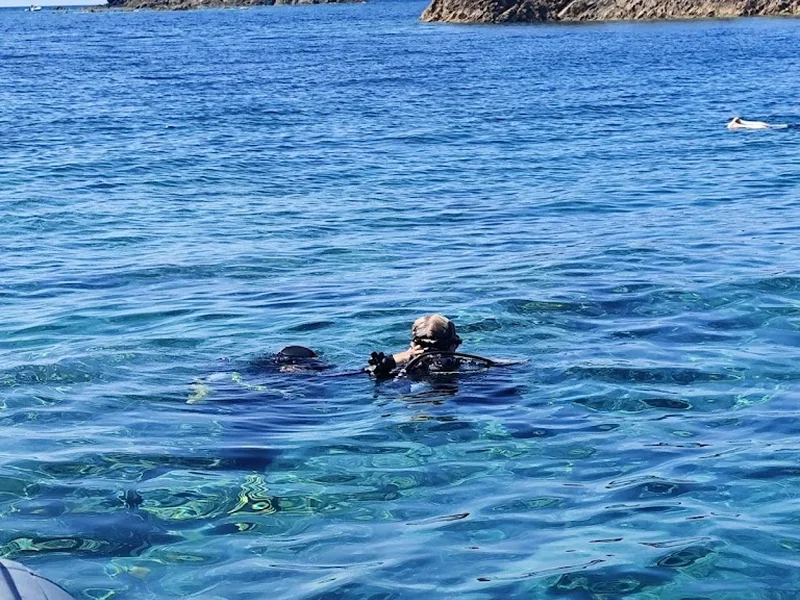
Today: 08:00 - 18:30
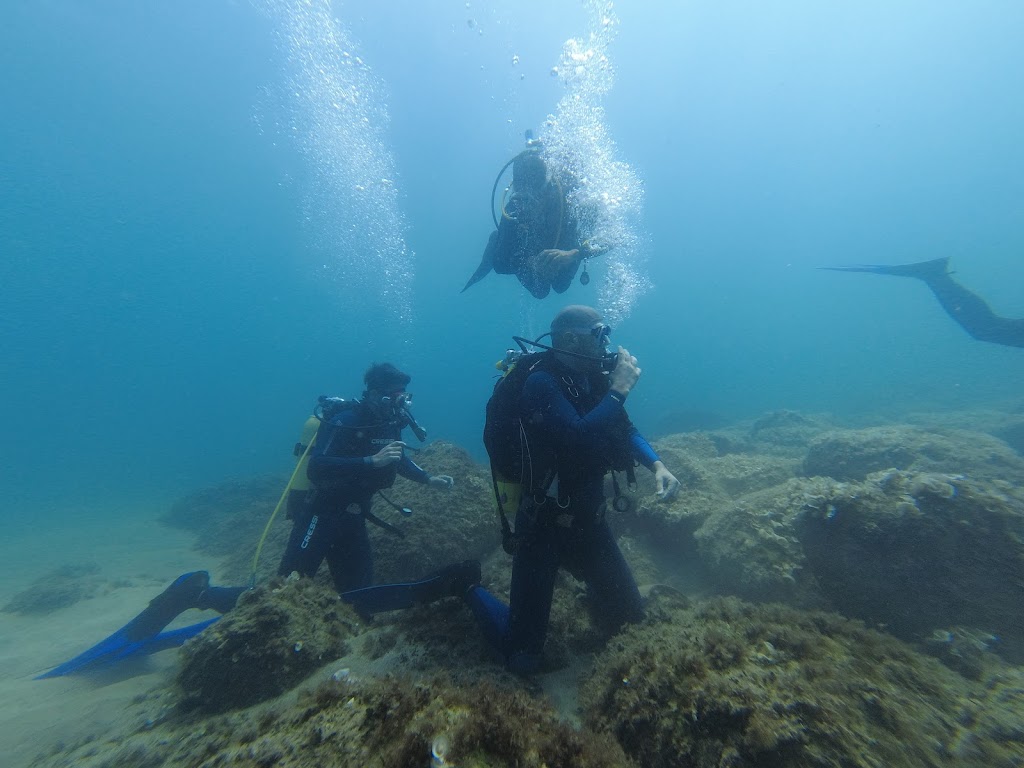
Nearest Airports
Nearest airports to help plan travel to this dive area.
Search Flights
Check available flights and routes on Expedia, using the nearby airports listed in this section.
Search Flights on ExpediaFrequently Asked Questions
Can divers enter the Blue Grotto?
No, direct swimming or diving into the Blue Grotto is strictly forbidden. The grotto is only accessible via small rowboats, and the low entrance and wave conditions present significant safety hazards for anyone in the water.
How do visitors enter the Blue Grotto?
Visitors must transfer to small, four-person rowboats at the grotto entrance. Passengers are required to lie flat on the boat's bottom while the oarsman uses a metal chain attached to the cave walls to guide the boat through the narrow, low opening.
What causes the blue light inside the grotto?
The brilliant blue glow is created by sunlight shining through an underwater cavity below the main entrance. Red light reflections are filtered out as light passes through the seawater, allowing only blue light to illuminate the cavern from below.
What is the best time of day to visit for the blue effect?
Midday, typically between 12:00 pm and 2:00 pm, offers the peak intensity of the blue glow, providing the most striking light effect. However, queues are usually very long during these hours in high season. Early morning visits (8:30 am – 10:30 am) offer fewer crowds but a slightly less intense blue.
What is the structural depth of the Blue Grotto?
The sea cave itself extends approximately 50 metres (160 ft) into the cliff and is reported to be about 150 metres (490 ft) deep to its sandy bottom within the cavern. This refers to the cave's overall structure, not a diveable depth.
How much does it cost to enter the Blue Grotto?
Tickets cost EUR 18, which includes EUR 12 for the rowboat service and EUR 6 for entry to the grotto itself. Specific discounts apply for EU citizens under 18 (free entry, pay only for rowboat) and those between 18 and 25 (EUR 2 entry).
Are life jackets provided on boats to the Blue Grotto?
Yes, all boats transporting tourists to the Blue Grotto are equipped with the mandatory safety devices, including life jackets. Adherence to safety instructions from the oarsmen is essential.
Planning to dive Blue Hole?
Send one inquiry and receive offers directly from the best verified local dive operators.
Conditions are Good
07:00 - 14:00
Optimal conditions expected
Current conditions near Blue Hole show 23° air, 27° sea temperature, 0.8 m waves, and 23 km/h wind. Forecast data is refreshed regularly to ensure accuracy.