
Diving at Isonzo (Italy)
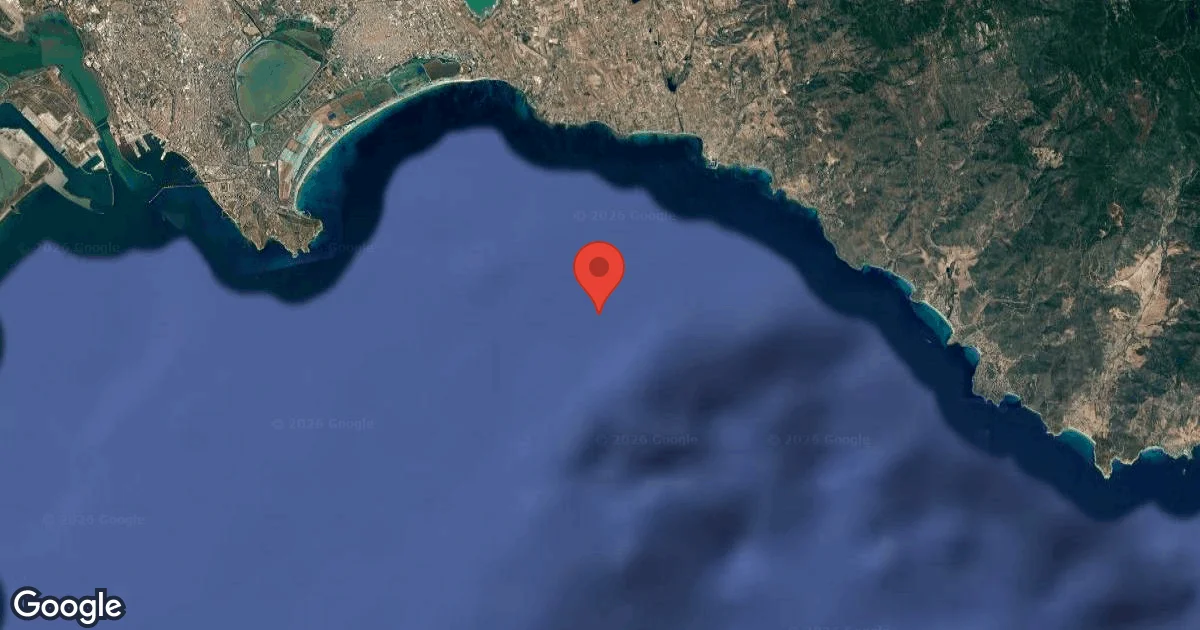
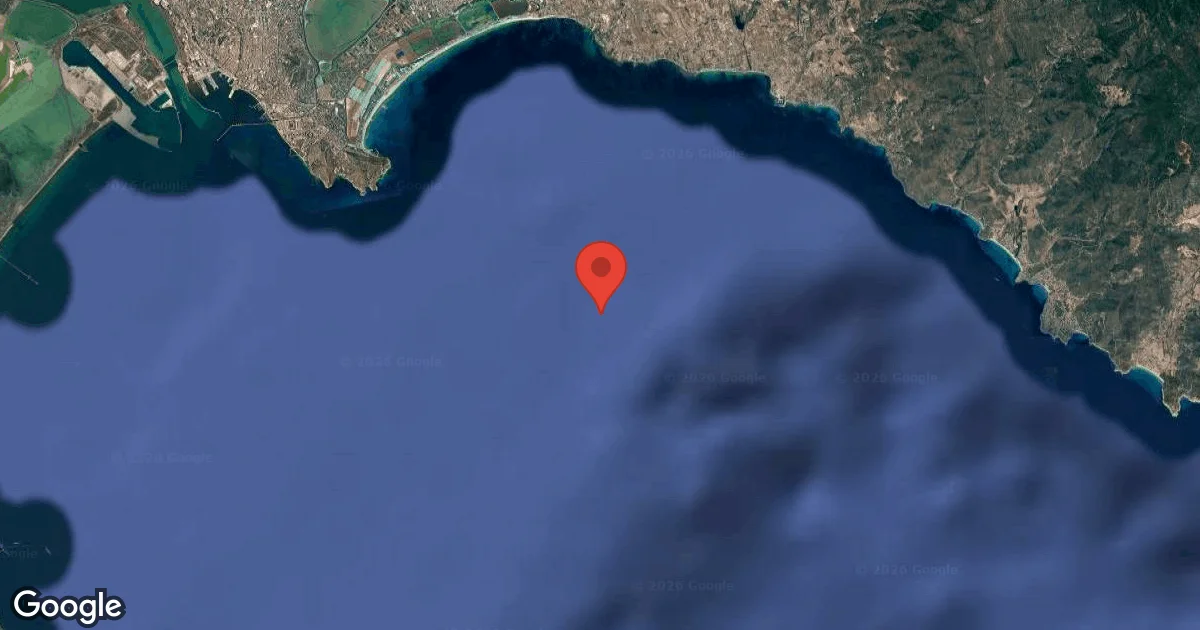
Deep on a sandy bottom near Villasimius, Sardinia, the Isonzo wreck presents a significant challenge for divers. Resting at a maximum depth of 57 meters (187 ft), its exploration demands advanced certifications and meticulous planning. This WWII armed cargo ship, a preserved historical artifact, serves as a poignant underwater museum. Its environment requires serious respect and specialized diving skills.
Tonight's objective overview for Isonzo shows an air temperature of 28.5°C. The measured surface conditions include wave heights around 0.1 m. This environmental data is logged for the close of the day.
Dive Site Location & Key Facts
Dive Site Overview
An encounter with the Isonzo provides a tangible connection to World War II maritime history; this former Italian armed cargo ship now rests as a substantial artificial reef. Sunk on April 10, 1943, by a British submarine, its considerable length, estimated at over 80 meters (262 ft), lies primarily on its starboard side on a sandy bottom.
Impressive structural elements remain, such as the aft cannon still pointing toward the surface, while visible air vents line the bridge. Exploring the bow reveals massive, settled anchors, creating an imposing profile. Vessel depths typically range between 40 and 57 meters (131-187 ft).
This historical site acts as a vibrant habitat, attracting dense shoals of anthias and various larger species that congregate around its extensive framework. Corridors and internal structures present opportunities for wreck penetration, though these passages are often narrow and can be quite challenging due to the vessel's original military design, demanding a high level of training and preparation for safe exploration.
Conditions are Good
Optimal conditions expected
Current conditions near Isonzo show 29° air, 28° sea temperature, 0.3 m waves, and 33 km/h wind. Forecast data is refreshed regularly to ensure accuracy.
Best Time to Dive
To best experience the deep historical wreck of the Isonzo, divers typically find conditions optimal from late spring through early autumn. During these months, surface air temperatures are comfortably warm, ranging from 19°C (66°F) in May up to 28°C (82°F) in July, making top-side operations more pleasant. Wave heights are generally at their lowest between May and September, which simplifies boat entry and exit for this deep dive. While dive scores remain 'Good' for most of the year, September is often highlighted for its consistently favorable conditions. Rainfall is minimal during the peak summer, further contributing to calm surface conditions.
PEAK SEASON SCORE
Scores combine air & water temps, waves, wind & rainfall for overall conditions.
BEST MONTHS TO DIVE
Monthly records compiled from satellite and marine observation nodes over the last 3 years. Data provided by Open-Meteo and MET Norway.
Dive Experience & Conditions
Conditions at the Isonzo wreck generally feature mild currents, though dynamics can vary with seasonal Mistral or Sirocco winds, potentially introducing moderate flow. Divers often experience excellent visibility, frequently allowing expansive views of the entire structure from a distance. Resting on a sandy bottom, the site's deepest sections place it firmly within advanced and technical diving realms. This substantial depth range requires careful planning and specialized gas mixes to manage bottom time effectively. Structural complexity, including intact features and penetrable sections, presents a high degree of difficulty, necessitating proficient buoyancy control and advanced navigation skills to explore safely.
Dive Difficulty & Safety Guidelines
Given the Isonzo's significant depth and structural complexity, divers considering this site must possess at least an Advanced Open Water Diver certification, with a Deep Diver specialization strongly recommended. Many experienced divers also suggest technical diving certification for safe exploration of its deeper sections and internal passages. A local guide is considered essential due to the site's intricacies and the potential for challenging conditions.
Strict adherence to no-decompression limits or appropriate technical dive plans is paramount. Always monitor gas supply and bottom time diligently when exploring this deep wreck to manage the inherent risks.
Recommended Equipment
Deep dive hazard. Increased narcosis and gas consumption risk.
Overhead / entanglement risk. Wreck penetration requires proper training.
- Dive Computer
- DSMB
- Primary & Backup Lights
- Wreck Reel
- Cutting Tool
This gear list is based on verified equipment signals for Isonzo, Italy. Always confirm final gear choices with your dive operator, guide, or liveaboard.
Recommended Dive Suit
Experienced divers often bring flexible gear options.
The water around Isonzo is currently holding at approximately 28°C (83°F), setting the tone for today's dives. Surface air temperatures are resting at 29°C (84°F). Divers who spend longer periods underwater often choose 2-3mm shorty or light wetsuit.
Current forecasts indicate relatively stable conditions for the coming days.
Due to technical issues with our weather providers, live updates are temporarily delayed. The data above reflects the conditions at the time of the last successful fetch.
Emergency & Medical Support
Essential information to help you plan your dive trip to Isonzo.

Hyperbaric chambers are a critical part of dive safety infrastructure. Availability varies significantly by region, and not all dive areas have immediate access.
Before diving, it's recommended to:
- confirm nearest medical facilities
- check emergency procedures with local dive operators
- ensure dive insurance covers evacuation if required
Divers Alert Network
Diving emergency assistance available through DAN Europe.
+39 0642115685- 24/7 emergency hotline
- Diving medical assistance
- Evacuation coordination
Emergency contacts are provided for reference. Always verify local emergency services before diving.
Closest Listed Hyperbaric Chambers
Showing listed hyperbaric chamber facilities within 200 km of this dive site.
Distances are approximate straight-line distances and may not reflect emergency travel time.
Servizio di Medicina Iperbarica "Giancarlo Boero”
24/7 ListedICU CapableCagliari, Italy•Approx. 21 km straight-line
Servizio di Medicina Iperbarica "Giancarlo Boero”
24/7 ListedICU CapableInformation is provided for reference and planning purposes only. Dive Navigator does not verify operational status, staffing, availability, or quality of care at listed facilities. In an emergency, contact local emergency services, DAN, your dive operator, or the chamber directly. Do not travel to a facility without calling ahead.
Marine Life at Isonzo
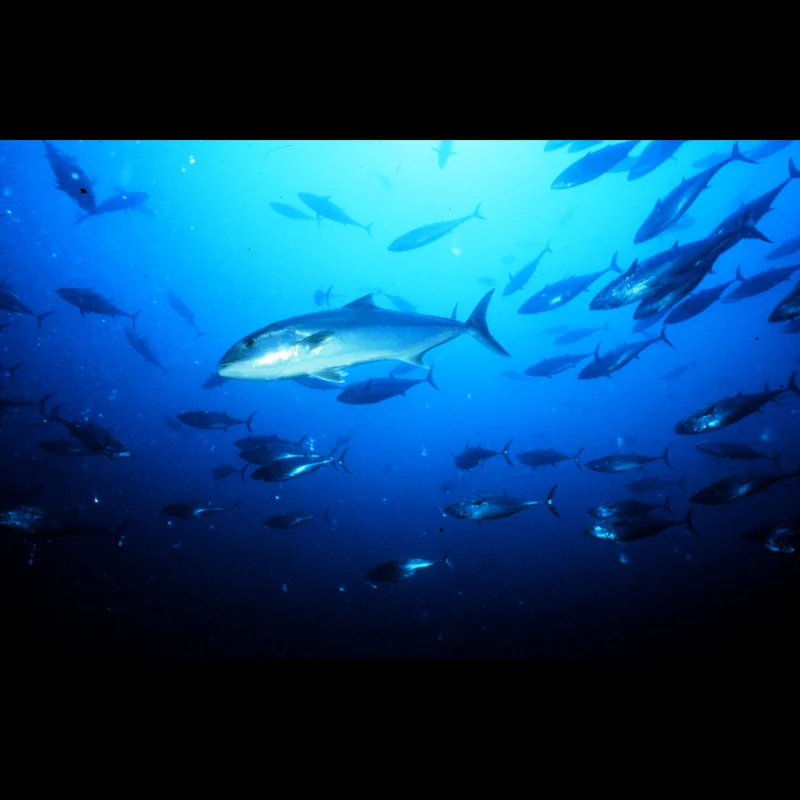
Approaching the Isonzo, you'll first notice the dense shoals of anthias shimmering around the wreck's structure, signaling its role as a vibrant artificial reef. Giant groupers often patrol the deeper sections, alongside breams and striking red snappers.
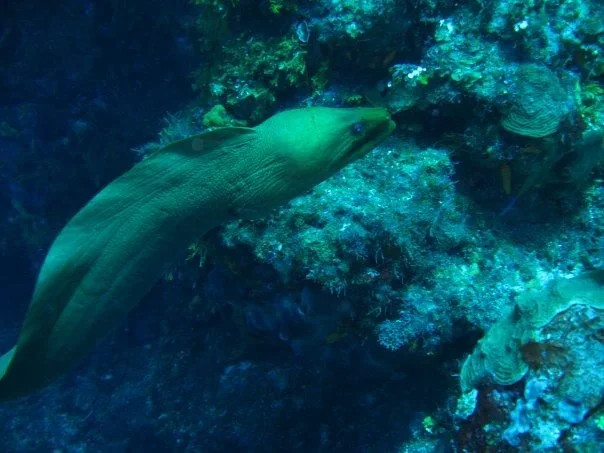
Amberjacks are frequently observed hunting, adding dynamic activity to the scene. Moray eels find refuge within the crevices and openings, while various reef fish make their home amongst the ship's remnants.
Colorful sponges and gorgonian sea fans have colonized the metalwork, transforming the historical vessel into a rich underwater garden.

Dive Sites Near Isonzo
View all dive sites in ItalyDiscover more underwater gems in this area.
Dive Centers Near Isonzo

Today: 08:30 - 13:00
Nearest Airports
Nearest airports to help plan travel to this dive area.
Search Flights
Check available flights and routes on Expedia, using the nearby airports listed in this section.
Search Flights on ExpediaFrequently Asked Questions
What is the historical significance of the Isonzo wreck?
Isonzo, an Italian armed cargo ship, was sunk on April 10, 1943, by the British submarine HMS Safari during World War II. It's a preserved historical site, offering a tangible connection to wartime events in the Mediterranean.
What dive certification is required for the Isonzo wreck?
Due to its depth and complexity, an Advanced Open Water Diver certification with a Deep Diver specialization is strongly recommended. Technical diving certification is also advised for those wishing to explore deeper sections or conduct wreck penetrations.
How deep is the Isonzo wreck?
Resting on a sandy bottom, the Isonzo wreck's depths generally range from 40 to 57 meters. This places it firmly within the realm of advanced and technical diving.
What type of marine life can divers expect to see?
As an artificial reef, the wreck attracts diverse marine life. Divers often spot dense shoals of anthias, giant groupers, red snappers, amberjacks, and moray eels. Colorful sponges and gorgonian sea fans also adorn the wreck.
What are the typical diving conditions at Isonzo?
Visibility is typically excellent, often providing clarity well beyond standard recreational metrics. Currents are generally mild, but can become moderate, especially under the influence of Mistral or Sirocco winds.
Are wreck penetrations possible on the Isonzo?
Yes, the Isonzo offers opportunities for wreck penetrations within its corridors and internal structures. However, these passages are often narrow and challenging, requiring specialized training and equipment for safe entry.
When is the best time of year to dive the Isonzo?
Divers generally find the best conditions from late spring through early autumn, particularly May to September. September is often highlighted for optimal water conditions, while summer months offer warm air temperatures and minimal rain.
Why is a guide recommended for diving the Isonzo wreck?
A local guide is highly recommended due to the wreck's significant depth, structural complexity, and potential for varying current conditions. Their expertise ensures safer navigation and highlights key features of the historical site.
Planning to dive Isonzo?
Send one inquiry and receive offers directly from the best verified local dive operators.
Conditions are Good
Optimal conditions expected
Current conditions near Isonzo show 29° air, 28° sea temperature, 0.3 m waves, and 33 km/h wind. Forecast data is refreshed regularly to ensure accuracy.