
Diving at LT221 (Italy)
A World War II relic, the LT221 wreck, a pontoon boat, rests on the Italian seabed. Intrinsically, the site is linked to the fate of an American tug boat, sinking after an impact with a mine while being towed. It serves as a submerged testament to historical events, drawing divers interested in underwater heritage.
Tonight's objective overview for LT221 shows an air temperature of 25°C. The measured surface conditions include wave heights around 0.1 m. This environmental data is logged for the close of the day.
Dive Site Location & Key Facts
Dive Site Overview
Exploring the LT221 site reveals a pontoon barge resting on a wide, sandy bottom, a silent witness to its World War II past. This intriguing structure, while only a few meters high and predominantly flat, provides an exceptional foundation for local marine ecosystems.
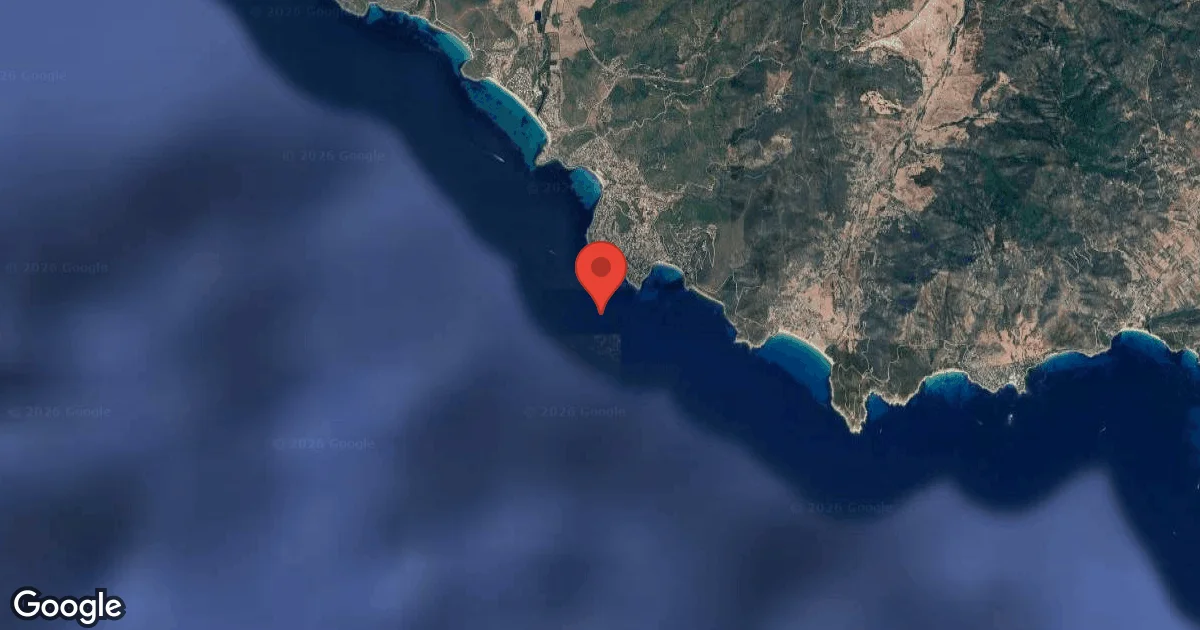
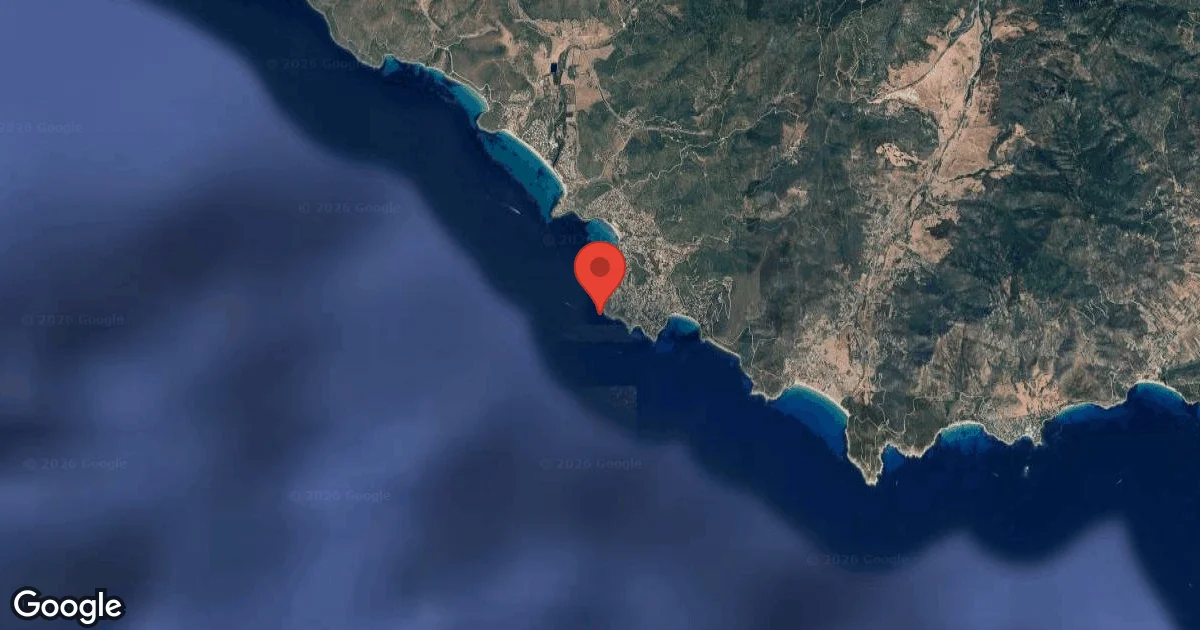
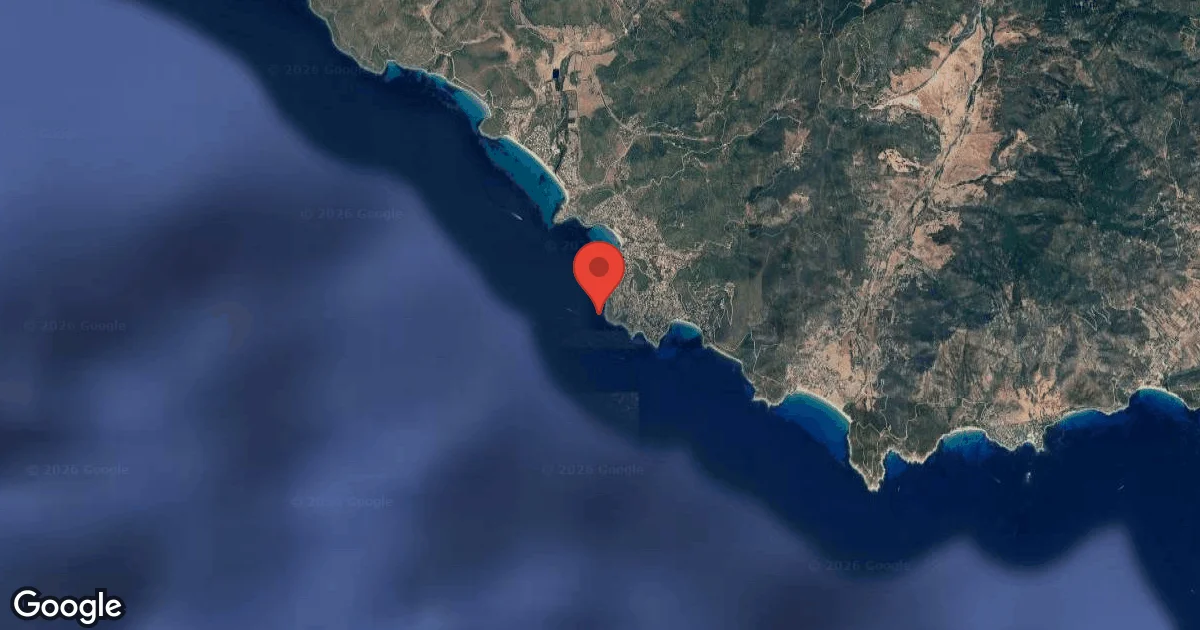
Situated approximately a mile from the American tug boat it was once associated with, the wreck descends to a considerable 50 m (164 ft). Its maximum depth, coupled with its distinct squared profile and deep placement, makes the dive site exclusively fitting for technical divers. The primary draw for many isn't solely its historical significance but its vibrant role as a naturalistic habitat.
For those equipped and trained in technical diving, the wreck offers ample observation points for its diverse inhabitants, allowing a close look at marine life adapting to artificial structures. Journeying down to these depths requires careful planning and execution, rewarding experienced divers with a profound sense of exploration and a deeper appreciation for this submerged history.
Despite its relatively simple, flattened form, the site promises an engaging exploration, revealing how time and the ocean transform human artifacts into thriving underwater communities.
Conditions are Good
Optimal conditions expected
Current conditions near LT221 show 25° air, 28° sea temperature, 0.2 m waves, and 32 km/h wind. Forecast data is refreshed regularly to ensure accuracy.
Best Time to Dive
For optimal diving conditions at the LT221, planning a trip during the warmer months, generally from June to August, is advisable. Consistently, these months show "Excellent" dive scores in system data. During this period, wave heights are typically lower, averaging around 0.4-0.5 m (1.3-1.6 ft), and wind speeds are milder, ranging from 15.85-18.52 km/h (9.8-11.5 mph). Rainfall is also minimal, with July reporting as little as 0.02 mm. While specific water temperatures are not consistently reported, warmer air temperatures, peaking at 28°C (82°F) in July, suggest more comfortable surface conditions and potentially warmer shallow water. Improved visibility often coincides with calmer sea states, enhancing the deep wreck experience. Outside these peak summer months, conditions still rate as "Good," but divers should anticipate slightly choppier seas and cooler surface temperatures.
PEAK SEASON SCORE
Scores combine air & water temps, waves, wind & rainfall for overall conditions.
BEST MONTHS TO DIVE
Monthly records compiled from satellite and marine observation nodes over the last 3 years. Data provided by Open-Meteo and MET Norway.
Dive Experience & Conditions
Descent to the LT221 wreck is a journey into the deeper technical limits of diving, requiring careful preparation. As divers move through the water column, visibility can remain generally good, particularly during the calmer summer months, enhancing the view of the open water before reaching the bottom. Approaching the 50 m (164 ft) maximum depth, divers will observe the pontoon barge spread across the sandy bottom. Water temperatures in these deeper zones are not consistently reported but are typically cooler than surface waters, necessitating appropriate thermal protection. While specific current information is limited, conditions in the open sea can vary, meaning divers should be prepared for potential moderate flow and plan their dive accordingly. Navigating the wreck itself, given its relatively flat and spread-out nature, demands good buoyancy control to avoid disturbing the sandy seabed and to effectively explore its features.
Dive Difficulty & Safety Guidelines
Safety for a dive at LT221 starts with acknowledging its technical diving depth. A dive to 50 m (164 ft) requires advanced certifications, proper training in deep diving, and technical equipment suitable for extended bottom times and decompression. Divers must meticulously plan gas mixes and consumption, accounting for increased pressure and potential for narcosis at these depths.
Maintaining excellent buoyancy control is crucial to avoid entanglement with wreck structure or disturbing fine sandy sediment, which could significantly reduce visibility. Always dive with a reliable buddy team and carry redundant systems.
Prioritize continuous monitoring of your dive computer and gas supply, and be prepared for self-rescue or assisting others. Effective communication and adherence to established dive plans are fundamental for a safe and rewarding experience.
Recommended Equipment
Deep dive hazard. Increased narcosis and gas consumption risk.
Overhead / entanglement risk. Wreck penetration requires proper training.
- Dive Computer
- DSMB
- Primary & Backup Lights
- Wreck Reel
- Cutting Tool
This gear list is based on verified equipment signals for LT221, Italy. Always confirm final gear choices with your dive operator, guide, or liveaboard.
Recommended Dive Suit
Water temperatures at LT221 are currently estimated to be around 28°C (82°F), shaping the overall diving conditions for today. Surface air temperatures are resting at 25°C (77°F).
2-3mm shorty or light wetsuit generally offers enough warmth for most dives under these conditions.
Forecast trends indicate little change in overall diving conditions during the next few days.
Due to technical issues with our weather providers, live updates are temporarily delayed. The data above reflects the conditions at the time of the last successful fetch.
Emergency & Medical Support
Essential information to help you plan your dive trip to LT221.

Hyperbaric chambers are a critical part of dive safety infrastructure. Availability varies significantly by region, and not all dive areas have immediate access.
Before diving, it's recommended to:
- confirm nearest medical facilities
- check emergency procedures with local dive operators
- ensure dive insurance covers evacuation if required
Divers Alert Network
Diving emergency assistance available through DAN Europe.
+39 0642115685- 24/7 emergency hotline
- Diving medical assistance
- Evacuation coordination
Emergency contacts are provided for reference. Always verify local emergency services before diving.
Closest Listed Hyperbaric Chambers
Showing listed hyperbaric chamber facilities within 200 km of this dive site.
Distances are approximate straight-line distances and may not reflect emergency travel time.
Servizio di Medicina Iperbarica "Giancarlo Boero”
24/7 ListedICU CapableCagliari, Italy•Approx. 9 km straight-line
Servizio di Medicina Iperbarica "Giancarlo Boero”
24/7 ListedICU CapableInformation is provided for reference and planning purposes only. Dive Navigator does not verify operational status, staffing, availability, or quality of care at listed facilities. In an emergency, contact local emergency services, DAN, your dive operator, or the chamber directly. Do not travel to a facility without calling ahead.
CENTRO IPERBARICO SASSARESE SRL
Sassari, Italy•Approx. 197 km straight-line
CENTRO IPERBARICO SASSARESE SRL
Information is provided for reference and planning purposes only. Dive Navigator does not verify operational status, staffing, availability, or quality of care at listed facilities. In an emergency, contact local emergency services, DAN, your dive operator, or the chamber directly. Do not travel to a facility without calling ahead.
Marine Life at LT221
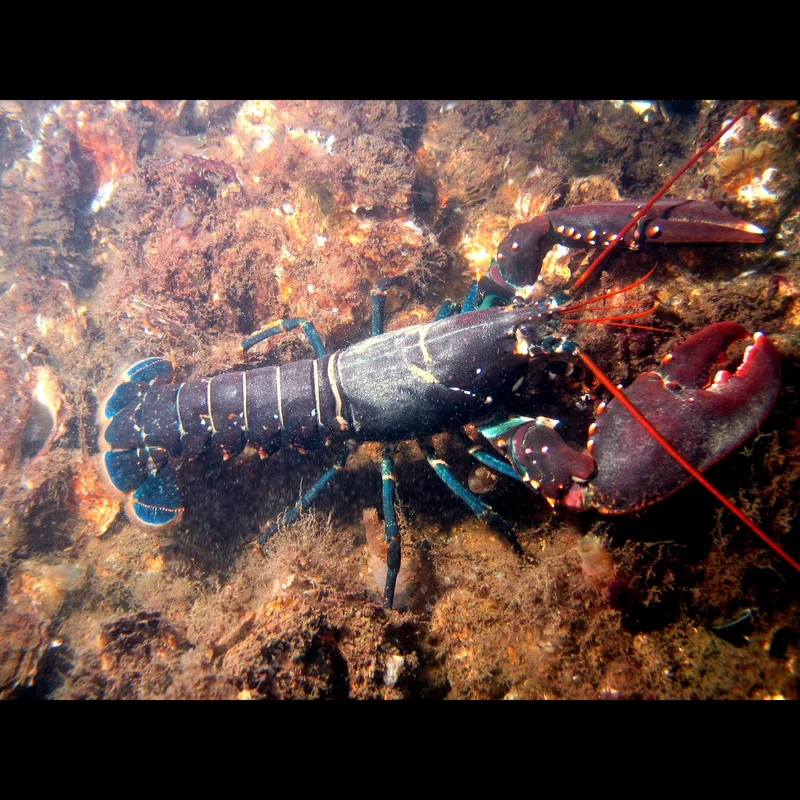
Upon arriving at the LT221 wreck, divers often first notice the abundance of lobsters, which find refuge within the structure's crevices and under its flat surfaces. The wreck's role as a vital habitat extends to other species commonly found on local wrecks.
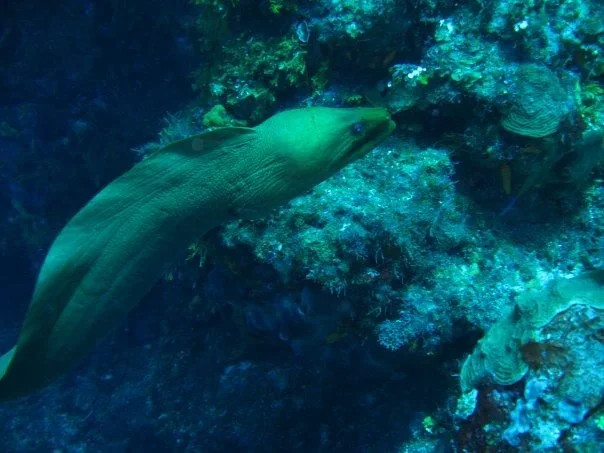
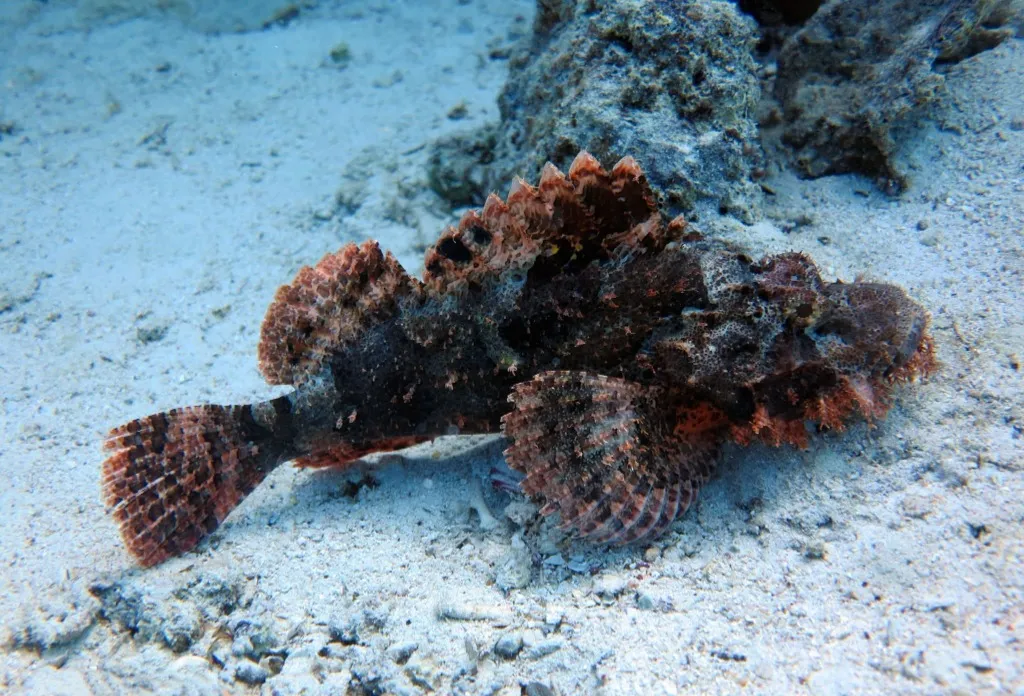
Scorpionfish, masters of camouflage, blend seamlessly with aging metal and surrounding sand, requiring a keen eye to spot. Moray eels and congers also inhabit the wreck, often peering out from hidden spaces, adding to the site's rich biodiversity.
Observing these creatures provides insight into the thriving ecosystem that has developed around this historical artifact.

Dive Sites Near LT221
View all dive sites in ItalyDiscover more underwater gems in this area.
Dive Centers Near LT221

Today: 08:30 - 13:00
Nearest Airports
Nearest airports to help plan travel to this dive area.
Search Flights
Check available flights and routes on Expedia, using the nearby airports listed in this section.
Search Flights on ExpediaFrequently Asked Questions
What type of dive is LT221?
LT221 is primarily a technical wreck dive. Its considerable depth and overall profile are best suited for divers with advanced training and experience in deep and technical diving procedures.
What is the maximum depth at LT221?
The wreck lies on a sandy bottom at a maximum depth of approximately 50 meters. Such a deep site places it firmly within the realm of technical diving.
What's the history of the LT221 wreck?
The LT221 was a pontoon boat that sank during World War II. It met its end after impacting a mine while being towed by an American tug boat, to which its fate is closely linked.
What marine life can I expect to see at LT221?
This wreck serves as an ideal habitat for numerous species. Divers frequently encounter lobsters, scorpionfish, moray eels, and congers making their home among the wreck's structure.
What are the general conditions like at the LT221 dive site?
Conditions can vary, but during peak season, expect good visibility. Water temperatures at these depths are generally cooler, while surface air temperatures range significantly throughout the year. Wave heights are typically calmer in summer.
Is LT221 suitable for recreational divers?
No, LT221 is not recommended for recreational divers. Its extreme depth and the specific technical demands of wreck diving at this level require advanced certifications and experience.
When is the best time to dive LT221?
The optimal time to dive LT221 is during the summer months, from June to August. During this period, dive scores are "Excellent," with lower wave heights, milder winds, and minimal rainfall, generally leading to better conditions.
Planning to dive LT221?
Send one inquiry and receive offers directly from the best verified local dive operators.
Conditions are Good
Optimal conditions expected
Current conditions near LT221 show 25° air, 28° sea temperature, 0.2 m waves, and 32 km/h wind. Forecast data is refreshed regularly to ensure accuracy.