
Diving at Le Aragoste (Italy)
Exploring Le Aragoste offers certified divers a tangible journey through diverse underwater topographies, from a vibrant Posidonia plateau to deep gorgonian forests. A Tuscan dive site, it rewards keen observation with rich coralligenous life, home to numerous lobsters that inspired its name. Suitable for various certification levels, it provides both shallower exploration and deeper wall adventures for those seeking extensive marine observation.
As evening covers Le Aragoste, the local air temperature is measured at 20°C. The current wave height at the surface is recorded at 0.7 m. These late-day readings characterize the surface conditions for the night.
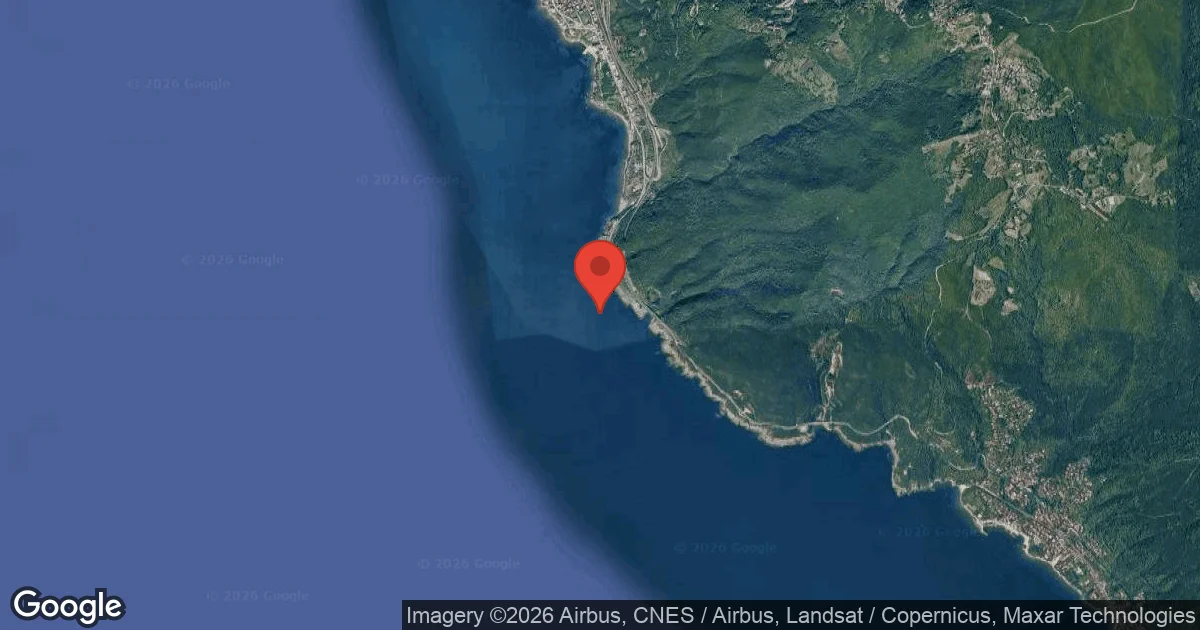
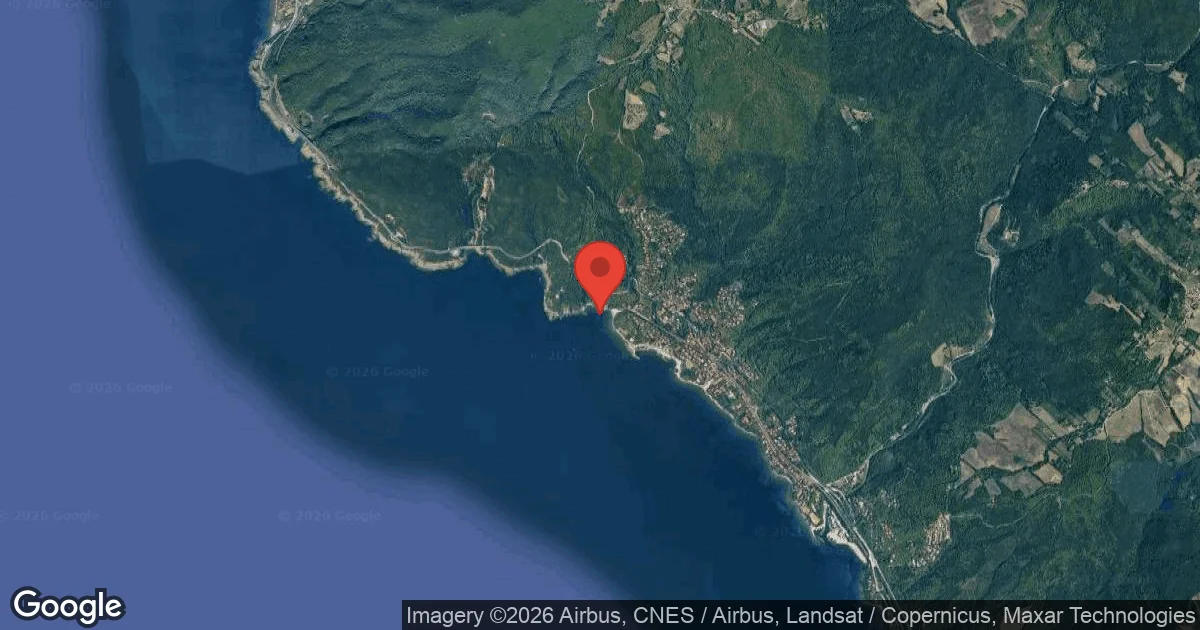
Dive Site Location & Key Facts
Dive Site Overview
Le Aragoste unveils a complex underwater landscape beginning with a Posidonia oceanica plateau at 12 m (39 ft), often serving as an anchorage point. From here, a distinct first drop-off descends to 18 m (59 ft).
Divers can trace initial gullies, observing the sandy bottom and the vibrant coralligenous life thriving within Tuscany's 'fondai' ravines. A second, more pronounced drop further leads to 25 meters. Following the wall's left shoulder, the terrain gives way to a formation described as a 'panettone,' which rapidly plunges first to approximately 32 meters and then extends beyond 45 meters.
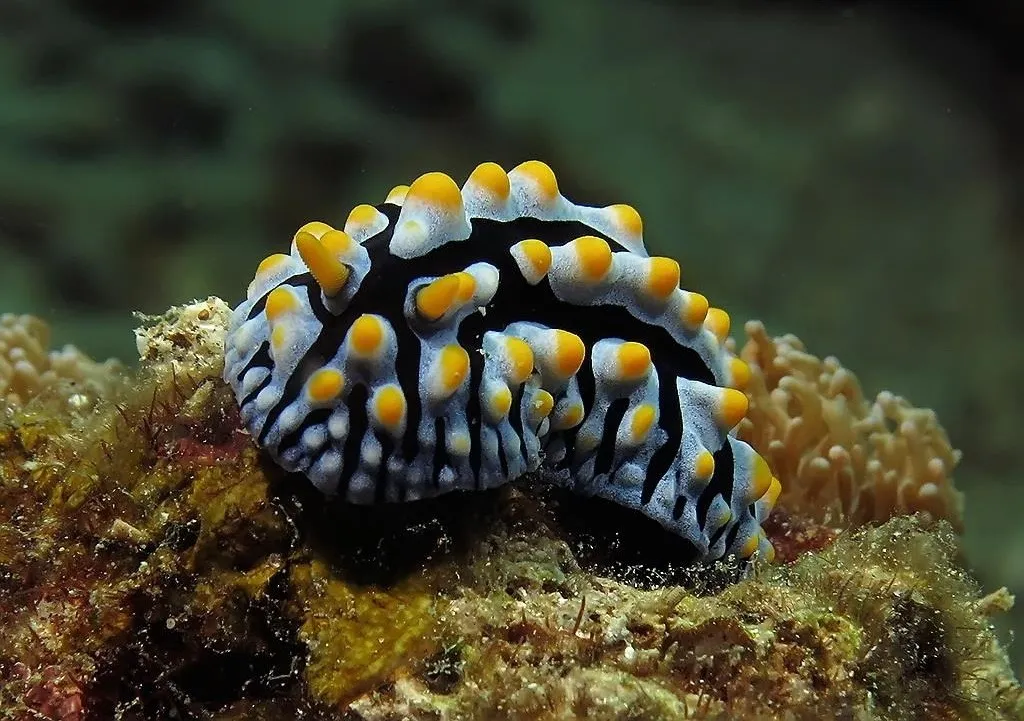
A deeper zone transforms into a kingdom of Paramuricea clavata, revealing true forests of red gorgonians. Even at roughly 20 meters, isolated gorgonian colonies can be observed, contrasting with the colorful explosion of red corals, sea daisies, sponges, and diverse nudibranchs found within the rocky canyons.
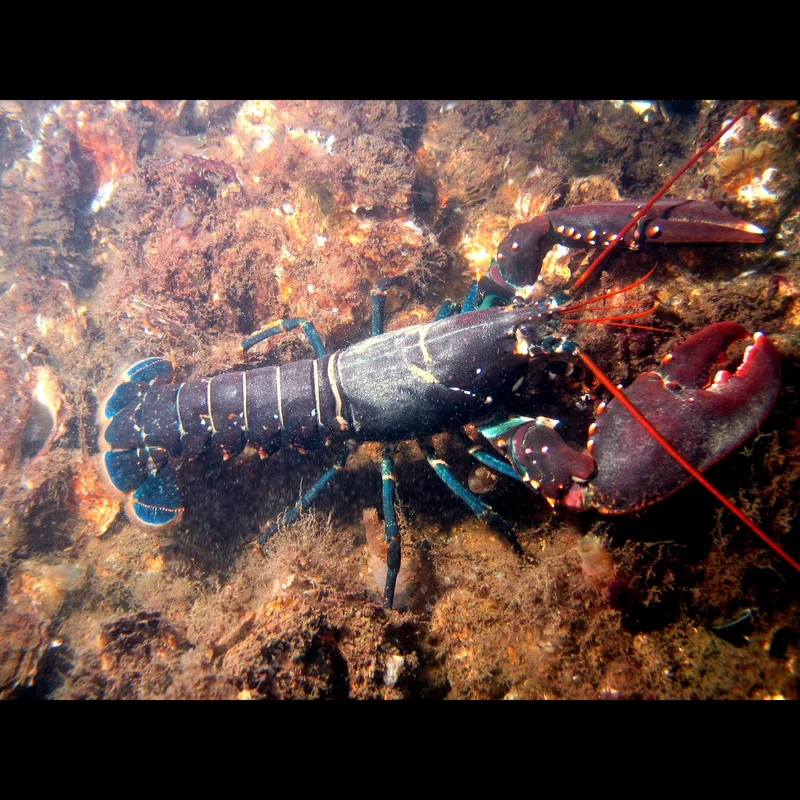
Many lobsters, the site's namesake, inhabit these coralligenous structures, sometimes encountered in significant numbers in the 18-20 meter range. Maximum reported depth for the site is 48 m (157 ft).
Conditions are Good
07:00 - 14:00
Optimal conditions expected
Current conditions near Le Aragoste show 20° air, 26° sea temperature, 0.7 m waves, and 22 km/h wind. Forecast data is refreshed regularly to ensure accuracy.
Best Time to Dive
Optimal visibility at Le Aragoste generally aligns with the calmer sea conditions experienced from May through September. During these months, the dive scores consistently rate as 'Good' (8). Air temperatures are notably comfortable, ranging from 17°C (63°F) in May, peaking around 25°C (77°F) in August, and remaining pleasant into September at 21°C (70°F). Wave heights during this period typically stay below 0.9 meters (3 feet), with minimal rainfall, suggesting clearer water and more stable diving opportunities. While late spring and summer offer the most favorable overall conditions, the site remains accessible. October and November see moderate dive scores, with increasing wave heights and rainfall, which could impact clarity. Winter months, particularly December and February, can also yield 'Good' dive scores, despite lower air temperatures and potentially choppier seas, suggesting local factors can still create favorable windows for exploration. Planning dives around periods of lower wind and wave activity will enhance the experience.
PEAK SEASON SCORE
Scores combine air & water temps, waves, wind & rainfall for overall conditions.
BEST MONTHS TO DIVE
Monthly records compiled from satellite and marine observation nodes over the last 3 years. Data provided by Open-Meteo and MET Norway.
Dive Experience & Conditions
Transition from the shallower Posidonia plateau to the first drop-off at 18 meters is gradual, providing a comfortable entry for various skill levels. As you navigate the ravines, the sensation is one of discovering hidden pockets of life, with the local coralligenous ecosystems presenting a rich tapestry of colors. Reaching the deeper wall sections, especially beyond 25 meters, reveals a different character. Dense forests of red gorgonians create a dramatic, almost otherworldly vista, with individual colonies standing out even in shallower areas. Water temperatures are not consistently reported but generally align with Mediterranean seasonal averages. Currents here are typically reported as weak to medium, allowing for relatively relaxed exploration of the walls and crevices where lobsters reside, often in the recreational depth range.
Dive Difficulty & Safety Guidelines
No specific unique hazards are consistently reported for Le Aragoste, making it generally suitable for all certified divers.
However, good dive practices are essential, especially when exploring deeper wall sections extending past 45 meters. Monitoring no-decompression limits and gas consumption is crucial, particularly when venturing into the deeper gorgonian fields.
Awareness of varying current conditions, reported as weak to medium, is advisable. While the site is accessible by boat, always use a surface marker buoy (SMB) upon ascent to signal your position to boat traffic.
Maintaining neutral buoyancy protects the delicate gorgonian and coral formations. Divers should ensure their certification level matches the planned depth and complexity of their dive profile at this site.
Recommended Equipment
Technical depth range. Advanced planning, gas management, and appropriate certification required.
- Dive Computer
- DSMB
- Primary & Backup Lights
This gear list is based on verified equipment signals for Le Aragoste, Italy. Always confirm final gear choices with your dive operator, guide, or liveaboard.
Recommended Dive Suit
With water temperatures around 26°C (79°F), many divers find a 2-3mm shorty or light wetsuit provides comfortable protection.
Being prepared with flexible exposure options is a common approach among experienced divers.
Surface conditions are expected to warm up slightly in the coming days. A warming trend is expected over the next few days.
Emergency & Medical Support
Essential information to help you plan your dive trip to Le Aragoste.

Hyperbaric chambers are a critical part of dive safety infrastructure. Availability varies significantly by region, and not all dive areas have immediate access.
Before diving, it's recommended to:
- confirm nearest medical facilities
- check emergency procedures with local dive operators
- ensure dive insurance covers evacuation if required
Divers Alert Network
Diving emergency assistance available through DAN Europe.
+39 0642115685- 24/7 emergency hotline
- Diving medical assistance
- Evacuation coordination
Emergency contacts are provided for reference. Always verify local emergency services before diving.
Closest Listed Hyperbaric Chambers
Showing listed hyperbaric chamber facilities within 200 km of this dive site.
Distances are approximate straight-line distances and may not reflect emergency travel time.
CE.M.I.S. Centro Medicina Iperbarica e Subacquea
Massa, Italy•Approx. 67 km straight-line
CE.M.I.S. Centro Medicina Iperbarica e Subacquea
Information is provided for reference and planning purposes only. Dive Navigator does not verify operational status, staffing, availability, or quality of care at listed facilities. In an emergency, contact local emergency services, DAN, your dive operator, or the chamber directly. Do not travel to a facility without calling ahead.
MISERICORDIA HOSPITAL
24/7 ListedICU CapableGrosseto, Italy•Approx. 99 km straight-line
MISERICORDIA HOSPITAL
24/7 ListedICU CapableInformation is provided for reference and planning purposes only. Dive Navigator does not verify operational status, staffing, availability, or quality of care at listed facilities. In an emergency, contact local emergency services, DAN, your dive operator, or the chamber directly. Do not travel to a facility without calling ahead.
CENTRO IPERBARICO BOLOGNA
ICU CapableBOLOGNA, Italy•Approx. 147 km straight-line
CENTRO IPERBARICO BOLOGNA
ICU CapableInformation is provided for reference and planning purposes only. Dive Navigator does not verify operational status, staffing, availability, or quality of care at listed facilities. In an emergency, contact local emergency services, DAN, your dive operator, or the chamber directly. Do not travel to a facility without calling ahead.
Marine Life at Le Aragoste
Marine life at Le Aragoste truly lives up to its name, with numerous lobsters frequently observed, particularly within the coralligenous ravines between 18 and 20 meters. Beyond the crustaceans, the site is dominated by impressive paramuricea clavata, forming extensive red gorgonian forests, with individual colonies seen even in shallower depths.
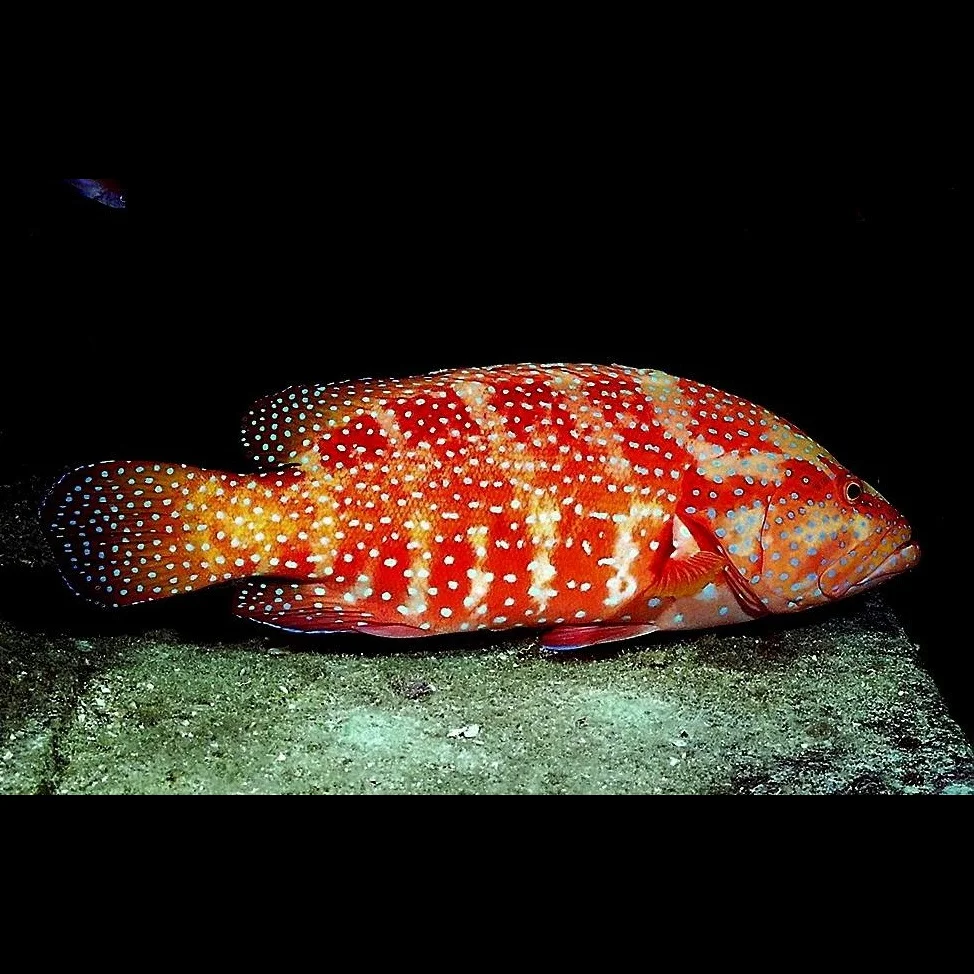
Divers can expect to encounter a vibrant array of benthic life, including colorful red corals, sea daisies, sponges, and various nudibranchs adding bursts of color. Starfish are commonly sighted, along with grouper and seabream navigating the rocky structures. This rich ecosystem highlights the unique biodiversity supported by the Tuscan 'fondai'.

Dive Sites Near Le Aragoste
View all dive sites in ItalyDiscover more underwater gems in this area.
Dive Centers Near Le Aragoste
Nearest Airports
Nearest airports to help plan travel to this dive area.
Search Flights
Check available flights and routes on Expedia, using the nearby airports listed in this section.
Search Flights on ExpediaFrequently Asked Questions
What are the primary depths for diving at Le Aragoste?
Starts shallow on a Posidonia plateau at 12 meters, with a first drop-off at 18 meters. Deeper sections extend beyond 45 meters, suitable for advanced certifications.
What kind of marine life inspired the site's name?
Named 'Le Aragoste' (The Lobsters) due to the frequent sightings of numerous lobsters. They are often found inhabiting the coralligenous structures and ravines.
What are the best months to dive here for optimal conditions?
May through September generally offers the best diving conditions. These months feature good dive scores, warmer air temperatures, calmer seas, and minimal rainfall, contributing to better visibility.
Is Le Aragoste suitable for all levels of certified divers?
Suitable for various certification levels. Shallower areas like the 12-meter plateau and the first 18-meter drop-off are accessible for Open Water divers, while deeper sections require Advanced Open Water or technical certifications.
What are the notable underwater topographical features?
Key features include a Posidonia oceanica plateau, distinct drop-offs leading into gullies, and a 'panettone' formation that plunges to greater depths. Deeper walls are characterized by extensive red gorgonian forests.
How are currents typically at this dive site?
Currents at Le Aragoste are generally reported as weak to medium. This allows for relatively comfortable exploration of the site's varied topography and marine life.
What kind of corals and invertebrates can be seen?
Rich in coralligenous life, including abundant red gorgonians (Paramuricea clavata), red corals, sea daisies, various sponges, and colorful nudibranchs. Starfish are also commonly observed.
Planning to dive Le Aragoste?
Send one inquiry and receive offers directly from the best verified local dive operators.
Conditions are Good
07:00 - 14:00
Optimal conditions expected
Current conditions near Le Aragoste show 20° air, 26° sea temperature, 0.7 m waves, and 22 km/h wind. Forecast data is refreshed regularly to ensure accuracy.