
Diving at Mammuthone (Italy)
Approaching Mammuthone requires an understanding of its distinct geological profile, shaped by a sheer cliff that mirrors the Sardinian mask it's named after. Expert divers know to respect the dynamic interplay of light within crevices and openings, especially when exploring deeper sections. Partnering with a local dive center is crucial; their insight ensures safe navigation and an optimal experience, particularly around the rock jump and deeper drop-offs.
Tonight's objective overview for Mammuthone shows an air temperature of 26°C. The measured surface conditions include wave heights around 0.1 m. This environmental data is logged for the close of the day.
Dive Site Location & Key Facts
Dive Site Overview
Descending into Mammuthone feels like entering a sculpted underwater gallery, where a sheer rock face, resembling the Sardinian mask, itself tells a story. A dive here initiates pleasantly in shallower waters, gradually leading divers towards a prominent crevice.
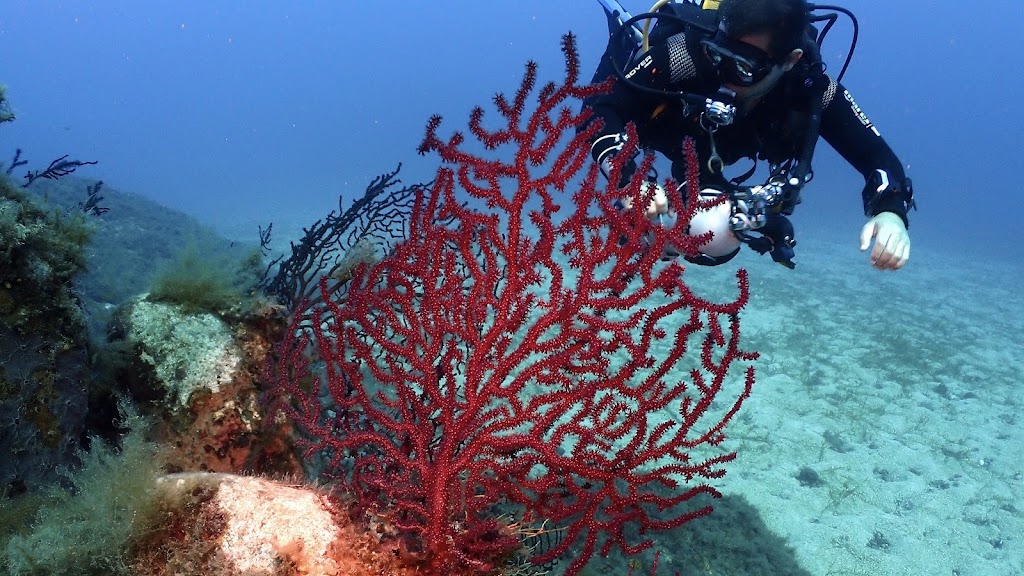
From around 15 m (49 ft) down to 30 m (98 ft), large boulders define this huge fissure, wedged into the mountain for approximately 30 m. Ambient light plays beautifully within this opening, creating an engaging visual experience. A notable feature is the presence of Neosimnia spelta, a small parasitic shellfish that reflects the coloration of its gorgonian hosts.
Beyond these initial depths, the site transitions dramatically. Pushing deeper towards a maximum depth of 40 m (131 ft), divers encounter an impressive coral bed drop-off.
This wall reveals numerous additional crevices and holes, presenting a complex topography. An underwater landscape, with its compelling geological features and varied depths, presents an immersive dive demanding good buoyancy control and an appreciation for intricate rock formations.
Conditions are Excellent
07:00 - 14:00
Optimal conditions expected
Current conditions near Mammuthone show 26° air, 28° sea temperature, 0.2 m waves, and 20 km/h wind. Forecast data is refreshed regularly to ensure accuracy.
Best Time to Dive
While diving at Mammuthone remains good throughout much of the year, optimal conditions typically span from May through September. During these months, the dive score is consistently excellent, largely due to warmer air temperatures and minimal rainfall. May sees average air temperatures around 19°C (66°F), rising significantly to 27-28°C (81-82°F) in July and August. Rain becomes exceptionally light during this period, averaging under 1 mm (0.04 in) per month from June to September, ensuring clearer surface conditions. In contrast, shoulder months like March and October, while still offering good diving, feature cooler air temperatures, ranging from 13-20°C (55-68°F), and slightly increased rainfall, typically around 1.5-2 mm (0.06-0.08 in). Water temperatures are not consistently reported in our system data but generally follow seasonal air temperature patterns, peaking in late summer. For stable, calm conditions and warmer surface weather, targeting late spring to early autumn is advisable.
PEAK SEASON SCORE
Scores combine air & water temps, waves, wind & rainfall for overall conditions.
BEST MONTHS TO DIVE
Monthly records compiled from satellite and marine observation nodes over the last 3 years. Data provided by Open-Meteo and MET Norway.
Dive Experience & Conditions
Diving at Mammuthone offers a varied depth profile, starting shallow and gradually deepening. Initially, passages in front of the main split host groupers, corvinas, white breams, and parrotfish, often encountered in the upper recreational range. A rock jump of about 8 m (26 ft) then leads to a sandy seabed where scorpion fish and torpedoes are sometimes observed. Moving deeper, the site features large boulders and the aforementioned crevice between 15 m (49 ft) and 30 m (98 ft). This zone provides shelter for lobsters and other invertebrates. Deeper sections, extending to the site's maximum depth of 40 m (131 ft), feature an impressive drop-off. Here, a coral bed provides more extensive crevices and holes. These deeper areas are where divers might encounter larger pelagic species, particularly migratory fish such as dorado, amberjack, and tuna. Visibility can vary, influenced by local currents, which are typically moderate.
Dive Difficulty & Safety Guidelines
Navigating Mammuthone’s intricate topography and varied depths presents distinct considerations for diver safety. All dives here are conducted via boat entry, requiring coordination with a local operator. Given site’s maximum depth of 40 m (131 ft) and presence of deep wall and cavern features, divers should possess appropriate certifications like Advanced Open Water Diver or Deep Diver for full exploration.
Adhering to PADI Standard Safe Diving Practices is paramount. Maintaining excellent buoyancy control is essential when exploring crevices and avoiding disturbance to delicate marine life or sediment.
Local conditions, including currents and visibility, are best assessed by consulting with dive professionals familiar with the site before each dive. Their guidance helps ensure a safe and enjoyable experience within this complex underwater environment.
Recommended Equipment
Deep dive hazard. Increased narcosis and gas consumption risk.
Overhead environment. Do not enter beyond training and gas planning limits.
- Dive Computer
- DSMB
- Primary & Backup Lights
- Reel / Spool
- Cutting Tool
This gear list is based on verified equipment signals for Mammuthone, Italy. Always confirm final gear choices with your dive operator, guide, or liveaboard.
Recommended Dive Suit
2-3mm shorty or light wetsuit is frequently recommended by dive operators for conditions like these. A hood or vest is suggested for sensitive divers due to surface winds. Water conditions at Mammuthone are currently measured at approximately 28°C (82°F). Surface air temperatures are resting at 26°C (79°F).
Forecast conditions over the next few days suggest temperatures will remain relatively stable.
Even small thermoclines can occasionally cause noticeable changes in water temperature.
Due to technical issues with our weather providers, data hasn't been fetched for over 48 hours. The data above reflects the conditions at the time of the last successful fetch.
Emergency & Medical Support
Essential information to help you plan your dive trip to Mammuthone.

Hyperbaric chambers are a critical part of dive safety infrastructure. Availability varies significantly by region, and not all dive areas have immediate access.
Before diving, it's recommended to:
- confirm nearest medical facilities
- check emergency procedures with local dive operators
- ensure dive insurance covers evacuation if required
Divers Alert Network
Diving emergency assistance available through DAN Europe.
+39 0642115685- 24/7 emergency hotline
- Diving medical assistance
- Evacuation coordination
Emergency contacts are provided for reference. Always verify local emergency services before diving.
Closest Listed Hyperbaric Chambers
Showing listed hyperbaric chamber facilities within 200 km of this dive site.
Distances are approximate straight-line distances and may not reflect emergency travel time.
Ospedale Paolo Merlo - Centro Iperbarico La Maddalena
ICU CapableLa Maddalena, Italy•Approx. 32 km straight-line
Ospedale Paolo Merlo - Centro Iperbarico La Maddalena
ICU CapableInformation is provided for reference and planning purposes only. Dive Navigator does not verify operational status, staffing, availability, or quality of care at listed facilities. In an emergency, contact local emergency services, DAN, your dive operator, or the chamber directly. Do not travel to a facility without calling ahead.
CENTRO IPERBARICO SASSARESE SRL
Sassari, Italy•Approx. 103 km straight-line
CENTRO IPERBARICO SASSARESE SRL
Information is provided for reference and planning purposes only. Dive Navigator does not verify operational status, staffing, availability, or quality of care at listed facilities. In an emergency, contact local emergency services, DAN, your dive operator, or the chamber directly. Do not travel to a facility without calling ahead.
Marine Life at Mammuthone
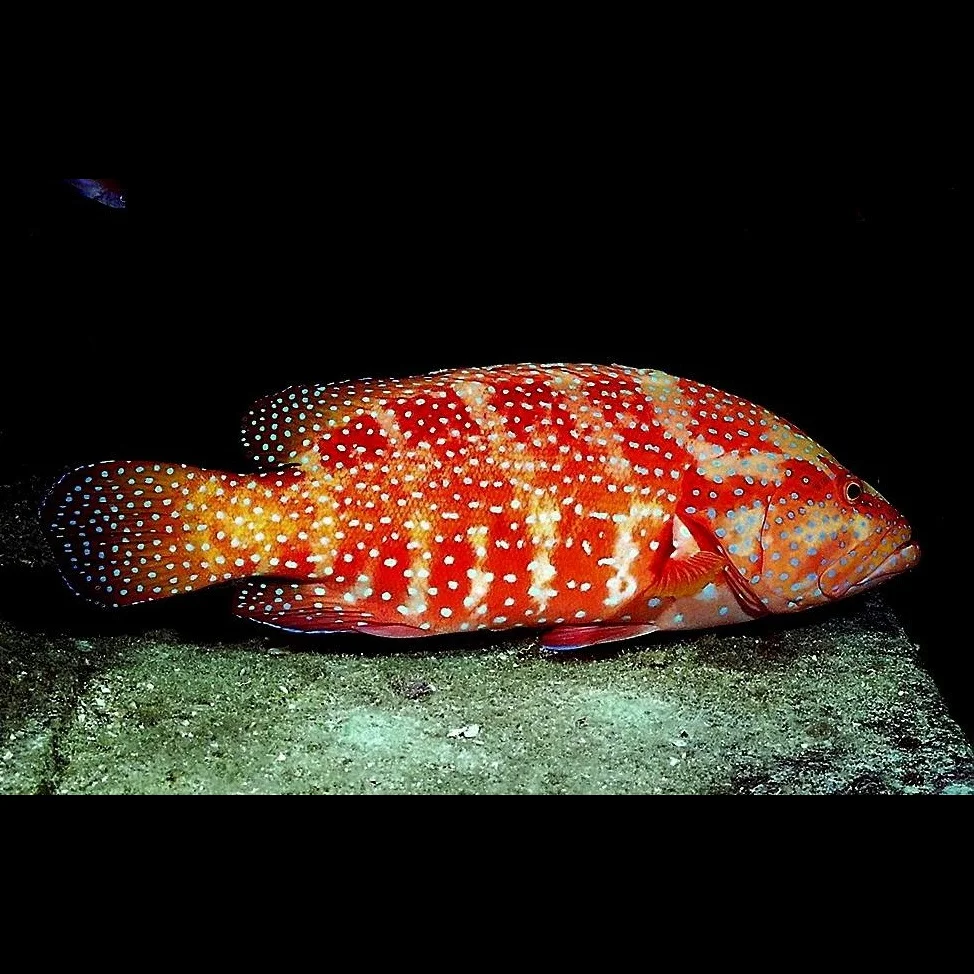
Upon entry, divers often first notice schooling fish inhabiting shallower passages in front of the Mammuthone split. Groupers, corvinas, white breams, and parrotfish are commonly observed here.
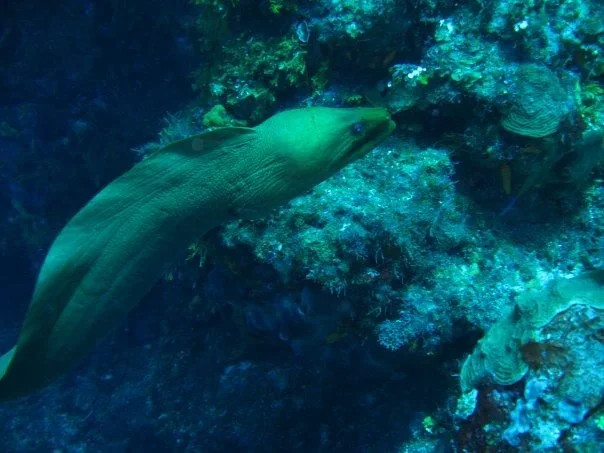
Descending further, rocky structures and crevices provide prime habitat for other species. Moray eels are frequently seen tucked away in their hideouts.
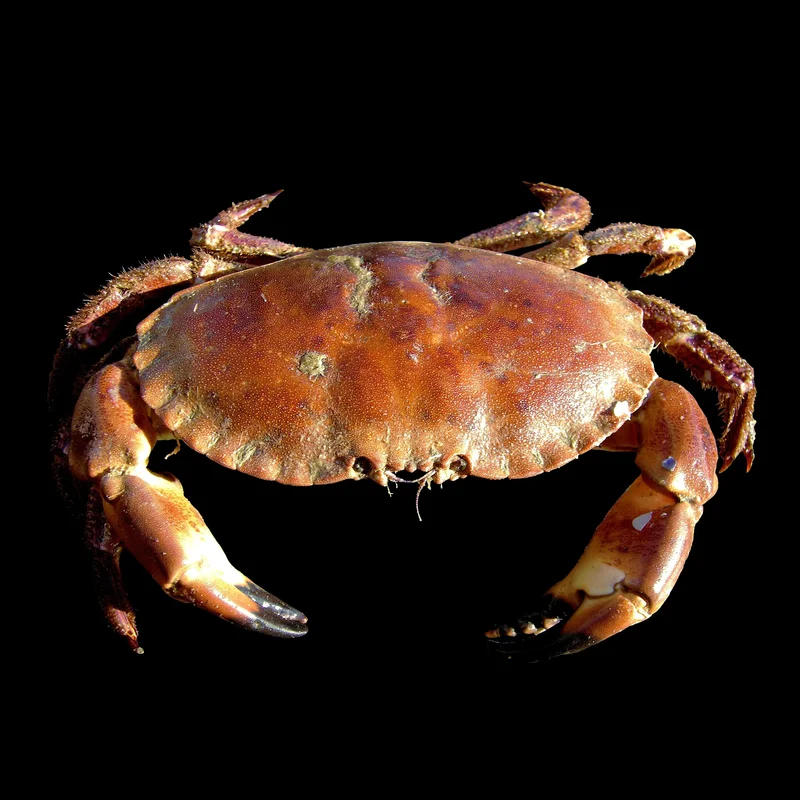
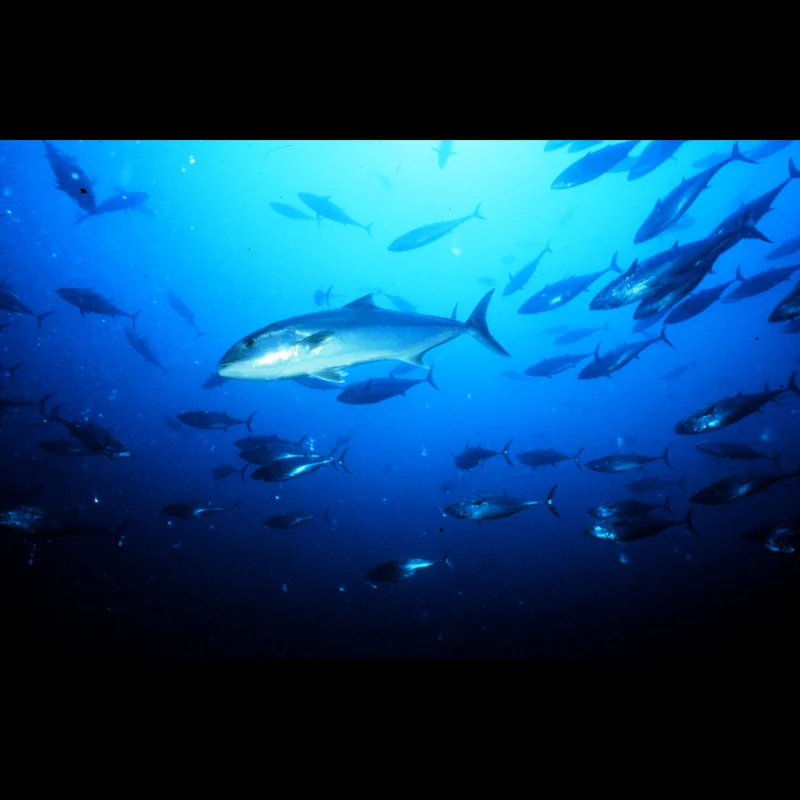
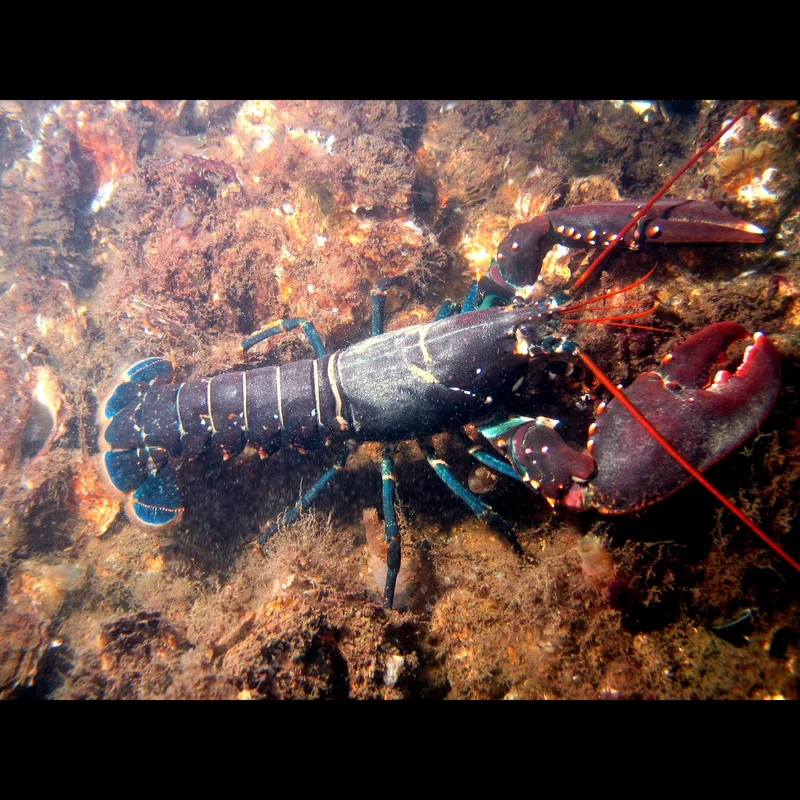
For those exploring deeper drop-offs and coral beds, a possibility of encountering larger pelagic species like tuna, dorado, and amberjack increases. Lobsters and crabs populate numerous holes, while octopus are also commonly sighted. A unique "ciprea delle gorgonie," a small parasitic shellfish, adds a distinctive touch by mirroring its gorgonian hosts.
Dive Sites Near Mammuthone
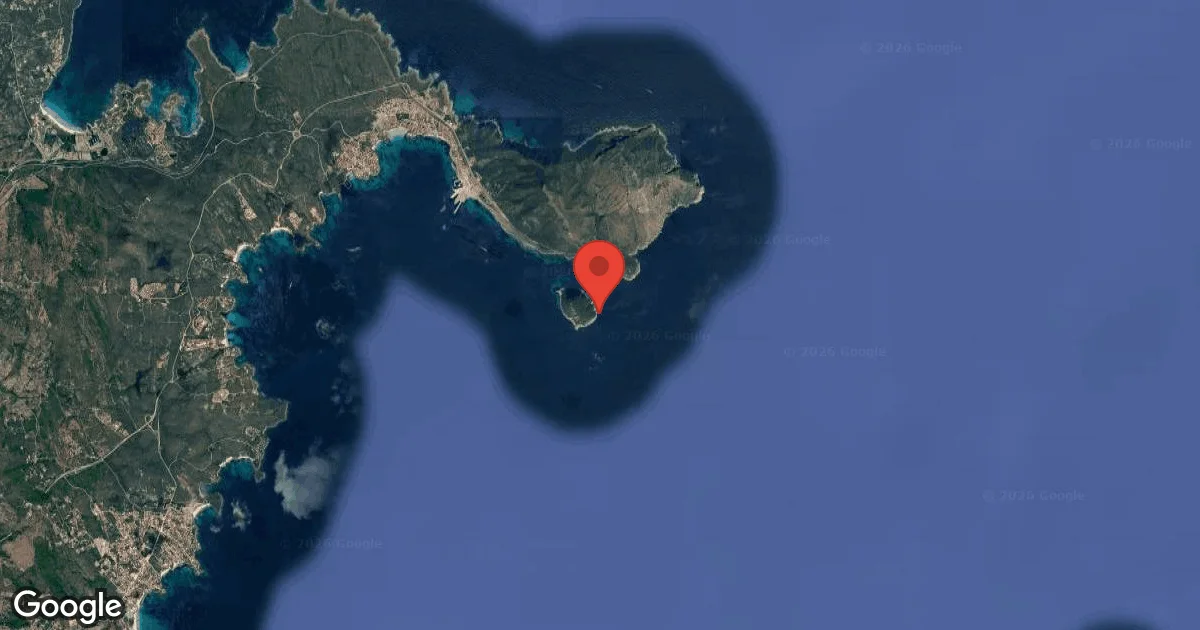
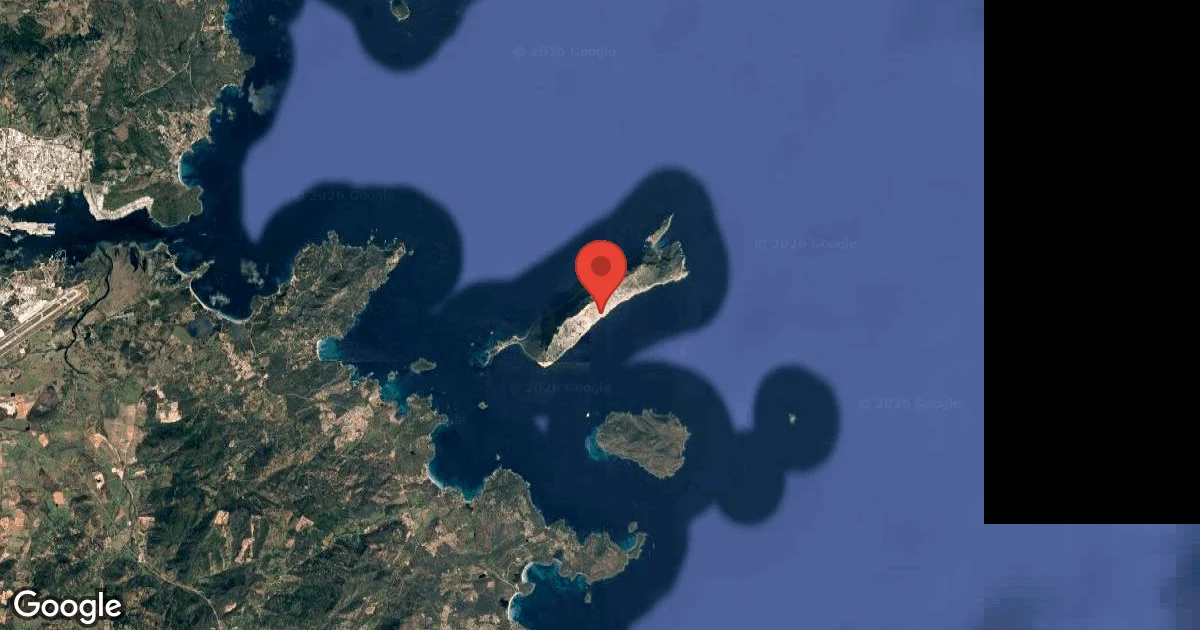
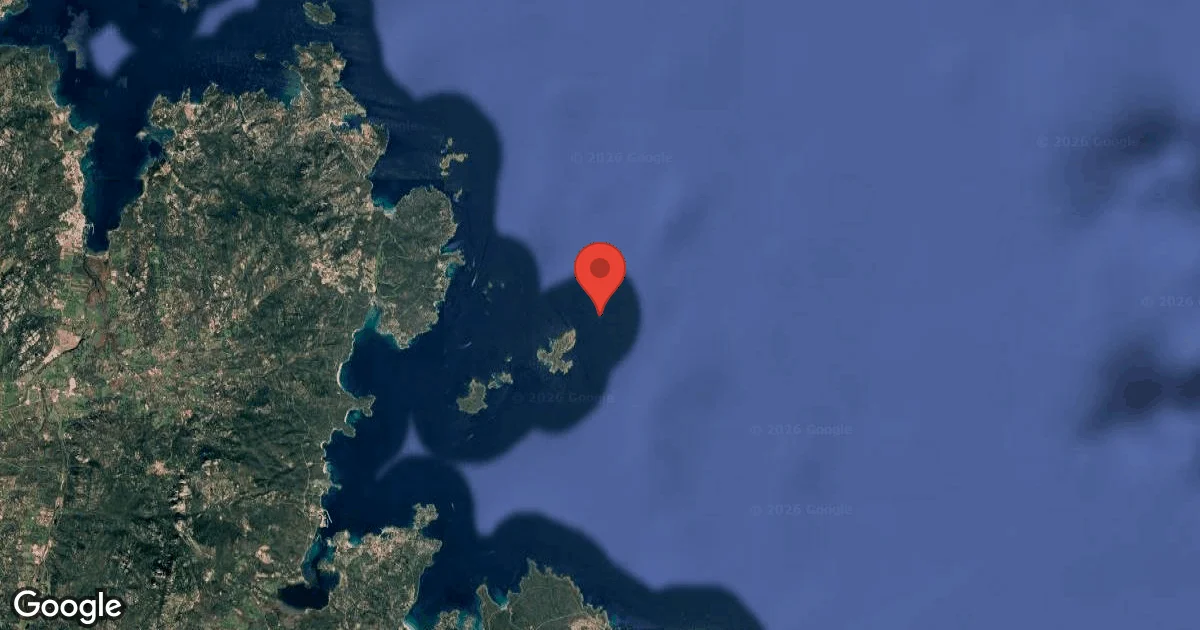
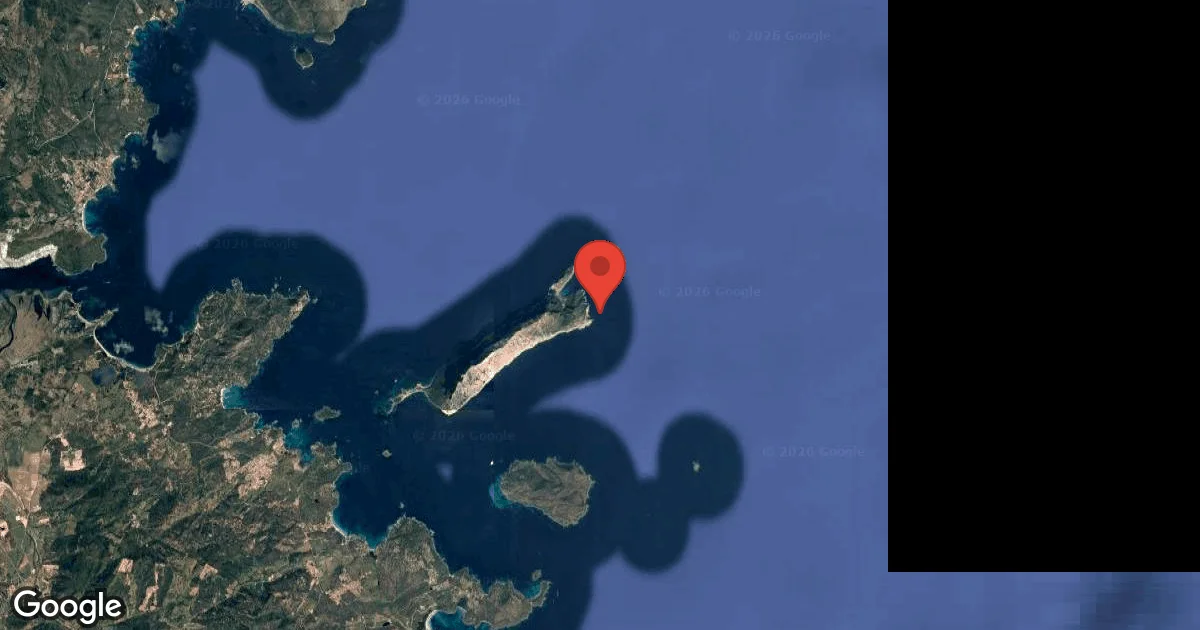
View all dive sites in ItalyDiscover more underwater gems in this area.
Dive Centers Near Mammuthone

Today: 09:00 - 18:00
Nearest Airports
Nearest airports to help plan travel to this dive area.
Search Flights
Check available flights and routes on Expedia, using the nearby airports listed in this section.
Search Flights on ExpediaFrequently Asked Questions
What kind of diving can I expect at Mammuthone?
Mammuthone is primarily known for cave, wall, and cavern diving, with a distinctive large crevice. The site offers a varied topography including boulders, a unique rock jump, and extensive coral bed drop-offs.
What is the maximum depth for diving at Mammuthone?
The dive site reaches a maximum depth of 40 m (131 ft). Divers can explore shallower sections, with key features starting around 15 m (49 ft) and deeper walls extending towards the maximum.
What marine life is commonly sighted here?
Divers frequently encounter moray eels, octopus, groupers, corvinas, white breams, and parrotfish. Deeper areas offer chances to see tuna, dorado, amberjack, and lobsters.
Is Mammuthone suitable for less experienced divers?
While PADI Open Water Diver and Discover Scuba Diving are mentioned as useful training, the site's deeper sections and cavern features make it more suitable for Advanced Open Water Divers or those with deep diving experience. Local guidance is highly recommended.
How is access to the Mammuthone dive site arranged?
Access to Mammuthone is exclusively by boat. It's advisable to book activities through a local PADI dive center, which provides safe transport and guided dives.
What is the best time of year to dive Mammuthone?
The period from May to September offers excellent diving conditions, characterized by warmer air temperatures and minimal rainfall. Good diving is still possible in shoulder months, though with slightly cooler conditions.
Planning to dive Mammuthone?
Send one inquiry and receive offers directly from the best verified local dive operators.
Conditions are Excellent
07:00 - 14:00
Optimal conditions expected
Current conditions near Mammuthone show 26° air, 28° sea temperature, 0.2 m waves, and 20 km/h wind. Forecast data is refreshed regularly to ensure accuracy.