
Diving at Water Treatment Plant (Japan)
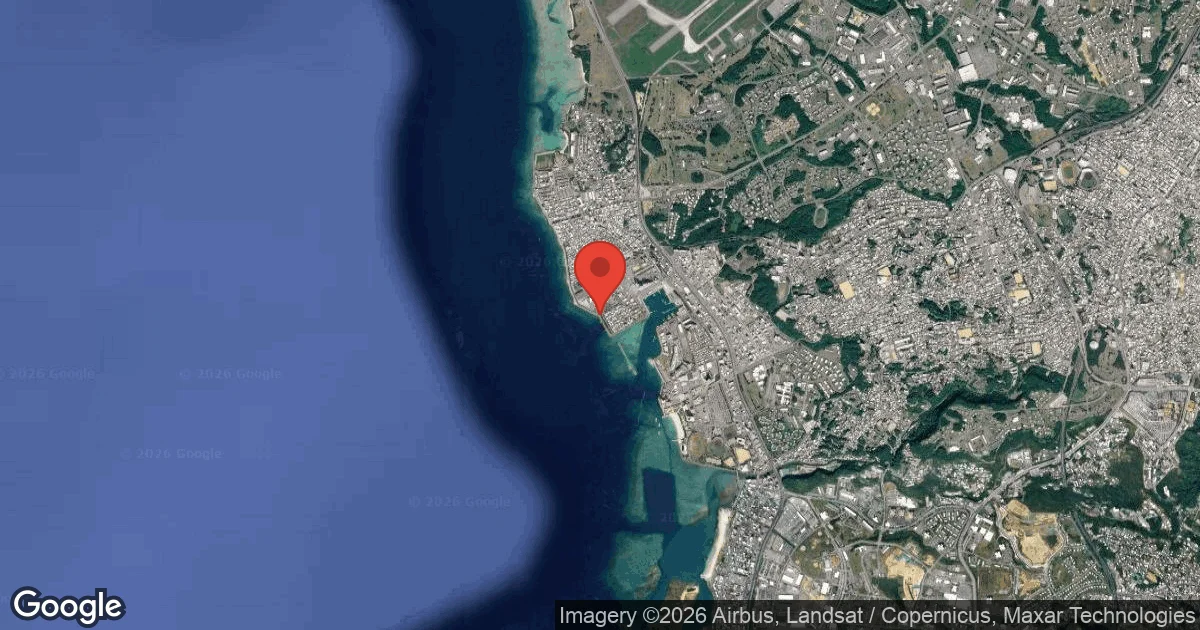
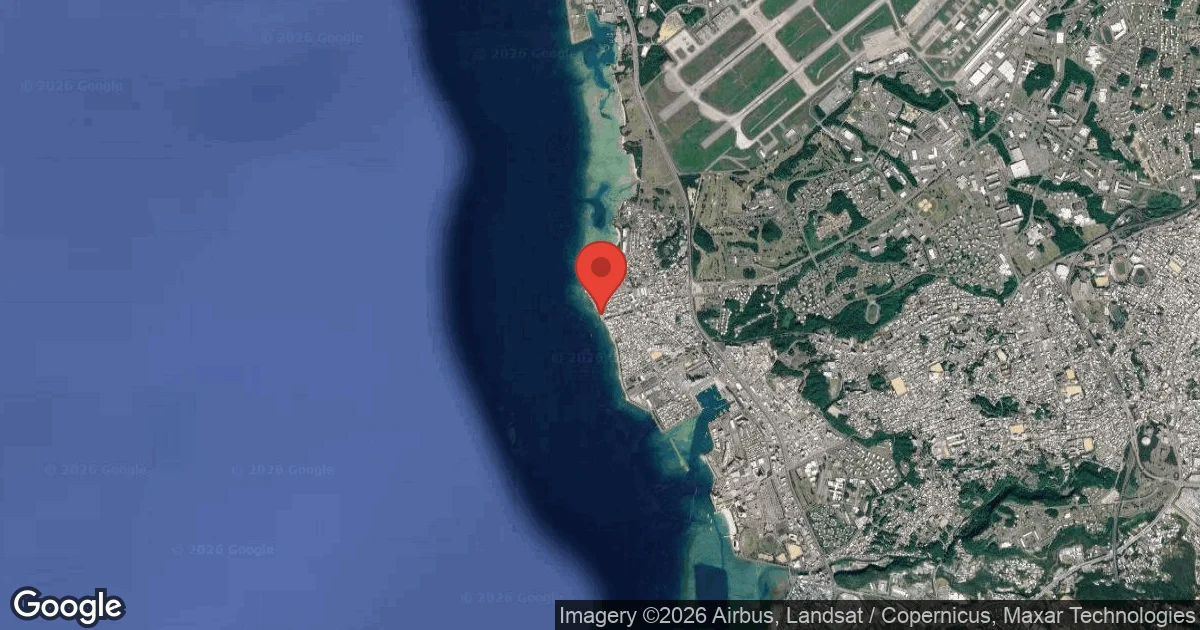
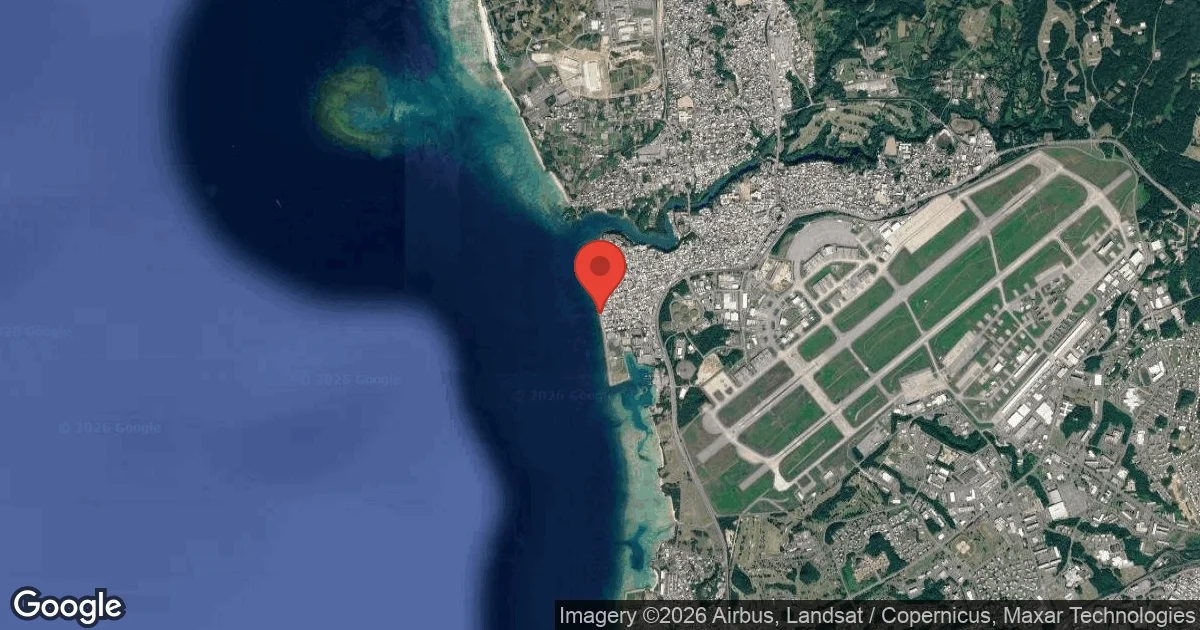
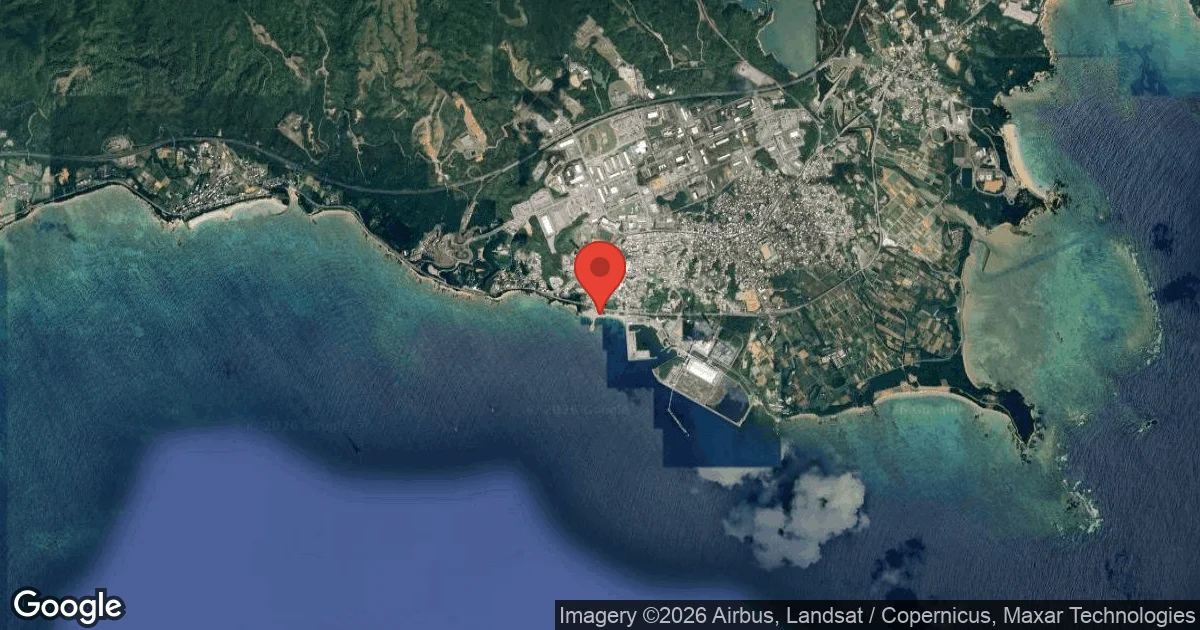
The Water Treatment Plant dive site, located off the southern end of Sunabe shore in Chatan, Okinawa, presents a unique underwater landscape. It's named for the adjacent water desalination plant. Divers here explore two intriguing man-made structures: a 'birdcage' and a 'mushroom' (also known as the 'UFO'). These features, originally the plant's water intake and outtake, have been reclaimed by the ocean, transforming into vibrant artificial reefs overgrown with coral and attracting schools of diverse fish.
Evening condition tracking at Water Treatment Plant features an air temperature of 28.5°C. We have recorded wave heights measuring 0.6 m during this period. These figures outline the environmental parameters currently present.
Dive Site Location & Key Facts
Dive Site Overview
The Water Treatment Plant site near Sunabe, Chatan, Okinawa, presents infrastructure repurposed by marine life. Historically, this area served as the intake and outtake points for a nearby desalination plant.
Submerged structures, a 'birdcage' and a 'mushroom' (often called 'UFO'), have evolved into thriving artificial reefs. These man-made elements now support a rich ecosystem, drawing divers to explore the unique interplay between human engineering and natural colonization. Divers accessing the site will find beach entry relatively convenient.
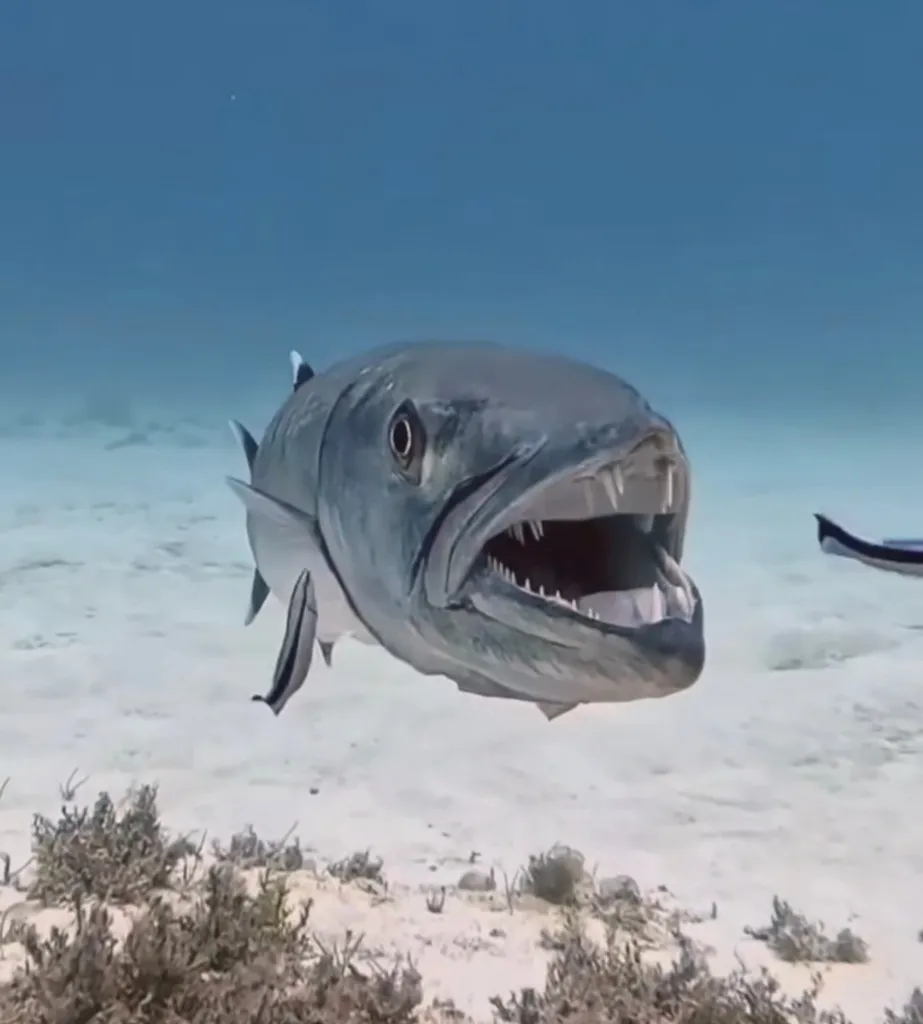
Reaching a maximum depth of about 18 meters, it suits a range of certification levels, from open water divers to those seeking relaxed photography opportunities. Navigating the site, barracuda frequently school near the mushroom structure, alongside diverse smaller reef fish.
Soft coral gardens around these features also host various macro life, including an array of nudibranchs, providing ample opportunities for discovery for attentive divers. Exploring these unique formations reveals how human constructs can seamlessly integrate into and enrich the marine environment.
This blend of functional history and thriving marine environment provides a distinctive dive experience in Okinawa.
Conditions are Good
Optimal conditions expected
Current conditions near Water Treatment Plant show 29° air, 30° sea temperature, 0.8 m waves, and 31 km/h wind. Forecast data is refreshed regularly to ensure accuracy.
Best Time to Dive
To maximize your experience at the Water Treatment Plant, consider diving between September and June, when dive scores are consistently good to moderate. September offers particularly favorable conditions with an average air temperature of 28.5°C (83°F) and lower rain accumulation, around 4.38 mm. The months of April, May, and June also provide excellent opportunities, with air temperatures ranging from 21.5°C (71°F) to 27°C (81°F), coupled with manageable wave heights averaging less than 1 meter. Even during January and February, when air temperatures are cooler, around 16.5°C (62°F) to 17.5°C (64°F), dive scores remain "Good," suggesting generally favorable underwater conditions. While July, August, November, and December see moderate dive scores, the water conditions are typically still enjoyable. Generally, aiming for periods outside the peak rainy season, which tends to be higher in late spring and summer, will likely enhance your underwater clarity and comfort.
PEAK SEASON SCORE
Scores combine air & water temps, waves, wind & rainfall for overall conditions.
BEST MONTHS TO DIVE
Monthly records compiled from satellite and marine observation nodes over the last 3 years. Data provided by Open-Meteo and MET Norway.
Dive Experience & Conditions
Descending into the Water Treatment Plant site, divers will navigate from a relatively easy beach entry towards the primary attractions. The initial descent reveals a gradual slope leading to structures like the 10 m (33 ft) deep drainage outlet, affectionately known as the "UFO," and the "temple" water outlet. These man-made features act as fish reefs, drawing in a variety of marine life. Conditions typically involve gentle currents, making this a suitable site for beginners, though strong currents can occur at other nearby Okinawa sites. Maximum depth here generally reaches 18 m (59 ft), allowing for extended bottom times within recreational limits. Water temperatures are not consistently reported but generally align with Okinawa's subtropical climate. Visibility, while varying with conditions, is often quite clear around the structural reefs and soft coral gardens, especially during calmer weather. Throughout the dive, attentive observation of the coral-encrusted structures can reveal smaller inhabitants and transient fish schools.
Dive Difficulty & Safety Guidelines
Divers approaching the Water Treatment Plant site should be mindful of its beach entry, which, while easy, requires careful footing, especially when carrying gear. The site's recreational depth range, typically up to 18 m (59 ft), means it's generally accessible for certified open water divers. Always assess your comfort level and skill before entering, particularly if conditions are choppy.
Currents here are often mild, but understanding local conditions before diving is prudent, as stronger flows can occasionally occur in Okinawa's waters. Being aware of boat traffic, if any, is part of safe diving practices, although this is primarily a shore-entry site.
It's advisable to dive with a local guide or someone familiar with the specific layout of the "birdcage" and "mushroom" structures to fully appreciate the site's unique features and avoid disorientation. Maintaining good buoyancy control is essential to protect the delicate soft corals that have colonized these man-made reefs.
Recommended Equipment
- Dive Computer
This gear list is based on verified equipment signals for Water Treatment Plant, Japan. Always confirm final gear choices with your dive operator, guide, or liveaboard.
Recommended Dive Suit
Recent conditions suggest the water at Water Treatment Plant remains near 30°C (85°F), offering typical conditions for the area. Surface air temperatures are resting at 29°C (84°F).
Weather projections show fairly stable environmental conditions ahead.
Most divers would typically feel comfortable using dive skin or rash guard in these conditions. A hood or vest is suggested for sensitive divers due to surface winds. Dive depth and duration can significantly affect perceived warmth.
Emergency & Medical Support
Essential information to help you plan your dive trip to Water Treatment Plant.

Hyperbaric chambers are a critical part of dive safety infrastructure. Availability varies significantly by region, and not all dive areas have immediate access.
Before diving, it's recommended to:
- confirm nearest medical facilities
- check emergency procedures with local dive operators
- ensure dive insurance covers evacuation if required
Divers Alert Network
Diving emergency assistance available through DAN Japan.
+81338124999- 24/7 emergency hotline
- Diving medical assistance
- Evacuation coordination
Emergency contacts are provided for reference. Always verify local emergency services before diving.
Marine Life at Water Treatment Plant
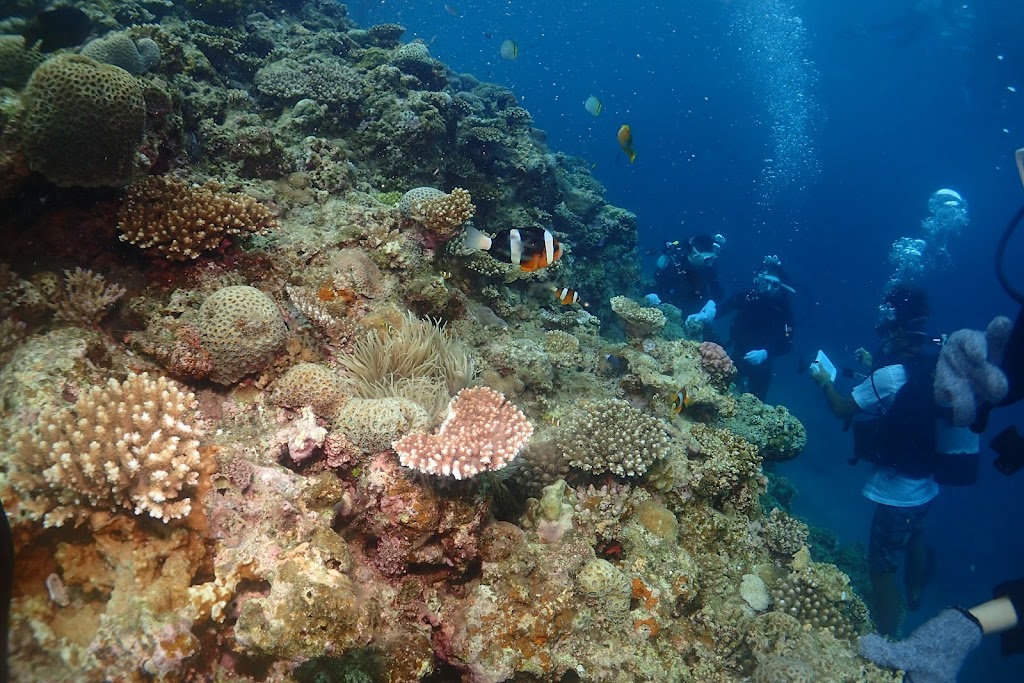
Upon approaching the Water Treatment Plant's structures, divers often first notice the significant schools of fish congregating around the "mushroom" and "birdcage" features. Barracuda are a common sight, frequently seen schooling near these outlets.
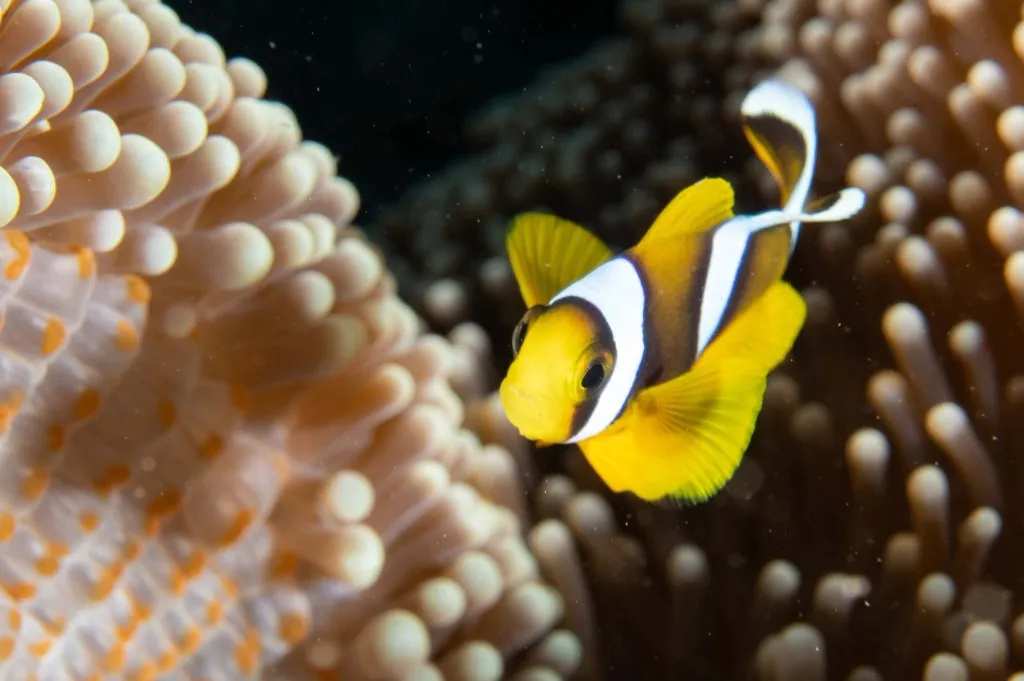
Inspecting the colorful soft coral gardens reveals an abundance of smaller inhabitants, including diverse gobies, clownfish, and various small reef fish. Keen observers might spot fascinating nudibranchs on the corals or in sandy areas.
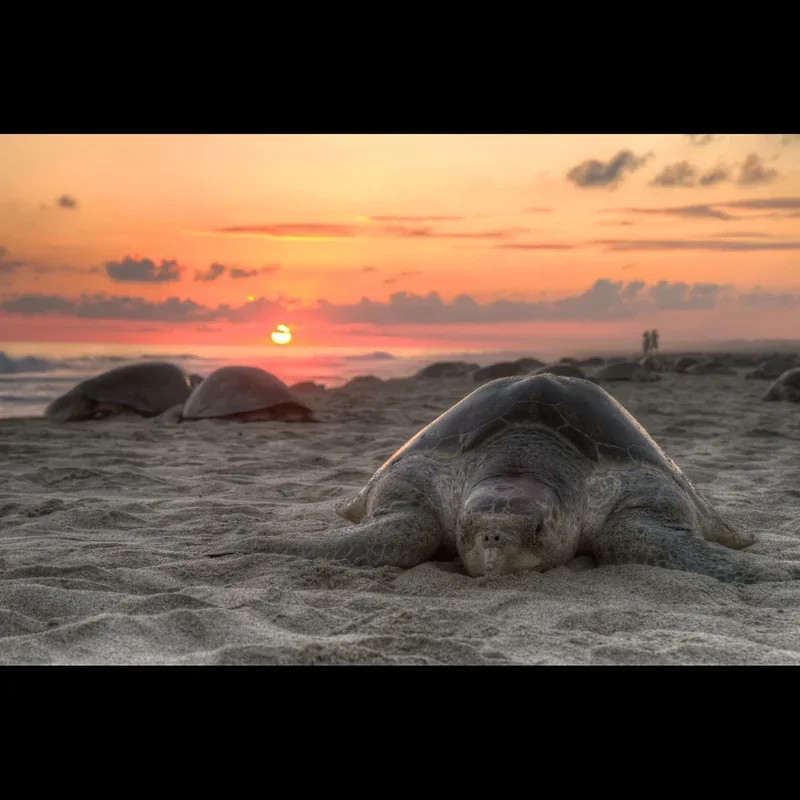
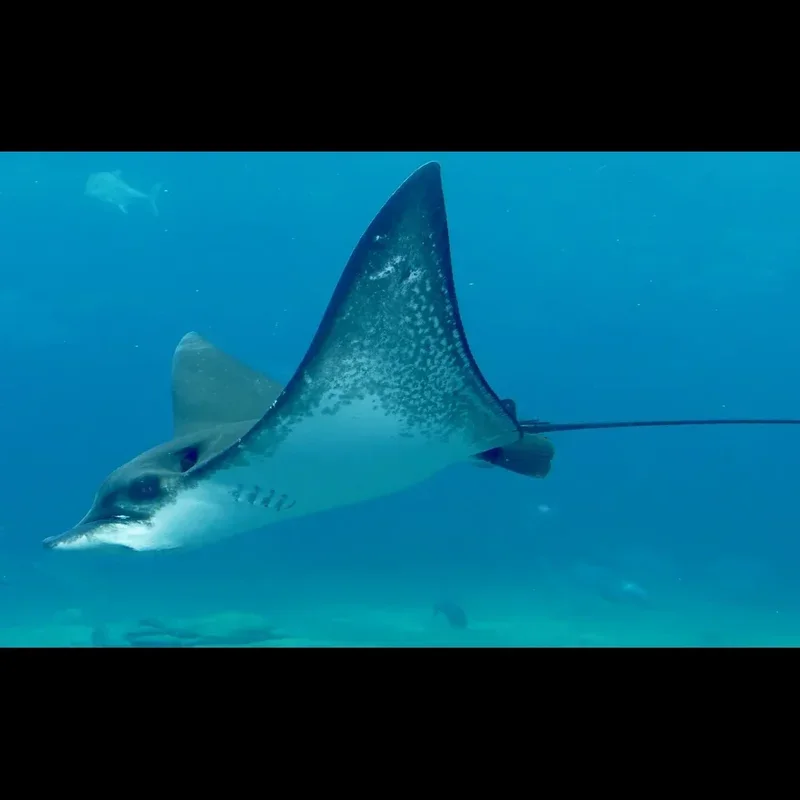
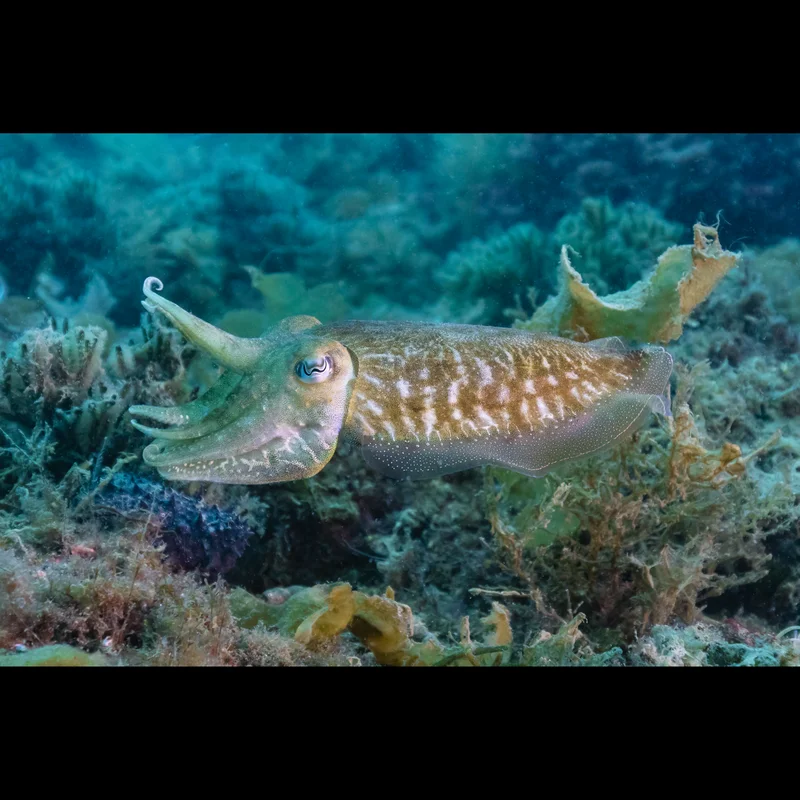
Larger encounters sometimes include eagle rays, octopus, blue-spotted rays, and cuttlefish. Sea turtles also visit this area, adding to the site's rich biodiversity.
Dive Sites Near Water Treatment Plant
View all dive sites in JapanDiscover more underwater gems in this area.
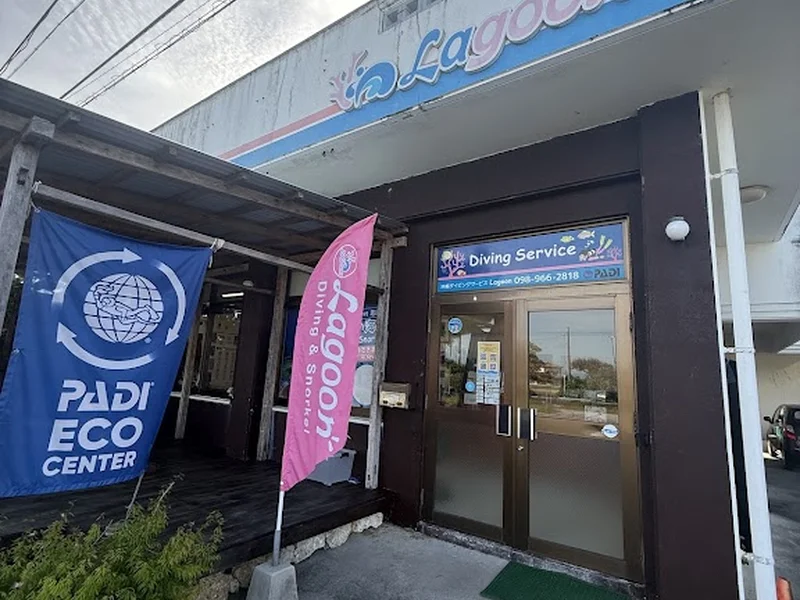
Dive Centers Near Water Treatment Plant
Today: 08:00 - 20:00
Nearest Airports
Nearest airports to help plan travel to this dive area.
Search Flights
Check available flights and routes on Expedia, using the nearby airports listed in this section.
Search Flights on ExpediaFrequently Asked Questions
What is the maximum depth at the Water Treatment Plant dive site?
Maximum depth at this site is typically around 18 meters. It's suitable for recreational divers holding Open Water certification.
Is the Water Treatment Plant suitable for beginner divers?
Yes, this site is considered suitable for beginners. It features an easy beach entry/exit and typically experiences gentle currents. Local dive shops often recommend it for those expanding their skills.
How is the entry and exit at this dive site?
Entry and exit at the Water Treatment Plant site occur directly from the beach. Shore access here is generally considered easy, simplifying logistics for divers.
What kind of marine life can I expect to see?
Divers often encounter schools of barracuda, eagle rays, octopus, and blue-spotted rays. The soft coral gardens host numerous smaller species like gobies, clownfish, and nudibranchs. Sea turtles are also periodically sighted here.
Are there strong currents at the Water Treatment Plant?
Currents at this particular site are typically mild, which contributes to its beginner-friendly reputation. However, local conditions can vary, so it's always wise to check with a local guide before your dive.
What are the "birdcage" and "mushroom" structures?
These are man-made structures that were originally the water intake and outtake for the nearby desalination plant. Over time, they have become vibrant artificial reefs, attracting a rich diversity of marine life.
When is the best time of year to dive here?
The best time to dive at the Water Treatment Plant is generally from September to June, when conditions are most favorable. Air temperatures are pleasant and rain accumulation is typically lower, providing good visibility.
Planning to dive Water Treatment Plant?
Send one inquiry and receive offers directly from the best verified local dive operators.
Conditions are Good
Optimal conditions expected
Current conditions near Water Treatment Plant show 29° air, 30° sea temperature, 0.8 m waves, and 31 km/h wind. Forecast data is refreshed regularly to ensure accuracy.