
Diving at Cathedral (Madagascar)
The site is a challenging dive, primarily explored by advanced divers. An intricate system of underwater caves, canyons, arches, and bridges defines its character. The complex structure within the north pass invites a journey through varying depths and formations, appealing to those seeking adventurous underwater exploration in Madagascar.
As evening covers Cathedral, the local air temperature is measured at 23.5°C. The current wave height at the surface is recorded at 1.4 m. These late-day readings characterize the surface conditions for the night.
Dive Site Location & Key Facts
Dive Site Overview
Exploring Cathedral reveals a distinctive dive experience, defined by its extraordinary underwater topography. Within the challenging north pass, a natural architectural marvel awaits, where a significant coral collapse has created an intricate system of canyons, arches, bridges, and expansive caves.
Divers discover a labyrinthine environment, moving between smaller "chapels" and deeper "crypts," each turn revealing new formations. This intricate relief provides a fascinating habitat for an array of marine life, notably large schools of snappers and lutjans bossus that create dynamic, shifting formations as they navigate the structures. An inquiring humphead wrasse is sometimes observed accompanying divers through the vaulted passages, while elusive groupers often lie motionless beneath rock formations, observing the activity.
Its unique characteristics, combined with the need for specific sea and tide conditions for safe access, contribute to a truly special atmosphere. It's a technically engaging dive, offering rewarding exploration of structural wonders and a sense of discovery that sets it apart in Tulear, Madagascar.
Conditions are Good
Optimal conditions expected
Current conditions near Cathedral show 23° air, 25° sea temperature, 1.7 m waves, and 24 km/h wind. Forecast data is refreshed regularly to ensure accuracy.
Best Time to Dive
Optimal diving at Cathedral, consistent with general Madagascar conditions, occurs during the dry season, extending from April to November. These months bring considerably less rainfall to the region, ranging from a low of 0.57 mm in August to about 2.6 mm in November, which typically leads to enhanced underwater visibility. Air temperatures during this season generally fluctuate between 23°C / 73°F in cooler months like August and 26°C / 79°F in November. While marine species, including various fish, sharks, rays, and turtles, show increased activity in the dry season, some divers might prefer avoiding the peak winter months of July and August for warmer air temperatures. Early and late parts of the dry season, specifically April-May and September-November, also tend to have lower tourist numbers, offering a more tranquil diving environment.
PEAK SEASON SCORE
Scores combine air & water temps, waves, wind & rainfall for overall conditions.
BEST MONTHS TO DIVE
Monthly records compiled from satellite and marine observation nodes over the last 3 years. Data provided by Open-Meteo and MET Norway.
Dive Experience & Conditions
Navigating Cathedral evokes a sense of exploring a profound, submerged architectural wonder, with its extensive network of caves, canyons, and intricate rock formations providing a challenging yet deeply rewarding experience. Advanced divers are explicitly recommended for this site, given its complex layout and the critical need for precise sea and tide conditions to ensure safe entry and exit. While specific water temperature data for Cathedral isn't consistently reported, regional patterns indicate warm waters, generally comfortable for diving. Visibility often extends to excellent levels, particularly during the dry season, which allows for an unobstructed appreciation of its structural grandeur and the diverse marine life inhabiting its many crevices. Currents here can vary significantly, necessitating thorough dive planning and meticulous execution to fully enjoy the unique environment.
Dive Difficulty & Safety Guidelines
This dive site is designated as challenging, requiring divers to possess advanced certification and experience in navigating complex underwater environments. Underwater caves and canyons are present, and the need for optimal sea and tide conditions emphasizes the importance of conservative dive planning and adherence to established safety protocols. Divers should always descend with a reliable guide familiar with the site's unique passages and potential current patterns within the north pass.
Due to intricate rock formations and confined spaces, maintaining excellent buoyancy control is crucial to prevent accidental contact and avoid disturbing the fragile ecosystem.
Recommended Equipment
Overhead environment. Do not enter beyond training and gas planning limits.
- Dive Computer
- DSMB
- Primary & Backup Lights
- Reel / Spool
- Cutting Tool
This gear list is based on verified equipment signals for Cathedral, Madagascar. Always confirm final gear choices with your dive operator, guide, or liveaboard.
Recommended Dive Suit
Divers planning relaxed exploration may appreciate the warmth of 3mm wetsuit. A hood or vest is suggested for sensitive divers due to surface winds. Divers often notice that perceived temperature can feel cooler during deeper or longer dives.
The waters surrounding Cathedral are currently maintaining temperatures close to 25°C (77°F). Surface air temperatures are resting at 23°C (74°F).
Conditions are expected to stay fairly consistent in the days ahead.
Emergency & Medical Support
Essential information to help you plan your dive trip to Cathedral.

Hyperbaric chambers are a critical part of dive safety infrastructure. Availability varies significantly by region, and not all dive areas have immediate access.
Before diving, it's recommended to:
- confirm nearest medical facilities
- check emergency procedures with local dive operators
- ensure dive insurance covers evacuation if required
Divers Alert Network
Diving emergency assistance available through DAN Southern Africa.
+27828106010- 24/7 emergency hotline
- Diving medical assistance
- Evacuation coordination
Emergency contacts are provided for reference. Always verify local emergency services before diving.
Marine Life at Cathedral
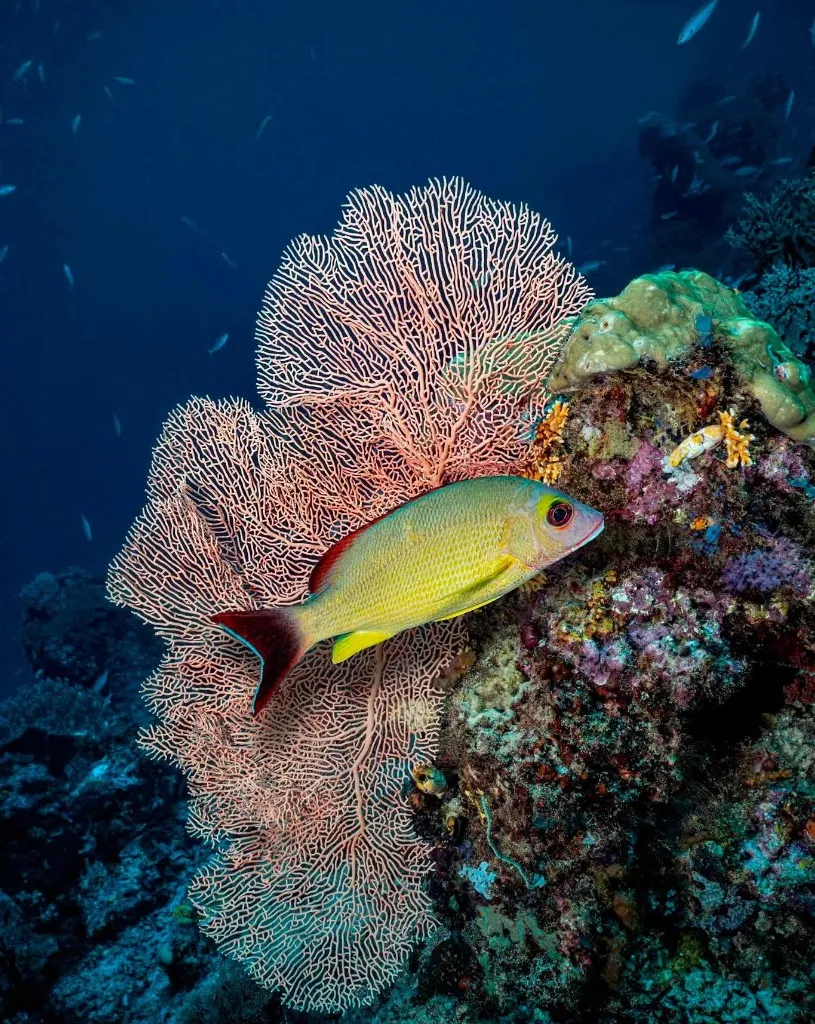
A dynamic habitat for a variety of marine creatures thrives in Cathedral's unique underwater landscape, with its extensive cave systems and canyons. Schools of snappers and lutjans bossus are a prominent feature, often found congregating within the site's large cuvettes and along its rock formations.
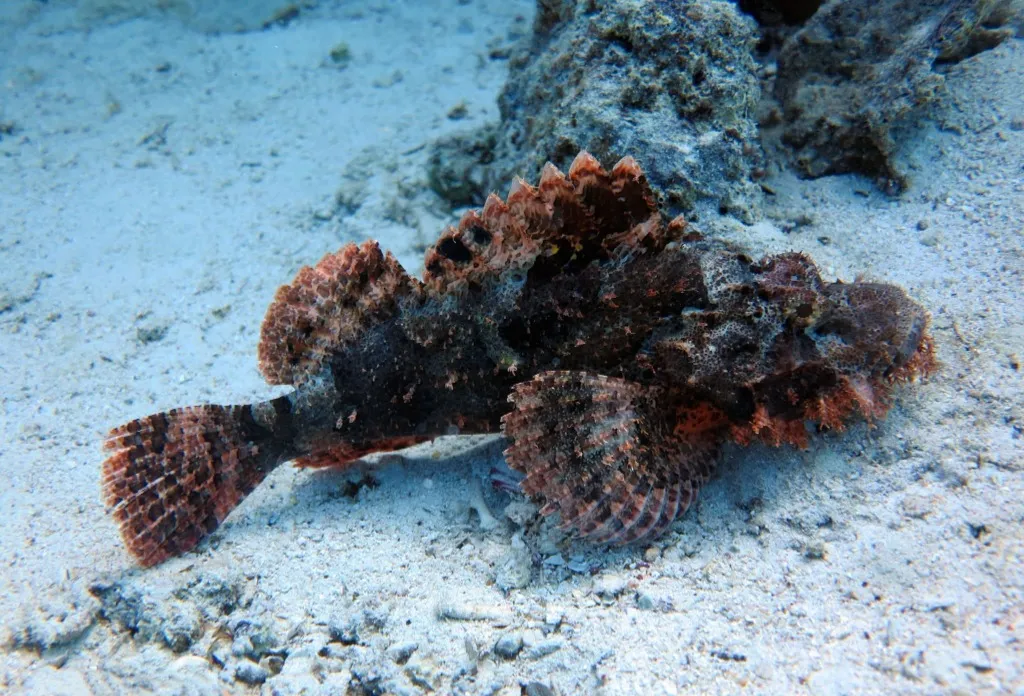
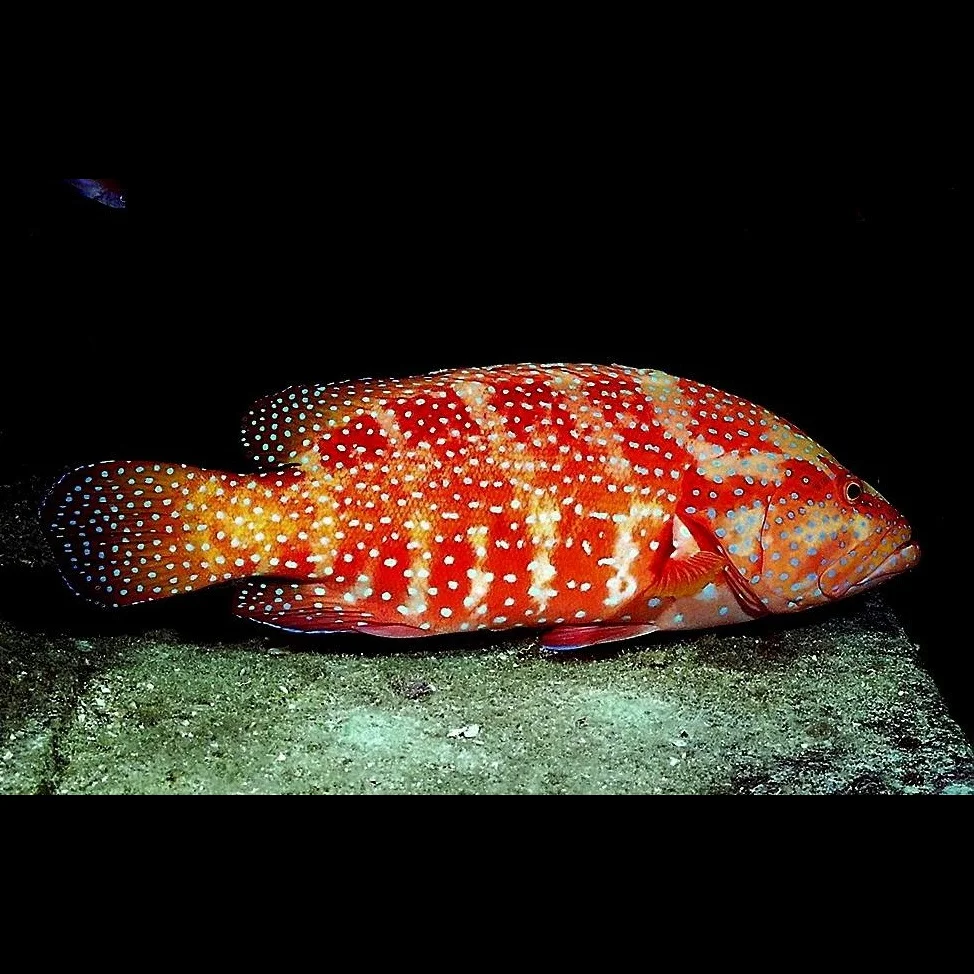
Divers frequently encounter an inquisitive humphead wrasse patrolling the vaulted areas, while groupers often lie camouflaged within the crevices, patiently observing. Scorpionfish are also present, blending seamlessly with the rocky surroundings.
Intricate structures provide shelter and hunting grounds, making every corner a potential encounter with diverse fish species, and occasionally, other pelagic visitors depending on the season.

Dive Centers Near Cathedral
No Dive Centers Local To Cathedral
Are you a dive center visiting this location? Get listed to reach divers.
Nearest Airports
Nearest airports to help plan travel to this dive area.
Frequently Asked Questions
What makes Cathedral a challenging dive site?
The site is considered challenging due to its intricate network of underwater caves, canyons, arches, and bridges. Navigating these complex formations requires advanced diving skills and excellent buoyancy control.
What marine life might I encounter at Cathedral?
Divers commonly see large schools of snappers and lutjans bossus, often congregating in the site's large cuvettes. You may also observe curious humphead wrasses, camouflaged groupers, and scorpionfish blending among the rocks.
Is Cathedral suitable for beginner divers?
No, it's explicitly recommended for advanced divers. Its complex topography and the necessity for specific sea and tide conditions make it unsuitable for those without significant experience.
When is the best time to dive Cathedral for optimal conditions?
Optimal diving aligns with Madagascar's dry season, from April to November. This period typically offers less rainfall, leading to enhanced underwater visibility and generally calmer sea conditions, though specific sea and tide conditions are always paramount for this site.
What are the notable underwater formations at Cathedral?
Dramatic geological features characterize the site, resulting from collapsed coral, creating a stunning array of canyons, arches, natural bridges, and expansive caves. These formations contribute to its unique, cathedral-like atmosphere.
Are there any current considerations for this dive?
Yes, currents within Cathedral's north pass can vary. Dive planning must account for these potential currents, and divers should be prepared for varying conditions to ensure a safe and enjoyable exploration of the site.
Planning to dive Cathedral?
Send one inquiry and receive offers directly from the best verified local dive operators.
Conditions are Good
Optimal conditions expected
Current conditions near Cathedral show 23° air, 25° sea temperature, 1.7 m waves, and 24 km/h wind. Forecast data is refreshed regularly to ensure accuracy.