
Diving at The Rock (Malaysia)
Imagine the ancient forces that shaped "The Rock" over millennia. This dive site, more a natural monument than a wreck, embodies a persistent narrative beneath the waves. Its structure, a silent testament to geological history, anchors a vibrant ecosystem. Divers approach not a sunken vessel, but a foundational pillar where currents have sculpted its contours, creating shelter and hunting grounds for marine life. The enduring presence of this site tells a story of natural resilience and underwater discovery.
Evening condition tracking at The Rock features an air temperature of 27°C. We have recorded wave heights measuring 0.7 m during this period. These figures outline the environmental parameters currently present.
Dive Site Location & Key Facts
Dive Site Overview
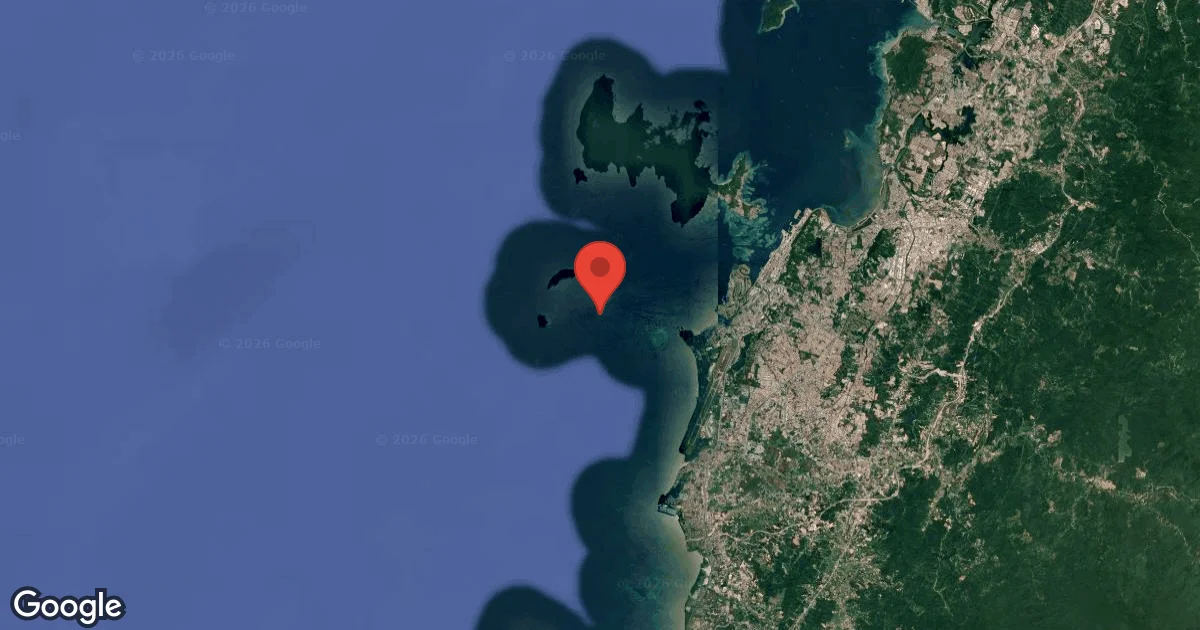
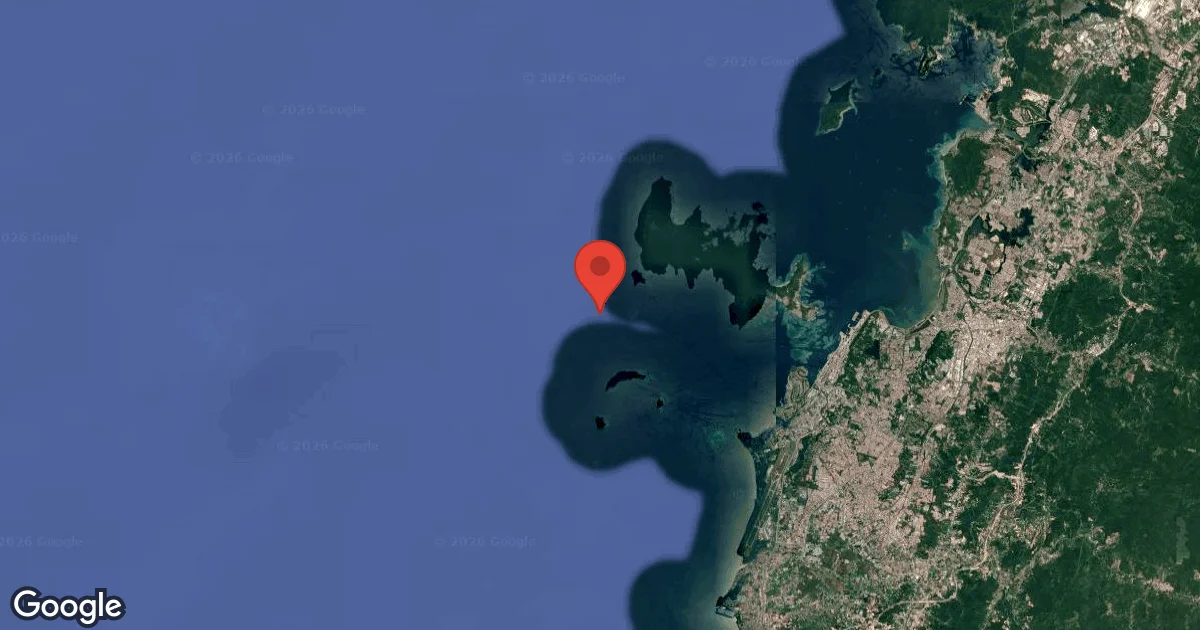
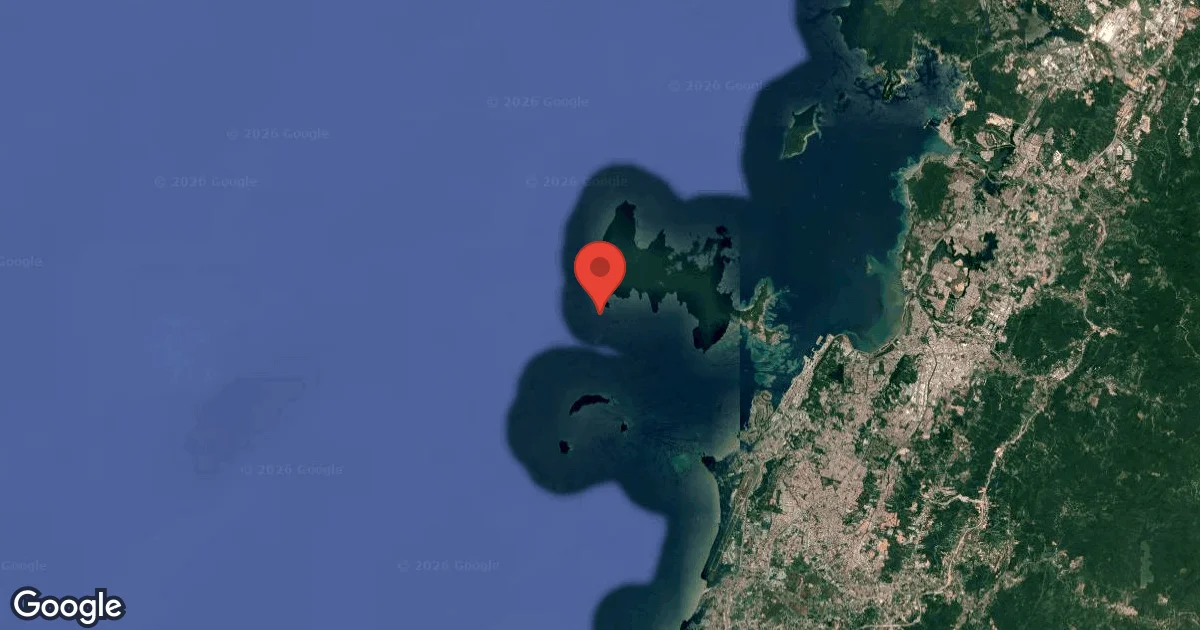
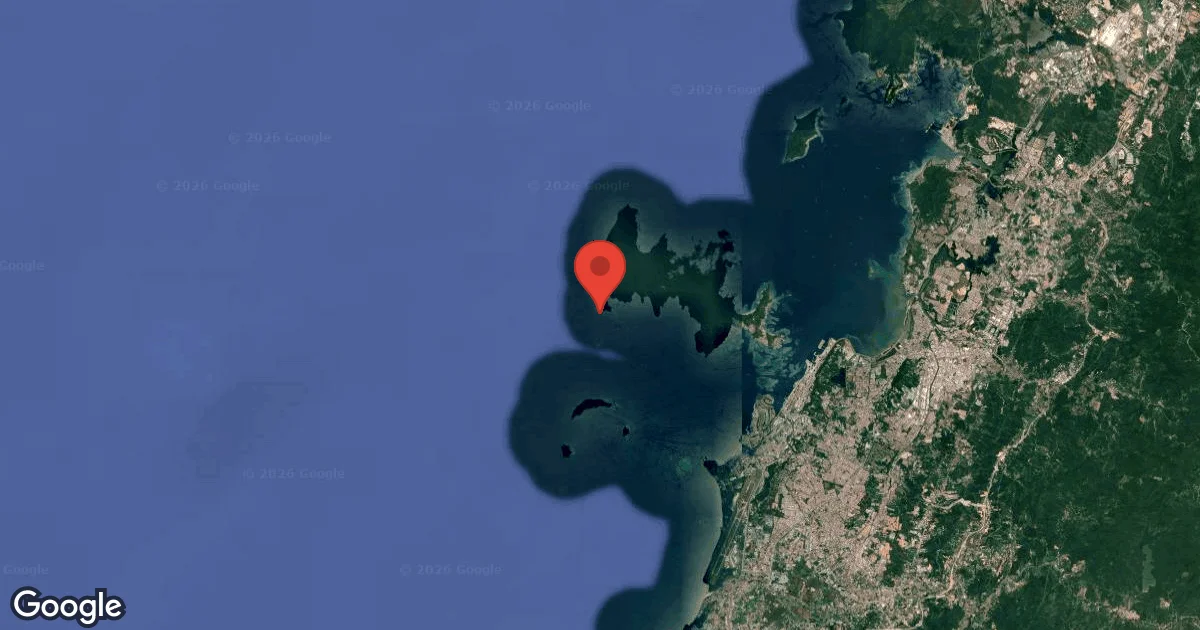
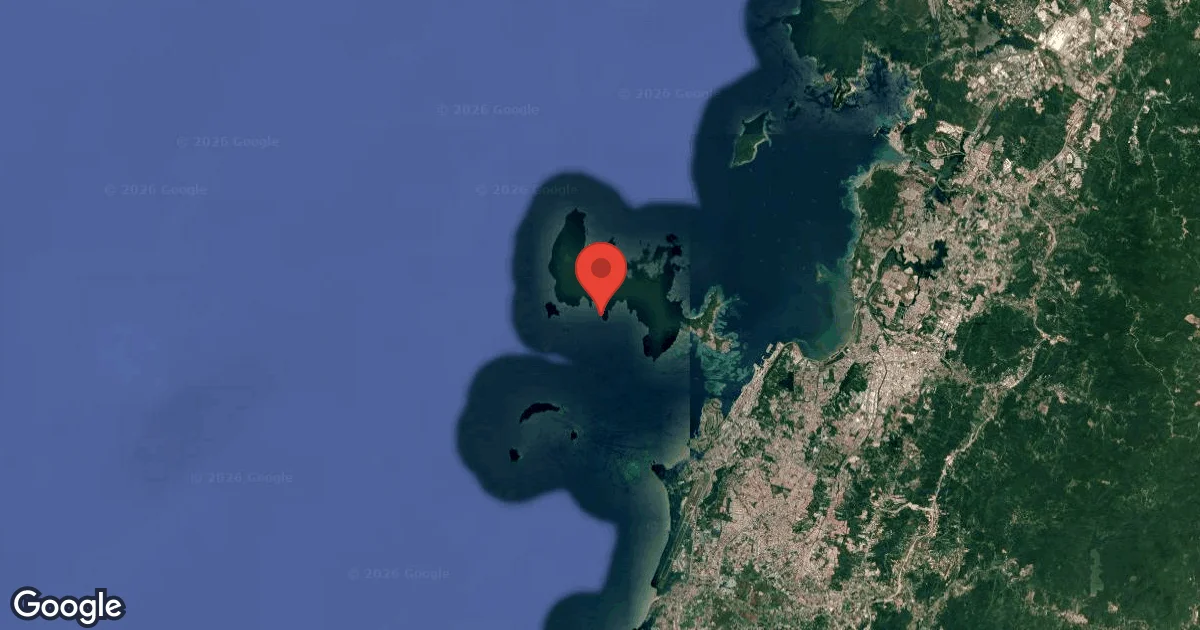
Understanding "The Rock" begins with its place within Tunku Abdul Rahman National Park, off Sabah's coast. This natural reef forms an integral part of a protected marine ecosystem, established to preserve its biodiversity.
Unlike sites with human-made structures, its significance lies in its raw, natural state, serving as a long-standing habitat. Early explorers and local fishermen likely knew of its bountiful waters long before it became a recognized dive destination. Now a recognized PADI dive site, its presence contributes to the park's appeal, drawing divers eager to observe the established marine patterns that have developed over countless generations.
The site provides a window into the natural history of this coastal region, revealing an enduring underwater landscape shaped by time and ocean forces. Divers exploring here engage with a living history, observing how the reef has adapted and thrived.
This location exemplifies the ongoing conservation efforts in Malaysian waters, where natural formations like "The Rock" are carefully managed to ensure their ecological integrity. It's a testament to the enduring beauty of undisturbed marine environments, offering a dive experience rooted in the geological past.
Conditions are Good
Optimal conditions expected
Current conditions near The Rock show 27° air, 31° sea temperature, 0.7 m waves, and 19 km/h wind. Forecast data is refreshed regularly to ensure accuracy.
Best Time to Dive
To maximize your dive experience at "The Rock," consider the seasonal nuances that affect underwater conditions. The period from March through August typically offers more favorable diving conditions, with particularly excellent scores observed in April. During these months, air temperatures generally range from 27-28°C (81-82°F), creating comfortable topside conditions. Rainfall tends to be lower, especially in March and April (around 5-6 mm), which often correlates with better visibility and calmer seas. While good diving is possible year-round, these specific months often provide the clearest conditions, enhancing encounters with marine life. Even in other months, such as January or September, the dive score remains "Good," though you might encounter slightly higher wave activity (around 1 meter / 3 feet) and rainfall (8-12 mm). Planning your trip during the calmer periods can significantly elevate your time exploring this reef.
PEAK SEASON SCORE
Scores combine air & water temps, waves, wind & rainfall for overall conditions.
BEST MONTHS TO DIVE
Monthly records compiled from satellite and marine observation nodes over the last 3 years. Data provided by Open-Meteo and MET Norway.
Dive Experience & Conditions
As you begin your descent at "The Rock," the immediate sensation is one of entering a structured reef environment. Initial depths usually transition through a coral garden, before gradually extending deeper along the rock's formation. Divers can explore down to max depths that vary based on the specific contour, but generally, recreational limits are adhered to. The reef structure itself presents numerous ledges and crevices to investigate. Water temperatures are not consistently reported but generally align with warm tropical averages for Malaysia, likely ranging 27-30°C (81-86°F), making for comfortable immersion without significant thermal shock. Visibility can fluctuate but is often good, particularly during optimal seasons, allowing for clear views of the resident fish populations and the reef's complex topography. You'll navigate around its natural contours, observing how life clings to and moves within its ancient structure.
Dive Difficulty & Safety Guidelines
An expert tip for diving "The Rock" involves a keen awareness of your buoyancy and depth. As a natural reef site, respecting the fragile coral structures is paramount; avoid contact to prevent damage to the ecosystem and potential injury. Given the site can sometimes host pelagic species, maintaining a conservative dive profile and monitoring air consumption is always wise.
Always dive within your certification limits and stay with your buddy or group. While no specific hazards are consistently reported, general safe diving practices apply: plan your dive, dive your plan, and regularly check your gauges.
Local currents can vary, so paying attention to your guide's briefing is crucial for a smooth and enjoyable dive.
Recommended Equipment
- Dive Computer
This gear list is based on verified equipment signals for The Rock, Malaysia. Always confirm final gear choices with your dive operator, guide, or liveaboard.
Recommended Dive Suit
Forecast models show minimal temperature variation in the coming days.
Thermal protection such as dive skin or rash guard is commonly used in similar temperatures. Consider warmer surface protection (like a boat coat) due to brisk winds.
At The Rock, the water is currently sitting around 31°C (88°F). Surface air temperatures are resting at 27°C (80°F).
Due to technical issues with our weather providers, data hasn't been fetched for over 48 hours. The data above reflects the conditions at the time of the last successful fetch.
Emergency & Medical Support
Essential information to help you plan your dive trip to The Rock.

Hyperbaric chambers are a critical part of dive safety infrastructure. Availability varies significantly by region, and not all dive areas have immediate access.
Before diving, it's recommended to:
- confirm nearest medical facilities
- check emergency procedures with local dive operators
- ensure dive insurance covers evacuation if required
Divers Alert Network
Diving emergency assistance available through DAN World.
+1-919-684-9111- 24/7 emergency hotline
- Diving medical assistance
- Evacuation coordination
Emergency contacts are provided for reference. Always verify local emergency services before diving.
Marine Life at The Rock
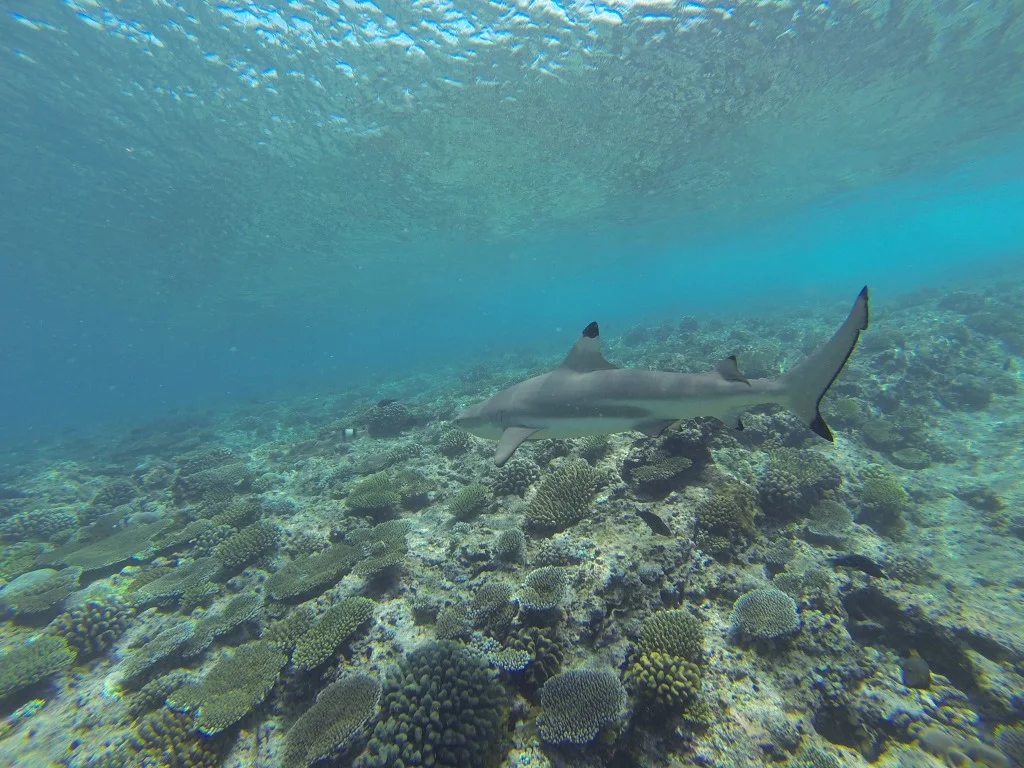
What you'll first notice at "The Rock" is the potential for larger pelagic encounters, setting it apart from more docile reef sites. The site is a known area for sightings of sharks, though their presence varies.
Keep an eye out for turtles gracefully moving through the water, a common sight here. While not guaranteed on every dive, the chance of observing dolphins or even whales passing through the deeper blue adds an exciting dimension.
Among the reef itself, expect the usual vibrant cast of reef fish that thrive within its protective ledges and coral formations. This blend of resident reef dwellers and passing ocean giants makes each dive a discovery.
Dive Sites Near The Rock
View all dive sites in MalaysiaDiscover more underwater gems in this area.
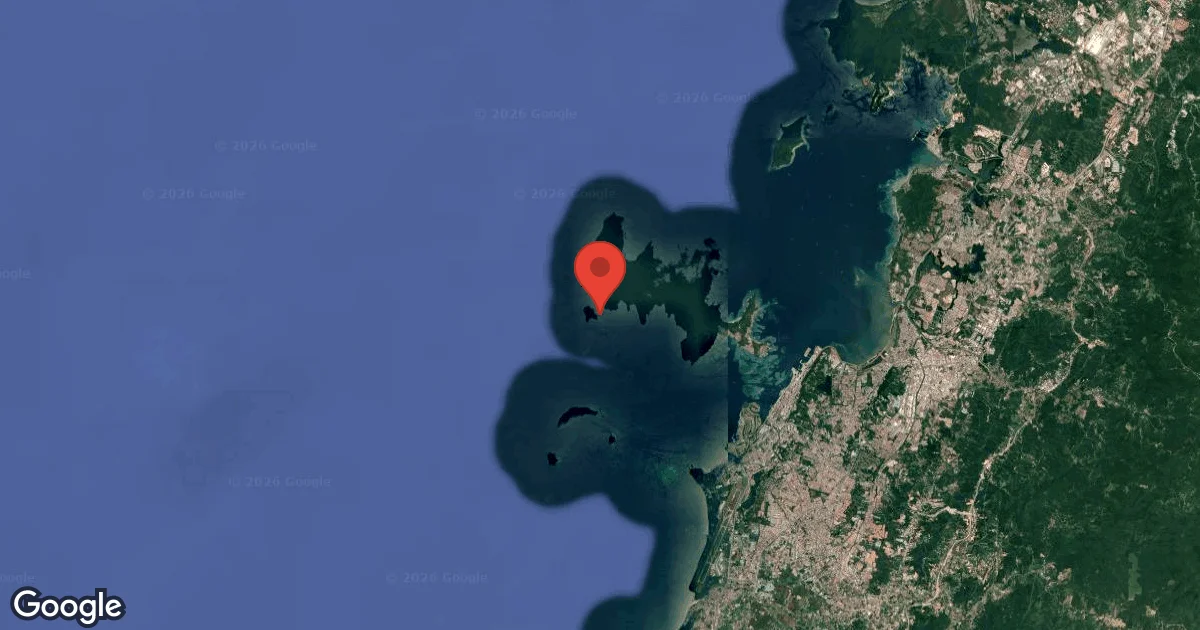
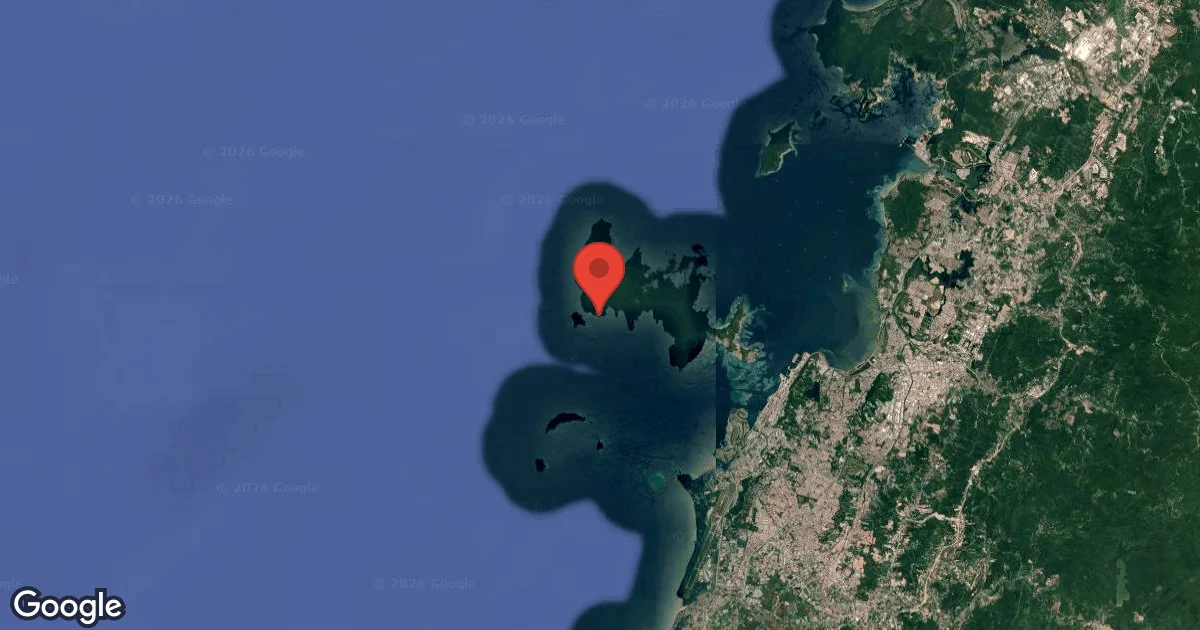
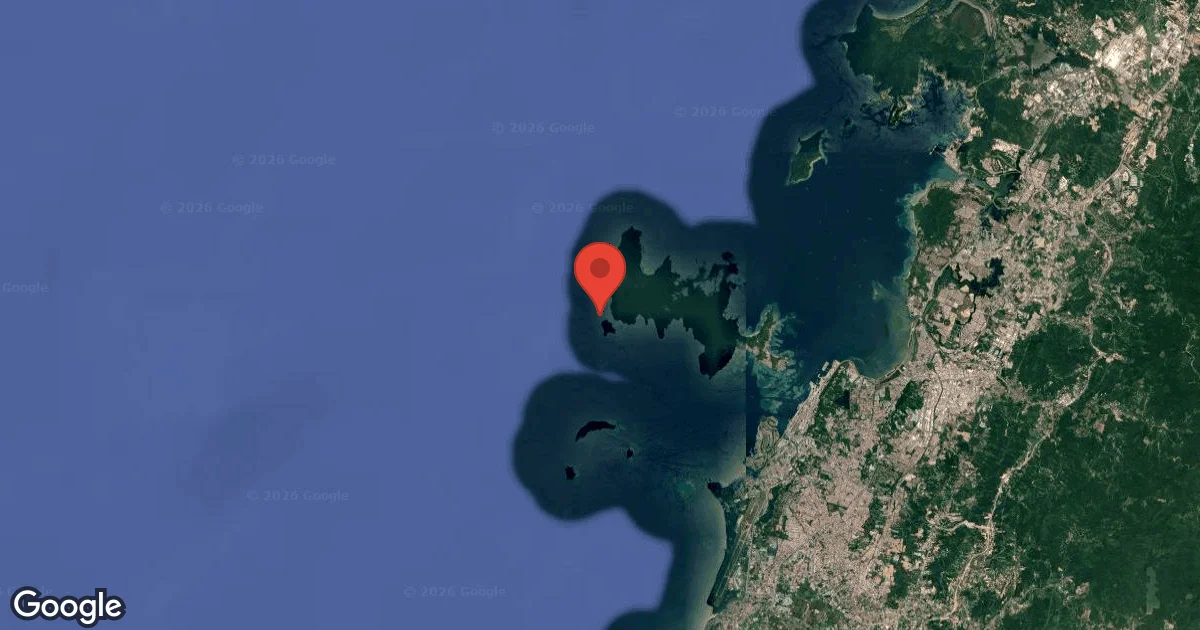
Dive Centers Near The Rock

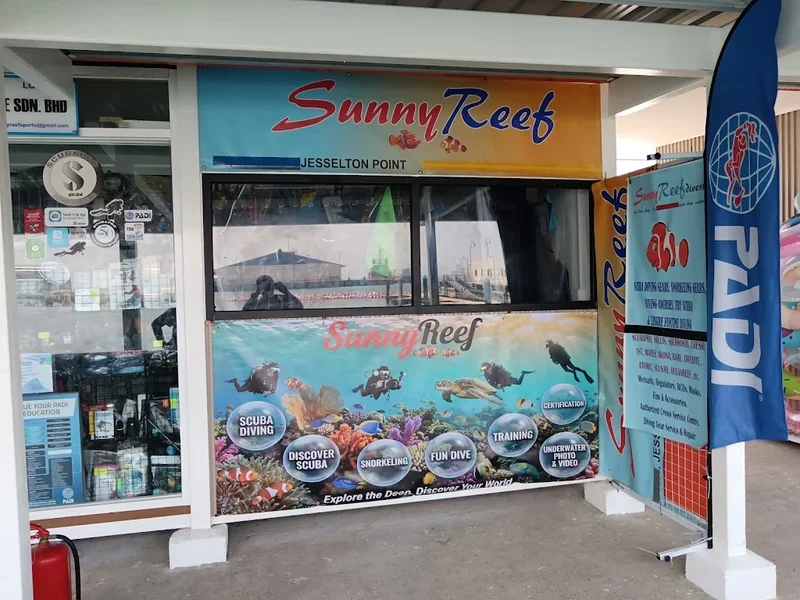
Nearest Airports
Nearest airports to help plan travel to this dive area.
Search Flights
Check available flights and routes on Expedia, using the nearby airports listed in this section.
Search Flights on ExpediaFrequently Asked Questions
What type of dive site is The Rock?
The Rock is a natural reef dive site. It features prominent rock formations that provide a diverse habitat for marine species within Tunku Abdul Rahman National Park.
What marine life can divers expect to see?
Divers commonly report sightings of sharks, various species of turtles, and occasionally larger pelagic life like dolphins or whales. The reef also supports a rich community of smaller reef fish.
What are the average water conditions?
Water temperatures are generally warm, typically tropical averages ranging around 27-30°C (81-86°F). Visibility varies but can be excellent during the calmer seasons, allowing for clear underwater views.
Is The Rock suitable for all experience levels?
While specific difficulty isn't consistently reported, its status as a reef and the potential for pelagic encounters suggest it caters to a range of certified divers. Beginners should consult local dive centers for current conditions and guidance.
Are there any seasonal considerations for diving?
The best time to dive is generally from March to August, with April often offering excellent conditions due to lower rainfall and calmer seas. Diving is possible year-round, but conditions may vary.
Where can I find dive operators for The Rock?
PADI dive shops and resorts in the Kota Kinabalu area (Sabah, Malaysia) often arrange trips to The Rock within Tunku Abdul Rahman National Park. They can provide current information and arrange guided dives.
What are the air temperatures like near The Rock?
Air temperatures in the region are consistently warm throughout the year, typically ranging from 26-28°C (79-82°F). This ensures comfortable conditions both on and off the dive boat.
Planning to dive The Rock?
Send one inquiry and receive offers directly from the best verified local dive operators.
Conditions are Good
Optimal conditions expected
Current conditions near The Rock show 27° air, 31° sea temperature, 0.7 m waves, and 19 km/h wind. Forecast data is refreshed regularly to ensure accuracy.