
Diving at South Reef (Malaysia)
Venturing to South Reef, divers explore a vibrant underwater landscape within Malaysia's Tunku Abdul Rahman National Park. This site offers a rich experience, drawing attention for its diverse marine inhabitants and healthy reef structures. Positioning itself as a key destination in Sabah, it caters to those seeking substantial encounters with tropical species. Prepare for an immersive journey into a thriving ecosystem.
Evening condition tracking at South Reef features an air temperature of 29.5°C. We have recorded wave heights measuring 0.6 m during this period. These figures outline the environmental parameters currently present.
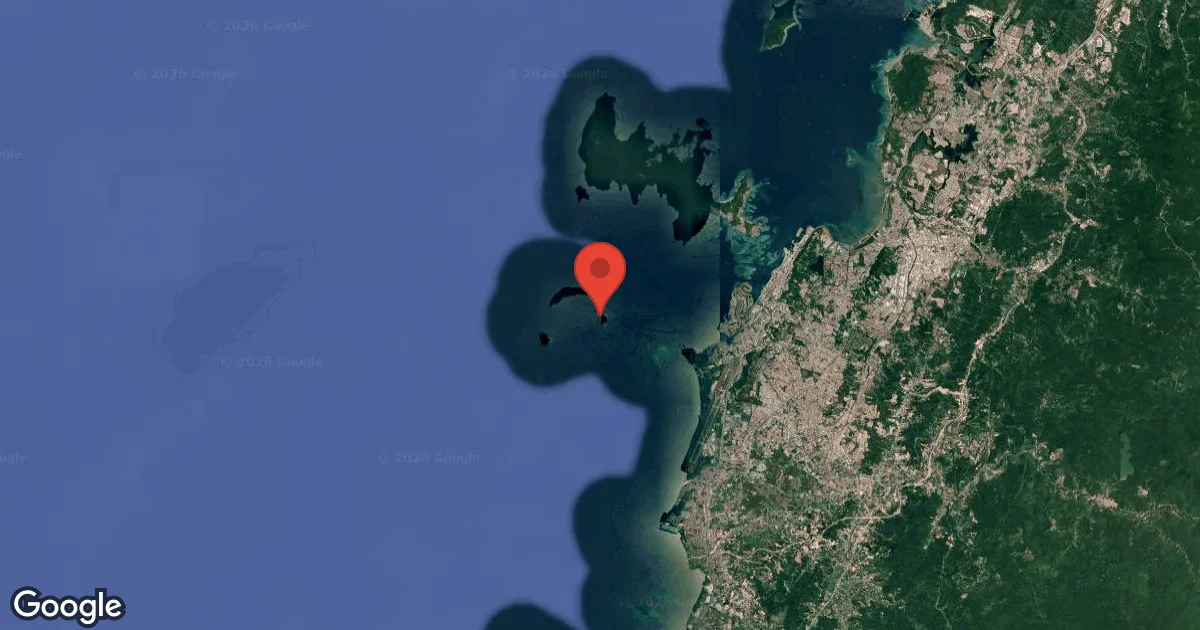
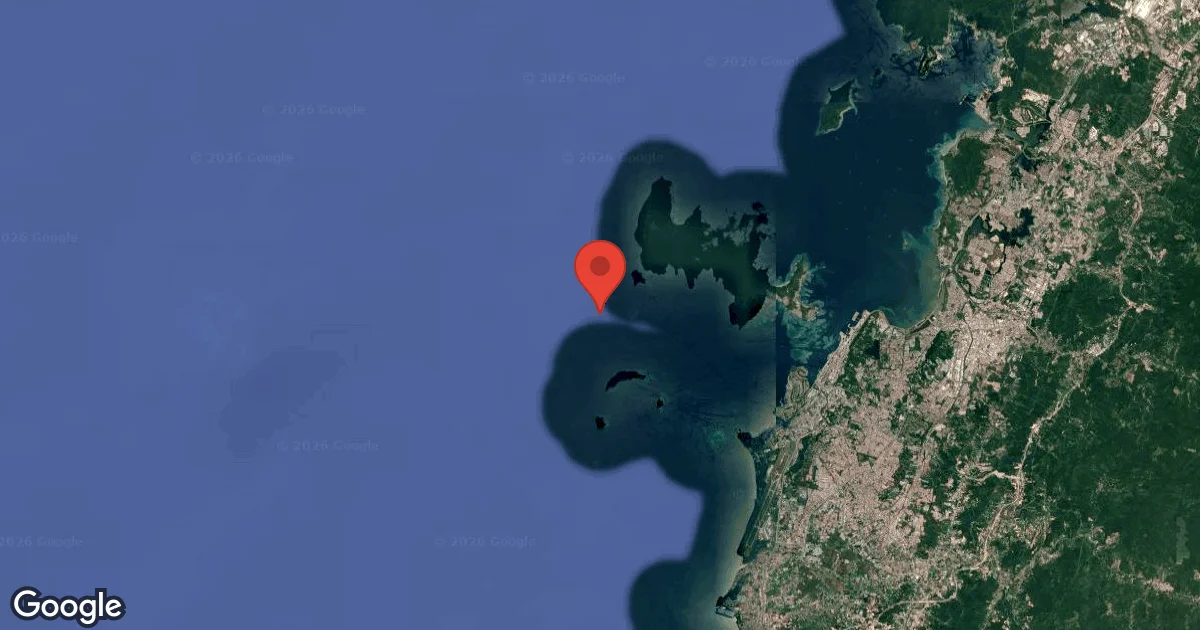
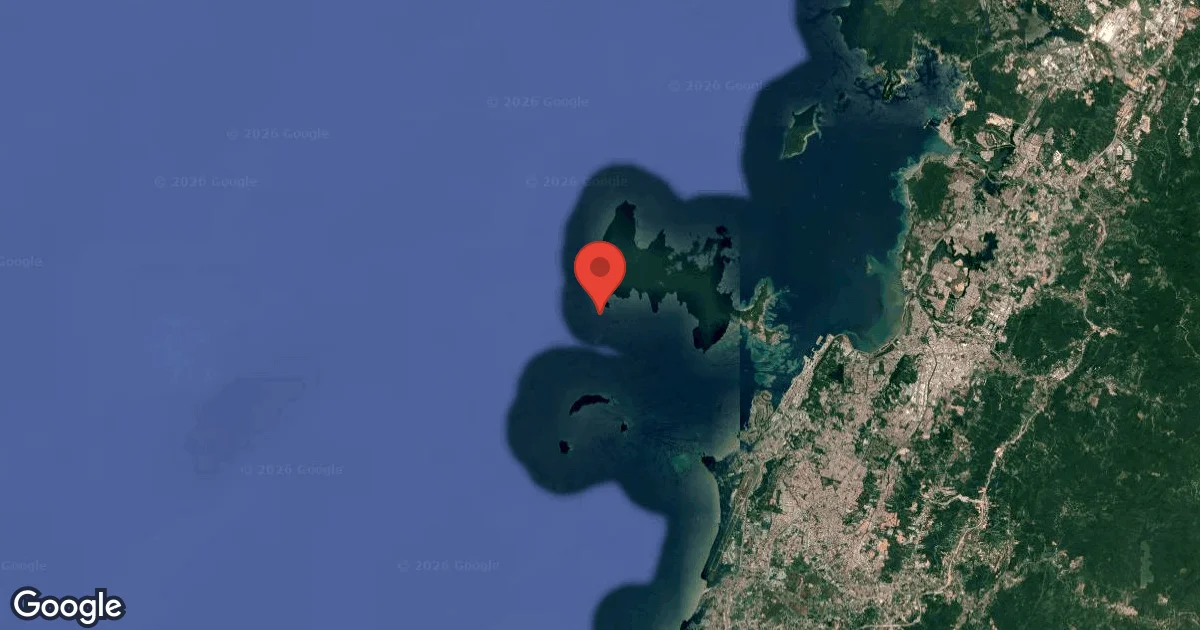
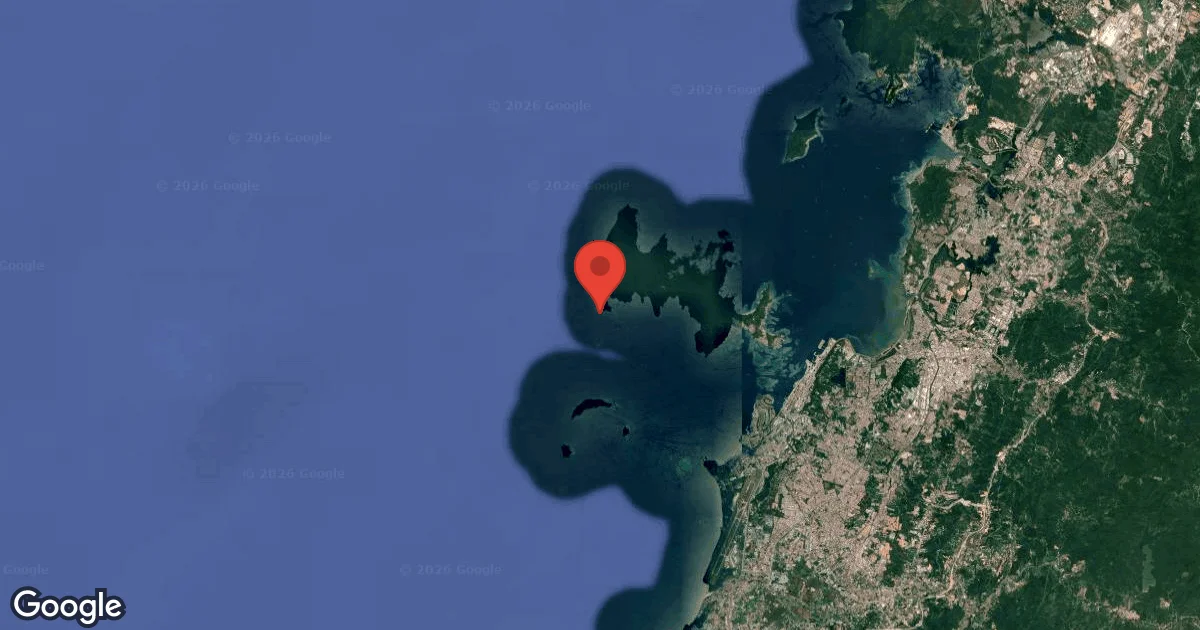
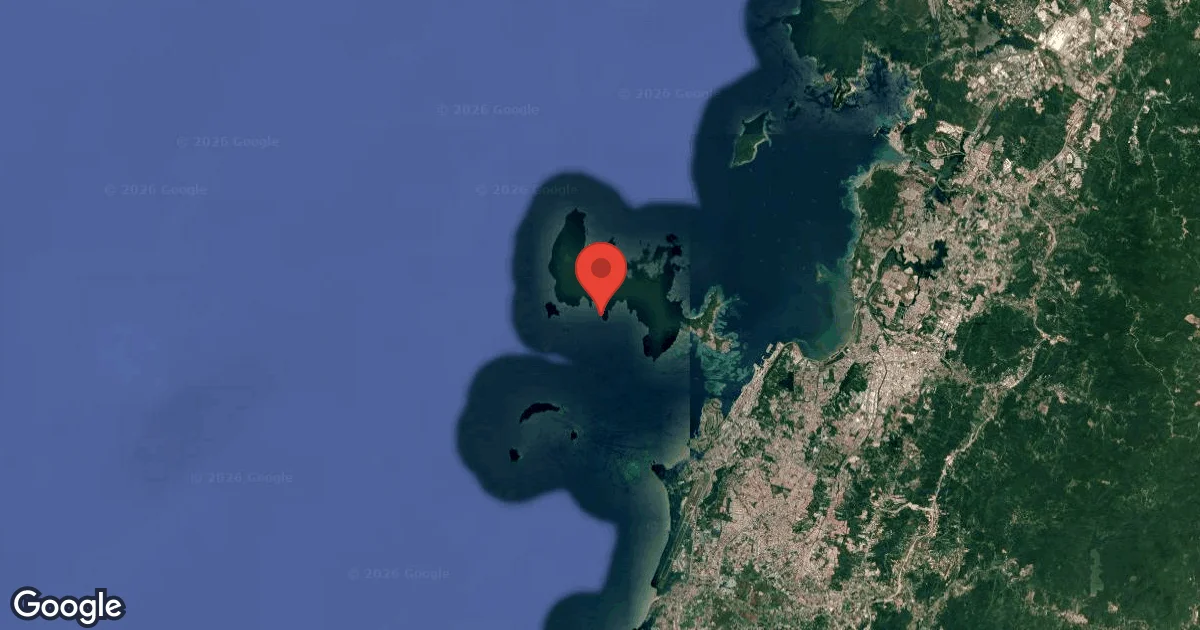
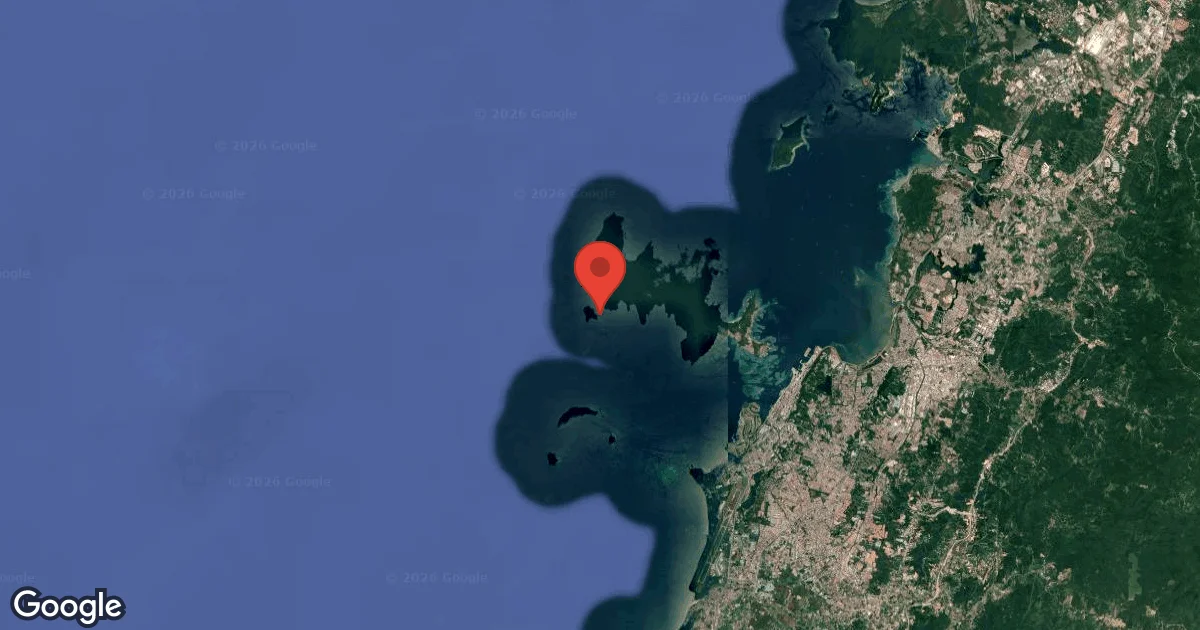
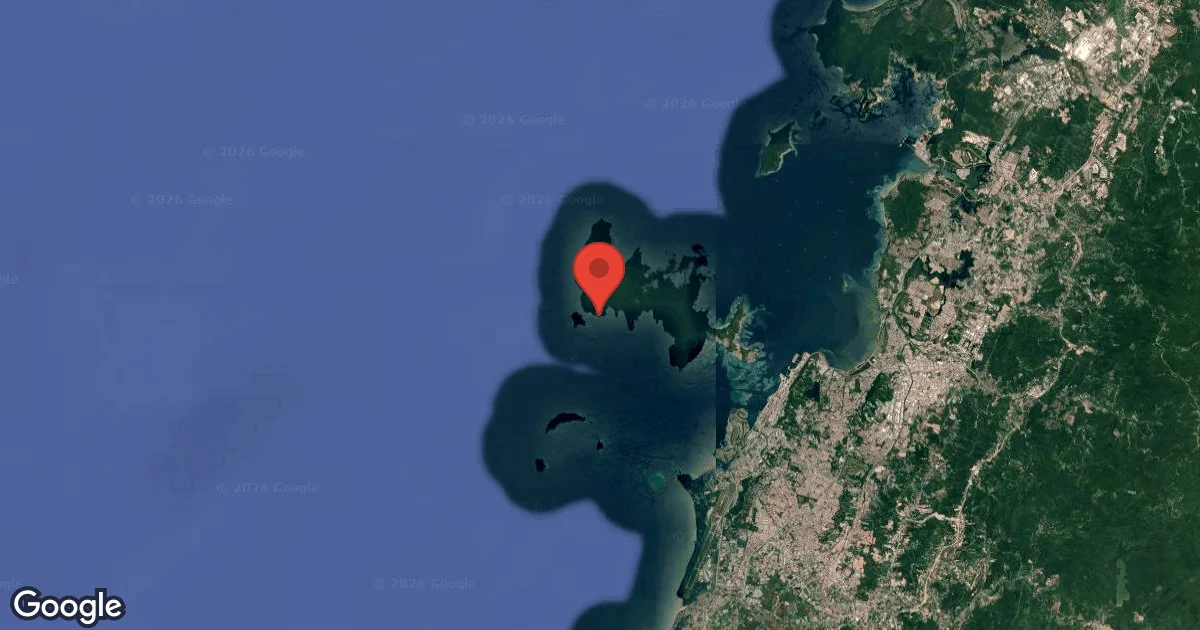
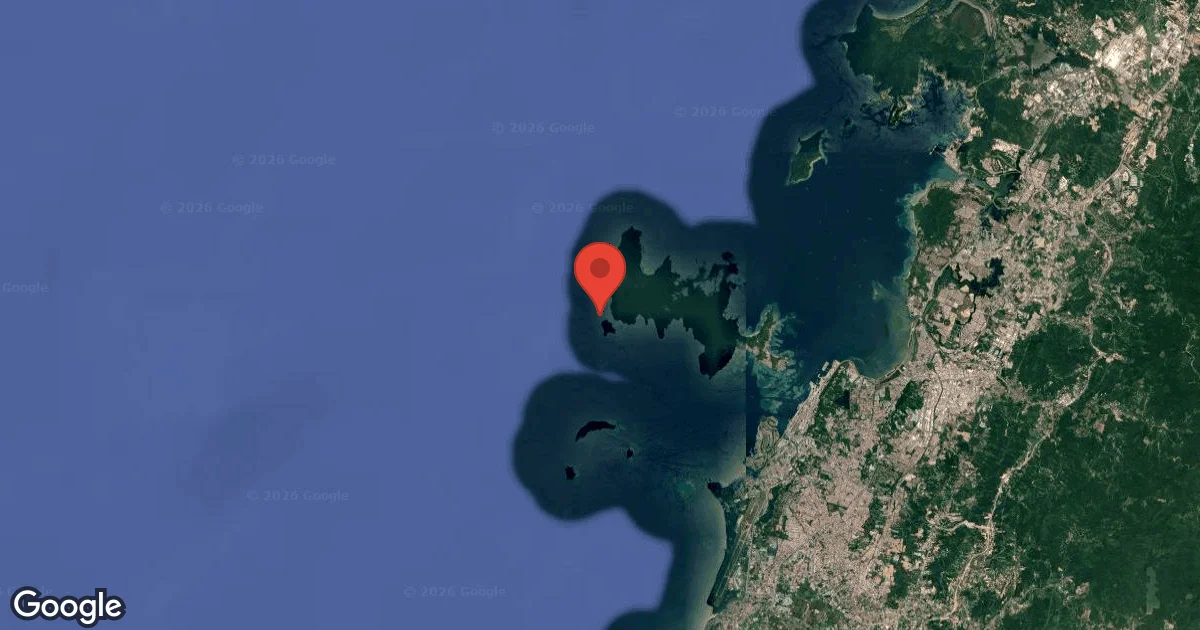
Dive Site Location & Key Facts
Dive Site Overview
South Reef presents a compelling reef dive, inviting exploration into its vibrant formations. As part of the extensive Tunku Abdul Rahman National Park, the site showcases robust coral growth that supports a wide array of marine life.
Divers navigate varied reef topography, characterized by intricate coral gardens and interesting structural elements, including several coral pinnacles. The initial descent often reveals a diverse landscape, with healthy hard corals dominating shallower sections and soft corals flourishing in deeper, shaded areas. Many sections accommodate less confident divers, yet the overall healthy reef environment retains the interest of more advanced enthusiasts seeking detailed exploration.
Throughout the dive, encounters with numerous tropical species are common, providing dynamic interactions. Expect a rich display of both hard and soft corals, forming an extensive living habitat for fish and invertebrates.
Depths typically remain within recreational limits, usually around 10-25 m (33-82 ft), allowing ample bottom time for thorough observation. Moving along the reef, divers can appreciate the scale of the ecosystem, noticing how different coral types create distinct microhabitats.
This site offers a comprehensive glimpse into a well-preserved Malaysian reef system, suitable for multiple dives.
Conditions are Good
Optimal conditions expected
Current conditions near South Reef show 29° air, 31° sea temperature, 0.8 m waves, and 21 km/h wind. Forecast data is refreshed regularly to ensure accuracy.
Best Time to Dive
Planning a dive at South Reef is best approached considering seasonal climate patterns to maximize visibility and comfort. The period from February through August generally offers good to excellent diving conditions, with April standing out as particularly favorable for clear waters. During April, air temperatures average around 27.5°C (82°F) with minimal wave heights, contributing to optimal surface conditions. Rain activity during these peak months is comparatively low, enhancing underwater clarity. Water temperatures are consistently warm throughout the year in this tropical region, though specific site data isn't consistently reported for South Reef itself. However, divers can generally anticipate comfortable conditions typical of Malaysian waters, facilitating extended bottom times. Even in months rated 'Good,' such as January, September, and October, the diving remains rewarding.
PEAK SEASON SCORE
Scores combine air & water temps, waves, wind & rainfall for overall conditions.
BEST MONTHS TO DIVE
Monthly records compiled from satellite and marine observation nodes over the last 3 years. Data provided by Open-Meteo and MET Norway.
Dive Experience & Conditions
Navigating the waters around South Reef often involves encountering varied current dynamics, which can enhance the drift diving experience or require careful planning. While many areas within Tunku Abdul Rahman National Park are suitable for newer divers, a keen awareness of potential currents is always advisable, particularly at deeper sections or around prominent reef features. Visibility at this reef site typically ranges from good to excellent, although it can vary with tidal movements and recent rainfall. Water temperatures, while not specifically reported for South Reef, consistently remain warm in this tropical Malaysian setting, ensuring comfortable dives without the need for heavy thermal protection. Overall, the conditions here provide a generally relaxed yet engaging dive, with opportunities for both leisurely exploration and exhilarating drifts, depending on the day.
Dive Difficulty & Safety Guidelines
Approaching South Reef requires adherence to standard dive safety protocols, even though no specific hazards are consistently reported for this site. Divers should always plan their dive within no-decompression limits and monitor air consumption carefully, especially when exploring deeper sections of the reef. Operating within the Tunku Abdul Rahman National Park implies certain environmental regulations are in place to protect the marine ecosystem.
Divers should maintain neutral buoyancy to avoid contact with delicate corals and other benthic organisms. Carrying an SMB (Surface Marker Buoy) is a sensible practice, aiding surface visibility for the dive boat, particularly if currents are present.
Always dive with a buddy and conduct thorough pre-dive checks to ensure all equipment is functioning correctly.
Recommended Equipment
- Dive Computer
This gear list is based on verified equipment signals for South Reef, Malaysia. Always confirm final gear choices with your dive operator, guide, or liveaboard.
Recommended Dive Suit
Divers who spend more time observing marine life often prefer slightly warmer gear.
Environmental readings suggest that the waters surrounding South Reef are about 31°C (88°F) at the moment. Surface air temperatures are resting at 29°C (85°F). Water temperatures in this range are often well suited to diving with dive skin or rash guard. A hood or vest is suggested for sensitive divers due to surface winds.
Forecast models indicate that diving conditions should remain largely unchanged.
Emergency & Medical Support
Essential information to help you plan your dive trip to South Reef.

Hyperbaric chambers are a critical part of dive safety infrastructure. Availability varies significantly by region, and not all dive areas have immediate access.
Before diving, it's recommended to:
- confirm nearest medical facilities
- check emergency procedures with local dive operators
- ensure dive insurance covers evacuation if required
Divers Alert Network
Diving emergency assistance available through DAN World.
+1-919-684-9111- 24/7 emergency hotline
- Diving medical assistance
- Evacuation coordination
Emergency contacts are provided for reference. Always verify local emergency services before diving.
Marine Life at South Reef
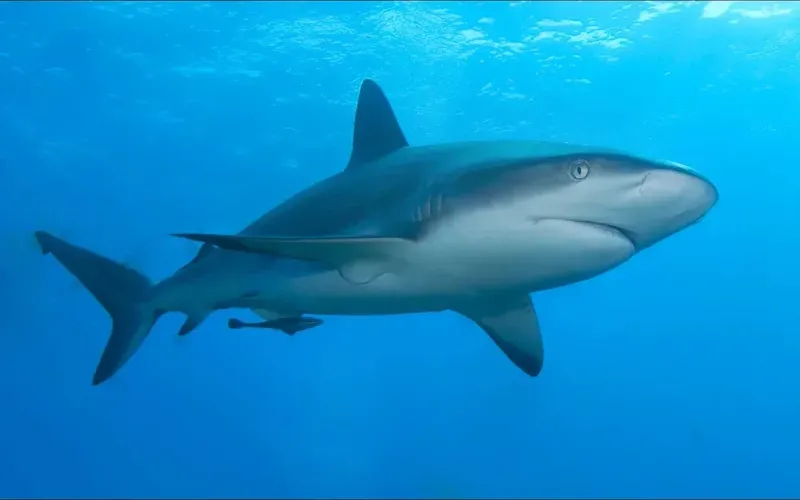
Submerging into the reef environment, divers frequently observe a broad spectrum of marine life against a backdrop of impressive coral structures. Common sightings include various species of reef sharks, such as blacktips, moving through the coral gardens.
Observing turtles navigating the reef is also a regular occurrence. Depending on the season, larger pelagic species like whales and dolphins have been reported in the broader park area, adding an exciting dimension to the dive experience.
The reef provides habitat for numerous tropical reef fish, offering continuous visual interest throughout the dive. Keep an eye out for diverse macro life nestled among the corals and sandy patches.
Dive Sites Near South Reef
View all dive sites in MalaysiaDiscover more underwater gems in this area.
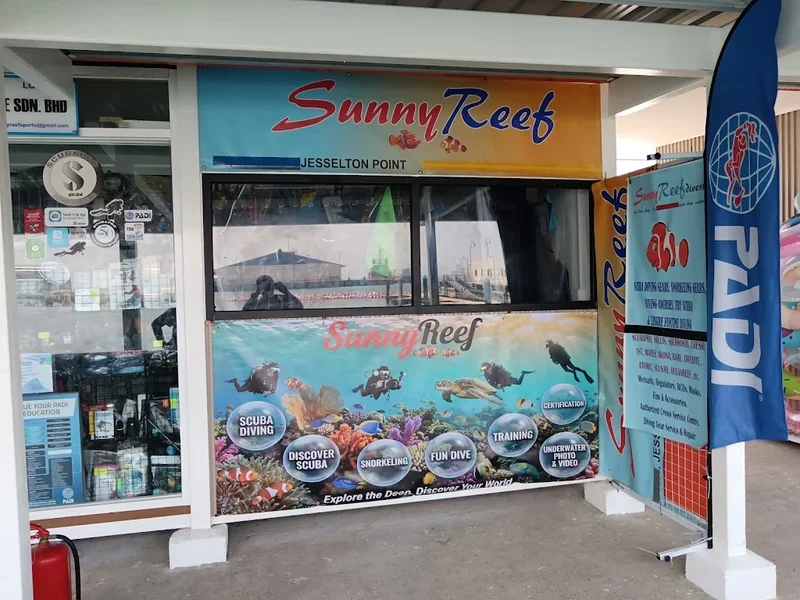
Dive Centers Near South Reef

Nearest Airports
Nearest airports to help plan travel to this dive area.
Search Flights
Check available flights and routes on Expedia, using the nearby airports listed in this section.
Search Flights on ExpediaFrequently Asked Questions
What kind of dive site is South Reef?
South Reef is primarily a reef dive, characterized by healthy coral formations and diverse marine life. It is situated within the Tunku Abdul Rahman National Park, offering a vibrant underwater landscape for exploration.
What marine life can I expect to see at South Reef?
Divers often encounter reef sharks, various species of turtles, and a wide array of tropical reef fish. Larger pelagic sightings like whales and dolphins have also been reported in the surrounding park waters, although these are less common.
When is the best time of year to dive South Reef?
The period from February through August generally provides the best diving conditions, with April often highlighted for excellent visibility. These months typically have lower rainfall and calmer seas, enhancing the overall dive experience.
Are there strong currents at South Reef?
Currents at South Reef can vary. Some sections of southern dive sites in Malaysia tend to experience stronger currents, which can make for exhilarating drift dives. Divers should assess conditions on the day and plan accordingly.
What are the typical water temperatures?
Specific water temperature data for South Reef is not consistently reported. However, as a tropical Malaysian dive site, divers can generally expect warm water conditions, typically comfortable for diving year-round.
Is South Reef suitable for beginner divers?
Many areas of the reef are suitable for novices or less confident divers due to its generally accessible nature. However, depending on the presence of currents, certain sections may be better suited for more experienced divers. Always check with local dive operators.
Planning to dive South Reef?
Send one inquiry and receive offers directly from the best verified local dive operators.
Conditions are Good
Optimal conditions expected
Current conditions near South Reef show 29° air, 31° sea temperature, 0.8 m waves, and 21 km/h wind. Forecast data is refreshed regularly to ensure accuracy.