
Diving at Mangrove Corner (Malaysia)
Descending into Mangrove Corner reveals a dynamic underwater landscape, gradually unfolding from shallower reef structures to deeper sandy seabeds and even the resting place of a historical wreck. Divers will find themselves exploring a gradient of environments, where each meter of depth introduces new inhabitants and formations. This area offers a comprehensive dive sequence, appealing to those who appreciate diverse underwater topography and varied marine encounters right from the initial drop.
Tonight's objective overview for Mangrove Corner shows an air temperature of 27°C. The measured surface conditions include wave heights around 1.1 m. This environmental data is logged for the close of the day.
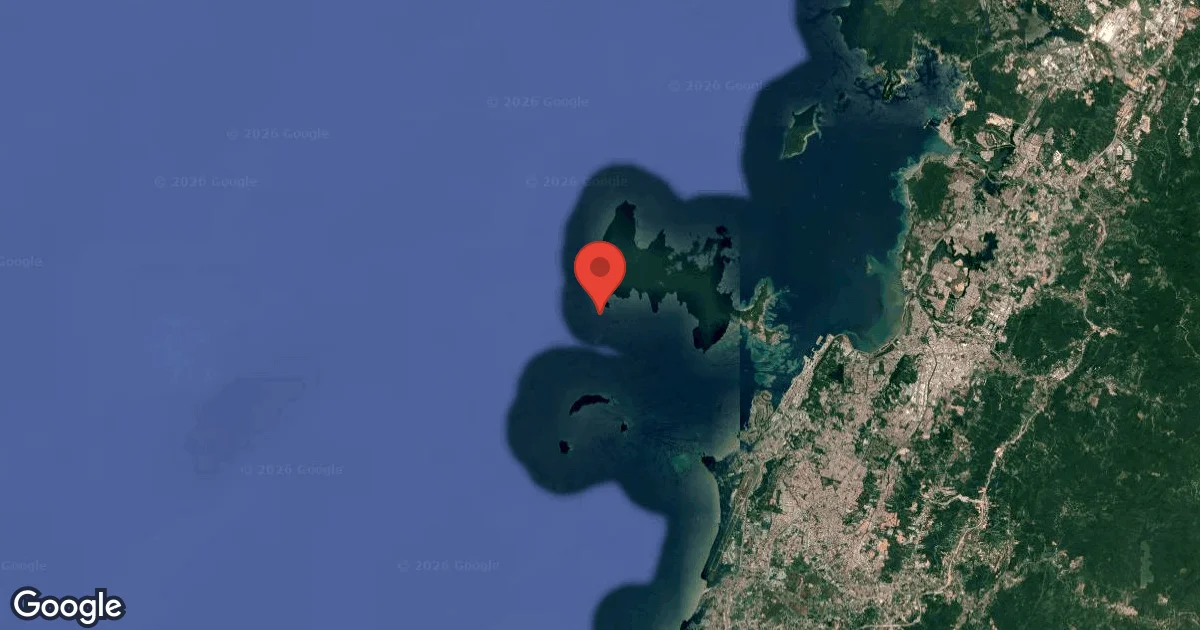
Dive Site Location & Key Facts
Dive Site Overview
Mangrove Corner presents a varied underwater topography, encompassing sheltered inner reefs and more exposed outer reef formations, alongside notable wreck sites. Inner reefs, often very pretty despite sometimes being referred to as 'muck diving', showcase shallow top sections around 4 m (13 ft) at low tide.
These areas host a small fishing wreck, attracting schooling fish and a variety of cryptic critters; the reef here gradually slopes to depths of up to 20 meters. Moving a few minutes away, beautiful shallow reef sections, rich in acropora coral, thrive at around 12 meters.
Further out, outer reefs, such as Edgell Patches, begin their ascent from 10-12 meters and descend to a sandy seabed at 30 m (100 ft). Large coral blocks, gorgonian fans, table corals, and barrel sponges characterize these deeper slopes.
A significant highlight is the KM Kuraman wreck, a 103 ft (31 m) patrol ship intentionally sunk in 2017. She rests upright in approximately 23 m (75 ft) of water, offering internal penetration opportunities for qualified divers and serving as an artificial reef structure.
This combination of natural reefs and artificial habitats creates a rich, multi-layered diving experience.
Weather Error: fetch failed
Best Time to Dive
Optimal visibility often guides dive planning for Mangrove Corner, with the period from October through June generally offering the best conditions. During these months, wave heights are typically lower, averaging around 0.4 m to 0.8 m, contributing to clearer waters. Dive scores consistently rate as "Good" to "Excellent," with April standing out as an excellent month, seeing the lowest average wave height around 0.4 m and minimal rainfall. Air temperatures remain consistently warm, averaging between 26°C and 28°C across the year, making surface intervals comfortable regardless of the season. However, the months of July to September can experience reduced visibility due to the tailwinds of Philippine typhoons, which, while rarely leading to dive cancellations, can introduce choppier surface conditions and suspended particulate matter. Despite these seasonal shifts, year-round diving is feasible, but for peak clarity, planning a trip during the October to June window is recommended.
PEAK SEASON SCORE
Scores combine air & water temps, waves, wind & rainfall for overall conditions.
BEST MONTHS TO DIVE
Monthly records compiled from satellite and marine observation nodes over the last 3 years. Data provided by Open-Meteo and MET Norway.
Dive Experience & Conditions
Entering the waters around Mangrove Corner, divers can expect water temperatures that are not consistently reported but generally align with warm tropical conditions. Underwater, the inner reefs provide a sheltered entry experience, making them suitable for year-round exploration with relatively calm conditions. Surface conditions vary; while generally calm, moderate wave heights averaging between 0.4 m and 1.1 m can be encountered, particularly from July to September. Visibility can range significantly, from around 8 meters on some inner reef 'muck' sites to slightly better conditions on the outer reefs, occasionally reaching 20 meters or more depending on current and recent weather patterns. These sites are not typically crowded; you'll often find few other dive boats, benefiting from a low diver-to-guide ratio.
Dive Difficulty & Safety Guidelines
Before any dive at Mangrove Corner, a thorough briefing covering the specific site layout, potential currents, and relevant safety protocols is essential. While no specific inherent hazards are consistently reported for these sites, divers should always practice good buoyancy control, especially around delicate coral structures and the KM Kuraman wreck, to avoid accidental contact.
Penetration dives into the KM Kuraman require appropriate advanced certification and adherence to strict wreck diving procedures. Maintaining awareness of one's depth and no-decompression limits is crucial, particularly when exploring the deeper sections of the outer reefs that approach recreational limits.
Always dive with a buddy and ensure all equipment is in proper working order. Adhering to responsible diving practices helps preserve the marine environment for future visitors.
Recommended Equipment
- Dive Computer
This gear list is based on verified equipment signals for Mangrove Corner, Malaysia. Always confirm final gear choices with your dive operator, guide, or liveaboard.
Recommended Dive Suit
Water temperatures at Mangrove Corner are currently estimated to be around 31°C (88°F), shaping the overall diving conditions for today. Surface air temperatures are resting at 27°C (80°F).
Dive skin or rash guard is generally considered suitable for water temperatures like this. Strong winds are present; please take strong precautions against rapid cooling during surface intervals.
Conditions in the coming days are expected to stay within a similar temperature range.
Emergency & Medical Support
Essential information to help you plan your dive trip to Mangrove corner.

Hyperbaric chambers are a critical part of dive safety infrastructure. Availability varies significantly by region, and not all dive areas have immediate access.
Before diving, it's recommended to:
- confirm nearest medical facilities
- check emergency procedures with local dive operators
- ensure dive insurance covers evacuation if required
Divers Alert Network
Diving emergency assistance available through DAN World.
+1-919-684-9111- 24/7 emergency hotline
- Diving medical assistance
- Evacuation coordination
Emergency contacts are provided for reference. Always verify local emergency services before diving.
Marine Life at Mangrove Corner
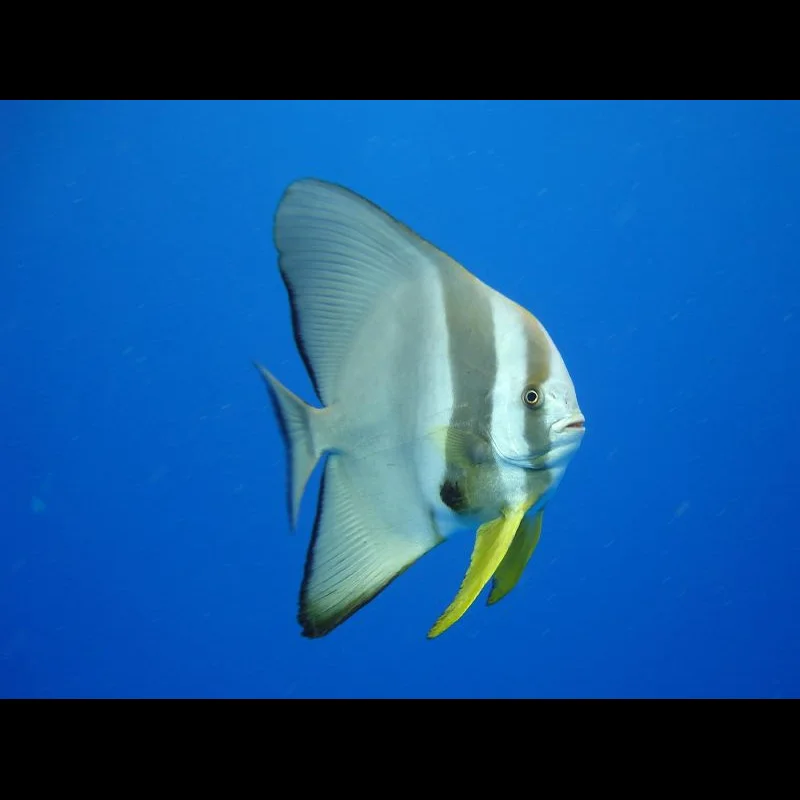
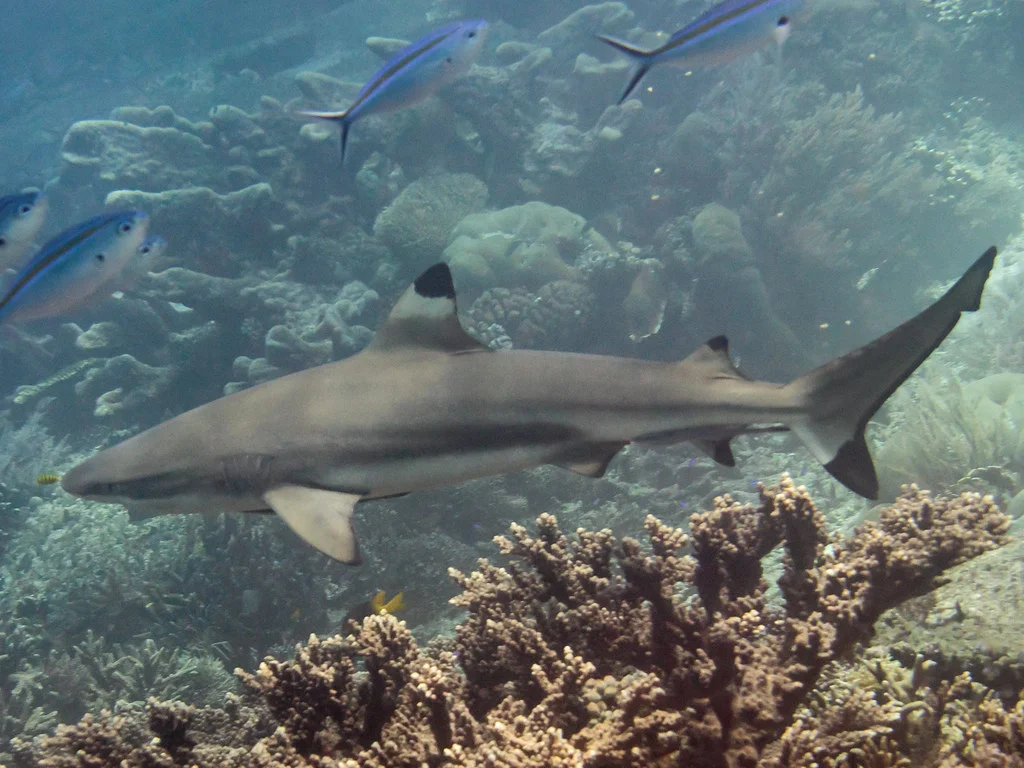
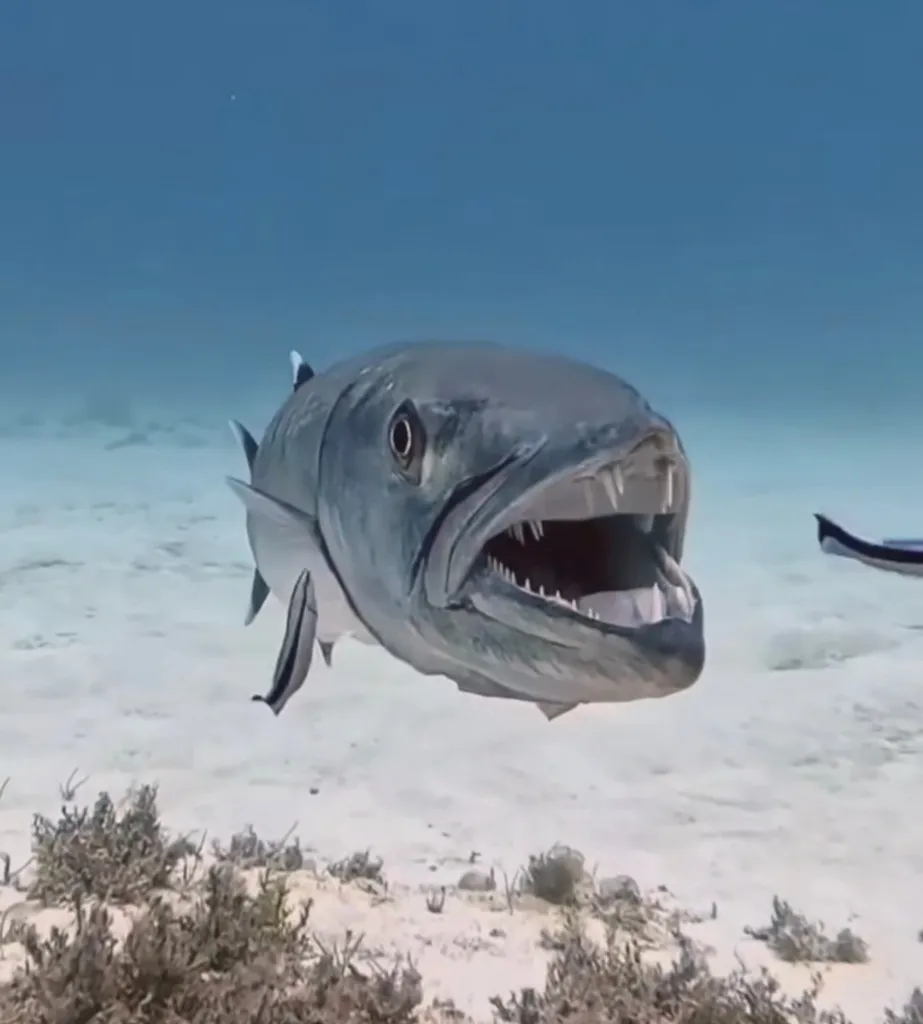
Upon descending, divers often first encounter schools of barracuda, yellowtail barracuda, and batfish that frequent both the KM Kuraman wreck and outer reef sites. Juvenile blacktip reef sharks are also common residents, patrolling the deeper sections.
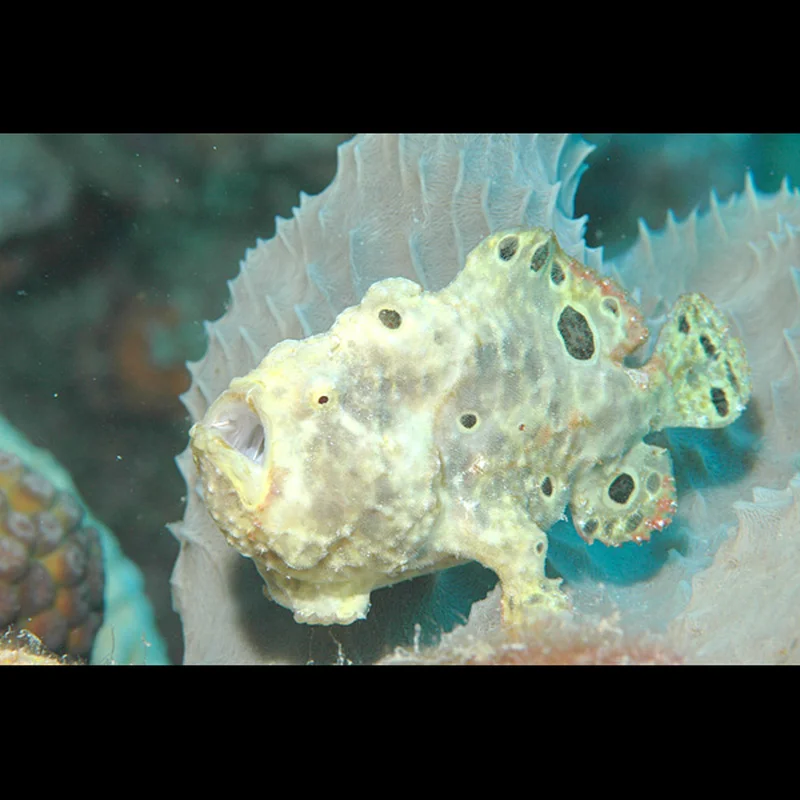
Exploring the reef structures, green turtles are frequently sighted year-round across both inner and outer reefs. For macro enthusiasts, keen observation reveals ghost pipefish, frogfish, seahorses, and a variety of nudibranchs, particularly abundant on the inner reefs.
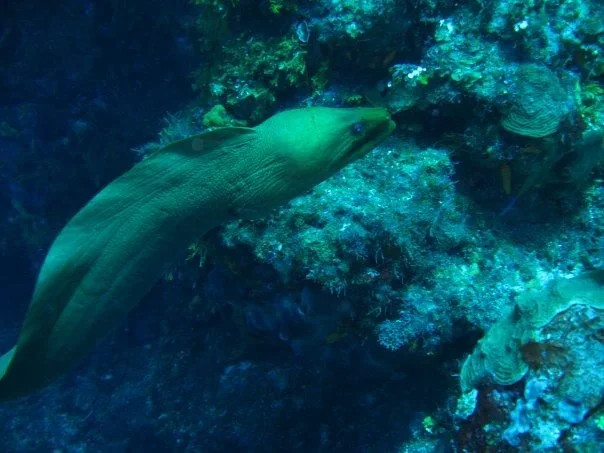
Keep an eye out for interesting bottom dwellers like bamboo and spotted cat sharks found sheltering under coral overhangs, alongside moray eels and the occasional yellow-lipped banded sea krait.
Dive Sites Near Mangrove Corner
View all dive sites in MalaysiaDiscover more underwater gems in this area.
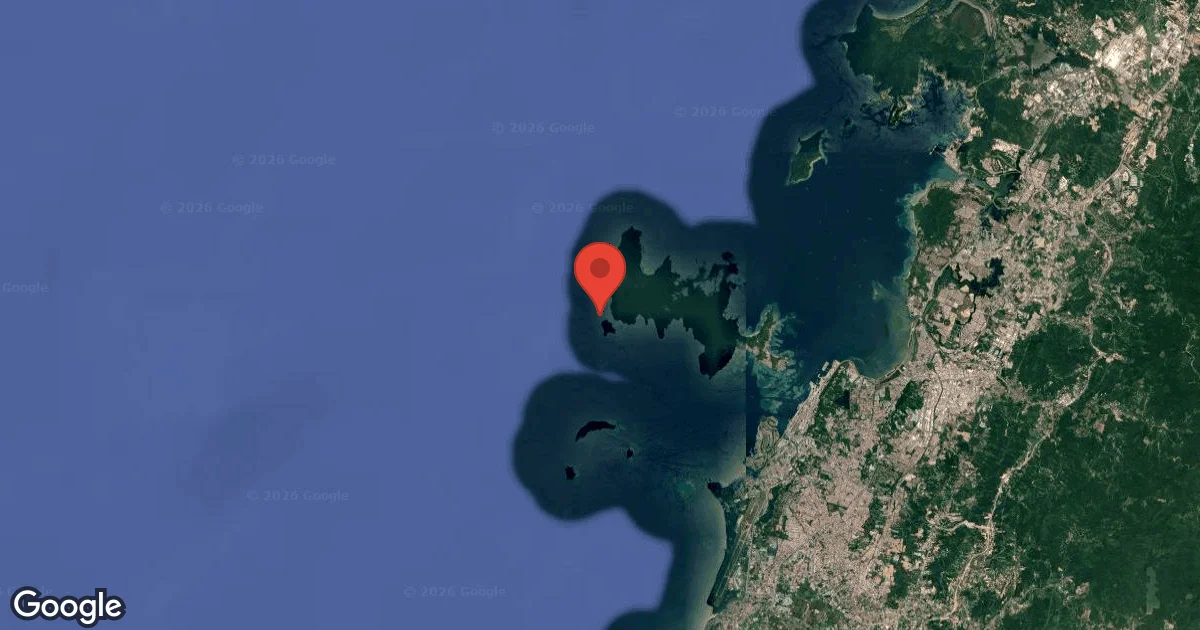
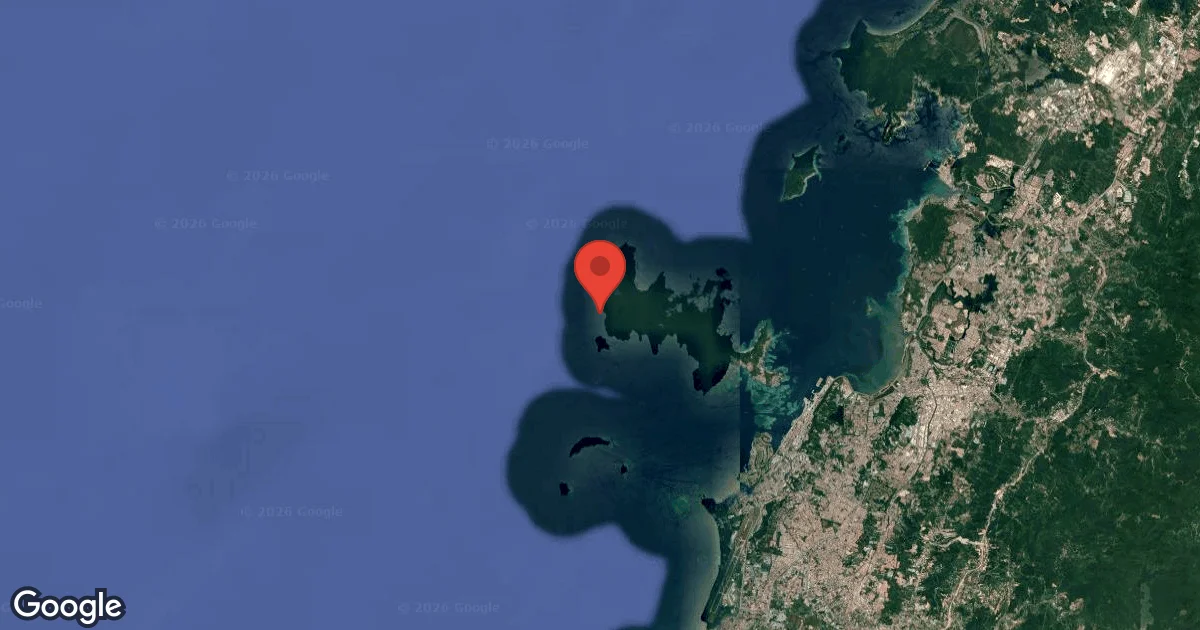
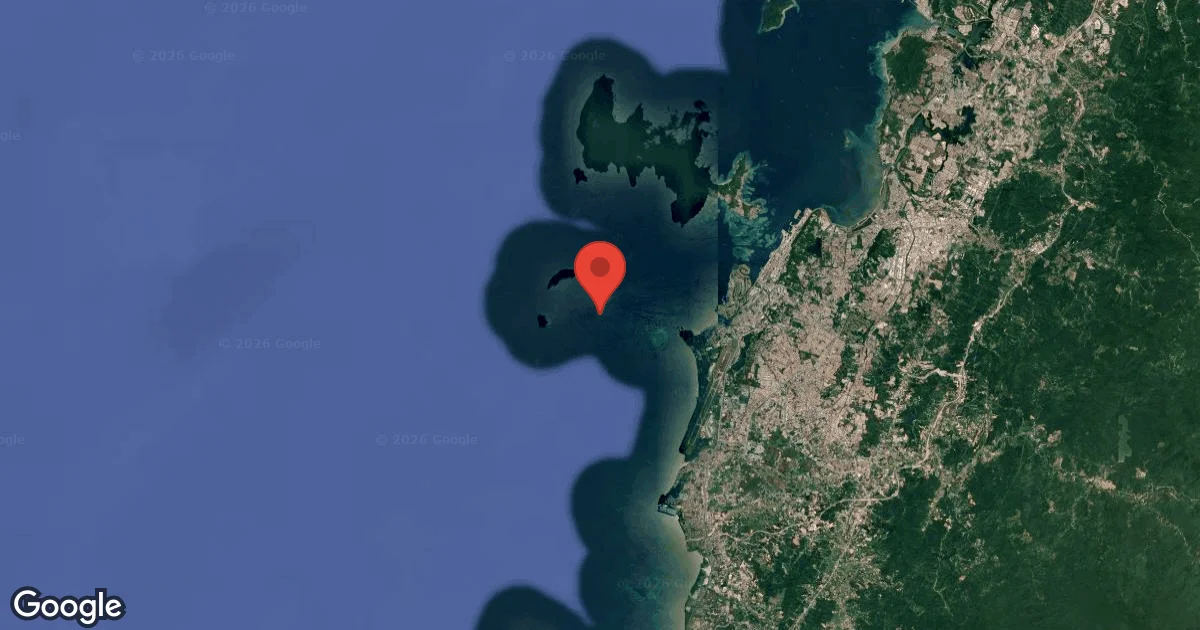
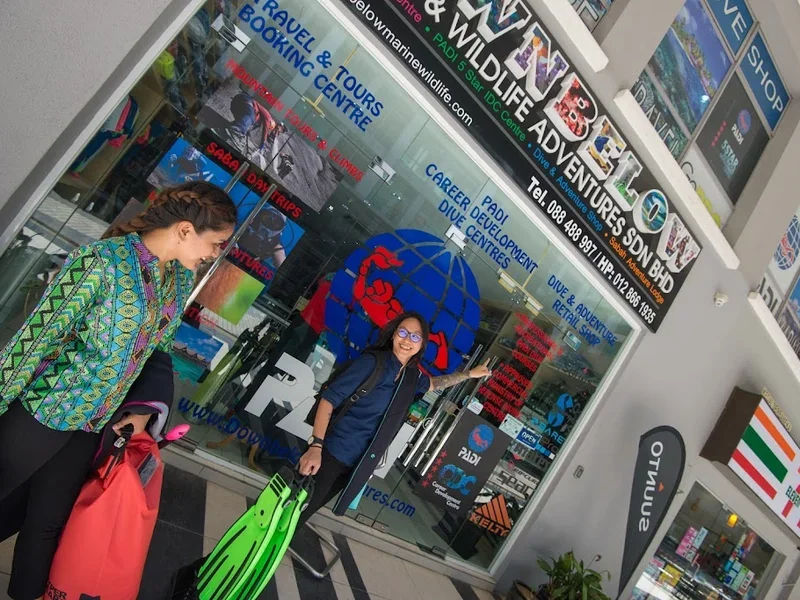
Dive Centers Near Mangrove Corner
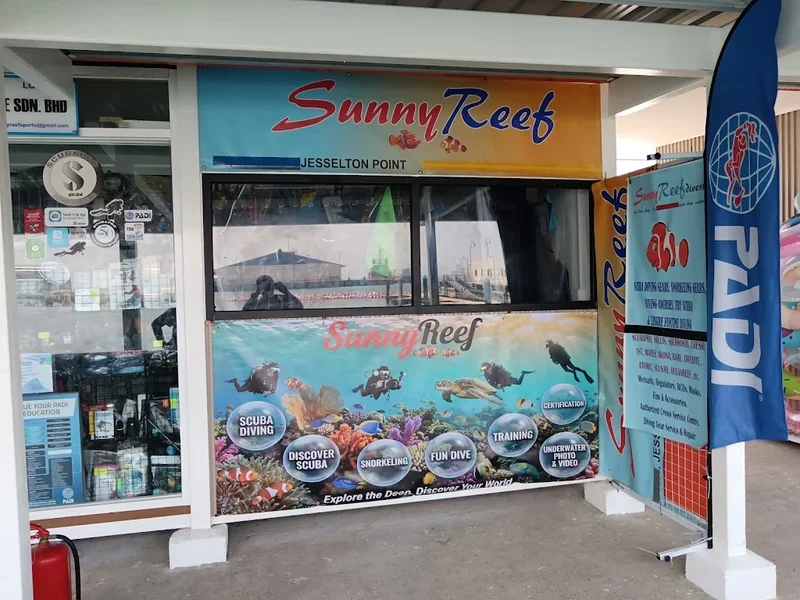
Nearest Airports
Nearest airports to help plan travel to this dive area.
Search Flights
Check available flights and routes on Expedia, using the nearby airports listed in this section.
Search Flights on ExpediaFrequently Asked Questions
How deep is the KM Kuraman wreck?
KM Kuraman wreck rests in approximately 23 meters (75 feet) of water. This depth makes it accessible for various certification levels, and internal penetration options are available for suitably qualified divers.
What types of marine life can I expect to see?
You can anticipate seeing schooling barracuda, batfish, and blacktip reef sharks. Macro life includes seahorses, ghost pipefish, frogfish, and nudibranchs. Green turtles are also common year-round.
Is Mangrove Corner suitable for beginner divers?
Yes, many of the inner reef sites are sheltered and offer shallower depths, making them suitable for less experienced divers. However, some outer reefs and the wreck site can reach greater depths and may be better suited for more advanced divers.
When is the best time to see pelagic species?
Pelagic species like giant trevally, large schools of batfish, eagle rays, and blacktip reef sharks are frequently observed on the outer reefs. While seen year-round, March and April, when schooling krill mass, sometimes bring in whale sharks.
What are the typical water temperatures?
Specific water temperature data is not consistently reported for Mangrove Corner. However, given the consistently warm air temperatures in the 26-28°C (79-82°F) range, divers can expect tropical water conditions generally considered comfortable.
Are there opportunities for wreck penetration?
Yes, the KM Kuraman wreck was intentionally cleared and opened up to create penetration dive opportunities. These are available for appropriately certified and experienced divers.