
Diving at Ghar Lapsi-Caves, Ghar Lapsi, Is-Siggiewi (Sur) (Malta)
To truly appreciate Ghar Lapsi's underwater landscape, divers should approach it as a shore dive experience focused on its distinctive cave system. A relaxing, shallow environment awaits, yet navigating the entry and exit over the steep steps requires careful planning. For divers comfortable with shore entries, it presents a prime opportunity to glimpse Malta's celebrated grottoes and reef formations.
Evening condition tracking at Ghar Lapsi-Caves, Ghar Lapsi, Is-Siggiewi (Sur) features an air temperature of 25.5°C. We have recorded wave heights measuring 0.4 m during this period. These figures outline the environmental parameters currently present.
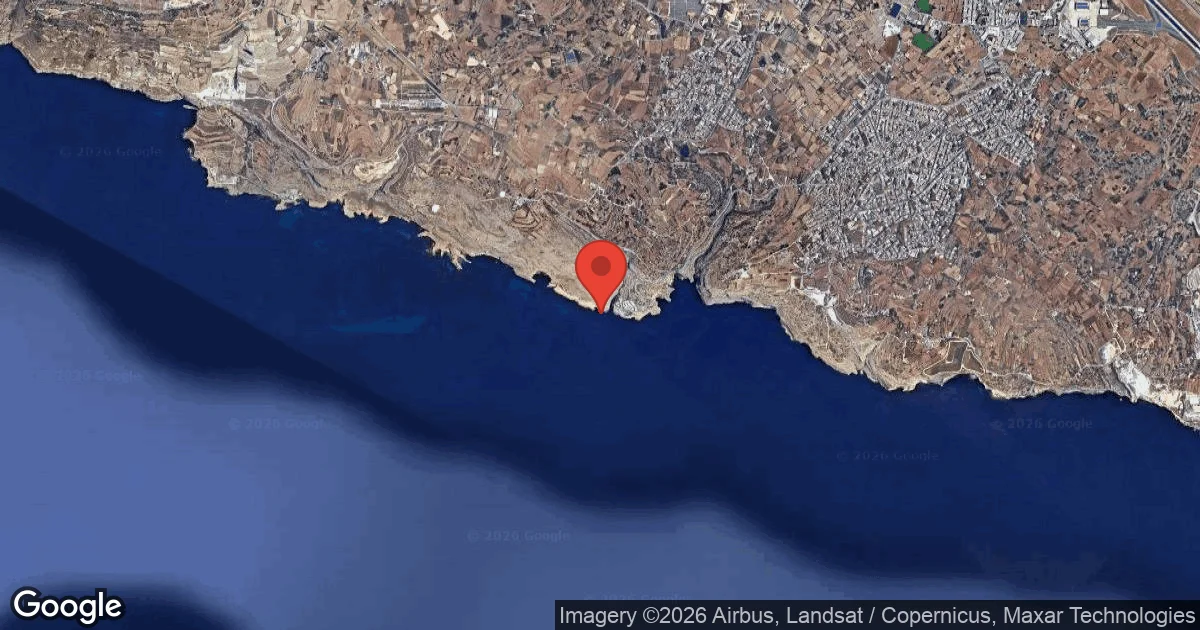
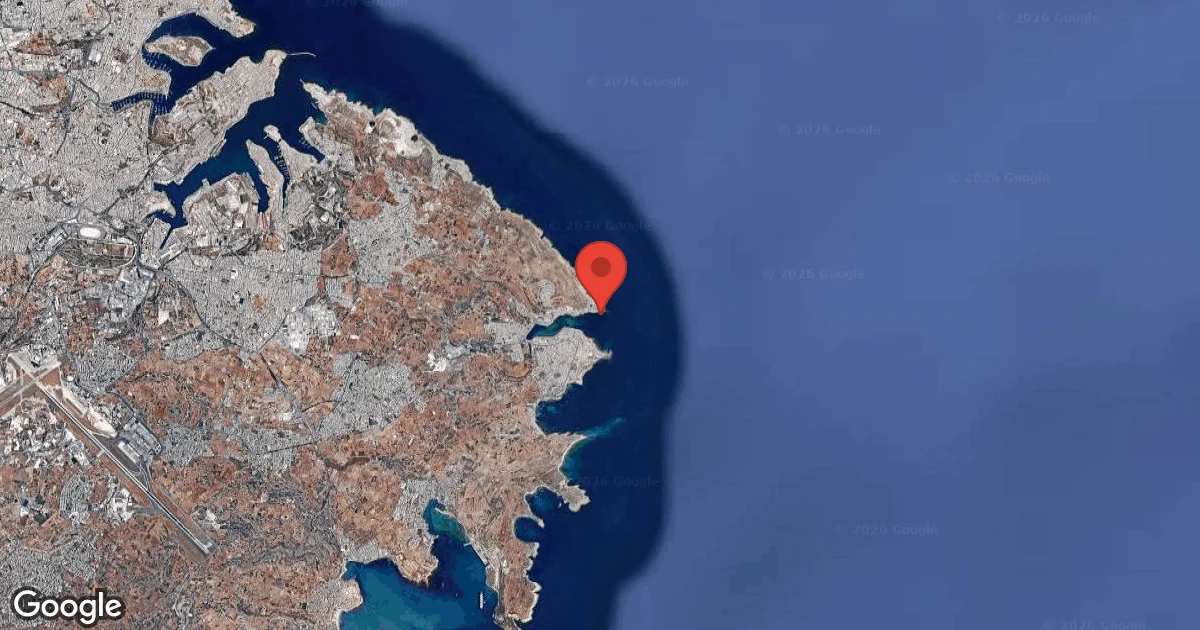
Dive Site Location & Key Facts
Dive Site Overview
Initiating a dive at Ghar Lapsi involves entering the water from the shore into a sheltered cove. Divers often begin by exploring a 40-meter / 130-foot long shallow tunnel, which typically maintains a depth between 4 to 5 meters / 13 to 16 feet.
Numerous cracks and crevices allow natural light to filter through, illuminating the tunnel with vibrant colors; a torch isn't strictly necessary here. Upon exiting this captivating tunnel, the dive opens up to a reef, leading within about 10 meters / 33 feet to a sandy bed. Between the reef and sand, expect a diverse array of algae, sponges, and marine life.
Generally considered easy and shallow, the site's initial entry and final exit can present a minor challenge due to the steep steps leading down to the water's edge. An out-and-back exploration is possible, completing the tunnel either at the start or end of the dive.
Conditions are Good
Optimal conditions expected
Current conditions near Ghar Lapsi-Caves, Ghar Lapsi, Is-Siggiewi (Sur) show 26° air, 29° sea temperature, 0.5 m waves, and 20 km/h wind. Forecast data is refreshed regularly to ensure accuracy.
Best Time to Dive
Diving at Ghar Lapsi is generally most favorable between April and November, when conditions for underwater clarity and comfort are often at their best. During these months, average air temperatures range from 16.5°C / 62°F in April to 28°C / 82°F in July, gradually cooling to 19.5°C / 67°F by November, creating pleasant surface intervals. Rainfall is minimal, particularly from June to September, often registering less than 1 mm / 0.04 inches. While specific water temperature data isn't consistently reported, the warmer air and calmer conditions during late spring through autumn typically coincide with optimal visibility and a more comfortable diving experience, with wave heights generally below 1 meter / 3.3 feet.
PEAK SEASON SCORE
Scores combine air & water temps, waves, wind & rainfall for overall conditions.
BEST MONTHS TO DIVE
Monthly records compiled from satellite and marine observation nodes over the last 3 years. Data provided by Open-Meteo and MET Norway.
Dive Experience & Conditions
A maximum depth of 15 to 18 meters / 49 to 59 feet is reachable, catering well to Open Water certified divers. A primary draw, a 40-meter / 130-foot tunnel, consistently remains shallow, between 3 to 6 meters / 10 to 20 feet deep. Beyond the cave, divers can explore a reef system adjacent to a sandbed, with the area between supporting a variety of algae. Overall, the dive offers a shallow and relaxing profile, extending from the initial cave exploration out to the reef and sandy patches. While the cove provides a relatively sheltered entry, strong currents can occasionally occur in the broader area, requiring mindfulness depending on prevailing conditions.
Dive Difficulty & Safety Guidelines
While Ghar Lapsi is deemed a shallow and relatively easy dive, proper planning is essential. A PADI Open Water Diver certification is the minimum required to explore this site's depths. Considering the cave environment and potential for extended bottom times, a Nitrox Diver certification is often recommended.
Divers should be prepared for the shore entry, as the walk down and up a steep hill with steps, especially while geared up, can be physically demanding.
Additionally, although the cove itself is sheltered, strong currents are not uncommon in the wider area, necessitating awareness of local conditions before and during the dive. Always assess current strength and overall sea state for a safe experience.
Recommended Equipment
Overhead environment. Do not enter beyond training and gas planning limits.
- Dive Computer
- DSMB
- Primary & Backup Lights
- Reel / Spool
- Cutting Tool
- Hard-soled Dive Boots
This gear list is based on verified equipment signals for Ghar Lapsi-Caves, Ghar Lapsi, Is-Siggiewi (Sur), Malta. Always confirm final gear choices with your dive operator, guide, or liveaboard.
Recommended Dive Suit
Weather models currently point toward consistent diving conditions over the next several days.
Even in warm destinations, extended dives can gradually draw heat away from the body.
Exposure protection such as 2-3mm shorty or light wetsuit is commonly used when diving in waters of this temperature. The latest environmental readings for Ghar Lapsi-Caves, Ghar Lapsi, Is-Siggiewi (Sur) suggest water temperatures around 29°C (83°F). Surface air temperatures are resting at 26°C (78°F).
Emergency & Medical Support
Essential information to help you plan your dive trip to Ghar Lapsi-Caves, Ghar Lapsi, Is-Siggiewi (Sur).

Hyperbaric chambers are a critical part of dive safety infrastructure. Availability varies significantly by region, and not all dive areas have immediate access.
Before diving, it's recommended to:
- confirm nearest medical facilities
- check emergency procedures with local dive operators
- ensure dive insurance covers evacuation if required
Divers Alert Network
Diving emergency assistance available through DAN Europe.
+39 0642115685- 24/7 emergency hotline
- Diving medical assistance
- Evacuation coordination
Emergency contacts are provided for reference. Always verify local emergency services before diving.
Closest Listed Hyperbaric Chambers
Showing listed hyperbaric chamber facilities within 200 km of this dive site.
Distances are approximate straight-line distances and may not reflect emergency travel time.
Hyperbaric Unit - Mater Dei Hospital
24/7 ListedICU CapableMsida, Malta•Approx. 10 km straight-line
Hyperbaric Unit - Mater Dei Hospital
24/7 ListedICU CapableInformation is provided for reference and planning purposes only. Dive Navigator does not verify operational status, staffing, availability, or quality of care at listed facilities. In an emergency, contact local emergency services, DAN, your dive operator, or the chamber directly. Do not travel to a facility without calling ahead.
Gozo
24/7 ListedICU CapableVictoria, Malta•Approx. 29 km straight-line
Gozo
24/7 ListedICU CapableInformation is provided for reference and planning purposes only. Dive Navigator does not verify operational status, staffing, availability, or quality of care at listed facilities. In an emergency, contact local emergency services, DAN, your dive operator, or the chamber directly. Do not travel to a facility without calling ahead.
Marine Life at Ghar Lapsi-Caves, Ghar Lapsi, Is-Siggiewi (Sur)
Ghar Lapsi's underwater landscape presents opportunities to observe specific marine life inhabiting its diverse habitats. Within the caves, fascinating sponges attach to the rock formations.
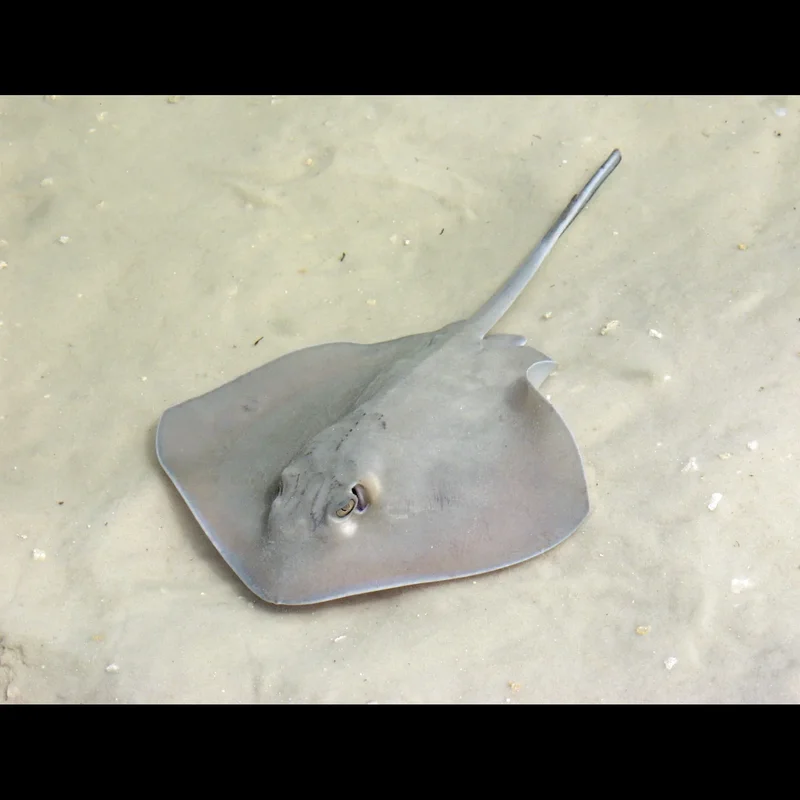
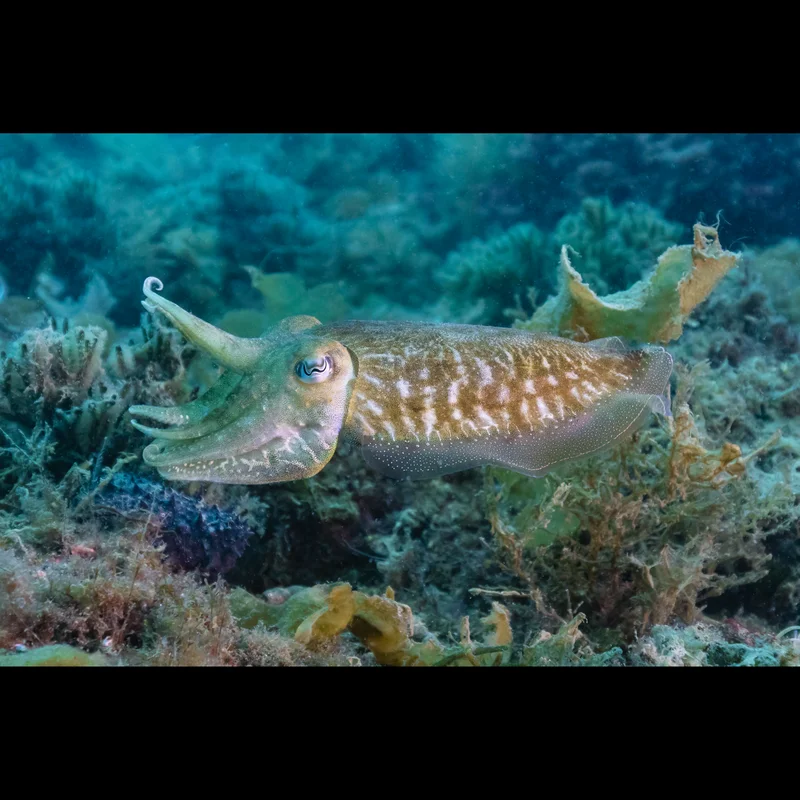
Out along the reef and on the adjacent sandbed, divers frequently spot stingrays, flying gurnards, and octopus. Smaller marine critters, including cuttlefish, also find refuge across the sandy patches and among the algal growth between the reef and sand.

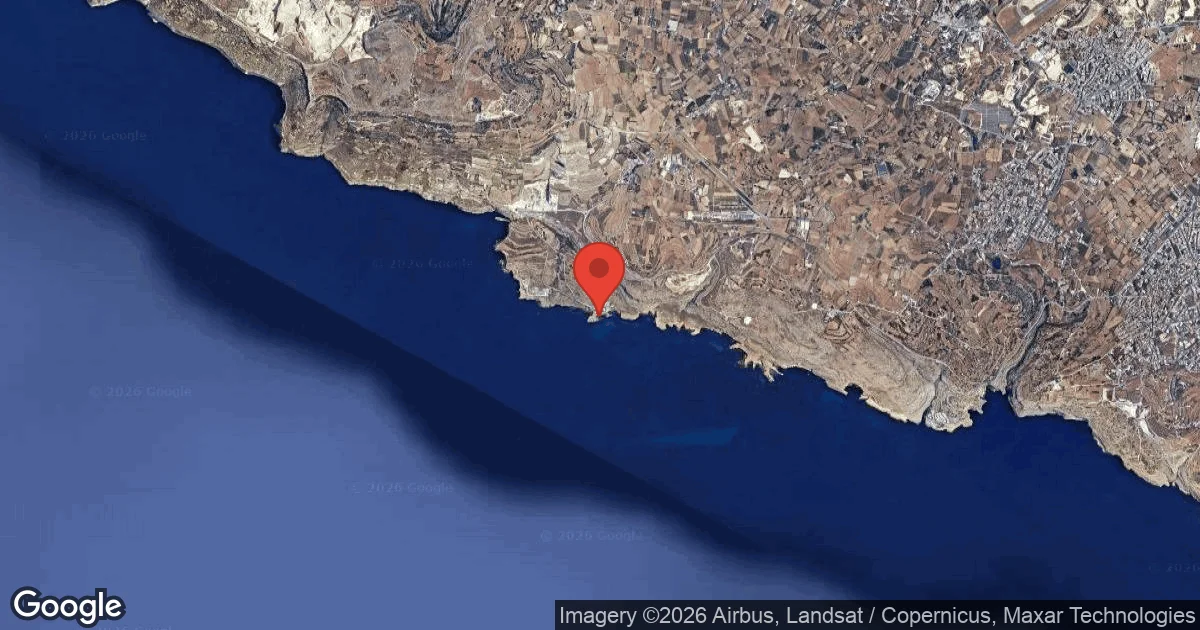
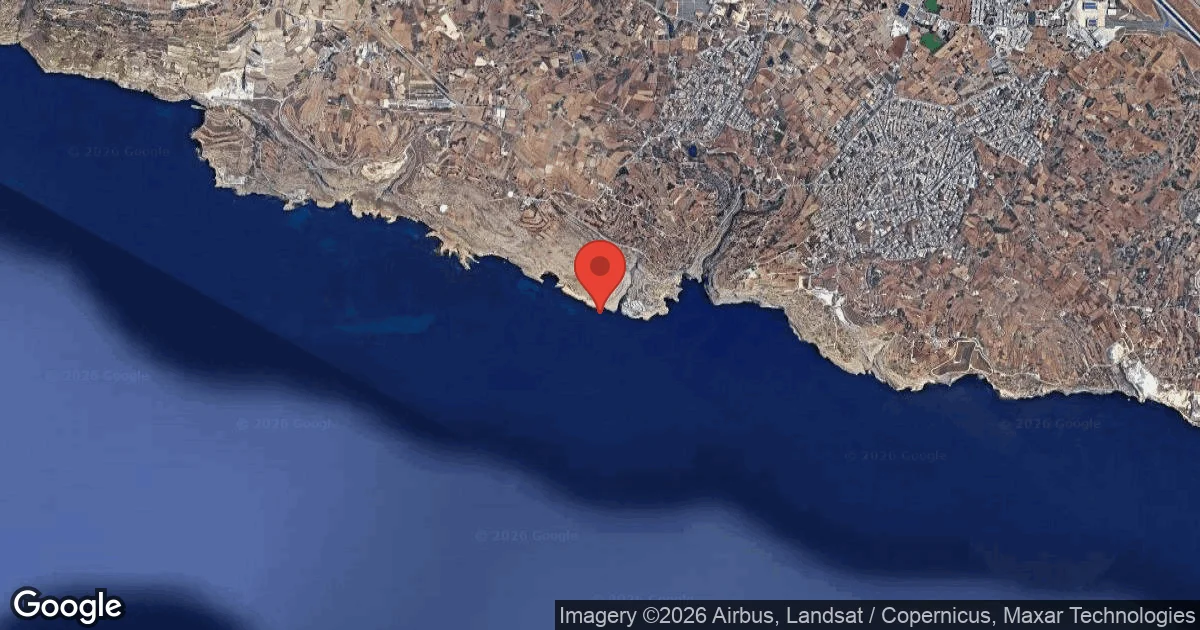
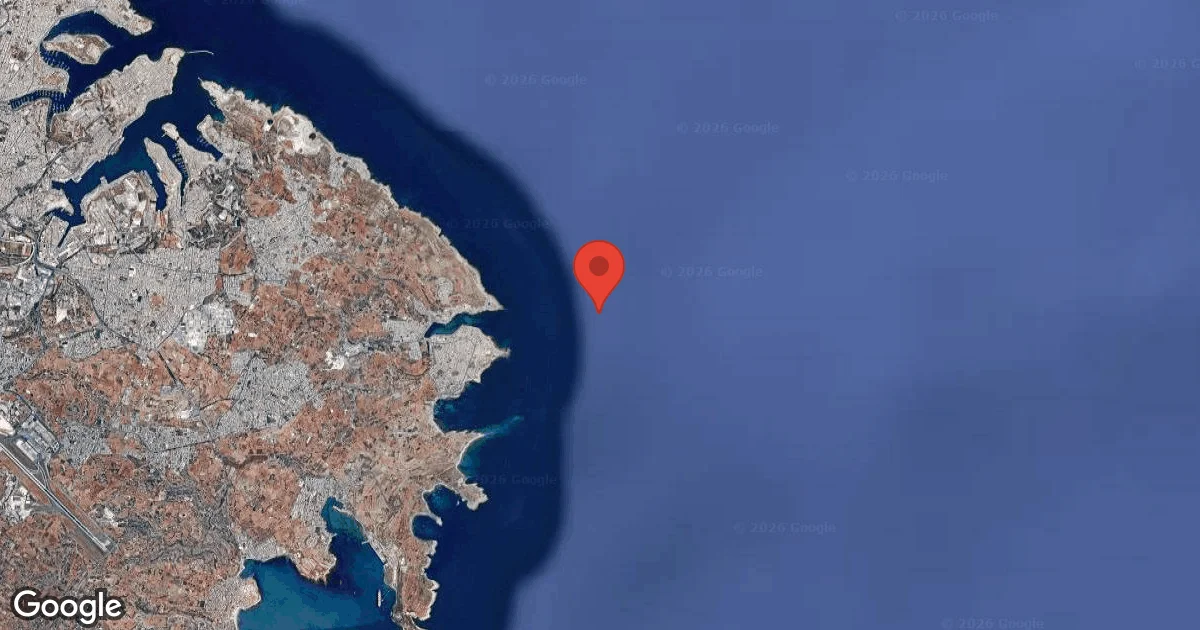
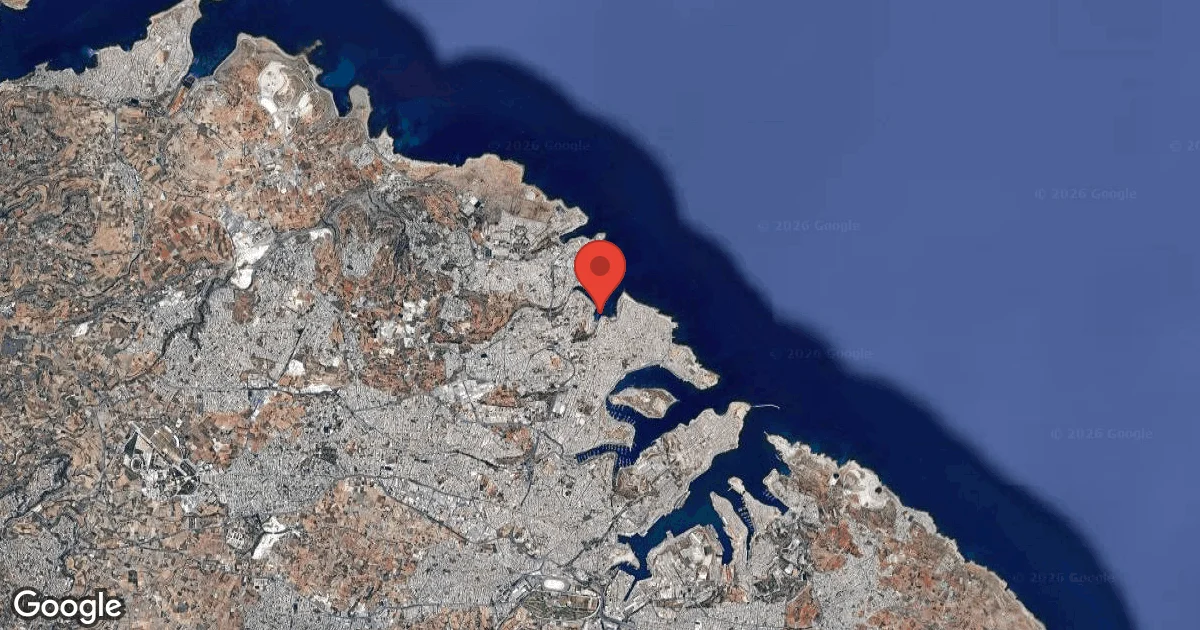
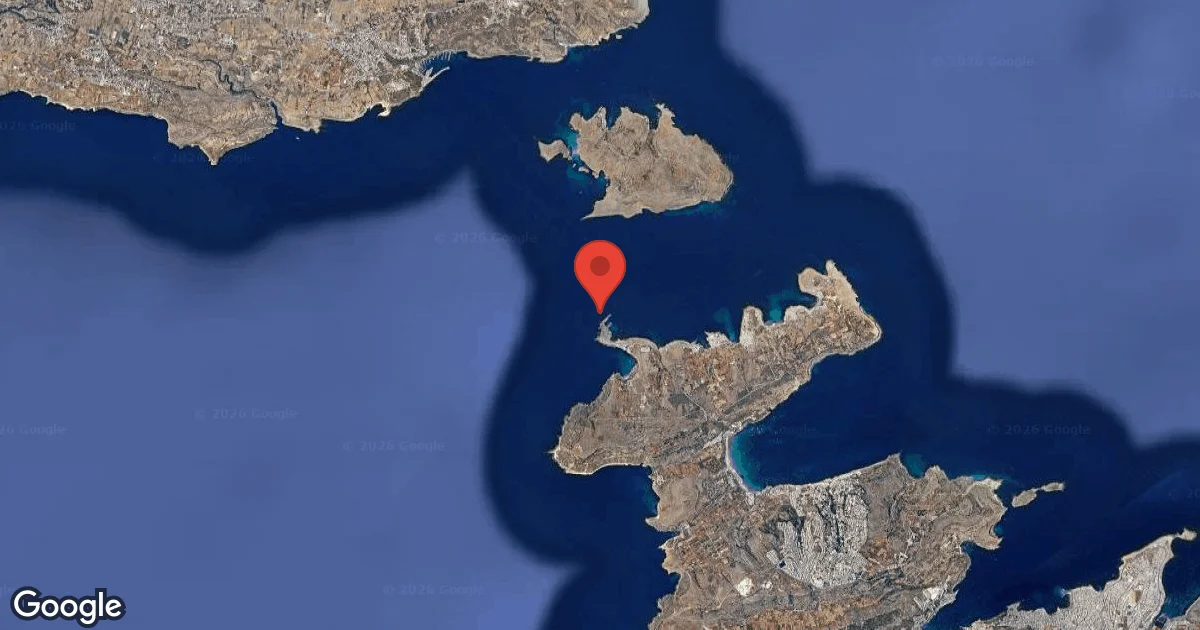
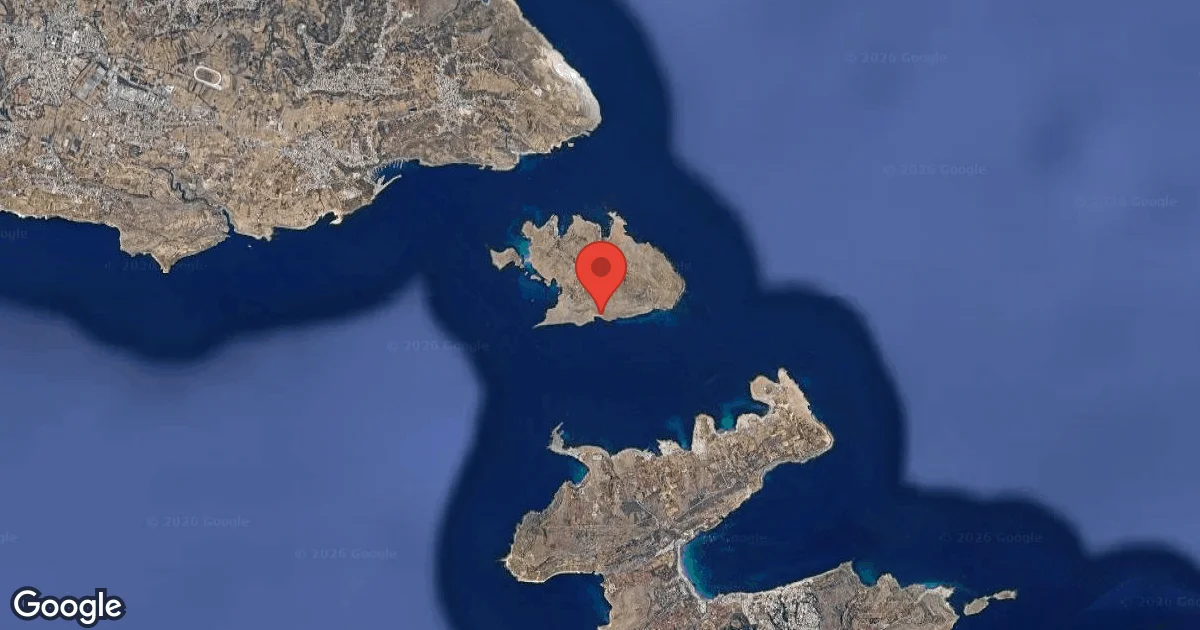
Dive Sites Near Ghar Lapsi-Caves, Ghar Lapsi, Is-Siggiewi (Sur)
View all dive sites in MaltaDiscover more underwater gems in this area.
Dive Centers Near Ghar Lapsi-Caves, Ghar Lapsi, Is-Siggiewi (Sur)

Today: 08:00 - 17:00

Nearest Airports
Nearest airports to help plan travel to this dive area.
Search Flights
Check available flights and routes on Expedia, using the nearby airports listed in this section.
Search Flights on ExpediaFrequently Asked Questions
What is the minimum certification required for Ghar Lapsi?
A PADI Open Water Diver certification is the minimum required to dive at Ghar Lapsi. This certification allows you to explore the site's maximum depths safely.
What is the maximum depth at Ghar Lapsi?
Diving at Ghar Lapsi reaches a maximum depth between 15 to 18 meters / 49 to 59 feet. While exploring, note that the main tunnel itself remains much shallower, typically between 3 to 6 meters / 10 to 20 feet.
Is a dive torch needed for the tunnel?
A dive torch is generally not needed for the tunnel at Ghar Lapsi. The tunnel features many cracks and crevices that allow ample natural light to illuminate its interior.
How difficult is the entry and exit at Ghar Lapsi?
Entry and exit here are shore dives, which can be tricky due to steep steps leading down to the water's edge. Carrying gear up and down these steps requires effort and careful footing.
What kind of marine life can be seen?
Divers commonly encounter stingrays, flying gurnards, octopuses, and cuttlefish, especially in the sandy areas. The caves themselves are home to various sponges and other small marine critters.
Are there currents at Ghar Lapsi?
While the entry cove is usually sheltered, strong currents are not unusual in the broader area surrounding Ghar Lapsi. Divers should be aware of prevailing sea conditions.
Planning to dive Ghar Lapsi-Caves, Ghar Lapsi, Is-Siggiewi (Sur)?
Send one inquiry and receive offers directly from the best verified local dive operators.
Conditions are Good
Optimal conditions expected
Current conditions near Ghar Lapsi-Caves, Ghar Lapsi, Is-Siggiewi (Sur) show 26° air, 29° sea temperature, 0.5 m waves, and 20 km/h wind. Forecast data is refreshed regularly to ensure accuracy.