
Diving at HMS Southwold (Malta)
The HMS Southwold wreck in Malta immediately presents itself as a significant historical site, split into two distinct sections on the seabed. This British Hunt-class destroyer, a casualty of WWII, demands attention not just for its depth but for the sheer scale of its dispersed remains. Divers encounter the bow and stern sections, each a substantial piece of maritime history lying separately.
As evening covers HMS Southwold, the local air temperature is measured at 25.5°C. The current wave height at the surface is recorded at 0.4 m. These late-day readings characterize the surface conditions for the night.
Dive Site Location & Key Facts
Dive Site Overview
Constructed in 1939 and launched two years later, HMS Southwold served as a British Hunt-class destroyer, measuring 86 meters (282 ft) in length with a 9.5 meter (31 ft) beam. Initially deployed for convoy escort in the Mediterranean, this vessel played a critical role in convoys MW9B and the perilous 820 nautical mile MW10 journey to Malta.
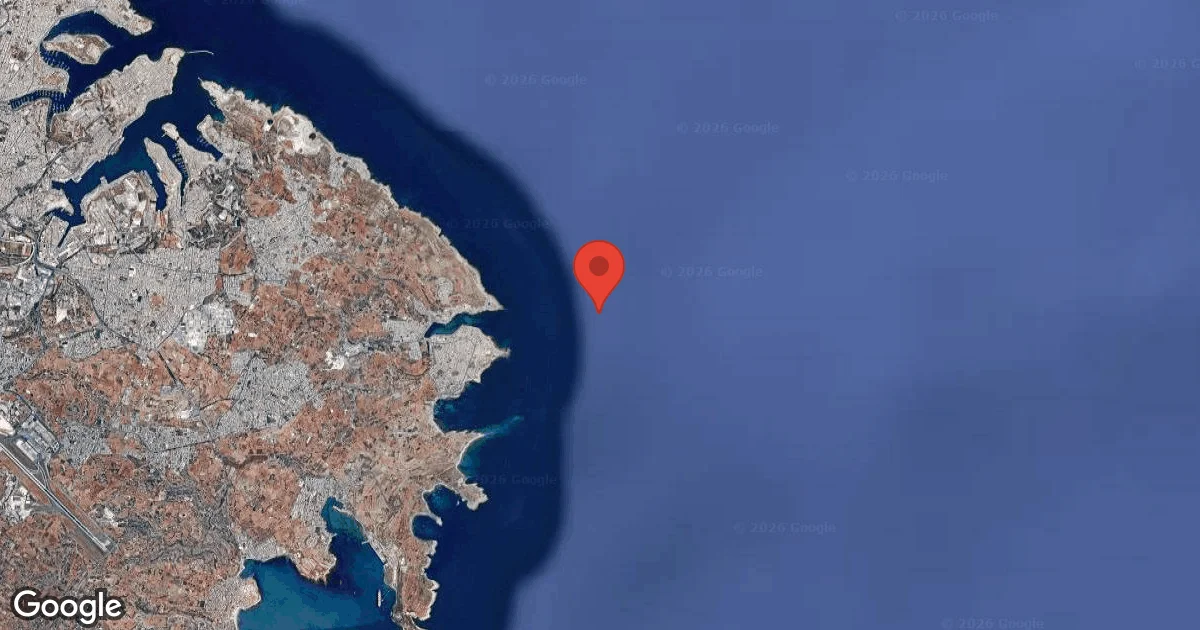
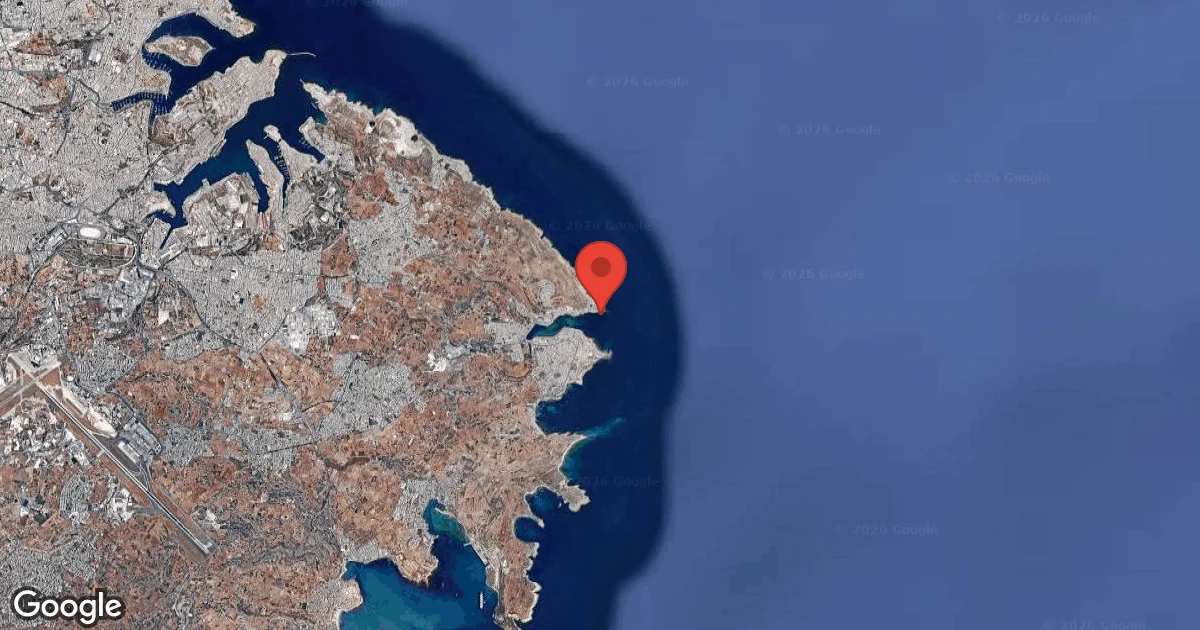
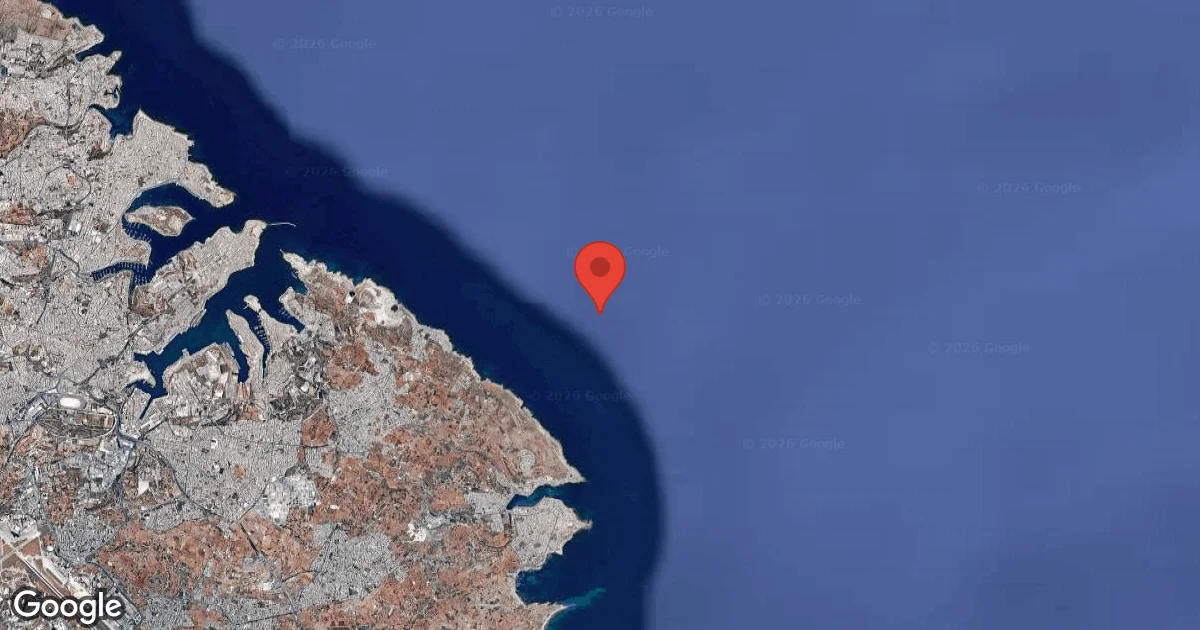
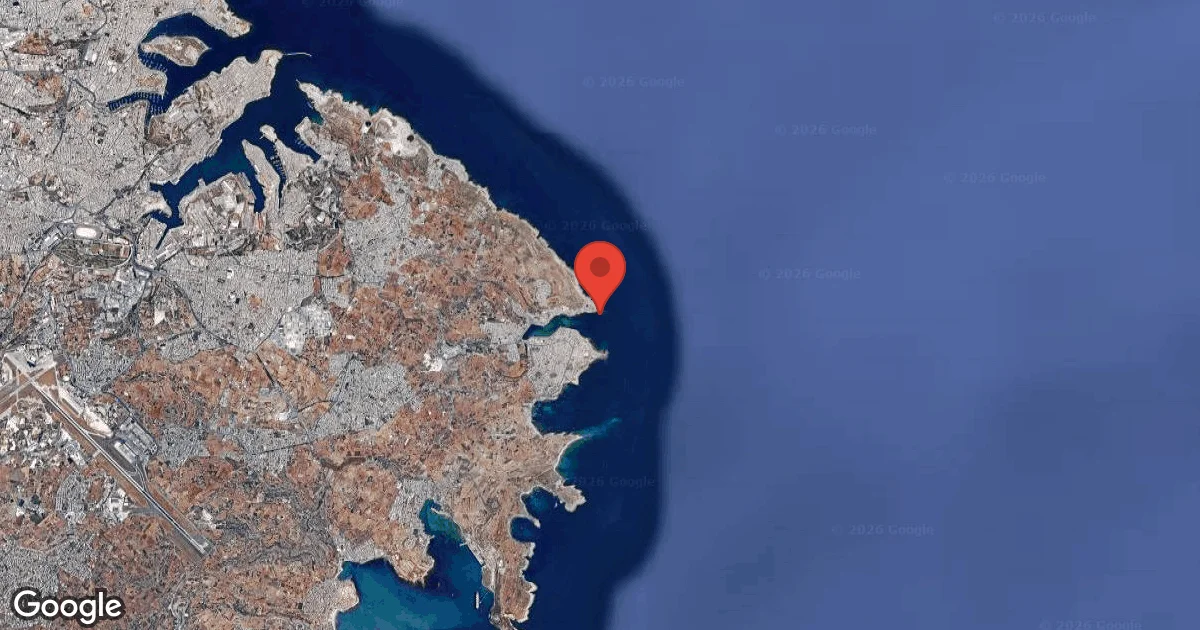
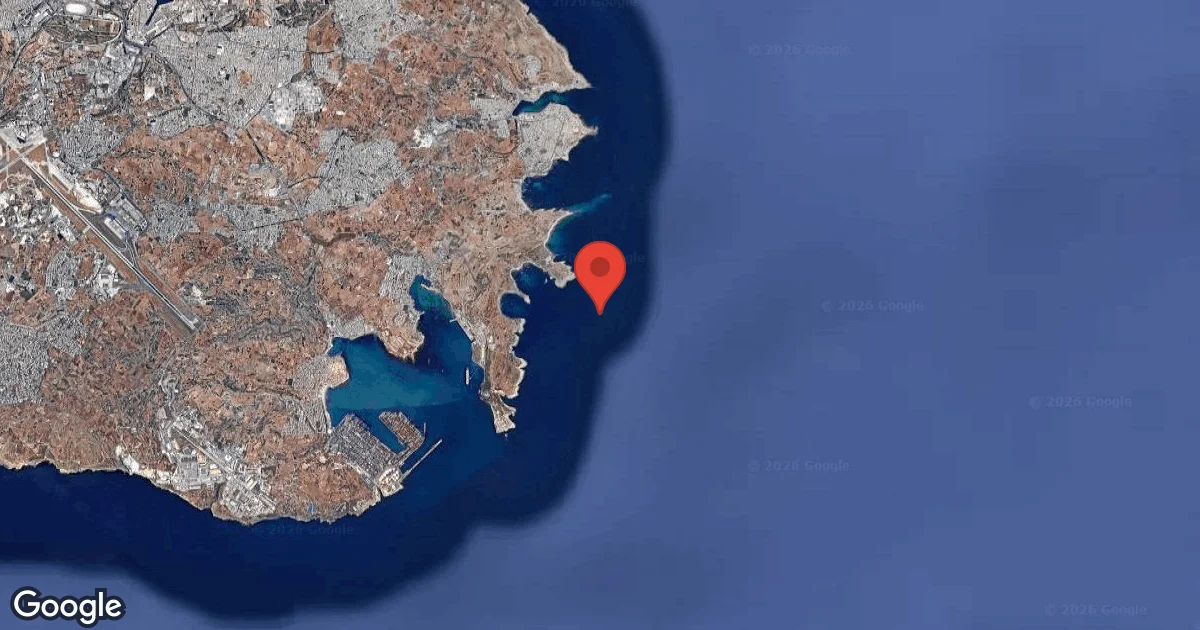
During that demanding voyage, the destroyer endured significant assaults from Italian warships and the Luftwaffe. Its ultimate loss occurred on March 24, 1942, after striking a mine approximately 2.5 km (1.5 miles) off Marsaskala, east of Malta.
The wreck now rests in two primary sections on a sandy seabed, separated by an approximate distance of 200 to 300 meters (656-984 ft). One part, the bow section, measures around 40 meters (131 ft) long and lies on its starboard side at about 68 meters (223 ft).
Further along, the stern section, approximately 28 meters (92 ft) long, sits upright at a maximum depth of 73 meters (240 ft). Each half presents a distinct technical dive, offering extensive exploration possibilities for qualified divers keen on WWII naval history.
Conditions are Good
Optimal conditions expected
Current conditions near HMS Southwold show 26° air, 28° sea temperature, 0.3 m waves, and 20 km/h wind. Forecast data is refreshed regularly to ensure accuracy.
Best Time to Dive
For the most favorable diving experience at HMS Southwold, planning a visit between June and September is generally recommended. During these months, conditions typically offer the highest 'Good' dive scores, reaching an 8. Air temperatures are pleasantly warm, ranging from 25°C (77°F) in June to 28.5°C (83°F) in July, before cooling slightly to 25.5°C (78°F) in September. This period also sees minimal rainfall, often below 0.2 mm, contributing to better overall visibility. Wave heights average below 1 meter (3.3 ft), and wind speeds are generally lower, creating calmer surface conditions for boat access to this deep site. Should you prefer to avoid peak season, the shoulders of spring (April-May) and autumn (October-November) still present 'Good' diving opportunities, rated at 7. While air temperatures are cooler, between 16.5°C (62°F) and 23°C (73°F), and rainfall is slightly higher, these months often have manageable wave and wind conditions. Winter months from December to March are considered 'Moderate' for diving, characterized by cooler air temperatures and increased wave action, potentially impacting boat access and comfort.
PEAK SEASON SCORE
Scores combine air & water temps, waves, wind & rainfall for overall conditions.
BEST MONTHS TO DIVE
Monthly records compiled from satellite and marine observation nodes over the last 3 years. Data provided by Open-Meteo and MET Norway.
Dive Experience & Conditions
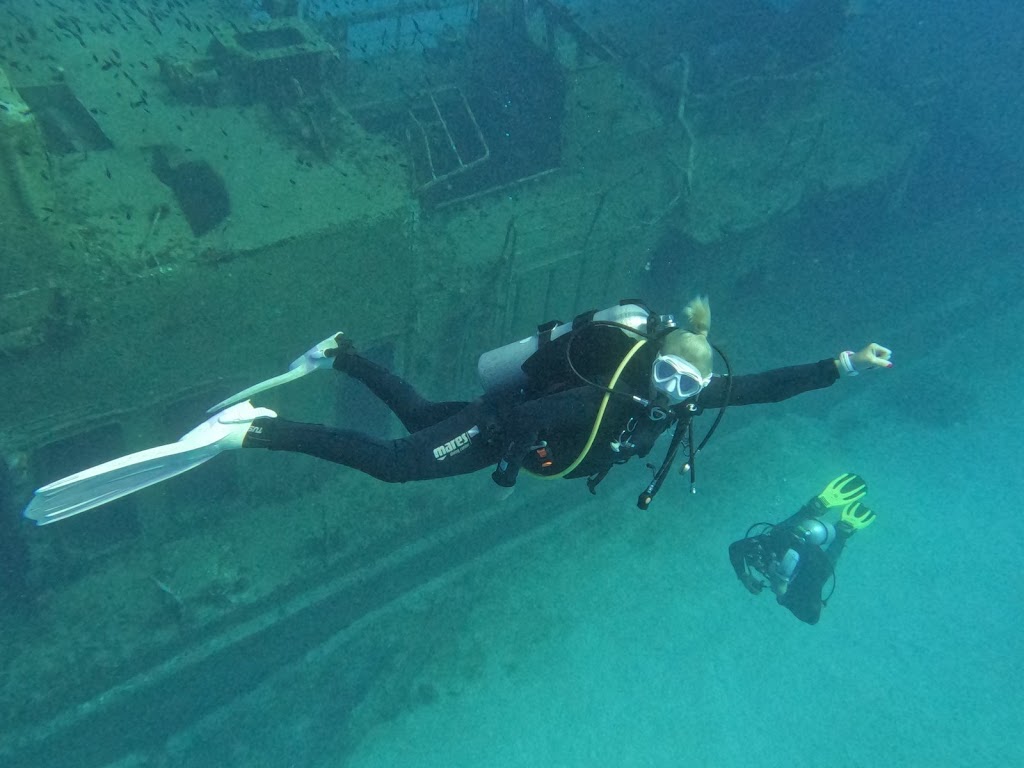
Beginning the descent to HMS Southwold requires careful planning, as divers quickly transition into technical depth ranges. A large piece, the bow section, roughly 40 meters (131 ft) long, lies on its starboard side at 68 meters. The stern, approximately 28 meters (92 ft) long, sits upright a few hundred meters away at 73 meters, offering a different perspective on the vessel's structure. Both sections rest on a sandy bottom, providing contrast to the metal structure. Currents here vary, demanding awareness and proper technique. Visibility is generally good for deep wrecks, allowing for clear views of the wreckage and surrounding features. Significant coral formations have grown on parts of the wreck, adding an ecological layer to the historical artifacts. Navigating between sections or planning two separate dives is crucial given their distance and depth.
Dive Difficulty & Safety Guidelines
Diving HMS Southwold is strictly for experienced technical divers. Due to the substantial depths of 68 meters for the bow and up to 73 meters for the stern, specialized training in deep and technical diving, including decompression procedures, is mandatory.
Each dive requires meticulous planning, often utilizing shot lines or dedicated decompression stations for safe ascent. Always dive with a qualified buddy and maintain continuous awareness of gas management and bottom time.
A special permit is required to dive this historical wreck, as it's managed by Heritage Malta as of May 1st, 2019. Operators typically handle these permits, but it's essential to confirm arrangements in advance.
Strong currents can be present, necessitating good buoyancy control and situational awareness. Given the wreck's integrity, careful finning is also advised to avoid disturbing sediment.
Recommended Equipment
Overhead / entanglement risk. Wreck penetration requires proper training.
- Dive Computer
- Primary & Backup Lights
- Wreck Reel
- Cutting Tool
This gear list is based on verified equipment signals for HMS Southwold, Malta. Always confirm final gear choices with your dive operator, guide, or liveaboard.
Recommended Dive Suit
Exposure protection is partly a personal preference.
2-3mm shorty or light wetsuit typically provides a reliable level of thermal protection for dives here. Environmental conditions are expected to remain consistent in the short-term outlook.
Divers heading to HMS Southwold today should expect water temperatures around 28°C (83°F). Surface air temperatures are resting at 26°C (78°F).
Emergency & Medical Support
Essential information to help you plan your dive trip to HMS Southwold.

Hyperbaric chambers are a critical part of dive safety infrastructure. Availability varies significantly by region, and not all dive areas have immediate access.
Before diving, it's recommended to:
- confirm nearest medical facilities
- check emergency procedures with local dive operators
- ensure dive insurance covers evacuation if required
Divers Alert Network
Diving emergency assistance available through DAN Europe.
+39 0642115685- 24/7 emergency hotline
- Diving medical assistance
- Evacuation coordination
Emergency contacts are provided for reference. Always verify local emergency services before diving.
Closest Listed Hyperbaric Chambers
Showing listed hyperbaric chamber facilities within 200 km of this dive site.
Distances are approximate straight-line distances and may not reflect emergency travel time.
Hyperbaric Unit - Mater Dei Hospital
24/7 ListedICU CapableMsida, Malta•Approx. 9 km straight-line
Hyperbaric Unit - Mater Dei Hospital
24/7 ListedICU CapableInformation is provided for reference and planning purposes only. Dive Navigator does not verify operational status, staffing, availability, or quality of care at listed facilities. In an emergency, contact local emergency services, DAN, your dive operator, or the chamber directly. Do not travel to a facility without calling ahead.
Gozo
24/7 ListedICU CapableVictoria, Malta•Approx. 37 km straight-line
Gozo
24/7 ListedICU CapableInformation is provided for reference and planning purposes only. Dive Navigator does not verify operational status, staffing, availability, or quality of care at listed facilities. In an emergency, contact local emergency services, DAN, your dive operator, or the chamber directly. Do not travel to a facility without calling ahead.
Marine Life at HMS Southwold
While the primary allure of HMS Southwold is its historical significance, the wreck also forms a thriving part of the underwater landscape. Over the decades, impressive coral formations have colonized the destroyer's structure, creating a vibrant ecosystem on the otherwise barren sandy bottom.
These corals are considered among the best in Malta, particularly on the stern section. Divers can observe various small fish finding shelter within the wreck's crevices and collapsed sections.
Occasionally, larger pelagic species might pass by in the blue, adding a dynamic element to this deep-water habitat. Look for shells and other benthic creatures settled on the debris field around the main sections.
Dive Sites Near HMS Southwold
View all dive sites in MaltaDiscover more underwater gems in this area.
Dive Centers Near HMS Southwold
Today: 08:30 - 16:30

Nearest Airports
Nearest airports to help plan travel to this dive area.
Search Flights
Check available flights and routes on Expedia, using the nearby airports listed in this section.
Search Flights on ExpediaFrequently Asked Questions
What type of ship was HMS Southwold?
HMS Southwold was a British Type II Hunt-class destroyer, launched in 1941. It was built for convoy escort duties during World War II before its sinking off Malta.
What are the depths of the HMS Southwold wreck sections?
The bow section is found at approximately 68 meters (223 ft) depth, while the stern section rests deeper at around 73 meters (240 ft). Both parts are considered technical dives requiring appropriate qualifications.
Where is the HMS Southwold wreck located?
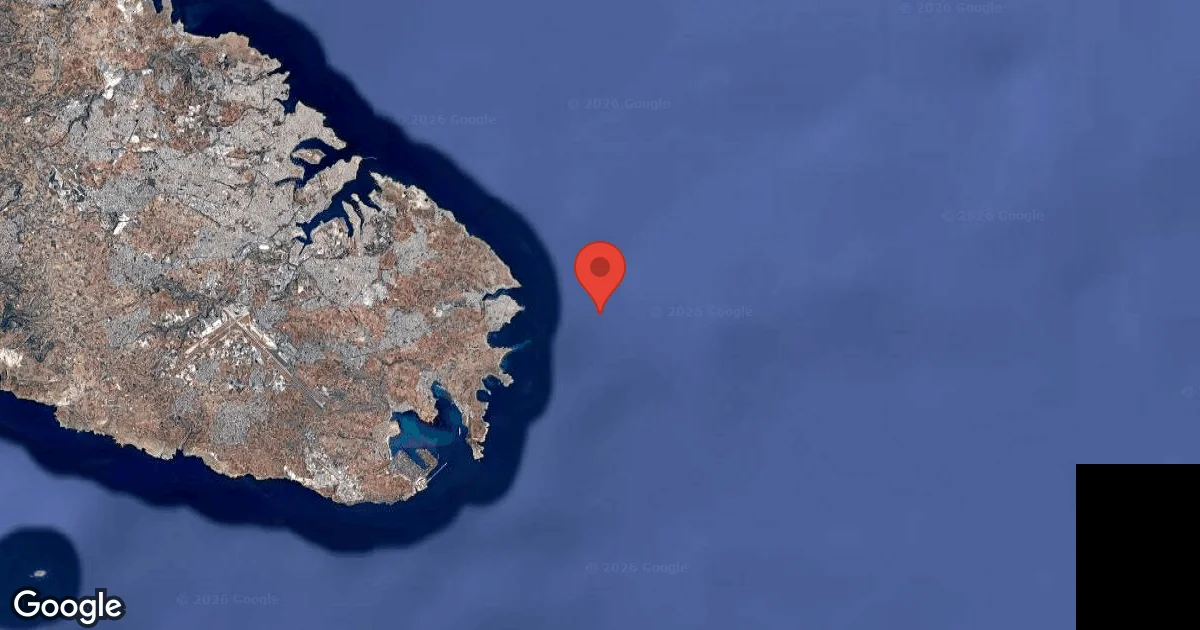
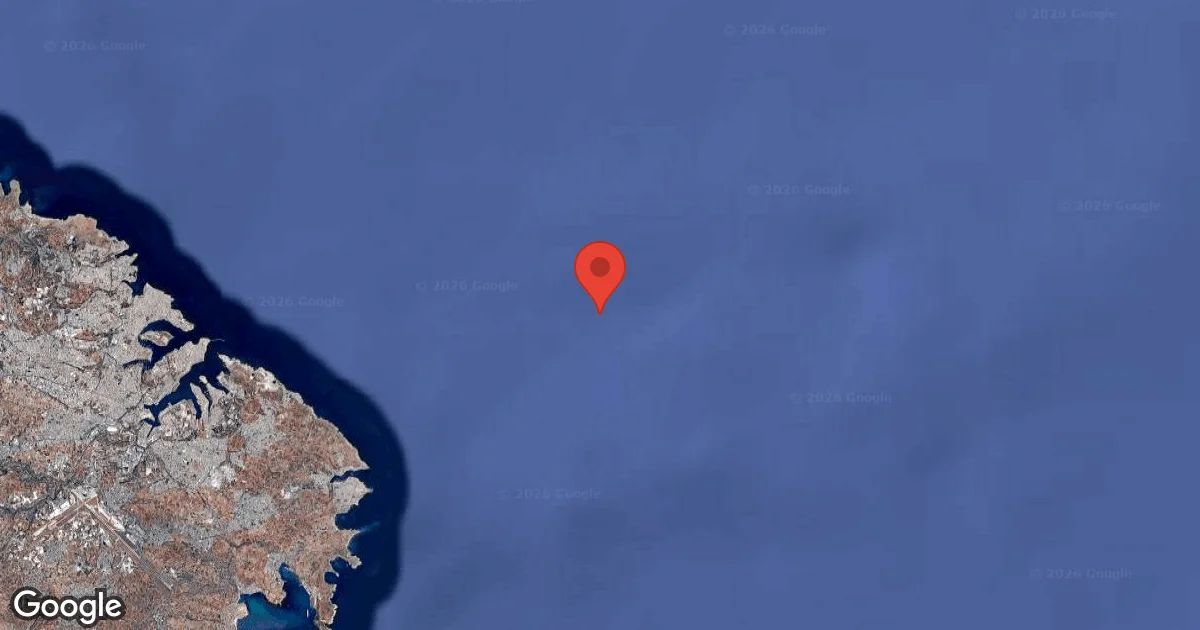
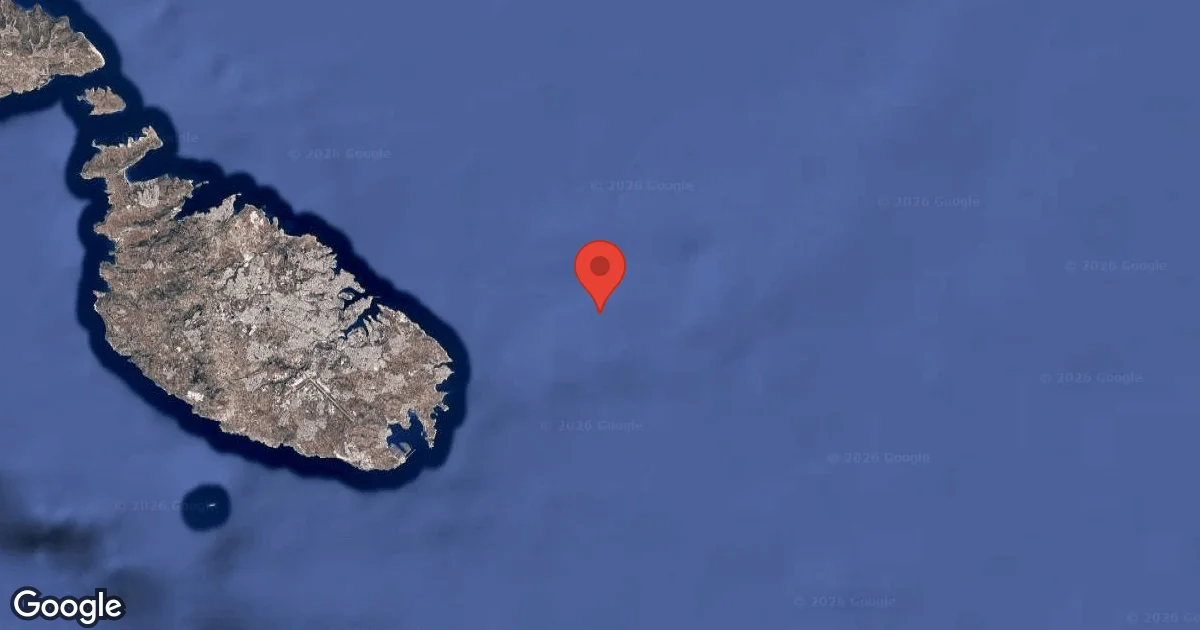
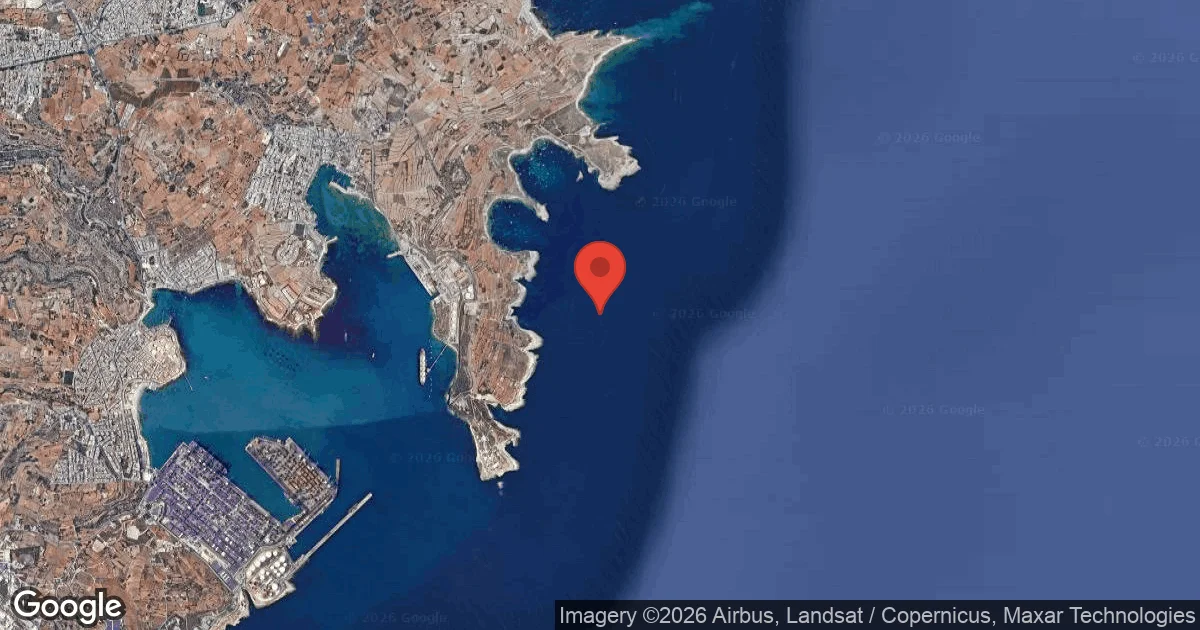
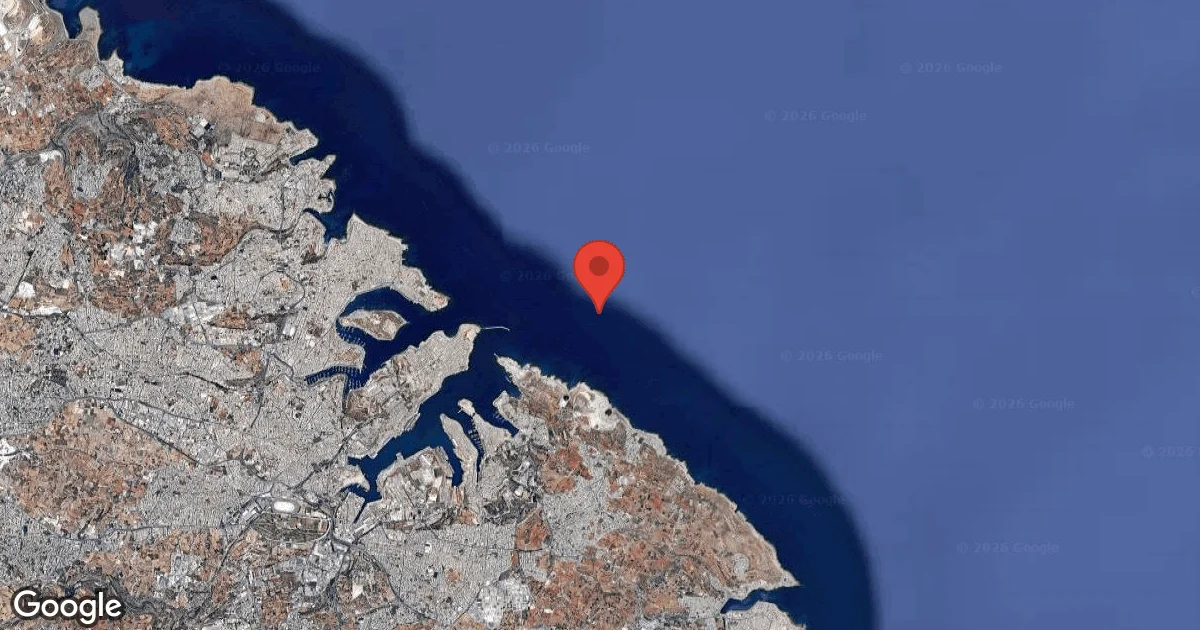
The wreck is located off the coast of Marsaskala, near St Thomas Bay, in southeast Malta. Its two main sections are separated by about 200 to 300 meters on the sandy seabed.
What specific qualifications are needed to dive HMS Southwold?
Divers must be experienced in deep technical diving, possessing the necessary certifications for deep air or mixed gas. Due to the depth and potential currents, advanced decompression planning and a buddy system are essential.
Is a special permit required to dive the HMS Southwold?
Yes, diving the HMS Southwold requires a special permit from Heritage Malta, which has managed the site since May 1st, 2019. Dive operators typically assist with securing these necessary permissions.
What kind of marine life can divers expect to see?
While primarily a wreck dive, the HMS Southwold is home to vibrant coral formations, noted as some of the best in Malta. Divers often encounter various small reef fish seeking shelter, and occasionally, pelagic species in the surrounding waters.
Why is the HMS Southwold wreck split into two sections?
HMS Southwold broke into two main parts after hitting a mine on March 24, 1942, off Malta. The impact caused significant structural damage, leading to the bow and stern sections settling separately on the seabed.
Planning to dive HMS Southwold?
Send one inquiry and receive offers directly from the best verified local dive operators.
Conditions are Good
Optimal conditions expected
Current conditions near HMS Southwold show 26° air, 28° sea temperature, 0.3 m waves, and 20 km/h wind. Forecast data is refreshed regularly to ensure accuracy.