
Diving at Le Polynesian (Malta)
Divers approaching Le Polynesian wreck can anticipate variable open ocean conditions, often encountering currents that demand attentive dive planning. This historic French passenger ship, torpedoed in 1918, lies significantly deep, requiring technical diving certification. Conditions shift, with surface waves and wind influenced by seasonal weather patterns.
As evening covers Le Polynesian, the local air temperature is measured at 24.5°C. The current wave height at the surface is recorded at 0.4 m. These late-day readings characterize the surface conditions for the night.
Dive Site Location & Key Facts
Dive Site Overview
Unveiling the submerged history of Le Polynesian offers a compelling challenge for technical divers off Malta. This substantial French passenger ship, measuring 152.5 m (500 ft) long, rests on its starboard side at a 45-degree angle.
Struck by a German torpedo in August 1918 while transporting troops, she sank rapidly, with her deepest point reaching approximately 65 m (210 ft). Despite the passage of time and structural damage to the stern, key features remain preserved. Divers can observe an intact deck cannon and propeller, while inside, passenger areas reveal bath fixtures and bed frames.
The cargo bay also contains remnants like motorbike tires and pipes. Exploring the wreck demands multiple dives to appreciate its full scale, from the anchor and front deck cannon to the engine room, which bears the primary impact of the torpedo strike. Careful navigation is essential across its significant length and varied features.
Conditions are Good
Optimal conditions expected
Current conditions near Le Polynesian show 25° air, 28° sea temperature, 0.5 m waves, and 18 km/h wind. Forecast data is refreshed regularly to ensure accuracy.
Best Time to Dive
Planning a dive to Le Polynesian is best done during Malta's warmer months, typically from June through September. During this peak period, dive scores are consistently rated 'Good'. Air temperatures reach their highest, ranging from 25-28.5°C (77-83°F), and rainfall is minimal, often near zero. Surface conditions are generally more favorable; waves often average less than one meter, typically between 2 to 3 feet, and winds are lighter, around 18-19 km/h (11-12 mph). These calmer seas provide better boat access to the exposed open ocean site. Spring (April-May) and autumn (October-November) also offer good conditions, with air temperatures between 17-23°C (63-73°F) and moderately calm wave heights. Winter months, however, present more challenging conditions, characterized by lower air temperatures and increased wind and wave activity, which significantly impacts boat access and surface comfort for deep technical diving.
PEAK SEASON SCORE
Scores combine air & water temps, waves, wind & rainfall for overall conditions.
BEST MONTHS TO DIVE
Monthly records compiled from satellite and marine observation nodes over the last 3 years. Data provided by Open-Meteo and MET Norway.
Dive Experience & Conditions
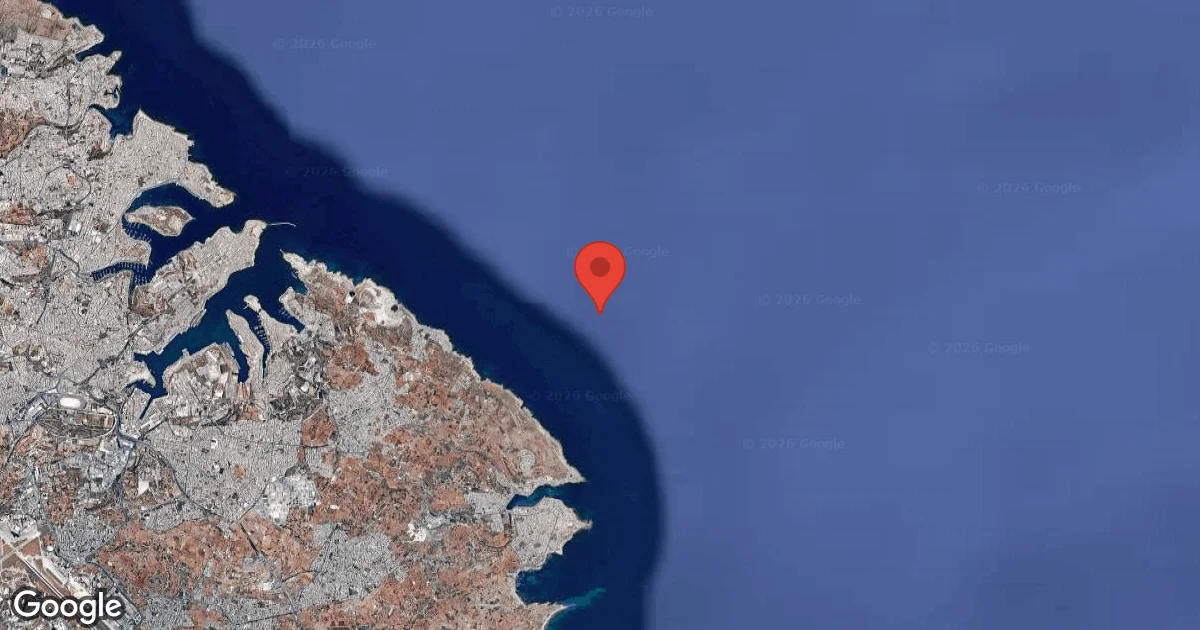
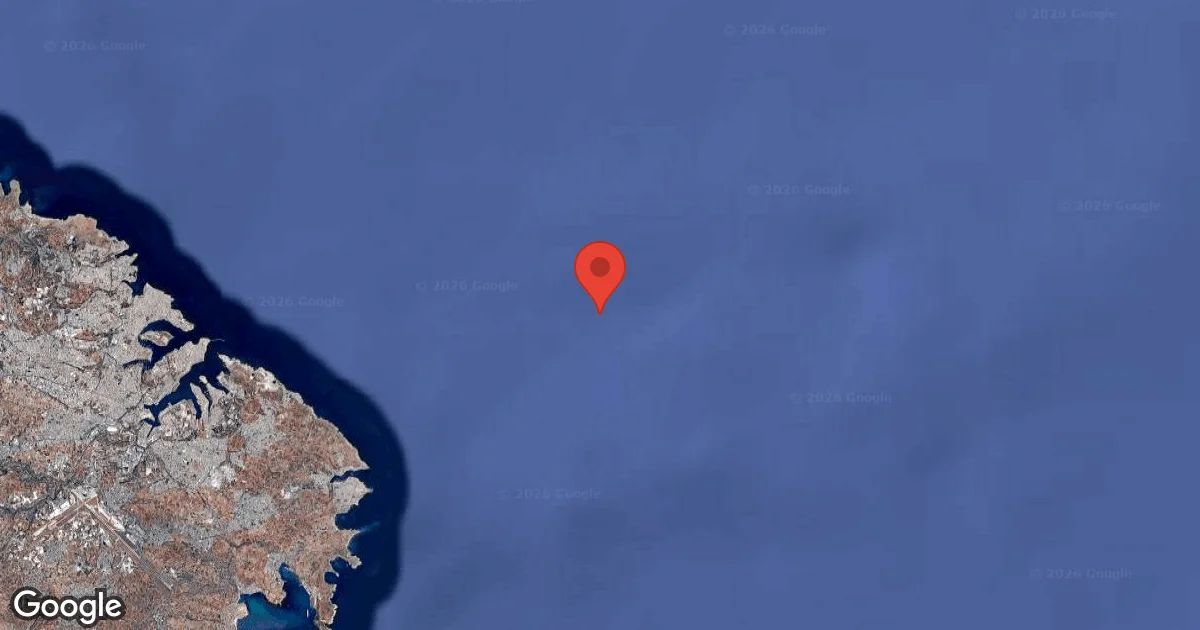
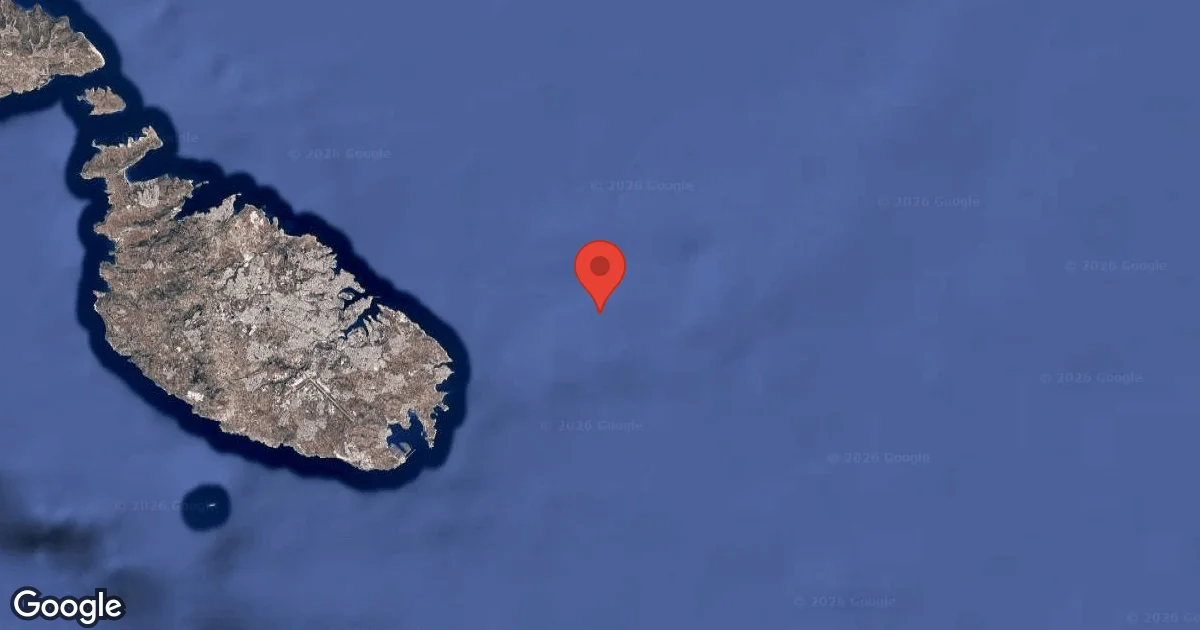
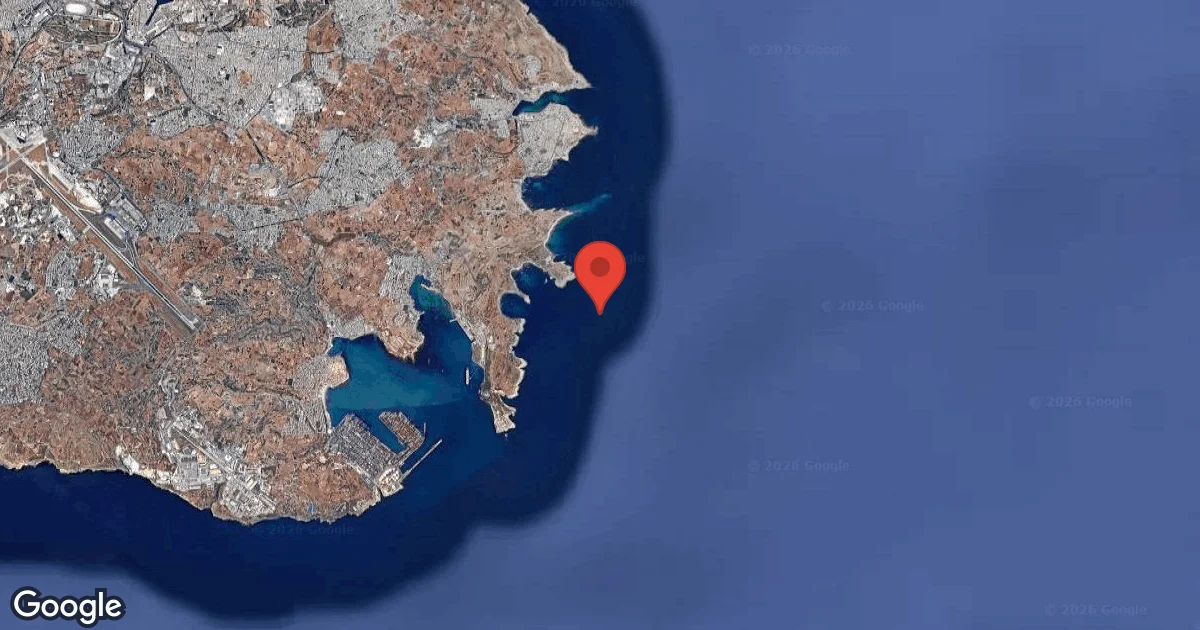
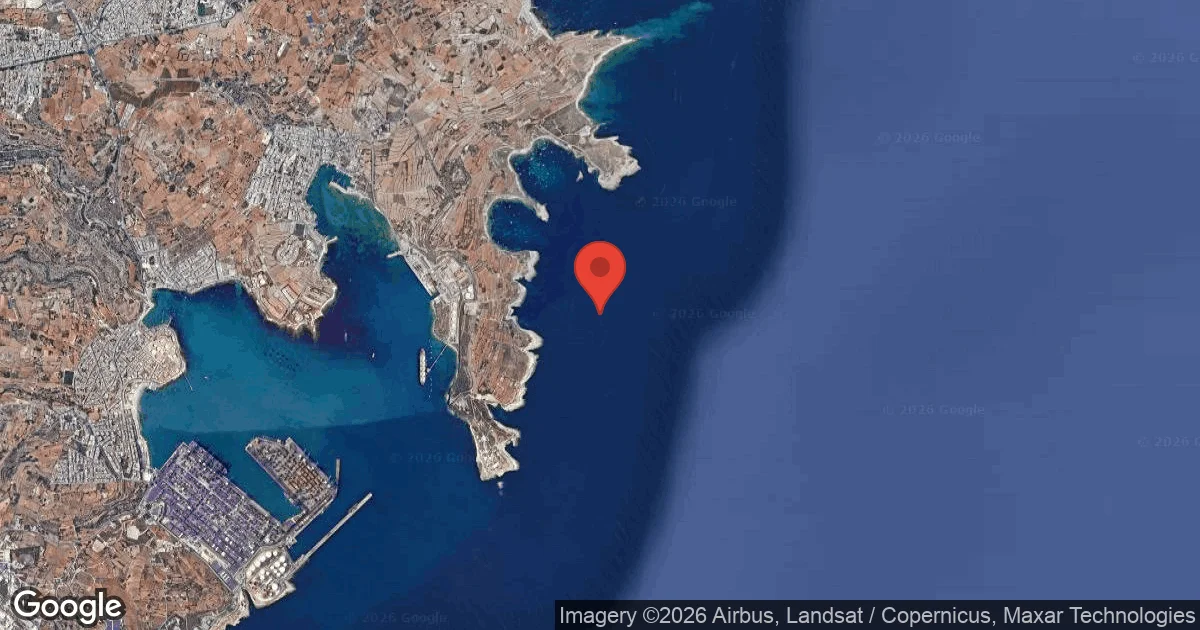
Navigating this deep wreck requires vigilance, particularly concerning current. Le Polynesian is exposed in open ocean east of Valletta Port, and strong currents are a common factor divers experience, often necessitating a hand-over-hand descent on the downline. Underwater visibility is generally good, though not consistently exceptional, allowing for clear views of the wreck's structure. Descending to the wreck, divers will find the highest point around 45 meters, with the starboard edge extending to about 48 meters. Once on the wreck, currents can sometimes lessen in the 'shadow' of the ship itself, providing some respite during exploration. However, decompression stops may still involve significant current, where divers resemble flags on a flagpole. Water temperature is not consistently reported for this specific site, but typically aligns with regional Mediterranean averages, varying by season.
Dive Difficulty & Safety Guidelines
Approaching Le Polynesian demands a technical diving certification and significant experience, primarily due to its depth and the potential for strong currents. As of May 2019, Heritage Malta manages this historical wreck, meaning a special permit is required before diving. Divers should plan for extended bottom times and staged decompression, carrying adequate gas supplies.
Given the open ocean exposure, pre-dive briefings must include current prediction and contingency plans for separation. While diving, maintaining situational awareness, especially regarding current direction and strength, is critical.
Always adhere to your dive plan and ensure your equipment is meticulously prepared for deep, challenging conditions.
Recommended Equipment
Overhead / entanglement risk. Wreck penetration requires proper training.
- Dive Computer
- Primary & Backup Lights
- Wreck Reel
- Cutting Tool
This gear list is based on verified equipment signals for Le Polynesian, Malta. Always confirm final gear choices with your dive operator, guide, or liveaboard.
Recommended Dive Suit
Current diving conditions indicate water temperatures around 28°C (83°F) at Le Polynesian. Surface air temperatures are resting at 25°C (76°F).
Forecasts suggest rising temperatures later this week. A warming trend is expected over the next few days.
Divers who prefer moderate insulation typically choose 2-3mm shorty or light wetsuit in similar environments. Many experienced divers adjust their exposure protection depending on the type of dive planned.
Emergency & Medical Support
Essential information to help you plan your dive trip to Le Polynesian.

Hyperbaric chambers are a critical part of dive safety infrastructure. Availability varies significantly by region, and not all dive areas have immediate access.
Before diving, it's recommended to:
- confirm nearest medical facilities
- check emergency procedures with local dive operators
- ensure dive insurance covers evacuation if required
Divers Alert Network
Diving emergency assistance available through DAN Europe.
+39 0642115685- 24/7 emergency hotline
- Diving medical assistance
- Evacuation coordination
Emergency contacts are provided for reference. Always verify local emergency services before diving.
Closest Listed Hyperbaric Chambers
Showing listed hyperbaric chamber facilities within 200 km of this dive site.
Distances are approximate straight-line distances and may not reflect emergency travel time.
Hyperbaric Unit - Mater Dei Hospital
24/7 ListedICU CapableMsida, Malta•Approx. 10 km straight-line
Hyperbaric Unit - Mater Dei Hospital
24/7 ListedICU CapableInformation is provided for reference and planning purposes only. Dive Navigator does not verify operational status, staffing, availability, or quality of care at listed facilities. In an emergency, contact local emergency services, DAN, your dive operator, or the chamber directly. Do not travel to a facility without calling ahead.
Gozo
24/7 ListedICU CapableVictoria, Malta•Approx. 38 km straight-line
Gozo
24/7 ListedICU CapableInformation is provided for reference and planning purposes only. Dive Navigator does not verify operational status, staffing, availability, or quality of care at listed facilities. In an emergency, contact local emergency services, DAN, your dive operator, or the chamber directly. Do not travel to a facility without calling ahead.
Marine Life at Le Polynesian
While the Le Polynesian wreck itself is a primary draw, the open ocean environment can occasionally offer glimpses of pelagic life. Divers might encounter various fish species taking refuge in the wreck's structure or observe the yellow sponges that have colonized parts of its hull. On the approach or during safety stops, it's possible to spot larger marine animals like sharks, whales, dolphins, or turtles, though these sightings are not consistently reported directly on the wreck itself.
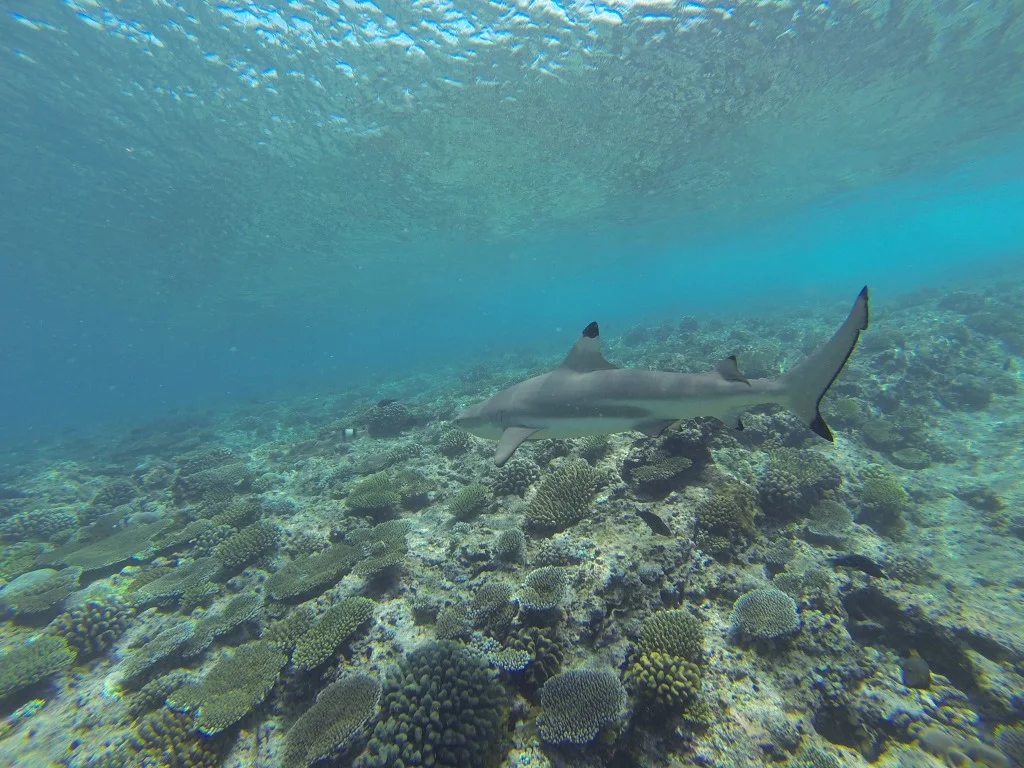
Dive Sites Near Le Polynesian
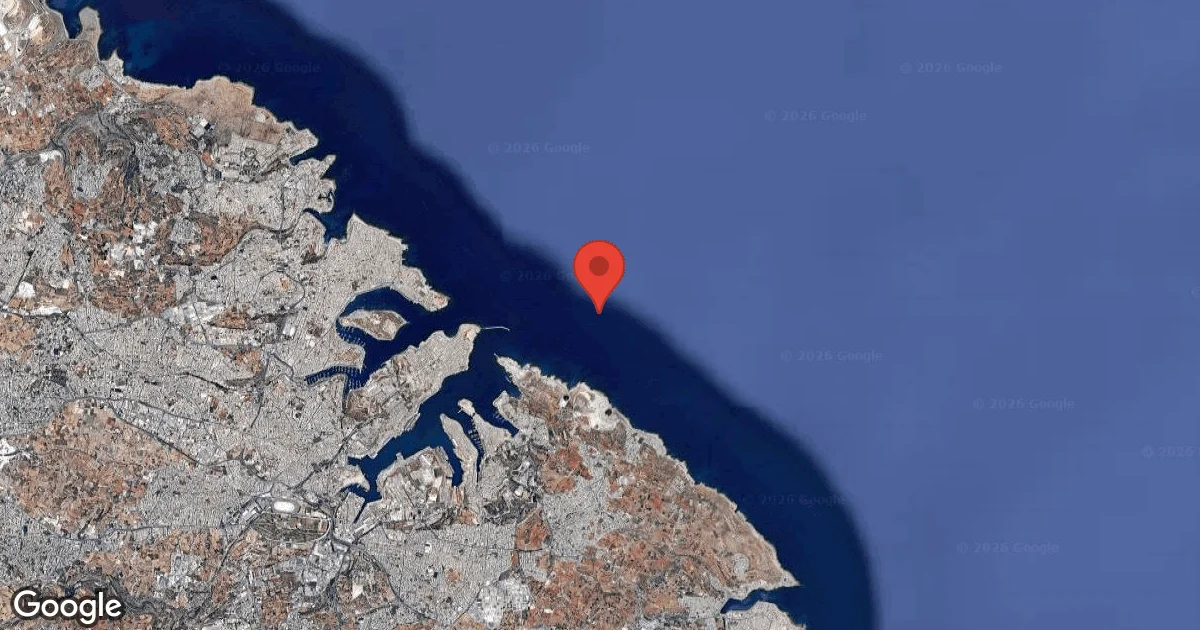
View all dive sites in MaltaDiscover more underwater gems in this area.
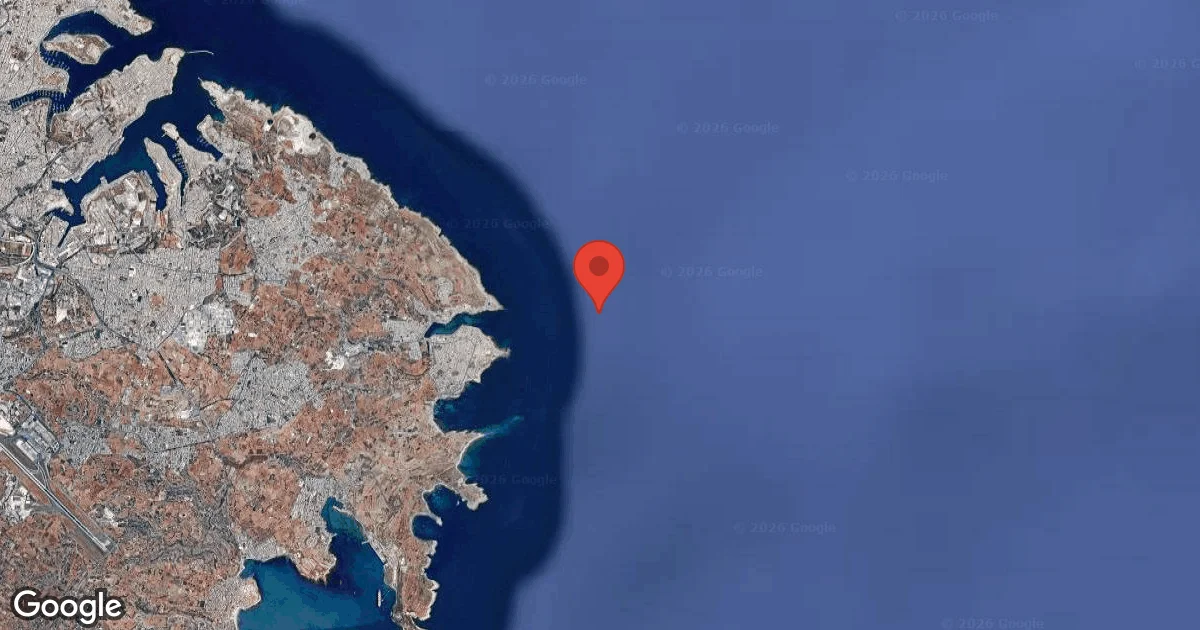
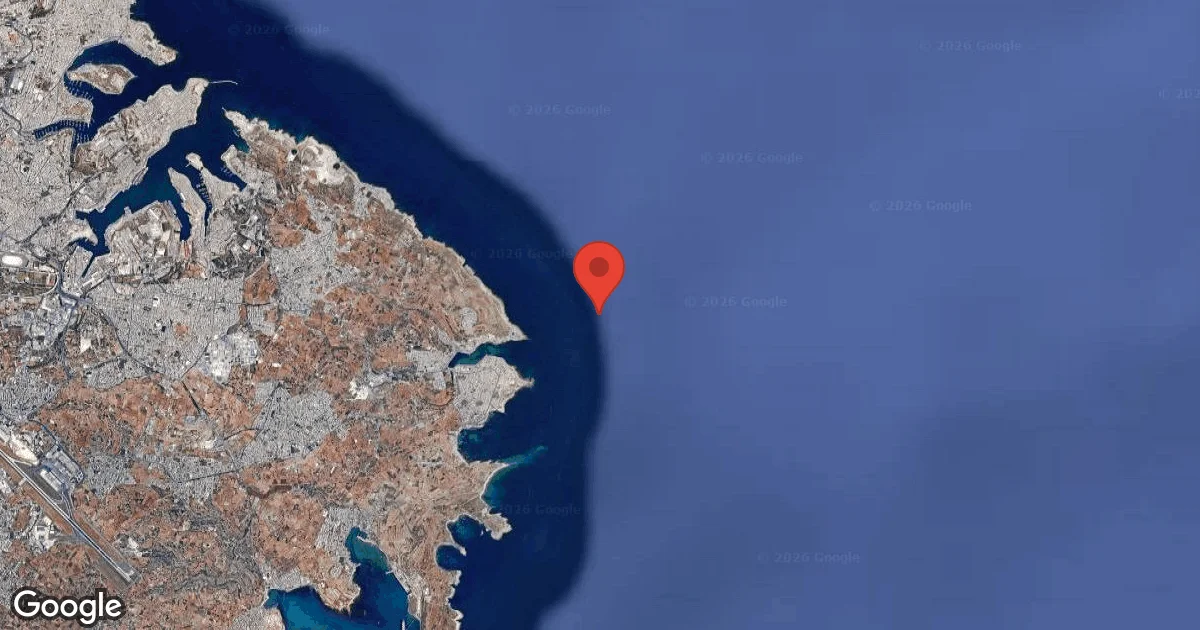
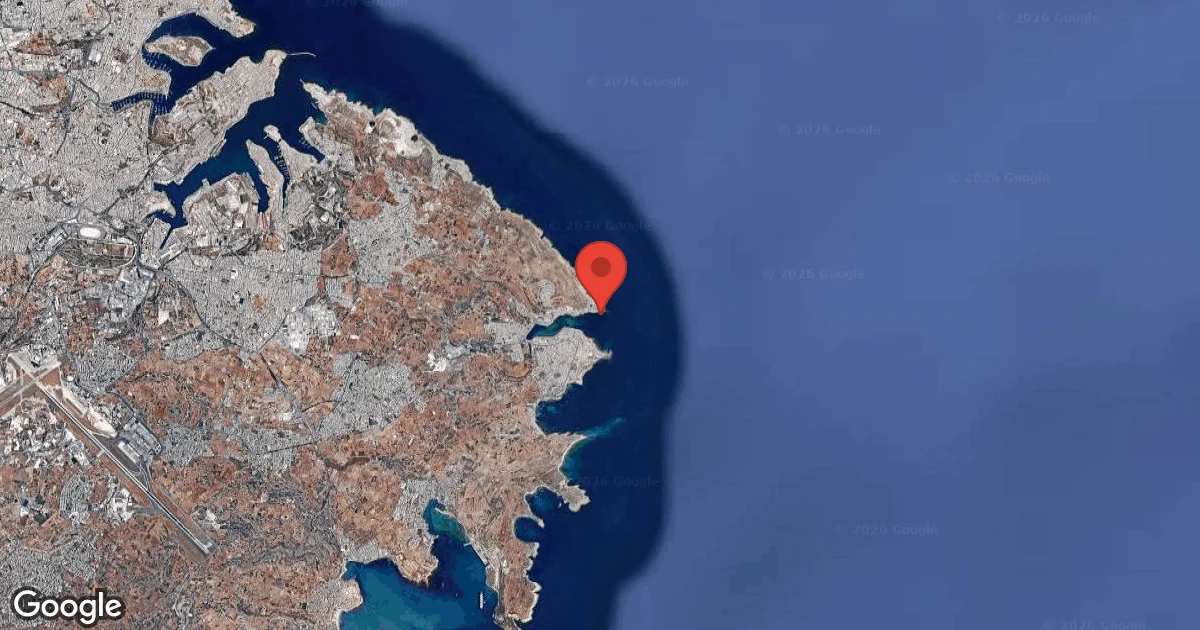
Dive Centers Near Le Polynesian
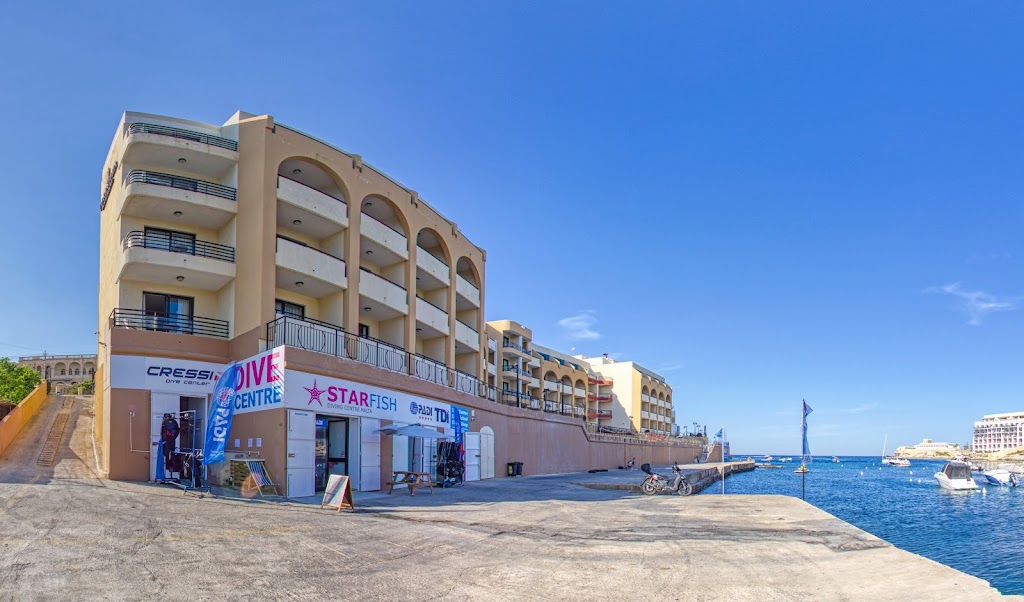
Today: 08:30 - 16:30

Nearest Airports
Nearest airports to help plan travel to this dive area.
Search Flights
Check available flights and routes on Expedia, using the nearby airports listed in this section.
Search Flights on ExpediaFrequently Asked Questions
What is the maximum depth of the Le Polynesian wreck?
The Le Polynesian wreck lies at a maximum depth of approximately 65 m (210 ft). Its highest point is around 45 meters.
What type of diver certification is needed for Le Polynesian?
Diving Le Polynesian requires a technical diving qualification. Its depth and exposure to strong currents make it unsuitable for recreational divers.
Is a permit required to dive the Le Polynesian wreck?
Yes, a special permit from Heritage Malta is required to dive the SS Polynesien, as it is a protected historical wreck. This regulation has been in place since May 1, 2019.
How long is the Le Polynesian wreck?
The Le Polynesian was a substantial ship, measuring approximately 152.5 meters (500 ft) in length. Exploring its entirety often requires multiple dives.
What kind of conditions can be expected at the dive site?
Divers should anticipate potentially strong currents, as the wreck is located in open ocean. Visibility is generally good, but conditions can vary.
What notable features can be seen on the wreck?
Key features include an intact deck cannon and propeller, the anchor, and portions of the cargo bay containing motorbike tires and pipes. Inside the passenger areas, remnants like baths and bed frames are visible.
Planning to dive Le Polynesian?
Send one inquiry and receive offers directly from the best verified local dive operators.
Conditions are Good
Optimal conditions expected
Current conditions near Le Polynesian show 25° air, 28° sea temperature, 0.5 m waves, and 18 km/h wind. Forecast data is refreshed regularly to ensure accuracy.