
Diving at Cenote Nayah (Mexico)
Cenote Nayah represents a fascinating opportunity for divers to explore the unique submerged geology of Mexico's Yucatán Peninsula. These freshwater systems, formed by collapsed limestone bedrock, offer a distinct diving experience unlike any open-water site. It's a world where ancient geological processes meet the silent flow of underground rivers, creating truly memorable underwater landscapes.
The latest environmental reading at Cenote Nayah indicates an air temperature of 26.5°C. The regional climate in Mexico is aligning with expected historical averages. Prepare your gear according to these specific local conditions.
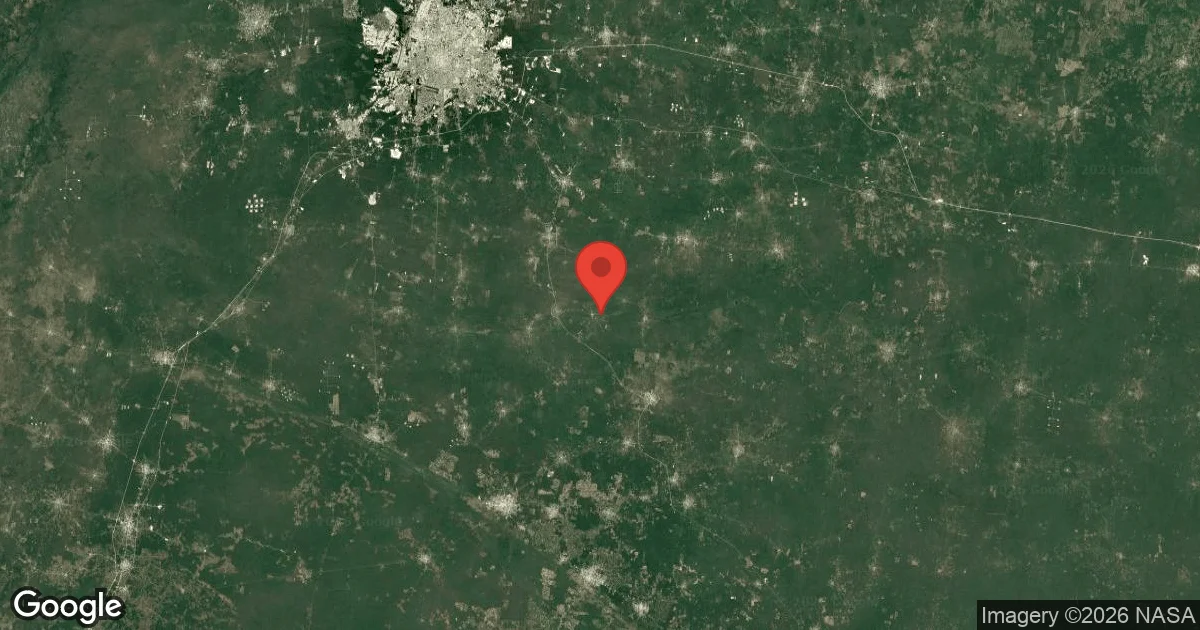
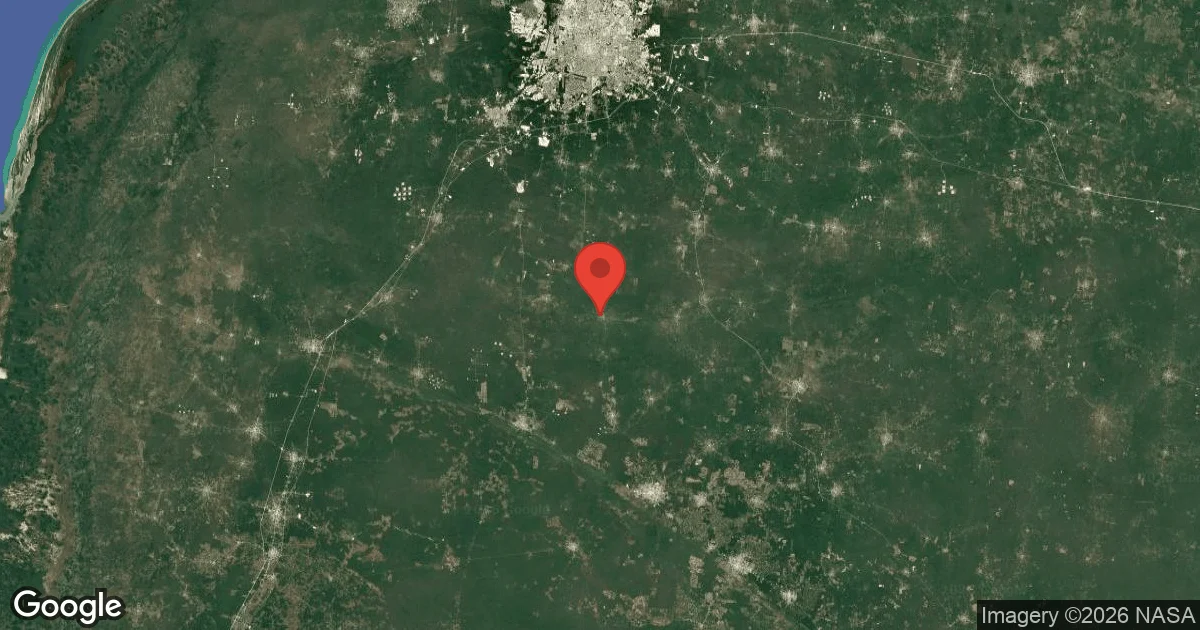
Dive Site Location & Key Facts
Dive Site Overview
Beneath the surface of Cenote Nayah, divers encounter a serene freshwater environment, characteristic of the Yucatán's extensive cenote network. The dive pathways within Nayah showcase intricate cave and cavern systems, often adorned with dramatic stalactite and stalagmite formations, revealing millennia of geological processes.
Exploring these subterranean landscapes can also introduce unique optical phenomena, such as distinct haloclines where freshwater meets saltwater. This interface creates visual distortions, adding an otherworldly dimension to the dive. When surface openings align, shafts of natural light pierce the water, illuminating vast chambers and creating captivating vertical beams that highlight the grandeur of the surroundings.
These deep blue or green hues against the pale limestone make for stunning visuals. Typical cenote dives involve navigating through spacious caverns and potentially tighter passages, requiring comfortable buoyancy control.
Depths are varied, generally remaining within recreational limits for certified cavern or cave divers, allowing for prolonged exploration of the submerged geological features without excessive nitrogen loading. Water temperatures in these systems are consistently cooler than ocean environments, often around 22-25°C (72-77°F).
This calm, current-free setting allows divers to truly focus on the quiet beauty and the intricate geological wonders found beneath the surface, making each descent a journey into a unique aquatic world.
Conditions are Good
Optimal conditions expected
Current conditions near Cenote Nayah show 26° air, --° sea temperature, N/A waves, and 8 km/h wind. Forecast data is refreshed regularly to ensure accuracy.
Best Time to Dive
The prime season for diving Cenote Nayah generally aligns with the region's dry period, from January through May, when conditions are most favorable. During these months, air temperatures are comfortably warm, averaging between 23.5-31°C (74-88°F), and rainfall is at its lowest, often less than 1 mm per month. This period consistently receives 'Excellent' dive scores. The 'Good' diving season extends from June to December, with average air temperatures ranging from 24-29°C (75-84°F). While this period sees an increase in rainfall, ranging from 1.3 to 5.8 mm monthly, it generally doesn't significantly impact underwater conditions within a cenote, though surface access might be affected by heavier downpours.
PEAK SEASON SCORE
Scores combine air & water temps, waves, wind & rainfall for overall conditions.
BEST MONTHS TO DIVE
Monthly records compiled from satellite and marine observation nodes over the last 3 years. Data provided by Open-Meteo and MET Norway.
Dive Experience & Conditions
Entering a cenote often involves a direct descent into a stable, enclosed freshwater environment. Water temperatures in these underground systems typically remain consistent throughout the year, varying little with surface weather. Visibility is usually excellent, often exceeding 30 m (100 ft), allowing for clear views of the intricate geological structures. Divers navigating cenotes should possess strong buoyancy control to avoid disturbing the delicate silt on the cavern floor and to protect formations. While some cenotes are suitable for divers new to overhead environments, guided dives are always recommended to ensure safety and to fully appreciate the unique characteristics of these subterranean worlds. Current is generally minimal to non-existent, providing calm conditions for exploration.
Dive Difficulty & Safety Guidelines
Diving in any overhead environment, including Cenote Nayah, requires specific safety considerations beyond open-water diving. Always adhere to local guidelines and dive with a certified, experienced cenote guide who is familiar with the specific site. Maintaining excellent buoyancy control is crucial to prevent contact with the delicate formations and to minimize silt disturbance, which can quickly reduce visibility.
Proper lighting is essential for navigation and appreciating the cavern's details. Remember, cenotes are natural, often fragile ecosystems; avoid touching or collecting anything from the environment to preserve its integrity for future divers.
Recommended Equipment
- Dive Computer
This gear list is based on verified equipment signals for Cenote Nayah, Mexico. Always confirm final gear choices with your dive operator, guide, or liveaboard.
Recommended Dive Suit
Divers planning deeper dives may feel cooler than those staying in shallower areas.
Based on regional estimates and current weather, the likely required exposure protection is a 3mm wetsuit. Note that local currents and upwellings can alter this. Due to unpredictable weather patterns, conditions may change rapidly. Cooler days are ahead; you might want a warmer option for later in the week. Carrying a secondary suit is common practice among experienced divers.
Because recent water temperature readings are not available for Cenote Nayah, the guidance below is based mainly on current air conditions and seasonal expectations. Current surface air temperatures are roughly 26°C (79°F).
Due to technical issues with our weather providers, live updates are temporarily delayed. The data above reflects the conditions at the time of the last successful fetch.
Emergency & Medical Support
Essential information to help you plan your dive trip to Cenote Nayah.

Hyperbaric chambers are a critical part of dive safety infrastructure. Availability varies significantly by region, and not all dive areas have immediate access.
Before diving, it's recommended to:
- confirm nearest medical facilities
- check emergency procedures with local dive operators
- ensure dive insurance covers evacuation if required
Divers Alert Network
Diving emergency assistance available through DAN World.
+1-919-684-9111- 24/7 emergency hotline
- Diving medical assistance
- Evacuation coordination
Emergency contacts are provided for reference. Always verify local emergency services before diving.
Marine Life at Cenote Nayah
While the primary draw of cenotes like Nayah is typically their stunning geological formations and unique light interactions, the aquatic life present can offer subtle observations. Freshwater species adapted to these low-light environments may be encountered, though specific populations vary by cenote.
The focus often remains on the silent grandeur of the submerged caves, where mineral deposits create an artistic backdrop. Any observed marine life, though not consistently reported for Nayah, contributes to the natural ecosystem of these unique subterranean water bodies.
Dive Sites Near Cenote Nayah
View all dive sites in MexicoDiscover more underwater gems in this area.
Dive Centers Near Cenote Nayah
Today: 09:00 - 18:00
Nearest Airports
Nearest airports to help plan travel to this dive area.
Search Flights
Check available flights and routes on Expedia, using the nearby airports listed in this section.
Search Flights on ExpediaFrequently Asked Questions
What is a cenote?
A cenote is a natural pit, or sinkhole, resulting from the collapse of limestone bedrock that exposes groundwater underneath. They are common in the Yucatán Peninsula of Mexico and are often connected to extensive underground river systems.
Do I need special certification to dive Cenote Nayah?
While some cenotes are accessible to Open Water divers with a guide, diving in overhead environments like cenotes generally requires advanced training such as Cavern Diver or Cave Diver certifications. Always confirm with your dive operator about specific site requirements and your qualification suitability.
What are the water temperatures like in Cenote Nayah?
Cenote water temperatures tend to be very stable year-round, typically cooler than ocean waters but consistent. While specific data for Nayah is not consistently reported, cenotes in the region commonly range from 22-25°C (72-77°F).
What kind of visibility can I expect?
Visibility in cenotes is usually exceptional due to the filtering effect of the limestone, often exceeding 30 meters (100 feet). Maintaining good buoyancy is key to preserving this clarity by avoiding silt disturbance.
Are there any strong currents in Cenote Nayah?
Most cenotes, particularly those further inland, experience little to no current, providing a very calm diving experience. This lack of current allows for relaxed navigation through the formations.
What's the best way to ensure my safety while diving a cenote?
Prioritize diving with a reputable, certified cenote guide who understands the specific site. Ensure your equipment is in excellent condition, including adequate lighting and redundant air sources when appropriate for deeper or more complex penetrations.
Planning to dive Cenote Nayah?
Send one inquiry and receive offers directly from the best verified local dive operators.
Conditions are Good
Optimal conditions expected
Current conditions near Cenote Nayah show 26° air, --° sea temperature, N/A waves, and 8 km/h wind. Forecast data is refreshed regularly to ensure accuracy.